Description
Bently Nevada 330730-080-12-05 Extension Cable – Industrial Proximity Transducer Solution for Critical Machinery Monitoring
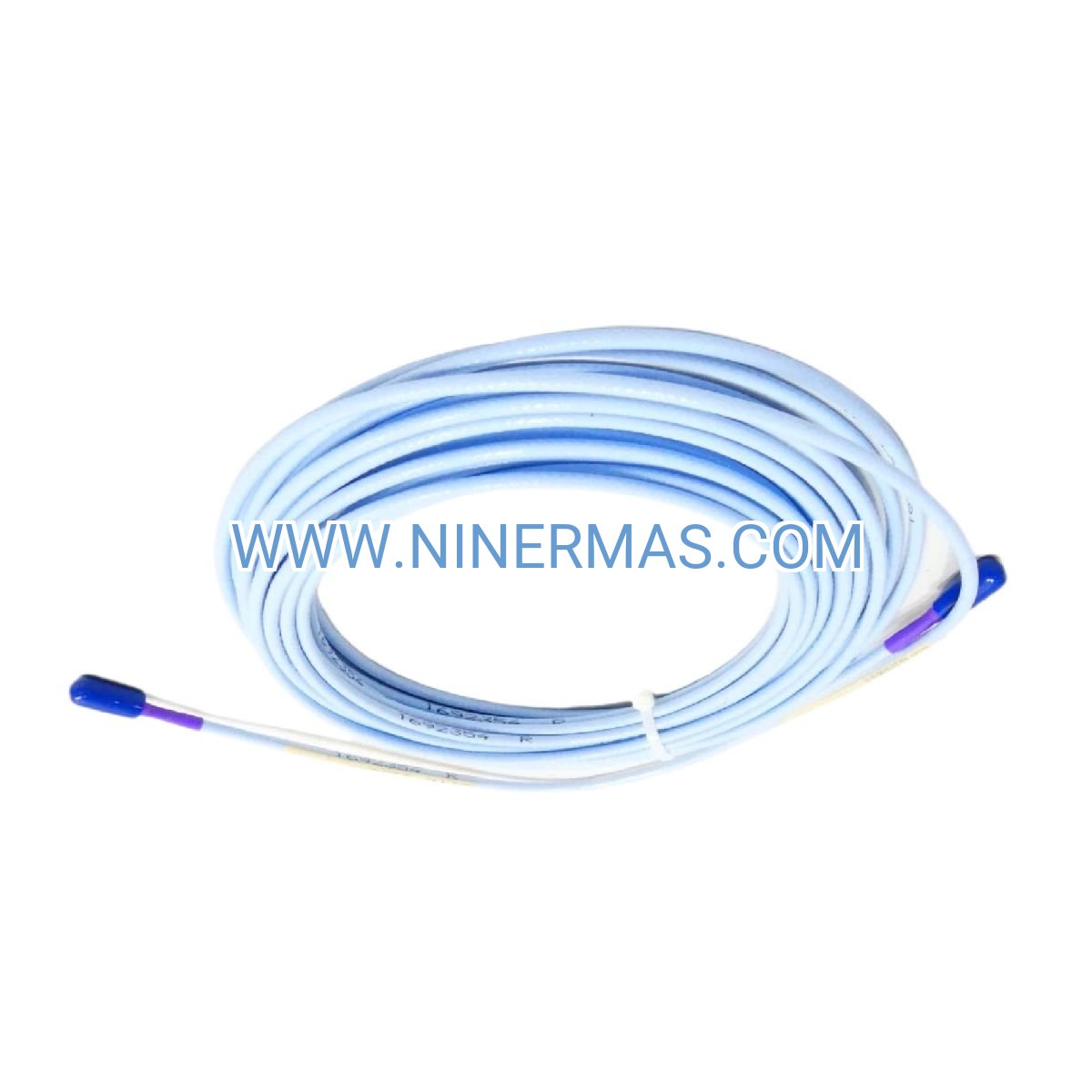
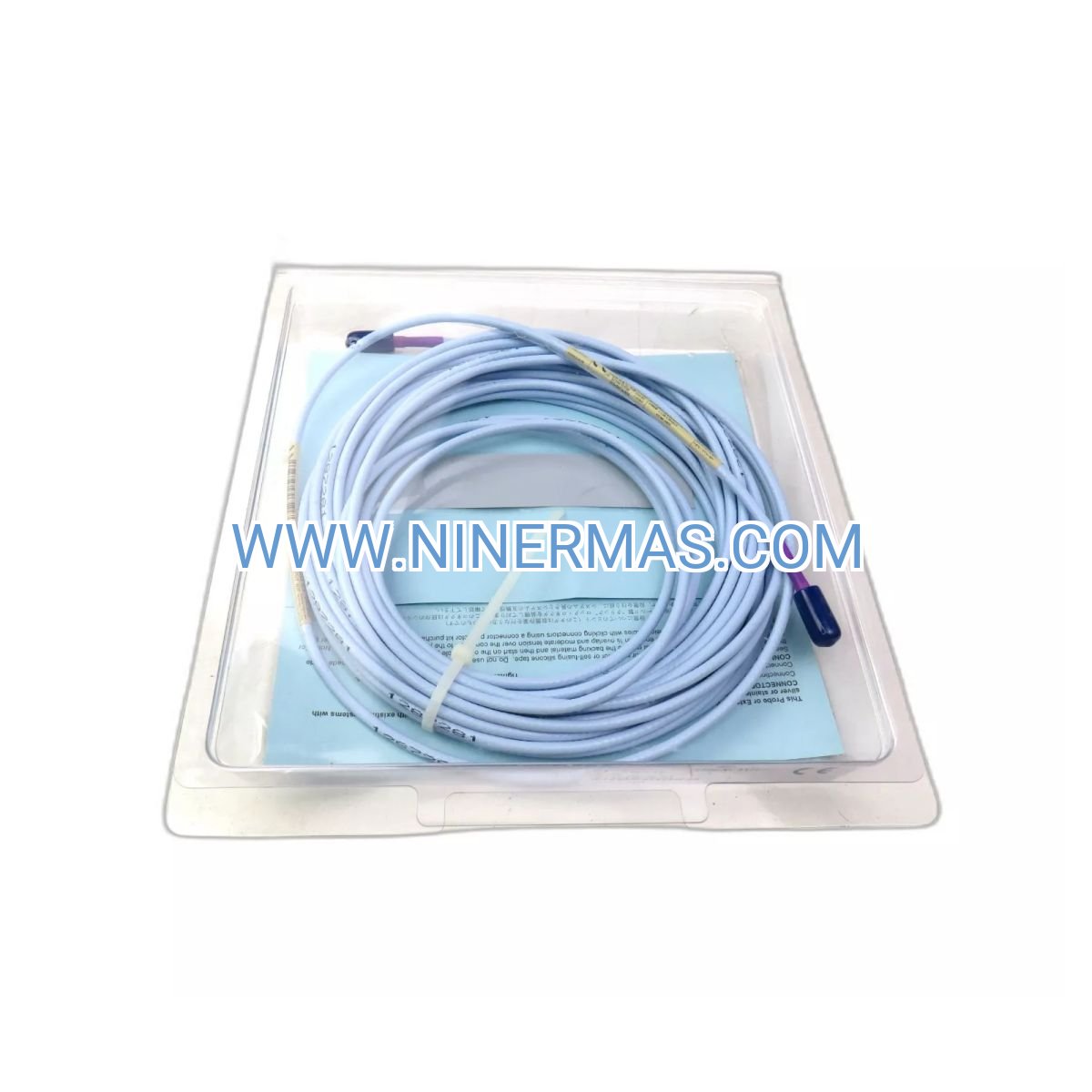
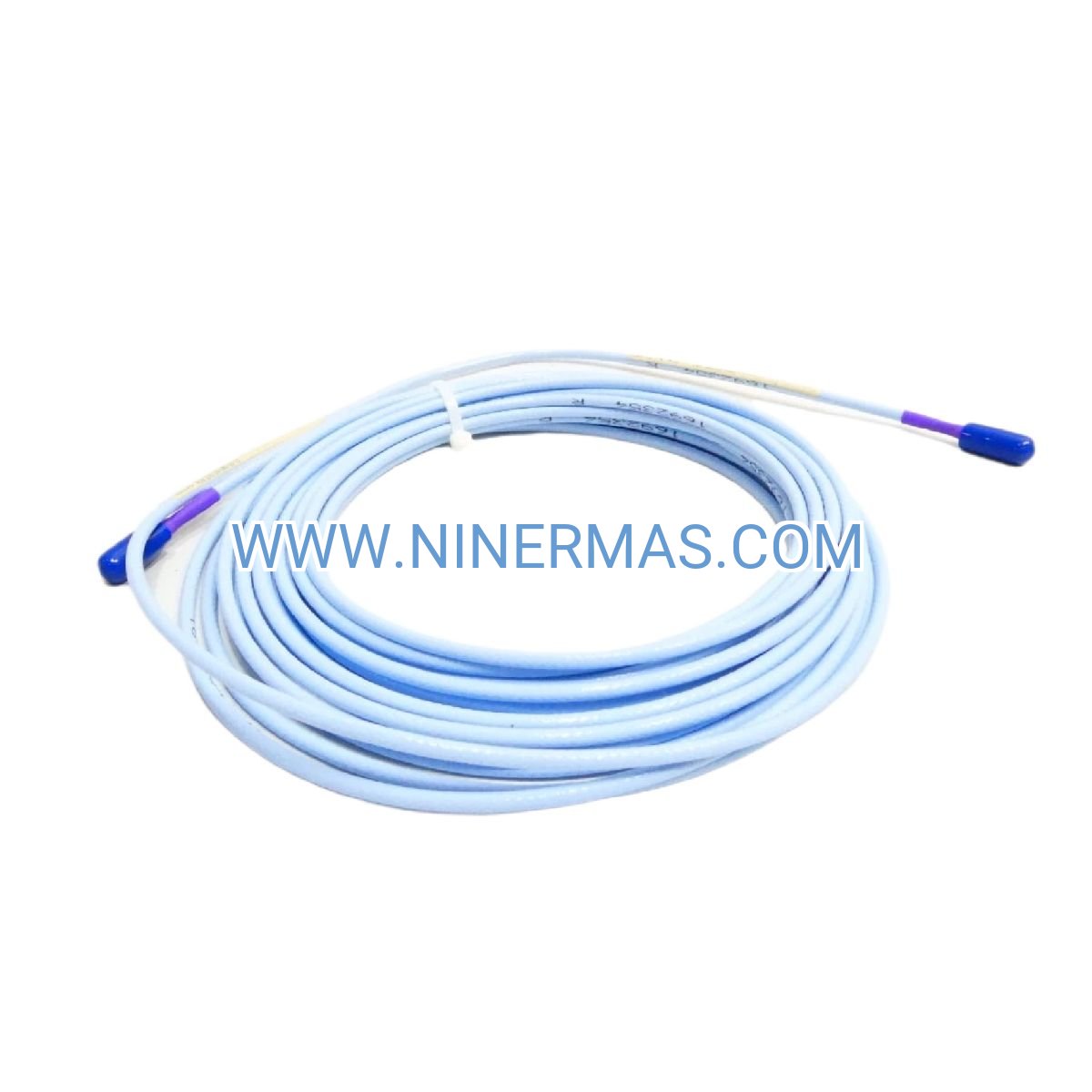
The Bently Nevada 330730-080-12-05 is an 8-meter (26.2 ft) FluidLoc extension cable engineered for the 3300 XL 11mm Proximity Transducer System. Through precision impedance matching and advanced environmental sealing technology, this cable delivers reliable vibration signal transmission in the harshest industrial environments—from steam turbines to petrochemical compressors.
Designed for applications where machinery uptime is non-negotiable, this extension cable addresses critical challenges: moisture ingress in humid environments, signal degradation over distance, installation constraints in confined spaces, and compliance with hazardous area regulations. It serves design engineers, maintenance teams, system integrators, and plant reliability managers who demand zero-compromise performance in rotating equipment protection.
Built on decades of Bently Nevada's condition monitoring expertise, the 330730-080-12-05 combines FluidLoc positive-lock connectors, multi-agency hazardous area certifications (CSA/ATEX/IECEx), wide operating temperature range (-40°C to +85°C), and proven electromagnetic interference resistance. Suitable for new installations and retrofit projects requiring extended probe-to-monitor distances. Contact our application engineers for system configuration guidance and technical specifications tailored to your machinery protection requirements.
Core Features & Engineering Advantages
FluidLoc Environmental Sealing Technology
Patented connector design with O-ring seals and positive-lock mechanism prevents moisture, dust, and chemical vapor penetration. Maintains IP67-equivalent protection even in washdown environments, coastal installations, or condensing atmospheres—eliminating false alarms caused by connector corrosion.
Precision Signal Integrity Over 8-Meter Distance
Factory-calibrated cable impedance (typically 50Ω ±2Ω) ensures linear frequency response from DC to 10 kHz. Minimizes phase shift and amplitude distortion critical for accurate vibration amplitude and phase measurements in balancing and diagnostic applications.
Multi-Agency Hazardous Area Certifications
Approved for Class I Division 1 Groups A-D, Zone 0 IIC T6, and ATEX II 1G Ex ia IIC T6 installations. Enables compliant deployment in refineries, offshore platforms, chemical plants, and gas processing facilities without costly custom engineering.
Extended Operating Temperature Range
Qualified for -40°C to +85°C ambient conditions with low-temperature flexibility retention. Suitable for Arctic LNG facilities, desert power plants, and cryogenic pump monitoring without seasonal cable replacement.
Robust Mechanical Construction
Industrial-grade TPE jacket resists oils, coolants, and hydraulic fluids. Reinforced strain relief at connector interfaces withstands 50,000+ vibration cycles per MIL-STD-810 testing. Minimum bend radius of 110mm (10× cable diameter) allows routing through crowded cable trays.
Plug-and-Play System Integration
Direct compatibility with all 3300 XL 11mm proximity probes and proximitor modules. Color-coded connector shells (per Bently Nevada standard) prevent cross-connection errors during multi-channel installations. Connector protector caps included for storage and transportation.
Typical Application Scenarios
This extension cable is engineered for installations where probe-to-monitor separation exceeds standard cable lengths, environmental conditions threaten signal reliability, or regulatory compliance mandates certified components:
Steam & Gas Turbine Generator Sets
Monitors journal bearing vibration, thrust position, and differential expansion on utility-scale turbines where proximitors mount in control rooms 5-8 meters from bearing housings. FluidLoc sealing prevents steam leakage-induced failures in turbine deck environments.
Centrifugal Compressor Trains
Enables vibration monitoring on multi-stage compressors in petrochemical and gas processing plants. Hazardous area certifications allow installation in Zone 1 classified areas without purge enclosures, reducing system complexity and maintenance.
Large Industrial Pumps & Motors
Provides flexible cable routing for vertical pumps, boiler feed pumps, and cooling water circulation systems where probe mounting locations are dictated by hydraulic design rather than electrical convenience. Resistant to water spray and chemical exposure common in these applications.
Offshore Oil & Gas Rotating Equipment
Meets stringent offshore platform requirements for corrosion resistance, flame retardancy, and hazardous area compliance. Proven performance in high-vibration, salt-fog environments on compressor modules, crude oil pumps, and seawater injection systems.
Paper Mill & Steel Plant Heavy Machinery
Withstands the thermal cycling, mechanical shock, and contaminated atmospheres typical of continuous process industries. Supports predictive maintenance programs on calender rolls, rolling mill drives, and induced draft fans.
Technical Parameters & Selection Guide
To ensure optimal system performance and compliance, reference these specifications during design and procurement:
| Parameter | Specification |
|---|---|
| Part Number | 330730-080-12-05 |
| Cable Length | 8.0 meters (26.2 feet) ±50mm |
| System Compatibility | 3300 XL 11mm Proximity Transducer System only |
| Connector Type | FluidLoc with positive-lock and connector protector |
| Cable Impedance | 50Ω nominal (±2Ω tolerance) |
| Operating Temperature | -40°C to +85°C (-40°F to +185°F) |
| Storage Temperature | -55°C to +95°C |
| Cable Diameter | 11mm nominal outer diameter |
| Minimum Bend Radius | 110mm (during installation); 55mm (static) |
| Jacket Material | Thermoplastic elastomer (TPE), oil/chemical resistant |
| Environmental Rating | IP67 when mated (with FluidLoc engaged) |
| Hazardous Area Approvals | CSA Class I Div 1 Groups A-D; ATEX/IECEx Zone 0 Ex ia IIC T6 |
| Maximum System Cable Length | 9 meters total (probe cable + extension cable combined) |
| Weight | Approximately 1.0 kg |
Selection Considerations
When specifying this extension cable, evaluate: (1) total system cable length—ensure probe cable plus extension does not exceed 9 meters to maintain calibration accuracy; (2) environmental exposure—verify FluidLoc sealing meets your IP rating requirements; (3) hazardous area classification—confirm -05 suffix certifications match your facility's Zone/Division ratings; (4) installation routing—plan cable paths with adequate bend radius clearance and separation from AC power cables (minimum 300mm). For custom lengths, alternative connector styles, or armored cable options, consult our application engineering team with your P&ID and equipment layout drawings.
Advanced Integration Capabilities
Multi-Channel Monitoring Systems
Supports radial vibration (X-Y), axial position, and differential expansion measurements on a single machine train. Color-coded connectors simplify field wiring of 4-8 channel systems without requiring detailed as-built drawings during maintenance.
Retrofit & Upgrade Projects
Backward compatible with legacy 3300 XL installations dating to the 1990s. Enables monitor relocation or control room consolidation projects without replacing existing proximity probes—reducing project cost and outage duration.
Redundant Monitoring Architectures
Facilitates dual-channel voting configurations for SIL-rated machinery protection systems. Independent cable paths prevent common-mode failures while maintaining identical electrical characteristics for balanced signal processing.
Remote Monitoring & IIoT Integration
When paired with Bently Nevada 1900/65A or 3500 series monitors, enables 4-20mA output, Modbus RTU/TCP, and OPC UA connectivity to plant DCS, SCADA, and cloud-based condition monitoring platforms for predictive analytics.
Delivery, Service & Quality Assurance
Lead Time & Availability
Standard part number 330730-080-12-05 typically ships within 3-5 business days from regional distribution centers. Custom configurations (alternative lengths, special connectors, or armored jackets) require 4-6 weeks manufacturing lead time. Expedited processing available for emergency shutdowns and critical path projects.
Warranty & Support
All Bently Nevada products include a comprehensive 24-month manufacturer's warranty covering material defects and workmanship failures under normal operating conditions. Extended warranty programs available for long-term service agreements.
Technical Documentation Package
Each cable ships with: (1) product datasheet with electrical specifications; (2) installation quick-start guide; (3) hazardous area certification certificates (CSA/ATEX/IECEx); (4) material traceability documentation; (5) calibration test report (impedance, continuity, insulation resistance). CAD models and 3D STEP files available for download to support detailed installation planning.
Installation & Commissioning Assistance
Our certified field service engineers provide on-site support for complex installations, including cable routing verification, system gap voltage testing (using TK-3 test kit), and integration with existing monitoring infrastructure. Remote technical support available via phone, email, and video consultation for routine installations.
Compliance & Certifications
Manufactured in ISO 9001:2015 certified facilities with full material traceability. RoHS and REACH compliant. Meets API 670 machinery protection system requirements and ISO 20816 vibration severity standards when used in complete 3300 XL systems.
Frequently Asked Questions (FAQ)
Q: Can the 330730-080-12-05 extension cable be used with 8mm proximity transducers?
A: No, this cable is exclusively designed for 11mm proximity transducer systems. The connector keying and electrical characteristics are incompatible with 8mm probes. For 8mm systems, specify the 330130 series extension cables with matching connector configurations.
Q: What is the maximum total cable length allowed in a 3300 XL proximity system?
A: The combined length of proximity probe cable plus extension cable must not exceed 9 meters (approximately 30 feet) to maintain system accuracy within ±2% of full scale. Exceeding this length causes excessive capacitance loading, resulting in gap voltage drift and non-linear output. For installations requiring greater separation, consider using proximitor-to-monitor extension cables or relocating the proximitor housing.
Q: Is this cable suitable for installation in Class I Division 1 hazardous areas?
A: Yes, the -05 suffix indicates full multi-agency hazardous area certifications including CSA Class I Division 1 Groups A, B, C, D (North America), ATEX II 1G Ex ia IIC T6 Ga (Europe), and IECEx Ex ia IIC T6 Ga (international). Installation must follow the entity parameters and wiring practices specified in the control drawing supplied with your proximitor or monitor. Ensure all associated apparatus (probes, proximitors, barriers) are also certified for the area classification.
Q: How do I verify cable integrity after installation and before commissioning?
A: Use a Bently Nevada TK-3 test kit or compatible proximitor to perform a gap voltage test. With the probe installed at the target surface and the extension cable connected, measure the DC output voltage. For an 11mm system with a standard 1.0mm gap, expect approximately -8.0 VDC (±0.5 VDC). Deviations outside this range indicate cable damage, incorrect probe selection, or target material issues. Also perform insulation resistance testing (minimum 100 MΩ at 500 VDC) between conductors and shield to detect jacket damage.
Q: Can I repair or splice this cable if it becomes damaged?
A: No, field splicing or repair of proximity system cables is strictly prohibited. Any modification voids hazardous area certifications and compromises measurement accuracy due to impedance discontinuities. Damaged cables must be replaced with factory-assembled units. The relatively low cost of replacement versus the risk of machinery damage from faulty vibration data makes this a critical safety practice.
Q: What is the difference between FluidLoc and standard BNC connectors?
A: FluidLoc connectors feature a positive-lock bayonet mechanism with integrated O-ring seals, providing IP67 environmental protection and resistance to vibration-induced disconnection. Standard BNC connectors lack environmental sealing and can loosen under sustained vibration. FluidLoc is mandatory for outdoor installations, washdown areas, and any application where moisture or contaminant ingress could cause measurement errors or safety hazards.
Q: Does the cable require periodic calibration or replacement?
A: Proximity system cables do not require periodic calibration—they are passive transmission lines. However, annual visual inspection for jacket damage, connector corrosion, and secure mating is recommended. In severe environments (high vibration, thermal cycling, chemical exposure), consider replacement every 5-7 years as preventive maintenance, even if testing shows acceptable performance. Cable failure modes are typically gradual (insulation degradation, shield breakdown) rather than catastrophic.
Request Technical Support & Custom Solutions
For detailed application engineering assistance, custom cable configurations, or system integration consulting, please provide our technical team with the following project information:
- Equipment type and model (turbine, compressor, pump, motor, etc.)
- Measurement requirements (radial vibration, axial position, eccentricity, etc.)
- Probe-to-monitor separation distance and routing constraints
- Environmental conditions (temperature range, humidity, chemical exposure, area classification)
- Existing monitoring infrastructure (monitor model, communication protocols, DCS integration)
- Project timeline and quantity requirements
Our application engineers will provide system architecture recommendations, cable length optimization, hazardous area compliance verification, and integration with your existing condition monitoring platform. Typical response time for technical inquiries is 4-8 business hours.
© 2026 NINERMAS COMPANY LIMITED. All rights reserved.
Original Source: https://ninermas.com
Contact: sale@ninermas.com | +0086 187 5021 5667
PDF Specification
Download PDF file here:
Click to Download PDF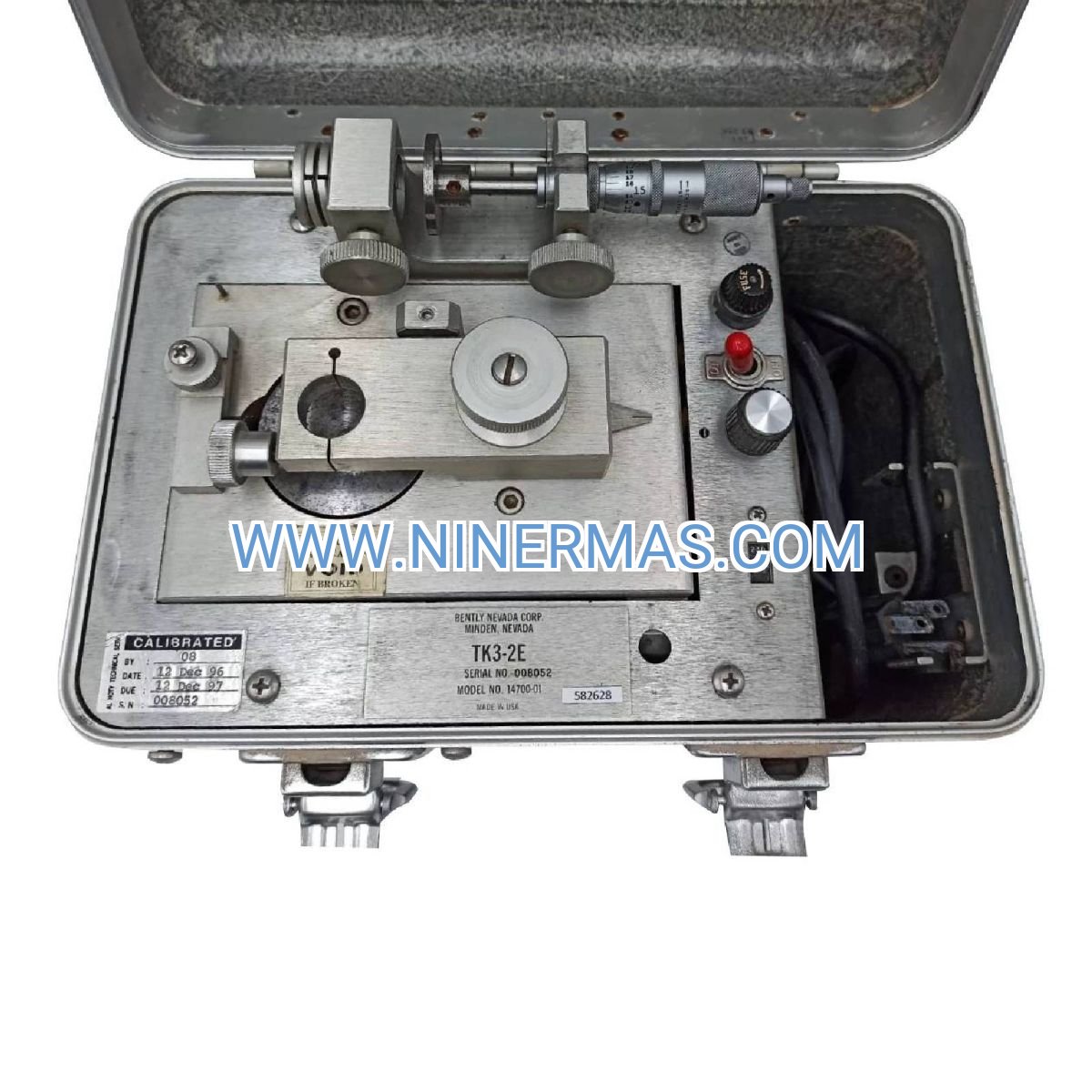

Contact Info
-
Address:22 / F, South Wo Hang building, 148 Wing Lok Street, Sheung Wan, Western District, Hong Kong
-
Phone:+8618750215667
-
Email: