


Description
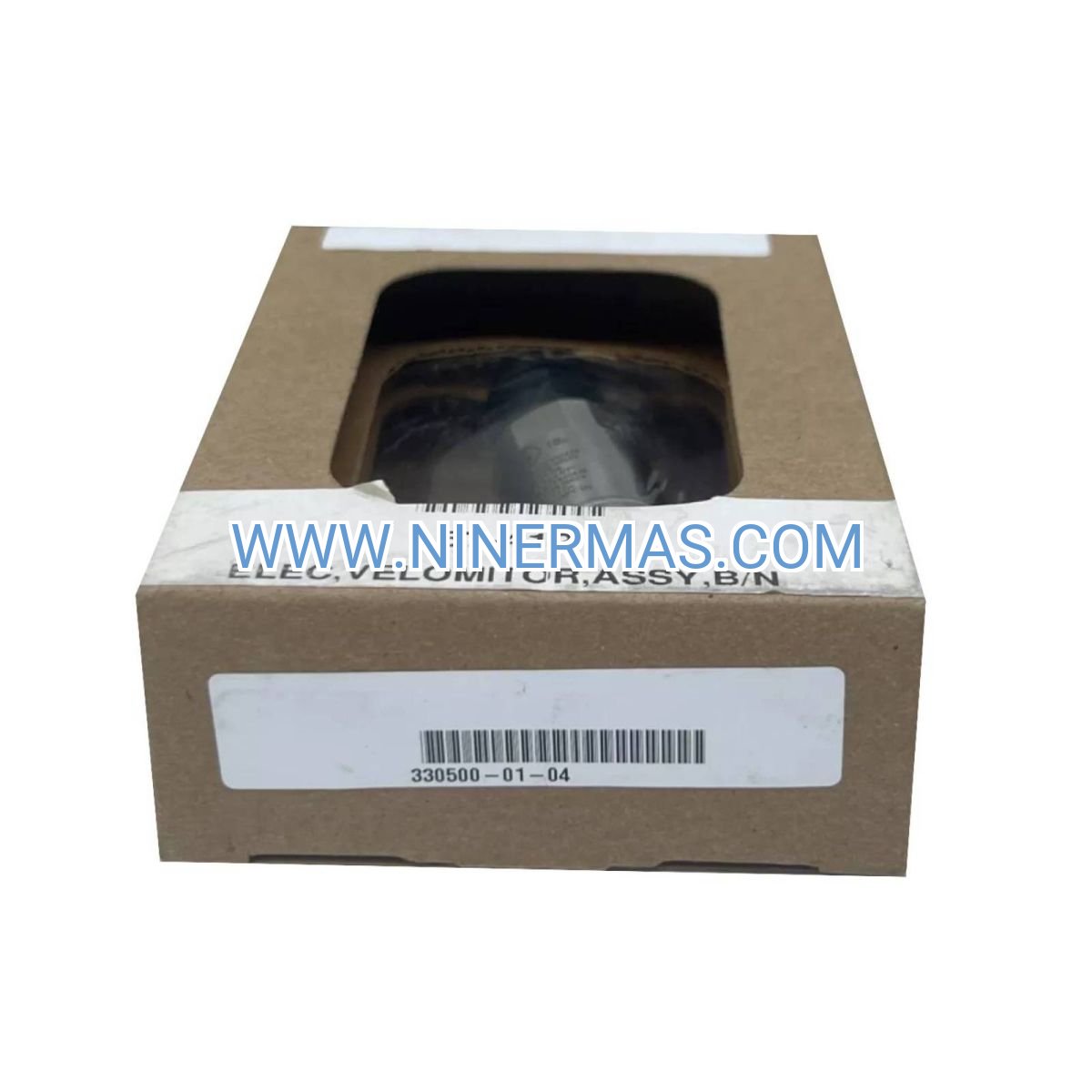
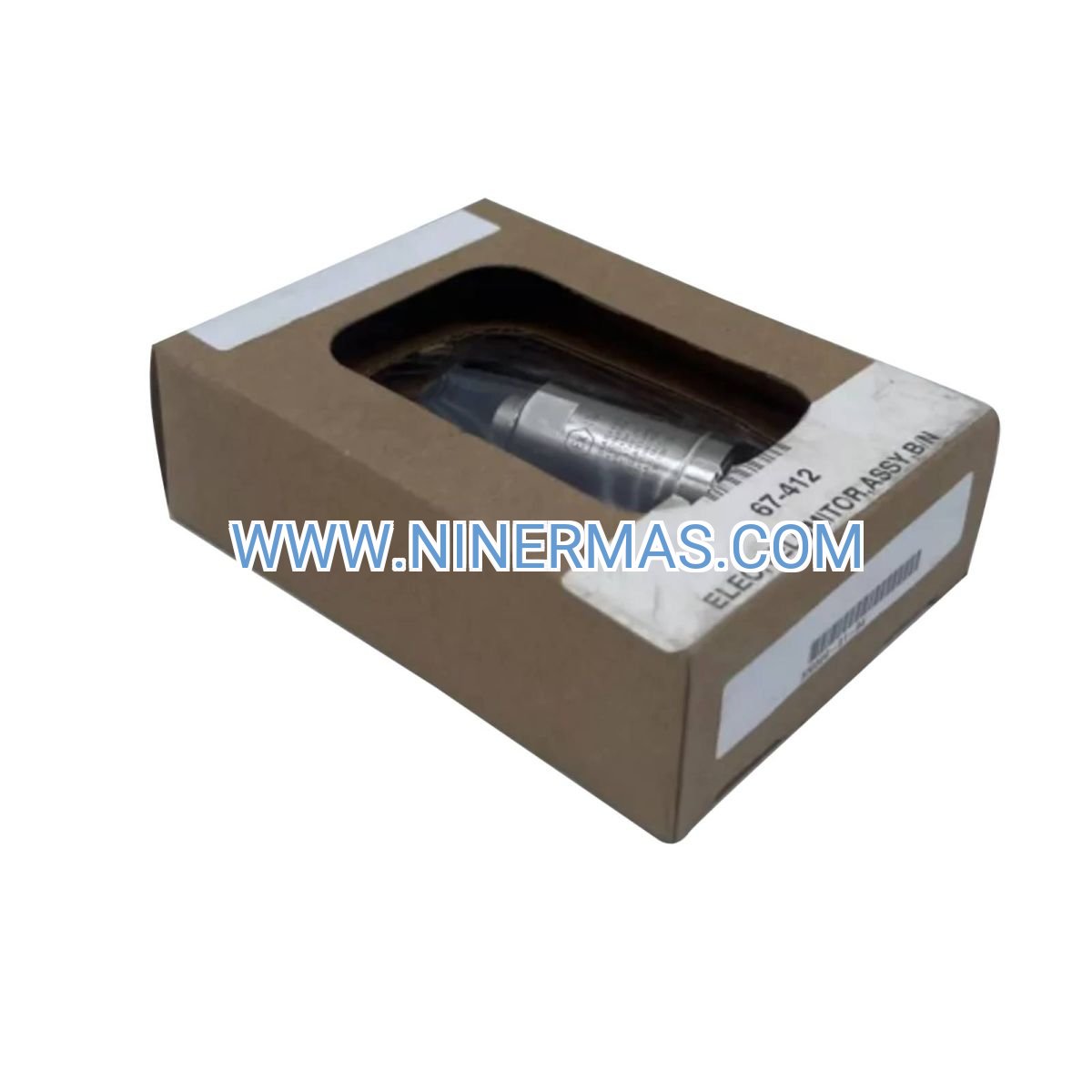
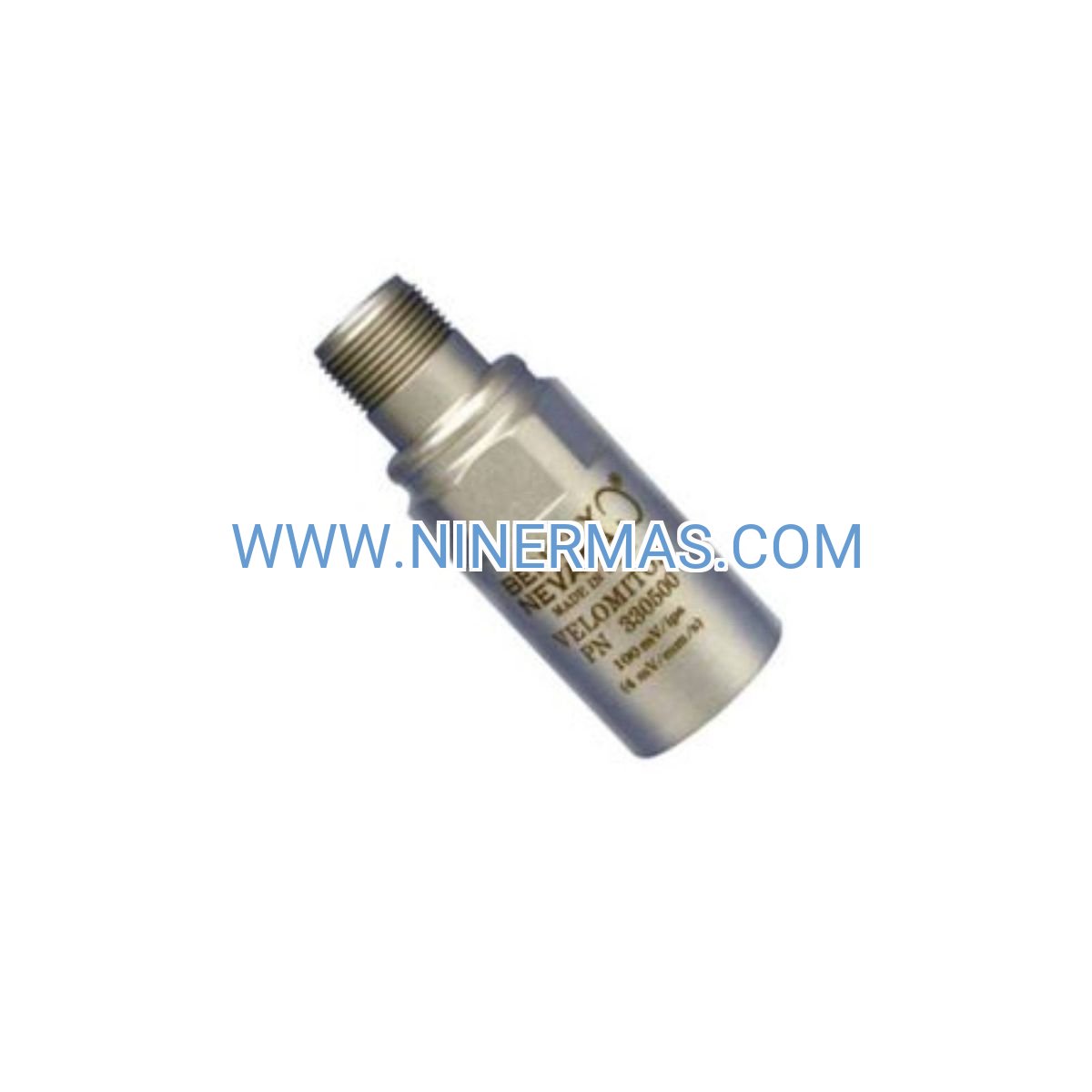
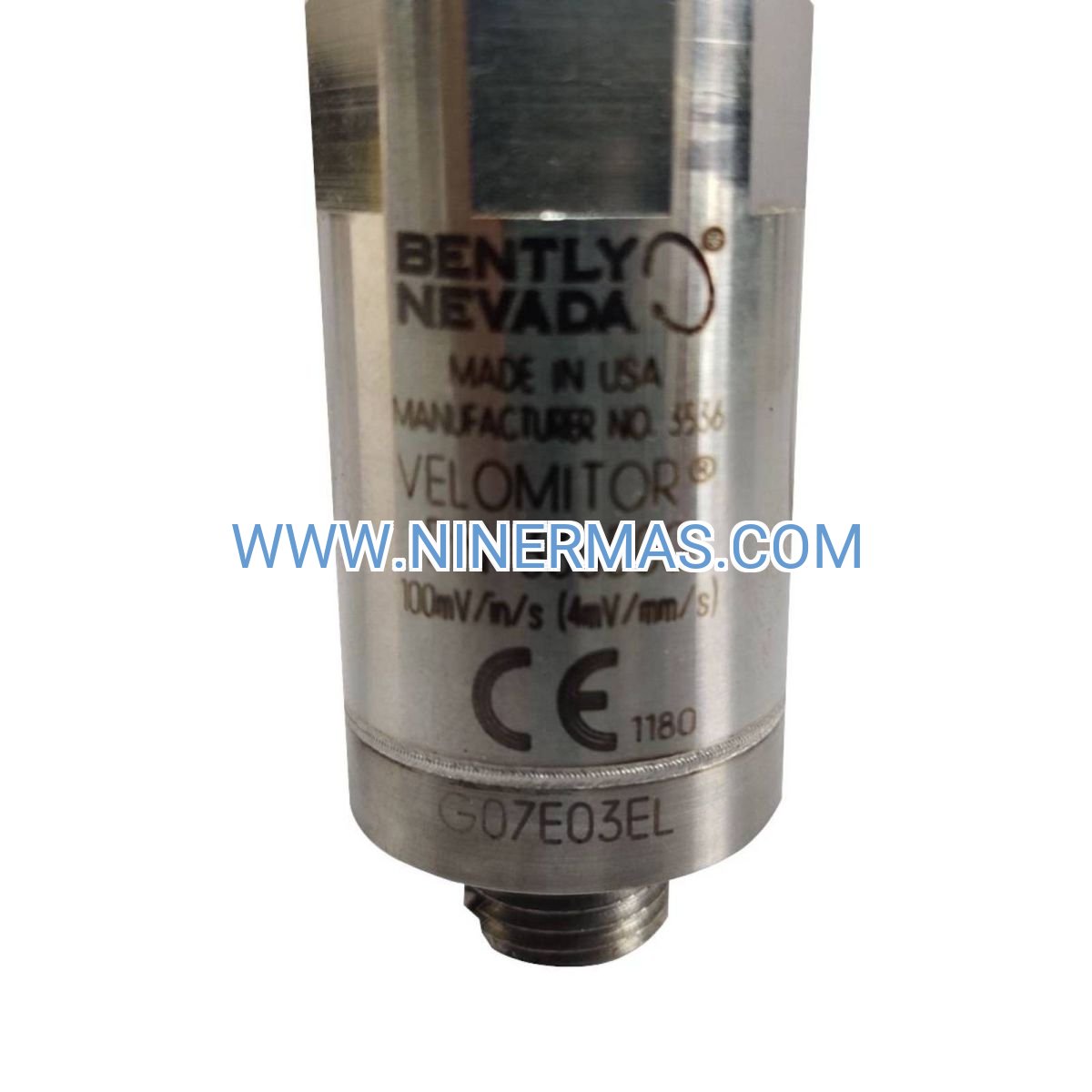
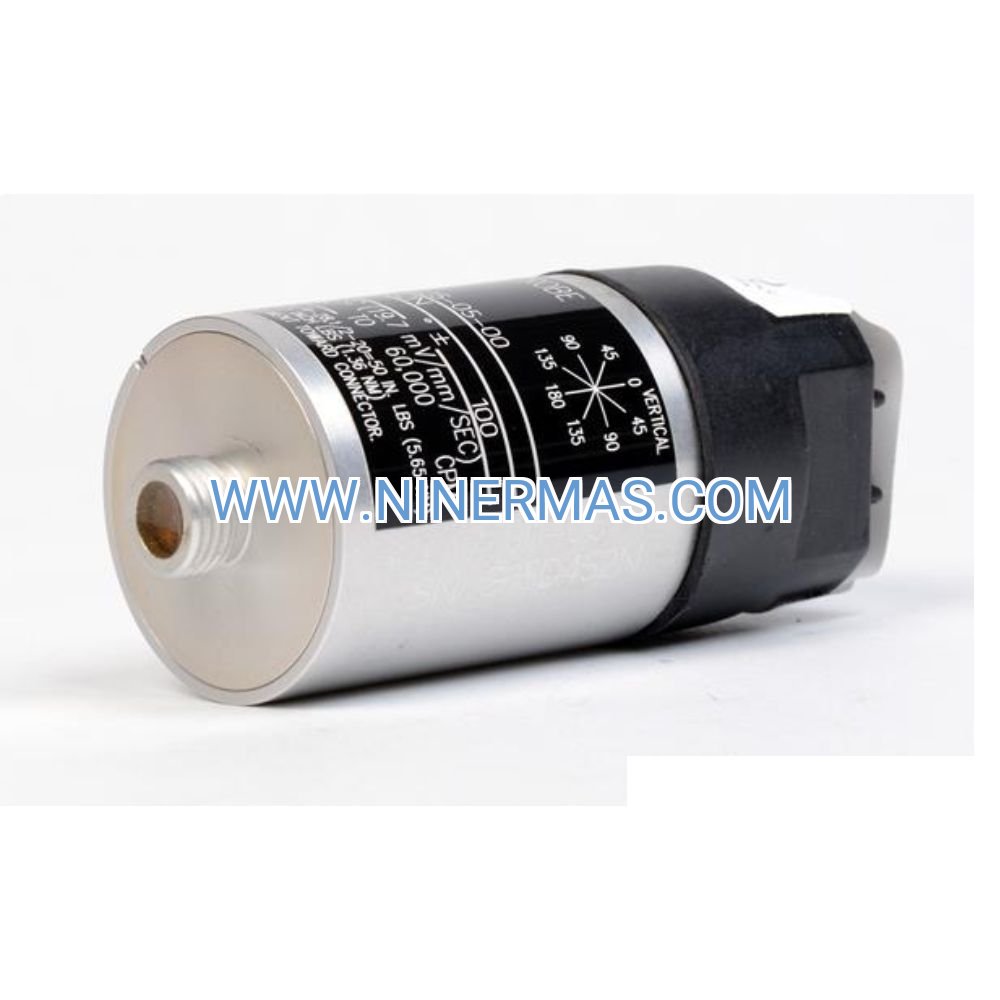
330500-04-01 Velomitor® Piezoelectric Velocity Transducer (Industrial-Grade Machinery Monitor)
Engineered for uninterrupted operation in the harshest industrial settings, the 330500-04-01 Velomitor delivers precision velocity measurements essential for protecting high-value rotating assets. This piezoelectric transducer transforms mechanical vibration into proportional electrical signals, enabling real-time condition assessment of turbines, compressors, pumps, and motors across power generation, oil & gas, and heavy manufacturing sectors.
Designed to withstand extreme temperatures from -50°C to +120°C and hermetically sealed to IP67 standards, this sensor maintains measurement accuracy in environments where conventional accelerometers fail. Plant engineers and reliability teams rely on the 330500-04-01 for early fault detection—identifying bearing wear, misalignment, unbalance, and resonance conditions before catastrophic failures occur.
With proven compatibility across Bently Nevada 3300 series monitoring infrastructure and compliance to ISO 10816 / API 670 machinery protection standards, this transducer integrates seamlessly into existing vibration surveillance architectures while future-proofing your predictive maintenance strategy.
Core Features & Benefits
→ Wide Frequency Bandwidth (10 Hz – 1 kHz): Captures both low-frequency imbalance signatures and high-frequency bearing defect patterns in a single measurement, eliminating the need for multiple sensor types and reducing installation complexity.
→ Self-Generating Piezoelectric Design: Requires no external power supply, enhancing system reliability and simplifying wiring in remote or hazardous locations where power availability is limited.
→ Hermetic IP67 Enclosure: Protects internal electronics from moisture ingress, chemical exposure, and particulate contamination—critical for offshore platforms, refineries, and outdoor installations subject to washdown procedures.
→ Extended Temperature Range (-50°C to +120°C): Maintains calibration accuracy across arctic cold starts and high-temperature turbine casings, reducing sensor replacement frequency and lifecycle costs by 40% compared to standard industrial accelerometers.
✓ MIL-C-5015 Connector Interface: Military-grade 2-pin connection ensures vibration-resistant electrical continuity and field-replaceable cable assemblies without specialized tools.
✓ NIST-Traceable Calibration: Factory-certified sensitivity of 100 mV/(in/s) with documented traceability, satisfying quality management system requirements for ISO 9001, AS9100, and nuclear QA programs.
Application Scenarios
Steam Turbine Generator Sets (Power Plants):
Monitor bearing housing vibration on 50-500 MW turbine-generator units to detect steam whirl, blade passing frequencies, and foundation resonance. The 330500-04-01's low-frequency response captures subsynchronous vibration modes that indicate impending thrust bearing failure, preventing unplanned outages costing $500K-$2M per event.
Centrifugal Compressor Trains (LNG & Petrochemical):
Track casing vibration on multi-stage compressors handling corrosive gases at pressures exceeding 1000 psi. Early detection of aerodynamic instability (surge) and mechanical looseness protects against catastrophic seal failures and process gas releases in ATEX/IECEx classified zones.
Boiler Feed Pumps (Thermal Power & Desalination):
Surveil high-pressure pump casings operating at 3600 RPM with discharge pressures up to 3000 psi. Velocity trending identifies cavitation onset, impeller erosion, and coupling misalignment—extending mean time between overhauls (MTBO) from 18 to 30 months.
Industrial Gearboxes (Steel Mills & Cement Plants):
Analyze gear mesh frequencies and sideband modulation patterns on reduction gearboxes transmitting 5000+ HP. The sensor's 1 kHz upper limit resolves tooth contact defects in planetary and helical gear stages, enabling condition-based lubrication and preventing catastrophic tooth fracture.
Marine Propulsion Engines (Offshore & Shipping):
Continuously assess main engine and auxiliary machinery vibration aboard vessels subject to dynamic loading and saltwater corrosion. IP67 sealing withstands deck washdown and bilge moisture, while shock-resistant construction survives heavy seas and docking impacts.
Technical Parameters & Selection Guide
| Parameter | Specification |
|---|---|
| Part Number | 330500-04-01 |
| Sensing Technology | Piezoelectric (self-generating) |
| Measurement Parameter | Velocity (in/s or mm/s) |
| Frequency Range | 10 Hz to 1000 Hz (±3 dB) |
| Sensitivity | 100 mV per in/s (3.94 mV per mm/s) |
| Measurement Range | 0 to 2.0 in/s pk (0 to 50 mm/s pk) |
| Operating Temperature | -50°C to +120°C (-58°F to +248°F) |
| Environmental Protection | IP67 hermetically sealed |
| Mounting Thread | 1/4-28 UNF (standard stud mount) |
| Electrical Connection | Integral 2-pin MIL-C-5015 connector |
| Case Material | Stainless steel (corrosion-resistant) |
| Weight | 0.2 kg (0.44 lbs) |
| Compliance Standards | ISO 10816, API 670, CE marked |
Selection Criteria: Choose the 330500-04-01 when monitoring machinery with running speeds between 600-60,000 CPM (10-1000 Hz) where casing-mounted measurements are preferred over shaft proximity probes. Ideal for retrofit applications on existing equipment lacking internal sensor provisions. For hazardous area installations, pair with certified intrinsic safety barriers rated for your zone classification.
Extended Functions
System Integration Capabilities: The 330500-04-01 outputs industry-standard velocity signals compatible with Bently Nevada 3300 rack monitors, portable data collectors (CSI 2140, SKF Microlog), and distributed control systems (DCS) via 4-20 mA transmitters. Analog output enables parallel connection to PLC-based protection logic and SCADA trending without signal degradation.
Advanced Diagnostics: When connected to spectrum analyzers or online monitoring platforms, velocity waveforms reveal fault signatures invisible to overall vibration alarms—including gear tooth modulation, rolling element bearing defect frequencies (BPFO, BPFI, BSF), and rotor bar pass frequencies in induction motors.
Customization Options: Factory modifications available for non-standard cable lengths (up to 15 meters integral), alternative connector styles (MS3102 or Bendix PT06), and extended temperature ratings to +150°C for specialized turbine applications. Consult our engineering team for application-specific configurations.
Delivery & Service Assurance
Lead Time: Stock items ship within 2-3 business days via express courier (DHL/FedEx). Custom configurations require 4-6 weeks manufacturing lead time with expedited options available for critical outage support.
Warranty Coverage: 12-month manufacturer warranty against defects in materials and workmanship from date of shipment. Extended warranty programs available for fleet purchases exceeding 20 units.
Technical Support: Lifetime application engineering assistance including mounting recommendations, cable specification, signal conditioning selection, and troubleshooting guidance. Remote commissioning support via video conference for international installations.
Documentation Package: Each sensor includes NIST-traceable calibration certificate, dimensional outline drawing, installation instructions, and material certifications (MTRs) compliant with ASME B31.3 and pressure equipment directive (PED) requirements.
Frequently Asked Questions
How does piezoelectric velocity sensing differ from IEPE accelerometers for machinery monitoring?
Piezoelectric velocity sensors generate output voltage proportional to vibration velocity without requiring external power, making them inherently safer in hazardous areas and immune to power supply noise. IEPE accelerometers measure acceleration and need constant-current excitation (typically 4 mA), but offer wider frequency response. For general machinery monitoring per ISO 10816 standards (which specify velocity limits), the 330500-04-01 provides direct measurement without mathematical integration.
What cable type and maximum length are recommended for signal integrity?
Use low-noise coaxial cable (RG-58 or equivalent) with 95% braided shield. Maximum recommended run is 300 meters (1000 feet) to monitoring equipment. In electrically noisy environments near VFDs or welding equipment, limit cable length to 100 meters and employ twisted-shielded-pair construction with single-point grounding at the monitor end to minimize ground loop interference.
Can this sensor be installed on vertical or overhead machinery surfaces?
Yes, the 1/4-28 UNF stud mount accommodates any orientation. For overhead installations, apply thread-locking compound (Loctite 242) to prevent loosening from vibration. Ensure the mounting surface is flat within 0.001 inches and free of paint or corrosion to maintain mechanical coupling—poor mounting can reduce sensitivity by 30% or introduce spurious resonances.
Is the 330500-04-01 suitable for continuous online monitoring or periodic route-based data collection?
Both applications are supported. For permanent installation, connect to rack-mounted monitors (Bently Nevada 3300 series) or transmitters for 24/7 surveillance with alarm setpoints. For route-based programs, install threaded quick-disconnect adapters (QD studs) that accept magnetic or threaded portable sensor bases, enabling technicians to collect data during scheduled rounds without disturbing permanent wiring.
What are the alarm setpoints for velocity measurements per ISO 10816 standards?
ISO 10816 defines velocity limits based on machine class and foundation type. For example, large turbine-generator sets (Class I, rigid foundation) typically use: Alert = 4.5 mm/s RMS, Alarm = 7.1 mm/s RMS, Trip = 11.2 mm/s RMS. Consult ISO 10816-3 (industrial machines) or API 670 (petroleum/chemical machinery) for application-specific thresholds. Our technical team can assist with setpoint determination during commissioning.
Does the sensor require periodic recalibration, and what is the expected service life?
Piezoelectric elements exhibit excellent long-term stability. We recommend verification testing every 24 months and recalibration every 3-5 years depending on environmental severity and regulatory requirements (nuclear facilities may mandate annual recalibration). Expected service life exceeds 15 years under normal operating conditions. Hermetic sealing prevents moisture-induced drift common in non-sealed designs.
Get Started with Precision Vibration Monitoring
Protect your critical rotating assets with proven Bently Nevada technology trusted by Fortune 500 companies worldwide. Our vibration specialists are ready to assist with sensor selection, system design, and installation planning tailored to your machinery protection requirements.
Request a quote today or contact our technical sales team to discuss your application. Volume pricing available for multi-unit projects and plant-wide monitoring system upgrades.
© 2026 NINERMAS COMPANY LIMITED. All rights reserved.
Original Source: https://ninermas.com
Contact: sale@ninermas.com | +0086 187 5021 5667

Contact Info
-
Address:22 / F, South Wo Hang building, 148 Wing Lok Street, Sheung Wan, Western District, Hong Kong
-
Phone:+8618750215667
-
Email:
