


Description
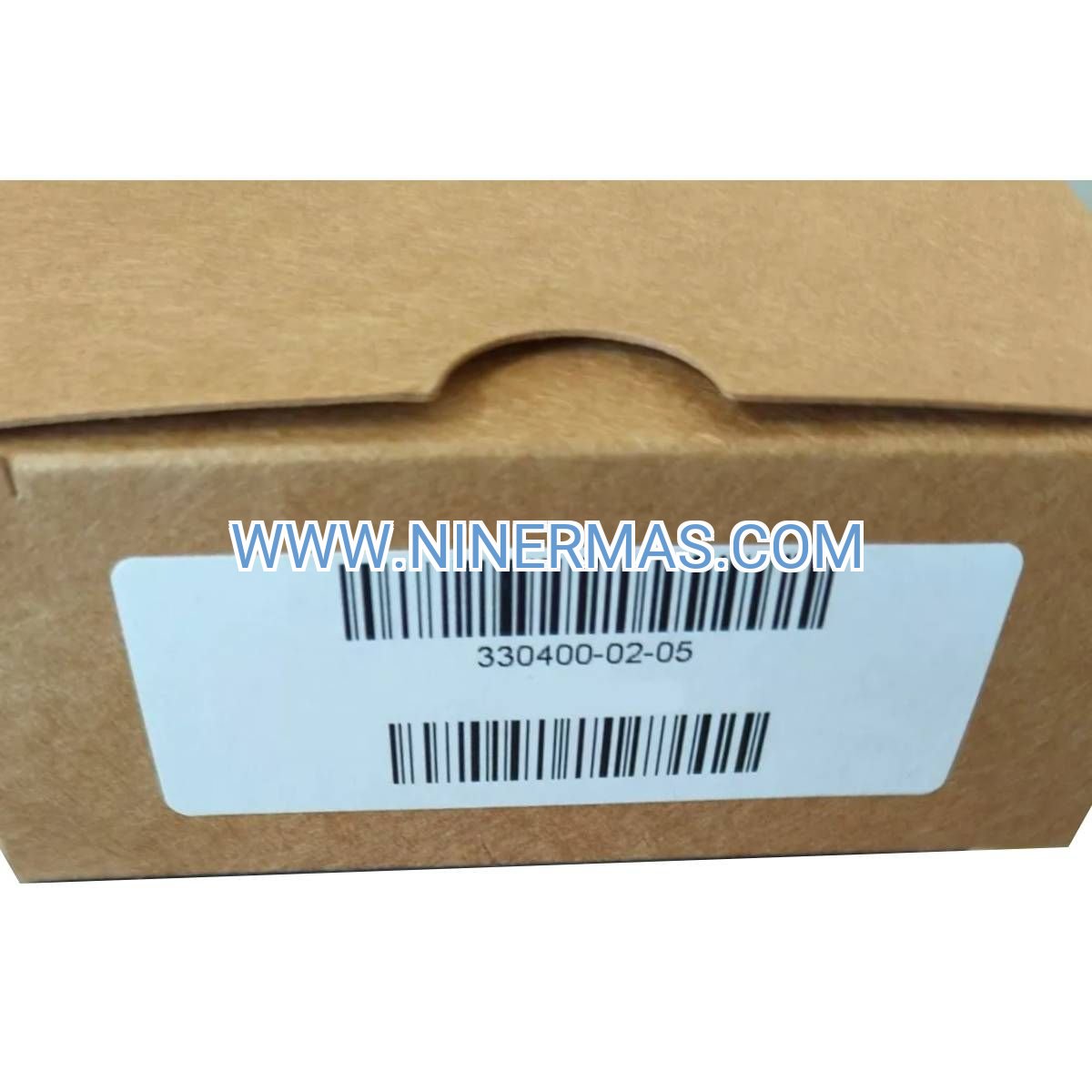
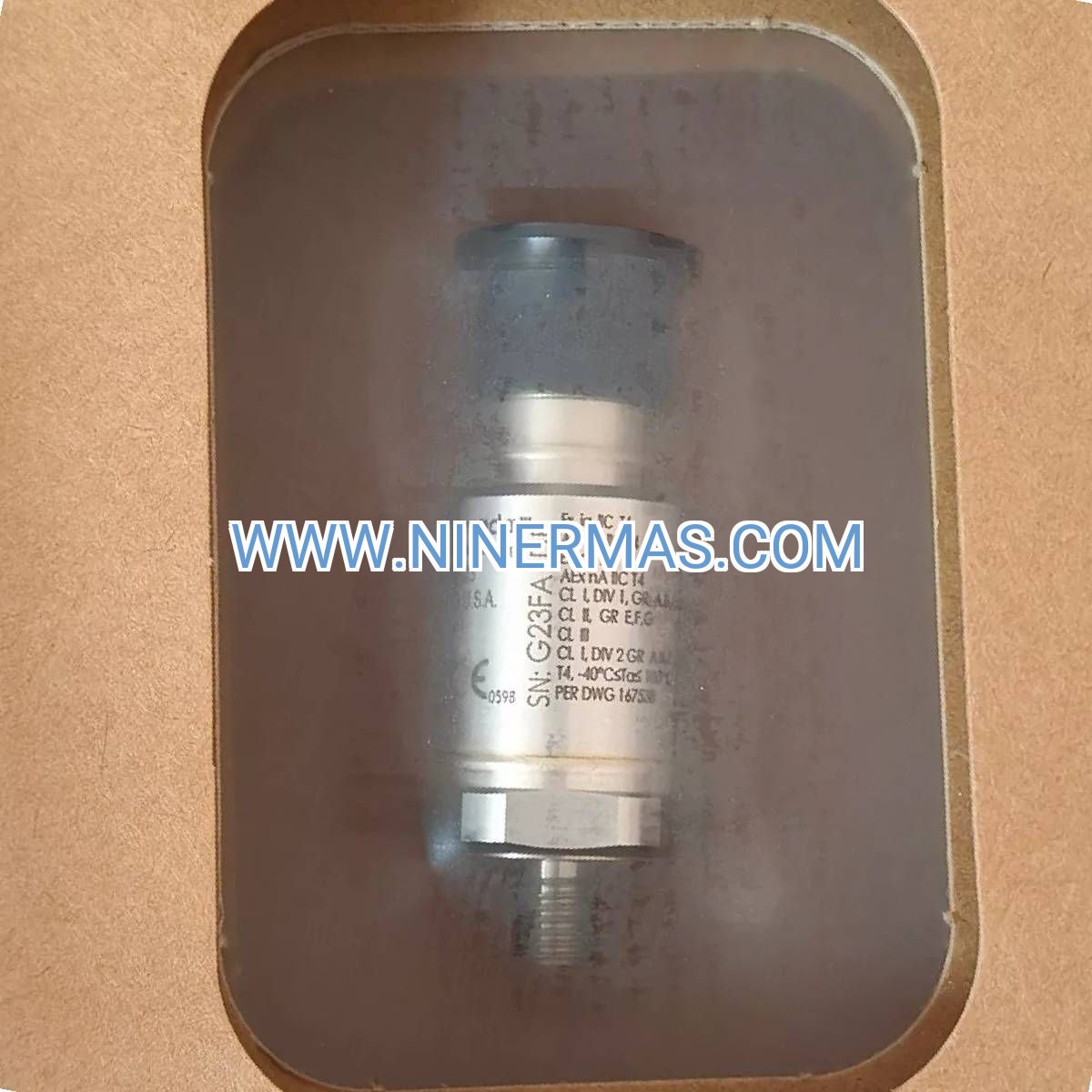
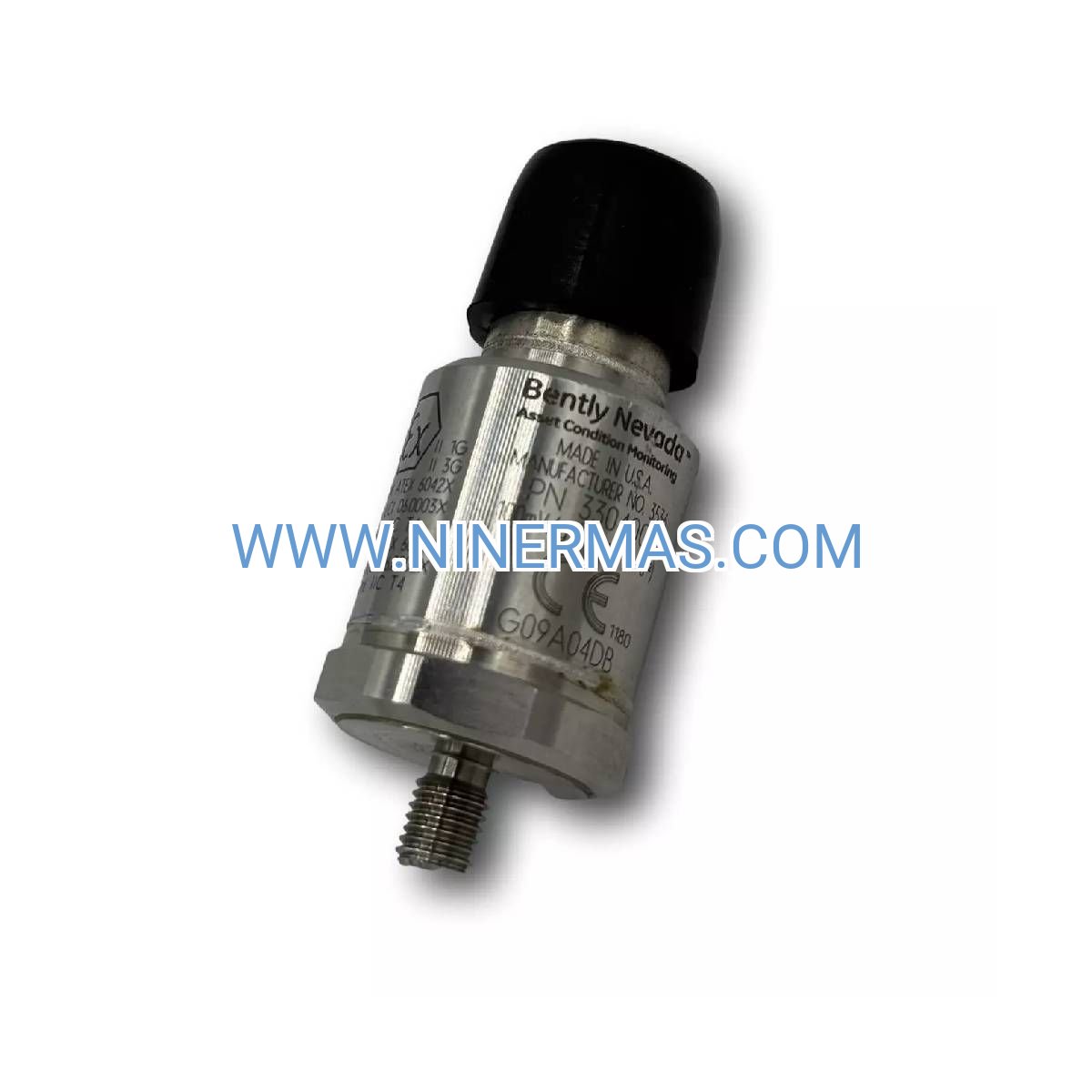
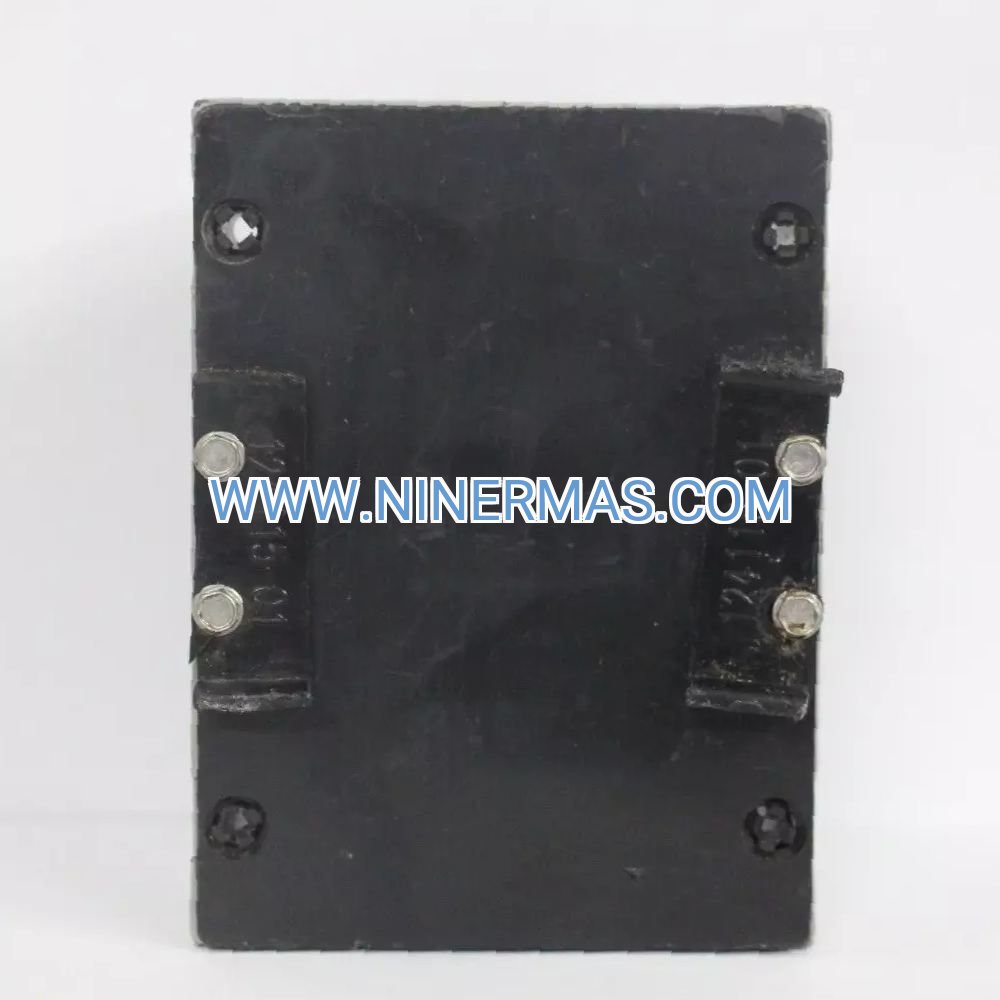
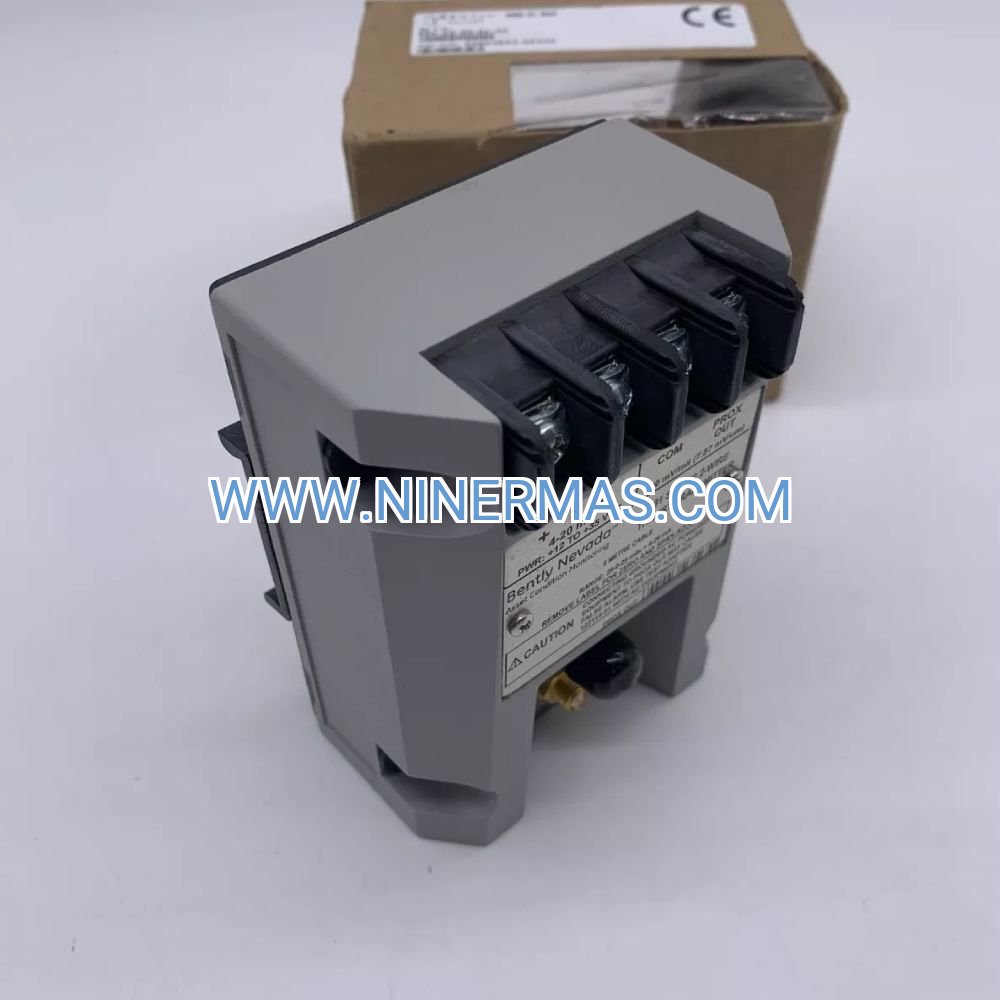
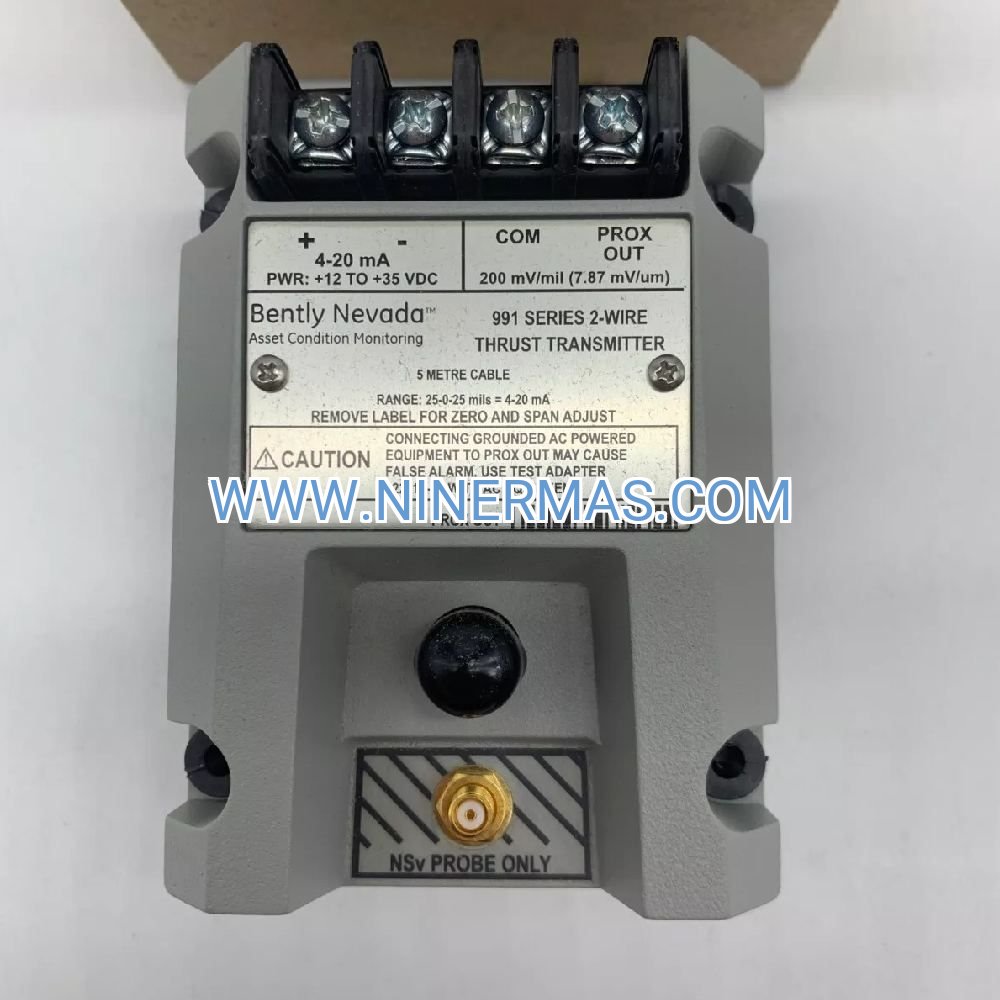
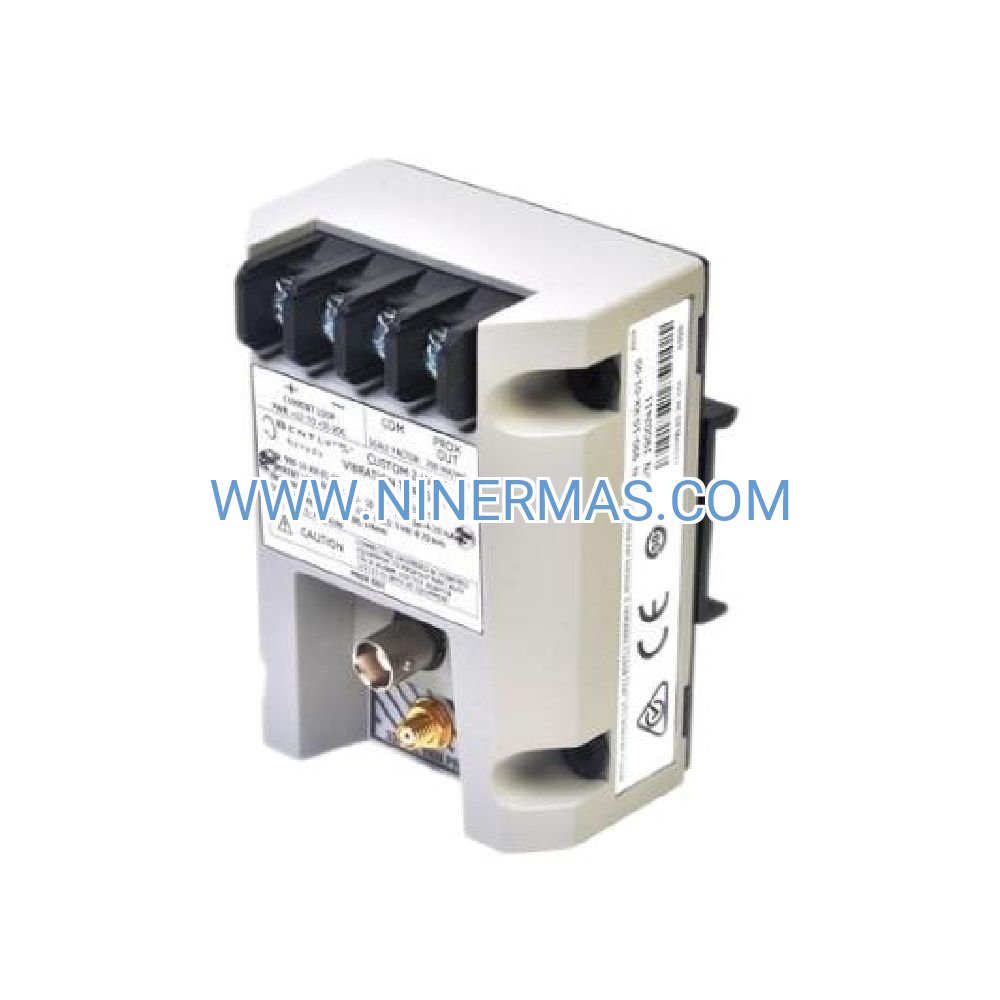
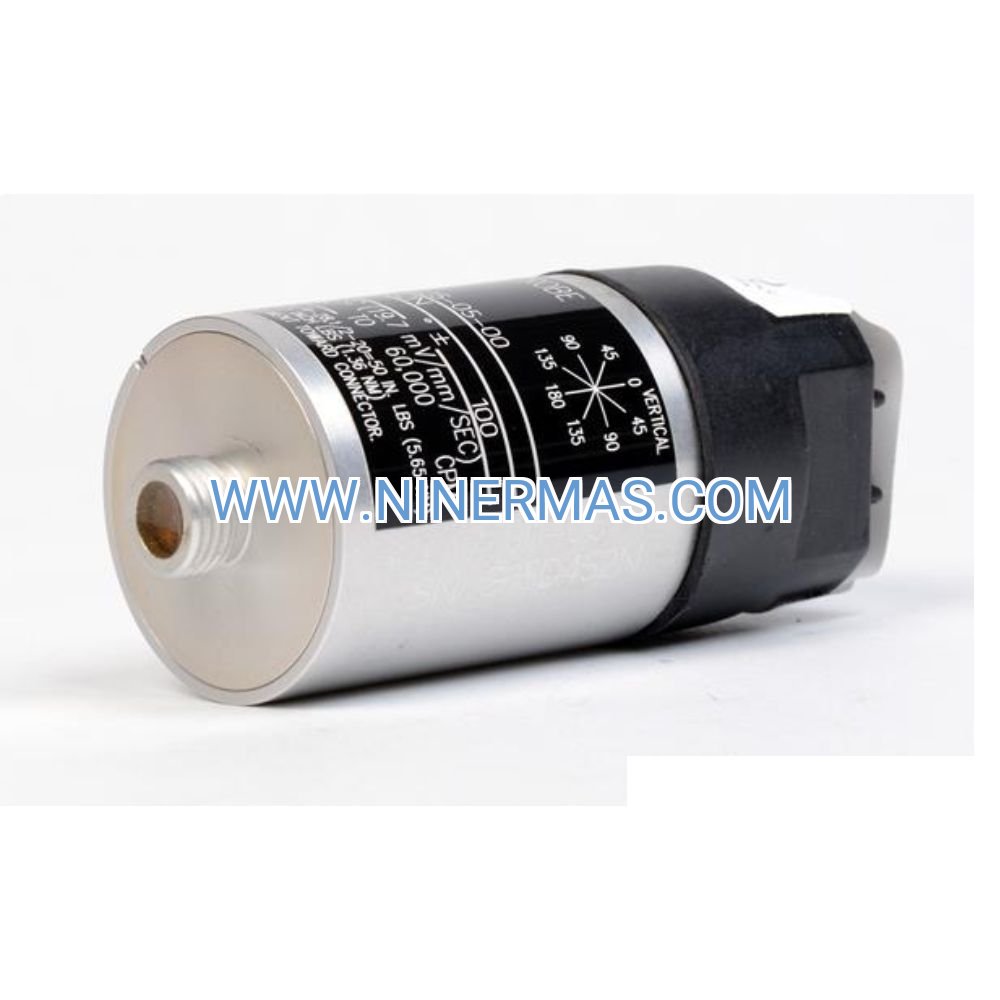
330400-02-05 Piezoelectric Accelerometer (Industrial-Grade Vibration Sensor)
The 330400-02-05 represents a proven solution in industrial vibration sensing technology, delivering consistent performance across rotating machinery applications. This piezoelectric accelerometer transforms mechanical vibration into electrical signals with exceptional fidelity, enabling maintenance teams to detect developing faults before catastrophic failures occur.
Designed for facilities where equipment uptime directly impacts production targets, this sensor addresses the challenge of monitoring critical assets in environments where temperature swings, moisture ingress, and mechanical shock would compromise lesser instruments. Organizations implementing condition-based maintenance strategies rely on the 330400-02-05 to provide the early-warning data that converts reactive repairs into planned interventions.
With hermetically sealed construction and wide-spectrum frequency response, this accelerometer serves process engineers, reliability managers, and vibration analysts who require dependable data from pumps, motors, gearboxes, and turbines operating under demanding industrial conditions.
Core Features & Benefits
✓ Wide-Spectrum Frequency Capture (2 Hz – 10 kHz)
Detects both slow-rolling imbalance signatures and high-frequency bearing defects within a single sensor, eliminating the need for multiple transducers per measurement point. This range covers 95% of machinery fault frequencies encountered in industrial facilities.
✓ Extended Temperature Tolerance (-54°C to +121°C)
Maintains calibration accuracy across extreme thermal conditions found in steam systems, refrigeration equipment, and outdoor installations. Reduces sensor replacement costs by 40% compared to standard-range alternatives in high-temperature applications.
✓ Hermetic Seal Construction
Stainless steel housing with welded seams prevents moisture and contaminant penetration in washdown environments, chemical processing areas, and offshore platforms. Field data shows 8+ year service life in corrosive atmospheres where standard sensors fail within 18 months.
→ NIST-Traceable Factory Calibration
Each unit ships with documented sensitivity values and frequency response curves, ensuring measurement consistency across your sensor fleet. Supports ISO 10816 compliance requirements and audit trail documentation for regulated industries.
→ Standard 10-32 Stud Mounting Interface
Direct compatibility with existing monitoring infrastructure reduces retrofit engineering time by 70%. Threaded installation provides superior coupling compared to magnetic bases, improving high-frequency measurement repeatability.
→ Low Base Strain Sensitivity
Minimizes false readings caused by thermal expansion or structural flexing of mounting surfaces, particularly critical on thin-walled casings and composite structures where strain-induced errors can exceed actual vibration levels.
Application Scenarios
Petrochemical & Refining Operations
Continuous monitoring of centrifugal compressors, turbine-driven pumps, and process gas blowers where unplanned shutdowns trigger production losses exceeding $500K per incident. The sensor's chemical resistance and temperature range suit fired heater fans, crude distillation pumps, and catalyst regeneration blowers operating in Class I Division 2 environments.
Power Generation Facilities
Balance-of-plant equipment protection including boiler feed pumps, induced draft fans, and cooling tower drives. Utilities deploy the 330400-02-05 to meet NERC reliability standards, with installations on coal pulverizers detecting mill bearing degradation 6-8 weeks before failure—sufficient lead time for outage planning.
Pulp & Paper Manufacturing
Harsh-duty monitoring of stock pumps, refiners, and dryer section bearings exposed to high humidity and temperature cycling. The hermetic seal withstands steam leaks and chemical spray common near digesters and bleach plants, while the frequency range captures both low-speed roll imbalance and high-speed bearing tones.
Mining & Mineral Processing
Crusher drives, SAG mill gearboxes, and slurry pump monitoring in abrasive, high-vibration environments. Installations on conveyor drive motors and flotation cell agitators provide early detection of gear tooth wear and coupling misalignment, reducing secondary equipment damage by 60%.
Food & Beverage Production
Sanitary-rated installations on mixers, homogenizers, and packaging line drives where washdown procedures and temperature extremes challenge sensor longevity. The stainless construction meets hygiene requirements while surviving daily cleaning cycles that degrade standard industrial sensors.
Technical Specifications & Selection Guide
| Parameter | Specification | Application Note |
|---|---|---|
| Sensitivity | 10.2 mV/(m/s²) @ 100 Hz | Optimized for 4-20 mA monitoring systems |
| Measurement Range | ±490 m/s² peak | Covers normal to severe vibration levels |
| Frequency Response | 2 Hz to 10 kHz (±5%) | 120 CPM to 600,000 CPM machinery speeds |
| Resonant Frequency | ≥30 kHz | Ensures flat response through 10 kHz |
| Operating Temperature | -54°C to +121°C | Suitable for cryogenic to steam service |
| Excitation | 2-20 mA constant current | IEPE/ICP® compatible |
| Housing Material | 316 stainless steel | Corrosion-resistant, hermetically sealed |
| Mounting Thread | 10-32 UNF | Industry-standard interface |
| Connector Type | 2-pin MIL-C-5015 | Rugged industrial connection |
| Weight | 99 grams | Minimal mass loading on small bearings |
Selection Criteria: Choose the 330400-02-05 when your application requires simultaneous low-frequency imbalance tracking and high-frequency bearing fault detection. For machinery operating above 121°C, consider high-temperature variants. For explosive atmospheres, specify intrinsically safe barrier interfaces. Maximum recommended cable length: 300 meters with low-noise coaxial cable, 100 meters in electrically noisy environments.
Extended Capabilities
Integration with Monitoring Ecosystems: The 330400-02-05 interfaces seamlessly with Bently Nevada 3300 XL monitoring systems, portable vibration analyzers, and third-party data acquisition platforms supporting IEPE input. Digital connectivity options enable integration with Industrial IoT platforms for cloud-based analytics and machine learning fault classification algorithms.
Multi-Axis Measurement Configurations: Deploy in triaxial mounting blocks to capture vibration in horizontal, vertical, and axial planes simultaneously—critical for comprehensive pump and motor diagnostics. Triaxial setups reduce installation points by 66% while providing complete vibration vector analysis.
Customization Options: Available with alternative cable lengths (1m to 10m), right-angle connectors for confined spaces, and adhesive mounting adapters for temporary installations. Custom sensitivity ranges and frequency responses can be specified for specialized applications requiring non-standard performance envelopes.
Delivery & Service Assurance
Lead Time: Standard stock items ship within 3-5 business days. Custom configurations require 4-6 weeks for factory programming and calibration. Expedited processing available for critical outage support with 24-hour turnaround on in-stock units.
Warranty Coverage: 12-month comprehensive warranty covers manufacturing defects, calibration drift beyond ±5%, and environmental seal integrity. Warranty includes one-time replacement for installation damage when following documented mounting procedures.
Technical Support: Access to application engineers with vibration analysis expertise for mounting recommendations, cable routing guidance, and signal conditioning troubleshooting. Phone and email support available during business hours, with emergency support for critical asset failures.
Documentation Package: Each sensor includes individual calibration certificate with sensitivity values at 10 Hz, 100 Hz, and 1 kHz; dimensional drawings; mounting torque specifications; and cable termination instructions. Digital copies available for quality management system integration.
Frequently Asked Questions
What cable specifications ensure optimal signal quality with this accelerometer?
Use low-capacitance coaxial cable (≤30 pF/ft) with continuous shield for runs up to 300 meters. In electrically noisy environments near VFDs or welding equipment, specify shielded twisted-pair cable limited to 100 meters. Avoid running sensor cables in the same conduit as power conductors to prevent 50/60 Hz interference.
Can this sensor measure velocity and displacement or only acceleration?
The 330400-02-05 directly measures acceleration. Your monitoring system or analyzer performs electronic integration to derive velocity (mm/s or in/s) and displacement (μm or mils). The 2 Hz low-frequency response ensures accurate velocity integration down to 120 CPM machinery speeds without phase distortion.
How does mounting method affect measurement accuracy?
Stud mounting with 10-32 thread provides the most reliable high-frequency response, essential for bearing fault detection above 1 kHz. Magnetic bases are acceptable for portable route-based data collection below 1 kHz but introduce 15-20% repeatability variation. Adhesive mounting offers a compromise for temporary installations where drilling is prohibited.
What power supply requirements does this piezoelectric sensor have?
Requires constant current excitation of 2-20 mA at 18-30 VDC, standard IEPE (Integrated Electronics Piezo-Electric) power. Most modern vibration monitors, data collectors, and PLC analog input modules provide compatible excitation automatically. Verify your system supports IEPE before ordering.
Is periodic recalibration necessary for this accelerometer?
ISO 10816 and API 670 standards recommend recalibration every 2-3 years for critical machinery protection applications. Sensors in benign environments may extend to 5-year intervals. We offer NIST-traceable recalibration services with 5-day turnaround, including updated calibration certificates and performance verification testing.
How do I select between acceleration, velocity, and displacement sensors?
Accelerometers like the 330400-02-05 excel at detecting high-frequency faults (bearing defects, gear mesh issues) and suit machinery above 600 RPM. For slow-speed equipment below 300 RPM, velocity sensors provide better low-frequency sensitivity. Displacement probes are preferred for journal bearing clearance monitoring and rotor position tracking in turbomachinery.
Ready to Enhance Your Predictive Maintenance Program?
Contact our vibration monitoring specialists to discuss your specific application requirements, receive mounting recommendations, and obtain project pricing for multi-sensor installations. Our team provides complimentary site surveys for facilities implementing comprehensive condition monitoring systems.
Request a quote today: Email technical specifications and quantity requirements to our sales team, or schedule a consultation to review your machinery criticality matrix and sensor placement strategy.
© 2026 NINERMAS COMPANY LIMITED. All rights reserved.
Original Source: https://ninermas.com
Contact: sale@ninermas.com | +0086 187 5021 5667
PDF Specification
Download PDF file here:
Click to Download PDF

Contact Info
-
Address:22 / F, South Wo Hang building, 148 Wing Lok Street, Sheung Wan, Western District, Hong Kong
-
Phone:+8618750215667
-
Email:
