Description
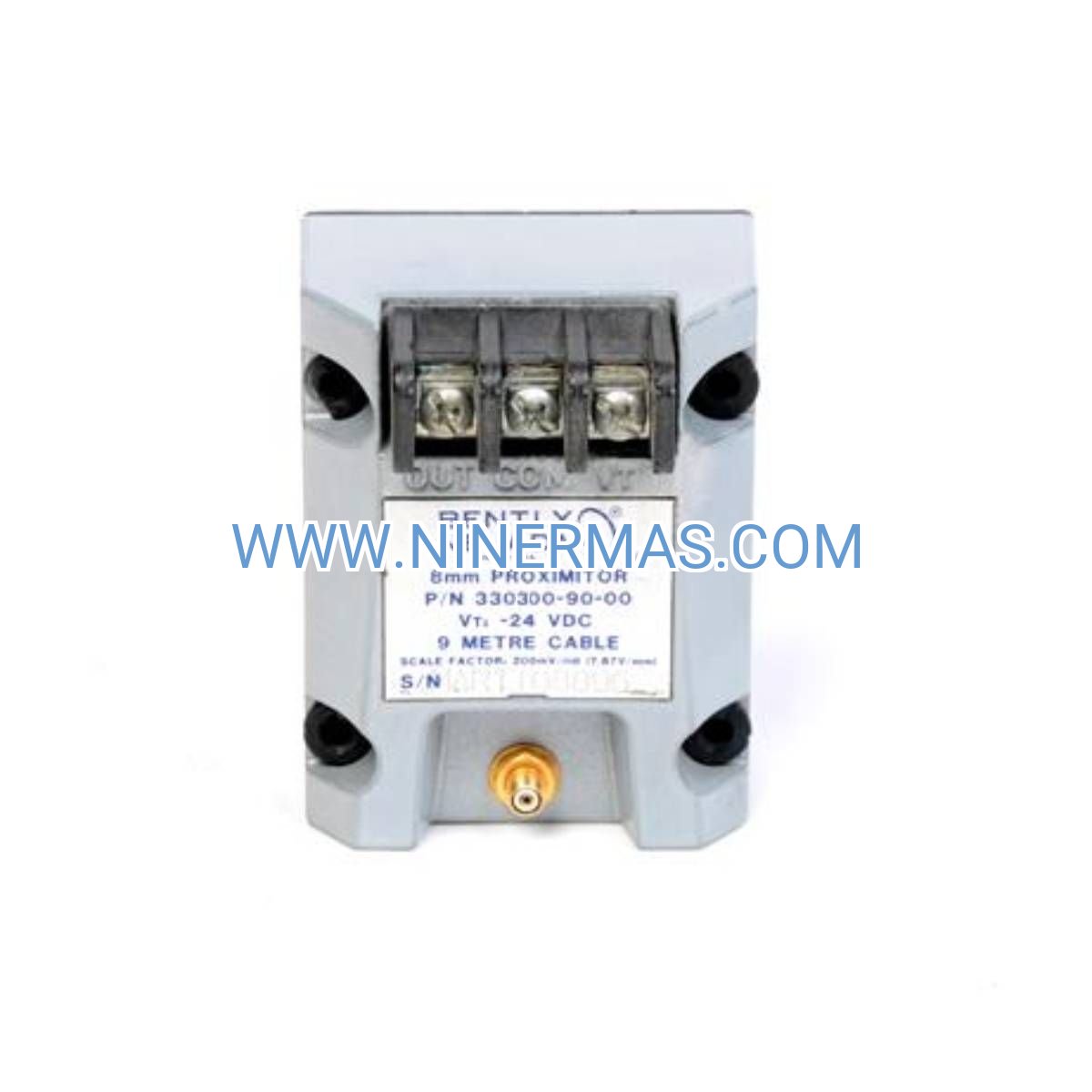
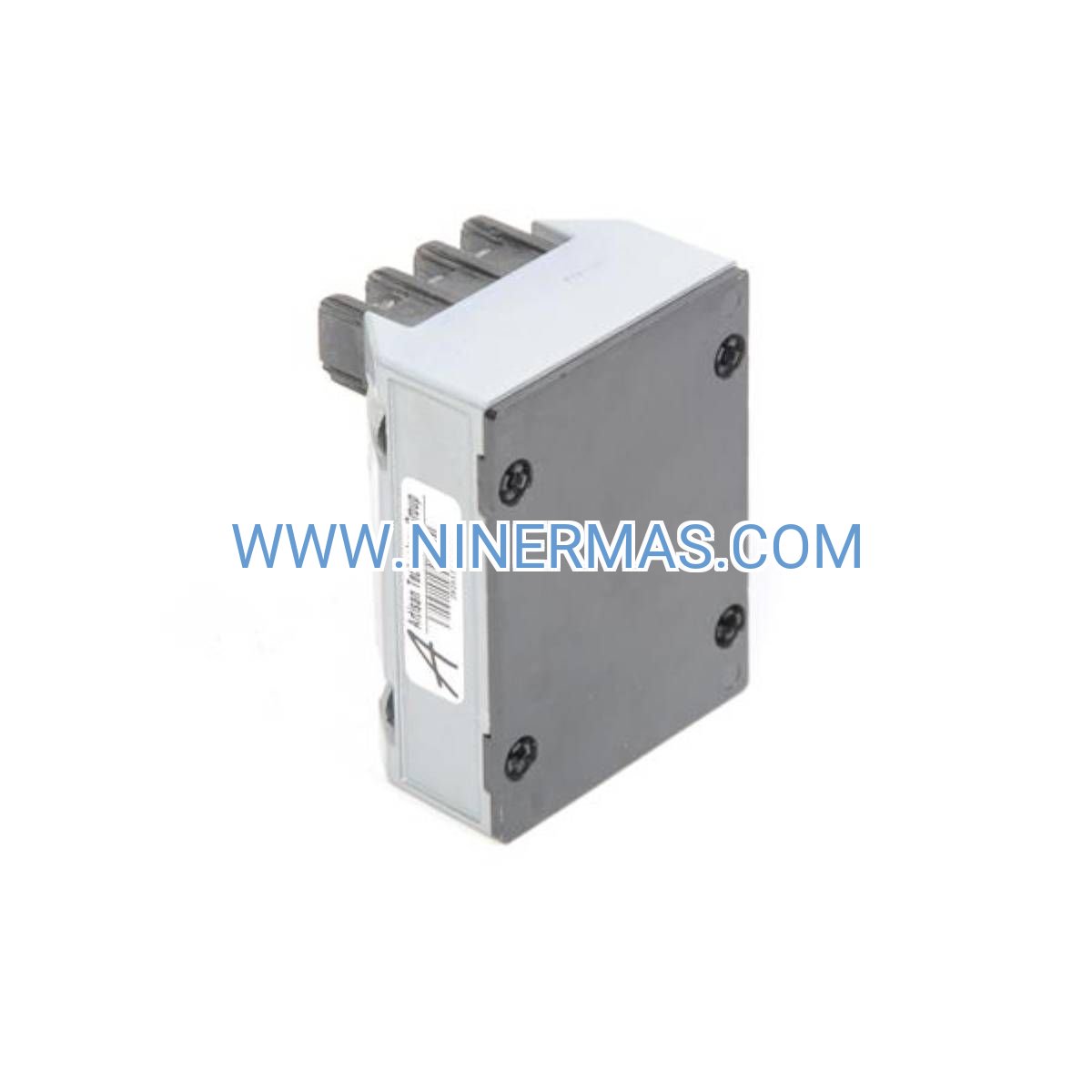
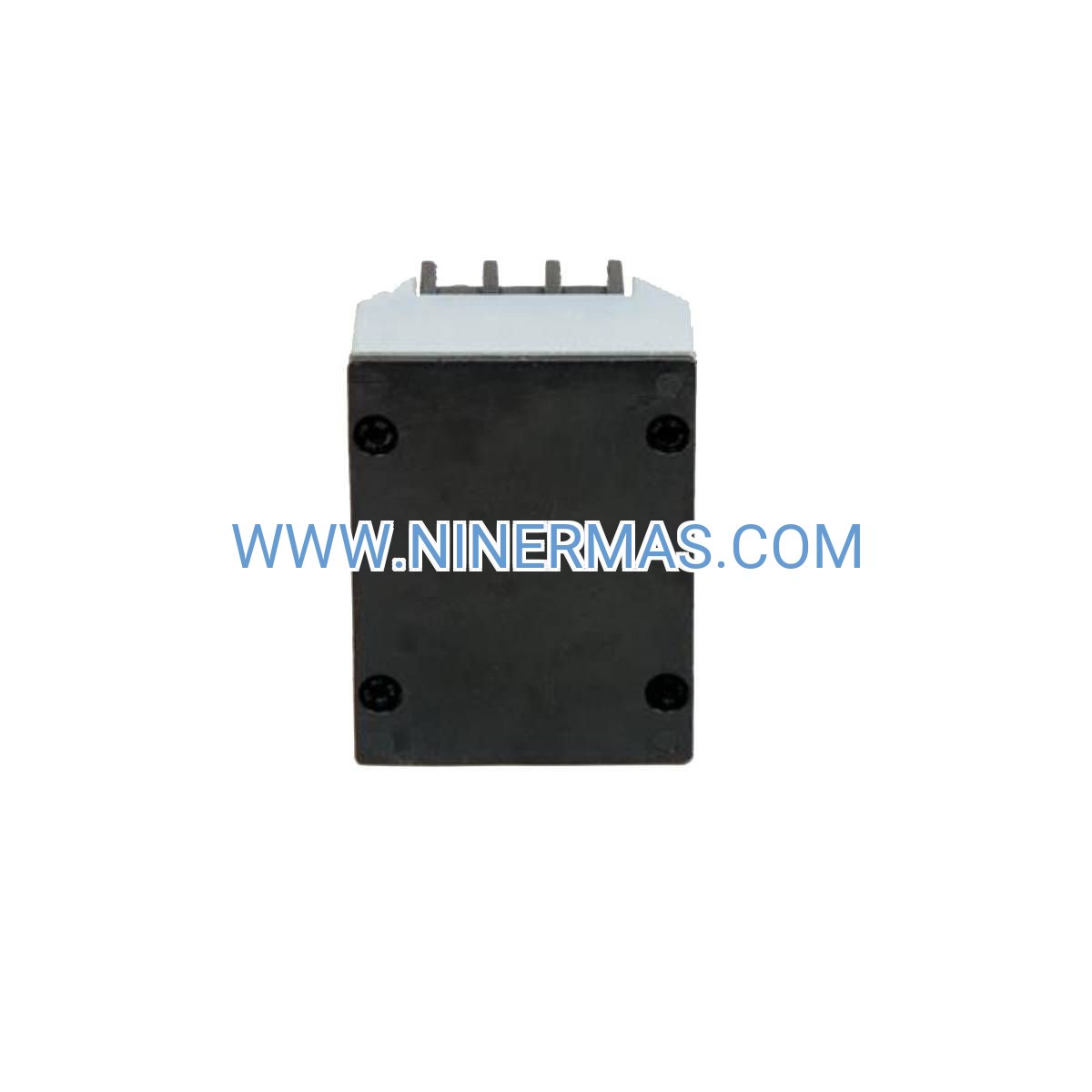
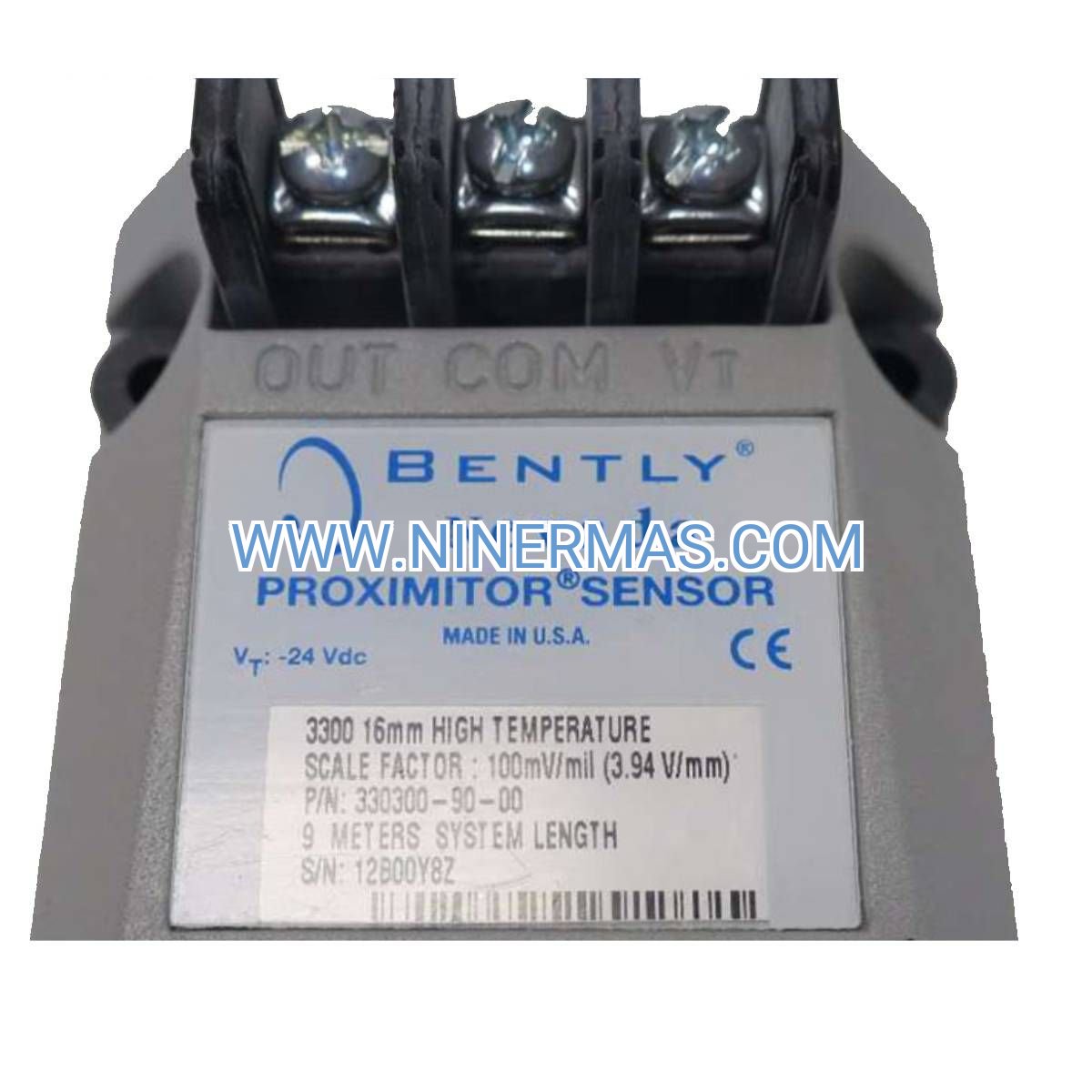
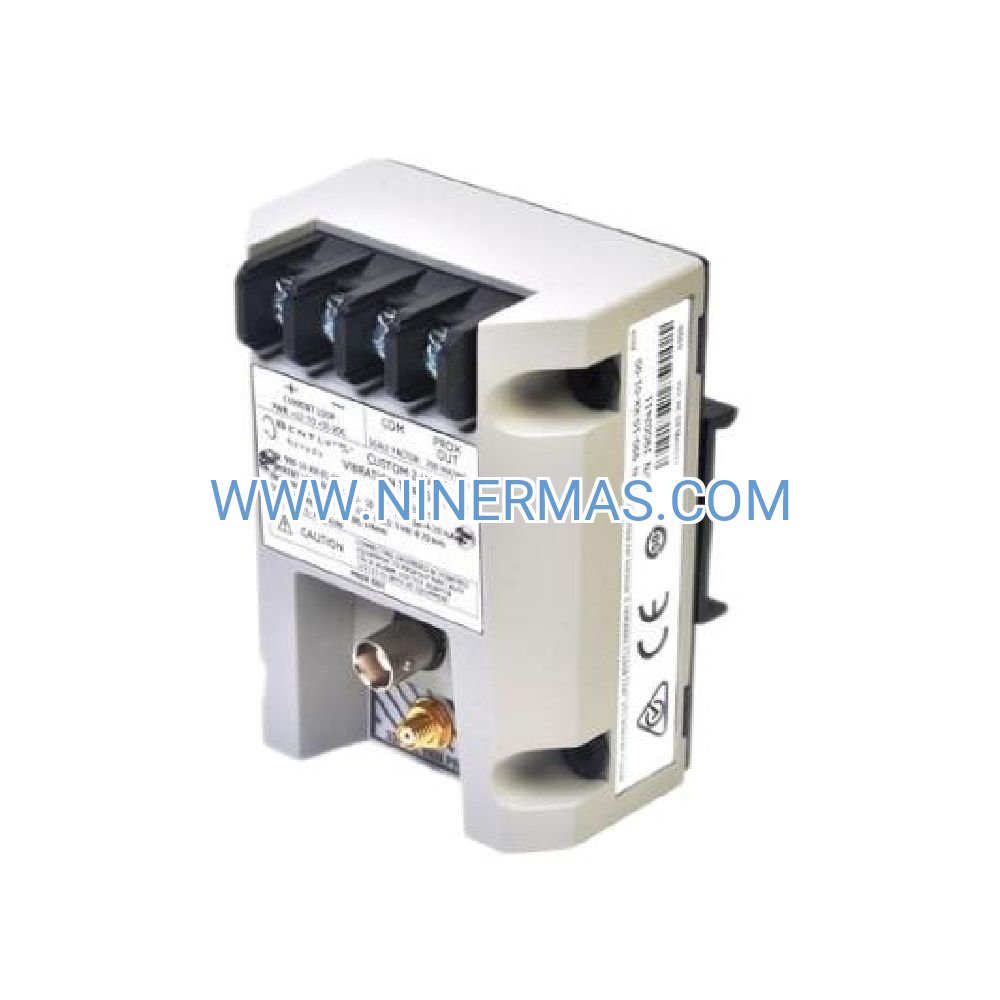
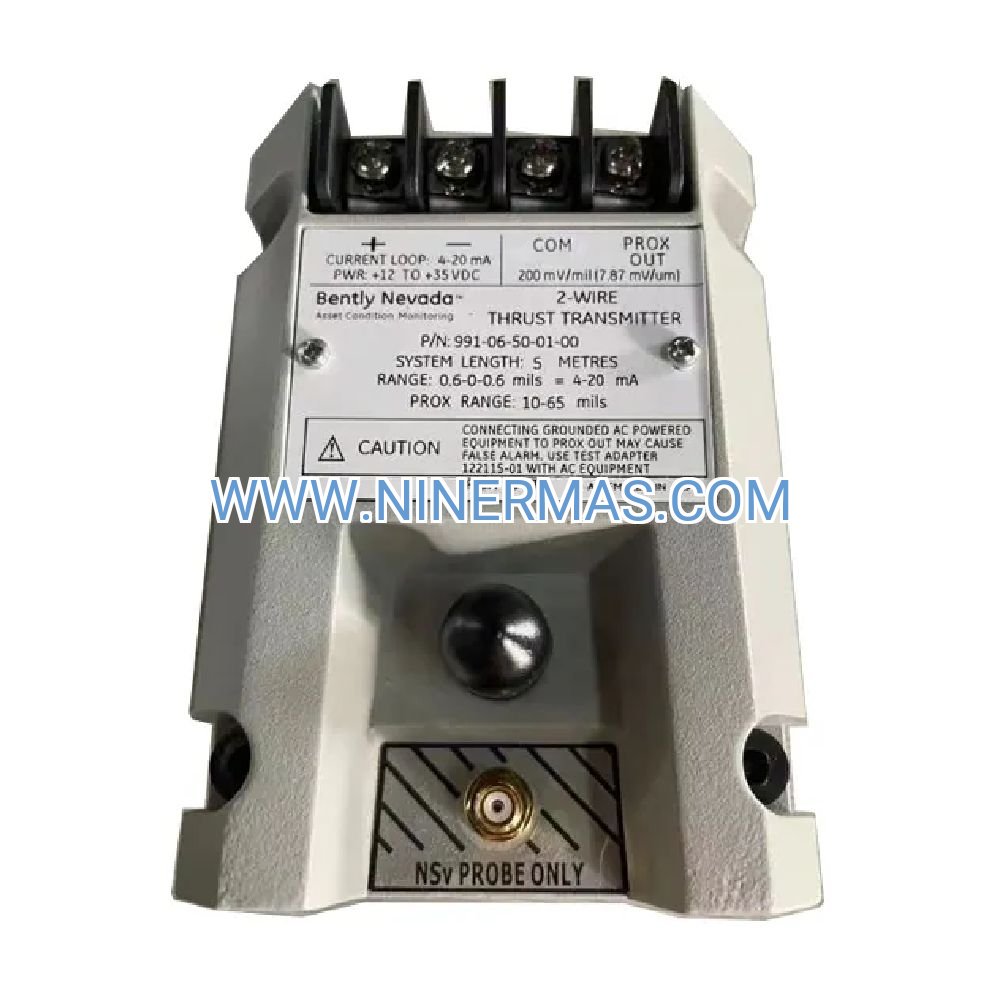
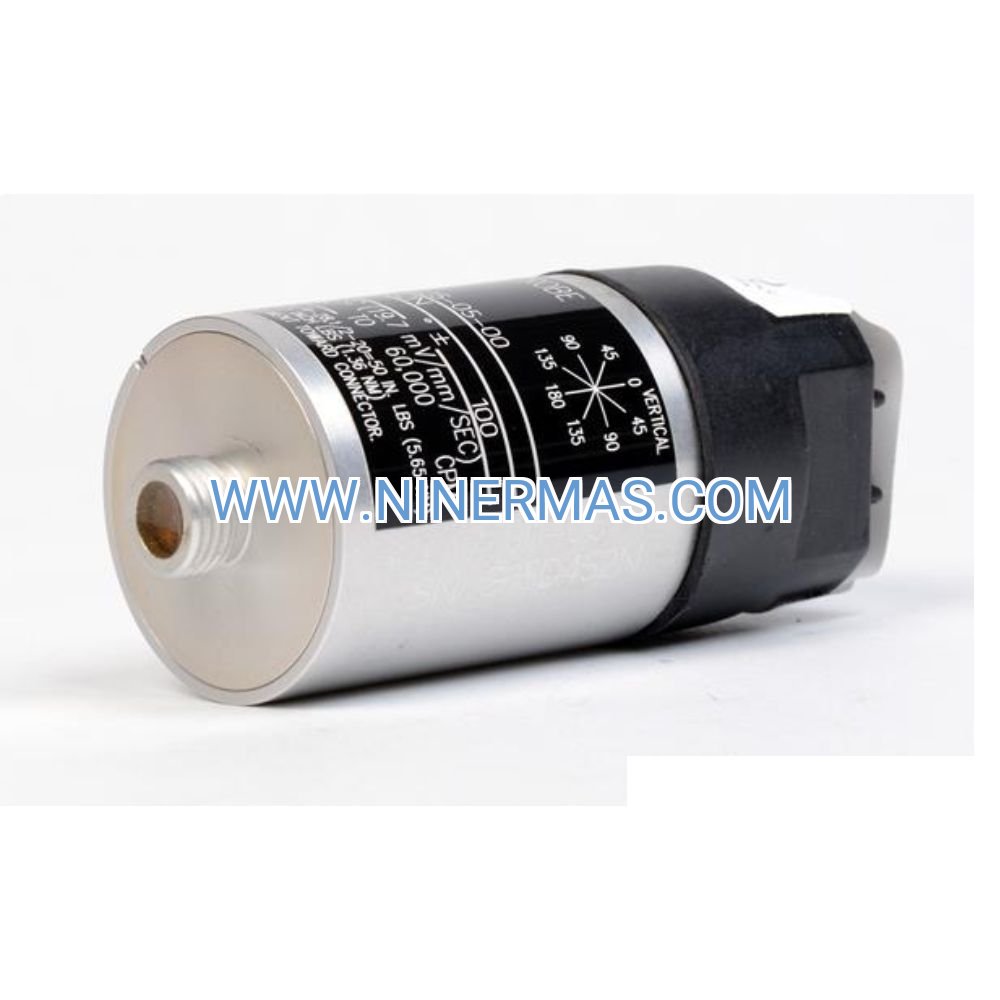
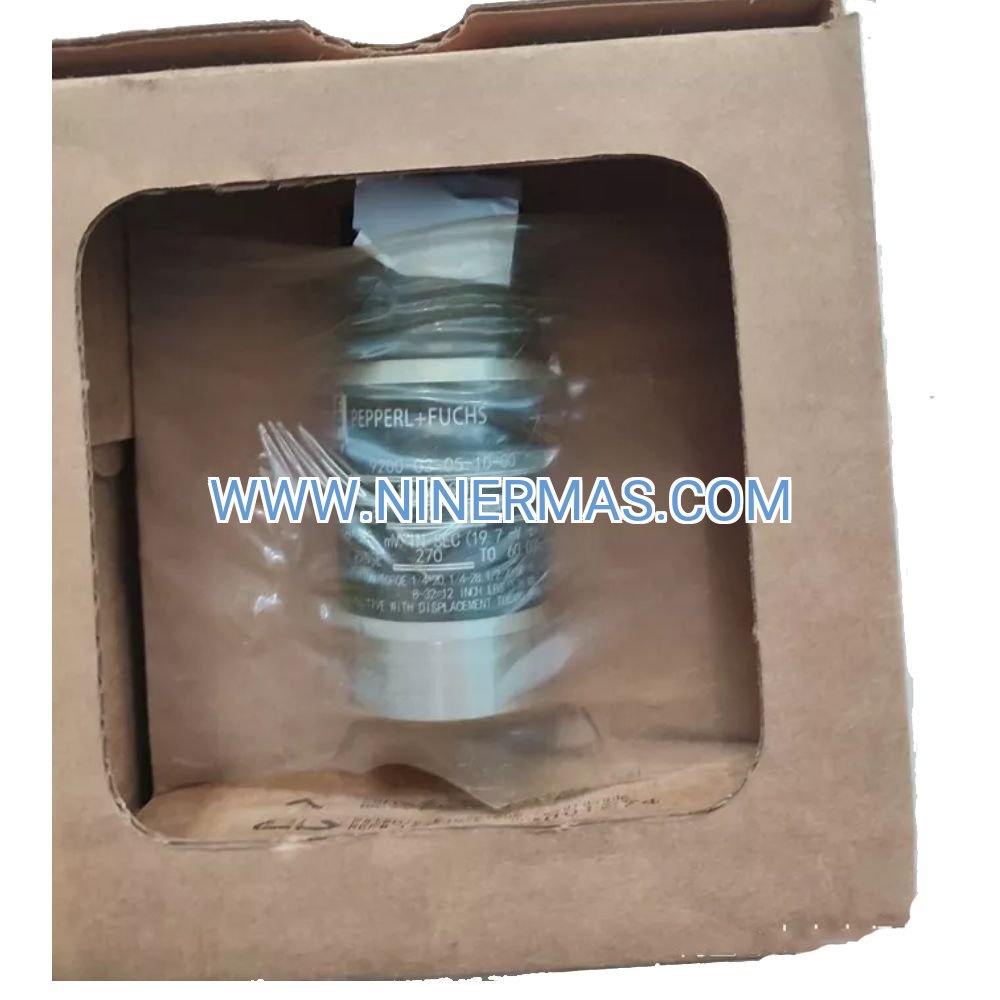
330300-90-00 Velocity Transducer (Industrial-Grade Vibration Monitoring Solution)
The 330300-90-00 represents a field-proven velocity transducer engineered specifically for continuous vibration surveillance in extreme-temperature industrial environments. Designed for critical rotating machinery—including steam turbines, gas compressors, boiler feed pumps, and kiln drive systems—this sensor delivers consistent casing velocity data across a -55°C to +204°C operational envelope where conventional accelerometers fail.
Built on Bently Nevada's six-decade legacy in condition monitoring technology, this transducer addresses the core challenge faced by reliability engineers: maintaining accurate vibration measurements in thermal zones that exceed standard sensor limits. Whether you're monitoring bearing housings on high-pressure turbines or tracking casing dynamics near combustion chambers, the 330300-90-00 eliminates the need for cooling jackets, remote mounting adapters, or frequent recalibration cycles.
Factory-calibrated to 100 mV/in/s (3.94 mV/mm/s) with frequency response spanning 15 Hz to 2 kHz, this sensor integrates directly with 3300 XL proximitor systems and 3500 rack-based monitors, enabling automated fault detection, alarm generation, and emergency shutdown protocols that prevent catastrophic equipment failures.
Core Features & Benefits
→ Extended Temperature Performance: Maintains ±5% accuracy from -55°C to +204°C, outperforming piezoelectric accelerometers that degrade above 120°C—critical for steam turbine bearings and hot gas compressor applications.
→ No-Moving-Parts Reliability: Hermetically sealed stainless steel housing with electromagnetic velocity sensing eliminates wear mechanisms, delivering 10+ year service life in corrosive, high-vibration environments.
→ Plug-and-Play System Integration: Direct compatibility with Bently Nevada 3300/3500 monitoring platforms plus legacy 7200 systems when paired with appropriate signal conditioning—no custom interface modules required.
→ Optimized Fault Detection Range: 15 Hz to 2 kHz frequency response captures bearing defects, unbalance, misalignment, and looseness signatures while filtering out structural resonances that trigger false alarms.
→ Field-Hardened Construction: IP67-rated enclosure withstands oil mist, steam leaks, and chemical exposure common in petrochemical and power generation facilities; 1/4-28 UNF stud mount ensures secure mechanical coupling.
✓ Compliance-Ready Documentation: Ships with NIST-traceable calibration certificate documenting sensitivity, frequency response, and temperature coefficients—satisfies ISO 20816 and API 670 audit requirements.
Application Scenarios
Power Generation – Steam Turbine Monitoring:
Challenge: Bearing housing temperatures on high-pressure turbines routinely exceed 180°C, causing standard accelerometers to drift or fail within months.
Solution: The 330300-90-00 mounts directly to bearing pedestals, providing stable velocity measurements that feed into automated condition-based maintenance systems, reducing unplanned outages by 40%.
Petrochemical – Hot Gas Compressor Surveillance:
Challenge: Compressor casings near discharge zones reach 200°C, while vibration signatures indicate developing bearing wear months before audible symptoms appear.
Solution: Continuous velocity trending detects 0.5 mm/s increases in RMS levels, triggering maintenance windows during planned shutdowns rather than emergency repairs costing $50K+ per event.
Cement Production – Kiln Drive Monitoring:
Challenge: Rotary kiln support rollers operate in 150°C+ ambient temperatures with heavy dust contamination, requiring sensors that survive without frequent replacement.
Solution: Sealed transducer design eliminates dust ingress while maintaining measurement accuracy, extending sensor replacement intervals from 18 months to 5+ years.
Oil & Gas – Boiler Feed Pump Protection:
Challenge: Pump casings handling 180°C feedwater require vibration monitoring to prevent cavitation damage and bearing failures that halt boiler operations.
Solution: Real-time velocity data enables operators to adjust suction pressure and flow rates before damage occurs, protecting $200K+ pump assemblies.
Technical Parameters & Selection Guide
| Parameter | Specification | Notes |
|---|---|---|
| Part Number | 330300-90-00 | -90 = 9.0m cable, -00 = non-armored |
| Sensitivity | 100 mV/in/s (3.94 mV/mm/s) ±5% | Factory calibrated, certificate included |
| Frequency Response | 15 Hz to 2 kHz (±3 dB) | Optimized for machinery fault detection |
| Operating Temperature | -55°C to +204°C (-67°F to +400°F) | Continuous operation, no derating required |
| Cable Length | 9.0 m (29.5 ft) integral | Other lengths: 5.0m (-50), 7.5m (-75) |
| Mounting Thread | 1/4-28 UNF stud | Torque: 10-12 ft-lb (13.6-16.3 N⋅m) |
| Housing Material | Stainless steel, hermetically sealed | IP67 rated, corrosion resistant |
| Weight | 0.3 kg (0.66 lb) | Minimal mass loading on machinery |
| Compliance | ISO 20816, API 670 compatible | Meets international machinery standards |
Selection Criteria: Choose the 330300-90-00 when surface temperatures exceed 120°C, when remote mounting is impractical, or when you need velocity output for direct integration with existing Bently Nevada monitoring infrastructure. For lower-temperature applications below 85°C, consider standard industrial accelerometers; for shaft displacement measurement, specify 3300 XL proximity probe systems.
Extended Functions
IoT & Remote Monitoring Integration: When connected to Bently Nevada System 1 software or third-party SCADA platforms via 3500 gateways, the 330300-90-00 enables cloud-based vibration trending, automated email/SMS alerts, and machine learning-based anomaly detection that identifies developing faults 2-4 weeks before traditional threshold alarms trigger.
Multi-Point Measurement Arrays: Deploy multiple transducers across bearing housings, gearbox casings, and motor frames to create spatial vibration maps that pinpoint fault locations—critical for complex machinery trains where a single measurement point provides incomplete diagnostic information.
Customization Options: Available with armored cable configurations (-01, -02 options) for high-flex or abrasion-prone installations, extended cable lengths up to 15 meters, and special sensitivity ranges (50 mV/in/s, 200 mV/in/s) for unique application requirements. Contact our engineering team for custom specifications.
Delivery & Service Assurance
Lead Time: Stock items ship within 2-3 business days via DHL/FedEx Express. Custom cable lengths or armored configurations require 3-4 weeks manufacturing lead time. Expedited production available for critical outage situations.
Warranty Coverage: 12-month manufacturer warranty against defects in materials and workmanship. Warranty includes free replacement for sensors failing calibration verification within the first year of service.
Technical Support: Unlimited access to application engineers for installation guidance, system integration troubleshooting, and vibration analysis consultation. Phone/email support available 8:00-18:00 CST, Monday-Friday.
Documentation Package: Each sensor ships with NIST-traceable calibration certificate, installation instructions, mounting torque specifications, cable termination diagrams, and 3300/3500 system wiring schematics.
Frequently Asked Questions
What makes velocity sensors better than accelerometers for high-temperature machinery monitoring?
Velocity transducers like the 330300-90-00 use electromagnetic sensing principles that remain stable across wide temperature ranges, whereas piezoelectric accelerometers experience sensitivity shifts and depolarization above 120°C. Velocity output also directly correlates with machinery fault severity per ISO 10816 standards, simplifying alarm setpoint configuration.
Can this transducer connect to non-Bently monitoring systems?
Yes. The 330300-90-00 outputs a standard voltage signal proportional to velocity that interfaces with any monitoring system accepting ±10V inputs. You'll need to provide appropriate signal conditioning (impedance matching, filtering) if not using Bently Nevada proximitor modules.
How do I verify the sensor is still calibrated after years of service?
Send the transducer to an ISO 17025 accredited calibration lab for sensitivity verification using a vibration shaker table. Typical recalibration intervals are 3-5 years for industrial applications. Sensors showing >10% sensitivity drift should be replaced.
What installation surface preparation is required for accurate measurements?
The mounting surface must be flat (within 0.05mm), clean (free of paint, rust, oil), and rigid (minimum 6mm thick steel). Drill and tap a 1/4-28 UNF hole perpendicular to the surface, then torque the sensor to 10-12 ft-lb using a calibrated wrench. Avoid overtightening, which can damage the internal sensing element.
Does cable length affect measurement accuracy?
No. The 330300-90-00 uses low-impedance output circuitry that maintains signal integrity over the full cable length. However, avoid routing sensor cables parallel to high-voltage power lines (maintain 300mm minimum separation) to prevent electromagnetic interference.
Can I use this sensor in hazardous area classifications?
The standard 330300-90-00 is not intrinsically safe certified. For Class I Div 1/2 or ATEX Zone 1/2 applications, specify Bently Nevada's explosion-proof velocity sensor models or install this sensor outside the hazardous area boundary with extended cable routing.
Take the Next Step
Protect your critical rotating assets from unexpected failures. Contact our vibration monitoring specialists today for application-specific sensor selection, system integration planning, and volume pricing for multi-unit installations. Email sale@ninermas.com or call +0086 187 5021 5667 to discuss your machinery monitoring requirements.
© 2026 NINERMAS COMPANY LIMITED. All rights reserved.
Original Source: https://ninermas.com
Contact: sale@ninermas.com | +0086 187 5021 5667

Contact Info
-
Address:22 / F, South Wo Hang building, 148 Wing Lok Street, Sheung Wan, Western District, Hong Kong
-
Phone:+8618750215667
-
Email: