Description
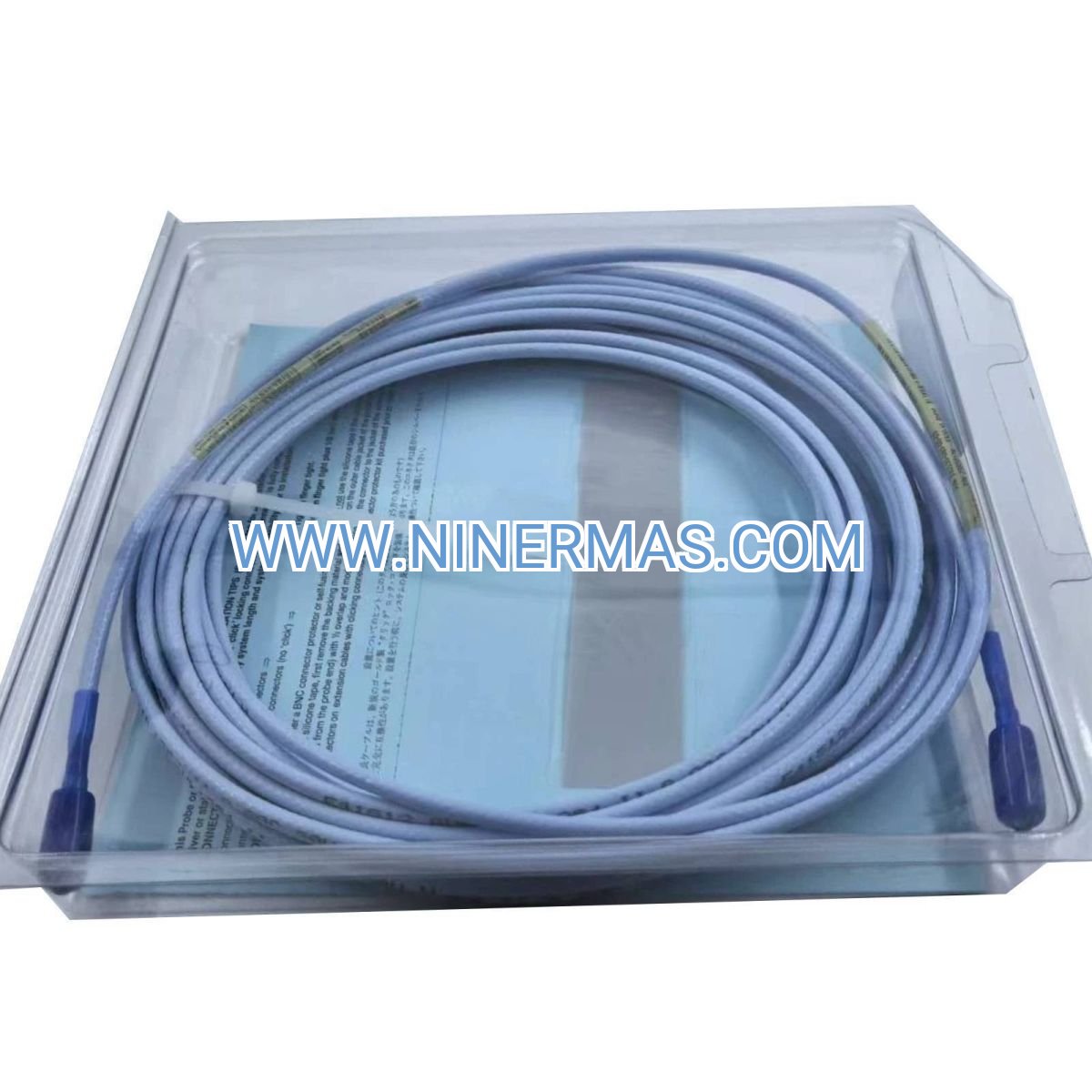
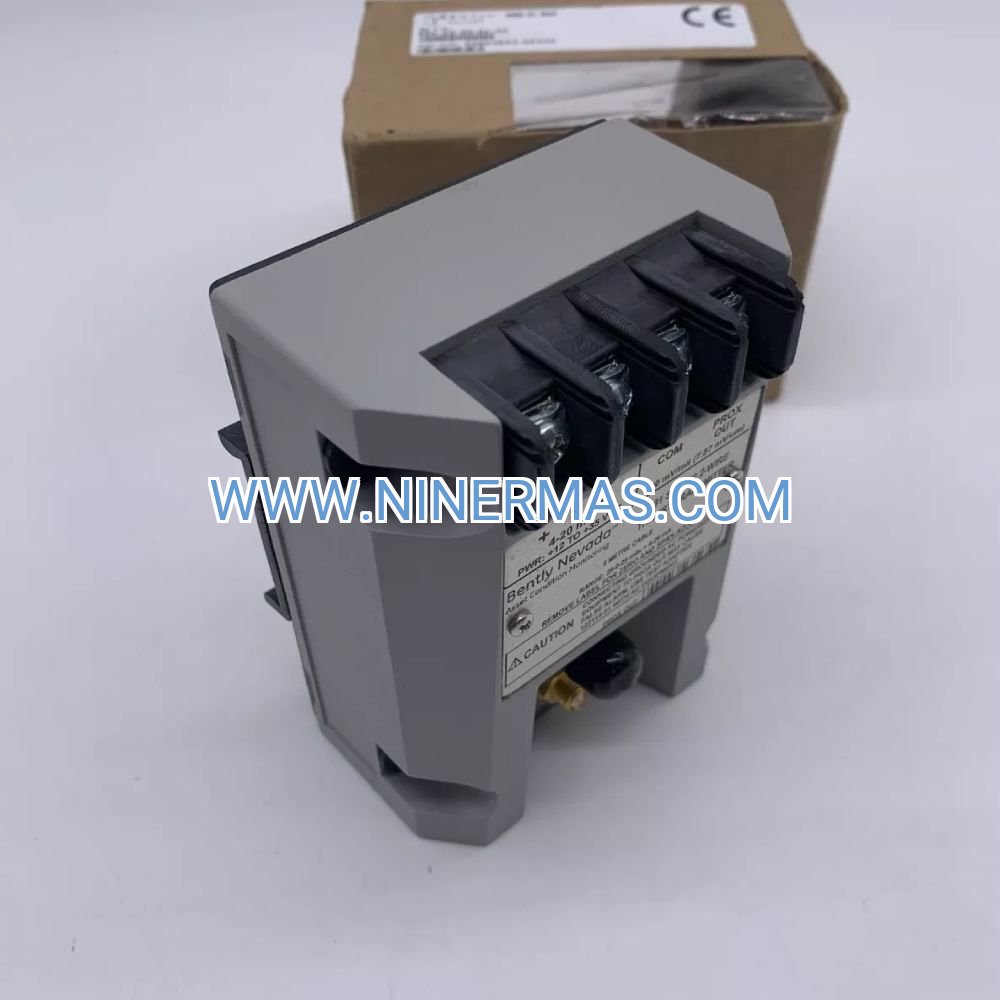
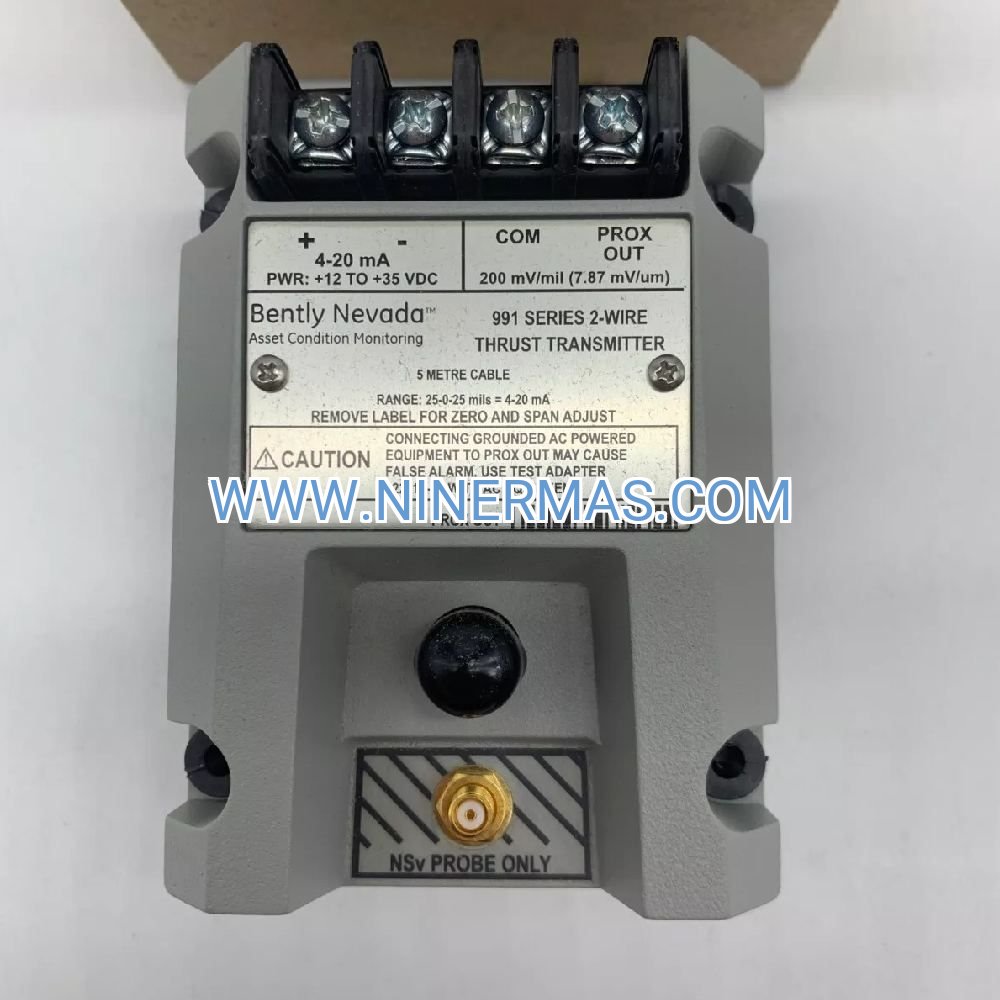
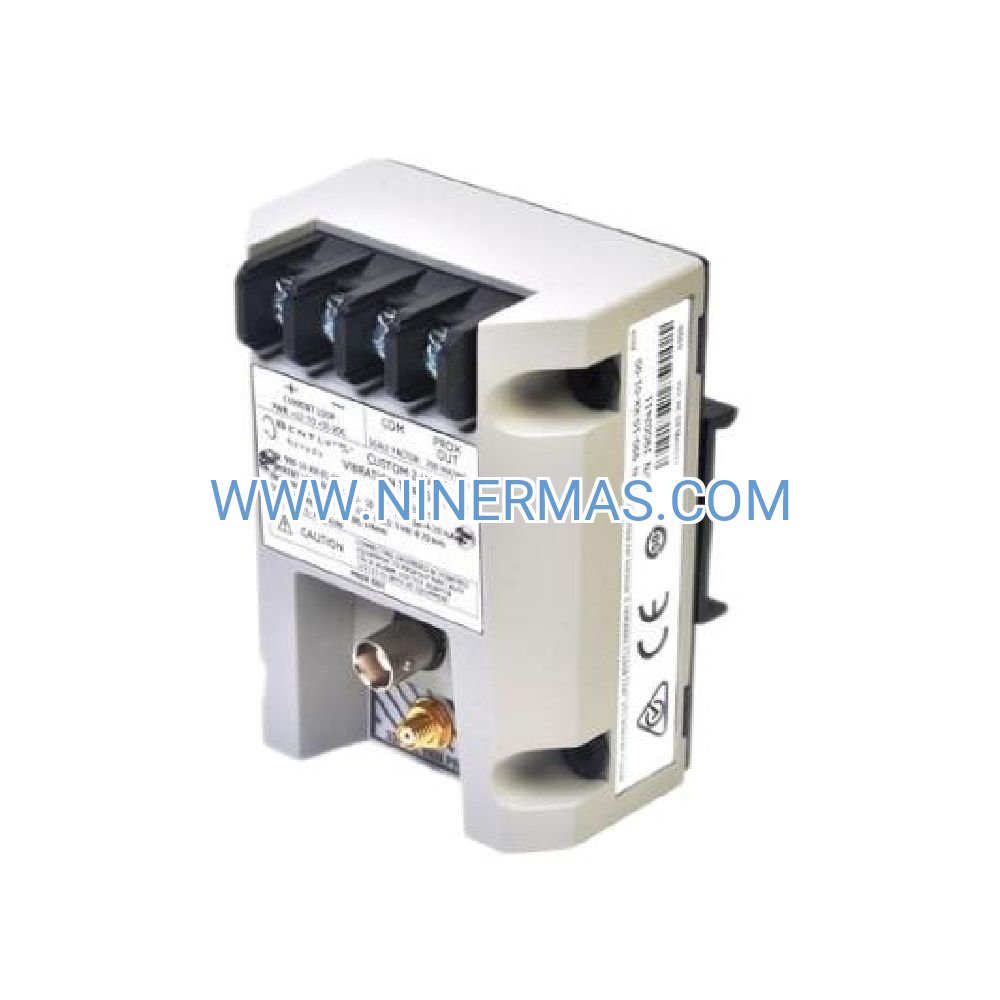
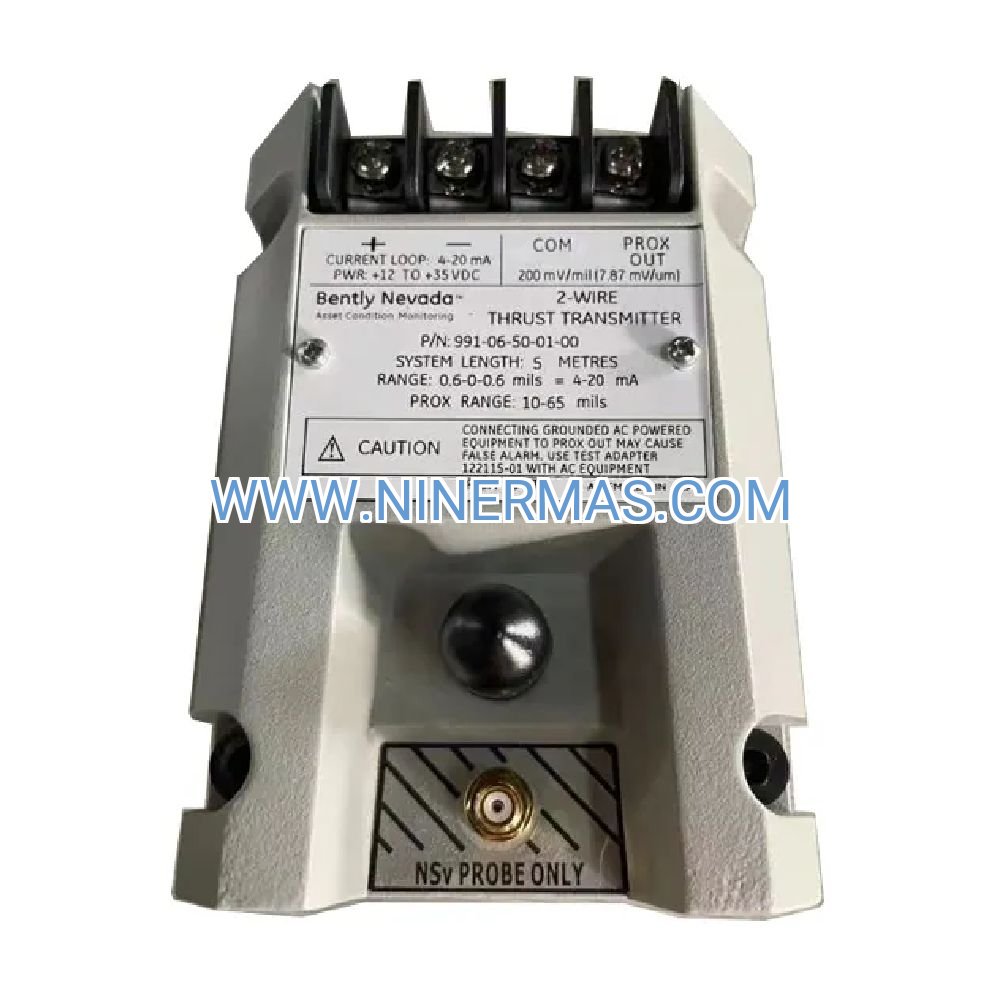
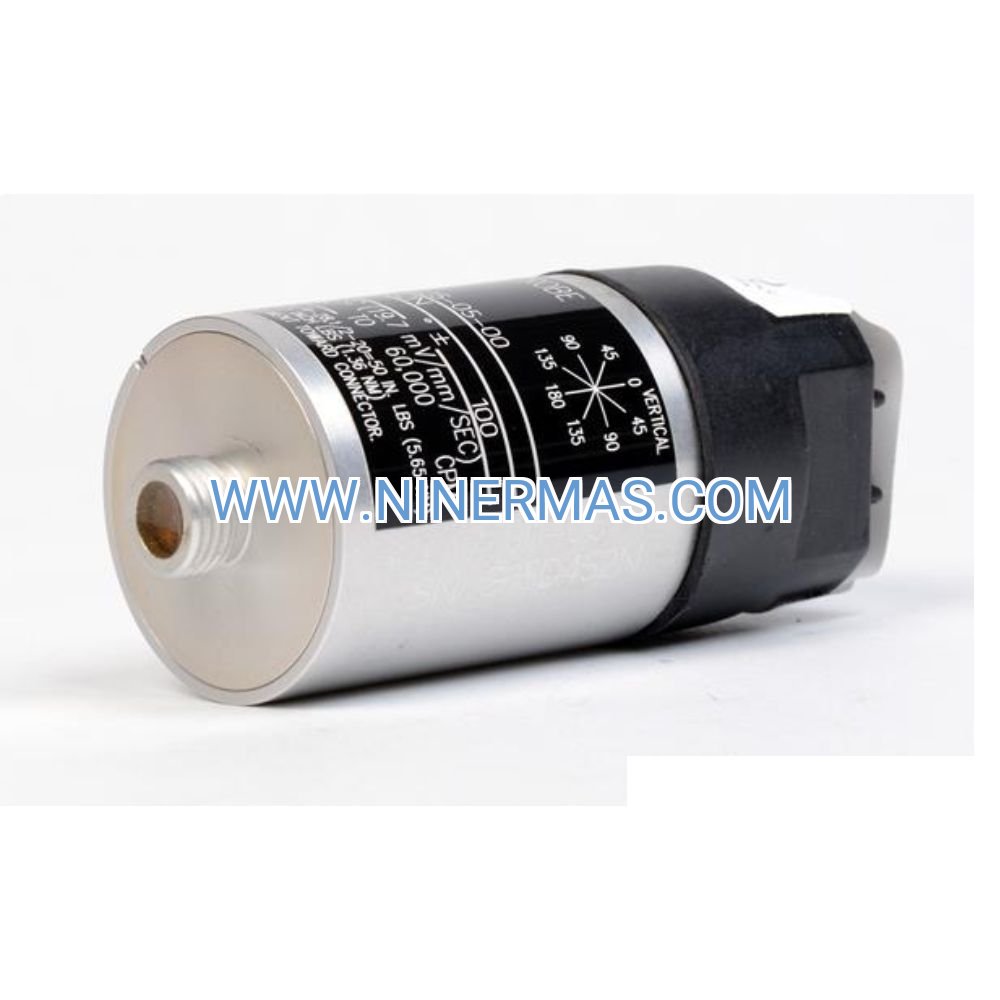
Bently Nevada 330197-10-90-00 Proximitor Sensor (Industrial-Grade Vibration Monitoring Solution)
The Bently Nevada 330197-10-90-00 is a precision-engineered 3300 XL Proximitor sensor designed for non-contact displacement and vibration measurement in critical rotating machinery. Utilizing advanced eddy current technology, this sensor delivers real-time shaft position data with exceptional accuracy, enabling early fault detection in turbines, compressors, motors, and pumps across power generation, oil & gas, and heavy manufacturing sectors.
Ideal for applications demanding continuous uptime and harsh environment resilience, the 330197-10-90-00 addresses common challenges such as bearing wear detection, shaft eccentricity monitoring, and axial displacement tracking. Its robust stainless steel construction withstands extreme temperatures (-40°C to +85°C), vibration, and electromagnetic interference, making it the preferred choice for design engineers, maintenance teams, and system integrators managing high-value assets.
Through factory calibration and seamless integration with Bently Nevada 3300 XL monitoring systems, this sensor provides plug-and-play reliability with minimal commissioning time. Key advantages include proven field longevity exceeding 15 years, compatibility with legacy 3300 platforms, and comprehensive technical documentation for simplified installation and troubleshooting. Contact our application engineers for customized cable configurations, mounting solutions, and predictive maintenance strategy consultation.
Core Features & Technical Advantages
High-Precision Eddy Current Measurement
Non-contact sensing technology measures shaft displacement with micron-level accuracy, eliminating mechanical wear and enabling continuous monitoring without maintenance interruptions. The 0-10 kHz frequency response captures both slow-roll and high-frequency vibration events critical for comprehensive machinery diagnostics.
Extreme Environment Durability
Stainless steel housing with IP67-equivalent sealing protects internal electronics from moisture, dust, and corrosive atmospheres. Operational temperature range of -40°C to +85°C ensures reliable performance in arctic offshore platforms, desert refineries, and high-temperature turbine enclosures without signal drift or component degradation.
Universal System Compatibility
Backward-compatible with legacy Bently Nevada 3300 racks and forward-compatible with modern 3500 monitoring frameworks. Standard -2 to -18 Vdc output integrates directly with DCS, SCADA, and third-party vibration analyzers, reducing retrofit complexity and preserving existing infrastructure investments.
Flexible Mounting & Installation Options
Available in 8mm metric or 5/16"-24 UNF thread configurations with adjustable probe lengths from 50mm to 200mm. Custom cable assemblies (1m to 9m) accommodate diverse machinery layouts, while pre-calibrated extension cables maintain measurement integrity across long transmission distances.
Predictive Maintenance Enablement
Continuous gap voltage monitoring detects gradual bearing clearance increases, shaft bow development, and coupling misalignment trends weeks before catastrophic failure. Integration with condition-based maintenance software reduces unplanned downtime by 60-75% and extends overhaul intervals by 20-30% based on actual wear patterns rather than fixed schedules.
Comprehensive Protection & Diagnostics
Built-in transducer electronic datasheet (TEDS) stores calibration coefficients and sensor history for automated configuration. Self-diagnostic capabilities flag cable faults, target material incompatibility, and out-of-range gap conditions, accelerating troubleshooting and minimizing false alarms during commissioning.
Typical Application Scenarios
The 330197-10-90-00 Proximitor sensor excels in environments where machinery reliability directly impacts production continuity, safety compliance, and operational profitability. Representative installations include:
Steam & Gas Turbine Monitoring
Measures differential expansion between rotor and casing during thermal transients, preventing rub events that cause blade damage and forced outages. Axial position tracking ensures thrust bearing health in combined-cycle power plants and cogeneration facilities, where turbine availability targets exceed 95%.
Centrifugal Compressor Protection
Monitors radial vibration at bearing housings and shaft relative position in multi-stage compressors handling natural gas, air separation, and petrochemical process streams. Early detection of surge conditions, impeller imbalance, and seal wear prevents catastrophic failures in API 617/672 critical service applications.
Large Motor & Generator Surveillance
Tracks rotor eccentricity and air gap uniformity in synchronous motors (>1000 HP) and generators (>10 MVA) used in mining conveyors, steel mill drives, and utility-scale wind turbines. Continuous monitoring identifies stator core looseness and rotor bar cracking before insulation breakdown or mechanical seizure occurs.
Industrial Pump & Blower Systems
Provides real-time shaft position feedback for boiler feed pumps, cooling water circulation systems, and induced draft fans in power stations, refineries, and chemical plants. Detects cavitation-induced vibration, impeller erosion, and coupling wear in ANSI/API 610/673 pumps operating under variable speed and load conditions.
Paper Mill & Steel Manufacturing Equipment
Monitors dryer section rolls, calendar stacks, and rolling mill backup rolls where surface finish quality depends on precise shaft positioning. Vibration analysis identifies bearing defects, roll eccentricity, and drive train misalignment affecting product consistency and production throughput.
Technical Specifications & Selection Guide
To ensure optimal sensor performance and compatibility with your machinery configuration, please review the following technical parameters. Our engineering team can assist with probe length selection, cable routing, and target material verification based on your specific installation requirements.
| Parameter | Specification | Notes |
|---|---|---|
| Model Number | 330197-10-90-00 | Factory suffix indicates cable length & connector type |
| Measurement Principle | Eddy current (non-contact) | Requires conductive ferromagnetic target |
| Operating Temperature | -40°C to +85°C (-40°F to +185°F) | Probe tip rating; extension cable may differ |
| Frequency Response | 0 Hz to 10 kHz (-3 dB) | Captures both static position & dynamic vibration |
| Output Signal | -2 to -18 Vdc (linear range) | Voltage decreases as gap increases |
| Linear Range | 1.0 mm to 2.0 mm (typical) | Depends on target material & probe diameter |
| Sensitivity | 7.87 V/mm (200 mV/mil) nominal | Factory-calibrated for 4140 steel target |
| Mounting Thread | 8mm x 1.0 or 5/16"-24 UNF | Specify thread type when ordering |
| Probe Diameter | 8 mm (0.315") | Standard size for most applications |
| Housing Material | 300-series stainless steel | Corrosion-resistant, non-magnetic |
| Cable Length Options | 1m, 5m, 9m standard; custom available | Longer cables require impedance matching |
| Environmental Rating | IP67 (when properly installed) | Requires correct cable gland installation |
| Shock & Vibration | 50g shock, 10g vibration (10-2000 Hz) | Meets MIL-STD-810 requirements |
| Power Supply | -24 Vdc (provided by proximitor module) | Passive sensor; requires external driver |
Selection Considerations
When specifying the 330197-10-90-00 for your application, please provide the following information to our technical team:
- Target Material: Shaft material composition (e.g., 4140 steel, 410 stainless, Inconel) affects calibration and sensitivity
- Operating Gap: Desired nominal gap distance between probe tip and shaft surface (typically 1.0-1.5mm for optimal linearity)
- Mounting Constraints: Available radial space, probe insertion depth, and thread engagement length
- Cable Routing: Distance from sensor mounting location to proximitor driver module or monitoring rack
- Environmental Factors: Ambient temperature range, presence of corrosive gases, moisture exposure, and electromagnetic interference sources
- Monitoring System: Existing Bently Nevada rack model (3300, 3500) or third-party data acquisition system specifications
Our application engineers will recommend the optimal probe length, cable configuration, and mounting hardware to ensure measurement accuracy and long-term reliability. For non-standard target materials or custom gap ranges, field calibration services are available.
Extended Capabilities & Integration Options
Multi-Channel Monitoring Configurations
Deploy multiple 330197-10-90-00 sensors in XY pairs for radial vibration orbit analysis, or combine with keyphasor sensors for phase-referenced vibration vectors. Typical turbine installations use 8-12 proximity probes covering journal bearings, thrust position, and differential expansion measurements.
Wireless & Remote Monitoring Upgrades
Integrate with Bently Nevada Orbit 60 wireless transmitters or third-party IIoT gateways for remote condition monitoring. Cloud-based analytics platforms enable centralized fleet management across multiple plant sites, with automated alarm notifications and trend analysis dashboards.
Hazardous Area Certifications
For installations in Zone 1/Division 1 explosive atmospheres, intrinsically safe (IS) barrier modules are available to interface standard sensors with certified monitoring systems. Consult factory for ATEX, IECEx, and CSA approval documentation specific to your jurisdiction.
Calibration & Verification Services
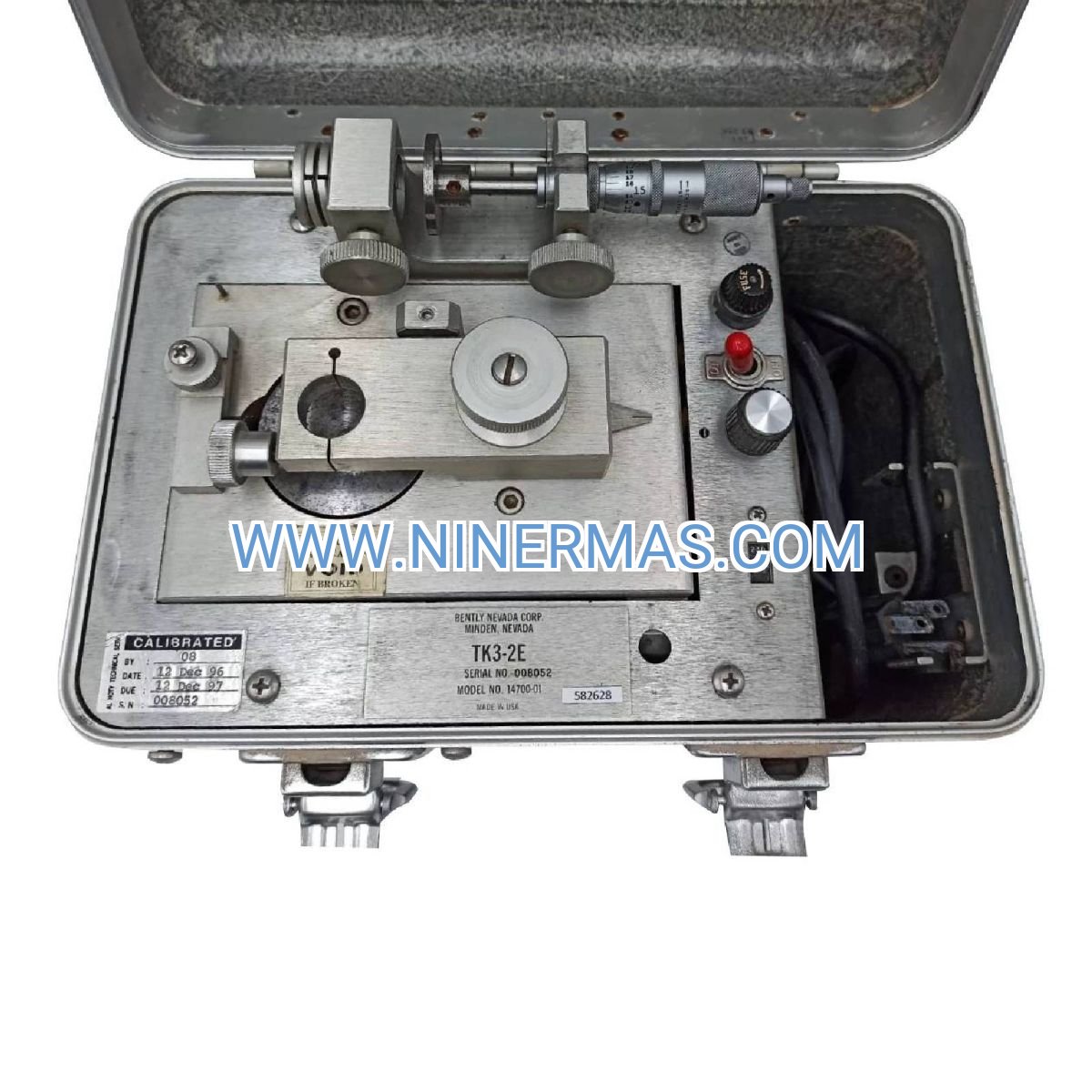
ISO/IEC 17025-accredited calibration laboratories provide traceable certification for sensors requiring periodic verification. On-site calibration services include target runout compensation, gap voltage verification, and system linearity checks using precision micrometer fixtures.
Delivery, Service & Quality Assurance
Lead Times & Availability
Standard catalog configurations (5m cable, 8mm thread) typically ship within 3-5 business days from regional distribution centers. Custom cable lengths and special thread options require 2-3 weeks manufacturing lead time. Expedited processing available for emergency outage support with 24-hour shipment capability.
Warranty Coverage
All 330197-10-90-00 sensors include a comprehensive 18-month warranty from shipment date, covering defects in materials, workmanship, and calibration accuracy. Warranty includes free replacement units, return shipping labels, and technical root-cause analysis for field failures. Extended warranty programs available for critical service applications.
Technical Support & Commissioning Assistance
Complimentary pre-installation consultation includes mounting dimension verification, cable routing review, and proximitor module compatibility confirmation. Post-installation support covers gap voltage verification, signal quality assessment, and integration with existing monitoring systems. On-site commissioning services available in major industrial regions (quoted separately).
Documentation & Training Resources
Each sensor ships with complete technical documentation package including:
- Installation & mounting instructions with torque specifications
- Calibration certificate with traceability to NIST standards
- Wiring diagrams for common proximitor module connections
- Troubleshooting guide for signal quality issues
- Recommended spare parts list for maintenance planning
Online training modules cover proximity probe theory, installation best practices, and vibration analysis fundamentals. Instructor-led workshops available through Bently Nevada Orbit training centers worldwide.
Frequently Asked Questions (FAQ)
Q: Can the 330197-10-90-00 Proximitor sensor replace older 3300 series models in existing installations?
A: Yes, the 3300 XL series maintains full backward compatibility with legacy 3300 proximitor systems. The sensor uses identical mounting threads, output signal ranges, and cable connector types, enabling direct replacement without rack modifications. However, verify that your existing proximitor driver modules support the XL series frequency response if high-frequency vibration monitoring is required.
Q: What is the typical installation time for a single proximity probe?
A: Installation duration varies based on machinery accessibility and mounting preparation. For pre-drilled and tapped mounting holes with clear cable routing paths, expect 45-90 minutes per sensor including gap setting and signal verification. First-time installations requiring hole drilling, thread tapping, and cable tray modifications may require 2-4 hours per location. Budget additional time for multi-probe XY pair alignment and orbit verification.
Q: Does the sensor require field calibration after installation?
A: Factory calibration is performed on standard 4140 steel targets and remains valid for most carbon steel and low-alloy steel shafts. Field calibration is recommended when monitoring non-standard materials (stainless steel, titanium, Inconel) or when measurement accuracy better than ±2% is required. Calibration involves measuring gap voltage at known distances using precision shims or micrometer fixtures, then adjusting proximitor module scaling factors.
Q: How much energy savings can predictive maintenance with proximity sensors deliver?
A: While proximity sensors themselves don't directly reduce energy consumption, the predictive maintenance strategies they enable typically reduce unplanned downtime by 60-75%, which prevents energy waste from emergency shutdowns and restart cycles. Additionally, early detection of misalignment and imbalance conditions (which increase bearing friction and motor load) can reduce machinery energy consumption by 3-8% through timely corrective maintenance.
Q: Is the 330197-10-90-00 suitable for use in explosive or hazardous atmospheres?
A: The standard sensor is not intrinsically safe certified. For Zone 1/Division 1 hazardous locations, the sensor must be used with approved intrinsic safety (IS) barriers (such as Bently Nevada 330780 series) that limit energy transfer to safe levels. Complete system certification requires matching IS barriers, proximitor modules, and wiring practices per local electrical codes (ATEX, IECEx, NEC Article 500). Contact our hazardous area specialists for pre-engineered certified system packages.
Q: Can I monitor shaft position remotely or integrate data into our plant SCADA system?
A: Yes, proximity sensor outputs integrate seamlessly with modern monitoring architectures. The analog -2 to -18 Vdc signal connects directly to DCS/SCADA analog input cards (typically configured for 4-20mA with signal conditioning). For digital integration, Bently Nevada 3500 rack systems provide Modbus TCP/IP, OPC-UA, and proprietary protocol outputs. Wireless options include Orbit 60 transmitters with Bluetooth/Wi-Fi connectivity for smartphone/tablet monitoring and cloud-based analytics platforms.
Q: What maintenance is required for proximity probes during operation?
A: Proximity sensors are passive devices with no moving parts, requiring minimal maintenance. Recommended practices include: (1) Annual visual inspection of cable jacket for abrasion or chemical damage, (2) Quarterly gap voltage verification to detect target surface buildup or corrosion, (3) Connector tightness check during scheduled machinery outages, (4) Cable routing inspection to prevent vibration-induced fatigue. Typical sensor service life exceeds 15 years in properly maintained installations.
Request Technical Consultation & Quotation
To receive a customized sensor configuration recommendation, pricing quotation, or application-specific technical support, please provide the following project details to our engineering team:
- Equipment Type: Turbine, compressor, motor, pump model and manufacturer
- Monitoring Objectives: Radial vibration, axial position, differential expansion, eccentricity
- Shaft Details: Diameter, material composition, surface finish, rotational speed range
- Mounting Constraints: Available radial clearance, probe insertion depth, thread type preference
- Cable Requirements: Distance to monitoring rack, routing environment (conduit, cable tray, exposed)
- Environmental Conditions: Temperature range, humidity, corrosive gases, hazardous area classification
- Monitoring System: Existing Bently Nevada rack model or third-party DCS/SCADA specifications
- Quantity & Timeline: Number of sensors required, project installation schedule
Our application engineers typically respond within 4-8 business hours with preliminary recommendations. For complex multi-sensor installations or custom integration projects, we offer complimentary site surveys and system design reviews to ensure optimal performance and cost-effectiveness.
© 2026 NINERMAS COMPANY LIMITED. All rights reserved.
Original Source: https://ninermas.com
Contact: sale@ninermas.com | +0086 187 5021 5667

Contact Info
-
Address:22 / F, South Wo Hang building, 148 Wing Lok Street, Sheung Wan, Western District, Hong Kong
-
Phone:+8618750215667
-
Email: