Description
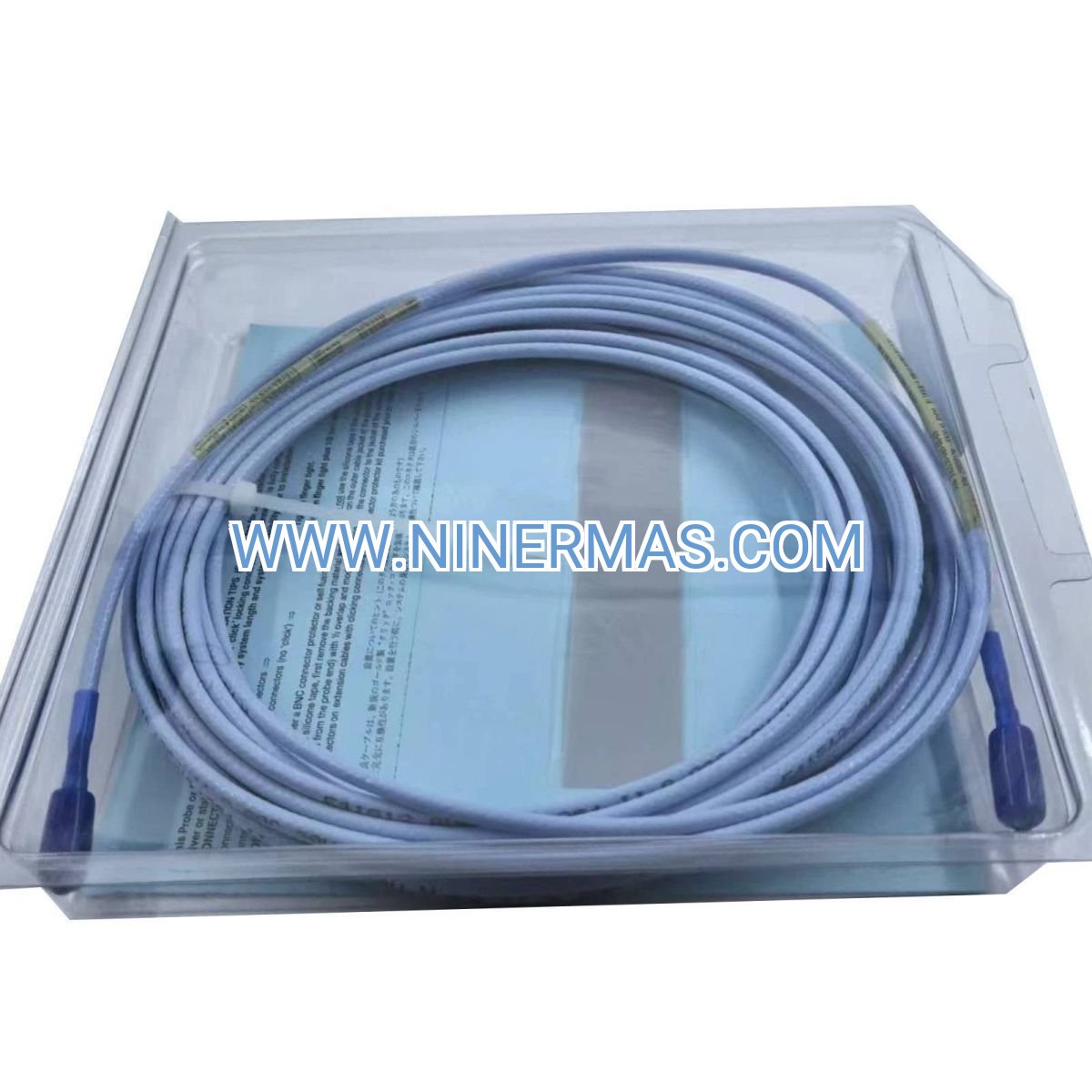
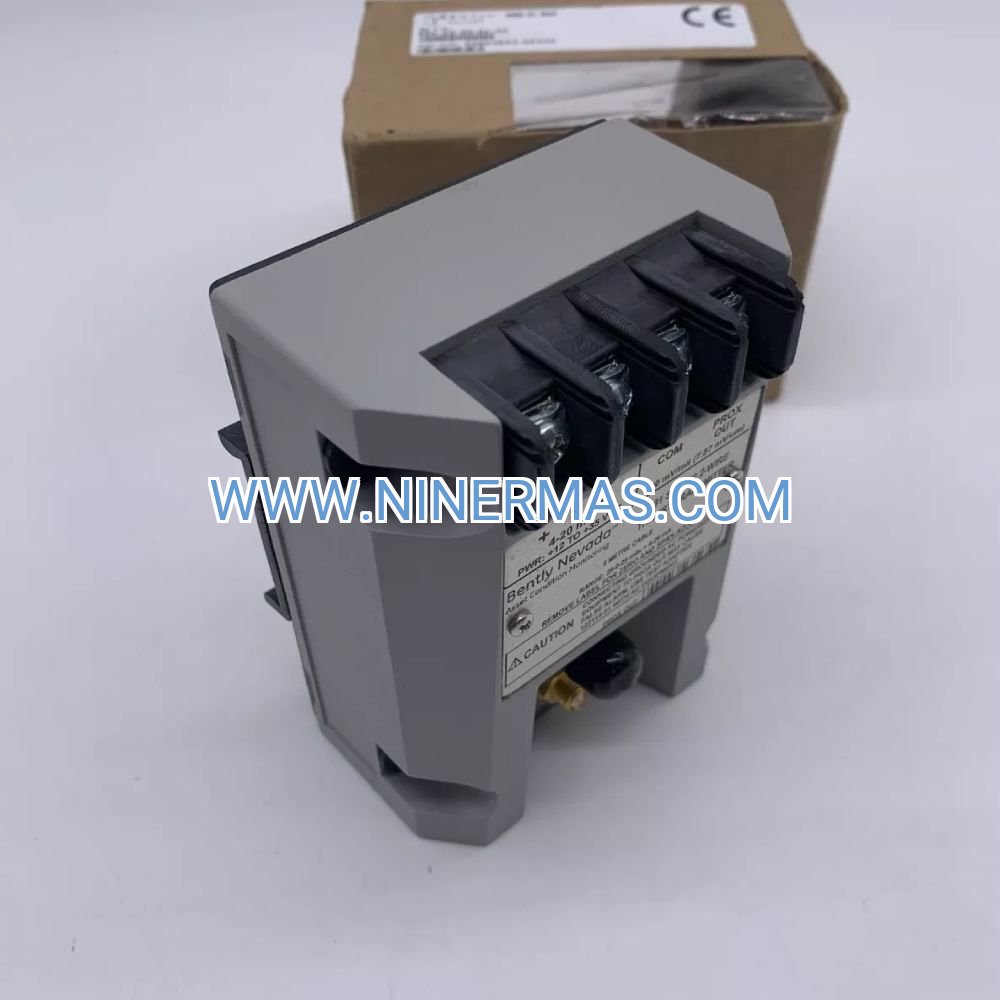
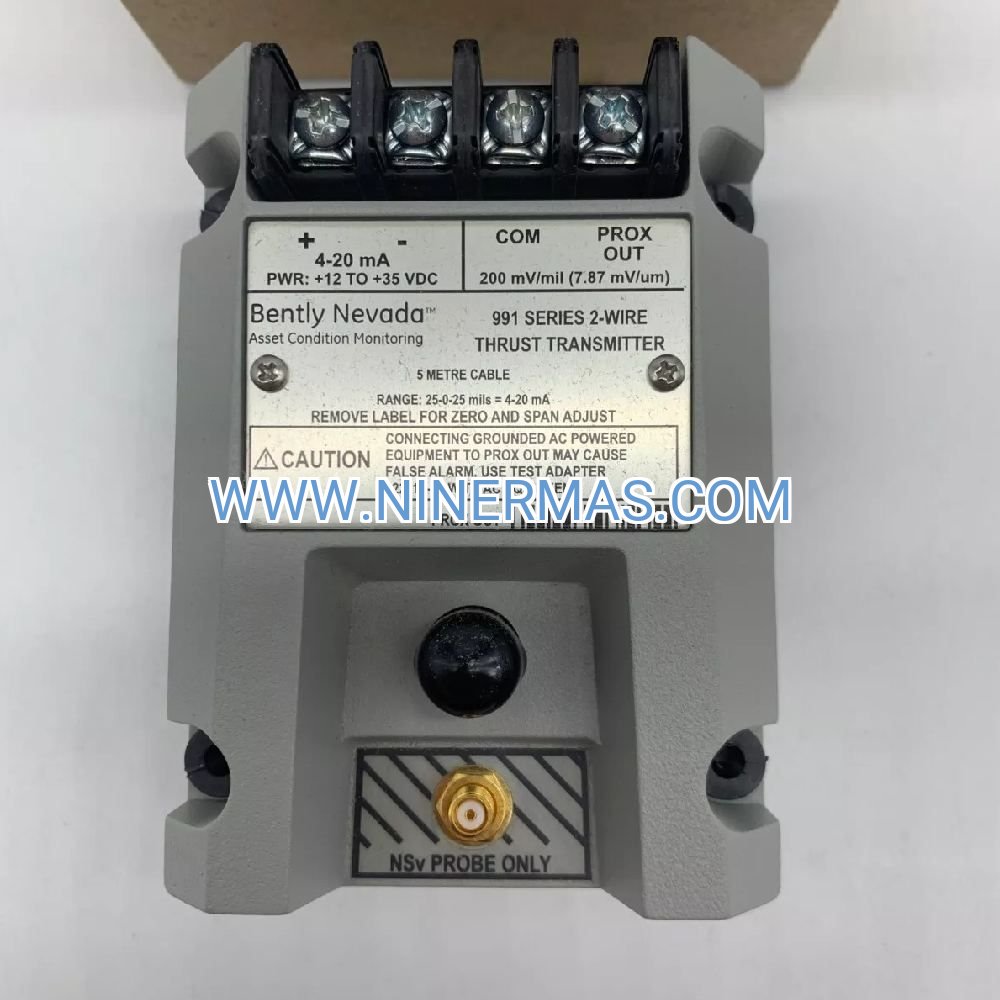
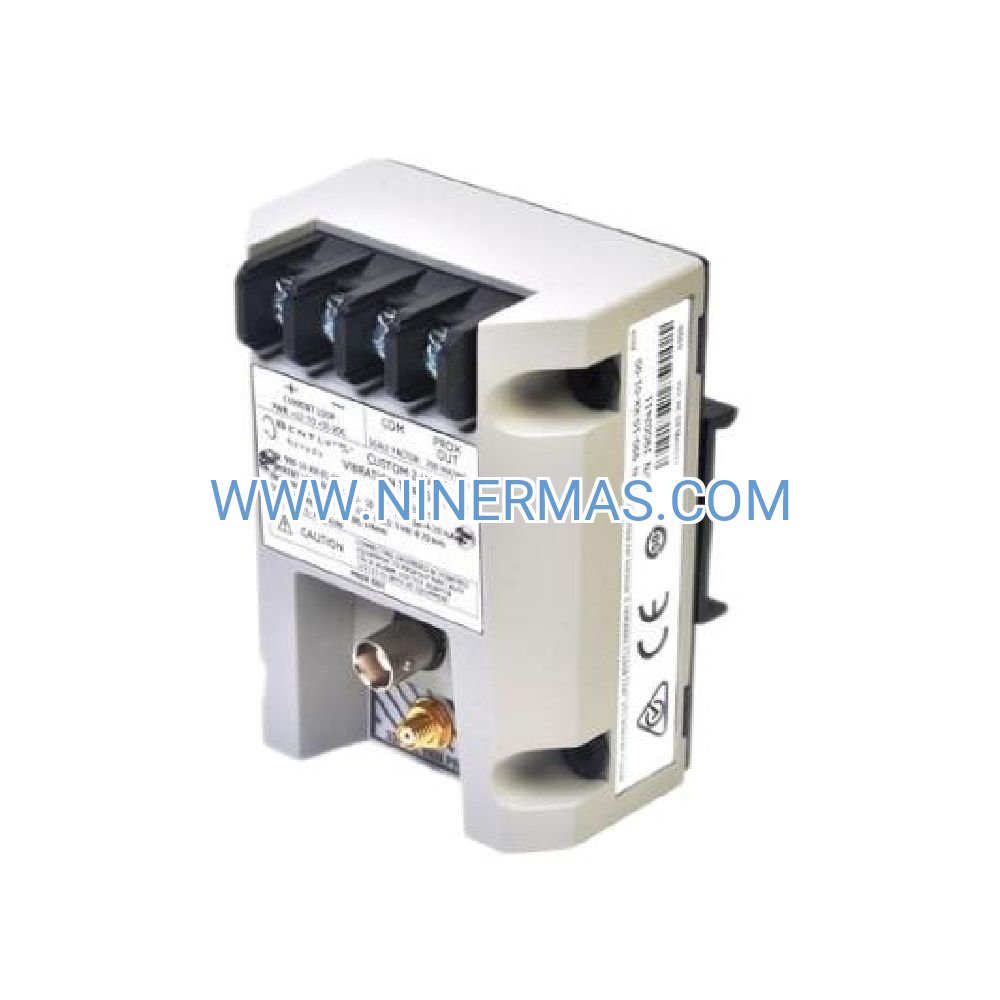
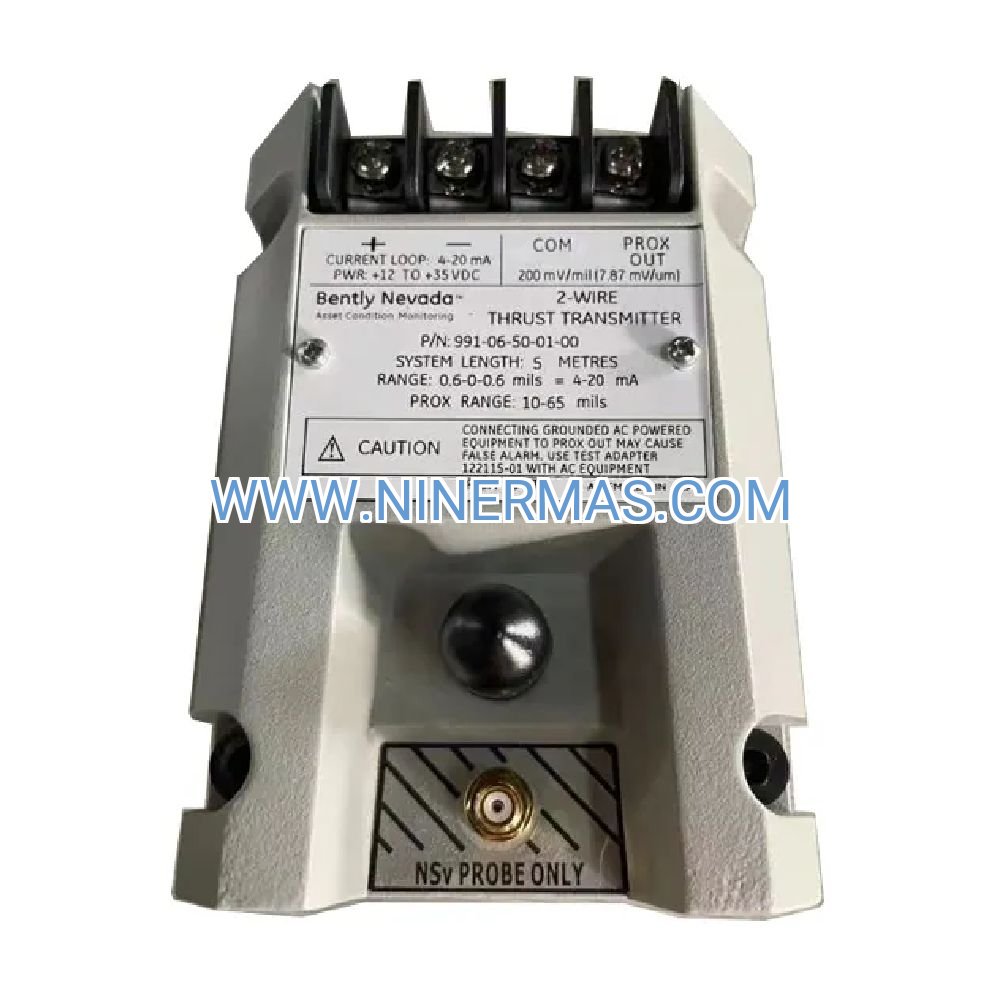
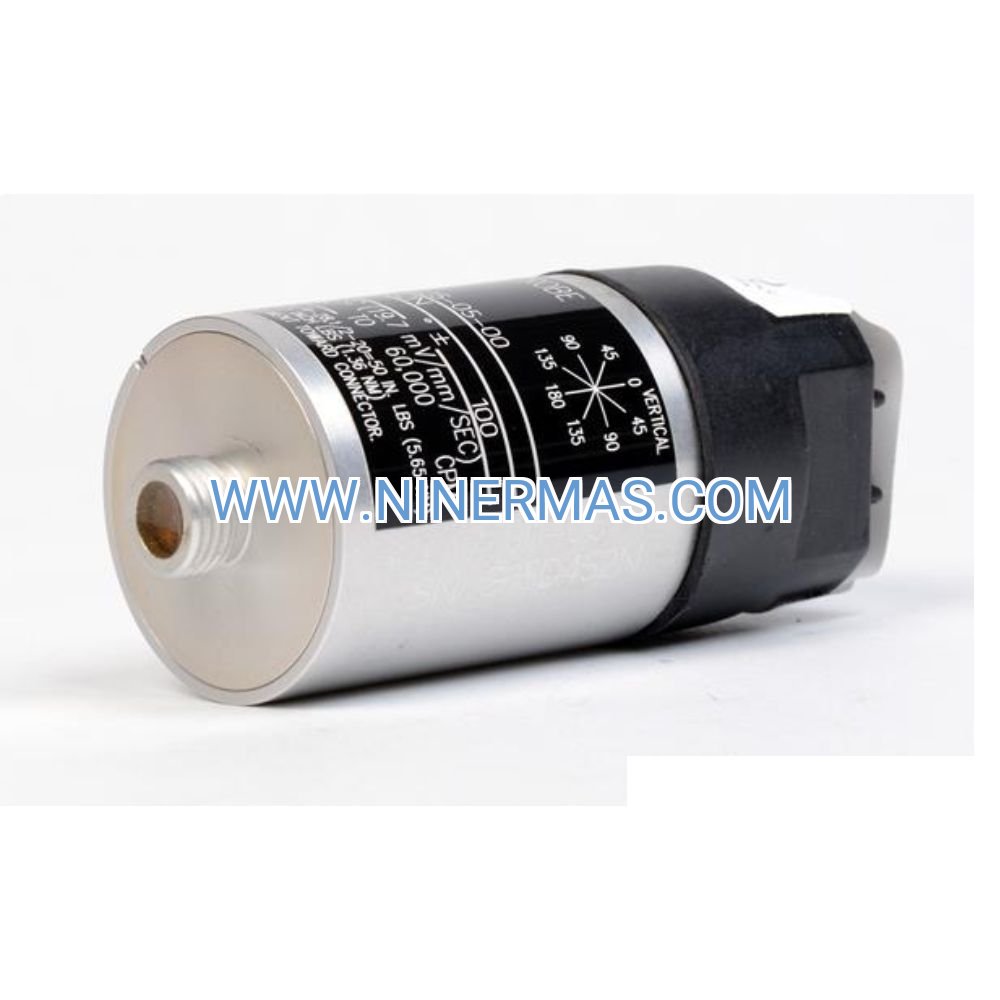
Bently Nevada 330197-10-50-00 Eddy Current Proximitor Sensor (Industrial Vibration Monitoring System)
The Bently Nevada 330197-10-50-00 is a precision-engineered eddy current proximity sensor designed for continuous vibration and displacement monitoring in critical rotating machinery. Utilizing non-contact measurement technology with PLC-compatible signal output, this sensor enables real-time shaft position tracking, bearing health assessment, and early fault detection across turbines, compressors, pumps, and high-speed motors.
Ideal for power generation plants, petrochemical facilities, oil & gas processing units, and heavy manufacturing environments, the 330197-10-50-00 addresses common challenges including unexpected bearing failures, shaft misalignment, rotor imbalance, and costly unplanned downtime. Its robust construction withstands extreme temperatures from -40°C to +85°C while maintaining measurement accuracy within ±1% of full scale.
Engineered with API 670 compliance and backward compatibility with legacy 3300 systems, this sensor integrates seamlessly into existing condition monitoring infrastructure or new DCS/SCADA platforms. Available with customizable cable lengths and mounting configurations, the 330197-10-50-00 delivers reliable performance for design engineers, system integrators, maintenance teams, and plant operators seeking to optimize asset reliability and reduce maintenance costs.
Core Features & Technical Advantages
High-Precision Eddy Current Technology
Non-contact measurement principle eliminates mechanical wear, providing stable 200 mV/mil sensitivity across a 0.50 mm (20 mils) linear range. Frequency response extends from DC to 10 kHz, capturing both slow-roll and high-frequency vibration events critical for comprehensive machinery diagnostics.
Extended Operating Temperature Range
Certified for continuous operation from -40°C to +85°C (-40°F to +185°F), this sensor maintains calibration accuracy in arctic offshore platforms, desert refineries, and high-temperature turbine environments where conventional sensors fail.
API 670 Compliance & Industry Standards
Meets or exceeds API 670 machinery protection system requirements, ensuring compatibility with safety instrumented systems (SIS) and regulatory compliance for critical equipment monitoring in hazardous process industries.
Flexible Integration & Backward Compatibility
Direct replacement for earlier 3300 series sensors while offering enhanced performance specifications. Standard -2 to -18 VDC output interfaces with Bently Nevada monitors, third-party PLCs (Siemens, Allen-Bradley, GE), and distributed control systems without signal conditioning.
Rugged Industrial Construction
Stainless steel housing with M10 x 1.0 or 3/8-24 UNF threading resists corrosive atmospheres, vibration-induced loosening, and mechanical impact. IP67-rated cable connections prevent moisture ingress in washdown environments and outdoor installations.
Comprehensive Protection Features
Built-in electromagnetic interference (EMI) shielding, reverse polarity protection, and over-voltage tolerance safeguard sensor electronics from electrical transients common in industrial power distribution systems, extending service life beyond 10 years in typical applications.
Typical Application Scenarios
This proximity sensor excels in demanding industrial environments requiring continuous machinery health monitoring and protection:
Steam & Gas Turbine Vibration Monitoring
Tracks radial shaft vibration and axial thrust position in power generation turbines operating at 3,000-3,600 RPM. Early detection of bearing degradation, blade fouling, and rotor imbalance prevents catastrophic failures and extends major overhaul intervals from 3 to 5+ years.
Centrifugal & Reciprocating Compressor Protection
Monitors journal bearing clearance and shaft displacement in natural gas pipeline compressors, refrigeration systems, and air separation units. Real-time gap voltage trending identifies lubrication issues, foundation settling, and coupling misalignment before emergency shutdowns occur.
Large Motor & Generator Shaft Monitoring
Provides continuous surveillance of rotor eccentricity and magnetic center position in synchronous motors (>500 HP) and hydroelectric generators. Detects stator-rotor rubs, electromagnetic imbalance, and thermal growth anomalies that compromise electrical efficiency and mechanical integrity.
Critical Pump Bearing Displacement Measurement
Ensures reliable operation of boiler feed pumps, crude oil transfer pumps, and chemical process pumps handling corrosive or high-temperature fluids. Monitors thrust bearing wear and impeller axial movement to prevent seal failures and product contamination.
Industrial Fan & Blower Rotor Position Tracking
Maintains optimal clearance between rotating and stationary components in induced draft fans, forced draft blowers, and ventilation systems. Prevents tip rubs that reduce efficiency by 15-30% and cause unscheduled maintenance events.
Technical Parameters & Selection Guide
To facilitate engineering design and procurement, we provide standardized specifications with custom configuration options:
| Parameter | Specification |
|---|---|
| Model Number | 330197-10-50-00 |
| Product Series | 3300 XL Proximitor System |
| Measurement Principle | Eddy Current (Non-Contact) |
| Linear Measurement Range | 0.50 mm (20 mils) typical |
| Sensitivity | 200 mV/mil (7.87 mV/μm) |
| Output Voltage Range | -2 to -18 VDC |
| Frequency Response | 0 to 10 kHz (-3 dB) |
| Operating Temperature | -40°C to +85°C (-40°F to +185°F) |
| Thread Size Options | M10 x 1.0 metric / 3/8-24 UNF imperial |
| Standard Cable Length | 5 meters (16.4 ft) - Custom lengths available |
| Target Material | Ferromagnetic (steel shaft, min. 50mm diameter) |
| Housing Material | Stainless Steel (corrosion-resistant) |
| Protection Rating | IP67 (with proper cable termination) |
| Compliance Standards | API 670, CE, RoHS |
Selection Recommendations:
When specifying the 330197-10-50-00 sensor, consider these critical factors: target shaft material and surface finish (4130 steel with Ra < 3.2 μm preferred), mounting location accessibility for installation and maintenance, ambient temperature extremes and thermal cycling rates, electrical noise environment and grounding requirements, required cable routing distance from sensor to monitor (extension cables available up to 50 meters), and hazardous area classification if applicable (intrinsically safe barriers required for Class I Div 1/2 or ATEX Zone 1).
For optimal gap voltage selection, position the sensor to achieve -10 VDC ± 2 VDC at normal operating clearance, providing maximum dynamic range for vibration measurement while maintaining linearity. Our application engineers can assist with mounting bracket design, cable specification, and system integration planning—contact us with your machinery specifications including shaft diameter, operating speed, bearing type, and monitoring objectives.
System Integration & Compatibility
Bently Nevada 3300 XL Monitoring Systems
Direct plug-and-play compatibility with 3300 XL Proximitor monitors, providing buffered outputs for DCS integration, alarm relay contacts, and 4-20 mA transmitter options. Supports dual-channel redundant configurations for SIL 2/3 safety applications.
Third-Party PLC & DCS Platforms
Analog voltage output interfaces directly with Siemens S7-1500, Allen-Bradley ControlLogix, GE PACSystems, and Honeywell Experion controllers using standard AI modules. Scaling factors and engineering units configurable in control logic for vibration amplitude, displacement, or gap voltage display.
Wireless Condition Monitoring Networks
Compatible with IIoT gateway devices (Moxa, Advantech, Cisco) for remote monitoring via MQTT, OPC UA, or Modbus TCP protocols. Enables cloud-based analytics, machine learning anomaly detection, and mobile dashboard access for distributed asset fleets.
Hazardous Area Installations
When paired with certified intrinsic safety barriers (Pepperl+Fuchs, MTL, Stahl), the sensor operates safely in Class I Division 1/2 (NEC), ATEX Zone 1/2, or IECEx explosive atmospheres. Consult factory for entity parameters and installation drawings.
Delivery, Service & Quality Assurance
Lead Time & Availability
Standard configuration sensors ship within 3-5 business days from regional distribution centers in North America, Europe, and Asia-Pacific. Custom cable lengths or special threading require 10-15 business days for factory configuration. Expedited shipping available for critical outage situations.
Warranty Coverage
Every 330197-10-50-00 sensor includes a comprehensive 18-month manufacturer warranty covering defects in materials, workmanship, and calibration accuracy. Warranty period begins from shipment date and includes free replacement or repair at our discretion.
Technical Support Services
Our certified vibration analysts and instrumentation engineers provide complimentary pre-sale application consultation, installation guidance via phone/email/video, post-installation commissioning support, and troubleshooting assistance throughout the product lifecycle. On-site commissioning services available in major industrial regions (quoted separately).
Documentation Package
Each sensor ships with complete technical documentation including dimensional drawings with mounting hole patterns, electrical wiring diagrams and pinout specifications, calibration certificate with traceability to NIST standards, installation best practices and torque specifications, and integration guide for common monitoring systems. Digital copies available for download upon request.
Calibration & Certification
Factory-calibrated using precision gap measurement fixtures and certified reference standards. Calibration data includes sensitivity verification across full linear range, frequency response characterization, and temperature coefficient validation. ISO 17025 accredited calibration available upon request for regulated industries.
Frequently Asked Questions (FAQ)
Q: What target material and surface finish are required for the 330197-10-50-00 sensor?
A: The sensor requires ferromagnetic target material, typically 4130 or 4140 alloy steel shafts. Minimum target diameter is 50 mm (2 inches) to ensure adequate eddy current field development. Surface finish should be Ra 3.2 μm (125 μin) or better, free from plating, coatings, or oxide scale that could affect measurement accuracy. For non-standard materials like stainless steel 400 series, contact our engineering team for calibration curve adjustments.
Q: Can this proximity sensor operate in hazardous classified areas such as refineries or chemical plants?
A: Yes, when installed with appropriate intrinsically safe (IS) barriers certified for the specific hazardous area classification. The sensor itself is not IS-rated but becomes part of an IS circuit when combined with barriers meeting Class I Division 1 (NEC 500), ATEX Zone 1 (IEC 60079), or IECEx standards. We can provide entity parameters (Vmax, Imax, Ci, Li) and recommend compatible barrier models from Pepperl+Fuchs, MTL, or Stahl for your application.
Q: What is the optimal gap voltage range for vibration monitoring applications?
A: For maximum linearity and dynamic measurement range, position the sensor to achieve a gap voltage between -8 VDC and -12 VDC at normal operating clearance (typically -10 VDC ± 2 VDC). This provides approximately ±4 VDC swing capability for vibration measurement while maintaining the sensor within its linear region. Gap voltages below -6 VDC or above -14 VDC may exhibit non-linear response and reduced accuracy.
Q: Is the 330197-10-50-00 compatible with older Bently Nevada 3300 monitoring systems?
A: Yes, the 3300 XL series maintains full backward compatibility with legacy 3300 and 3300 NSv monitoring systems. The sensor uses the same -24 VDC power supply, identical output signal format (200 mV/mil), and standard connector pinouts. You can directly replace earlier 3300 sensors with the 330197-10-50-00 to gain improved temperature range (-40°C to +85°C vs. -30°C to +80°C) and enhanced EMI immunity without system reconfiguration.
Q: How do I select the correct cable length for my installation?
A: Standard sensors ship with 5-meter (16.4 ft) integral cables. For longer distances, use Bently Nevada extension cables (available in 1m, 5m, 9m lengths) to reach up to 50 meters total system length without signal degradation. Avoid splicing or using non-approved cables, as cable capacitance affects calibration. When ordering, specify total required length from sensor mounting location to monitor input terminal, accounting for cable routing through conduit, cable trays, and junction boxes.
Q: What maintenance or recalibration is required for this eddy current sensor?
A: The 330197-10-50-00 is a passive sensor with no moving parts, requiring minimal maintenance. Recommended practices include annual visual inspection of cable integrity and connector condition, periodic verification of gap voltage at known clearances (compare to baseline readings), and cleaning of sensor tip if contaminated by oil mist or debris accumulation. Factory recalibration is typically not required unless the sensor experiences mechanical damage, exposure beyond rated temperature limits, or fails periodic verification checks. Most installations operate 10+ years without recalibration.
Request Technical Consultation & Quotation
Our vibration monitoring specialists are ready to assist with sensor selection, system design, and application-specific recommendations. To receive a detailed proposal tailored to your machinery protection requirements, please provide the following information:
- Project Overview: Facility name, equipment type, and monitoring objectives
- Machinery Details: Equipment manufacturer, model, rated speed (RPM), and horsepower
- Shaft Specifications: Diameter, material, surface finish, and accessible measurement locations
- Monitoring Requirements: Number of measurement points, radial/axial positions, alarm setpoints
- Environmental Conditions: Ambient temperature range, hazardous area classification, vibration/shock levels
- Integration Needs: Existing monitoring system (Bently Nevada, third-party PLC/DCS), communication protocols
- Delivery Timeline: Project schedule, installation date, commissioning support requirements
Submit your inquiry via email to sale@ninermas.com or contact our technical sales team at +0086 187 5021 5667 for immediate assistance. We typically respond within 4 business hours with preliminary recommendations and budget pricing.
© 2026 NINERMAS COMPANY LIMITED. All rights reserved.
Original Source: https://ninermas.com
Contact: sale@ninermas.com | +0086 187 5021 5667

Contact Info
-
Address:22 / F, South Wo Hang building, 148 Wing Lok Street, Sheung Wan, Western District, Hong Kong
-
Phone:+8618750215667
-
Email: