


Description
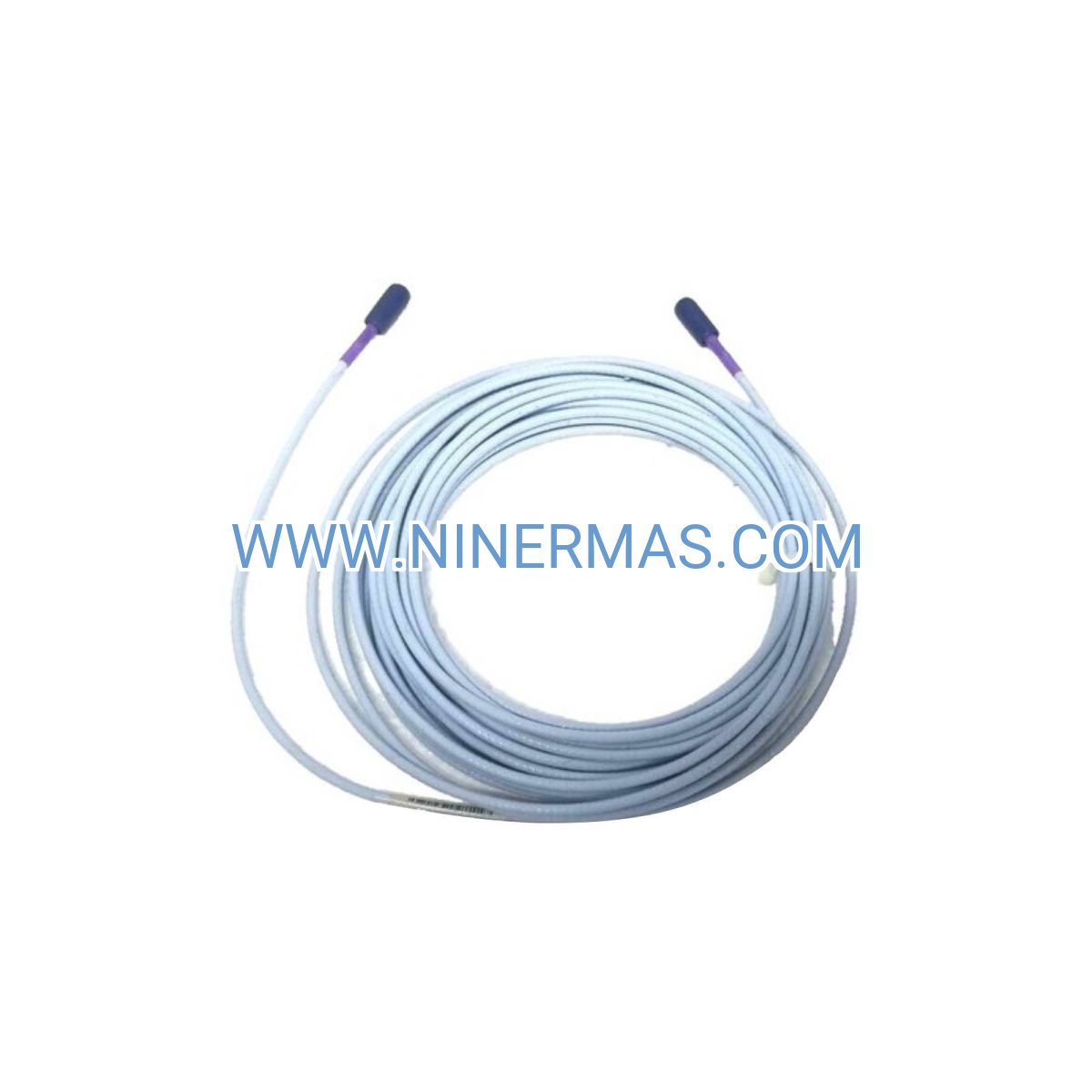
8mm Proximity Probe for Industrial Vibration Monitoring (3300 XL Series)
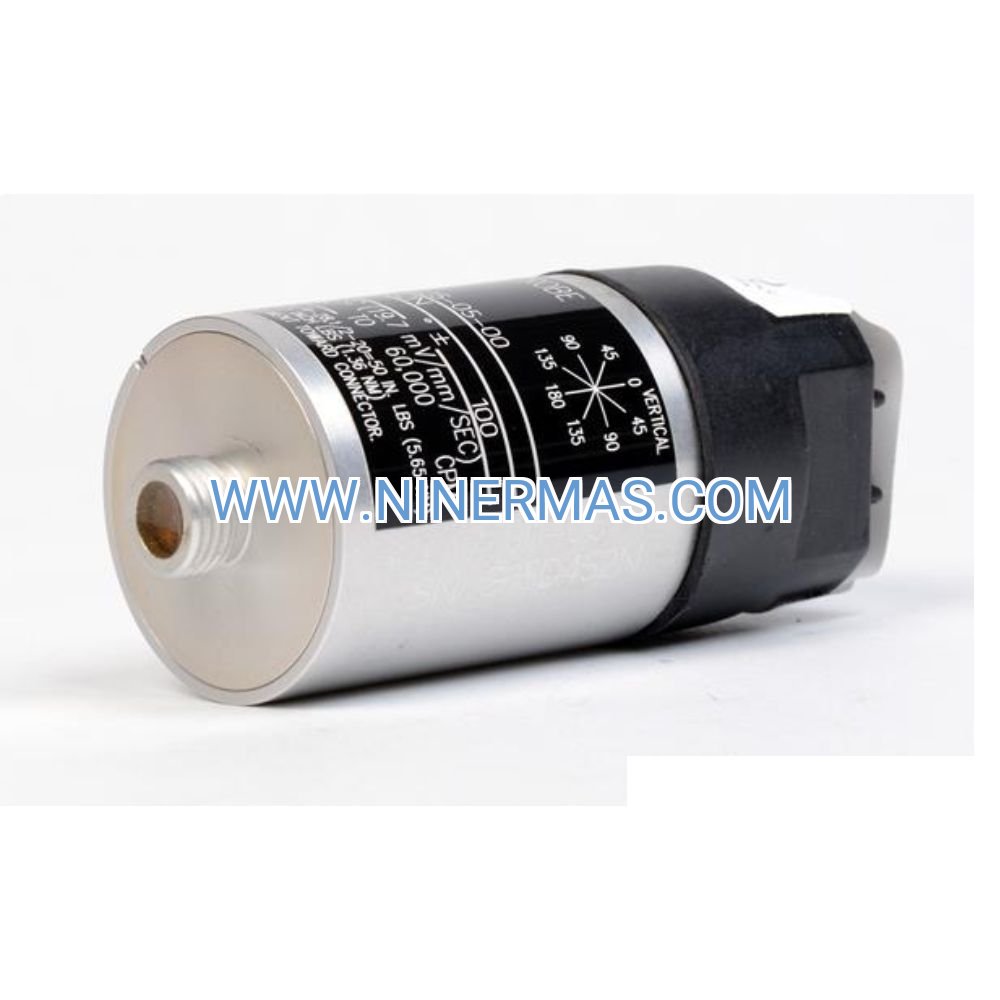
The Bently Nevada 330140-08-90-12-05-00 is an industrial-grade 8mm proximity probe designed for non-contact vibration measurement and shaft displacement monitoring in rotating machinery. Utilizing advanced eddy current technology with PLC-compatible signal output, this sensor delivers real-time shaft position tracking, bearing health assessment, and rotor dynamic analysis. Engineered for continuous operation in harsh industrial environments, it ensures machinery protection and predictive maintenance across turbines, compressors, motors, and critical pump systems.
Ideal for power generation plants, petrochemical facilities, oil & gas processing units, and heavy manufacturing operations, this probe addresses common challenges including undetected bearing degradation, excessive vibration amplitude, shaft misalignment, and thermal growth monitoring failures. By providing early warning signals of mechanical anomalies, it helps prevent catastrophic equipment failures, reduces emergency shutdowns, and minimizes unplanned maintenance interventions.
Through standardized mounting configurations and customizable cable length options, the 330140-08-90-12-05-00 offers seamless integration with existing Bently Nevada 3300 XL monitoring systems. Key advantages include superior electromagnetic interference resistance, extended temperature range capability (-40°C to +125°C), maintenance-free operation, and universal compatibility with DCS/SCADA platforms. Suitable for design engineers, EPC contractors, system integrators, and plant maintenance teams. Contact our application engineers for site-specific selection guidance and technical quotations.
Core Features & Technical Advantages
- High-Precision Eddy Current Sensing
Non-contact measurement technology with 8mm sensing diameter provides accurate shaft displacement data within ±1% linearity, eliminating mechanical wear and enabling long-term reliability in continuous monitoring applications. - Extended Operating Temperature Range
Functional from -40°C to +125°C ambient conditions, making it suitable for extreme environments including steam turbine casings, compressor hot gas sections, and arctic climate installations without performance degradation. - Rugged Industrial Construction
Stainless steel housing with integral armored cable withstands severe vibration (up to 50g), corrosive atmospheres, and electromagnetic interference common in power plants and process industries, ensuring measurement integrity. - Wide Frequency Response Bandwidth
DC to 10 kHz frequency range captures both slow thermal expansion movements and high-frequency blade pass vibrations, providing comprehensive machinery condition data for advanced diagnostic analysis. - Plug-and-Play System Integration
Direct compatibility with Bently Nevada 3300 XL proximitor modules and monitoring racks eliminates complex calibration procedures, reducing installation time by approximately 40% compared to legacy systems. - Maintenance-Free Operation
Solid-state sensing element with no moving parts or consumable components delivers 10+ years service life under normal operating conditions, significantly lowering total cost of ownership.
Typical Application Scenarios
This proximity probe is engineered for installations demanding high reliability, continuous shaft position monitoring, and early fault detection capabilities, particularly in:
- Steam & Gas Turbine Protection Systems
Monitors journal bearing clearances, thrust position, and differential expansion in power generation turbines rated from 10MW to 500MW+, preventing rotor-to-stator contact and catastrophic blade failures through real-time axial/radial displacement tracking. - Centrifugal & Reciprocating Compressor Monitoring
Provides critical vibration amplitude and phase data for API 670 compliant machinery protection systems in natural gas processing, refinery hydrogen service, and air separation plants, enabling condition-based maintenance strategies. - Large Motor & Generator Bearing Surveillance
Detects bearing wear progression, rotor eccentricity, and magnetic center shifts in synchronous motors (1000+ HP) and generators, supporting predictive maintenance programs that reduce unplanned outages by 60-75%. - Critical Process Pump Vibration Analysis
Ensures operational safety in boiler feed pumps, pipeline transfer pumps, and reactor circulation pumps by monitoring shaft runout, cavitation-induced vibration, and impeller imbalance in real-time. - Industrial Gearbox & Fan Condition Monitoring
Tracks gear mesh frequencies, shaft torsional vibration, and bearing defect signatures in cement mills, steel rolling mills, and mine ventilation systems, optimizing maintenance intervals and component lifecycle management.
Technical Parameters & Selection Guide
To facilitate engineering design and equipment selection, we provide standardized specifications for the 330140-08-90-12-05-00 model. Custom configurations available for special project requirements.
| Parameter | Specification |
|---|---|
| Model Number | 330140-08-90-12-05-00 |
| Product Series | Bently Nevada 3300 XL |
| Probe Diameter | 8mm (0.315 inch) |
| Sensing Technology | Eddy Current (Non-contact) |
| Operating Temperature | -40°C to +125°C (-40°F to +257°F) |
| Frequency Response | 0 Hz (DC) to 10 kHz |
| Linearity | ±1% over calibrated range |
| Thread Type | 5/8-18 UNF-2A |
| Cable Type | Integral Armored Extension Cable |
| Housing Material | Stainless Steel (Corrosion Resistant) |
| Vibration Resistance | Up to 50g (per IEC 60068-2-6) |
| System Compatibility | 3300 XL Proximitor Sensors & Monitors |
| Typical Applications | Turbines, Compressors, Motors, Pumps, Gearboxes |
| Compliance Standards | API 670, ISO 20816, IEC 61508 |
Selection Recommendations: When specifying proximity probes, consider the following critical parameters: target shaft material and surface finish (4130 steel recommended), required measurement range (typically 0-80 mils), installation space constraints and probe tip clearance, operating temperature profile and thermal cycling, cable routing length and EMI exposure levels. For complex installations involving multiple measurement planes or retrofit applications, our engineering team can provide detailed mounting drawings, gap voltage calibration data, and system integration support. Submit your machinery specifications including shaft diameter, bearing type, rotational speed, and environmental conditions for customized recommendations.
Advanced Integration Capabilities
- Multi-Channel Monitoring Architecture: Supports XY probe pair configurations for orbital analysis, enabling precise rotor centerline position tracking and dynamic load vector calculation in critical machinery.
- Digital Communication Protocols: Compatible with Modbus RTU, 4-20mA analog output, and relay contact interfaces for seamless integration with Allen-Bradley, Siemens, and Schneider Electric control systems.
- Redundant Measurement Systems: Enables dual-probe installations for safety-critical applications requiring SIL 2/3 certification, with automatic failover and diagnostic self-testing capabilities.
- Remote Monitoring & Diagnostics: Integrates with IIoT platforms and cloud-based condition monitoring services, providing real-time alerts, trend analysis, and predictive failure modeling through secure data transmission.
Delivery, Service & Quality Assurance
Lead Time: Standard catalog items ship within 3-5 business days from regional distribution centers. Custom cable lengths or special material certifications require 10-15 business days. Expedited processing available for emergency shutdown situations.
Warranty Coverage: All Bently Nevada proximity probes include a comprehensive 12-month manufacturer warranty covering material defects, workmanship issues, and performance specification compliance. Extended warranty programs available for critical service applications.
Installation & Commissioning Support: Technical assistance includes pre-installation site surveys, mounting fixture design review, gap voltage verification procedures, and system checkout protocols. On-site commissioning services available in major industrial regions (subject to location and project scope).
Documentation Package: Each shipment includes factory calibration certificates, dimensional drawings with tolerances, electrical connection diagrams, installation torque specifications, and troubleshooting guides. Digital copies provided in PDF and CAD formats for engineering records.
Compliance Certifications: Products manufactured under ISO 9001:2015 quality management systems with full material traceability. ATEX/IECEx certifications available for hazardous area installations (Zone 1/2, Division 1/2).
Frequently Asked Questions (FAQ)
Q: How does the 8mm proximity probe integrate with existing Bently Nevada 3300 monitoring systems?
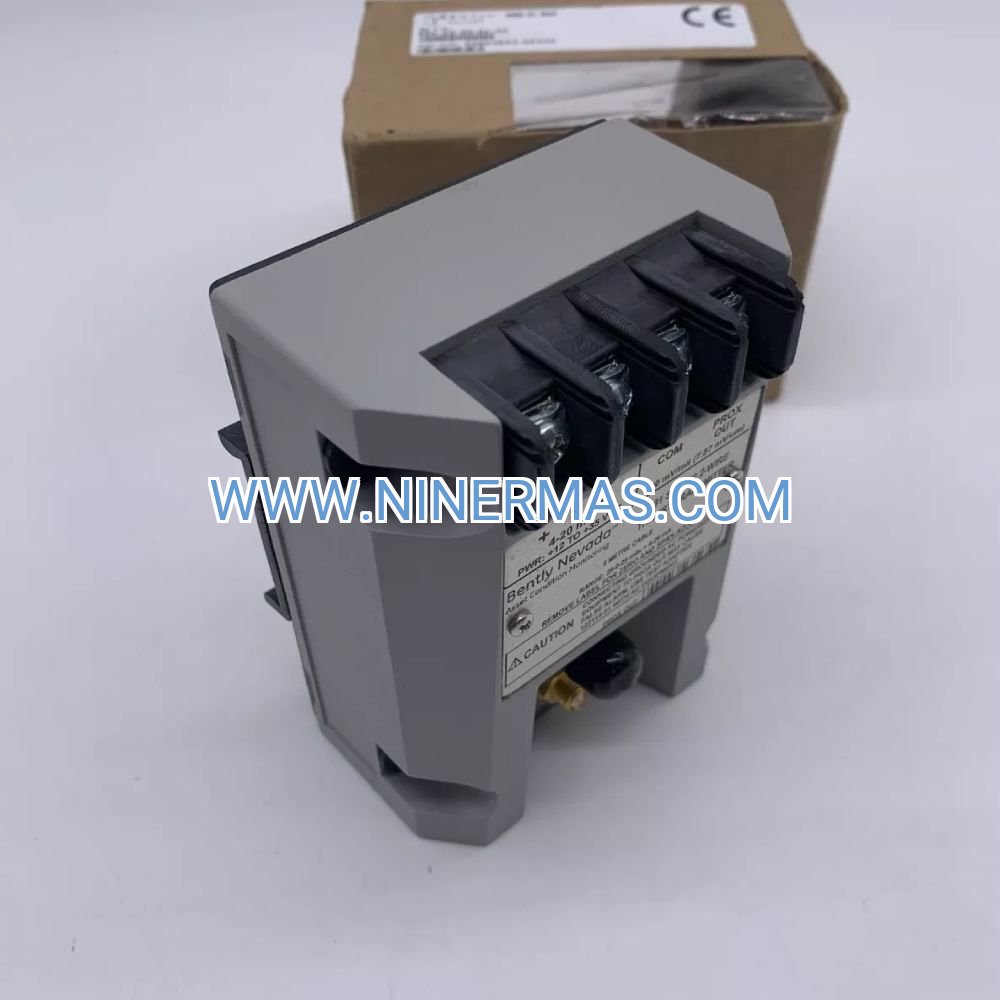
A: The 330140-08-90-12-05-00 connects directly to 3300 XL proximitor sensors via the integral armored cable. The proximitor conditions the probe signal and provides buffered outputs to monitoring racks, recorders, or DCS systems. Installation requires verifying proximitor power supply voltage (typically -24 VDC), confirming cable length compatibility, and performing gap voltage calibration using the target shaft material. Complete wiring diagrams and setup procedures are included in the technical manual.
Q: What is the maximum number of proximity probes that can be installed on a single rotating machine?
A: Typical configurations use 2 probes per bearing (XY orientation) for radial vibration, plus 1-2 probes for axial thrust position monitoring. A standard steam turbine with 4 bearings might employ 8-10 probes total. The actual quantity depends on API 670 requirements, machinery criticality classification, and specific monitoring objectives. Our application engineers can recommend optimal probe placement based on rotor dynamics analysis and failure mode considerations.
Q: What level of vibration reduction or energy savings can be achieved with proximity probe monitoring?
A: While proximity probes themselves don't reduce vibration, the early fault detection they enable allows corrective actions before severe damage occurs. Industry studies show predictive maintenance programs using continuous vibration monitoring reduce unplanned downtime by 50-70%, extend bearing life by 30-40%, and lower maintenance costs by 25-35% compared to reactive maintenance strategies. Energy savings result from optimized machinery operation and prevention of efficiency-degrading conditions like misalignment or imbalance.
Q: What are the environmental and installation requirements for proximity probe mounting?
A: Probes require a clean, smooth target surface (typically 4130 steel with 32 RMS finish or better) and must be installed perpendicular to the shaft within ±2 degrees. Ambient temperature at the probe tip must remain within -40°C to +125°C. Mounting holes should provide adequate thread engagement (minimum 1.5x probe diameter) with anti-rotation features. Avoid installation near magnetic fields >100 gauss or areas with direct steam/fluid impingement. Protection rating is typically IP65/IP67 depending on cable gland selection.
Q: Can this proximity probe support remote monitoring and wireless data transmission?
A: Yes, when paired with compatible Bently Nevada monitoring systems or third-party wireless vibration transmitters. The analog output from the proximitor sensor can be interfaced to IIoT gateways supporting Modbus TCP, OPC UA, or MQTT protocols for cloud-based condition monitoring platforms. Wireless solutions are particularly valuable for remote assets, rotating equipment in hazardous areas, or temporary monitoring during commissioning. Contact us for wireless integration architecture recommendations and cybersecurity best practices.
Q: What calibration procedures are required, and how often should recalibration be performed?
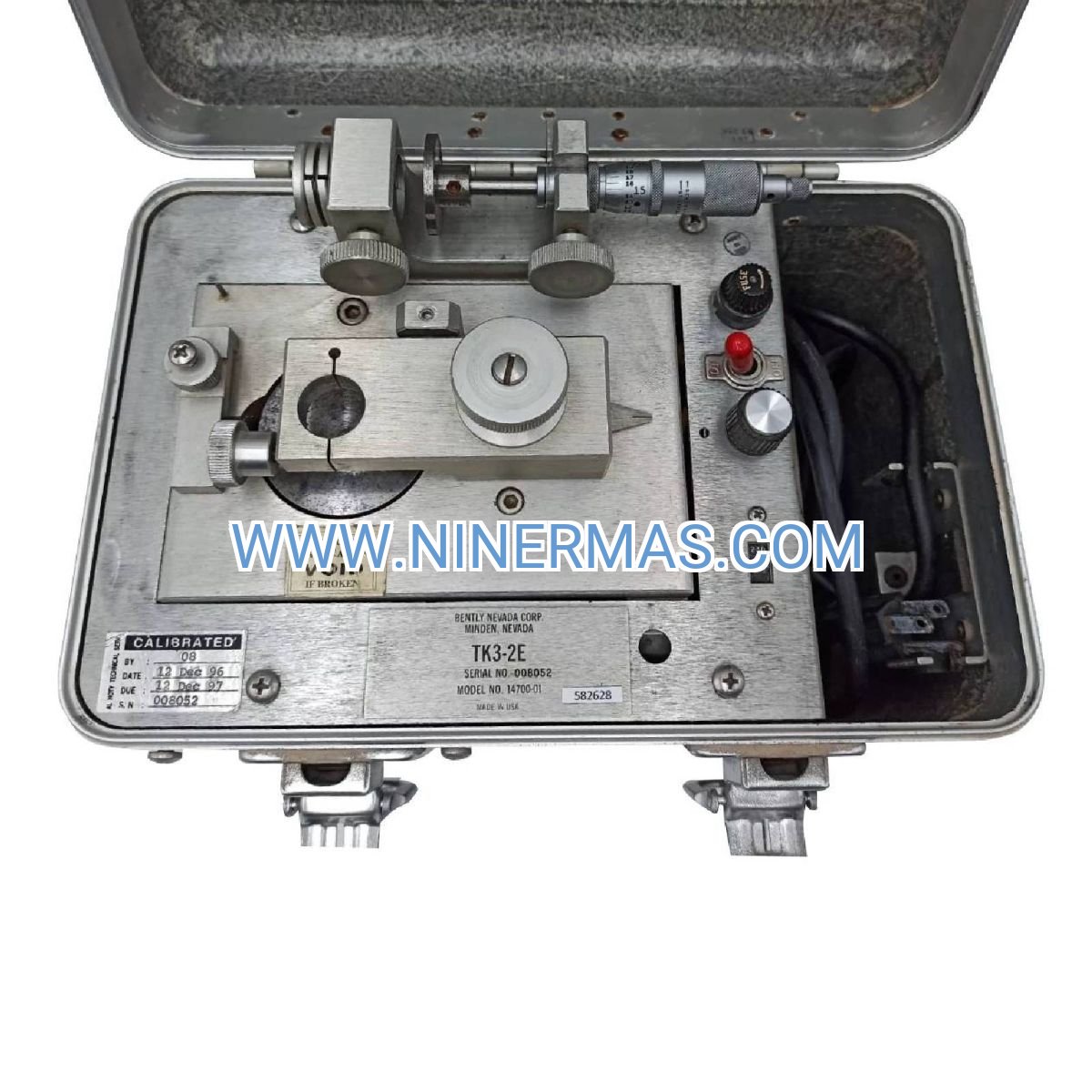
A: Initial calibration involves measuring gap voltage at known probe-to-target distances using precision shims or micrometer fixtures. The proximitor sensor is then scaled to convert voltage to displacement units (mils or microns). Under stable operating conditions, annual verification is recommended. Recalibration becomes necessary after cable replacement, proximitor module changes, or if gap voltage drifts beyond ±5% of baseline values. Field calibration kits and procedures are available for in-situ verification without machine disassembly.
Request Technical Support & Quotation
To receive detailed application engineering support, customized selection recommendations, or commercial quotations, please provide the following project information:
- Project name and application industry (power generation, oil & gas, chemical processing, etc.)
- Machinery type and criticality classification (turbine model, compressor type, motor rating)
- Shaft diameter, material, and surface finish specifications
- Number of measurement points required (radial, axial, differential expansion)
- Operating temperature range and environmental conditions (humidity, corrosive atmosphere)
- Cable length requirements and routing constraints
- Existing monitoring system details (if retrofit application)
- Compliance requirements (API 670, ISO 20816, SIL rating)
- Delivery timeline and installation support needs
Our vibration monitoring specialists will respond within 24 hours with technical feasibility assessment, system architecture recommendations, and competitive pricing. For urgent inquiries or emergency replacement requirements, contact our technical hotline for immediate assistance.
© 2026 NINERMAS COMPANY LIMITED. All rights reserved.
Original Source: https://ninermas.com
Contact: sale@ninermas.com | +0086 187 5021 5667

Contact Info
-
Address:22 / F, South Wo Hang building, 148 Wing Lok Street, Sheung Wan, Western District, Hong Kong
-
Phone:+8618750215667
-
Email:
