Description
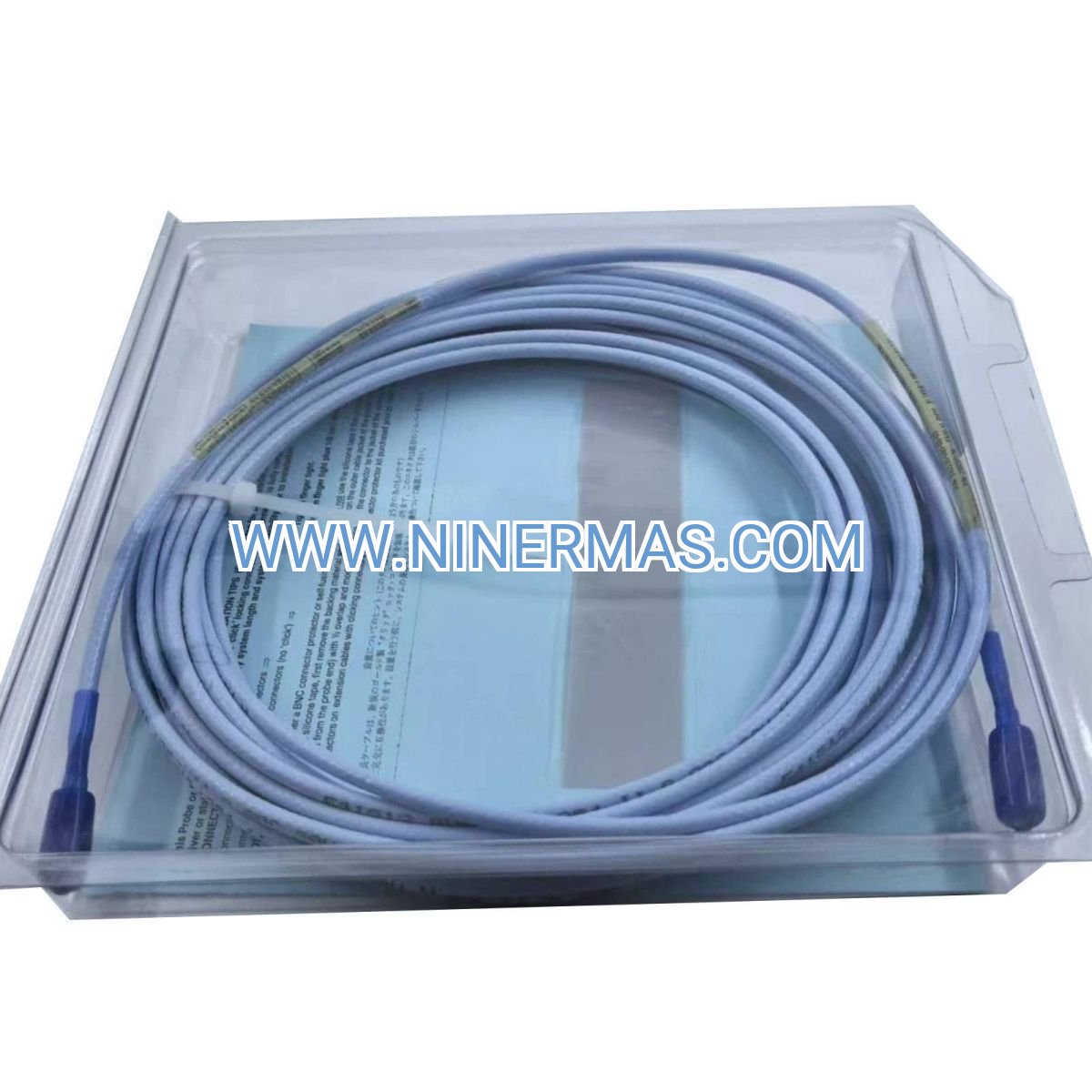
8mm Proximity Probe for Industrial Vibration & Position Monitoring (3300 XL Series)
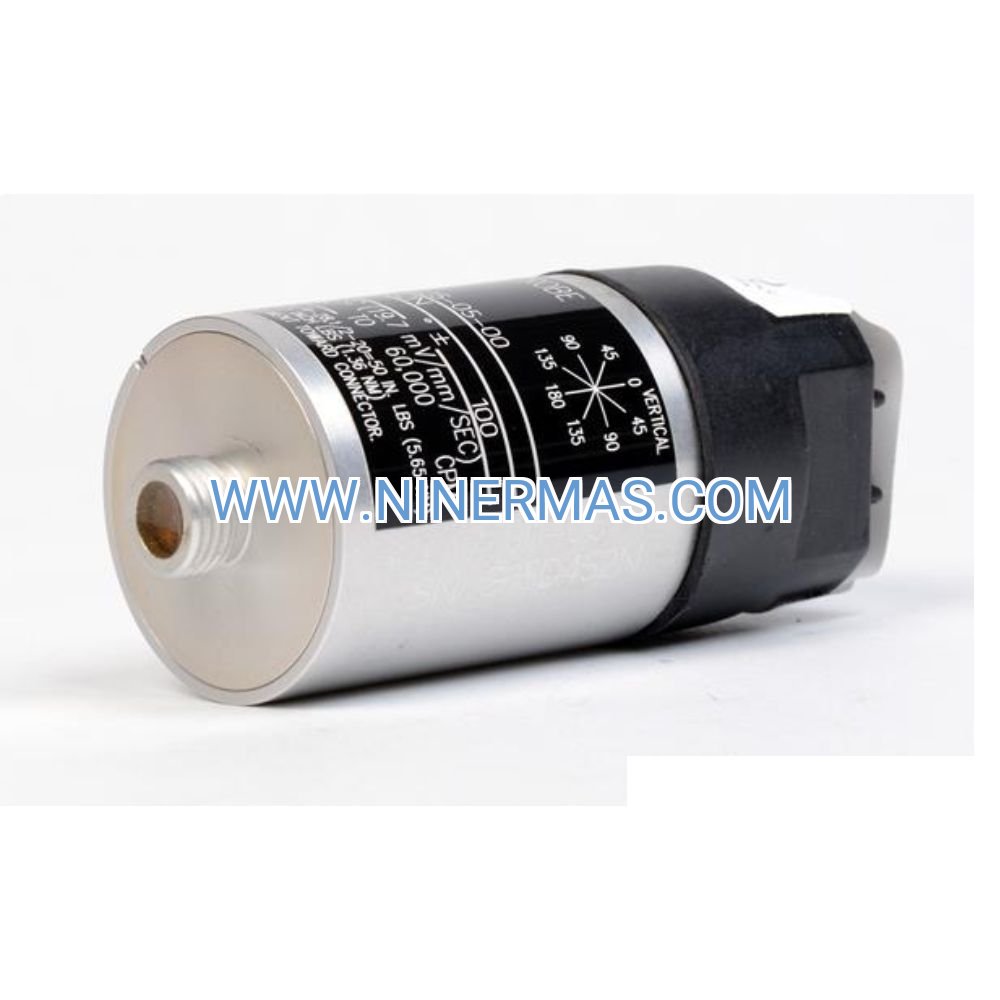
The 330140-08-50-01-05-00 is an industrial-grade 8mm eddy current proximity probe engineered for continuous shaft vibration and axial position measurement in critical rotating machinery. Through non-contact sensing technology and high-temperature capability, it enables real-time monitoring of radial displacement, differential expansion, and rotational speed in turbines, compressors, and high-speed rotating equipment.
Designed for power generation plants, petrochemical facilities, offshore platforms, and heavy industrial environments where equipment reliability is paramount. This probe addresses challenges including undetected bearing wear, shaft misalignment, thermal growth measurement errors, and inadequate early warning of mechanical failures—helping maintenance teams transition from reactive repairs to predictive condition-based strategies.
Built on the proven 3300 XL platform with standardized M8 threading and modular cable design, the probe offers flexible installation options and seamless integration with existing Proximitor sensors and monitoring systems. Suitable for design engineers, instrumentation contractors, plant maintenance teams, and OEM equipment manufacturers. Contact our application engineers for system configuration guidance, cable length customization, and installation drawings.
Core Capabilities & Technical Advantages
Non-Contact Eddy Current Measurement
Utilizes electromagnetic induction principles to measure gap distance without physical contact, eliminating wear and enabling continuous operation in high-vibration environments. Provides linear output proportional to target distance with 200 mV/mil sensitivity.
Extended Temperature Performance
Operates reliably from -40°C to +177°C (-40°F to +350°F), suitable for steam turbine casings, hot gas compressor applications, and high-temperature bearing housings where standard sensors fail. PEEK tip material ensures dimensional stability under thermal cycling.
Wide Frequency Response for Dynamic Monitoring
DC to 10 kHz bandwidth captures both slow thermal expansion (0.1 Hz) and high-frequency blade pass vibrations (5+ kHz), enabling comprehensive machinery health assessment from a single measurement point.
Rugged Industrial Construction
Stainless steel 300-series housing withstands corrosive atmospheres, pressure washing, and mechanical impact. Hermetically sealed design prevents moisture ingress in humid or condensing environments. Rated for continuous operation in Zone 2 hazardous areas when paired with approved barriers.
System Compatibility & Interchangeability
Fully compatible with 3300 XL, 3300 NSv, and legacy 3300 Proximitor sensors, allowing phased upgrades without complete system replacement. Standard -24 Vdc buffered output interfaces directly with DCS, PLC, and machinery protection systems.
Factory Calibration & Traceability
Each probe ships with individual calibration certificate traceable to NIST standards, documenting sensitivity, linear range, and frequency response. Reduces commissioning time and ensures measurement accuracy from installation.
Typical Application Scenarios
This proximity probe serves industries and equipment types requiring continuous shaft position monitoring, vibration trending, and protective shutdown capability:
Steam & Gas Turbine Generator Sets
Monitors journal bearing radial vibration, thrust bearing axial position, and differential expansion between rotor and casing. Prevents catastrophic failures from bearing degradation, rotor rubs, and thermal misalignment during startup/shutdown cycles.
Centrifugal & Axial Compressor Trains
Tracks shaft displacement in multi-stage compressors handling natural gas, air, refrigerants, and process gases. Detects surge conditions, impeller imbalance, and coupling misalignment before performance degradation or mechanical damage occurs.
Large Electric Motors & Generators (>500 kW)
Provides continuous bearing condition monitoring in critical drive motors for fans, pumps, mills, and conveyors. Enables predictive maintenance scheduling based on vibration trends rather than fixed time intervals, reducing unplanned downtime.
Hydroelectric Turbine-Generator Units
Measures guide bearing clearances and shaft runout in vertical Kaplan, Francis, and Pelton turbines. Withstands high humidity and temperature variations in powerhouse environments while maintaining calibration accuracy.
Industrial Gearboxes & Speed Increasers
Detects gear tooth wear, shaft eccentricity, and bearing clearance growth in parallel-shaft and planetary gearbox configurations. Particularly valuable in wind turbine gearboxes and cement mill reducers operating under variable loads.
Technical Specifications & Selection Parameters
To facilitate engineering design and procurement, key specifications are provided below. Custom configurations available for non-standard cable lengths, thread types, and environmental requirements.
| Parameter | Specification |
|---|---|
| Probe Diameter | 8mm (0.315 inches) |
| Thread Type | M8 × 1.0 metric external |
| Linear Measurement Range | 0.50 mm (20 mils) typical |
| Sensitivity (Nominal) | 200 mV/mil (7.87 V/mm) |
| Frequency Response | 0 Hz to 10 kHz (-3 dB) |
| Operating Temperature | -40°C to +177°C (-40°F to +350°F) |
| Standard Cable Length | 5 meters (custom lengths: 1m to 9m) |
| Cable Type | Low-noise coaxial, Teflon insulated |
| Housing Material | Stainless steel 300 series |
| Tip Material | PEEK (Polyetheretherketone) |
| Target Material Required | Ferromagnetic (carbon steel, 400-series SS) |
| Minimum Target Diameter | 24 mm (3× probe diameter) |
| Recommended Operating Gap | 1.0 mm (40 mils) from target |
| Environmental Protection | Hermetically sealed, IP67 equivalent |
Selection Guidance
When specifying proximity probes, consider: (1) maximum shaft surface temperature and ambient conditions, (2) required cable routing distance from probe mounting to Proximitor sensor location, (3) target shaft material and surface finish (Ra < 1.6 μm recommended), (4) available mounting space and thread engagement depth, (5) vibration frequency range of interest. For assistance with probe quantity determination, mounting bracket design, or extension cable requirements, provide machinery drawings and operating parameters to our application engineering team.
System Integration & Compatible Components
The 330140-08-50-01-05-00 probe functions as part of a complete proximity measurement system requiring additional components:
Required: Proximitor Sensor
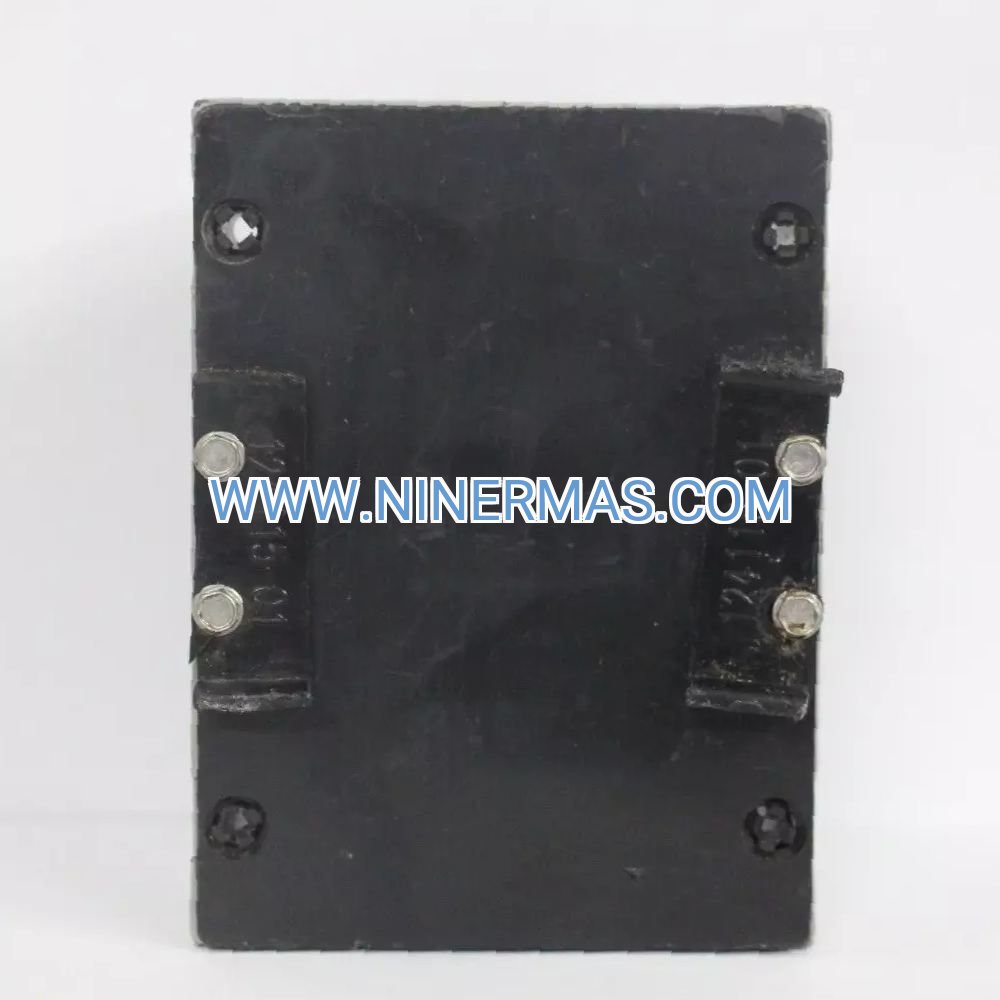
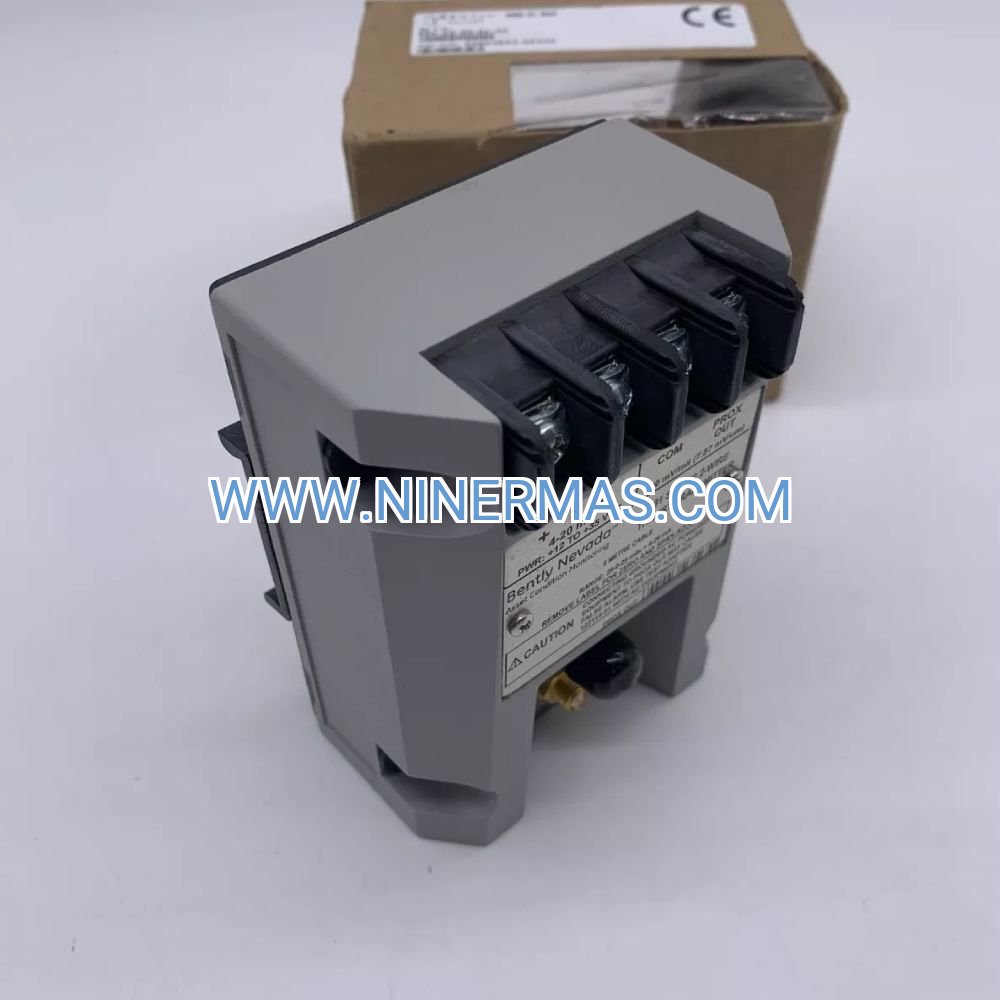
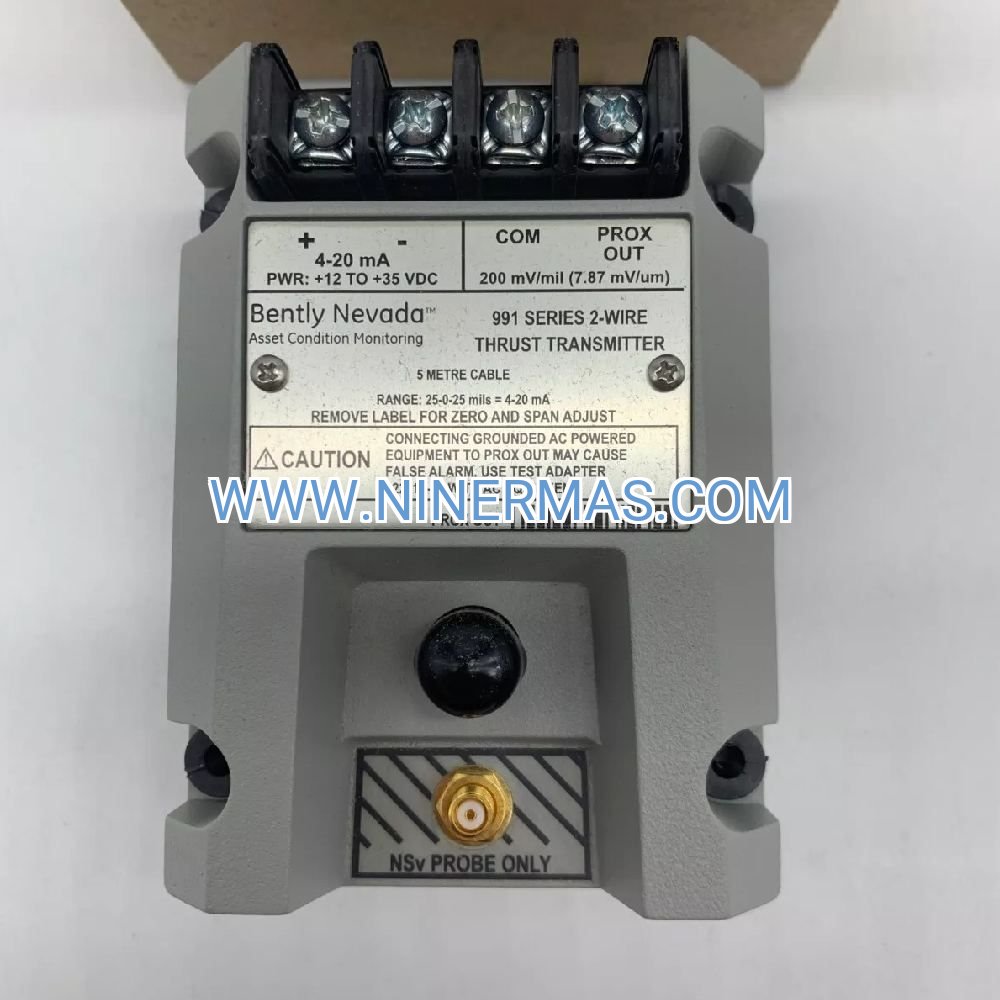
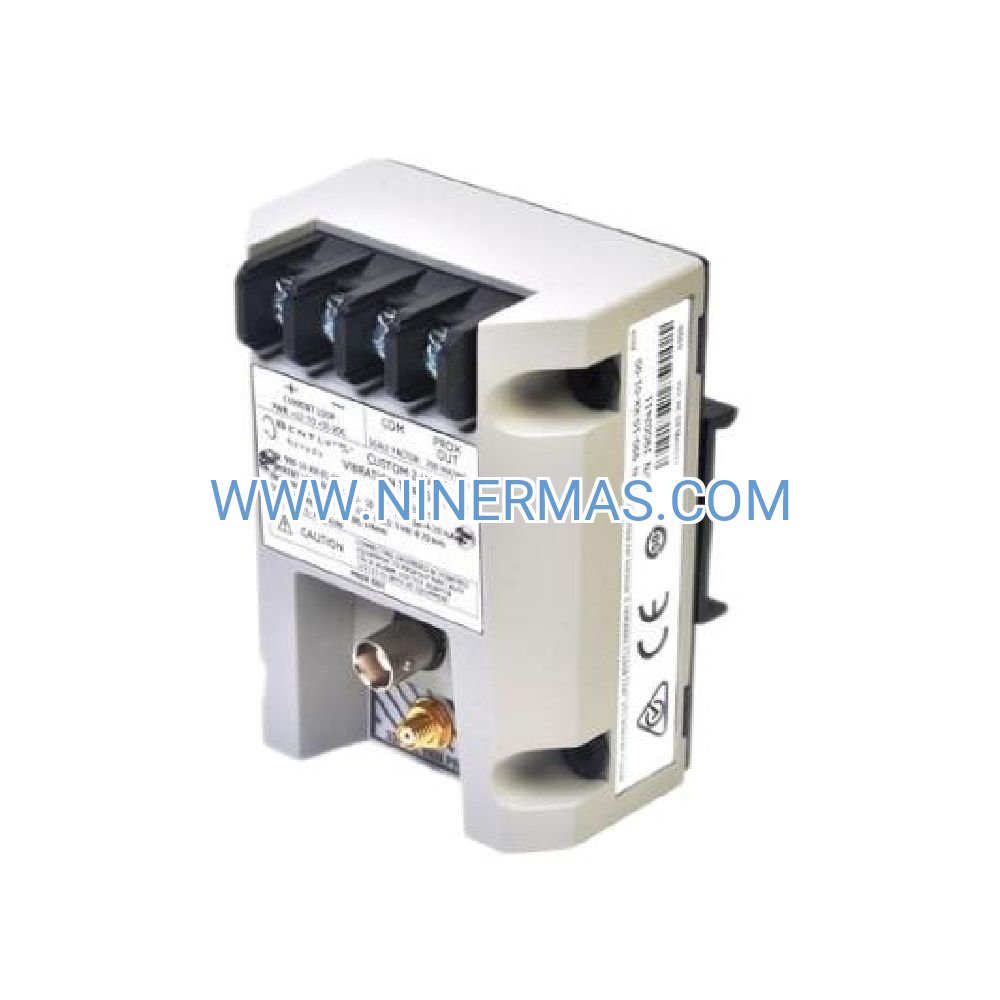
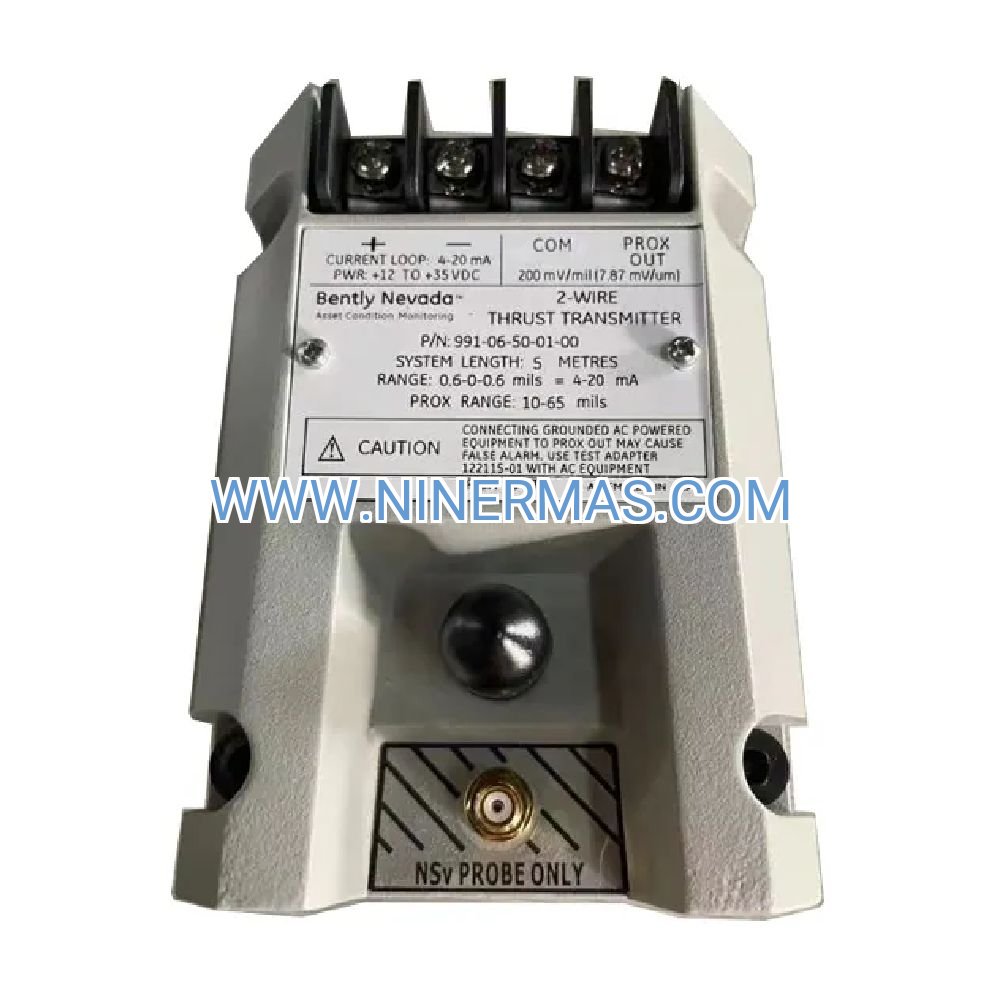
Pairs with 3300 XL Proximitor sensors (e.g., 330180 series) that provide probe excitation, signal conditioning, and buffered output. One Proximitor required per probe.
Optional: Extension Cables
330130 series extension cables enable flexible routing between probe and Proximitor when standard 5m length is insufficient. Available in 1m, 2m, 5m lengths; total system length (probe + extension) must not exceed 9m.
Optional: Mounting Hardware
Adjustable mounting brackets, lock nuts, and jam nuts facilitate precise gap setting and secure installation in vibration environments.
System Output Interface
Proximitor sensor provides industry-standard -24 Vdc buffered output (typically -1 to -23 Vdc over linear range) compatible with:
- Bently Nevada 3500 and ADAPT monitoring systems
- Third-party vibration monitors and protection systems
- DCS analog input modules (4-20 mA conversion available)
- PLC high-speed counter inputs for speed measurement
- Portable data collectors and vibration analyzers
Delivery, Documentation & Support Services
Lead Time & Availability
Standard 5-meter cable configuration: typically ships within 3-5 business days from stock. Custom cable lengths and special thread configurations: 10-15 business days manufacturing lead time. Expedited processing available for critical outage support.
Warranty Coverage
All proximity probes include 12-month manufacturer warranty covering defects in materials and workmanship under normal operating conditions. Warranty excludes damage from improper installation, target material incompatibility, or operation beyond specified temperature limits.
Technical Documentation Package
Each order includes:
- Individual probe calibration certificate with sensitivity data
- Installation and maintenance instructions (English)
- Dimensional drawings with thread specifications
- Recommended mounting practices and gap setting procedures
- Troubleshooting guide for common installation issues
Application Engineering Support
Complimentary pre-sale consultation for system design, probe quantity determination, and cable routing planning. Post-installation support includes remote troubleshooting assistance, output signal verification guidance, and calibration verification procedures. On-site commissioning services available in select regions (quoted separately).
Frequently Asked Questions (FAQ)
Q: What target shaft material is compatible with this 8mm proximity probe?
A: The probe requires conductive ferromagnetic target material—carbon steel (AISI 1018, 1045) or 400-series stainless steel (410, 416, 420) provide optimal performance. Non-magnetic materials (300-series stainless, aluminum, brass) are not suitable. Target surface should have machined finish with roughness Ra < 1.6 μm (63 μin) for best linearity. Minimum target diameter is 24mm (3× probe diameter) to avoid edge effects.
Q: Can I use this probe with my existing 3300 series monitoring system from 2010?
A: Yes, the 3300 XL series maintains full backward compatibility with legacy 3300 NSv and original 3300 systems. The probe will function correctly with older Proximitor sensors (e.g., 3300 5mm, 3300 NSv 8mm models) without requiring system-wide upgrades. This allows incremental replacement of failed probes while preserving existing infrastructure.
Q: What is the correct installation gap, and how critical is precise adjustment?
A: The recommended operating gap is 1.0 mm (40 mils) from probe tip to target surface, which centers the measurement within the linear range and maximizes dynamic range for vibration capture. Gap tolerance is ±0.25 mm (±10 mils). Proximitor sensor output voltage at this gap should read approximately -10 Vdc. Gaps outside 0.5-1.5 mm range may cause non-linear output or reduced sensitivity.
Q: Does the probe require field calibration after installation, or can I use factory calibration data?
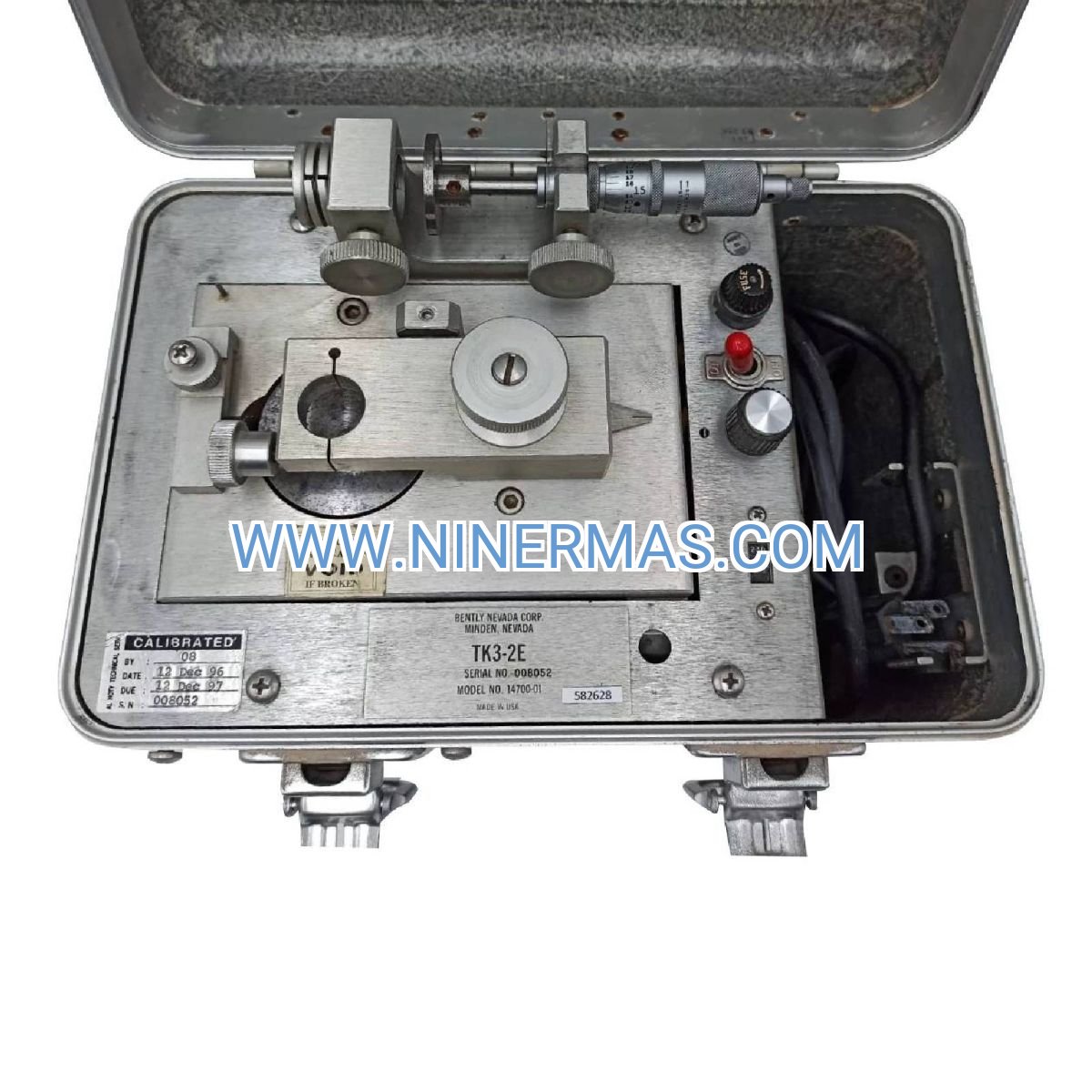
A: Factory calibration is valid for most applications and eliminates field calibration requirements. Each probe ships with calibration certificate documenting sensitivity against AISI 4140 steel target. Field calibration using actual shaft material is recommended only for precision applications requiring <2% measurement uncertainty (e.g., bearing clearance measurement, rotor growth studies). Bently Nevada TK-3 calibrator or equivalent test equipment required for field calibration.
Q: What is the maximum total cable length I can achieve with extension cables?
A: Total system cable length (probe cable + extension cable) must not exceed 9 meters to maintain signal integrity and frequency response. For example, a 5m probe can accept up to 4m of extension cable. Exceeding 9m total length causes high-frequency rolloff and sensitivity reduction. For installations requiring >9m routing distance, consider relocating the Proximitor sensor closer to the probe mounting point.
Q: Can this probe be used in hazardous area classifications (ATEX, IECEx)?
A: The probe itself is a passive sensor suitable for hazardous area installation when used with approved intrinsic safety barriers or galvanic isolators. The complete system (probe + Proximitor + barrier) must be designed and certified for the specific zone classification. Consult factory for hazardous area application guidance and barrier selection to meet local regulatory requirements (ATEX, IECEx, NEC 500/505).
Request Technical Consultation & Quotation
For detailed system design assistance, custom cable configurations, or volume pricing, please provide the following information to our application engineering team:
- Equipment type and operating parameters (speed, temperature, shaft diameter)
- Number of measurement points required per machine
- Cable routing distance from probe mounting to Proximitor location
- Target shaft material and surface finish specification
- Existing monitoring system model (if upgrading/expanding)
- Environmental conditions (temperature range, humidity, chemical exposure)
- Project timeline and delivery requirements
Our engineers will provide probe quantity recommendations, system configuration drawings, and complete bill of materials including Proximitor sensors, extension cables, and mounting hardware.
© 2026 NINERMAS COMPANY LIMITED. All rights reserved.
Original Source: https://ninermas.com
Contact: sale@ninermas.com | +0086 187 5021 5667

Contact Info
-
Address:22 / F, South Wo Hang building, 148 Wing Lok Street, Sheung Wan, Western District, Hong Kong
-
Phone:+8618750215667
-
Email: