Description
8mm Proximity Transducer for Industrial Vibration Monitoring (Bently Nevada 3300 XL Platform)
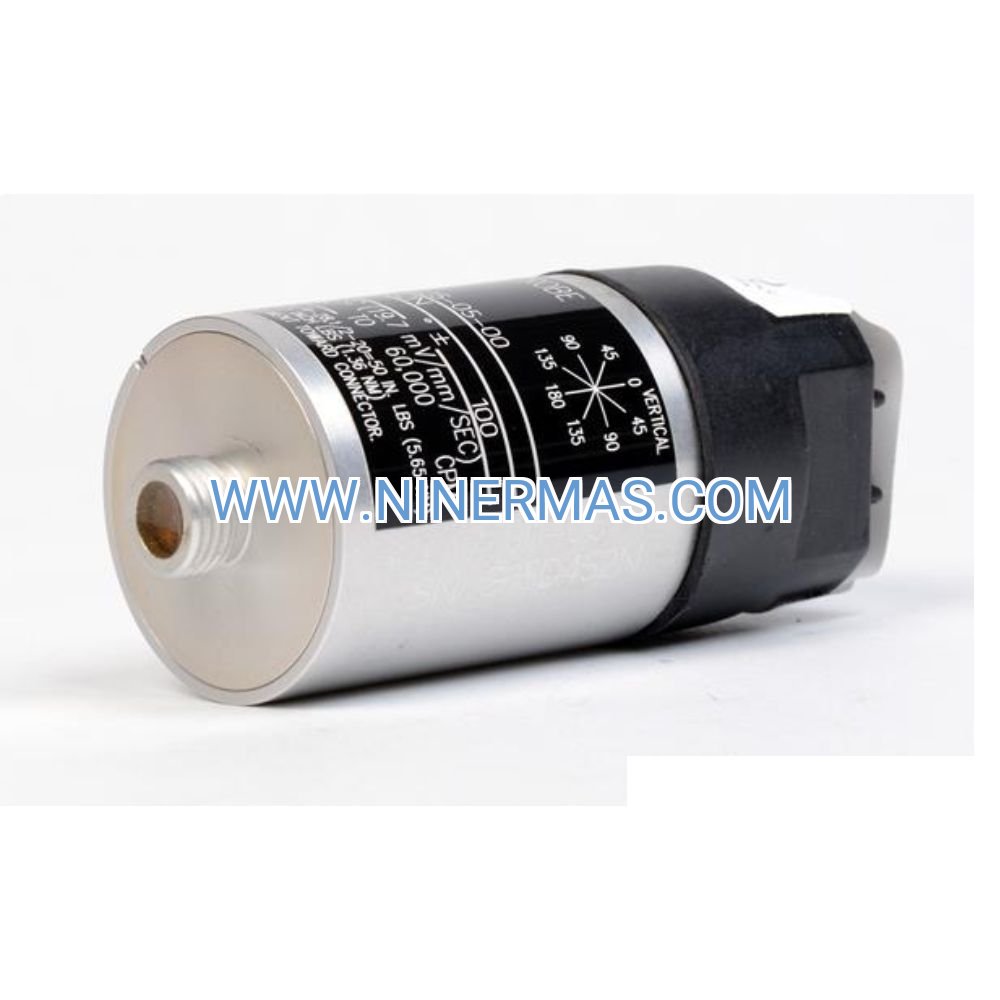
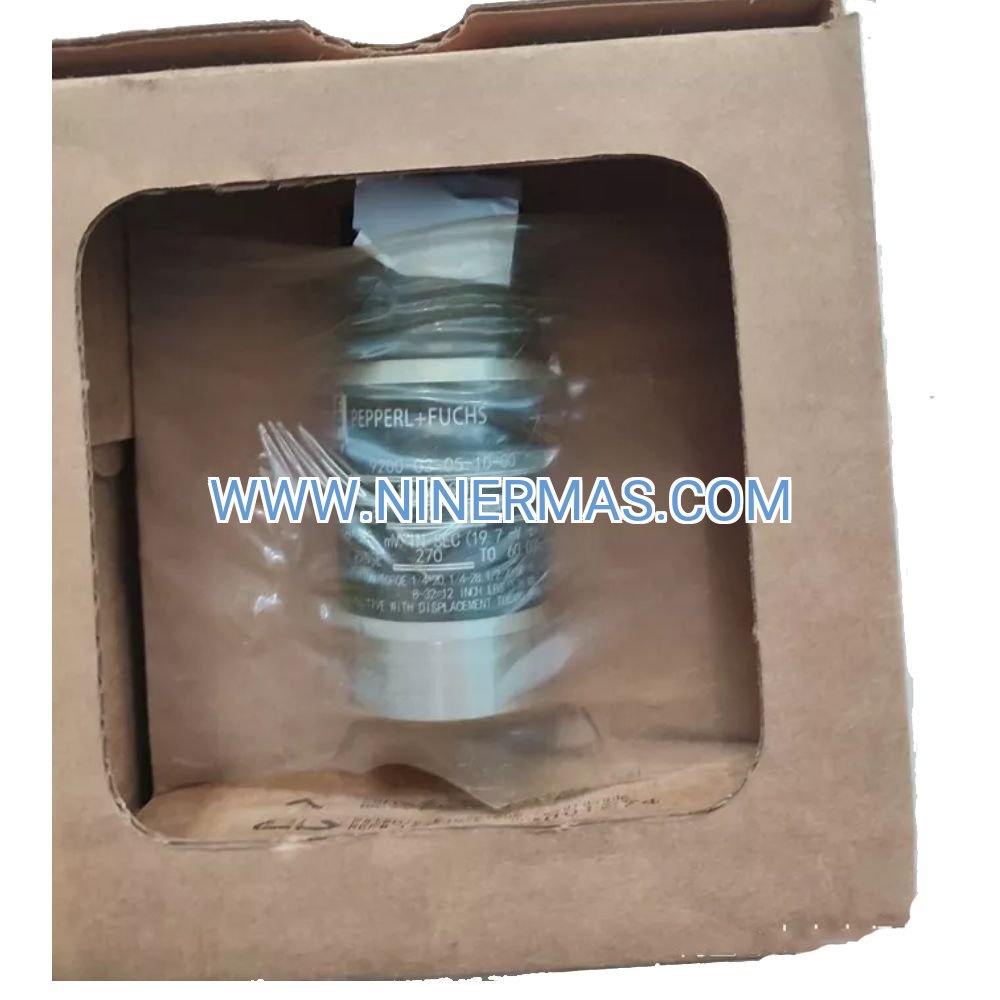
The 330140-08-15-02-00-00 is an industrial-grade 8mm proximity transducer designed for continuous shaft displacement and radial vibration measurement in critical rotating machinery. Leveraging eddy current sensing technology and hermetically sealed construction, this sensor delivers stable, high-fidelity signals for turbomachinery protection systems, predictive maintenance programs, and condition monitoring networks.
Engineered for steam turbines, gas turbines, centrifugal compressors, industrial pumps, and high-speed motors, the 330140 series addresses common challenges including bearing wear detection, rotor eccentricity tracking, shaft position verification, and early fault identification. By providing real-time displacement data with 0 to 10 kHz frequency response, operators can detect anomalies before catastrophic failures occur, reducing unplanned downtime and maintenance costs.
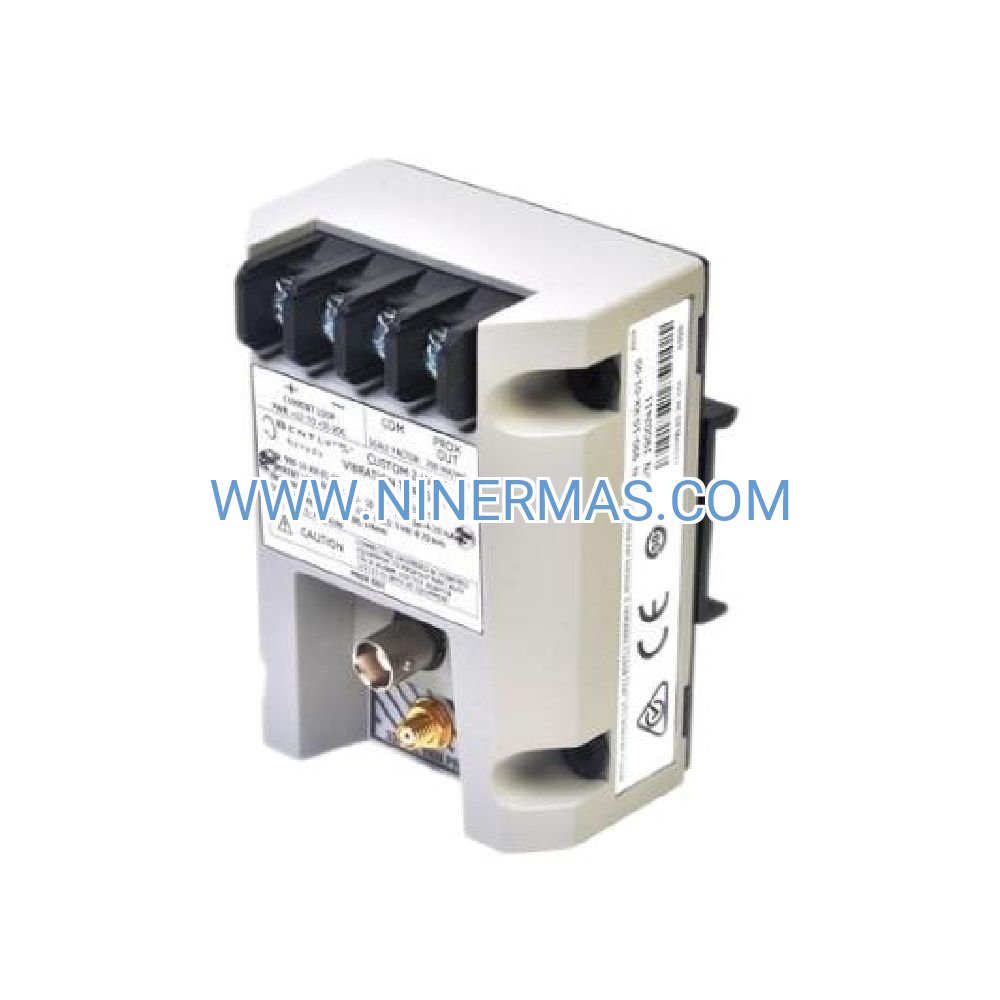
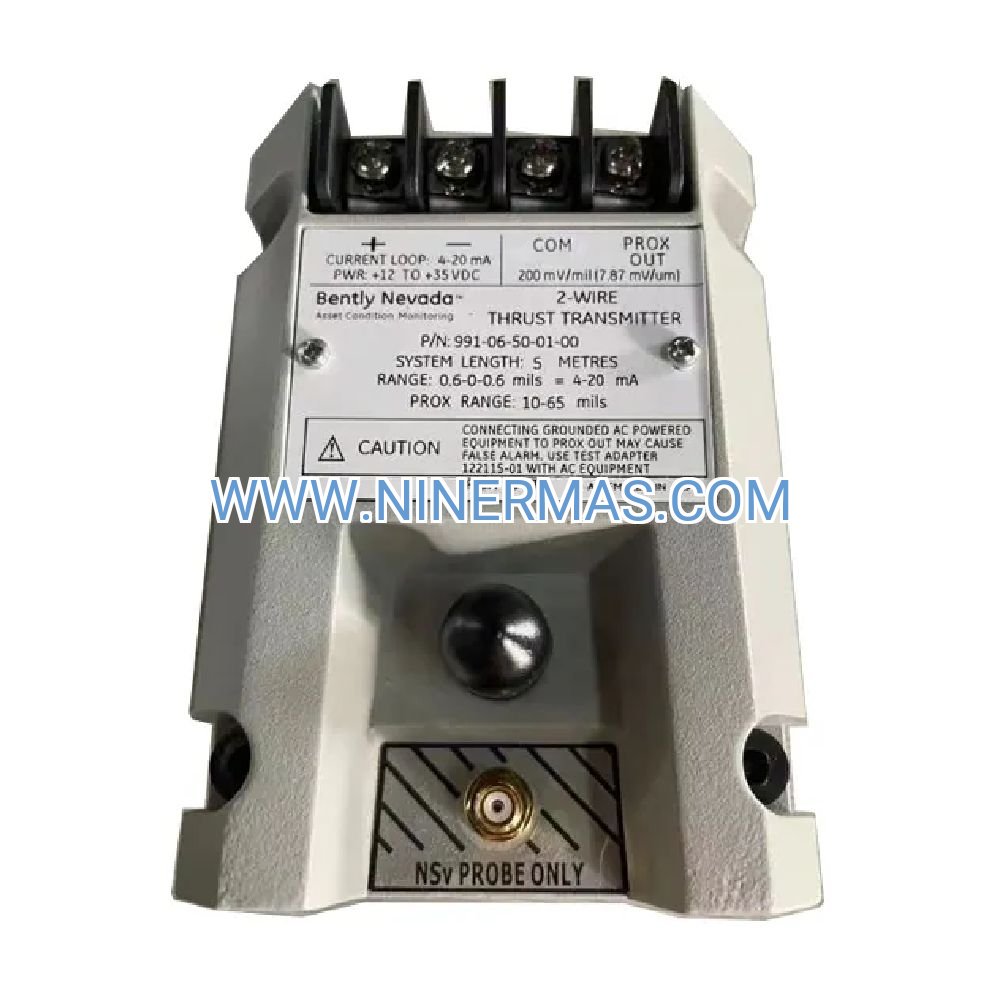
Through factory calibration, standardized M8 x 1.0 threading, and seamless compatibility with Bently Nevada 3300 XL Proximitor sensors and monitoring modules, this transducer offers rapid deployment, long-term reliability, and straightforward integration into existing DCS/SCADA architectures. Suitable for design institutes, EPC contractors, OEM equipment manufacturers, and end-user maintenance teams. Contact our application engineers for customized selection guidance, cable length specifications, and project quotations.
Core Features & Advantages
- Precision Eddy Current Sensing
Utilizes non-contact electromagnetic induction to measure gap distance between probe tip and ferromagnetic target, delivering linear output across 0.4 to 1.6 mm range with minimal drift and exceptional repeatability. - Wide Operating Temperature Range
Rated for -40°C to +105°C ambient conditions, enabling deployment in extreme environments including Arctic installations, desert facilities, and high-temperature process areas without performance degradation. - Hermetic Seal Construction
Fully welded stainless steel housing with IP67-equivalent protection prevents moisture ingress, chemical exposure, and particulate contamination, extending service life in harsh industrial atmospheres. - API 670 Compliance Ready
Meets machinery protection system requirements defined in API Standard 670 for vibration, axial position, and bearing temperature monitoring in petroleum, chemical, and gas industries. - Plug-and-Play System Integration
Factory-matched to 3300 XL Proximitor sensors with standardized -24 Vdc power supply and 7.87 V/mm (200 mV/mil) scale factor, eliminating field calibration and reducing commissioning time. - High-Frequency Response Capability
Captures dynamic events up to 10 kHz bandwidth, supporting blade pass frequency analysis, gear mesh monitoring, and transient vibration studies in high-speed rotating equipment.
Typical Application Scenarios
This proximity transducer is engineered for installations demanding continuous shaft monitoring, precise clearance measurement, and reliable fault detection, particularly in:
- Steam & Gas Turbine Generator Sets
Monitors journal bearing clearance, thrust position, and differential expansion in power generation units, providing critical data for turbine protection relays and preventing rotor-to-stator contact during startup, load changes, and shutdown sequences. - Centrifugal & Axial Compressor Trains
Tracks radial vibration and axial float in multi-stage compressors serving petrochemical plants, LNG facilities, and air separation units, enabling early detection of impeller imbalance, bearing degradation, and seal rubs. - Industrial Pump & Motor Systems
Supports condition-based maintenance programs for high-value pumps in refining, water treatment, and mining operations, reducing catastrophic bearing failures and optimizing overhaul intervals through trend analysis. - Gearbox & Coupling Monitoring
Provides shaft position feedback for parallel shaft gearboxes, planetary reducers, and flexible couplings in steel mills, cement plants, and material handling systems, detecting misalignment and wear progression. - Research & Development Test Rigs
Delivers laboratory-grade measurement accuracy for rotor dynamics studies, balancing verification, and prototype validation in aerospace, automotive, and energy research facilities.
Technical Parameters & Selection Guide
To facilitate engineering design and procurement, we provide comprehensive specifications for the 330140-08-15-02-00-00 transducer. Custom cable lengths, special materials, and hazardous area certifications are available upon request.
| Parameter | Specification |
|---|---|
| Model Number | 330140-08-15-02-00-00 |
| Probe Diameter | 8 mm (0.315 inch) |
| Platform Series | Bently Nevada 3300 XL |
| Linear Measurement Range | 0.4 to 1.6 mm (16 to 63 mils) |
| Frequency Response | 0 to 10 kHz (-3 dB) |
| Operating Temperature | -40°C to +105°C (-40°F to +221°F) |
| Thread Type | M8 x 1.0 metric |
| Housing Material | 300 series stainless steel |
| Sealing Rating | Hermetically sealed (IP67 equivalent) |
| Target Material | Ferromagnetic (4140 steel, 416 SS recommended) |
| Power Supply (via Proximitor) | -24 Vdc nominal |
| Output Scale Factor | 7.87 V/mm (200 mV/mil) typical |
| Cable Configuration | Consult factory for length options |
| Weight (Approximate) | 0.2 kg (0.44 lb) |
Selection Recommendations: When specifying proximity transducers, consider the following parameters: shaft diameter and material composition, maximum vibration amplitude, installation space constraints, ambient temperature extremes, cable routing distance from probe to Proximitor sensor, and compatibility with existing monitoring infrastructure. For multi-probe installations, ensure consistent probe diameter and cable length to maintain measurement accuracy. Our application engineers can review your P&ID drawings, equipment datasheets, and site conditions to recommend optimal configurations.
Extended Capabilities
- Multi-Channel Monitoring Integration: Supports radial vibration measurement at multiple bearing locations (typically X-Y orthogonal pairs) when combined with 3300 XL monitor racks, enabling orbit analysis and phase discrimination.
- Thrust Position Measurement: Can be configured for axial displacement monitoring using appropriate mounting hardware and Proximitor sensors, critical for turbine thrust bearing protection.
- Keyphasor® Event Triggering: Compatible with Bently Nevada Keyphasor systems for once-per-revolution reference signals, facilitating phase-locked vibration analysis and balancing operations.
- SCADA/DCS Connectivity: Analog output from Proximitor sensors interfaces directly with distributed control systems via 4-20 mA converters or integrates with digital monitoring platforms through Modbus, OPC, or proprietary protocols.
- Hazardous Area Certification: Select models available with ATEX, IECEx, or CSA approvals for Class I Division 2 / Zone 2 installations in oil & gas and chemical processing environments (consult certification documentation).
Delivery, Service & Quality Assurance
Lead Time: Standard catalog items ship within 5-7 business days from regional distribution centers. Custom cable lengths or special certifications require 3-4 weeks manufacturing lead time. Expedited processing available for critical outage support.
Warranty Coverage: All proximity transducers include a 12-month manufacturer warranty against defects in materials and workmanship from date of shipment. Extended warranty programs and spare parts kits available upon request.
Installation Support: Comprehensive technical documentation package includes dimensional drawings, installation procedures, torque specifications, target material guidelines, and electrical connection diagrams. Remote commissioning assistance and on-site startup services offered based on project scope and geographic location.
Quality Certifications: Manufactured under ISO 9001:2015 quality management system with full traceability. Factory acceptance testing (FAT) reports and material certificates (MTR) provided with each shipment. Calibration certificates traceable to national standards available upon request.
Frequently Asked Questions (FAQ)
Q: How does the 330140 proximity transducer integrate with existing 3300 monitoring systems?
A: The 330140 series is fully backward-compatible with legacy 3300 and current 3300 XL Proximitor sensors. Simply connect the transducer cable to the Proximitor input, verify the -24 Vdc power supply, and confirm the 7.87 V/mm scale factor matches your monitor configuration. No field calibration required for standard installations.
Q: What is the maximum number of transducers supported per monitoring channel?
A: Each Proximitor sensor typically drives one proximity transducer. For multi-point monitoring (e.g., four radial probes plus two axial probes on a single bearing), you will need six independent Proximitor channels feeding into a monitor rack or distributed I/O system.
Q: Can this transducer measure vibration on non-ferromagnetic shafts such as titanium or aluminum?
A: No. Eddy current proximity transducers require ferromagnetic target materials (iron, steel, or certain stainless steel alloys) to generate measurable signals. For non-ferromagnetic shafts, consider installing a ferromagnetic sleeve or using alternative sensing technologies such as capacitive probes.
Q: What installation clearance is required around the probe body?
A: Maintain a minimum radial clearance of 3x the probe diameter (24 mm for an 8mm probe) from adjacent metallic surfaces to avoid electromagnetic interference and measurement errors. Consult installation drawings for specific mounting bracket recommendations.
Q: Is remote condition monitoring and data logging supported?
A: Yes. When paired with 3300 XL monitor modules featuring Ethernet, Modbus TCP, or OPC UA connectivity, vibration data can be transmitted to cloud-based analytics platforms, historian databases, or mobile monitoring applications for real-time alerts and trend analysis.
Q: What are typical failure modes and expected service life?
A: Proximity transducers have no moving parts and typically achieve 10-15 years of continuous operation in properly maintained installations. Common failure modes include cable damage from mechanical abrasion, connector corrosion in humid environments, and insulation breakdown from prolonged high-temperature exposure. Regular visual inspections and periodic signal verification recommended.
Request Technical Consultation
To receive a detailed selection proposal, budget quotation, or application-specific engineering support, please provide the following information to our technical team:
- Project name and equipment tag numbers
- Machinery type (turbine, compressor, pump, motor, gearbox)
- Shaft diameter, material, and surface finish
- Expected vibration amplitude and frequency range
- Number of measurement points and probe locations
- Cable length requirements (probe to Proximitor sensor)
- Ambient temperature and environmental conditions
- Existing monitoring system brand and model (if applicable)
- Hazardous area classification (if applicable)
- Delivery timeline and installation schedule
Our application engineers will respond within 24 hours with customized recommendations, compatibility verification, and commercial terms.
© 2026 NINERMAS COMPANY LIMITED. All rights reserved.
Original Source: https://ninermas.com
Contact: sale@ninermas.com | +0086 187 5021 5667

Contact Info
-
Address:22 / F, South Wo Hang building, 148 Wing Lok Street, Sheung Wan, Western District, Hong Kong
-
Phone:+8618750215667
-
Email: