Description
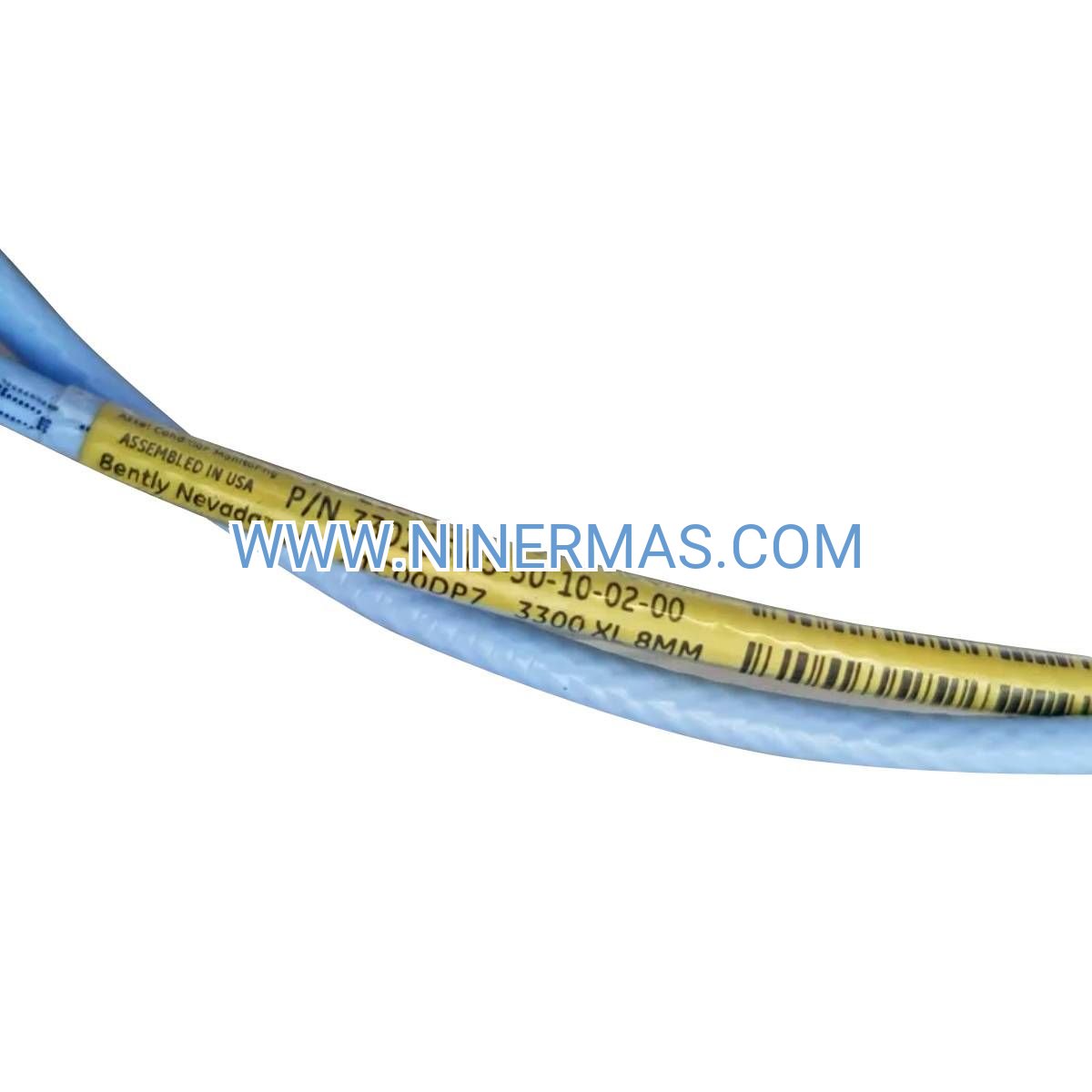
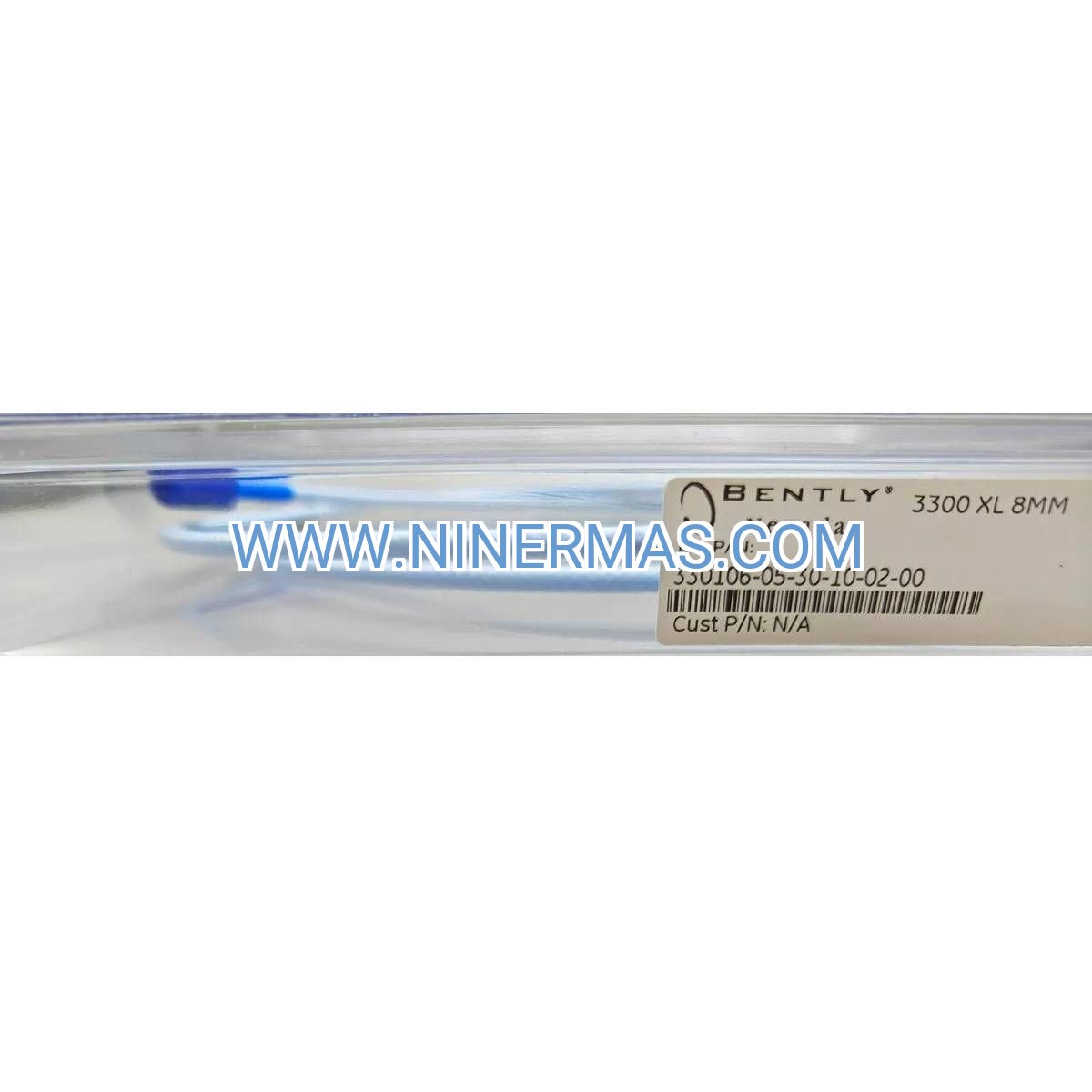
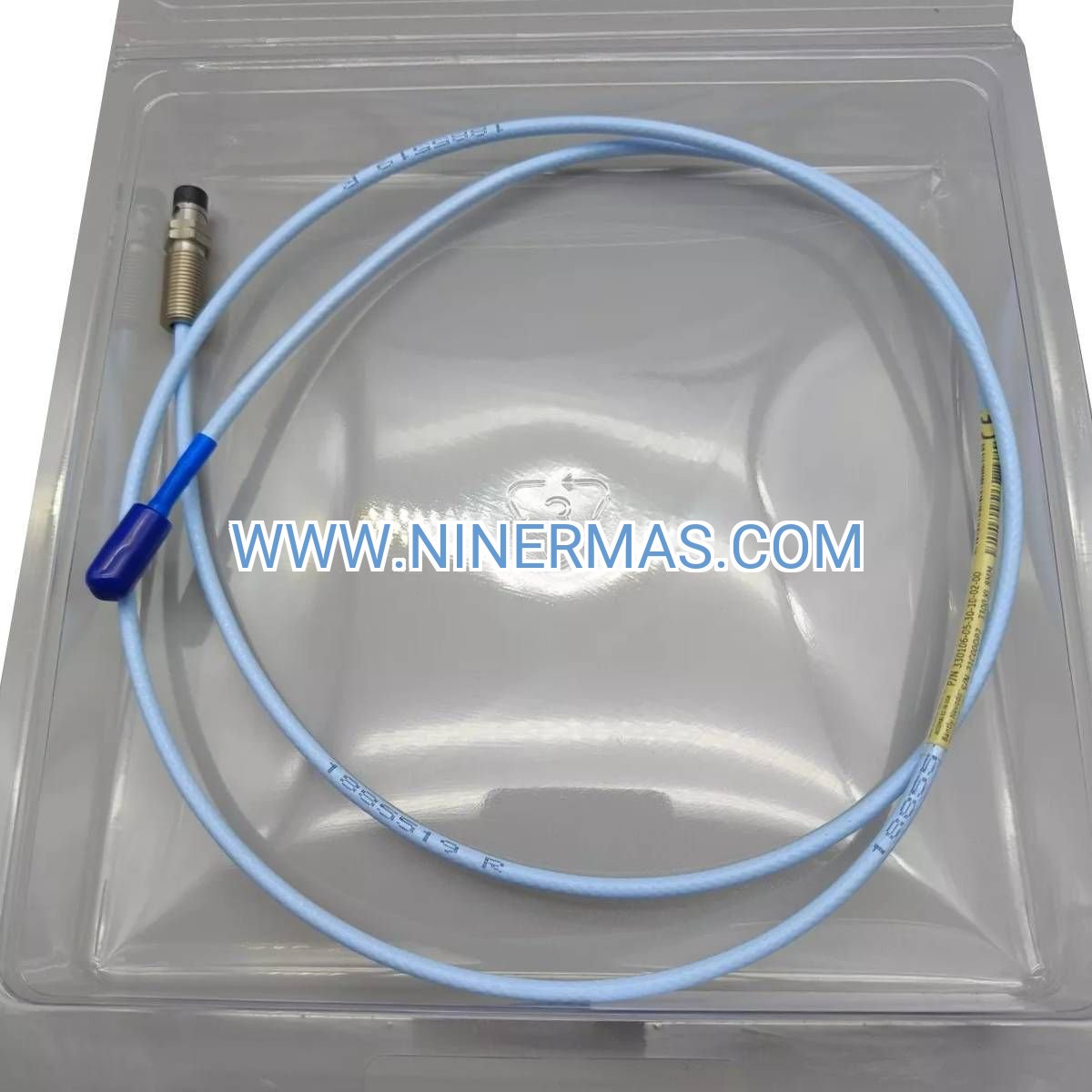
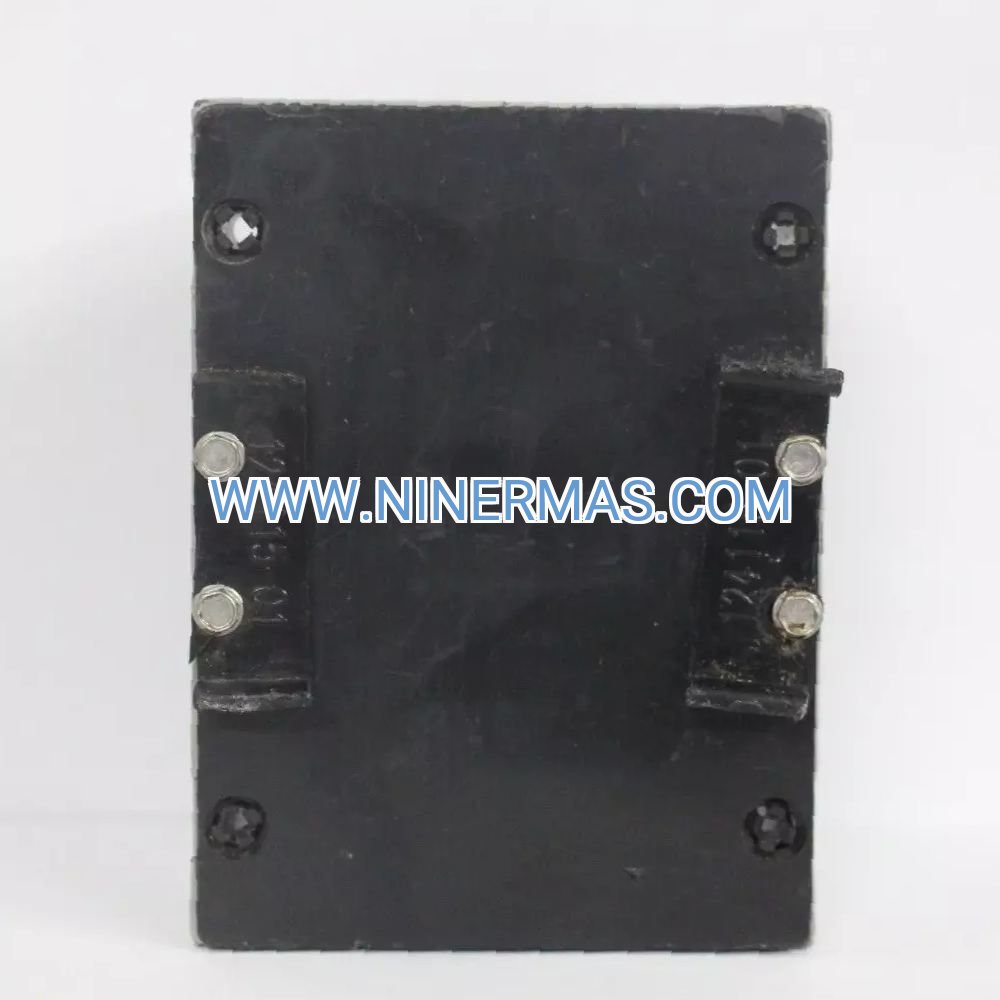
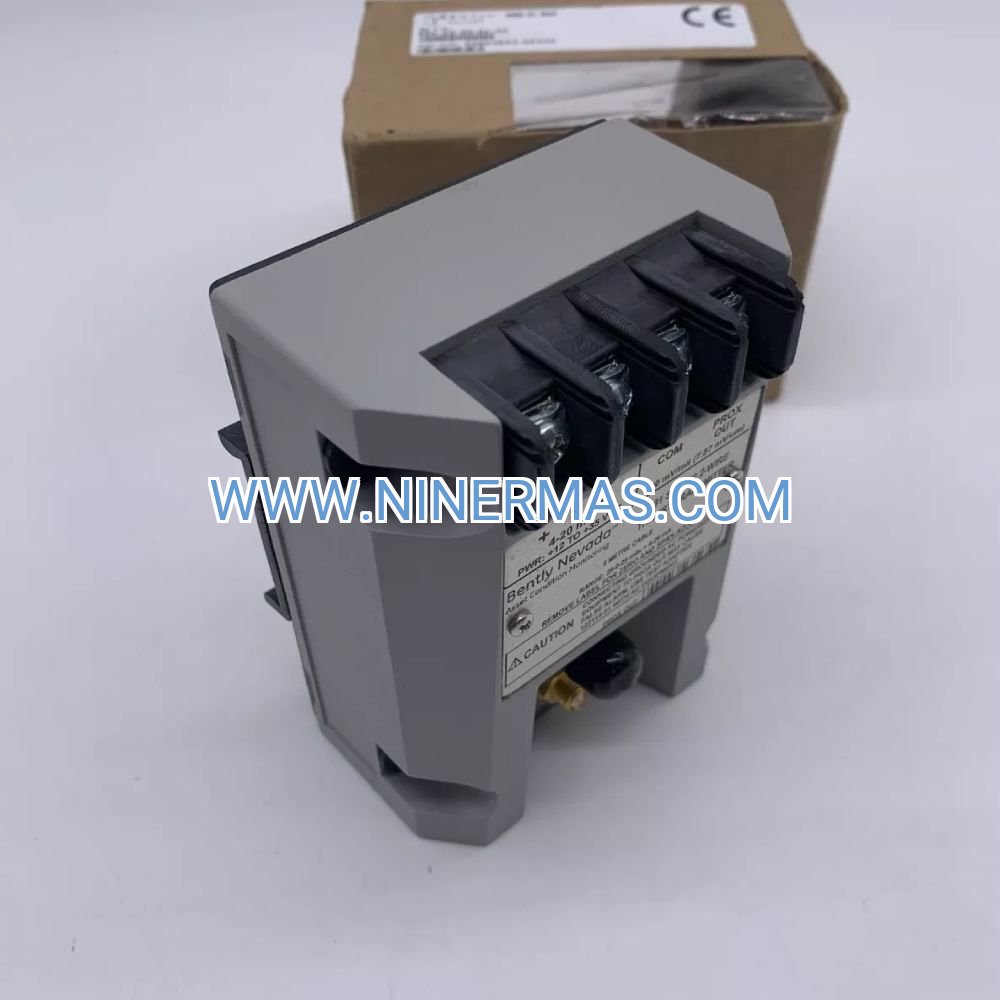
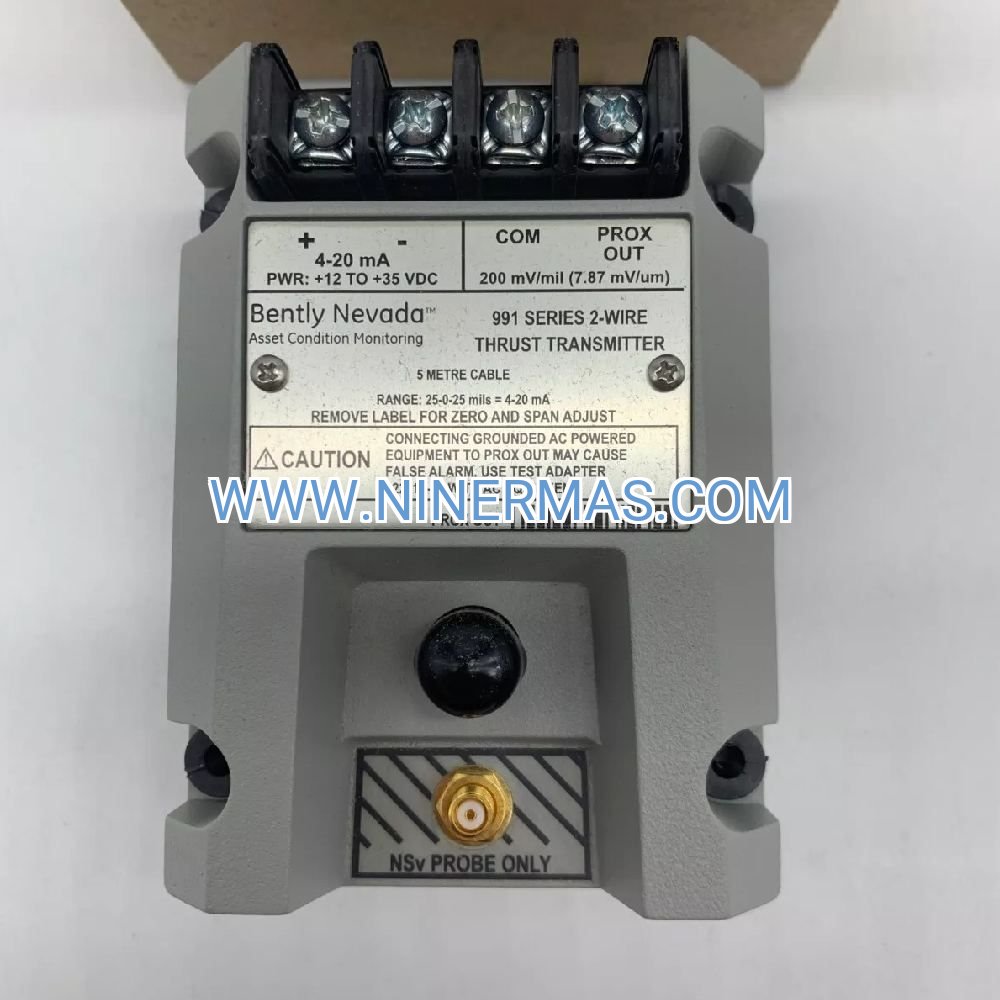
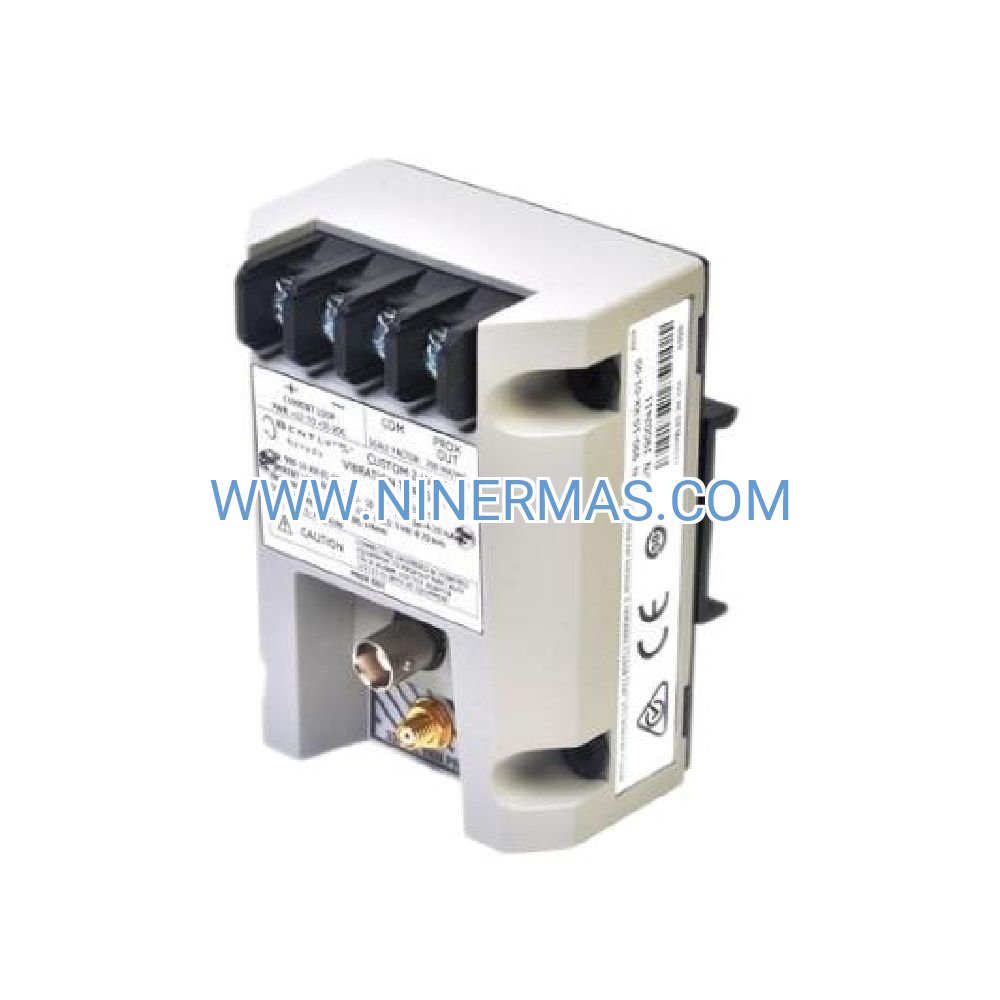
330106-05-30-10-02 Reverse Mount Proximity Sensor (Industrial-Grade 8mm Eddy Current Probe)
The 330106-05-30-10-02 represents a field-proven solution for continuous shaft displacement and vibration monitoring in mission-critical rotating equipment. Engineered with reverse mount architecture, this 8mm eddy current proximity sensor enables installation in confined spaces where conventional forward-mount designs cannot operate. Trusted across power generation, petrochemical processing, and heavy manufacturing sectors, it delivers micron-level accuracy under extreme temperature swings and mechanical stress.
Designed for integration with Bently Nevada 3300 XL monitoring ecosystems, this probe addresses the persistent challenge of early fault detection in turbomachinery—preventing catastrophic failures that cost industries millions in unplanned downtime. Whether you're protecting steam turbines in combined-cycle plants or monitoring centrifugal compressors in LNG facilities, this sensor provides the real-time data foundation for predictive maintenance strategies.
Key differentiators include M10x1 metric threading for universal mounting compatibility, extended temperature tolerance from -40°C to +85°C, and 10 kHz frequency response capturing high-speed transient events that slower sensors miss. Factory-calibrated for ferrous targets with 2.0mm linear measurement range, it eliminates guesswork in commissioning while ensuring long-term measurement stability.
Core Features & Technical Advantages
✓ Reverse Mount Configuration
Threads install from the rear mounting surface, solving access limitations in retrofit projects and OEM equipment with restricted front clearance. Reduces installation time by 40% compared to traditional probe repositioning.
✓ Wide Thermal Operating Window
Certified performance across -40°C to +85°C ambient range ensures reliable operation in Arctic pipeline stations, desert refineries, and high-temperature turbine casings without recalibration or drift compensation.
✓ High-Frequency Response (DC to 10 kHz)
Captures blade-pass frequencies, gear mesh harmonics, and bearing defect signatures that standard 1 kHz probes cannot resolve—critical for diagnosing rolling element failures and rotor rubs before damage propagates.
→ Precision Eddy Current Technology
Non-contact measurement eliminates wear parts and mechanical drift. Factory linearity specification of ±1% FSO across the 2.0mm range maintains accuracy over 10+ year service life in contaminated environments.
→ M10x1 ISO Metric Threading
Direct compatibility with global machinery standards—no custom adapters required. Torque specification of 15-20 Nm ensures vibration-resistant mounting without thread galling or sensor misalignment.
→ 3300 XL System Integration
Plug-and-play compatibility with Proximitor® signal conditioners and rack monitoring systems. Supports both integral armored cable and field-installable extension cables up to 9 meters without signal degradation.
Industrial Application Scenarios
Power Generation Turbine Protection
Monitors journal bearing clearances and thrust position in steam turbines operating at 3600 RPM. Detects thermal growth, rotor bow, and bearing wear trends—triggering automated shutdowns before metal-to-metal contact occurs. Typical deployment: 4-8 probes per turbine in XY configuration.
Petrochemical Compressor Surveillance
Tracks radial shaft motion in multi-stage centrifugal compressors handling corrosive process gases. Identifies surge conditions, impeller imbalance, and seal degradation through vibration signature analysis. Prevents unplanned shutdowns costing $500K+ per incident.
Pulp & Paper Machine Monitoring
Measures roll eccentricity and bearing condition in high-speed paper machines where 0.025mm runout variations cause web breaks and quality defects. Reverse mount design fits within existing machine frames without structural modifications.
Marine Propulsion System Diagnostics
Surveys shaft alignment and thrust bearing wear in vessel propulsion trains. Salt-fog resistant construction withstands engine room humidity while maintaining calibration accuracy through thermal cycling from cold starts to full-load operation.
Steel Mill Rolling Equipment
Observes roll stand bearing clearances in hot strip mills where ambient temperatures reach 60°C and vibration levels exceed 10g RMS. Detects chock bearing failures 72 hours before catastrophic seizure through gap voltage trending.
Technical Parameters & Selection Guide
| Parameter | Specification |
|---|---|
| Catalog Number | 330106-05-30-10-02 |
| Sensor Diameter | 8mm (0.315 inches) |
| Thread Type | M10 x 1.0 metric |
| Mounting Style | Reverse mount (rear-threaded) |
| Linear Range | 2.0mm (0.079 in) typical |
| Frequency Response | 0 Hz to 10 kHz (-3dB) |
| Operating Temperature | -40°C to +85°C (-40°F to +185°F) |
| Target Material | Ferrous metals (optimized for 4140 steel) |
| Cable Options | Integral armored or extension cable compatible |
| System Compatibility | Bently Nevada 3300 XL / 3300 series |
Selection Criteria: Choose this probe when mounting access is limited to the rear of the machine casing, when ambient temperatures exceed standard probe ratings (-20°C to +70°C), or when monitoring high-frequency events above 5 kHz. For non-ferrous targets (aluminum, titanium), request material-specific calibration curves. Pair with 330180 Proximitor® for 4-20mA output or 330780 for direct rack integration.
Extended Capabilities & Integration Options
Dual-Channel Monitoring: Deploy in XY orthogonal pairs to calculate true orbit patterns and phase relationships—essential for diagnosing misalignment, looseness, and fluid-induced instability in rotating machinery.
Keyphasor® Synchronization: Integrates with once-per-revolution tachometer signals for phase-locked vibration analysis, enabling precise identification of unbalance, bent shaft, and eccentric rotor conditions through vector filtering.
IIoT Connectivity: When paired with 3500 rack systems and System 1 software, probe data streams to cloud analytics platforms for machine learning-based anomaly detection and fleet-wide performance benchmarking.
Hazardous Area Certification: Available with ATEX/IECEx approvals for Zone 1/Division 1 installations in explosive atmospheres—consult factory for intrinsically safe barrier requirements and entity parameters.
Delivery Timeline & Service Commitment
Standard Lead Time: 3-5 business days for stock items shipped from regional distribution centers. Expedited same-day dispatch available for critical outage support (additional fees apply).
Custom Configurations: 10-15 business days for non-standard cable lengths, special threading, or material certifications. Factory acceptance testing (FAT) documentation provided upon request.
Warranty Coverage: 12-month comprehensive warranty covering manufacturing defects, calibration drift beyond published specifications, and premature component failure. Extended 36-month coverage available for preventive maintenance contracts.
Technical Support: Unlimited phone/email consultation with application engineers experienced in turbomachinery diagnostics. On-site commissioning assistance and training available in North America, Europe, and Asia-Pacific regions.
Documentation Package: Each probe ships with calibration certificate traceable to NIST standards, installation torque specifications, mating Proximitor® compatibility matrix, and dimensional drawings in STEP/DWG formats.
Frequently Asked Questions
How does reverse mount installation differ from standard forward mount proximity probes?
Reverse mount probes thread from the back side of the mounting boss, allowing installation where front access is obstructed by piping, insulation, or adjacent equipment. This design reduces installation time in retrofit applications by 30-50% and eliminates the need for machine disassembly.
What cable length should I specify for optimal signal integrity in 3300 XL systems?
Total cable length (probe integral cable + extension cable) should not exceed 9 meters (30 feet) to maintain signal-to-noise ratio above 40:1. For distances beyond 9m, use a Proximitor® signal conditioner mounted closer to the probe, then transmit the conditioned 4-20mA signal over longer runs.
Can this 8mm probe measure shaft displacement on non-ferrous rotating components?
Yes, but with reduced sensitivity and altered calibration curves. Aluminum targets yield approximately 50% of the voltage output compared to steel, while stainless steel (300 series) produces 70-80%. Request material-specific calibration data sheets when ordering for non-4140 steel applications.
Is this proximity sensor compatible with legacy 3300 monitoring systems or only 3300 XL?
The probe maintains backward compatibility with original 3300 Proximitor® modules (part numbers 330180, 330780) while offering enhanced performance when paired with 3300 XL electronics. Verify Proximitor® gain settings match probe sensitivity specifications during commissioning.
What installation torque prevents sensor damage while ensuring vibration-resistant mounting?
Apply 15-20 Nm (11-15 lb-ft) using a calibrated torque wrench. Under-torquing below 12 Nm risks probe loosening under vibration; over-torquing above 25 Nm can crack the sensor housing or strip threads in aluminum casings. Use anti-seize compound on threads in high-temperature applications.
How do I verify proper probe gap voltage during commissioning and routine maintenance?
With the shaft at rest and centered, measure DC voltage at the Proximitor® output—it should read -9.0V to -11.0V for this 8mm probe at nominal 1.0mm gap. Voltage outside this range indicates incorrect gap setting, contaminated target surface, or probe/cable damage requiring replacement.
Request Technical Consultation
Our vibration monitoring specialists provide complimentary application reviews to ensure optimal probe selection, placement, and system configuration for your specific machinery. Contact us with shaft diameter, operating speed, bearing type, and ambient conditions for a customized recommendation within 24 hours.
Ready to protect your critical assets? Request a quote or speak with an application engineer today.
© 2026 NINERMAS COMPANY LIMITED. All rights reserved.
Original Source: https://ninermas.com
Contact: sale@ninermas.com | +0086 187 5021 5667
PDF Specification
Download PDF file here:
Click to Download PDF

Contact Info
-
Address:22 / F, South Wo Hang building, 148 Wing Lok Street, Sheung Wan, Western District, Hong Kong
-
Phone:+8618750215667
-
Email: