Description
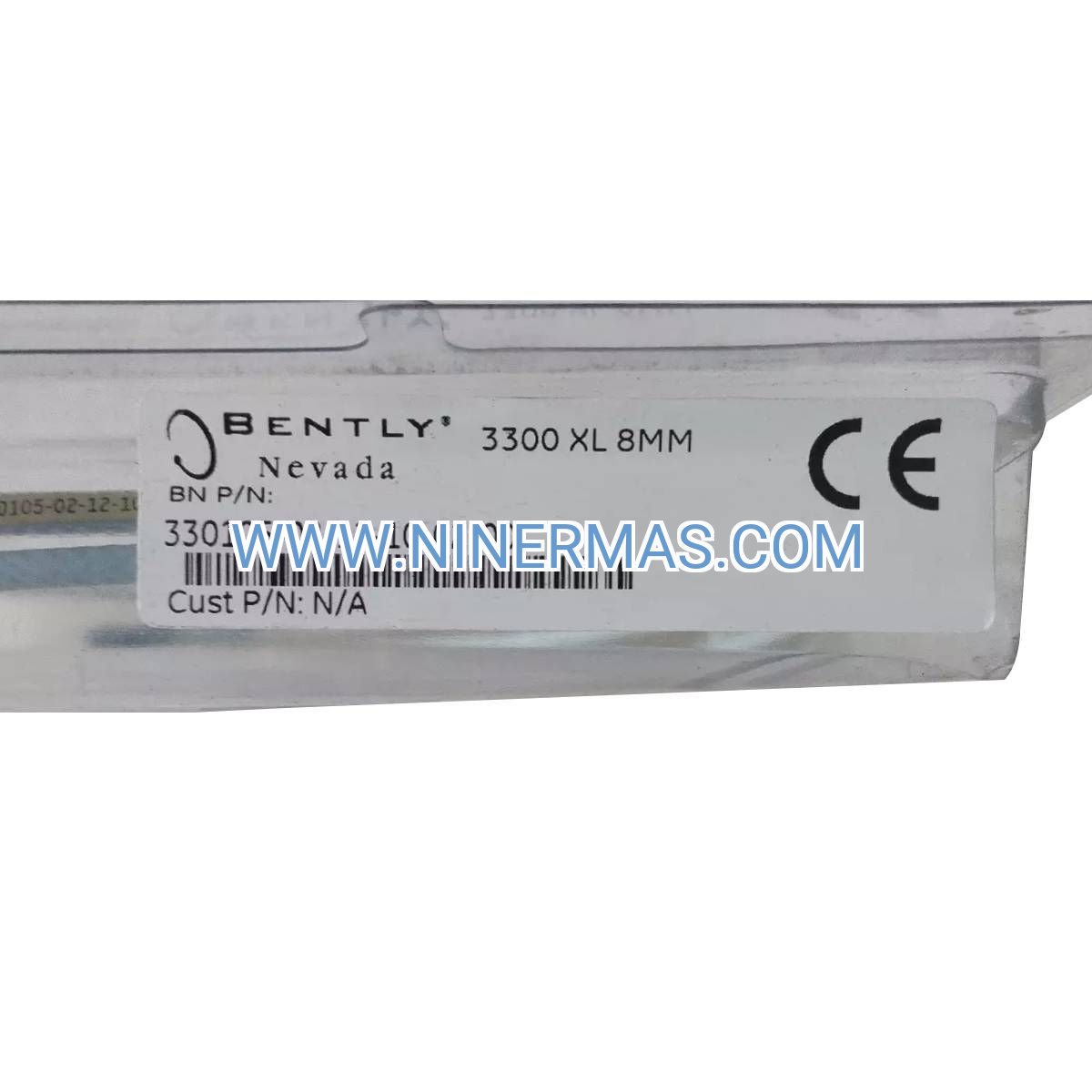
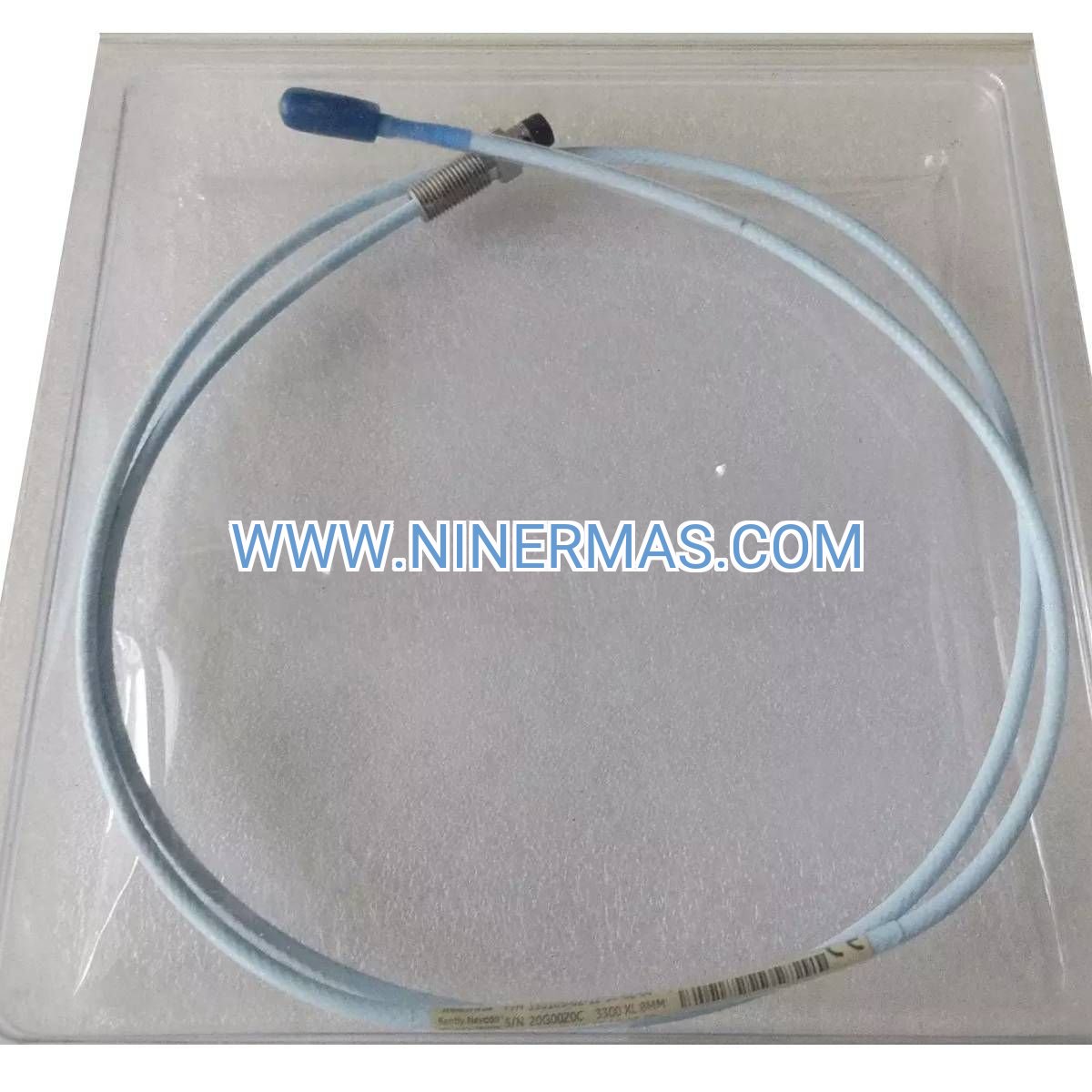
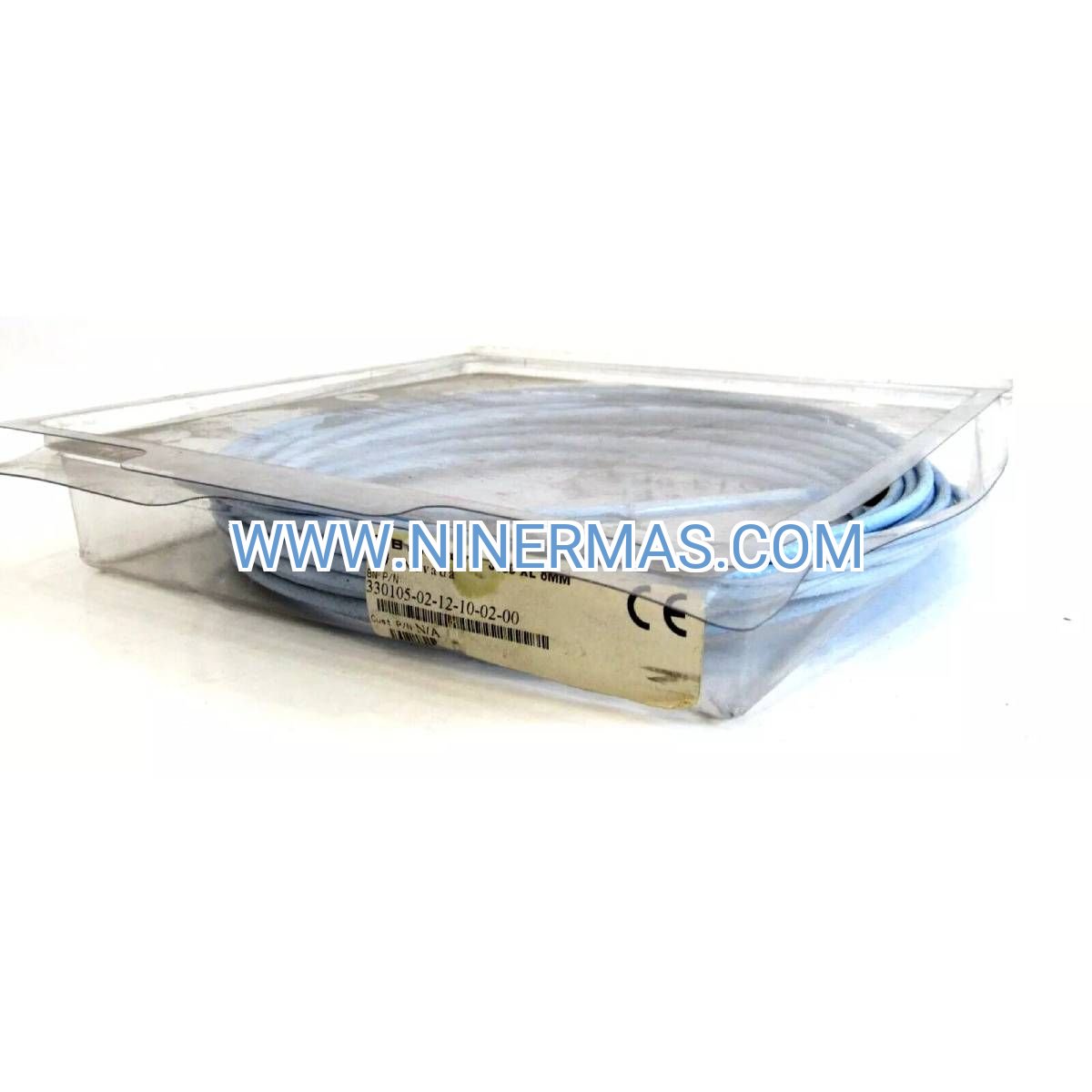
330105-02-12-10-02-00 Reverse Mount Proximity Probe (Industrial-Grade Turbomachinery Sensor)
The Bently Nevada 330105-02-12-10-02-00 represents a specialized 8mm eddy current proximity sensor designed for rear-access installation in rotating machinery applications. This reverse mount configuration addresses critical space limitations in turbomachinery bearing housings while maintaining the measurement precision required for API 670 machinery protection systems. Engineered for continuous operation in harsh industrial environments, this probe delivers reliable shaft displacement and vibration data essential for predictive maintenance programs.
Industrial facilities operating steam turbines, centrifugal compressors, and high-speed generators face mounting challenges where conventional front-access probes cannot be installed without extensive equipment modifications. The 330105-02-12-10-02-00 solves this constraint through its reverse threading design, enabling sensor deployment through rear bearing housing ports while the sensing tip extends forward toward the shaft target surface.
As part of the proven 3300 XL monitoring ecosystem, this probe integrates seamlessly with Proximitor® signal conditioners and 3500 rack-based monitoring systems, providing plant engineers with a complete machinery health solution backed by decades of field-proven reliability in petrochemical, power generation, and oil & gas applications.
Core Features & Benefits
✓ Rear-Access Installation Design
Eliminates front bearing housing modifications through M12 × 1.5 reverse threading, reducing retrofit installation time by 60-75% compared to conventional probe mounting methods while maintaining full API 670 compliance.
✓ Extended Temperature Performance
PEEK insulation system enables continuous operation from -40°C to +177°C, making this probe suitable for steam turbine applications and high-temperature compressor monitoring where standard probes fail prematurely.
✓ Factory-Calibrated Assembly
Integral 2.74-meter cable eliminates field termination errors and ensures consistent gap voltage characteristics across the 2.0mm linear measurement range, with NIST-traceable calibration documentation included.
→ API 670 Fifth Edition Certified
Meets petroleum and natural gas industry requirements for machinery protection systems, including linearity specifications, temperature stability, and electromagnetic interference immunity standards.
→ Stainless Steel Construction
Corrosion-resistant housing withstands exposure to process chemicals, steam condensate, and lubricating oil environments common in turbomachinery installations, extending sensor service life beyond 10 years.
→ 3300 XL Platform Compatibility
Direct interface with all 3300 XL Proximitor models and extension cables up to 9 meters total system length, providing installation flexibility for remote monitoring room configurations.
Typical Application Scenarios
1. Centrifugal Compressor Retrofit Projects
Scenario: Existing multi-stage compressors require vibration monitoring upgrades to meet current API 617 standards, but bearing housing geometry prevents conventional probe installation.
Pain Point Solved: Reverse mount configuration enables sensor deployment without machining new front-access ports, avoiding costly equipment downtime and maintaining original bearing housing integrity.
Value Delivered: Facilities achieve API compliance while reducing installation costs by $8,000-$15,000 per measurement point compared to bearing housing modification alternatives.
2. Steam Turbine Thrust Position Monitoring
Scenario: Power generation turbines operating at 165°C require continuous axial shaft position measurement to prevent thrust bearing failures that cause catastrophic rotor damage.
Pain Point Solved: High-temperature PEEK insulation maintains measurement accuracy in 177°C environments where standard proximity probes experience thermal drift and premature failure.
Value Delivered: Early detection of thrust bearing wear prevents unplanned outages averaging $250,000-$500,000 in lost generation revenue per event.
3. Generator Radial Vibration Analysis
Scenario: Large synchronous generators in combined-cycle plants need dual-plane radial vibration monitoring for ISO 20816 compliance and condition-based maintenance programs.
Pain Point Solved: Space-constrained bearing pedestals accommodate reverse mount probes where traditional sensors cannot physically fit, enabling complete XY vibration measurement.
Value Delivered: Comprehensive vibration data supports predictive maintenance strategies that extend bearing life 30-40% through optimized replacement scheduling.
4. Petrochemical Pump Monitoring
Scenario: Critical process pumps handling corrosive fluids require shaft displacement monitoring to detect bearing degradation before seal failures cause environmental releases.
Pain Point Solved: Stainless steel construction resists chemical exposure in pump seal areas, while reverse mounting avoids interference with seal flush piping and cooling systems.
Value Delivered: Reduced unplanned maintenance events by 45% through early bearing fault detection, preventing process upsets and regulatory incidents.
5. Gas Turbine Expansion Projects
Scenario: New gas turbine installations in offshore platforms demand compact monitoring solutions due to severe space and weight constraints on production facilities.
Pain Point Solved: Reverse mount design minimizes sensor footprint and simplifies cable routing in congested turbine enclosures, reducing installation labor hours by 40%.
Value Delivered: Faster project commissioning timelines and lower installed costs while maintaining full machinery protection system functionality.
Technical Parameters & Selection Guide
| Specification | Value | Notes |
|---|---|---|
| Part Number | 330105-02-12-10-02-00 | Factory configuration code |
| Probe Diameter | 8mm (0.315") | Standard 3300 XL size |
| Probe Length | 305mm (12") | Housing penetration depth |
| Cable Length | 2.74m (9 ft) | Integral factory assembly |
| Total System Length | 3.05m (10 ft) | Probe + cable combined |
| Thread Specification | M12 × 1.5 reverse mount | Rear installation threading |
| Operating Temperature | -40°C to +177°C | Continuous duty rating |
| Linear Range | 2.0mm (0.080") typical | Measurement span |
| Gap Voltage | -8 to -10 Vdc nominal | At operating clearance |
| Housing Material | Stainless steel 316 | Corrosion resistant |
| Insulation Type | PEEK polymer | High-temperature rated |
| Compliance Standards | API 670 5th Ed, ISO 20816 | Industry certifications |
Selection Criteria: Choose the 330105-02-12-10-02-00 when bearing housing access is restricted to rear ports, operating temperatures exceed 120°C, or retrofit installations must avoid front-side machining. For applications requiring longer cable runs, pair with 330130-series extension cables (available in 1.5m to 8m lengths). Verify target shaft material is ferromagnetic (4140/4340 steel preferred) with surface finish ≤32 micro-inches Ra for optimal linearity. Applications with shaft speeds above 12,000 RPM may require dynamic calibration verification.
Extended Functions
IoT Integration Capabilities: When paired with 3500 rack monitoring systems and System 1 software, probe data streams to cloud-based analytics platforms for machine learning-driven fault prediction and fleet-wide performance benchmarking across multiple plant sites.
Advanced Diagnostic Features: Gap voltage trending identifies gradual target surface degradation from corrosion or erosion, enabling proactive shaft refurbishment scheduling before measurement accuracy degrades below API 670 requirements.
Customization Options: Special cable lengths from 1.5m to 5m available for unique installation geometries. Custom temperature ratings to +200°C and explosion-proof certifications (ATEX, IECEx) can be specified for hazardous area applications requiring Zone 1/Division 1 compliance.
Delivery & Service Assurance
Standard Lead Time: 3-5 business days for stock configurations | 10-15 business days for custom cable lengths or special certifications
Warranty Coverage: 12-month comprehensive warranty covering manufacturing defects, calibration accuracy, and cable integrity. Warranty includes free replacement and technical consultation for installation troubleshooting.
Technical Support: Application engineering assistance for gap setting procedures, Proximitor sensor selection, and system integration with existing DCS/SCADA platforms. Phone and email support available during installation and commissioning phases.
Documentation Package: Each probe ships with NIST-traceable calibration certificate, gap voltage curves, installation instructions, and API 670 compliance verification documents required for regulatory audits and insurance inspections.
Frequently Asked Questions
How does reverse mount installation differ from standard proximity probe mounting procedures?
Reverse mount probes thread into bearing housings from the rear side, with the cable exiting away from the shaft rather than toward it. This requires rear-access ports but eliminates front-side machining. Installation torque specifications remain identical at 20-25 N⋅m, and gap setting procedures follow standard 3300 XL protocols using a feeler gauge and voltmeter.
What cable extension options work with this 3.05-meter probe configuration?
Bently Nevada 330130-series extension cables (part numbers 330130-040-01-05 through 330130-080-01-05) extend total system length up to 9 meters maximum. Never splice or modify the factory cable, as this invalidates calibration and voids warranty coverage. Extension cables must be ordered separately and connect between the probe and Proximitor sensor.
Can this sensor monitor non-ferrous shaft materials like stainless steel or titanium?
No. Eddy current proximity probes require ferromagnetic target materials (carbon steel, 4140, 4340 alloys) for proper operation. Non-magnetic stainless steels (300-series), titanium, aluminum, and brass do not generate sufficient eddy currents for reliable measurement. For non-ferrous shafts, consider capacitance-based displacement sensors or optical measurement systems.
What Proximitor sensor models are compatible with this probe?
All 3300 XL Proximitor sensors (part numbers 330180-XX-XX) work with this probe. The Proximitor provides -24 Vdc excitation, signal conditioning, and 4-20mA output scaling. Select Proximitor models based on required output type: 330180-50 for standard -7.87 mV/μm sensitivity, 330180-90 for 4-20mA output, or 330180-X0 for dual output configurations.
How often does this proximity probe require recalibration in continuous service?
Factory calibration remains stable for 5-7 years under normal operating conditions. API 670 recommends verification every 3-5 years or after any mechanical impact to the probe. Gap voltage drift exceeding ±0.5 Vdc from original calibration values indicates the need for factory recalibration or probe replacement.
What installation clearance is needed around the probe body for proper operation?
Maintain minimum 25mm (1 inch) radial clearance around the probe housing to prevent electromagnetic interference from adjacent metallic structures. Axial clearance behind the mounting flange should allow 50mm (2 inches) for cable bend radius protection. Ensure no ferromagnetic materials within 50mm of the sensing tip to avoid measurement errors.
Request Technical Consultation
Our application engineering team provides complimentary system design reviews for turbomachinery monitoring projects. Contact us with your bearing housing drawings, shaft material specifications, and operating temperature ranges to receive probe selection recommendations, gap setting calculations, and Proximitor sensor pairing guidance within 24 hours.
Ready to upgrade your machinery protection system? Submit your technical inquiry today or request a formal quotation with delivery timeline confirmation. Volume pricing available for multi-unit installations and plant-wide monitoring system deployments.
© 2026 NINERMAS COMPANY LIMITED. All rights reserved.
Original Source: https://ninermas.com
Contact: sale@ninermas.com | +0086 187 5021 5667
PDF Specification
Download PDF file here:
Click to Download PDF

Contact Info
-
Address:22 / F, South Wo Hang building, 148 Wing Lok Street, Sheung Wan, Western District, Hong Kong
-
Phone:+8618750215667
-
Email: