


Description
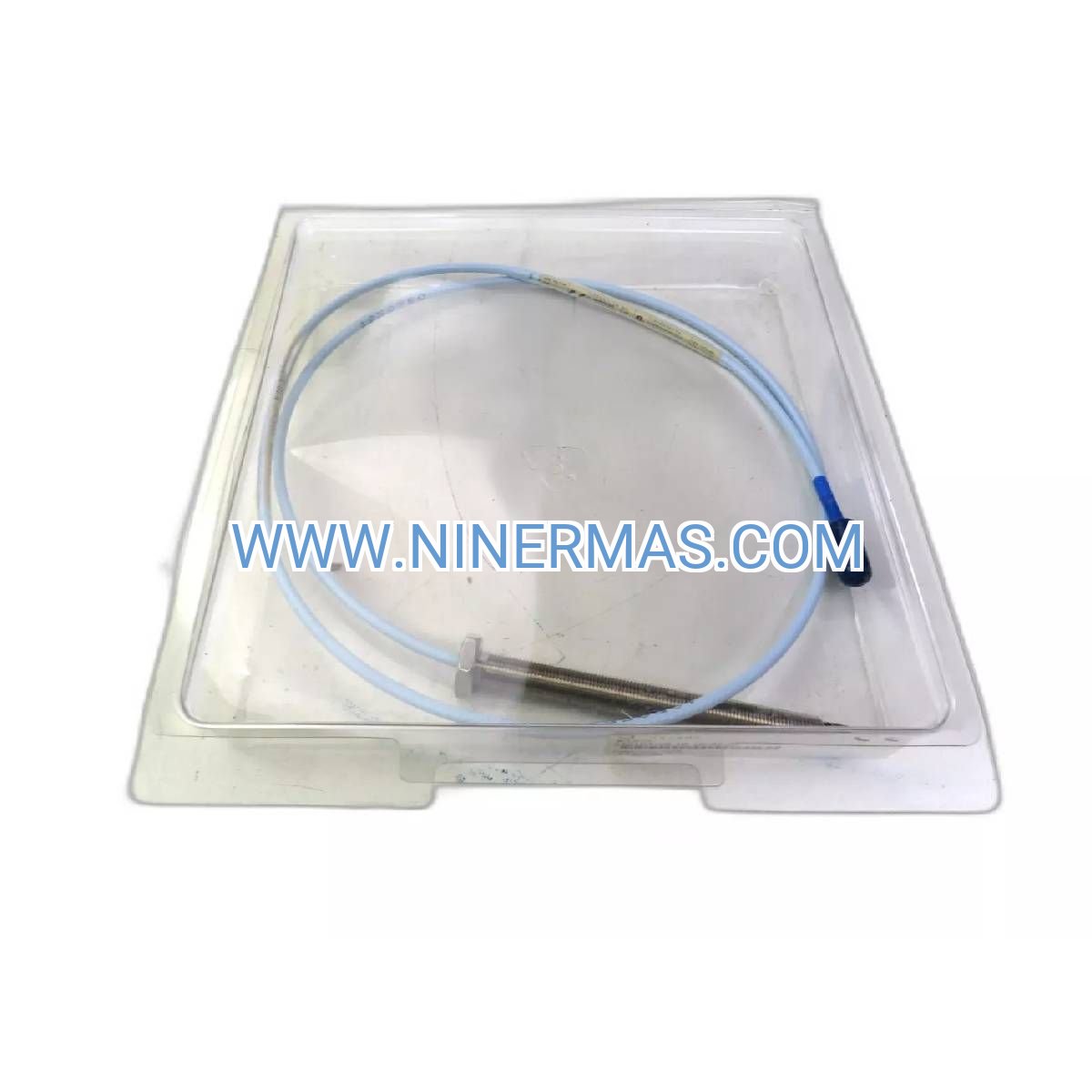
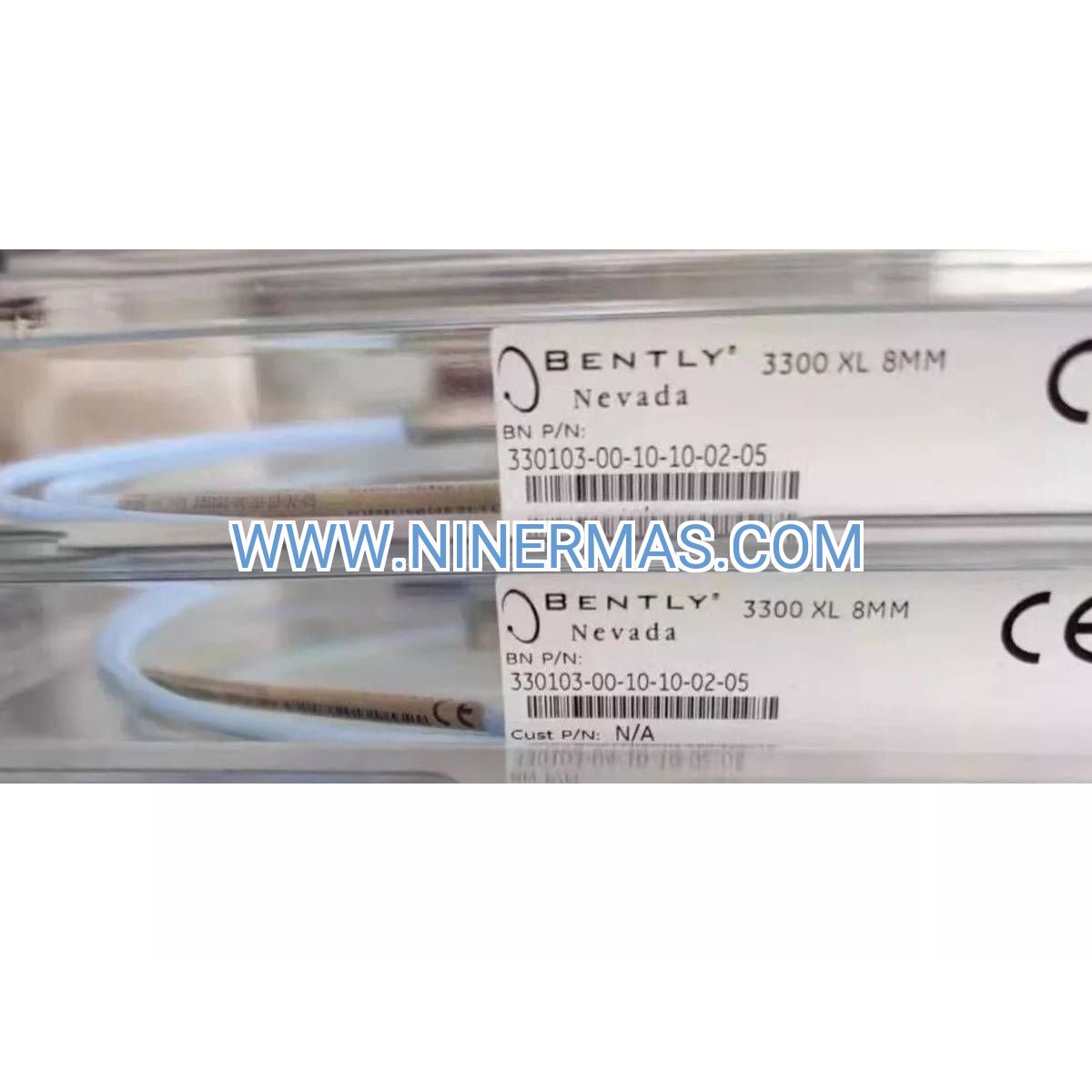
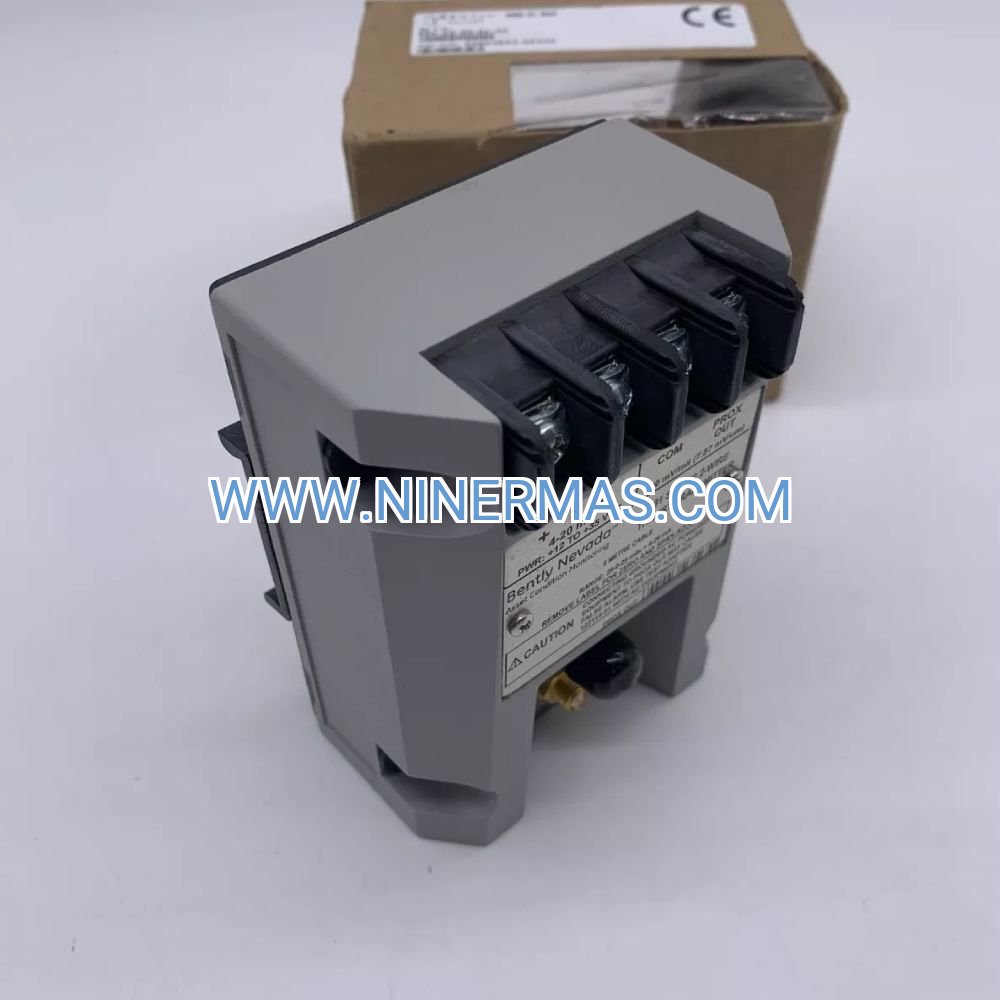
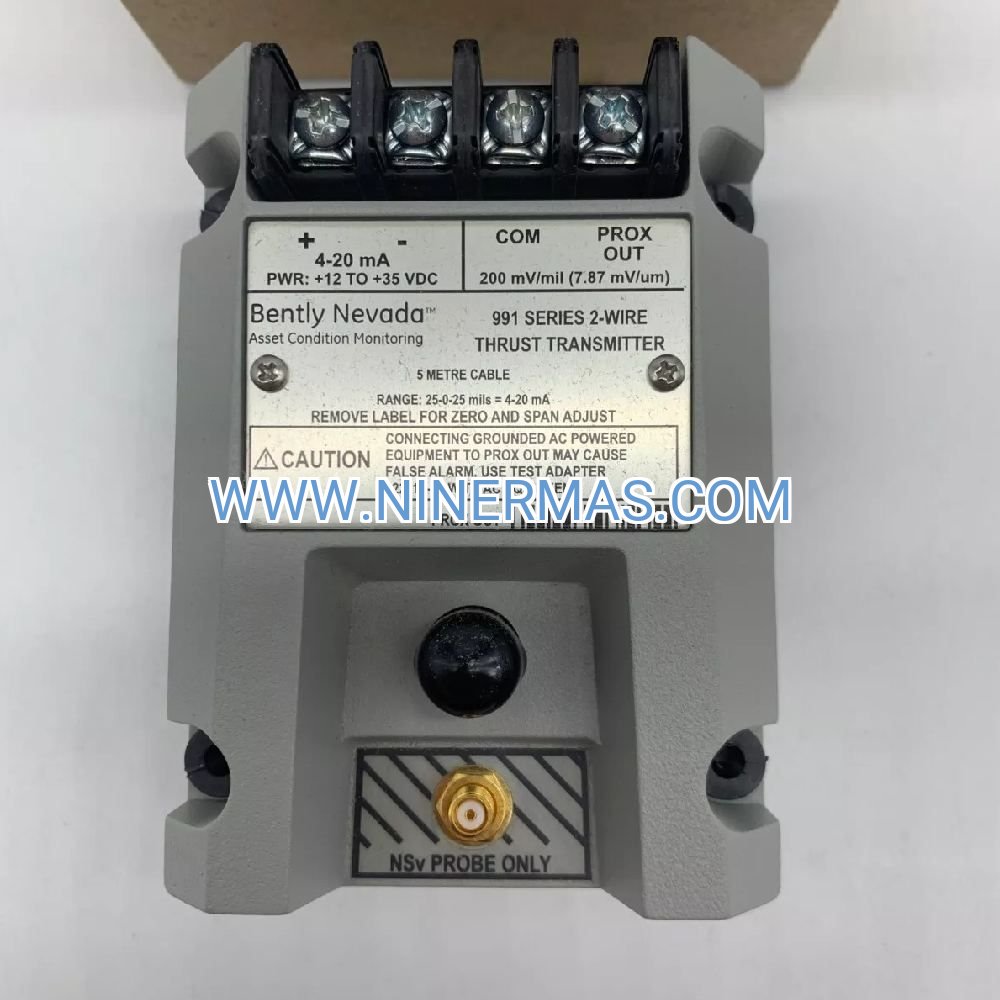
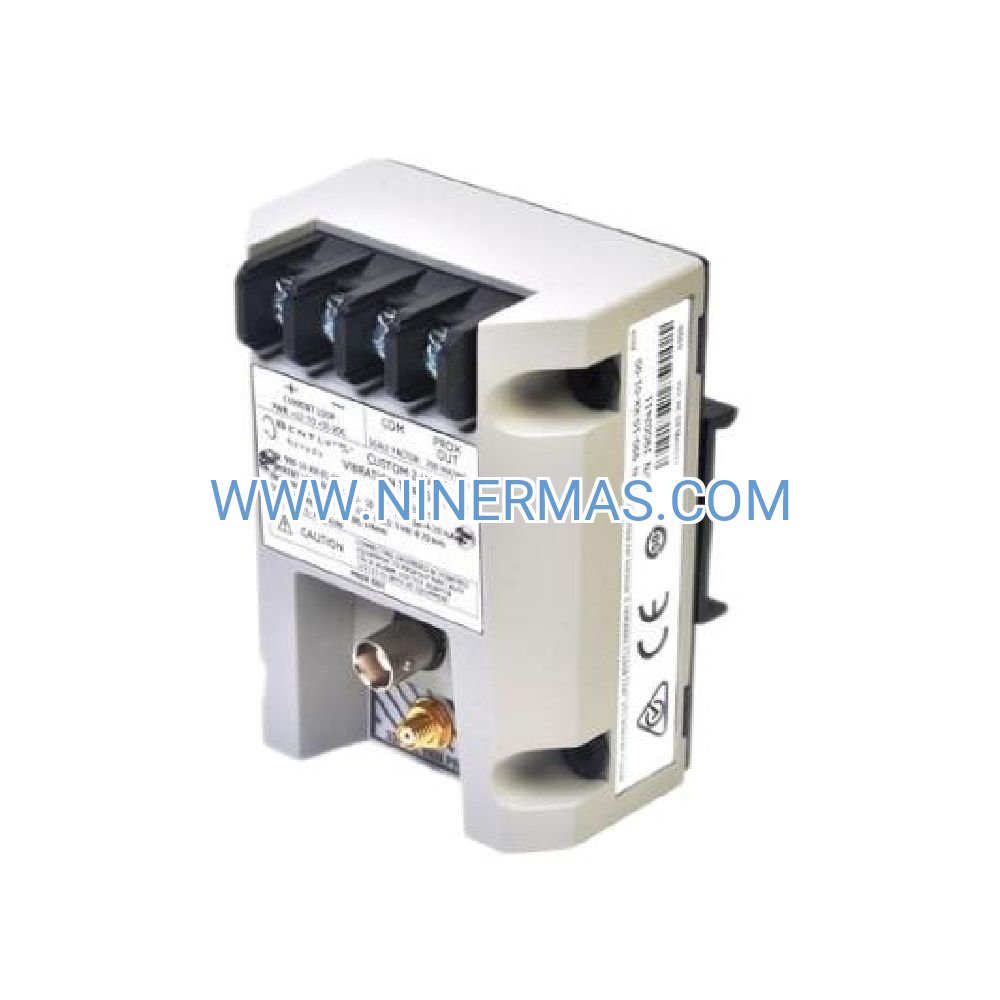
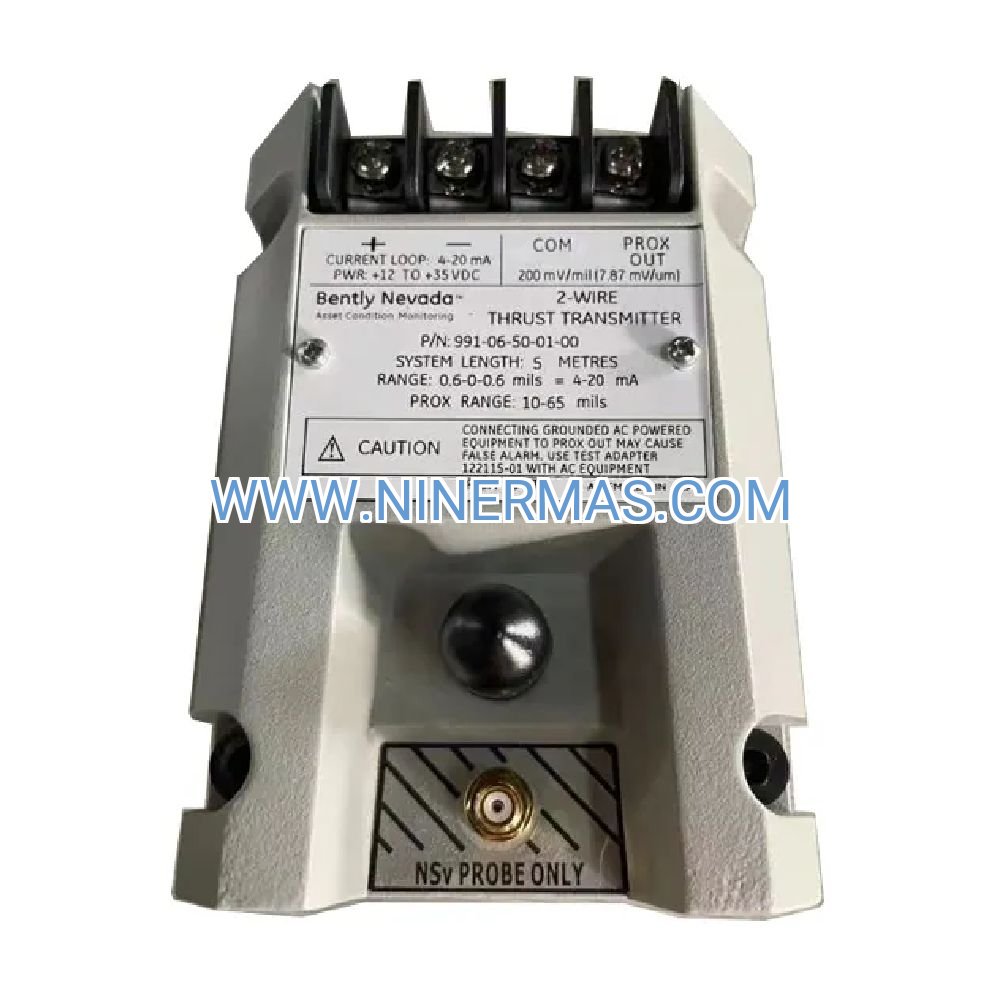
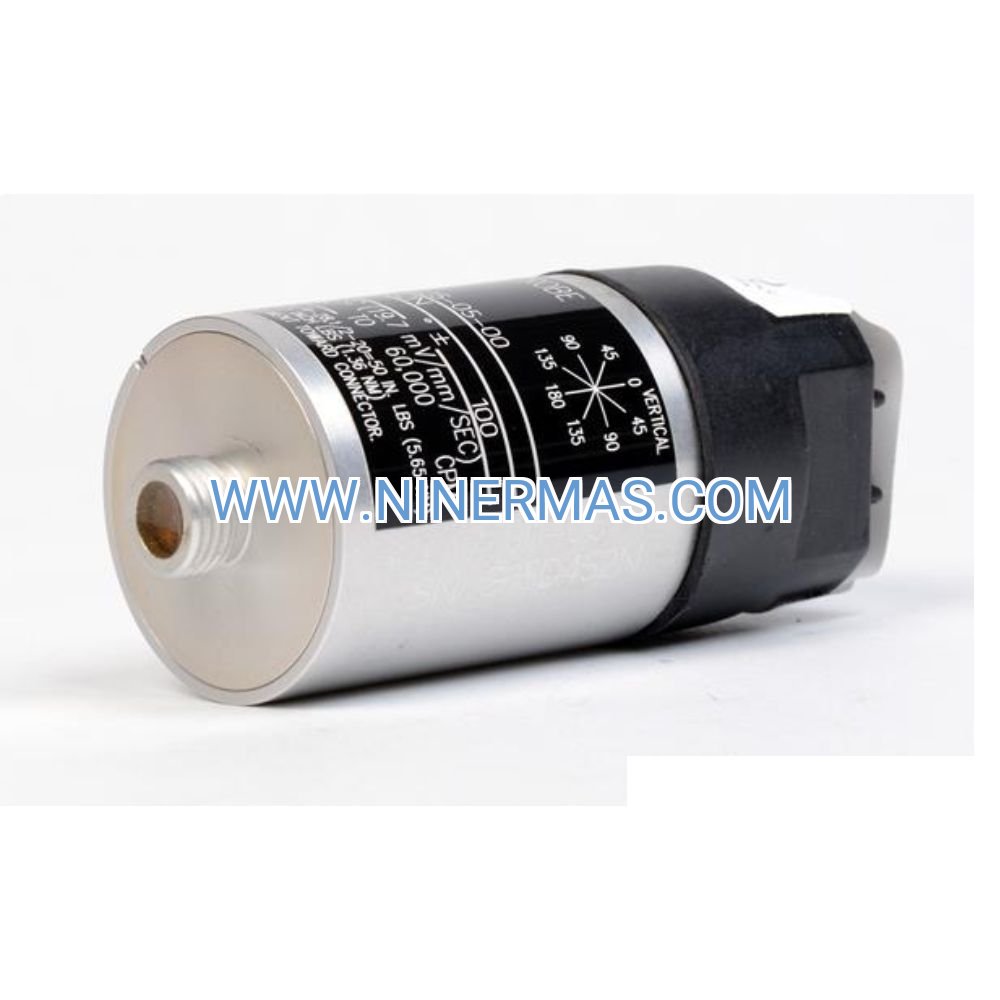
330103-00-10-10-02-05 Proximity Transducer (Industrial-Grade 8mm Metric Sensor)
The 330103-00-10-10-02-05 represents a field-proven solution for non-contact shaft monitoring in turbomachinery and critical rotating assets. Engineered with 8mm metric threading and eddy current technology, this proximity transducer delivers continuous displacement measurement across 0-10 kHz bandwidth, enabling predictive maintenance teams to detect bearing wear, shaft runout, and thrust position anomalies before equipment failure occurs.
Designed for power generation facilities, petrochemical plants, and heavy manufacturing operations, this sensor integrates seamlessly into 3300 XL monitoring architectures. Plant engineers rely on its -40°C to +105°C operating envelope and electromagnetic immunity to maintain uptime in environments where conventional sensors fail—from arctic compressor stations to desert refinery units.
With M12 x 1.0 metric threading and 0.4-1.8mm linear measurement span, the 330103-00-10-10-02-05 offers drop-in compatibility with international machinery standards while providing the measurement precision required for API 670 compliance and condition-based maintenance programs.
Core Capabilities & Business Impact
→ Continuous Shaft Position Tracking
Eddy current sensing technology monitors radial vibration and axial thrust position in real time, providing early warning of bearing degradation, rotor imbalance, and alignment issues. This enables maintenance teams to schedule interventions during planned outages rather than responding to catastrophic failures.
✓ Extended Operating Temperature Range
Rated for -40°C to +105°C (-40°F to +221°F) ambient conditions, this transducer maintains calibration accuracy in cryogenic gas processing, high-temperature steam turbines, and outdoor installations across all climate zones—eliminating seasonal sensor replacement cycles.
✓ Electromagnetic Interference Immunity
Shielded cable construction and differential signal architecture reject electrical noise from VFDs, welding equipment, and high-voltage switchgear. Installations near motor control centers and power distribution systems achieve the same signal integrity as laboratory environments.
→ Standardized System Integration
Direct compatibility with 3300 XL proximitor modules and extension cables simplifies spare parts inventory and technician training. Existing monitoring infrastructure accepts this probe without software updates, wiring modifications, or calibration database changes.
✓ Metric Threading for Global Equipment
M12 x 1.0 thread pitch matches European, Asian, and modern North American turbomachinery specifications. Single probe design serves multinational fleets, reducing SKU proliferation and cross-site parts transfers.
→ Wide Frequency Response for Multi-Fault Detection
0-10 kHz bandwidth captures both low-frequency shaft runout (1X, 2X running speed) and high-frequency bearing defect signatures (ball pass, cage frequencies), enabling comprehensive diagnostics from a single measurement point.
Industrial Application Scenarios
Steam Turbine Generator Protection
Utility and cogeneration plants install these probes at turbine bearing housings to monitor journal bearing clearance and detect rotor thermal growth during startup/shutdown transients. Continuous thrust position measurement prevents catastrophic blade-to-casing contact in axial flow machines, protecting multi-million-dollar assets.
Centrifugal Compressor Vibration Analysis
Natural gas pipeline stations and chemical process facilities use proximity probes to track compressor shaft orbits and identify surge conditions, seal rubs, and impeller fouling. Real-time displacement data feeds into automated shutdown systems, preventing secondary damage to gearboxes and driver equipment.
High-Speed Motor Monitoring in Manufacturing
Paper mills, steel rolling operations, and textile production lines deploy these sensors on critical drive motors operating above 3600 RPM. Early detection of soft foot conditions, coupling misalignment, and rotor bar defects minimizes unplanned downtime in continuous process environments.
Pump Shaft Surveillance in Offshore Platforms
Subsea injection pumps, crude oil transfer systems, and seawater lift stations require sensors that withstand salt fog, temperature cycling, and vibration exposure. The 330103-00-10-10-02-05's sealed construction and corrosion-resistant materials deliver reliable operation in marine service.
Refinery Rotating Equipment Programs
Catalytic crackers, hydroprocessing units, and distillation column pumps operate under API 670 machinery protection standards. This proximity probe meets the non-contact measurement requirements for critical service equipment, supporting both continuous monitoring and periodic surveillance strategies.
Technical Parameters & Selection Criteria
| Parameter | Specification |
|---|---|
| Part Number | 330103-00-10-10-02-05 |
| Probe Diameter | 8mm (Metric) |
| Thread Type | M12 x 1.0 |
| Sensing Technology | Eddy Current (Non-Contact) |
| Linear Measurement Range | 0.4mm to 1.8mm (typical) |
| Frequency Response | 0 to 10 kHz (-3dB) |
| Operating Temperature | -40°C to +105°C |
| Target Material | Conductive metals (steel, stainless, aluminum) |
| System Compatibility | 3300 XL Proximitor modules |
| Recommended Gap | 1.0mm (40 mils) nominal |
Selection Guidelines: Choose this 8mm metric probe for machinery with M12 threaded mounting provisions and international design standards. For imperial-threaded equipment (5/16-24 UNF), specify the equivalent 5mm or 8mm imperial probe variants. Verify target material conductivity and surface finish meet eddy current sensing requirements—minimum 10mm diameter conductive area with <3.2μm Ra surface roughness recommended.
Advanced Integration & Customization
Condition Monitoring System Connectivity: Pair with 3300 XL proximitor modules to generate industry-standard -10V to +2V buffered outputs compatible with DCS, PLC, and SCADA analog input cards. Digital integration options include 4-20mA transmitters and Modbus RTU gateways for IIoT platforms.
Hazardous Area Installations: When combined with intrinsically safe proximitor barriers, this probe achieves Class I Division 1 / ATEX Zone 1 certification for explosive atmosphere applications in refineries and chemical plants.
Multi-Probe Arrays: Configure XY probe pairs for orbit analysis and shaft centerline position tracking. Three-probe arrangements enable absolute shaft position calculation independent of runout compensation.
Extension Cable Options: Available in 1m, 3m, 5m, and 9m lengths with factory-calibrated system sensitivity. Custom cable lengths and armored jacket configurations available for specialized installations.
Delivery Timeline & Service Commitment
Standard Lead Time: 3-5 business days for in-stock units; ships from regional distribution centers in North America, Europe, and Asia-Pacific.
Custom Configurations: 2-3 weeks for non-standard cable lengths, special threading, or application-specific calibration requirements.
Warranty Coverage: 12-month manufacturer's warranty against defects in materials and workmanship. Warranty includes replacement sensor and technical root-cause analysis for field failures.
Technical Support: Application engineering assistance for probe selection, installation guidance, and troubleshooting. Access to calibration certificates, dimensional drawings, and system integration documentation.
Included Documentation: Installation manual, wiring diagrams, calibration data sheet, and material certifications (MTRs available upon request).
Frequently Asked Questions
What is the optimal installation gap for this proximity transducer?
The recommended nominal gap is 1.0mm (40 mils) from the target surface. This positions the sensor in the center of its 0.4-1.8mm linear range, maximizing measurement accuracy and providing tolerance for thermal expansion and shaft runout. Installation gaps outside this range reduce linearity and may trigger proximitor fault alarms.
Can this probe monitor non-ferrous rotating shafts?
Yes—eddy current sensors detect any electrically conductive material including stainless steel, aluminum, brass, and titanium. Target material affects system sensitivity (mV/mil scale factor), requiring proximitor calibration adjustment. Consult factory calibration charts for non-ferrous applications or request custom calibration for exotic alloys.
How does this sensor integrate with existing 3300 series monitoring systems?
The 330103-00-10-10-02-05 connects directly to any 3300 XL proximitor module via standard extension cables. No software updates, configuration changes, or recalibration of existing channels required. Probe replacement in legacy systems follows plug-and-play procedures with gap verification.
What maintenance intervals apply to proximity probe installations?
Proximity probes are solid-state devices with no moving parts or consumable elements. Recommended maintenance includes quarterly visual inspection of cable integrity, annual gap verification with feeler gauges, and vibration baseline comparison. Probes typically operate 10+ years without calibration drift in clean environments.
How do proximity probes compare to accelerometer-based vibration monitoring?
Proximity probes measure absolute shaft displacement relative to the bearing housing, ideal for detecting rotor-related faults (imbalance, misalignment, rubs). Accelerometers measure casing vibration velocity/acceleration, better suited for bearing defect detection and structural resonance analysis. Comprehensive machinery protection programs deploy both sensor types.
Are replacement probes interchangeable with original equipment manufacturer sensors?
Yes—this probe maintains dimensional and electrical compatibility with OEM Bently Nevada specifications. Direct replacement in GE, Siemens, and Mitsubishi turbine packages requires only gap verification. System sensitivity remains within ±5% of factory calibration when using matched proximitor modules.
Take the Next Step in Machinery Protection
Protect your critical rotating assets with proven proximity sensing technology. Contact our application engineering team for probe selection assistance, system integration support, or technical specifications tailored to your machinery monitoring requirements.
Request a quote: sale@ninermas.com | +0086 187 5021 5667
© 2026 NINERMAS COMPANY LIMITED. All rights reserved.
Original Source: https://ninermas.com
Contact: sale@ninermas.com | +0086 187 5021 5667
PDF Specification
Download PDF file here:
Click to Download PDF

Contact Info
-
Address:22 / F, South Wo Hang building, 148 Wing Lok Street, Sheung Wan, Western District, Hong Kong
-
Phone:+8618750215667
-
Email:
