Description
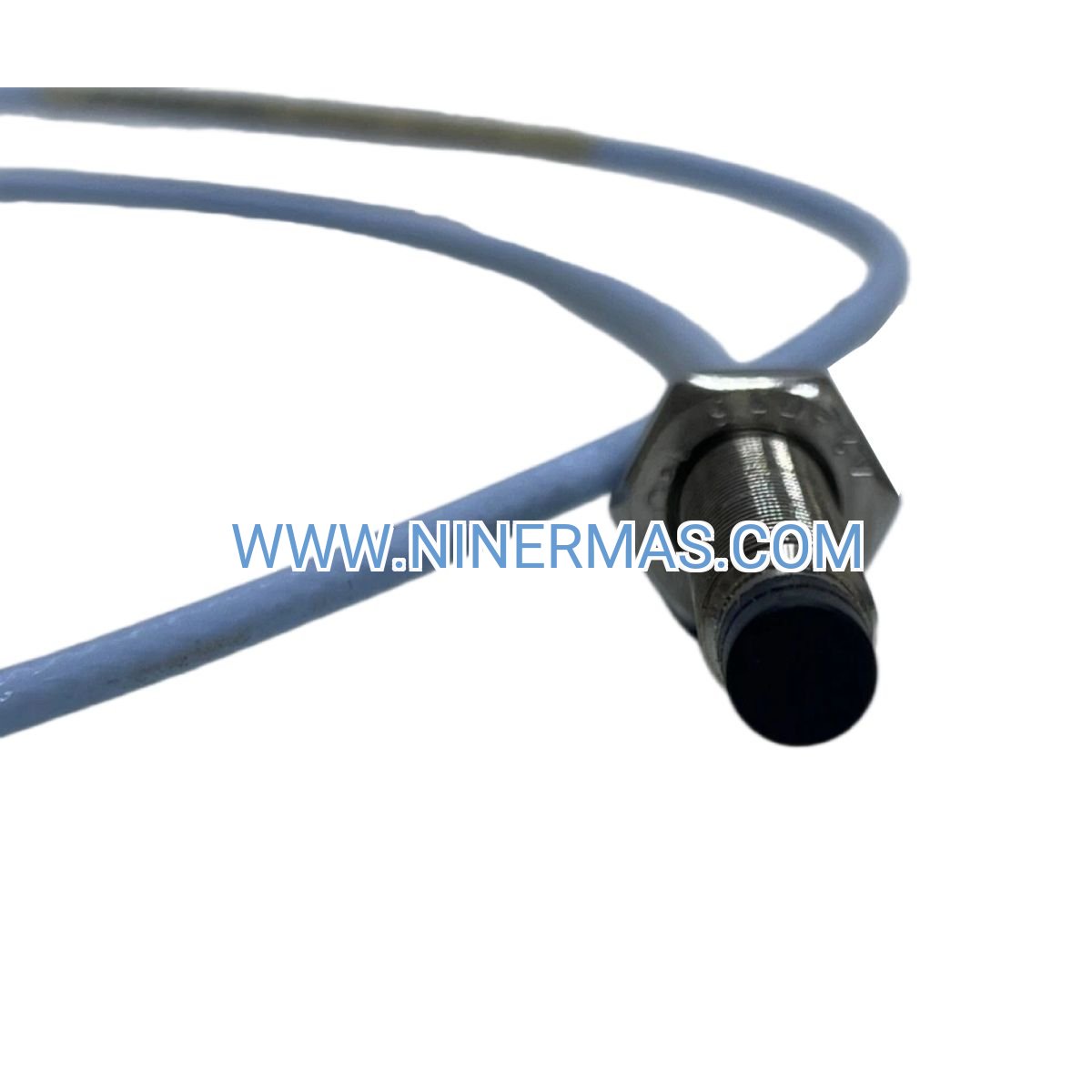
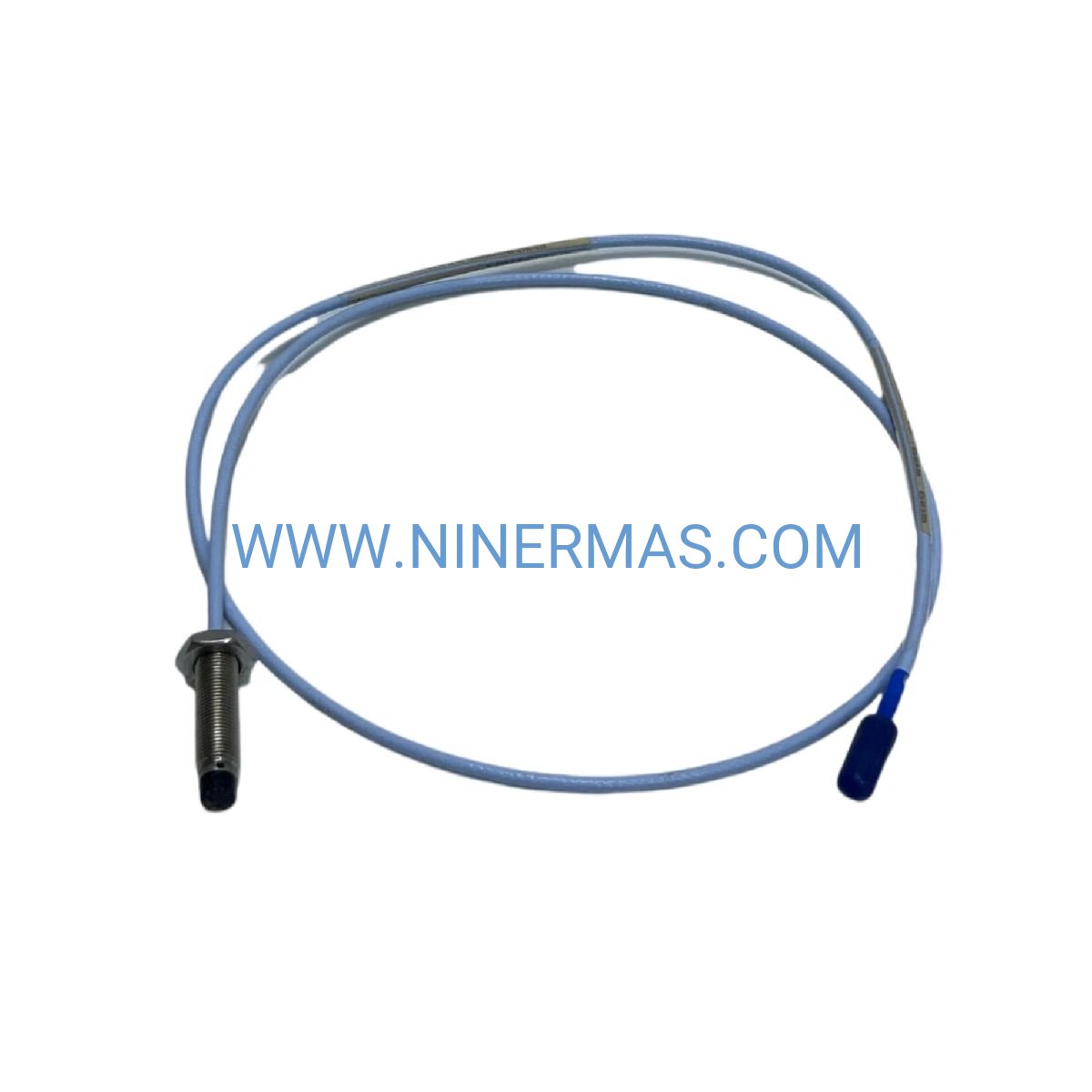
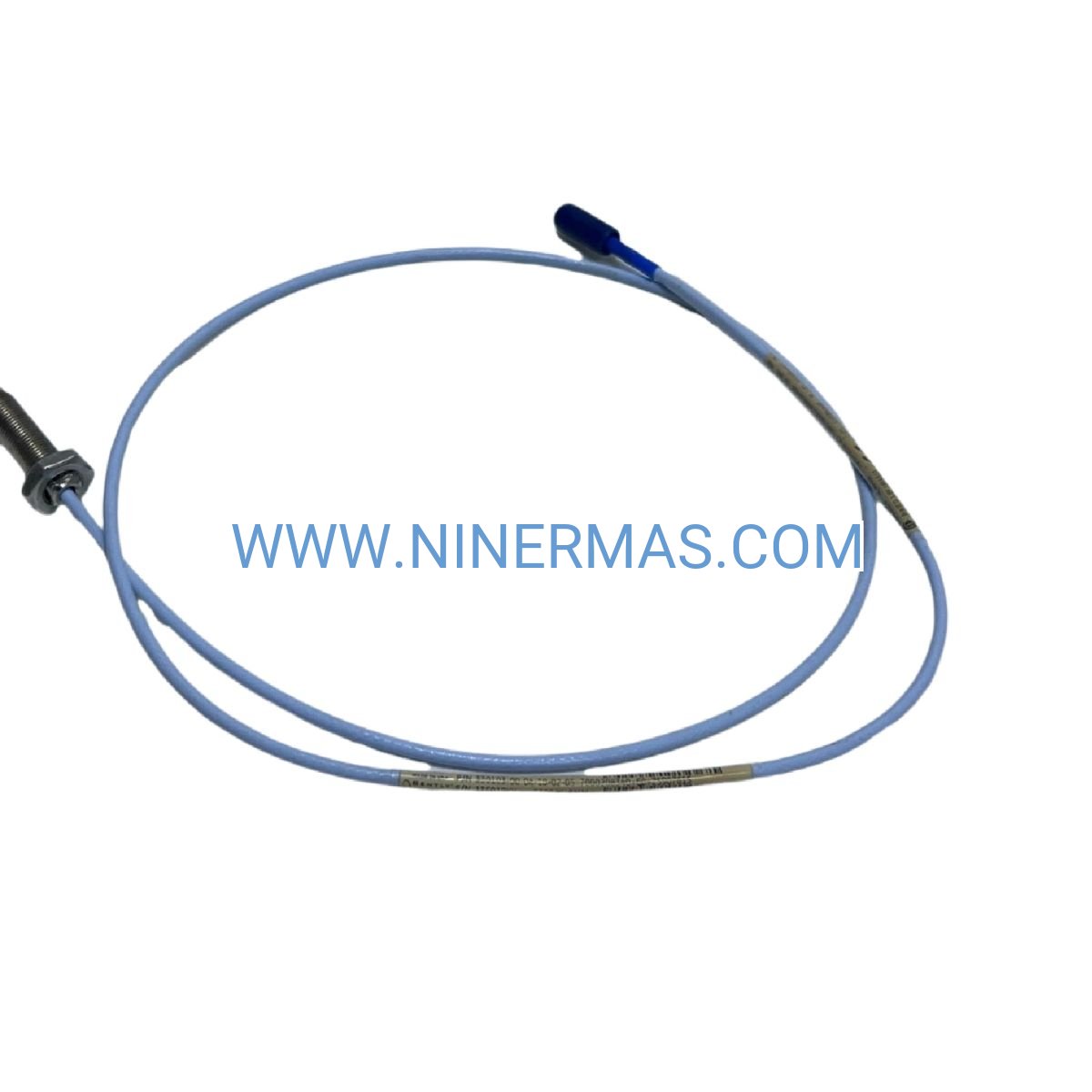
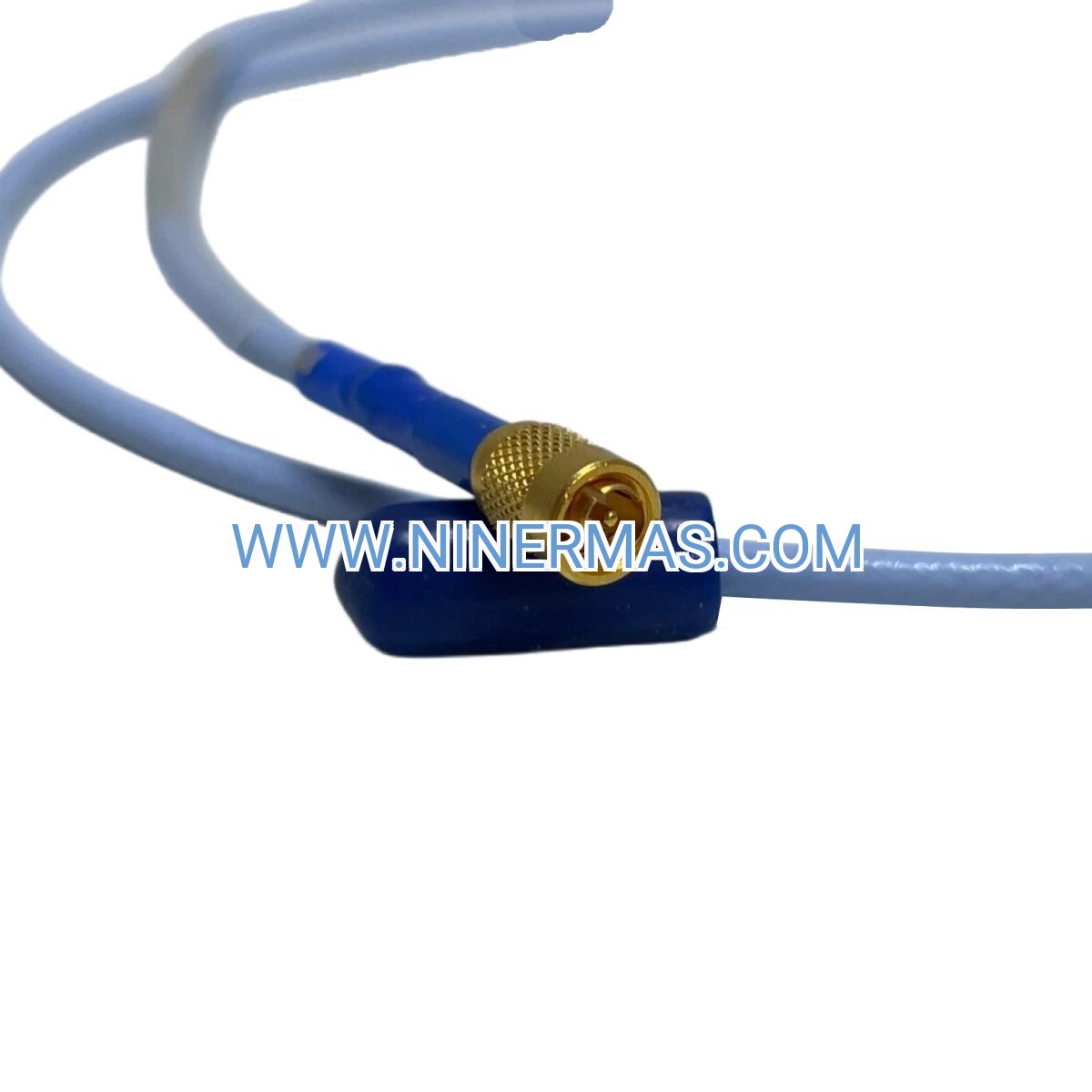
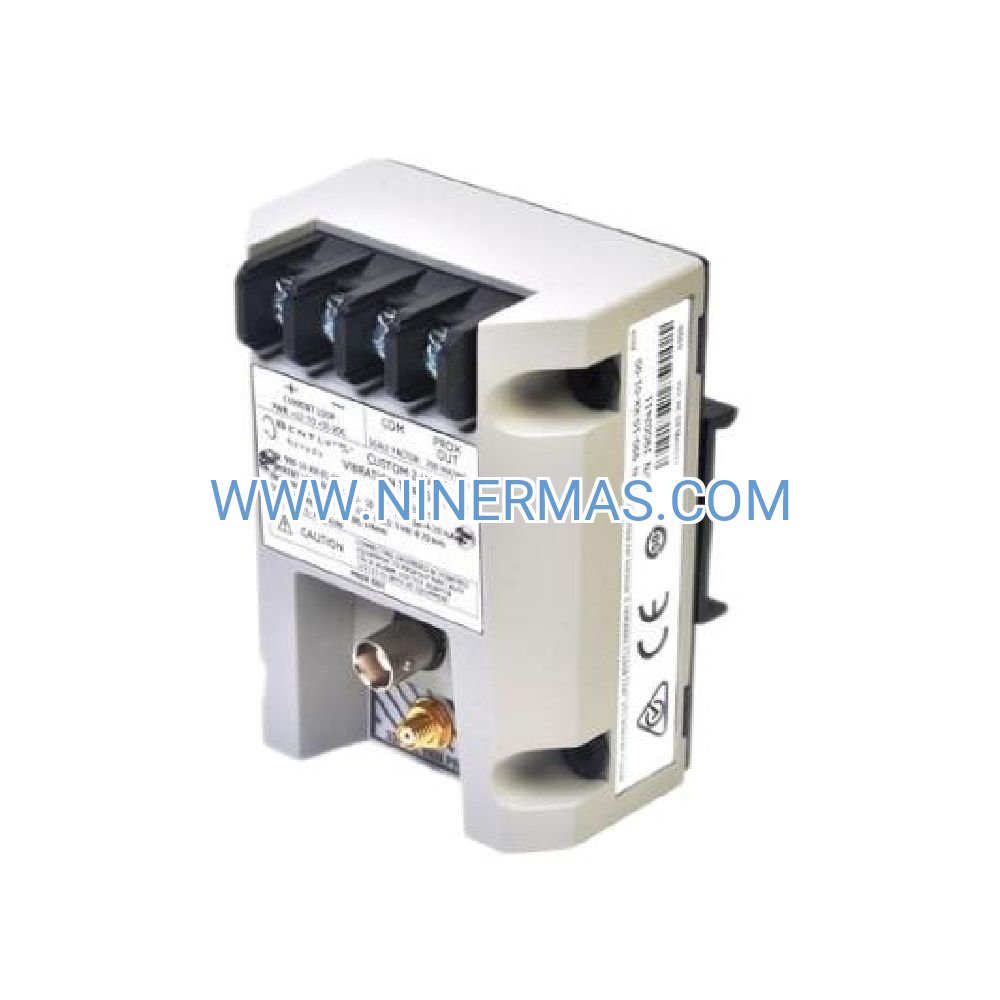
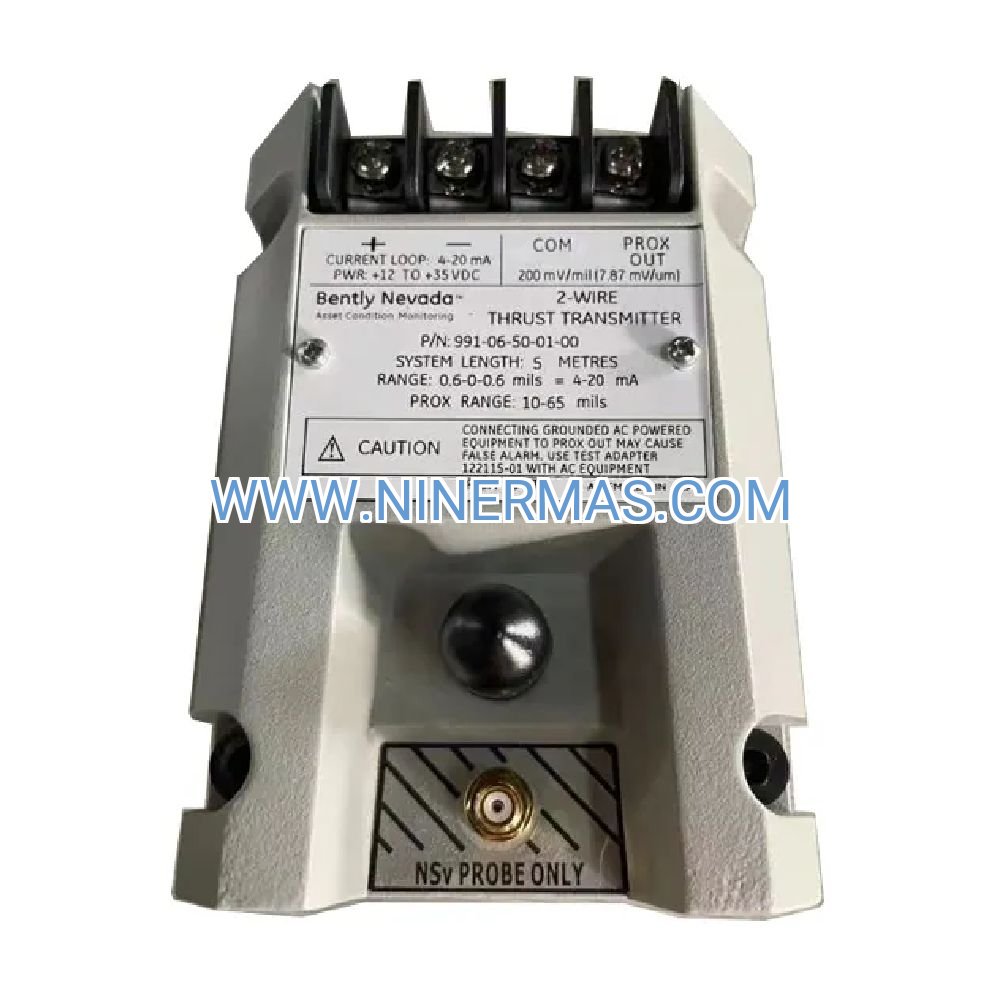
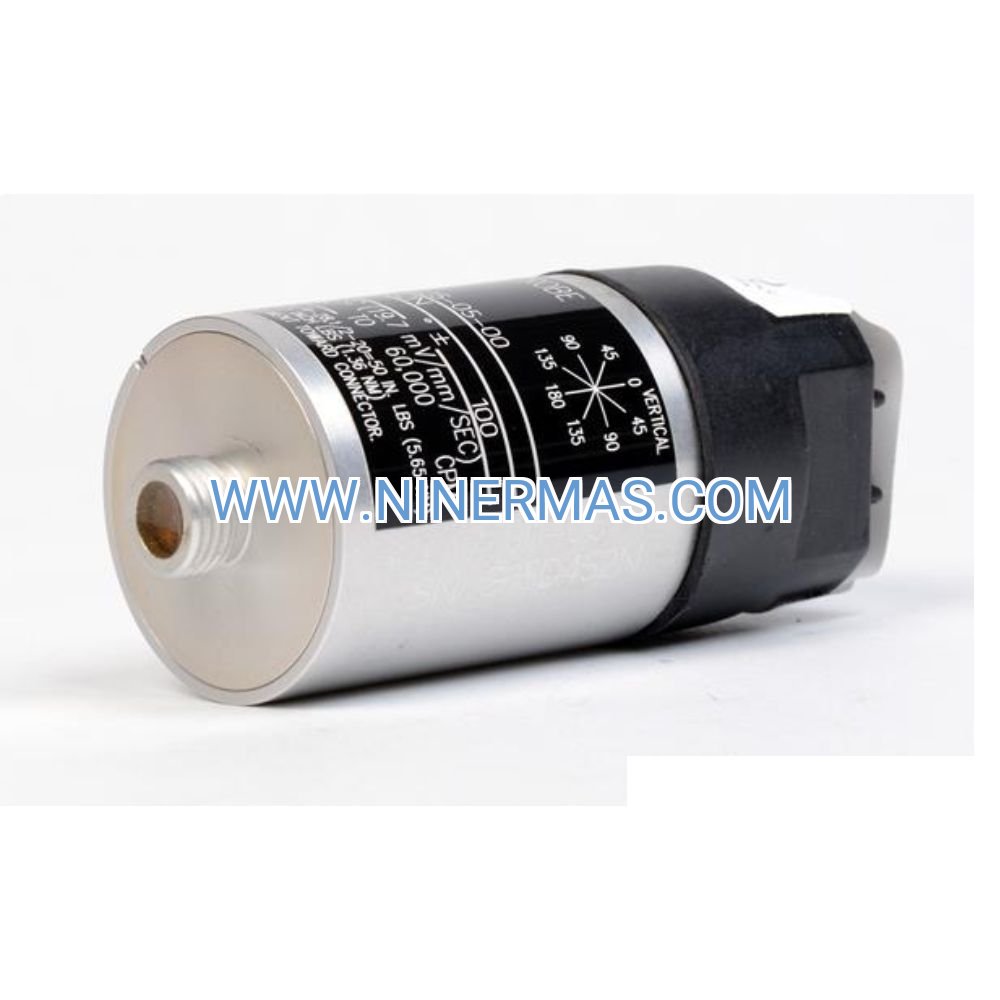
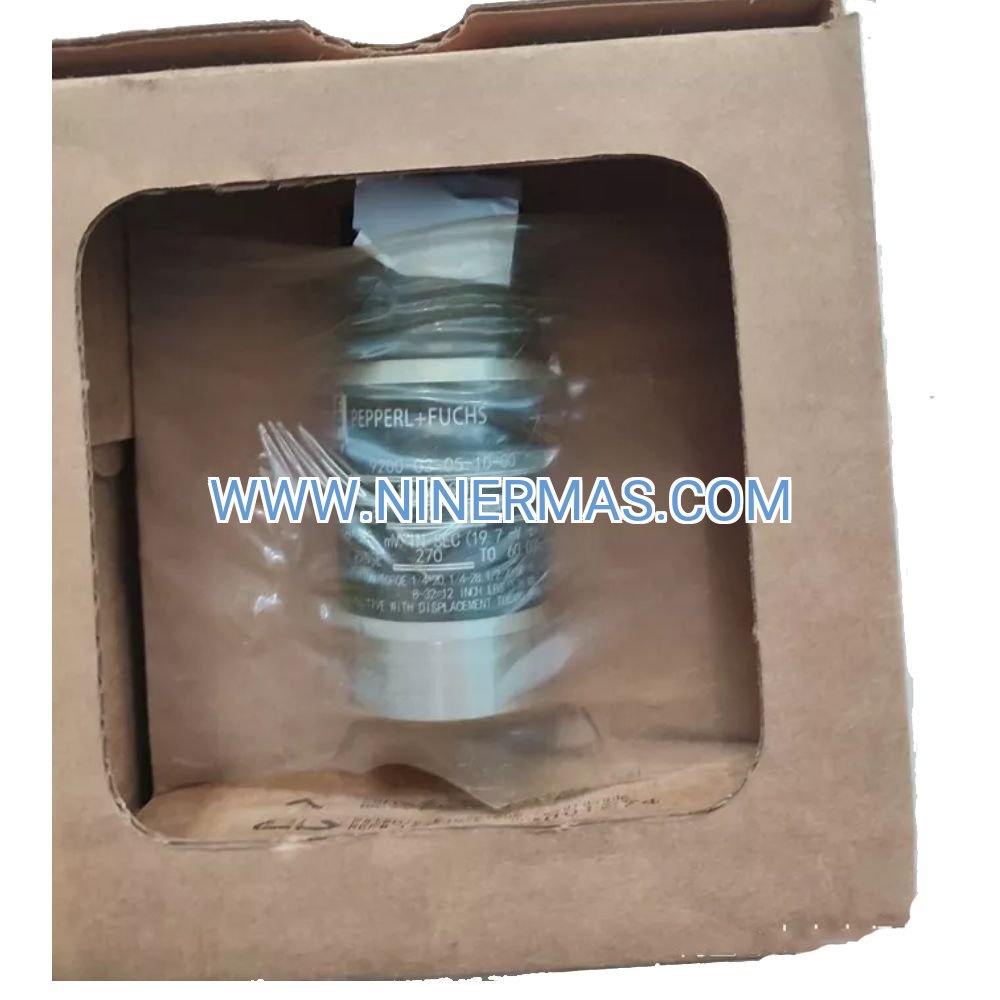
330103-00-05-15-01-00 Proximity Sensor (Industrial-Grade Vibration Monitoring)
The 330103-00-05-15-01-00 represents a precision-engineered eddy current displacement sensor designed for non-contact measurement of shaft vibration and axial position in high-value rotating equipment. Manufactured to stringent OEM specifications, this 8mm probe delivers micron-level accuracy across extreme temperature ranges, making it the preferred choice for turbomachinery protection systems in power generation, petrochemical processing, and heavy manufacturing facilities.
Critical rotating assets demand continuous health monitoring to prevent catastrophic failures. This proximity sensor addresses three fundamental challenges: detecting bearing degradation before failure, measuring rotor dynamic behavior under varying loads, and providing reliable data for predictive maintenance programs. Plant engineers and reliability managers rely on this technology to minimize unplanned downtime and extend equipment service intervals.
With factory calibration traceable to international standards and proven compatibility with legacy monitoring infrastructure, the 330103-00-05-15-01-00 integrates seamlessly into existing condition monitoring architectures while delivering the measurement precision required for API 670 compliance and ISO 20816 vibration severity assessments.
Core Features & Benefits
→ Non-Contact Measurement Technology
Eddy current sensing eliminates mechanical wear and contamination risks, ensuring consistent performance over decades of continuous operation without recalibration or component replacement.
→ Extended Temperature Capability
Operates reliably from -40°C to +105°C, maintaining linearity specifications in cryogenic pump applications and high-temperature turbine environments where conventional sensors fail.
→ Factory Calibration with Certification
Each unit ships with traceable calibration data specific to your target material, reducing commissioning time by 60% compared to field-calibrated alternatives.
→ Universal System Integration
Standard -24V DC output interfaces directly with Bently Nevada 3300 XL/3500 systems, DCS platforms, and third-party vibration analyzers without signal conditioning modifications.
→ Rugged Industrial Construction
Stainless steel housing with hermetically sealed electronics withstands shock, vibration, and corrosive atmospheres typical of offshore platforms and chemical processing units.
→ High-Frequency Response
0-10 kHz bandwidth captures blade pass frequencies and gear mesh harmonics essential for advanced diagnostic techniques including orbit analysis and modal testing.
Application Scenarios
✓ Steam Turbine Generator Sets
Scenario: 500 MW combined-cycle power plant monitoring journal bearing clearances on high-pressure turbine rotors spinning at 3600 RPM.
Pain Point Solved: Detects thermal growth and bearing wear trends 4-6 weeks before vibration levels trigger alarm thresholds, enabling scheduled maintenance during planned outages.
Value Delivered: Prevents forced outages costing $1M+ per day in lost generation capacity.
✓ Centrifugal Compressor Trains
Scenario: Natural gas pipeline booster stations measuring axial thrust position on multi-stage compressors operating at 12,000 RPM.
Pain Point Solved: Identifies thrust bearing degradation and aerodynamic instabilities (surge/stall) through real-time position tracking with ±25 micron resolution.
Value Delivered: Reduces compressor maintenance costs by 35% through condition-based servicing versus time-based overhauls.
✓ Large Industrial Pumps
Scenario: Refinery crude oil transfer pumps monitoring radial shaft displacement at inboard and outboard bearings.
Pain Point Solved: Early detection of cavitation, impeller imbalance, and coupling misalignment before seal damage occurs.
Value Delivered: Extends mean time between failures (MTBF) from 18 to 36 months, halving spare parts inventory requirements.
✓ High-Speed Gearboxes
Scenario: Wind turbine gearboxes tracking pinion shaft eccentricity in 2.5 MW offshore installations.
Pain Point Solved: Detects gear tooth wear patterns and bearing clearance growth in harsh marine environments with ±0.5% linearity.
Value Delivered: Reduces gearbox replacement costs ($500K+ per unit) through targeted component replacement versus complete overhaul.
✓ Paper Machine Dryer Sections
Scenario: Continuous monitoring of dryer roll shaft position in high-speed tissue manufacturing lines.
Pain Point Solved: Prevents web breaks and product quality defects caused by roll misalignment or bearing failure.
Value Delivered: Increases overall equipment effectiveness (OEE) by 8-12% through reduced unplanned stops.
Technical Parameters & Selection Guide
| Parameter | Specification | Notes |
|---|---|---|
| Model Number | 330103-00-05-15-01-00 | Full part number for ordering |
| Probe Diameter | 8mm (-00 suffix) | For shaft diameters ≥25mm |
| Thread Configuration | 5/8-18 UNF-2A | Standard US industrial thread |
| Active Tip Length | 15mm (-15 suffix) | Measurement zone depth |
| Linear Range | 0.5 - 2.0mm gap | Optimal operating window |
| Sensitivity | 200 mV/mil (7.87 mV/μm) | With standard proximitor |
| Linearity Error | ±1% FSO | Over calibrated range |
| Temperature Range | -40°C to +105°C | Probe tip rating |
| Frequency Response | DC to 10 kHz (-3dB) | Suitable for blade pass analysis |
| Target Material | 4140 steel, 416 SS | Conductive ferrous metals |
| Compliance Standards | API 670, ISO 20816 | Machinery protection systems |
Selection Criteria: Choose 8mm probes for shaft diameters 25-150mm and rotational speeds above 3000 RPM where high-frequency response is critical. For larger shafts (>150mm) or lower speeds, consider 11mm probes for extended measurement range. Verify target surface finish is ≤3.2 μm Ra and material conductivity matches calibration certificate specifications.
Extended Functions
IoT Integration Capability: When paired with Bently Nevada Orbit 60 series software and 1900/65A general purpose equipment monitors, sensor data streams to cloud-based analytics platforms for machine learning-driven anomaly detection and fleet-wide performance benchmarking.
Advanced Diagnostic Features: Supports full orbit plots, Bode diagrams, polar plots, and shaft centerline position tracking for comprehensive rotor dynamic analysis during startup, shutdown, and steady-state operation.
Customization Options: Available with extended cable lengths (up to 9 meters), high-temperature cable insulation (200°C rated), and armored conduit protection for severe service applications. Contact engineering for application-specific configurations.
Delivery & Service Assurance
Lead Time: Standard configuration ships within 3-5 business days. Custom cable assemblies and special calibrations require 10-15 business days. Expedited processing available for critical outage support.
Warranty Coverage: 12-month manufacturer defect warranty from shipment date. Extended warranty programs available for installed base agreements covering 50+ sensors.
Technical Support: Unlimited access to application engineers for installation guidance, troubleshooting, and system optimization. Remote commissioning support via video conference for international installations.
Documentation Package: Includes calibration certificate with actual test data, installation drawing with dimensional tolerances, wiring diagram, and material certifications (MTR) for quality traceability.
Frequently Asked Questions
How do I verify compatibility with existing proximitor sensors?
This probe requires a -24V DC proximitor such as the 330850 or 330180 series. Check your proximitor model number - if it's designed for 8mm probes (typically ending in -05 or -90-05), it's compatible. Mixing 8mm probes with 11mm proximitors will cause calibration errors.
What installation gap should I maintain for optimal accuracy?
Target a 1.5mm (60 mils) gap at normal operating temperature. This positions the sensor in the center of its linear range, allowing ±0.5mm measurement before approaching non-linear zones. Always verify gap with feeler gauges during cold installation to account for thermal expansion.
Can this sensor measure non-ferrous targets like aluminum or titanium?
Yes, but with reduced sensitivity and altered calibration curves. Aluminum targets produce approximately 40% of the signal strength compared to steel. Request custom calibration for non-ferrous applications to maintain measurement accuracy.
How often does this sensor require recalibration?
The probe itself is passive and maintains calibration indefinitely. However, API 670 recommends system verification every 3-5 years, which includes checking cable integrity and proximitor output. Replace cables showing insulation degradation or conductors with >1Ω resistance change.
What's the maximum cable length between probe and proximitor?
Standard extension cables support up to 9 meters (330130 series). Beyond this length, signal attenuation and noise pickup degrade measurement quality. For installations requiring >9m runs, use intermediate junction boxes with shielded cable and proper grounding.
Is this sensor suitable for hazardous area installations?
The probe is intrinsically safe (passive device), but system certification depends on the proximitor and barrier configuration. For Class I Div 1 or ATEX Zone 1 applications, specify intrinsically safe proximitors (330878 series) with approved barriers and follow installation per control drawings.
Take Action Now
Protect your critical rotating assets with proven vibration monitoring technology trusted by Fortune 500 industrial operators worldwide. Request a technical consultation to discuss your specific application requirements, or place your order today to receive factory-fresh inventory with full calibration documentation and expedited shipping.
Need application engineering support? Our certified vibration specialists are available to review your machinery configuration, recommend optimal sensor placement, and provide installation best practices tailored to your equipment.
© 2026 NINERMAS COMPANY LIMITED. All rights reserved.
Original Source: https://ninermas.com
Contact: sale@ninermas.com | +0086 187 5021 5667

Contact Info
-
Address:22 / F, South Wo Hang building, 148 Wing Lok Street, Sheung Wan, Western District, Hong Kong
-
Phone:+8618750215667
-
Email: