


Description
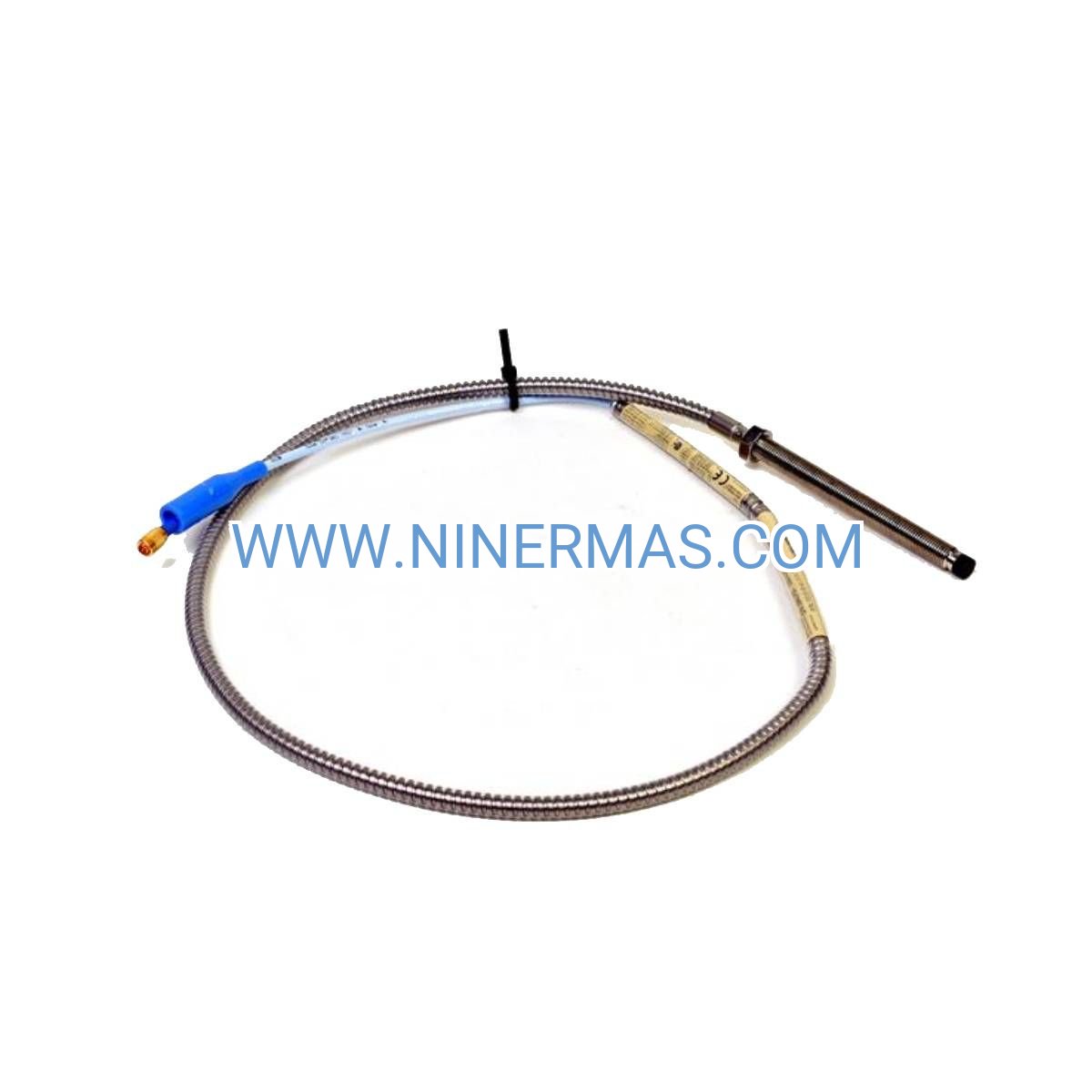
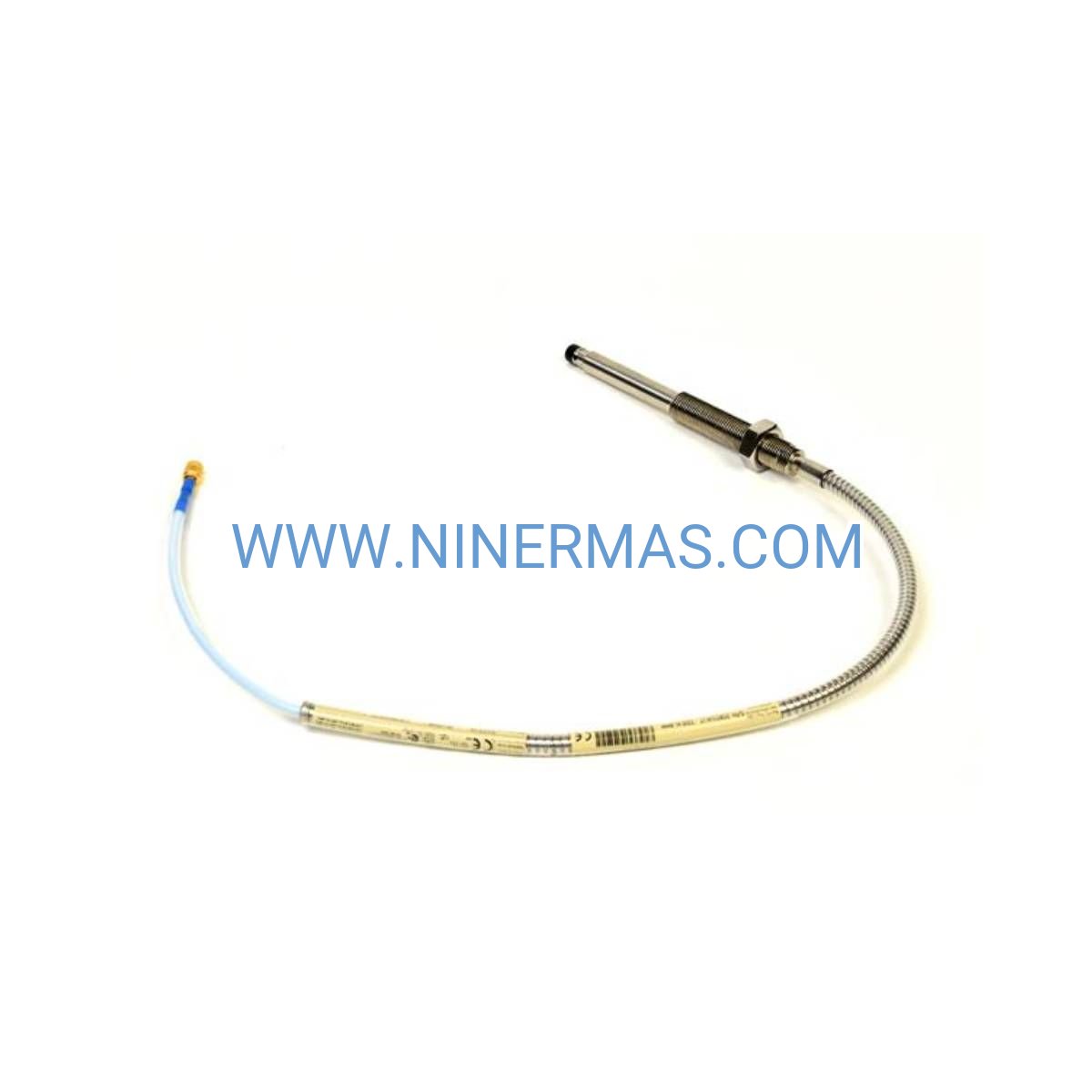
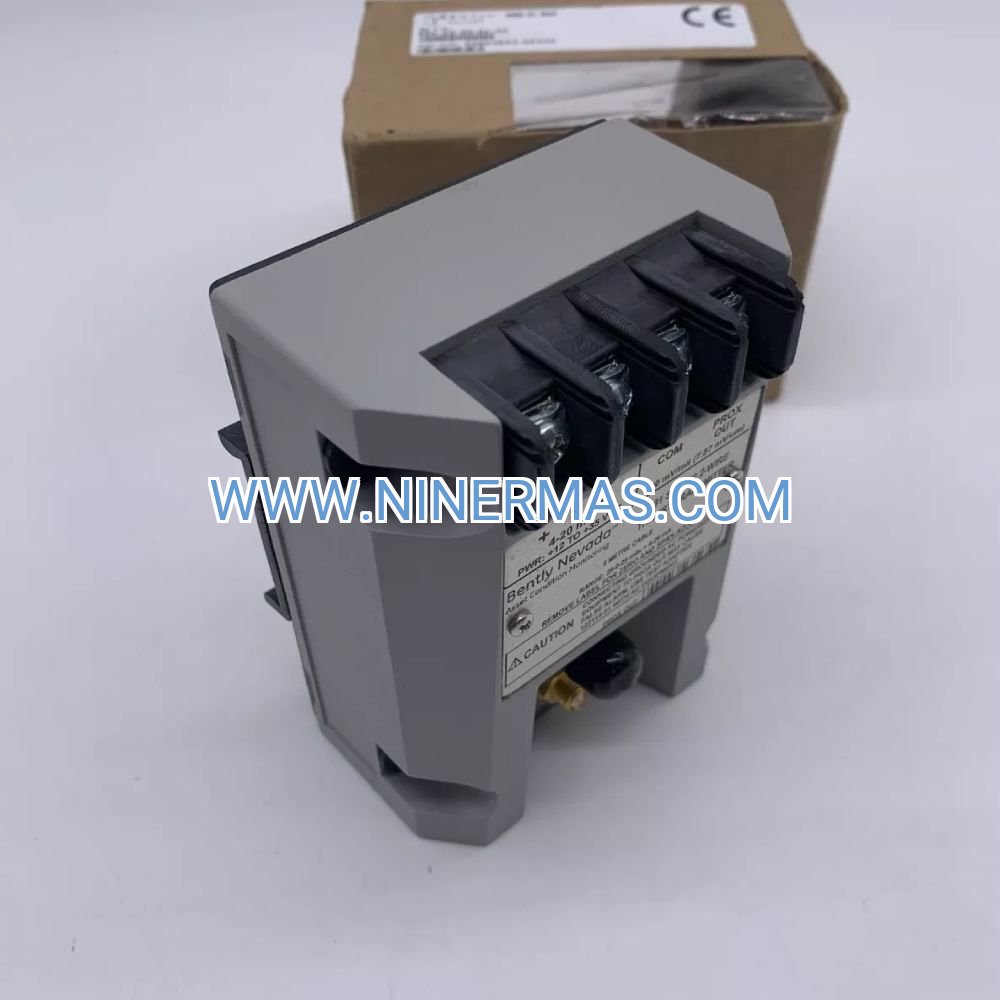
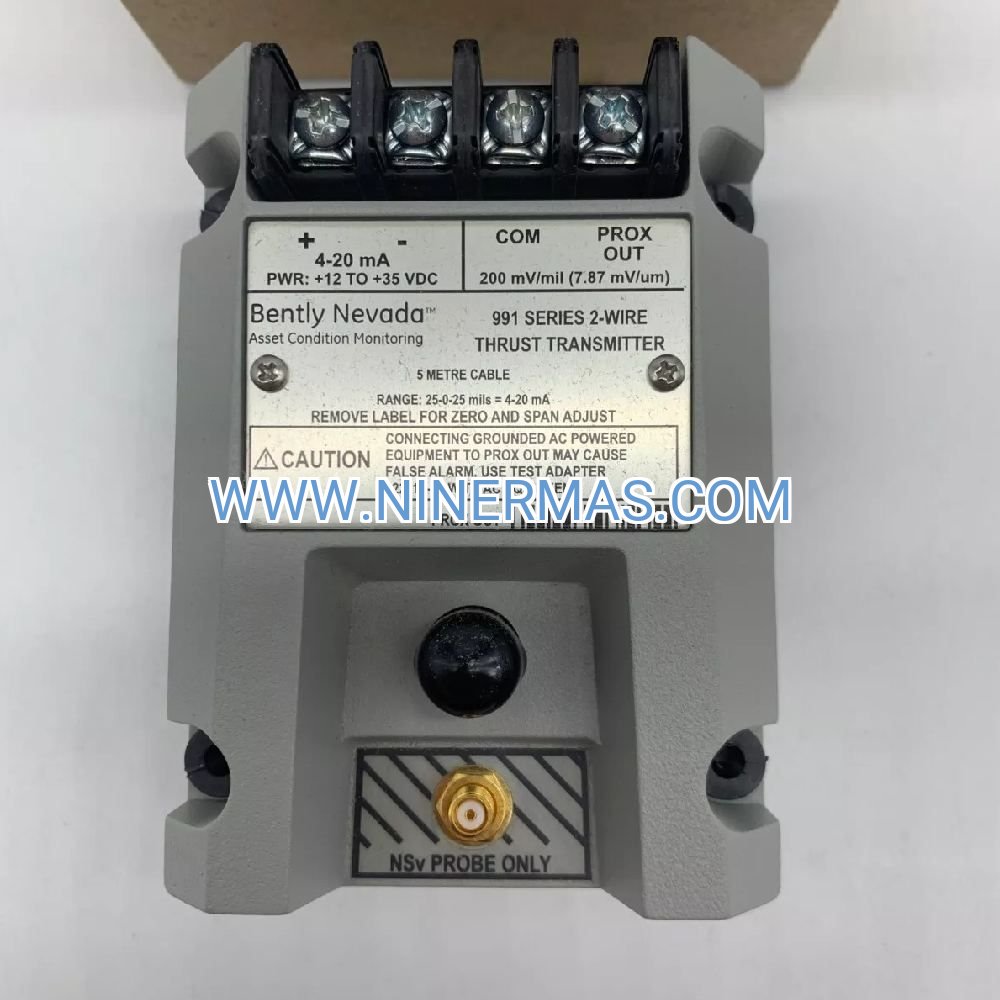
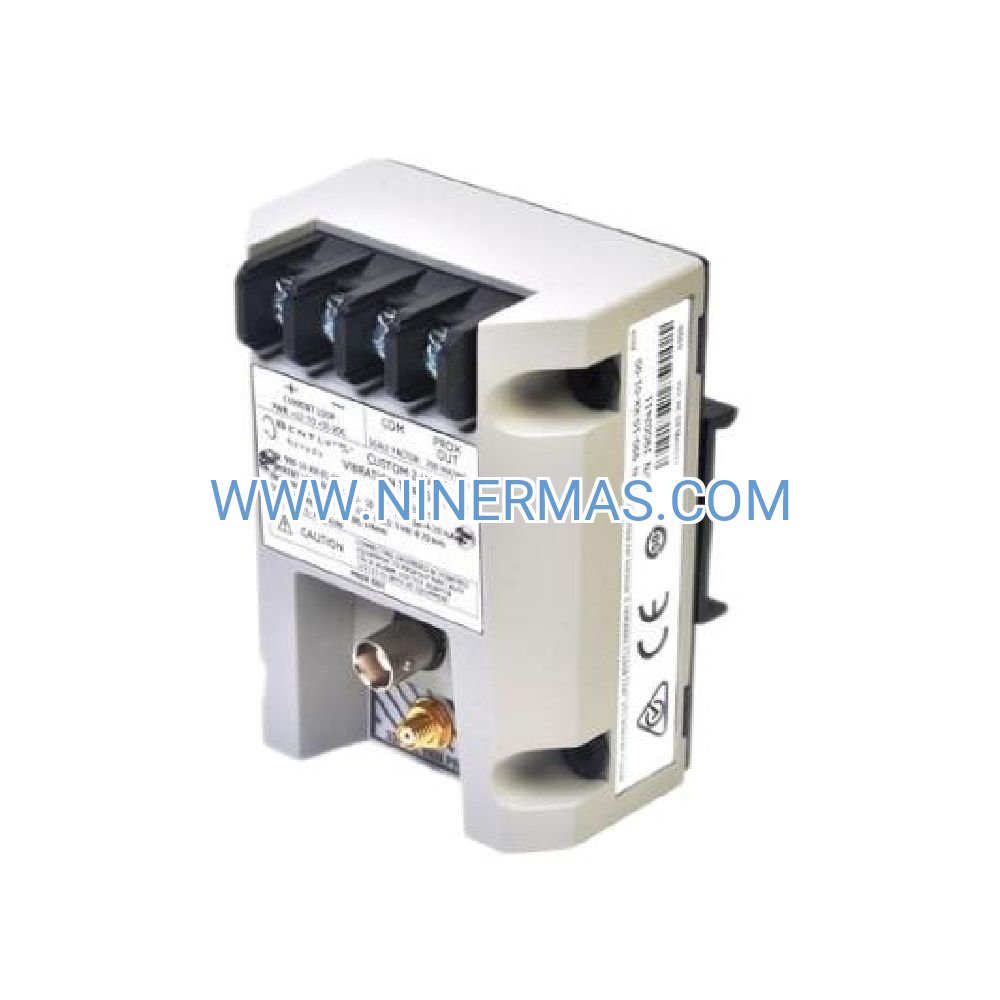
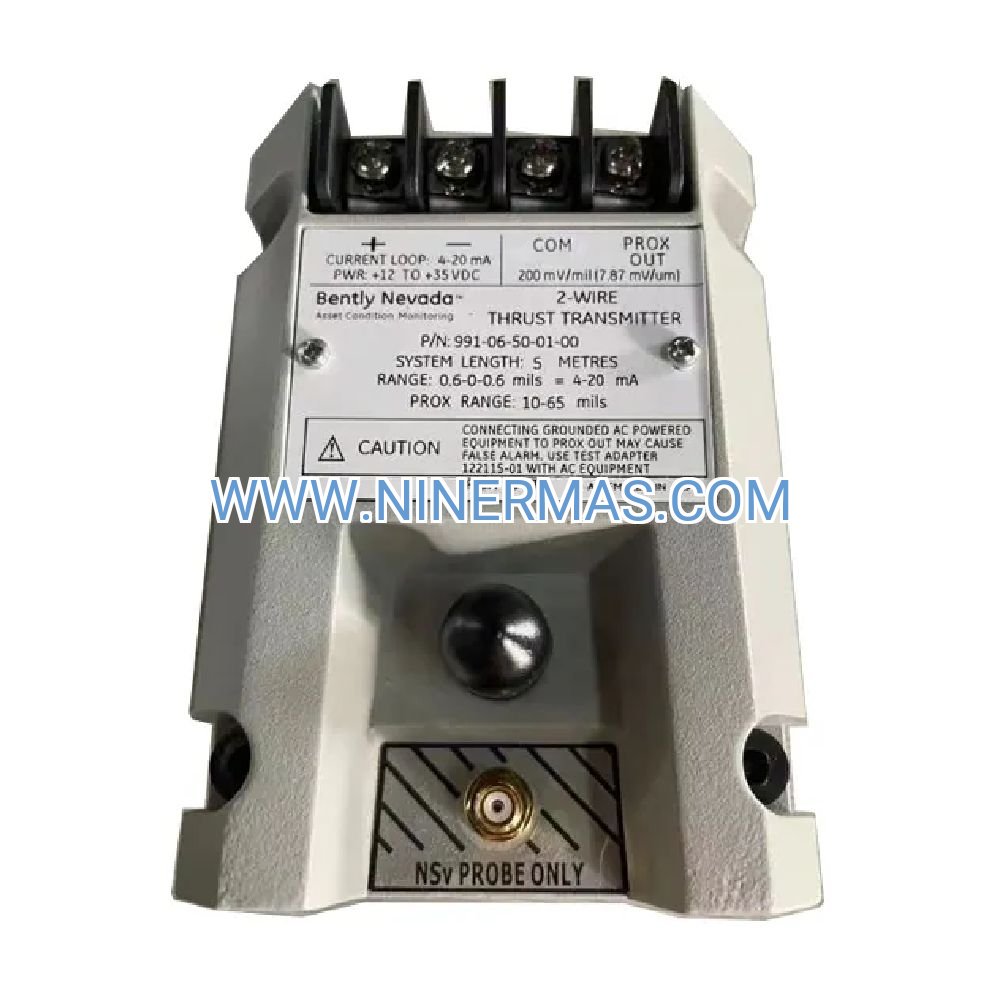
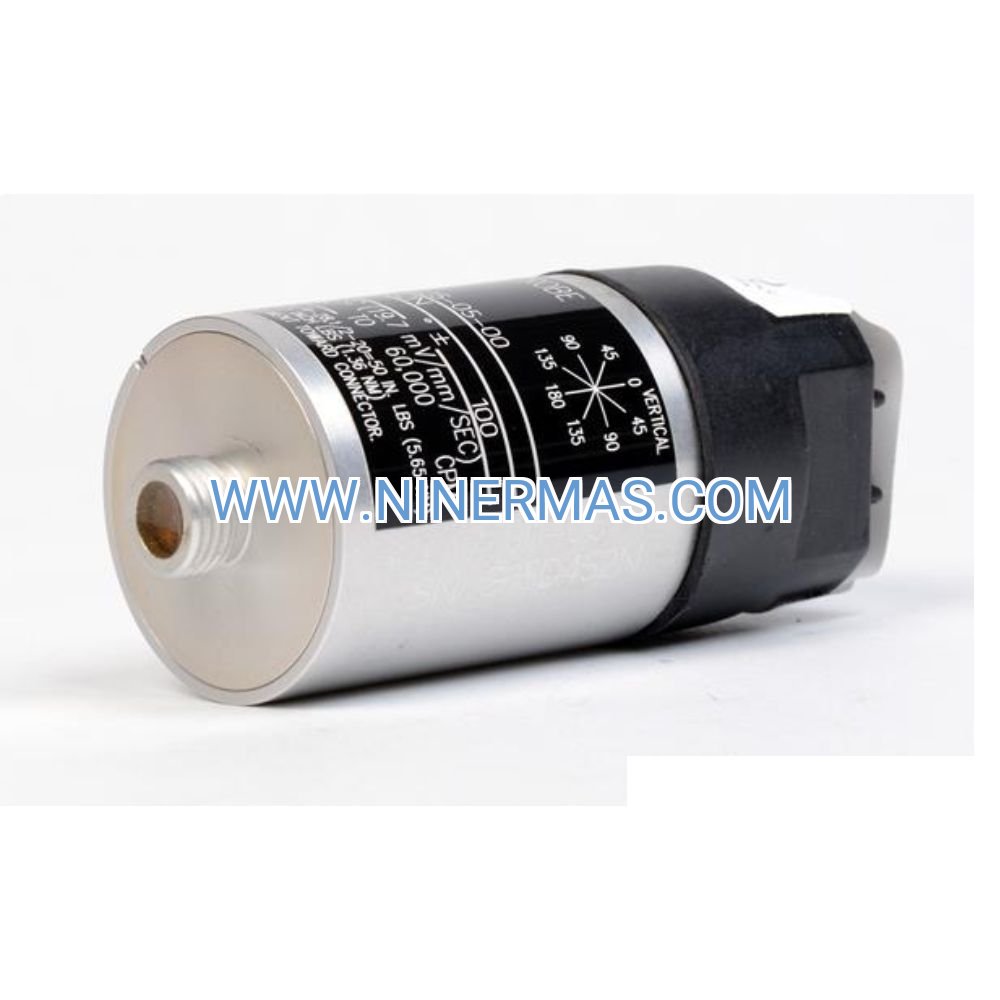
Industrial Dual Velocity Monitor 3300/55-01-13-13-00-01 (Two-Channel Vibration Protection)
The Bently Nevada 3300/55-01-13-13-00-01 represents a field-proven solution for simultaneous two-point velocity measurement in mission-critical rotating assets. Built to withstand harsh industrial conditions from -30°C to +65°C, this monitor transforms raw vibration signals into actionable intelligence, enabling maintenance teams to detect bearing degradation, rotor imbalance, and mechanical looseness before catastrophic failures occur.
Designed for power generation facilities, petrochemical plants, and heavy manufacturing operations, this monitor addresses a fundamental challenge: protecting high-value machinery while minimizing false alarms. Its dual-channel architecture allows engineers to monitor both drive-end and non-drive-end bearings with a single rack-mounted module, reducing installation costs and panel space requirements by up to 50% compared to single-channel alternatives.
With factory calibration traceable to ISO 17025 standards and full API 670 conformance, the 3300/55 delivers measurement accuracy within ±5% across its entire 10 Hz to 1000 Hz operating bandwidth. Independent alarm setpoints per channel, combined with 4-20 mA analog outputs and relay contacts, provide seamless integration with DCS, PLC, and SCADA systems for comprehensive asset protection strategies.
Core Features & Benefits
→ Dual Independent Monitoring Channels
Simultaneously track vibration at two critical measurement points—drive-end and non-drive-end bearings, horizontal and vertical planes, or inlet and discharge locations. Reduces hardware costs while maintaining full diagnostic capability for comprehensive machinery health assessment.
→ Wide-Spectrum Frequency Response (10-1000 Hz)
Captures low-frequency imbalance signatures at 10 Hz through high-frequency bearing defect indicators at 1000 Hz. This bandwidth covers 1X running speed faults, 2X misalignment harmonics, gear mesh frequencies, and rolling element bearing defect frequencies for complete fault detection coverage.
✓ API 670 Certified Protection Logic
Meets American Petroleum Institute standards for machinery protection systems with two-stage alarming (Alert and Danger), voting logic options, and fail-safe relay operation. Ensures compliance for critical service applications in refineries, offshore platforms, and pipeline compressor stations.
✓ Industrial-Grade Environmental Resilience
-30°C to +65°C operating range with conformal coating protects electronics from moisture, dust, and chemical exposure. Proven reliability in desert heat, arctic cold, and corrosive atmospheres where commercial-grade monitors fail within months.
✓ Plug-and-Play 3300 Series Integration
Direct compatibility with Bently Nevada 3300 racks eliminates custom mounting brackets and wiring harnesses. Hot-swappable design allows module replacement during operation without system shutdown, minimizing maintenance windows and production losses.
✓ Scalable 4-20 mA Analog Outputs
Proportional current loops feed vibration data to trending software, historians, and control systems. Linear scaling from 0-20 mm/s or 0-0.8 in/s enables precise threshold programming and statistical analysis for condition-based maintenance programs.
Application Scenarios
Steam Turbine Generator Sets (Power Plants)
Challenge: Bearing failures in 50-150 MW turbines cause multi-million dollar outages and grid instability.
Solution: Monitor journal bearing housings at both ends with velocity sensors. Alert thresholds at 7.1 mm/s (0.28 in/s) trigger inspection; Danger at 11.2 mm/s (0.44 in/s) initiates automatic shutdown per ISO 20816-2 Class II limits.
Value: Prevents catastrophic rotor-to-stator contact, extends bearing life 30-40%, reduces unplanned downtime by 60%.
Centrifugal Compressor Trains (Gas Processing)
Challenge: High-speed compressors (8,000-15,000 RPM) develop bearing wear and rotor imbalance that escalate rapidly.
Solution: Dual-channel monitoring of gearbox and compressor bearings detects 2X and 3X harmonics indicating misalignment. Trending identifies gradual degradation over weeks before emergency conditions develop.
Value: Avoids process shutdowns costing $50,000-$200,000 per day, enables planned maintenance during scheduled turnarounds.
Boiler Feed Pumps (Utilities & Industrial Boilers)
Challenge: Cavitation, impeller imbalance, and coupling misalignment cause premature pump failures in critical water circulation systems.
Solution: Velocity monitoring at motor and pump bearings captures broadband energy increases from cavitation (random high-frequency content) and discrete peaks from imbalance (1X running speed).
Value: Differentiates root causes for targeted corrective action, reduces spare parts inventory 25%, improves mean time between failures (MTBF) from 18 to 30+ months.
Induced Draft Fans (Cement, Steel, Power)
Challenge: Blade fouling and erosion create dynamic imbalance in large fans (2-5 meters diameter), leading to catastrophic bearing seizure.
Solution: Continuous velocity surveillance detects gradual imbalance growth as material accumulates. Automated alerts trigger cleaning before vibration reaches destructive levels.
Value: Prevents fan wheel failures that require 2-4 week rebuilds, maintains process efficiency, eliminates emergency bearing replacements.
Gearbox Monitoring (Mining Conveyors, Mills)
Challenge: Gear tooth wear and bearing spalling in reduction gearboxes generate high-frequency vibration signatures masked by low-frequency belt noise.
Solution: 1000 Hz upper frequency limit captures gear mesh frequencies (GMF) and bearing defect frequencies (BPFO, BPFI) that indicate early-stage damage. Spectral analysis via 4-20 mA output feeds to FFT analyzers.
Value: Detects faults 3-6 months before audible noise or temperature rise, enables condition-based oil sampling and gear inspection.
Technical Parameters & Selection Guide
| Parameter | Specification | Notes |
|---|---|---|
| Model Number | 3300/55-01-13-13-00-01 | Factory configuration code |
| Monitoring Channels | 2 independent velocity inputs | Isolated signal paths |
| Input Compatibility | Velocity transducers, 100 mV/in/s nominal | 330500 series or equivalent |
| Frequency Response | 10 Hz to 1000 Hz (±3 dB) | Covers 600-60,000 CPM machinery |
| Measurement Range | 0-20 mm/s or 0-0.8 in/s (configurable) | Adjustable via internal jumpers |
| Accuracy | ±5% of full scale | At 25°C reference temperature |
| Analog Output | 4-20 mA per channel, 500Ω max load | Proportional to RMS velocity |
| Relay Outputs | 2 SPDT per channel (Alert, Danger) | 5A @ 30 VDC / 250 VAC resistive |
| Alarm Setpoints | Adjustable 10-100% of range | Front-panel potentiometers |
| Power Supply | 24 VDC ±25% (18-30 VDC) | Typical draw: 8W per module |
| Operating Temperature | -30°C to +65°C (-22°F to +149°F) | Conformal coated PCBs |
| Humidity | 5-95% RH non-condensing | Sealed enclosure recommended |
| Compliance Standards | API 670, ISO 20816, CE marked | Suitable for SIL 1 applications |
| Mounting | 3300 Series rack (5.25" panel cutout) | Hot-swappable installation |
| Dimensions (W×H×D) | 149 mm × 133 mm × 241 mm | Single rack slot |
| Weight | 1.0 kg (2.2 lbs) approximate | Shipping weight: 1.5 kg |
Selection Criteria:
- Choose velocity monitoring for bearing housing measurements on machines with rolling element bearings or fluid-film bearings where casing vibration is the primary indicator
- Select dual-channel monitors when two measurement points require identical alarm logic and trending—reduces cost per channel by 35-45% versus separate single-channel units
- Verify transducer sensitivity matches monitor input (100 mV/in/s standard); 500 mV/in/s sensors require signal conditioning or alternative monitor models
- Confirm operating speed falls within 10-1000 Hz bandwidth: minimum 600 CPM (10 Hz), maximum 60,000 CPM (1000 Hz) for fundamental frequency capture
- For API 670 compliance, ensure voting logic configuration matches machinery criticality classification (typically 2oo2 for critical service)
Extended Functions
Remote Monitoring Integration: The 4-20 mA outputs interface directly with wireless I/O modules (WirelessHART, ISA100) for remote asset monitoring. Pair with edge gateways to stream vibration data to cloud-based condition monitoring platforms, enabling centralized fleet management across multiple plant sites.
Predictive Analytics Compatibility: Analog outputs feed machine learning algorithms in advanced analytics software. Historical trending identifies subtle degradation patterns (0.1-0.3 mm/s monthly increases) that precede failures by 6-12 months, optimizing maintenance scheduling and parts procurement.
Customization Options: Factory configuration services available for non-standard measurement ranges (0-50 mm/s for high-vibration applications), alternative relay logic (latching vs. non-latching), and special environmental coatings (tropical, marine, chemical-resistant formulations). Minimum order quantities apply for custom builds.
System Expansion: Combine with Bently Nevada 3300 XL proximity probes for hybrid monitoring—velocity for bearing housings, displacement for shaft relative motion. Unified rack architecture supports mixed sensor types with common power supply and alarm annunciation.
Delivery & Service Assurance
Lead Time: Standard configuration units ship within 3-5 business days from regional distribution centers (North America, Europe, Asia-Pacific). Custom-configured monitors require 4-6 weeks factory lead time. Expedited processing available for critical outage situations (48-72 hour turnaround with premium freight).
Warranty Coverage: Comprehensive 12-month manufacturer warranty covers defects in materials, workmanship, and calibration accuracy. Warranty includes free firmware updates, technical support access, and no-cost replacement for factory-confirmed failures. Extended warranty plans (24/36 months) available at time of purchase.
Technical Support: Dedicated application engineers provide pre-sale consultation for sensor selection, mounting location optimization, and alarm setpoint calculation per ISO 20816 guidelines. Post-sale support includes configuration assistance, troubleshooting guidance, and integration support for DCS/SCADA systems via phone, email, and remote desktop sessions.
Documentation Package: Each monitor includes installation manual with wiring diagrams, calibration certificate with traceability data, quick-start guide, and dimensional drawings (PDF + CAD formats). Online resource library provides application notes, case studies, and video tutorials for common configuration scenarios.
Frequently Asked Questions
What velocity transducer models work with the 3300/55-01-13-13-00-01 monitor?
This monitor accepts any industrial velocity sensor with 100 mV/in/s (3.94 mV/mm/s) sensitivity and 10-1000 Hz frequency response. Recommended models include Bently Nevada 330500 series, Metrix ST5484E, and Wilcoxon 793V. Ensure transducer mounting resonance exceeds 1000 Hz to avoid measurement errors at high frequencies.
How do I determine appropriate alarm setpoints for my rotating equipment?
Refer to ISO 20816 vibration severity charts based on machine type and foundation. For example, rigid-foundation machines 15-75 kW typically use Alert at 7.1 mm/s and Danger at 11.2 mm/s. Flexible-foundation machines require lower thresholds. Alternatively, establish baseline vibration during commissioning and set Alert at 2× baseline, Danger at 3× baseline for customized protection.
Can this monitor detect specific bearing defects like outer race faults or ball spin frequencies?
The 3300/55 measures overall RMS velocity, which increases when bearing defects develop but does not isolate specific defect frequencies. For detailed bearing diagnostics (BPFO, BPFI, BSF, FTF), pair the 4-20 mA output with an FFT analyzer or route signals to a dynamic data acquisition system capable of spectral analysis and envelope detection.
What's the difference between velocity monitoring and accelerometer-based systems?
Velocity monitors excel at detecting low-to-mid frequency faults (imbalance, misalignment, looseness) in the 10-1000 Hz range and provide direct ISO 20816 compliance. Accelerometers capture higher frequencies (1-20 kHz) for bearing defect detection and impact events but require integration or RMS conversion for severity assessment. Velocity is preferred for API 670 machinery protection; accelerometers for detailed diagnostics.
Is the 3300/55 suitable for variable-speed drive (VSD) applications?
Yes, the monitor tracks RMS velocity regardless of operating speed, making it effective for VSD-controlled motors, pumps, and fans. However, alarm setpoints may require adjustment across the speed range—vibration limits scale with RPM per ISO 20816-1. Consider implementing speed-compensated alarming via DCS logic using the 4-20 mA output and speed reference signal.
How does dual-channel monitoring reduce installation costs compared to single-channel alternatives?
A single 3300/55 dual-channel module replaces two separate single-channel monitors, cutting hardware costs by 40-50%. Additional savings include: one rack slot instead of two (panel space reduction), single power connection (wiring labor savings), and unified alarm logic (programming simplification). For a 10-machine installation, dual-channel architecture saves $8,000-$12,000 in total installed cost.
Ready to Protect Your Critical Assets?
Contact our machinery protection specialists to discuss your specific application requirements. We'll help you select the optimal monitoring configuration, recommend compatible transducers, and provide alarm setpoint calculations based on ISO 20816 or API 670 standards. Request a detailed quotation with lead time confirmation and technical support options tailored to your operational needs.
Get Expert Guidance: Email sale@ninermas.com or call +0086 187 5021 5667 to speak with an application engineer. Provide machine type, operating speed, and current vibration levels (if known) for personalized recommendations.
© 2026 NINERMAS COMPANY LIMITED. All rights reserved.
Original Source: https://ninermas.com
Contact: sale@ninermas.com | +0086 187 5021 5667

Contact Info
-
Address:22 / F, South Wo Hang building, 148 Wing Lok Street, Sheung Wan, Western District, Hong Kong
-
Phone:+8618750215667
-
Email:
