Nuclear Rod Drop Time Monitor | Bently Nevada 3300/81-01 | PWR BWR Reactor Safety
Description
Nuclear Rod Drop Time Monitor (Industrial-Grade Reactor Safety System)
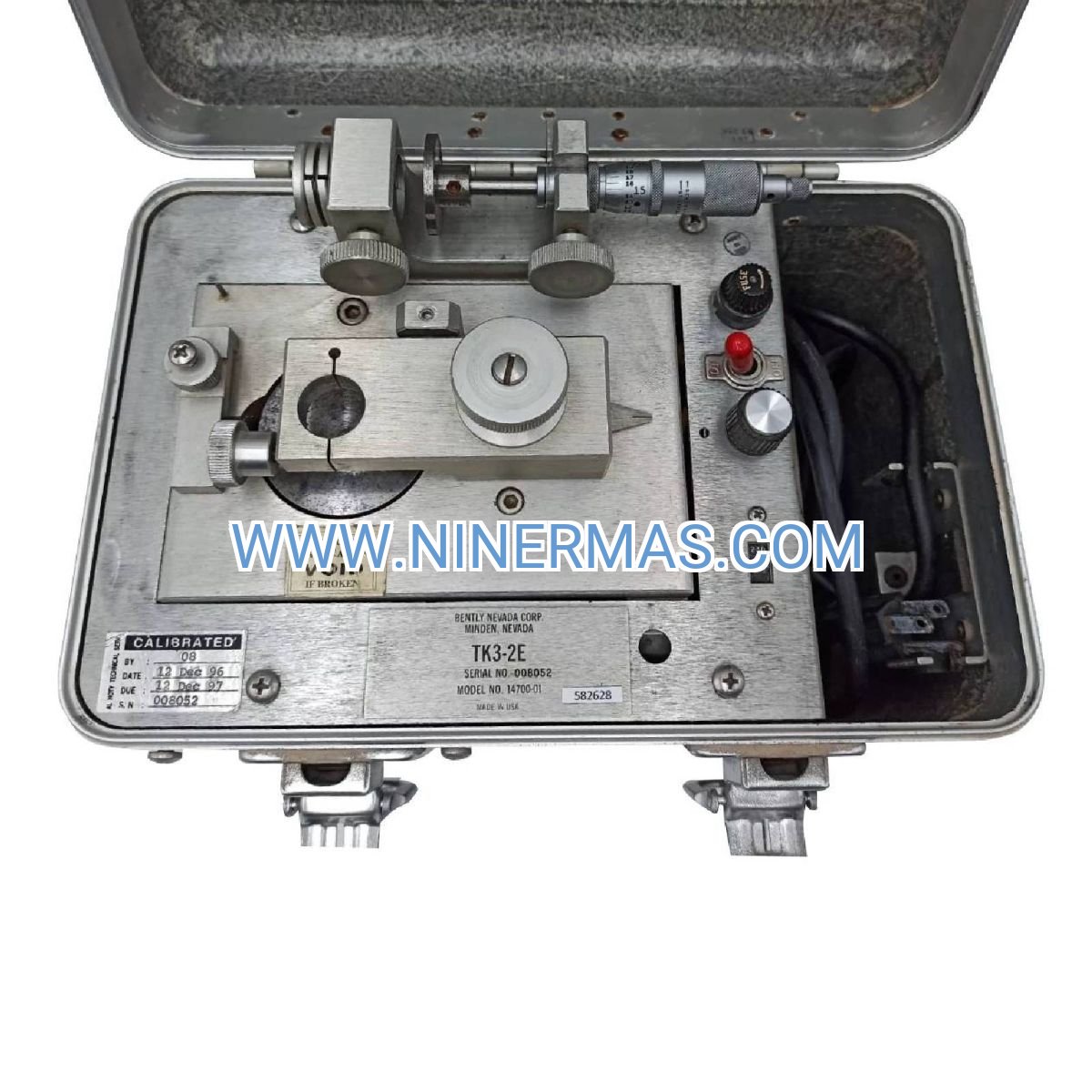
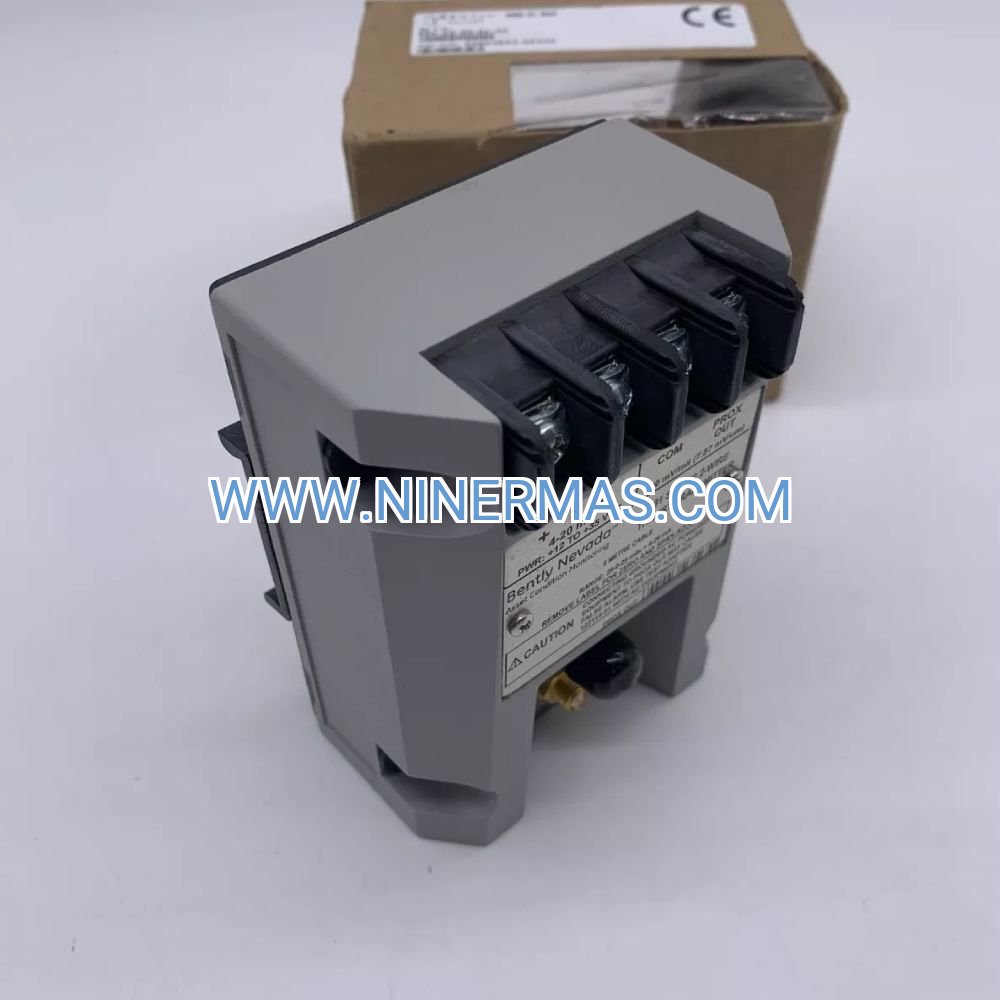
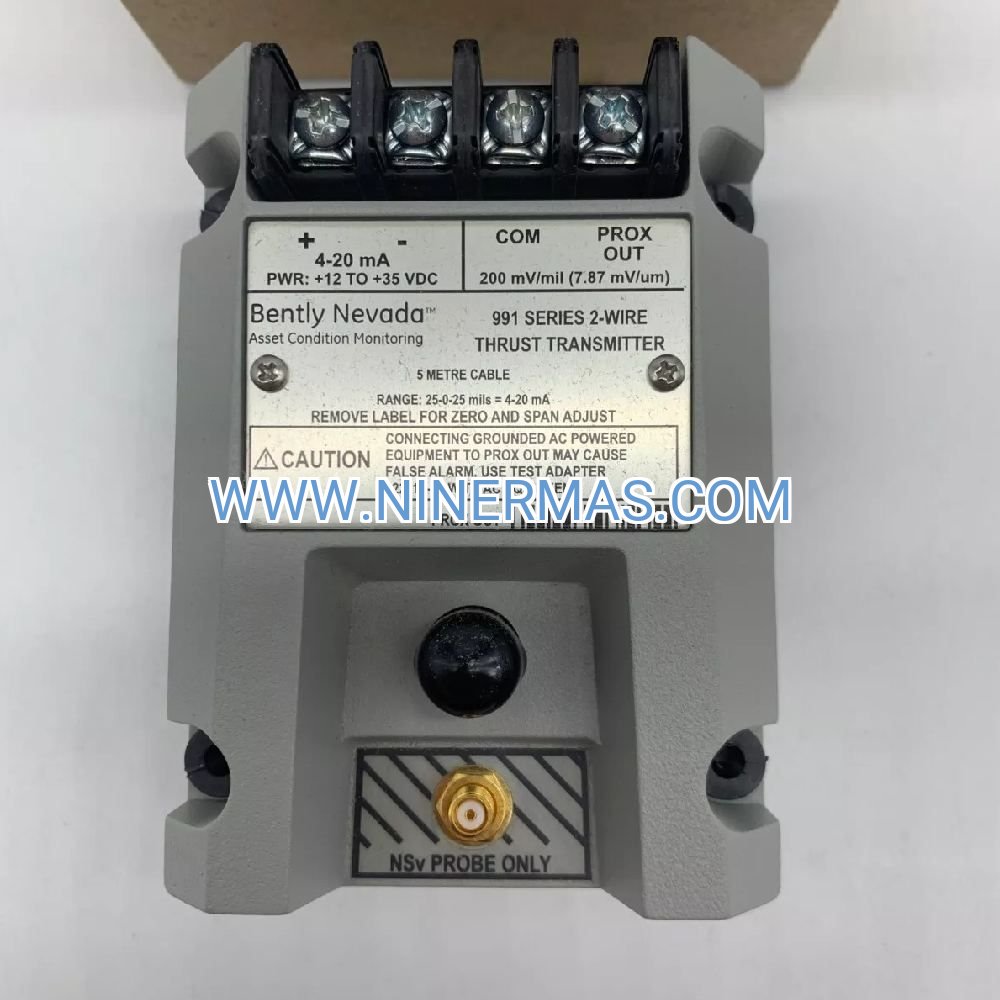
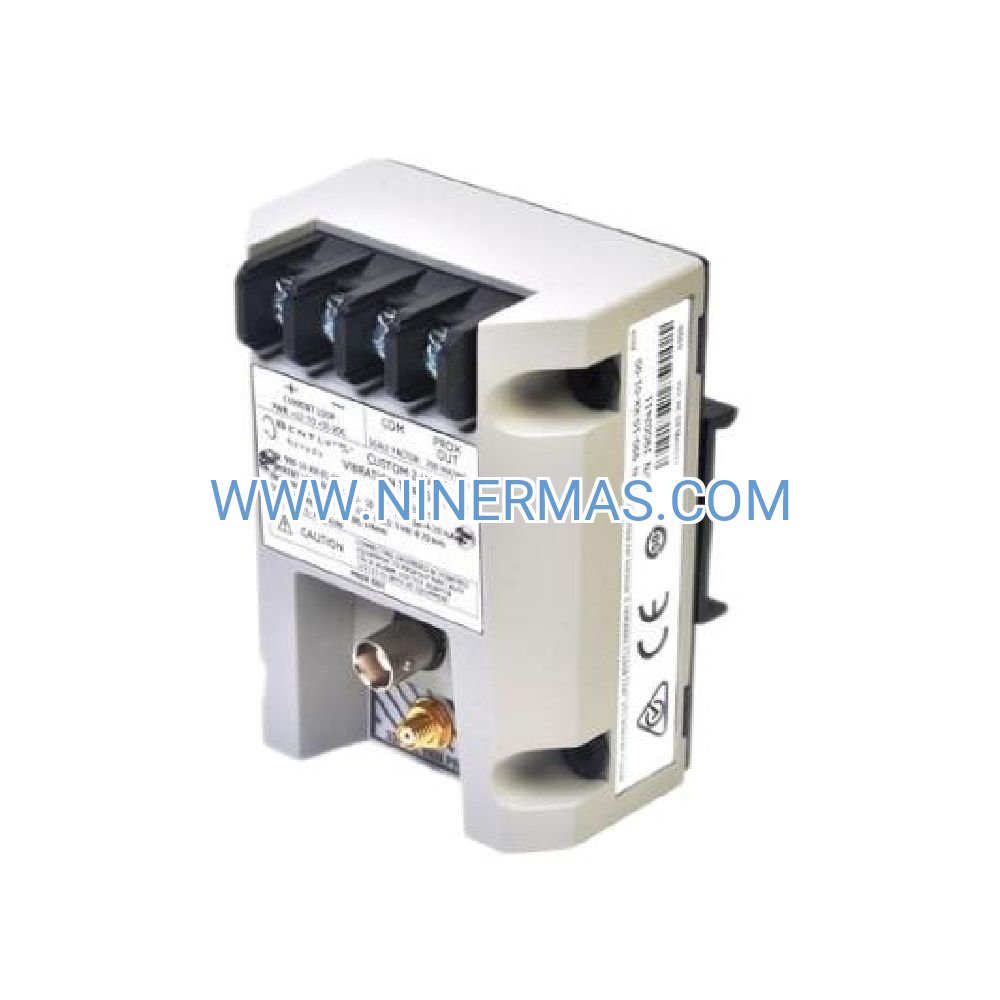
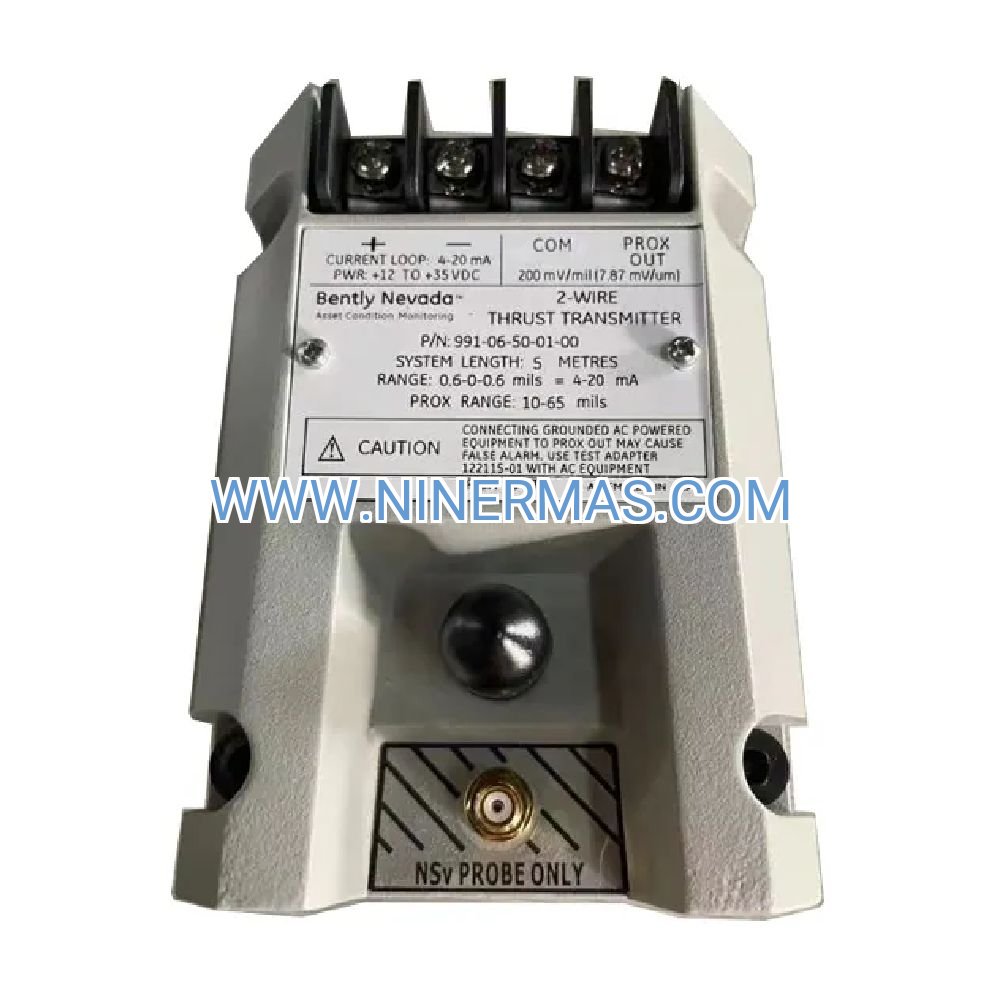
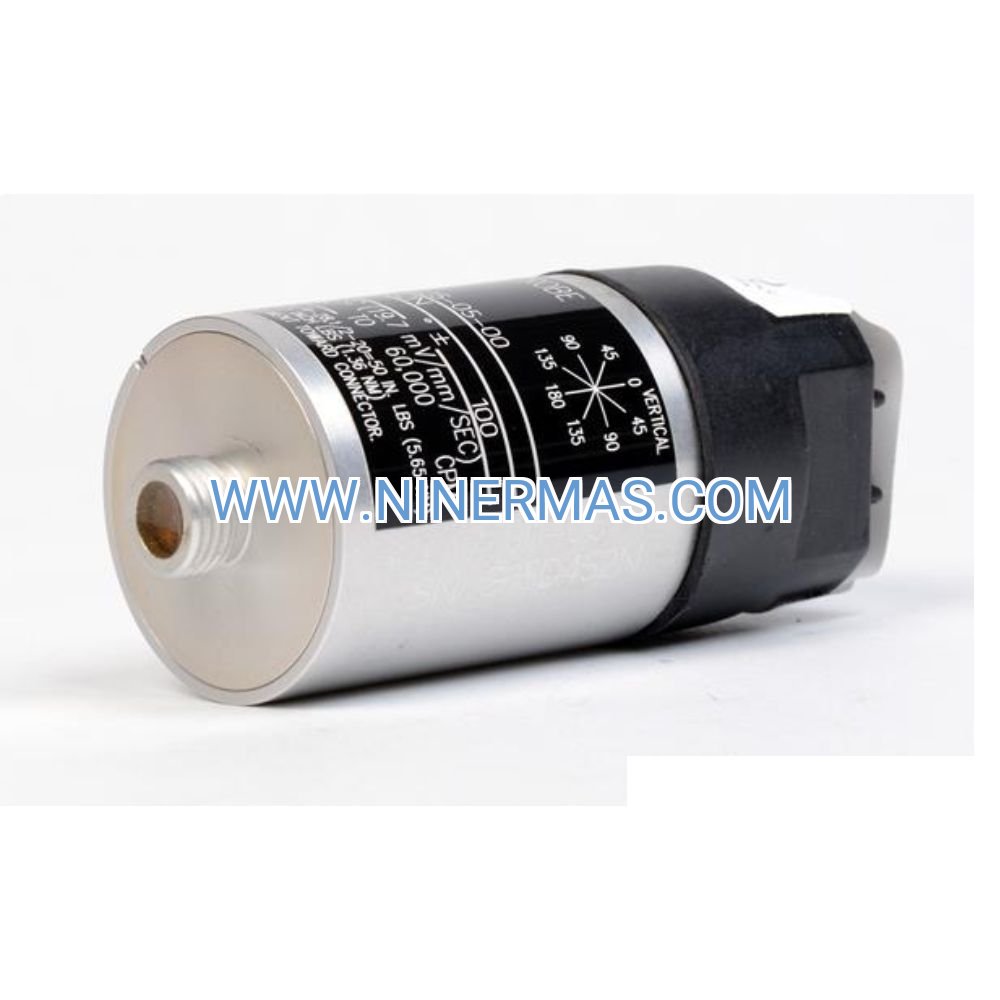
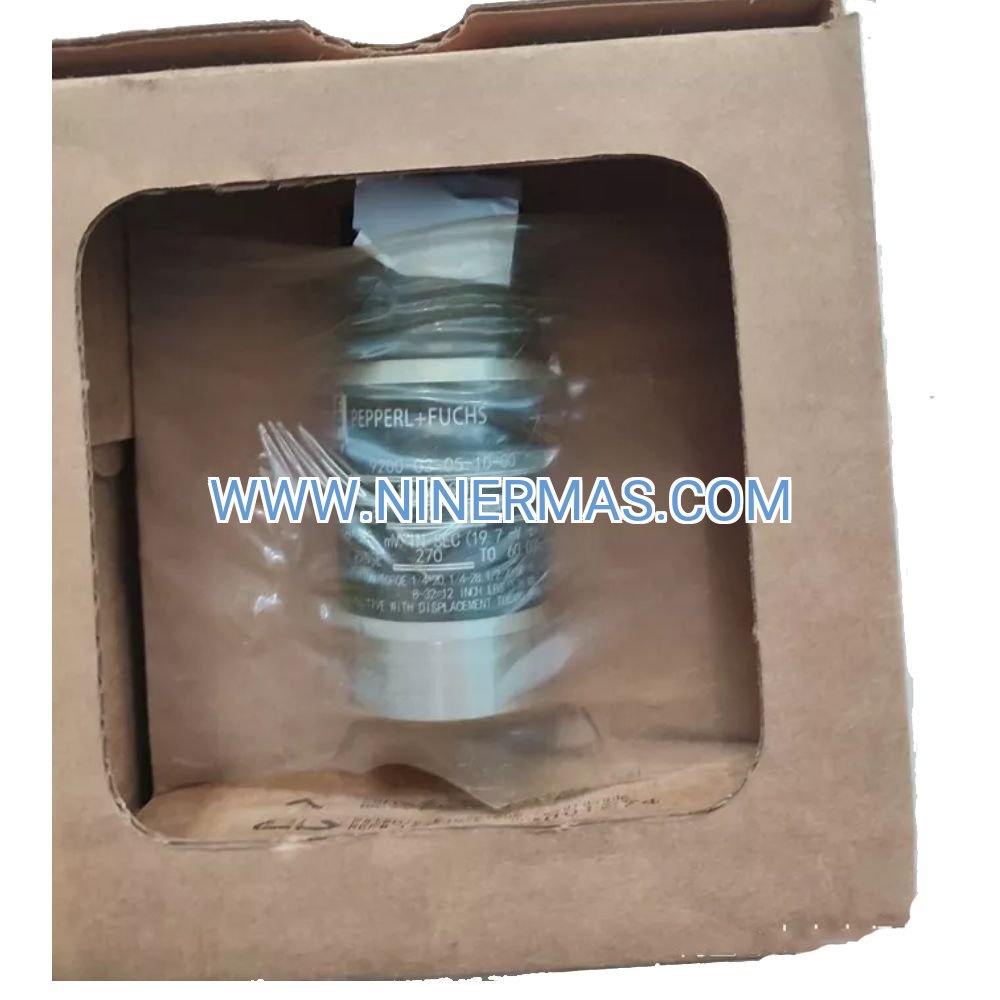
The Bently Nevada 3300/81-01 (Model 132148-01) is an industrial-grade nuclear rod drop time monitor designed for pressurized water reactor (PWR) and boiling water reactor (BWR) protection systems. Through precision timing measurement and multi-channel redundancy control, it delivers real-time monitoring of control rod insertion time, ensuring reactor scram safety and regulatory compliance.
Engineered for nuclear power plants, research reactors, and safety-critical shutdown systems, this monitor addresses challenges including rod drop timing verification, seismic event response validation, regulatory compliance testing, and aging instrumentation replacement. It provides fail-safe protection against delayed scram response, measurement drift, and environmental interference.
With standardized design and field-proven reliability, this product offers ±1 millisecond timing accuracy, IEEE 344 seismic qualification, 10 CFR 50 Appendix B quality assurance, and comprehensive self-diagnostics. Ideal for nuclear utilities, engineering firms, I&C contractors, and plant modernization projects. Contact our nuclear instrumentation engineers for application-specific configuration and compliance documentation.
Core Functions & Advantages
- Precision Timing Measurement
Utilizes high-resolution timing circuits with magnetic pickup sensors to capture rod drop events with ±1 millisecond accuracy, meeting NRC technical specification requirements for scram timing verification and surveillance testing. - Multi-Channel Redundancy
Six independent monitoring channels support simultaneous measurement of multiple control rod assemblies, enabling comprehensive core-wide scram performance analysis and reducing test duration by up to 60% compared to sequential methods. - Seismic & Environmental Qualification
IEEE 344 seismic qualification and NEMA 4X enclosure rating ensure reliable operation during design basis events, including earthquakes, temperature extremes (-20°C to +65°C), and high electromagnetic interference environments. - Regulatory Compliance Built-In
Manufactured under 10 CFR 50 Appendix B quality assurance program with full traceability, calibration certificates, and commercial-grade dedication documentation, streamlining NRC inspection preparation and reducing licensing burden. - Advanced Diagnostics & Data Logging
Continuous self-test routines monitor sensor integrity, signal quality, and power supply status. Built-in data logger captures time-stamped rod drop events with exportable reports for trend analysis and regulatory submittals. - Intuitive Operator Interface
Front-panel LCD display with menu-driven navigation provides real-time rod position indication, drop time results, alarm annunciation, and test mode selection. Supports both English and customizable language options for international installations.
Typical Application Scenarios
This nuclear rod drop time monitor is engineered for safety-critical applications requiring precise scram timing verification and continuous regulatory compliance:
- PWR & BWR Reactor Protection Systems
Monitors control rod drop time during quarterly surveillance testing and post-maintenance verification, ensuring compliance with technical specification limits (typically 1.8-2.2 seconds for full insertion) and validating scram system operability. - Nuclear Plant Modernization & I&C Upgrades
Replaces obsolete analog timing equipment in aging fleet reactors, providing digital accuracy, enhanced diagnostics, and reduced maintenance burden while maintaining existing sensor interfaces and minimizing installation downtime. - Research Reactor & Test Facility Safety Systems
Supports experimental reactor scram testing, fuel handling safety interlocks, and training simulator validation with flexible channel configuration and adjustable timing thresholds for diverse core geometries and rod designs. - Regulatory Compliance & Performance Testing
Generates audit-ready documentation for NRC inspections, INPO evaluations, and WANO peer reviews, with automated report generation, trend analysis, and historical data archiving to demonstrate long-term scram system reliability.
Technical Parameters & Selection Guide
To facilitate engineering design and procurement, we provide standardized configurations with field-proven specifications. Custom configurations available for unique plant requirements and legacy system integration.
| Parameter | Specification |
|---|---|
| Model Number | 3300/81-01 (132148-01) |
| Monitoring Channels | 6 independent channels |
| Timing Accuracy | ±1 millisecond (±0.001 sec) |
| Measurement Range | 0.1 to 9.999 seconds |
| Input Signal Type | Magnetic pickup, proximity probe, or dry contact |
| Power Supply | 120/240 VAC, 50/60 Hz or 24 VDC (specify at order) |
| Operating Temperature | -20°C to +65°C (-4°F to +149°F) |
| Seismic Qualification | IEEE 344 (5g horizontal, 3g vertical) |
| Quality Assurance | 10 CFR 50 Appendix B certified |
| Enclosure Rating | NEMA 4X / IP66 (corrosion-resistant) |
| Dimensions (H×W×D) | 19" rack-mount, 3U height (133mm × 483mm × 305mm) |
| Communication Protocols | RS-485 Modbus, Ethernet TCP/IP (optional) |
Selection Recommendations: When specifying this monitor, consider the following factors: number of control rod assemblies requiring simultaneous monitoring, existing sensor types and signal levels, available panel space and mounting configuration, plant electrical power standards (AC/DC), and required communication interfaces for integration with plant computer systems or distributed control systems (DCS). For technical assistance, provide reactor type (PWR/BWR), number of rods, sensor specifications, and any legacy equipment being replaced. Our nuclear I&C engineers will recommend optimal configuration and provide compliance documentation packages.
Extended Capabilities & Integration Options
- Plant Computer Interface: Optional Ethernet or serial communication modules enable real-time data transmission to plant process computers, safety parameter display systems (SPDS), and remote monitoring stations for centralized surveillance.
- Redundant Power Supply: Dual power input configuration with automatic failover ensures continuous operation during single power source failure, meeting IEEE 603 redundancy requirements for Class 1E applications.
- Custom Sensor Adapters: Field-configurable input conditioning supports legacy magnetic pickups, modern eddy-current probes, and optical sensors without external signal converters, simplifying retrofit installations.
- Automated Test Sequencing: Programmable test routines automate multi-rod drop sequences with adjustable delays, reducing operator workload during surveillance testing and minimizing reactor downtime.
Delivery, Service & Quality Assurance
Lead Time: Standard configurations ship within 8-12 weeks; custom-engineered solutions require 14-18 weeks depending on qualification testing requirements and documentation scope.
Warranty & Support: 24-month manufacturer warranty covering materials and workmanship; extended service agreements available. Lifetime technical support includes remote diagnostics, firmware updates, and calibration guidance.
Installation & Commissioning: Factory-certified field service engineers available for on-site installation supervision, sensor calibration, functional testing, and operator training (quoted separately based on location and scope).
Documentation Package: Each unit ships with complete electrical schematics, wiring diagrams, calibration certificates, 10 CFR 50 Appendix B quality documentation, commercial-grade dedication reports (if applicable), operation and maintenance manuals, and spare parts recommendations. Digital documentation available in PDF format for plant document control systems.
Frequently Asked Questions (FAQ)
Q: How does the Bently Nevada 3300/81-01 rod drop monitor integrate with existing reactor protection systems?
A: The monitor accepts standard magnetic pickup or proximity probe signals from existing rod position indication systems. Input signal conditioning is field-adjustable for voltage levels from 50mV to 10V peak-to-peak. For plants with legacy analog systems, we provide interface modules that convert modern digital outputs to 4-20mA or contact closure formats compatible with original control room instrumentation.
Q: What is the maximum number of control rods that can be monitored with one unit?
A: Each 3300/81-01 unit provides six independent monitoring channels. For plants requiring monitoring of more than six rods, multiple units can be rack-mounted and synchronized via master-slave communication protocol. Typical PWR installations use 2-3 units to cover representative rod groups; BWR installations may require 4-6 units depending on core design.
Q: What level of energy savings or efficiency improvement can be expected?
A: While this is a safety monitoring instrument rather than an energy-saving device, it reduces surveillance test duration by 50-60% through simultaneous multi-channel measurement, decreasing reactor power reduction time and improving plant capacity factor. Automated data logging eliminates manual transcription errors, reducing test invalidation and repeat testing by approximately 30%.
Q: What are the environmental and installation requirements for this equipment?
A: The unit is rated for -20°C to +65°C ambient temperature with NEMA 4X/IP66 protection, suitable for harsh control room or auxiliary building environments. Standard 19-inch rack mounting (3U height) requires 305mm depth clearance. Seismic qualification per IEEE 344 allows installation in seismic Category I structures without additional bracing for most plant locations. Verify local seismic response spectra against qualification report.
Q: Does the system support remote monitoring and data acquisition protocols?
A: Yes, optional communication modules support Modbus RTU (RS-485), Modbus TCP/IP (Ethernet), and OPC UA protocols for integration with plant distributed control systems (DCS), safety parameter display systems (SPDS), and remote monitoring stations. Data output includes real-time rod drop times, alarm status, diagnostic flags, and historical trend data with configurable sampling rates from 1 second to 1 hour.
Q: Is this equipment qualified for safety-related (Class 1E) nuclear applications?
A: The 3300/81-01 is manufactured under 10 CFR 50 Appendix B quality assurance program and is seismically qualified per IEEE 344. For safety-related applications requiring IEEE 603 and IEEE 7-4.3.2 compliance, a dedicated Class 1E version (Model 3300/81-01-1E) is available with additional environmental qualification testing per IEEE 323 and full safety-grade documentation. Consult our nuclear sales engineers to determine the appropriate model for your plant's licensing basis.
Request Technical Support & Custom Solutions
To receive detailed application engineering support, pricing quotations, or compliance documentation packages, please provide the following information: plant name and unit number, reactor type (PWR/BWR) and vendor (Westinghouse/CE/B&W/GE), number of control rods requiring monitoring, existing sensor types and signal specifications, available panel space and mounting location, electrical power standards (120VAC/240VAC/24VDC), required communication protocols, and any specific regulatory or licensing requirements. Our nuclear instrumentation engineers will provide customized recommendations, compliance documentation roadmaps, and project-specific technical support within 48 hours.
© 2026 NINERMAS COMPANY LIMITED. All rights reserved.
Original Source: https://ninermas.com
Contact: sale@ninermas.com | +0086 187 5021 5667

Contact Info
-
Address:22 / F, South Wo Hang building, 148 Wing Lok Street, Sheung Wan, Western District, Hong Kong
-
Phone:+8618750215667
-
Email: