Bently Nevada 3300/55-04 Dual Velocity Monitor | API 670 Seismic Sensor | Machinery Protection
Description
Bently Nevada 3300/55-04 Dual Velocity Monitor (Industrial-Grade Machinery Protection System)
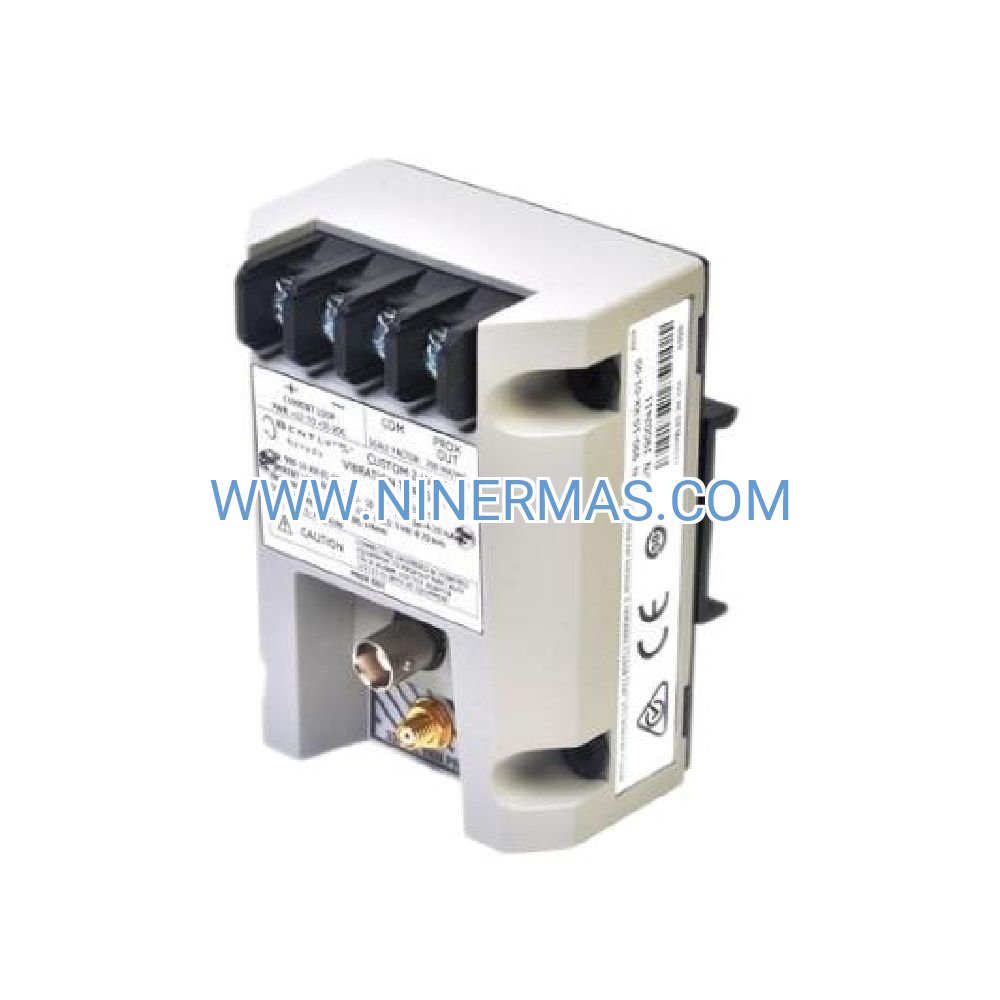
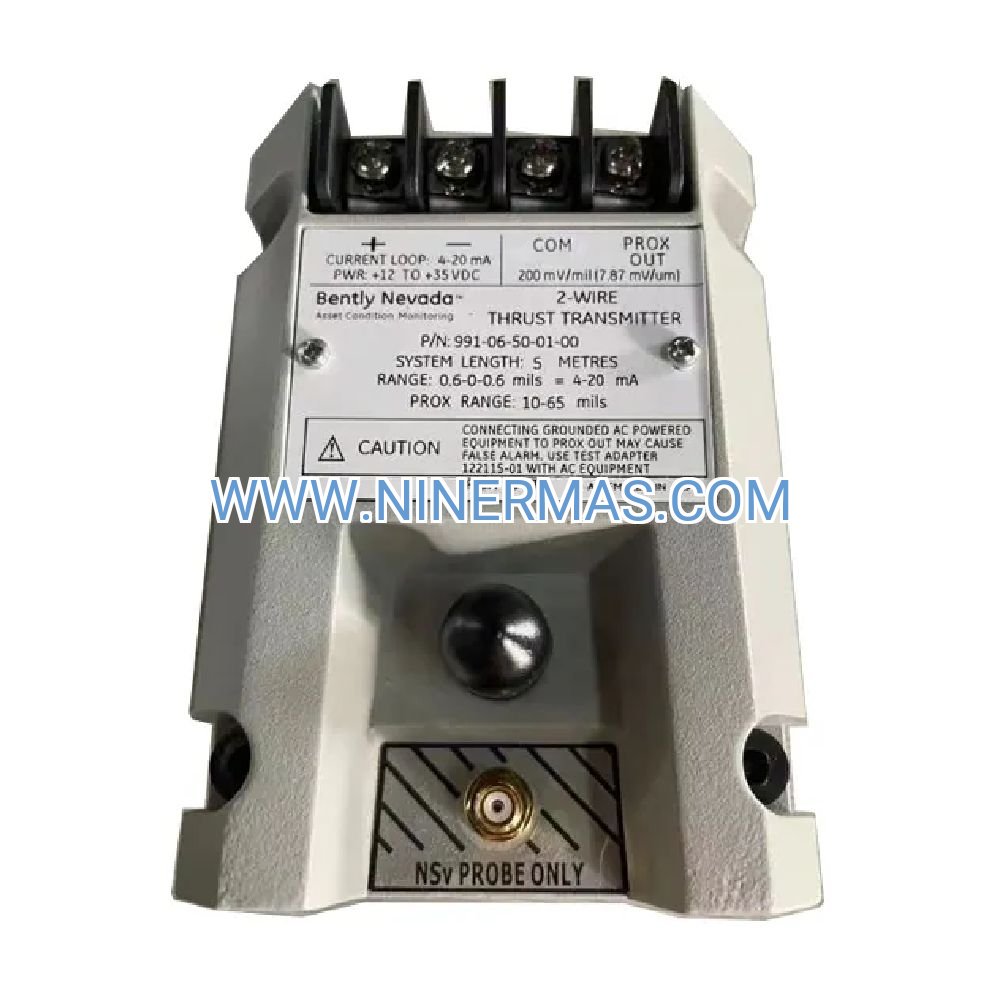
The Bently Nevada 3300/55-04 Dual Velocity Monitor is a precision industrial monitoring instrument designed for rotating machinery protection and condition monitoring. Through advanced seismic velocity sensing technology and API 670 compliant signal processing, it delivers real-time vibration analysis across a 10Hz to 1kHz frequency spectrum, enabling early detection of bearing defects, unbalance, misalignment, and mechanical looseness in critical rotating assets.
Engineered for turbomachinery, compressors, pumps, motors, and gearbox applications across power generation, oil & gas, petrochemical, and heavy manufacturing sectors, this dual-channel monitor addresses critical challenges including unexpected equipment failures, costly unplanned downtime, inadequate bearing condition visibility, and delayed fault detection. Its robust design ensures continuous operation in harsh industrial environments with temperatures ranging from -30°C to +65°C.
Featuring independent dual-channel architecture, 4-20mA buffered outputs, configurable alarm setpoints, and seamless integration with DCS/PLC systems, the 3300/55-04 provides comprehensive machinery health insights. Ideal for design engineers, maintenance teams, reliability engineers, and system integrators seeking proven Bently Nevada quality. Contact our application engineers for customized configuration guidance, technical datasheets, and project-specific recommendations.
Core Features & Technical Advantages
API 670 Compliant Dual-Channel Architecture
Two independent velocity monitoring channels with isolated signal paths ensure redundant protection and eliminate single-point failure risks. Each channel processes seismic sensor inputs independently, meeting stringent API 670 machinery protection standards for critical rotating equipment in hazardous industries.
Wide Frequency Response (10Hz - 1kHz)
Optimized frequency bandwidth captures low-speed bearing defects (10-60Hz), gear mesh frequencies (100-500Hz), and high-frequency bearing tones (500Hz-1kHz), providing comprehensive diagnostic coverage across the entire machinery fault spectrum with ±5% measurement accuracy.
Universal Seismic Sensor Compatibility
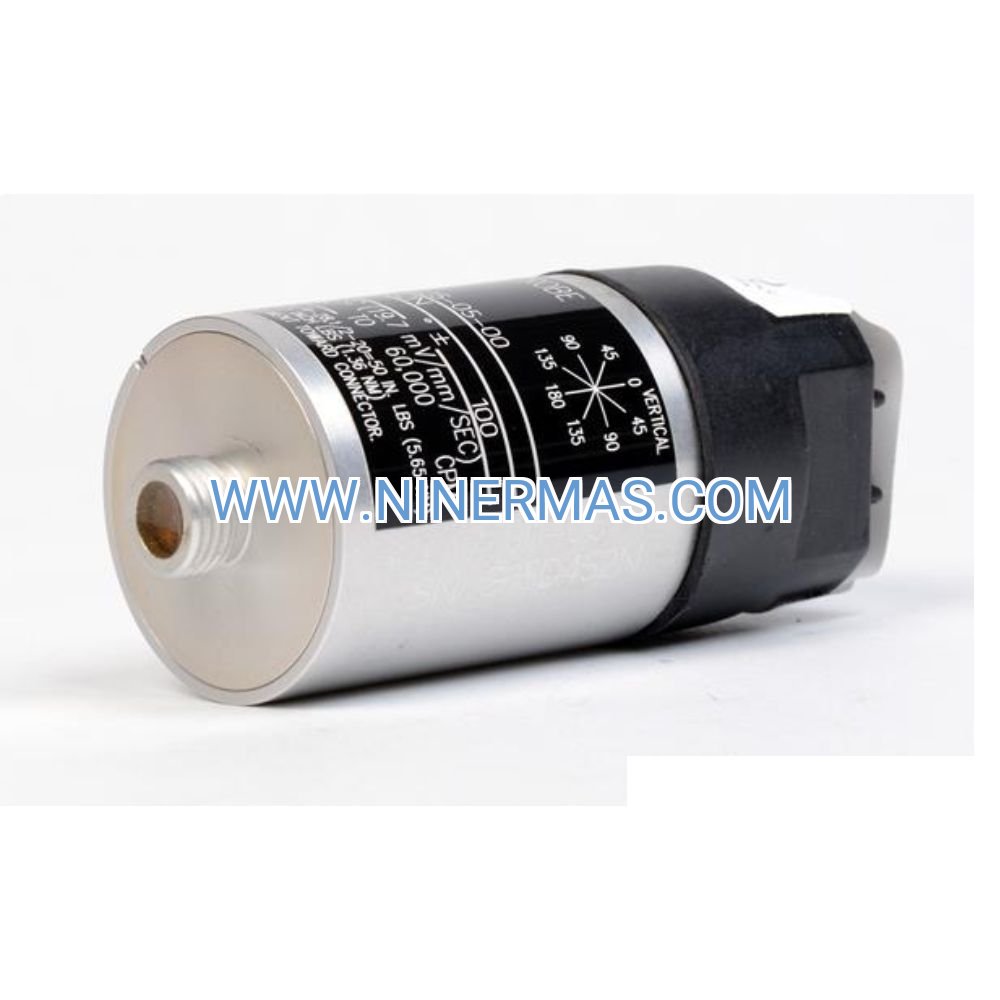
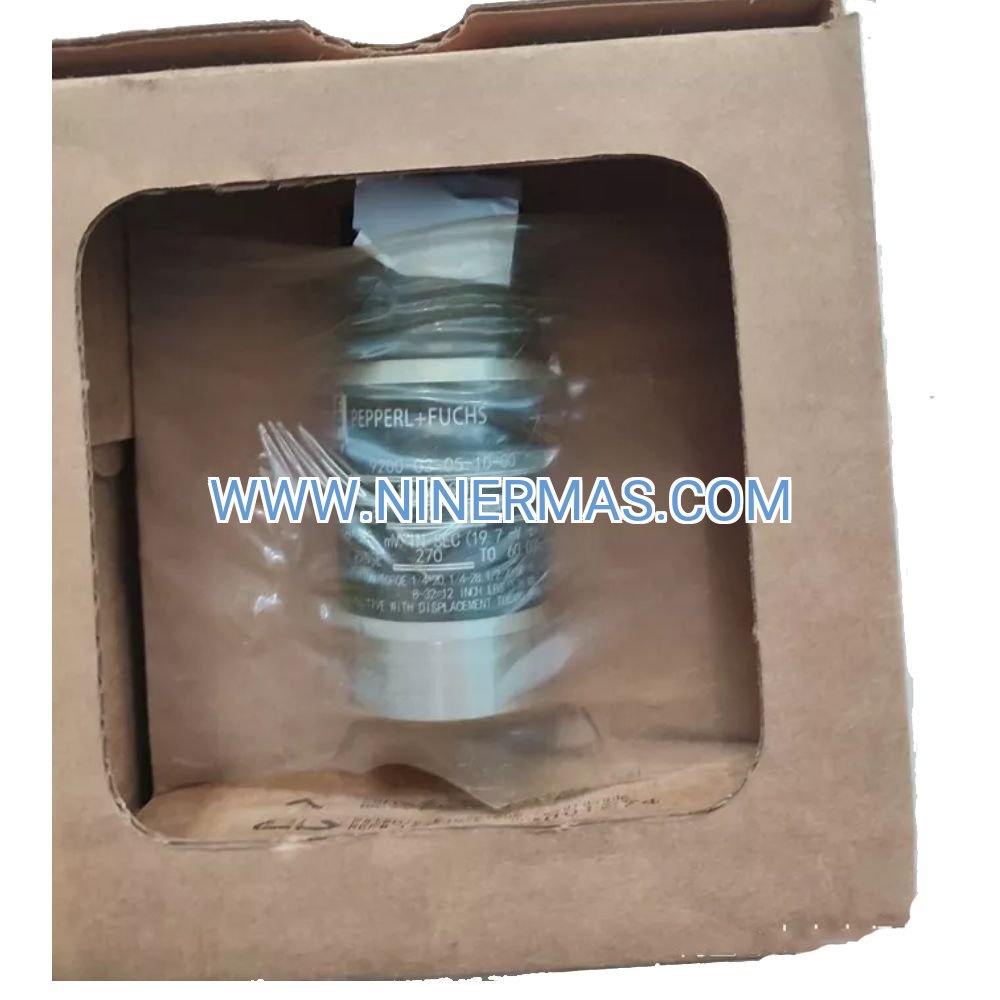
Direct interface with industry-standard velocity transducers (100mV/mm/s or 100mV/in/s sensitivity) including Bently Nevada 330500 series, Metrix ST series, and equivalent seismic pickups. Supports both metric and imperial sensor calibrations without external signal conditioning.
Configurable Alarm & Shutdown Logic
Programmable Alert and Danger setpoints with adjustable time delays (0.1-60 seconds) prevent nuisance trips while ensuring rapid response to genuine fault conditions. Relay outputs (Form C, 5A @ 250VAC) enable direct integration with plant safety systems and emergency shutdown sequences.
Buffered 4-20mA Analog Outputs
Isolated current loop outputs (one per channel) transmit real-time velocity RMS values to distributed control systems, SCADA platforms, or data historians. Loop-powered design simplifies wiring and eliminates ground loop interference in electrically noisy industrial environments.
Rugged Industrial Construction
DIN-rail mountable housing with IP20 front panel protection and conformal-coated PCBs withstands vibration (5g), humidity (95% RH non-condensing), and temperature extremes (-30°C to +65°C). EMC tested to EN 61326 standards for immunity against industrial electromagnetic interference.
Typical Application Scenarios
The 3300/55-04 velocity monitor excels in applications demanding continuous machinery health surveillance, particularly where bearing condition and low-frequency vibration trends are critical indicators:
Steam & Gas Turbine Generator Sets
Monitors journal bearing housings on turbine pedestals and generator drive ends, detecting oil whirl, bearing wear, and rotor unbalance before catastrophic failure. Commonly deployed in power plants (50-500MW units) where unplanned outages cost $500K-$2M per day.
Centrifugal & Reciprocating Compressors
Tracks bearing cap vibration on API 617/618 compressors in natural gas processing, refinery hydrogen service, and air separation plants. Early detection of valve failures, piston slap, and crosshead wear prevents secondary damage to crankshafts and connecting rods.
Large Industrial Pumps & Motors
Protects boiler feed pumps, cooling water pumps, and induction motors (>200HP) in chemical processing, pulp & paper, and mining operations. Identifies cavitation, impeller imbalance, and motor soft-foot conditions that accelerate bearing fatigue and seal leakage.
Gearbox & Speed Reducer Monitoring
Captures gear mesh frequencies and bearing defect signatures in parallel-shaft, planetary, and worm gearboxes used in conveyors, mills, and extruders. Frequency analysis reveals tooth wear, lubrication breakdown, and shaft misalignment trends months before audible noise develops.
Critical Auxiliary Equipment
Safeguards induced draft fans, forced draft fans, pulverizers, and crushers where bearing failures trigger plant-wide production losses. Integrates with existing 3300 XL proximity probe systems to provide complementary high-frequency vibration data.
Technical Specifications & Selection Guide
To facilitate engineering design and procurement, we provide standardized configurations with flexibility for project-specific customization:
Key Technical Parameters:
- Input Channels: 2 independent velocity inputs
- Sensor Compatibility: Seismic velocity transducers, 100mV/mm/s or 100mV/in/s
- Frequency Range: 10Hz to 1kHz (-3dB points)
- Measurement Range: 0-25mm/s RMS (0-1.0 in/s RMS) typical
- Accuracy: ±5% of reading ±1% of full scale
- Alarm Outputs: 4 relay contacts (2 per channel: Alert + Danger)
- Analog Outputs: 2x 4-20mA isolated (500Ω max load)
- Power Supply: 18-30VDC, 8W typical / 12W max
- Operating Temperature: -30°C to +65°C (-22°F to +149°F)
- Mounting: 35mm DIN rail (EN 50022)
- Dimensions: 119mm (H) x 99mm (W) x 117mm (D)
- Compliance: API 670, CE, UL/cUL, ATEX/IECEx (optional)
Selection Considerations:
When specifying the 3300/55-04 monitor, engineering teams should evaluate: (1) Maximum expected vibration levels to ensure measurement range adequacy; (2) Sensor sensitivity and cable length (recommend <100m to minimize signal attenuation); (3) Alarm setpoint philosophy (ISO 10816 severity zones vs. baseline trending); (4) Integration requirements with existing Bently Nevada 3300 racks or standalone DIN-rail installation; (5) Hazardous area classification if ATEX/IECEx certification is required.
For application-specific guidance, provide our engineering team with: machinery type, operating speed range, bearing type, installation location (bearing housing/pedestal), ambient conditions, and control system interface requirements. We will recommend optimal sensor pairing, cable specifications, and mounting accessories.
Advanced Configuration Options
Sensor Pairing Recommendations:
- Bently Nevada 330500 Velomitor: Piezoelectric velocity sensor, 100mV/in/s, 10-1000Hz, -51°C to +121°C, ideal for high-temperature turbine applications
- Metrix ST6573 Seismic Transducer: Moving-coil design, 100mV/mm/s, 10-1500Hz, cost-effective for general industrial pumps and motors
- PCB 357B21 Velocity Sensor: IEPE accelerometer with built-in integrator, 100mV/in/s, suitable for retrofit installations with existing accelerometer infrastructure
System Integration Capabilities:
- 3300 XL Rack Mounting: Installs in standard Bently Nevada 3300 XL 8-slot or 16-slot racks alongside proximity probes, accelerometers, and keyphasor modules for unified machinery protection
- Standalone DIN-Rail Deployment: Independent operation with local alarm indication and 4-20mA outputs to PLC analog input cards (Allen-Bradley 1756-IF8, Siemens SM 331, etc.)
- Modbus RTU/TCP Option: Digital communication interface (field-installable kit) enables remote setpoint adjustment, diagnostic data retrieval, and SCADA integration without analog wiring
Delivery, Service & Quality Assurance
Lead Time: Standard 3300/55-04 units ship within 3-5 business days from regional distribution centers (Americas, EMEA, APAC). Custom configurations with ATEX certification or extended temperature ratings require 4-6 weeks factory lead time.
Warranty & Support: All monitors include a 24-month manufacturer warranty covering defects in materials and workmanship. Technical support includes pre-sales application engineering, post-installation commissioning assistance (remote or on-site, region-dependent), and lifetime access to firmware updates and calibration certificates.
Documentation Package: Each unit ships with comprehensive technical documentation including electrical schematic diagrams, terminal wiring drawings, DIN-rail mounting instructions, sensor connection guidelines, alarm setpoint configuration procedures, and troubleshooting flowcharts. CAD drawings (DWG/PDF) and 3D STEP models available upon request for panel design integration.
Calibration & Traceability: Factory calibration performed per ISO/IEC 17025 standards with NIST-traceable reference standards. Calibration certificates document channel gain accuracy, frequency response linearity, and alarm setpoint repeatability. Field recalibration services available through authorized service centers with 5-7 day turnaround.
Frequently Asked Questions (FAQ)
Q: How does the Bently Nevada 3300/55-04 velocity monitor interface with existing machinery protection systems?
A: The monitor provides three integration pathways: (1) Relay contacts wire directly to PLC digital inputs or safety PLCs for alarm/trip logic; (2) 4-20mA outputs connect to DCS analog input cards for continuous trending and historian logging; (3) Optional Modbus interface enables digital communication with SCADA systems for remote diagnostics. Confirm your control system's input specifications (voltage/current, isolation requirements) and we'll provide detailed wiring schematics.
Q: What is the maximum number of velocity sensors one 3300/55-04 unit can monitor?
A: Each monitor handles two independent velocity sensors (dual-channel architecture). For machines requiring more than two measurement points—such as multi-bearing turbines or motor-driven compressor trains—deploy multiple 3300/55-04 units or integrate with Bently Nevada 3500 rack systems that support 8-16 channels per chassis.
Q: What vibration reduction or energy savings can be expected from implementing velocity monitoring?
A: While the monitor itself doesn't reduce vibration, it enables predictive maintenance strategies that prevent 60-80% of unplanned failures. Early bearing replacement (triggered by velocity trend analysis) avoids secondary damage to shafts, seals, and couplings—reducing repair costs by 40-70%. In continuous process industries, avoiding a single 24-hour unplanned outage typically justifies the monitoring system investment.
Q: What are the environmental and installation requirements for the 3300/55-04 monitor?
A: The unit operates reliably in -30°C to +65°C ambient temperatures with up to 95% relative humidity (non-condensing). IP20 front panel protection is suitable for enclosed control panels or machinery junction boxes; for outdoor or washdown environments, install in NEMA 4X/IP65 enclosures. Mounting requires standard 35mm DIN rail with 120mm vertical clearance for cable access.
Q: Can the 3300/55-04 support remote monitoring and data acquisition for Industry 4.0 applications?
A: Yes, via two methods: (1) 4-20mA outputs connect to IoT gateways or edge computers with analog input modules for cloud-based condition monitoring platforms; (2) Optional Modbus RTU/TCP interface (field-installable kit) provides direct digital access to velocity RMS values, peak readings, alarm status, and diagnostic flags—compatible with OPC-UA servers, MQTT brokers, and industrial IoT protocols.
Q: How do I determine the correct alarm setpoints for my specific machinery application?
A: Setpoint selection depends on machinery type, operating speed, and criticality. ISO 10816 standards provide baseline severity zones (Zone A/B/C/D) for different machine classes. For critical equipment, establish baseline vibration signatures during commissioning, then set Alert at 1.5-2x baseline and Danger at 2.5-3x baseline. Our application engineers can perform vibration surveys and recommend site-specific setpoints based on your machinery portfolio and maintenance philosophy.
Request Technical Support & Custom Configuration
To receive detailed selection assistance, project-specific pricing, or engineering support, please provide the following information to our technical team:
- Project Name & Application: (e.g., "Refinery Compressor Train Upgrade")
- Machinery Type: (turbine, compressor, pump, motor, gearbox)
- Operating Speed Range: (RPM min/max)
- Number of Monitoring Points: (bearing locations requiring velocity sensors)
- Existing Sensor Type: (if retrofit) or sensor preference (if new installation)
- Control System Interface: (relay contacts, 4-20mA, Modbus, or other)
- Environmental Conditions: (temperature range, hazardous area classification if applicable)
- Delivery Timeline: (standard stock or project milestone date)
Our machinery protection specialists will respond within 24 hours with tailored recommendations, system architecture drawings, and budget pricing. For urgent inquiries, contact our technical hotline for same-day application engineering support.
© 2026 NINERMAS COMPANY LIMITED. All rights reserved. Original Source: https://ninermas.com Contact: sale@ninermas.com | +0086 187 5021 5667

Contact Info
-
Address:22 / F, South Wo Hang building, 148 Wing Lok Street, Sheung Wan, Western District, Hong Kong
-
Phone:+8618750215667
-
Email: