Bently Nevada 3300/50 XL Proximity System | Extended Range 100-mil | API 670 Certified
Description
Bently Nevada 3300/50 XL Proximity System – Industrial-Grade Extended Range Monitoring Solution
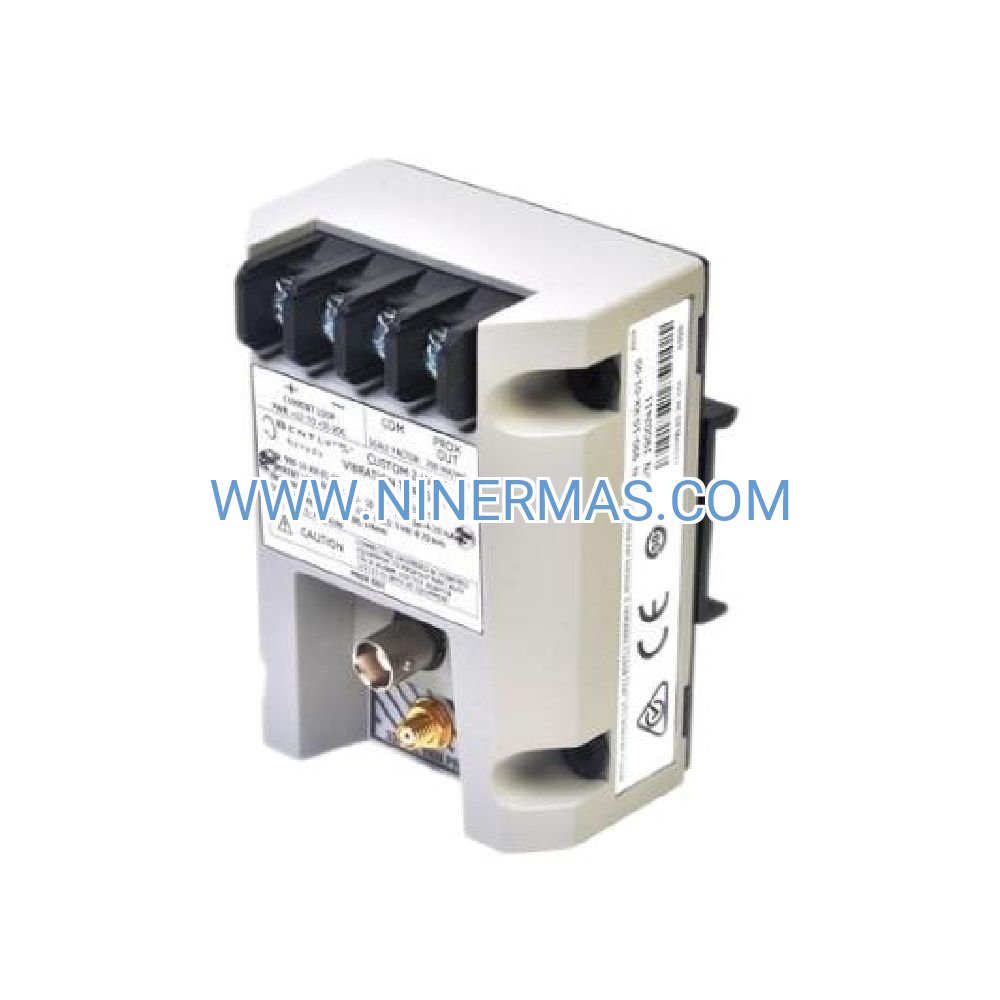
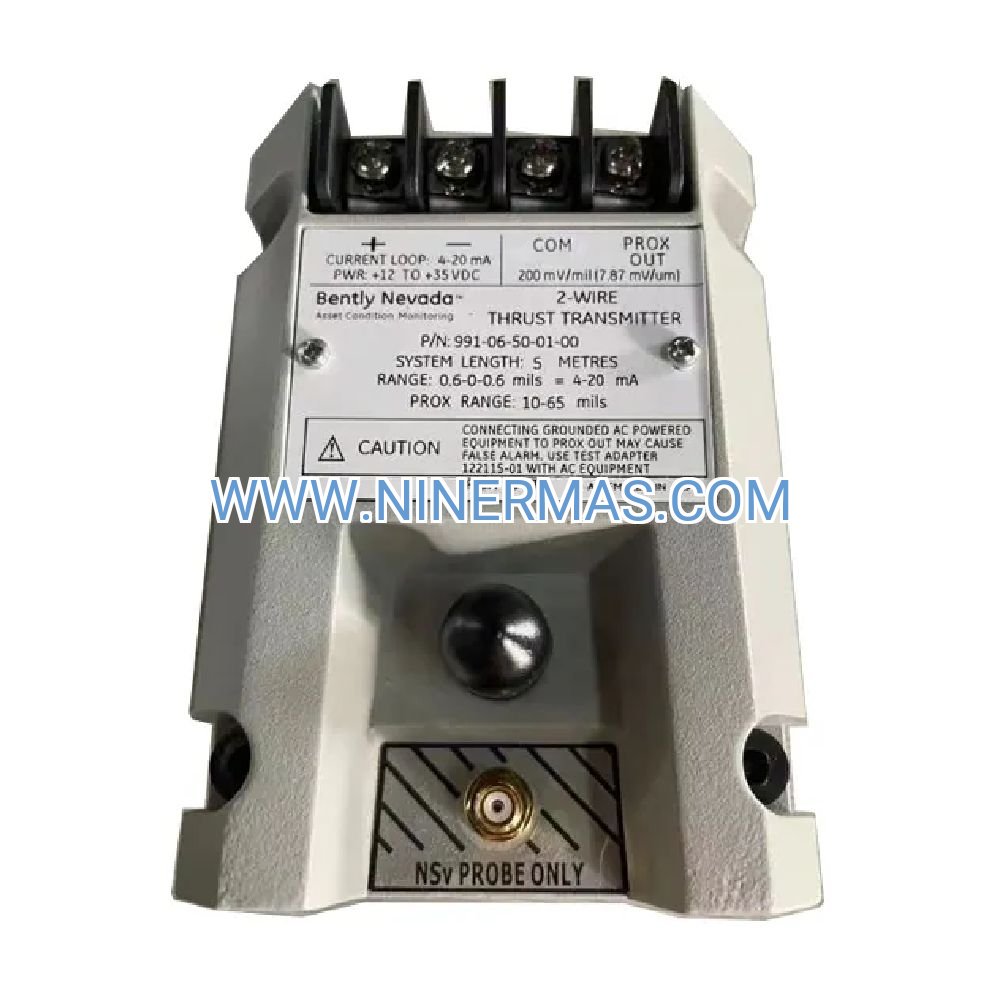
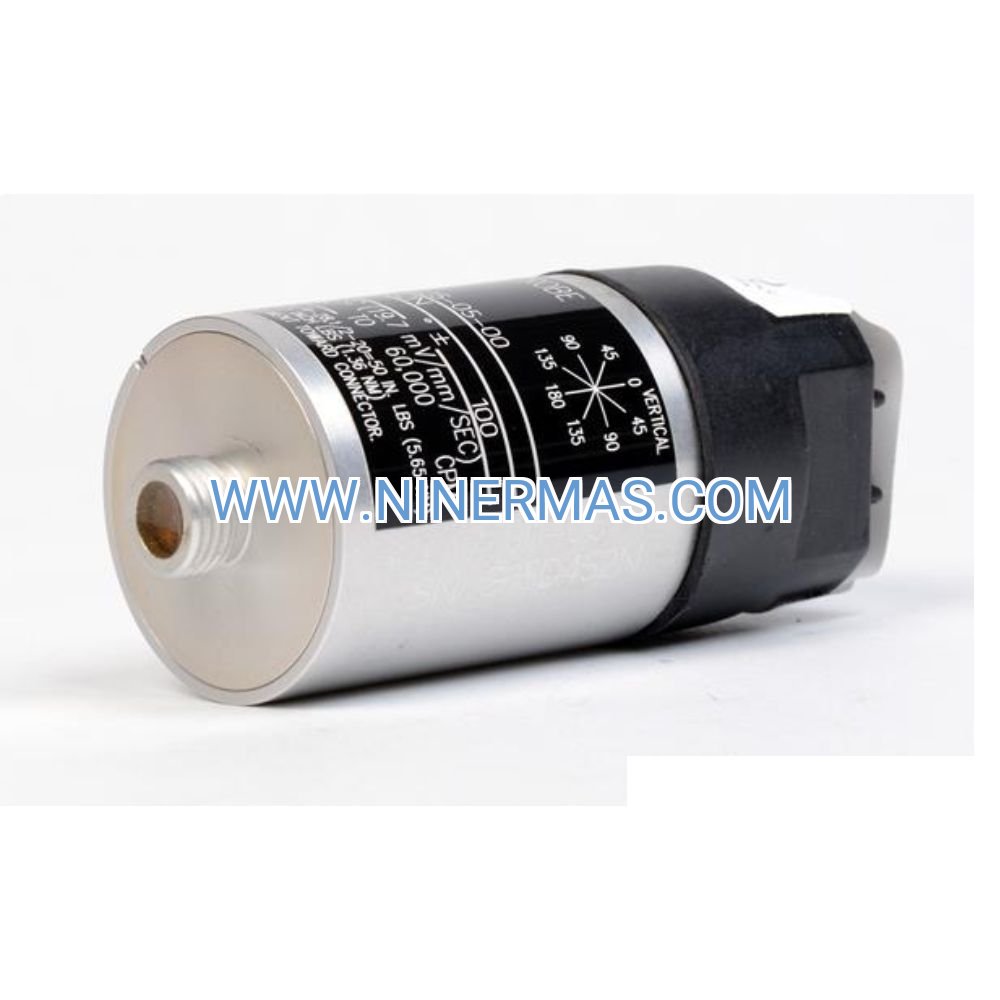
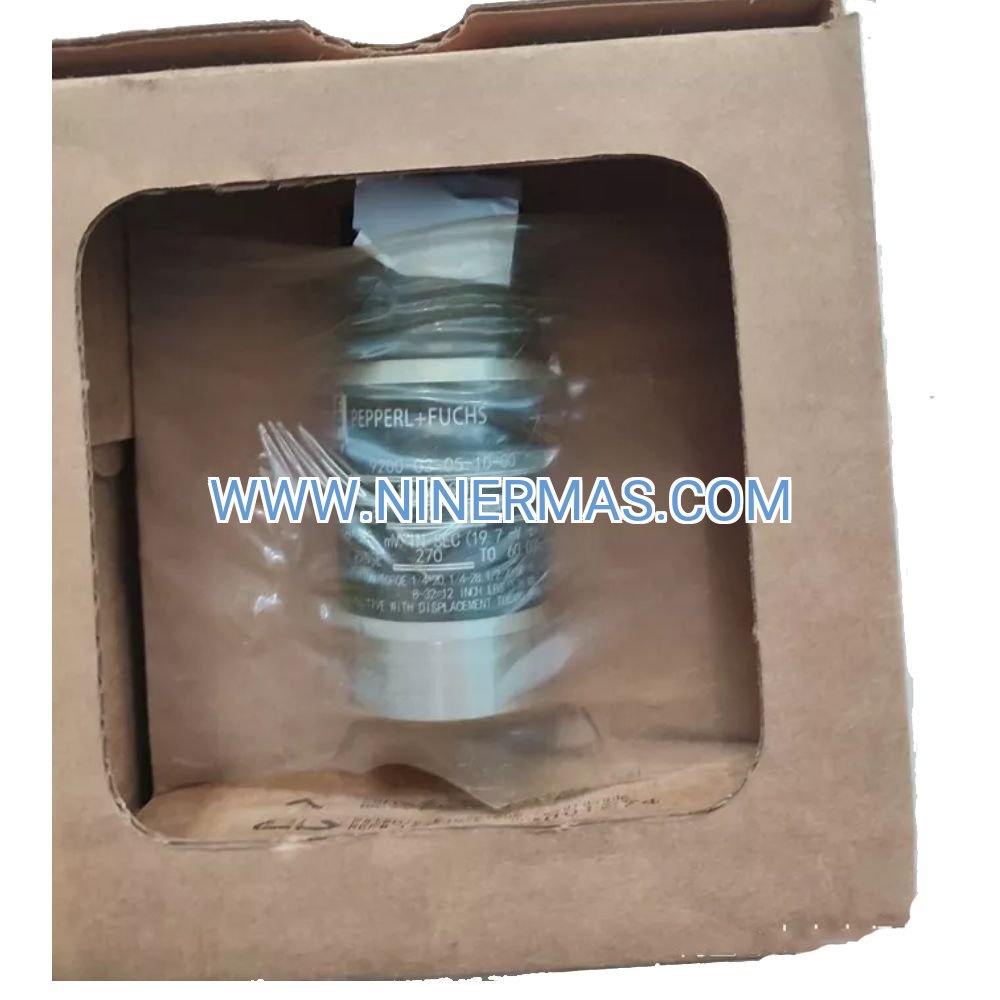
The Bently Nevada 3300/50-01-01-01-02 XL Proximity System is a high-performance vibration and position monitoring solution designed for critical rotating machinery applications. Utilizing advanced eddy current sensing technology with a 100-mil (2.54mm) extended measurement range, this system delivers precise shaft displacement and vibration data for turbines, compressors, pumps, and other high-value rotating equipment.
Engineered for demanding industrial environments including power generation, oil & gas, petrochemical, and heavy manufacturing sectors, this proximity system addresses critical challenges such as excessive shaft runout, thermal expansion monitoring, and early fault detection. It helps prevent catastrophic failures, reduces unplanned downtime, and optimizes maintenance scheduling through continuous condition monitoring.
With API 670 certification, standardized design, and field-proven reliability, the 3300/50 XL system is trusted by plant engineers, maintenance teams, instrumentation specialists, and OEM integrators worldwide. Our technical support team provides comprehensive selection guidance, installation assistance, and application engineering to ensure optimal system performance. Contact us for customized monitoring solutions and technical consultation.
Core Features & Technical Advantages
- Extended Measurement Range
100-mil (2.54mm) linear range accommodates larger shaft movements and thermal growth in heavy-duty turbomachinery, reducing false alarms and improving measurement accuracy during transient conditions. - API 670 Compliance & Industry Standards
Fully compliant with API 670 machinery protection system standards, ensuring reliability and acceptance in critical applications across oil & gas, power generation, and process industries. - High-Temperature 8mm Proximity Probe
Rugged 8mm diameter probe withstands harsh operating environments up to 177°C (350°F), suitable for steam turbines, gas turbines, and high-temperature compressor applications. - Superior Signal Quality & Noise Immunity
Advanced signal conditioning circuitry delivers clean, stable output with excellent common-mode rejection, minimizing electromagnetic interference in electrically noisy industrial environments. - Flexible System Integration
Compatible with Bently Nevada 3300 series monitors, DCS systems, and third-party data acquisition platforms via industry-standard -24 VDC output signals for seamless integration into existing monitoring infrastructure. - Comprehensive Protection Functions
Built-in diagnostics detect cable faults, probe damage, and out-of-range conditions, with alarm outputs enabling rapid fault identification and reducing troubleshooting time during commissioning and operation. - Proven Reliability & Long Service Life
Solid-state electronics with no moving parts, hermetically sealed components, and industrial-grade construction ensure years of maintenance-free operation in continuous-duty applications.
Typical Application Scenarios
The Bently Nevada 3300/50 XL Proximity System is specifically engineered for applications requiring extended measurement range and high reliability:
- Steam & Gas Turbine Monitoring
Measures shaft axial position, radial vibration, and differential expansion in large power generation turbines where thermal growth exceeds standard proximity sensor ranges, ensuring safe startup and shutdown sequences. - Centrifugal Compressor Protection
Monitors thrust position and radial vibration in multi-stage compressors used in natural gas processing, air separation, and petrochemical plants, preventing bearing failures and rotor-to-stator contact. - Large Industrial Pumps & Motors
Tracks shaft position and vibration in boiler feed pumps, cooling water pumps, and high-horsepower motors, enabling predictive maintenance and reducing catastrophic failure risks in critical utility systems. - Rotating Equipment in Harsh Environments
Provides reliable monitoring in high-temperature, high-vibration, and electrically noisy environments such as steel mills, cement plants, and mining operations where standard sensors fail prematurely. - OEM Machinery Integration
Specified by turbomachinery manufacturers for factory-installed monitoring systems on new equipment, ensuring compliance with end-user specifications and industry standards from initial commissioning.
Technical Specifications & Selection Guide
To ensure optimal system performance, the following technical parameters are provided for engineering reference and procurement specification:
| Parameter | Specification |
|---|---|
| Model Number | 3300/50-01-01-01-02 |
| Measurement Range | 100 mil (2.54 mm) linear range |
| Probe Diameter | 8 mm (5/16 inch) |
| Operating Temperature | -40°C to +177°C (-40°F to +350°F) |
| Output Signal | -24 VDC proportional (200 mV/mil typical) |
| Frequency Response | 0 to 10 kHz (-3dB) |
| Power Supply | -24 VDC ±10% (provided by monitor) |
| Cable Length | Standard 5m or 9m extension cables available |
| Target Material | Ferrous metals (4140 steel reference) |
| Certification | API 670, CSA, CE compliant |
| Housing Material | Stainless steel (probe), epoxy-sealed electronics |
| Mounting Thread | 5/8-18 UNF-2A standard |
Selection Considerations: When specifying proximity systems, consider maximum shaft runout, thermal expansion range, operating temperature, target material conductivity, available mounting space, and required cable length. For non-standard applications including aluminum or titanium shafts, high-speed machinery above 10,000 RPM, or extreme temperature environments, consult our application engineers for customized solutions and calibration data.
System Integration & Compatibility
The 3300/50 XL proximity system integrates seamlessly with:
- Bently Nevada 3300 Series Monitors: Direct compatibility with 3300 XL 8mm, 3300 XL NSv, and legacy 3300 monitors for turnkey installation
- Distributed Control Systems (DCS): Standard voltage output interfaces with Honeywell, Emerson DeltaV, Yokogawa, and ABB control platforms
- Machinery Protection Systems: Integrates with Bently Nevada ADAPT, System 1, and third-party vibration monitoring systems via analog or digital protocols
- SCADA & Data Historians: Provides continuous data streams for trending, analysis, and predictive maintenance programs using OSIsoft PI, GE Proficy, or similar platforms
Delivery, Service & Technical Support
Lead Time: Standard configurations ship from stock within 3-5 business days; custom cable lengths or special certifications require 2-3 weeks for factory configuration.
Warranty & Support: All proximity systems include a comprehensive 24-month manufacturer warranty covering defects in materials and workmanship. Extended warranty programs and calibration services are available upon request.
Technical Documentation: Each system ships with complete installation manual, wiring diagrams, calibration certificates, dimensional drawings, and material certifications for quality assurance and regulatory compliance.
Installation & Commissioning: Remote technical support is provided at no charge; on-site installation assistance, system commissioning, and operator training services are available for major projects (subject to location and scope).
Compliance & Certifications: API 670 certified, CSA approved for hazardous locations (Class I, Div 2), CE marked for European markets, and manufactured under ISO 9001 quality management systems.
Frequently Asked Questions (FAQ)
Q: How does the Bently Nevada 3300/50 XL proximity system integrate with existing turbomachinery monitoring infrastructure?
A: The system uses industry-standard -24 VDC output signals compatible with most Bently Nevada monitors and third-party data acquisition systems. Connection requires proper extension cables (5m or 9m standard lengths) and compatible proximitor modules. Our engineers can verify compatibility with your existing monitors and provide wiring guidance.
Q: What is the maximum measurement range, and how does it compare to standard proximity sensors?
A: The XL system provides 100-mil (2.54mm) linear range, approximately double the range of standard 50-mil proximity sensors. This extended range is essential for large turbines with significant thermal expansion, high-runout applications, or machinery requiring wider clearance monitoring during startup and shutdown transients.
Q: Can this proximity system be used with non-ferrous target materials like aluminum or titanium?
A: While optimized for ferrous targets (4140 steel reference), the system can monitor non-ferrous materials with reduced sensitivity and modified calibration curves. For aluminum, titanium, or other conductive non-ferrous shafts, contact our application engineers for material-specific calibration data and sensitivity factors to ensure accurate measurements.
Q: What are the installation environment requirements and protection ratings?
A: The probe operates from -40°C to +177°C with IP67-equivalent sealing when properly installed. The proximitor electronics should be mounted in a clean, dry environment with ambient temperatures between -30°C and +65°C. For hazardous area installations, ensure compliance with CSA Class I, Division 2 requirements and proper grounding practices.
Q: Does the system support remote monitoring and predictive maintenance programs?
A: Yes, the analog output signal can be interfaced with DCS, SCADA, or dedicated vibration monitoring systems for continuous data logging, trending, and analysis. Integration with OSIsoft PI, System 1, or similar platforms enables advanced diagnostics, alarm management, and predictive maintenance strategies based on vibration signatures and shaft position trends.
Q: What is the typical energy efficiency or operational cost savings from using this monitoring system?
A: While the proximity system itself consumes minimal power (under 50mA from -24 VDC supply), the primary value is preventing catastrophic failures and optimizing maintenance intervals. Early fault detection can reduce unplanned downtime by 30-50%, extend bearing life by 20-40%, and avoid emergency repairs costing 5-10 times more than planned maintenance, delivering ROI within 6-12 months for critical machinery.
Request Technical Consultation & Custom Solutions
For detailed application engineering, system selection assistance, or project quotations, please provide the following information to our technical team:
- Project name and application description (turbine model, compressor type, etc.)
- Machinery specifications: shaft diameter, operating speed (RPM), maximum runout
- Operating environment: temperature range, vibration levels, hazardous area classification
- Monitoring requirements: number of measurement points, integration with existing systems
- Installation constraints: mounting space, cable routing, environmental protection needs
Our application engineers will provide one-on-one consultation, recommend optimal sensor configurations, and deliver comprehensive technical proposals including system architecture, wiring diagrams, and budget pricing within 24-48 hours.
© 2026 NINERMAS COMPANY LIMITED. All rights reserved. Original Source: https://ninermas.com Contact: sale@ninermas.com | +0086 187 5021 5667

Contact Info
-
Address:22 / F, South Wo Hang building, 148 Wing Lok Street, Sheung Wan, Western District, Hong Kong
-
Phone:+8618750215667
-
Email: