


Bently Nevada 3300/46 Hydro Monitor Module | Turbine Vibration & Speed Monitoring System
Description
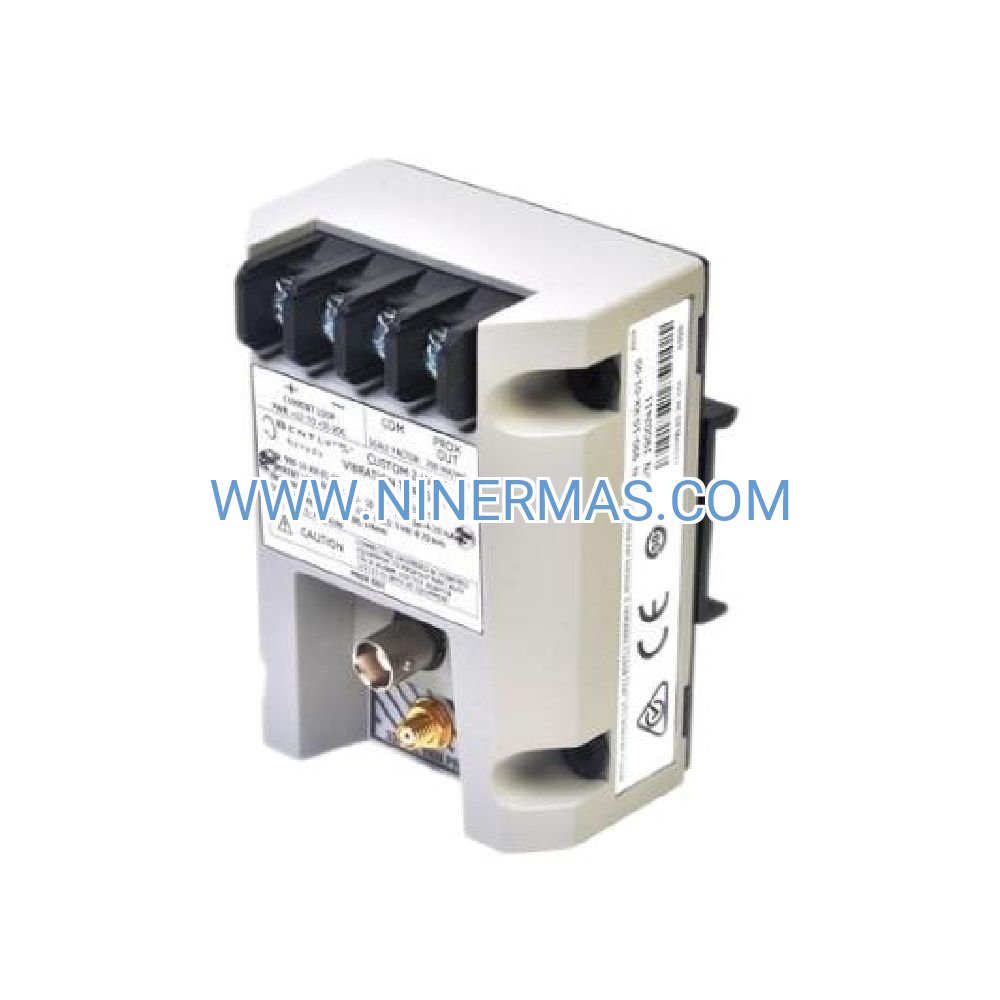
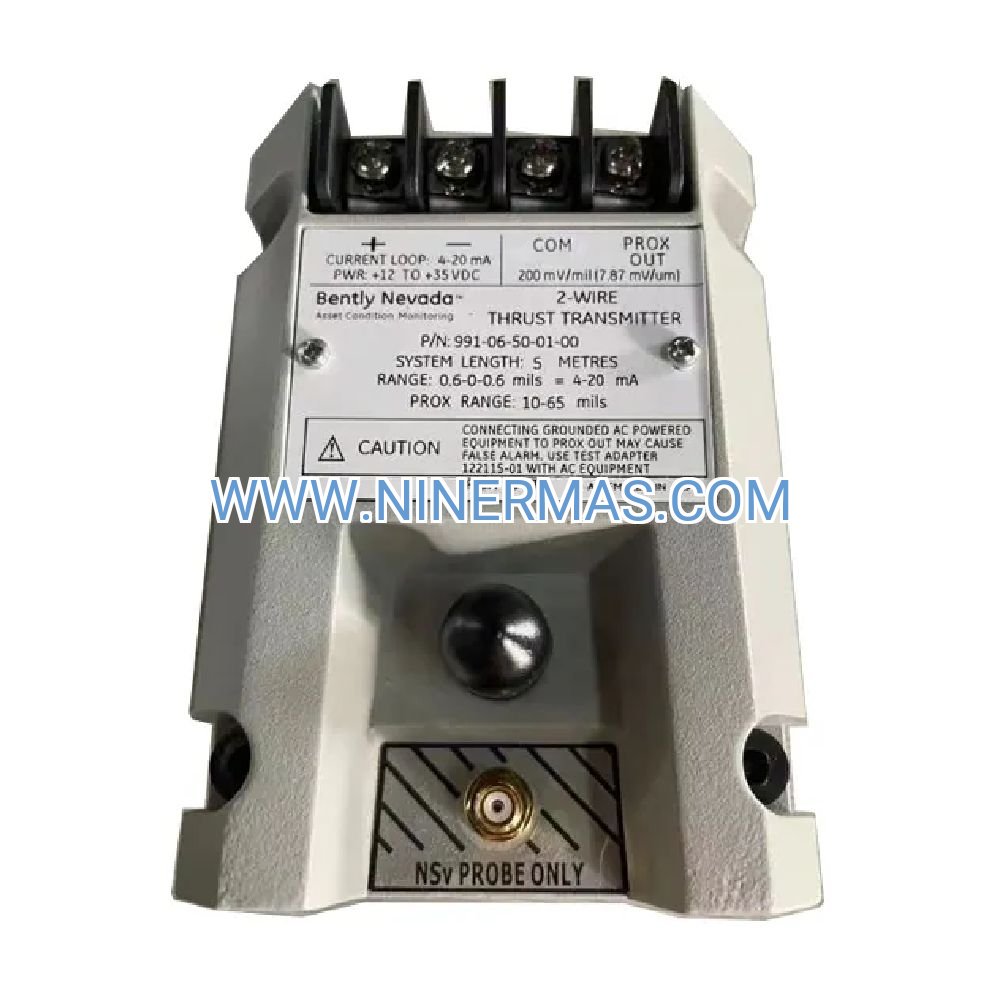
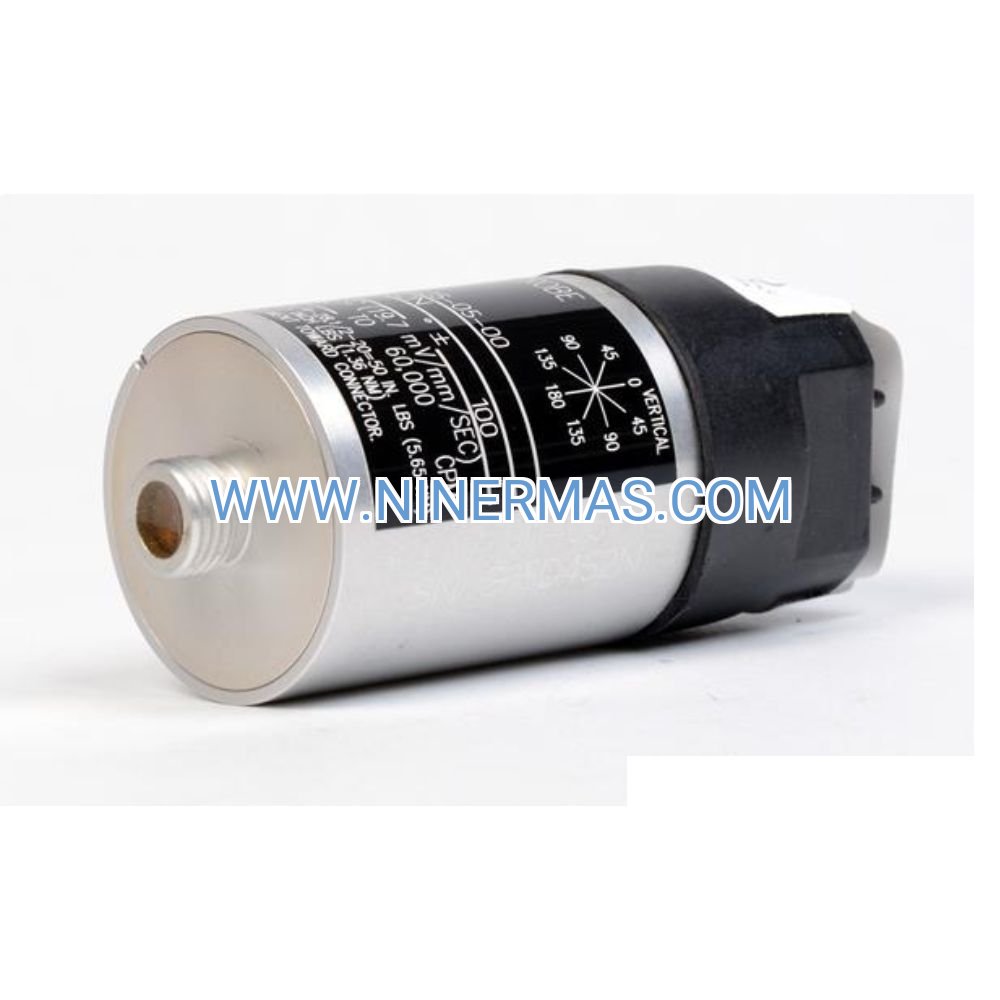
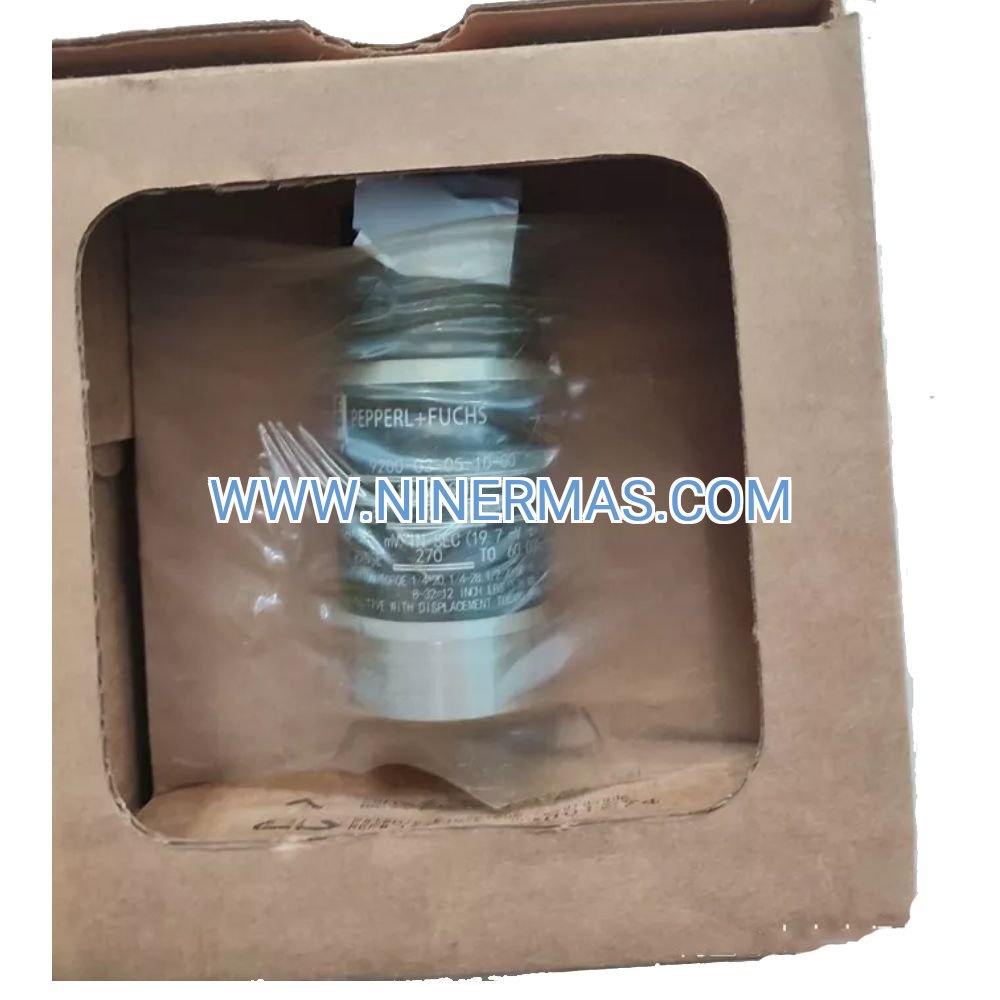
Bently Nevada 3300/46 Hydro Monitor Module (Industrial Turbine Monitoring System)
The Bently Nevada 3300/46 Hydro Monitor Module is a specialized industrial control device designed for hydroelectric turbine monitoring applications. Through advanced vibration analysis, speed measurement, and multi-parameter monitoring technology, it delivers real-time turbine condition assessment, predictive maintenance alerts, and comprehensive protection against catastrophic failures.
Ideal for hydroelectric power plants, pumped storage facilities, industrial water turbines, dam control systems, and renewable energy installations. This module addresses critical challenges including undetected bearing wear, shaft misalignment, cavitation damage, overspeed conditions, and costly unplanned downtime that can impact power generation reliability.
Featuring standardized design with customizable configuration options, the 3300/46 module offers exceptional measurement accuracy, robust environmental protection, seamless DCS integration, and proven long-term reliability. Suitable for power plant engineers, turbine OEMs, system integrators, and facility maintenance teams. Contact our application engineers for configuration guidance and technical specifications.
Core Functions & Advantages
- Multi-Parameter Turbine Monitoring
Simultaneously monitors vibration, speed, phase, and eccentricity through integrated sensor inputs, providing comprehensive turbine health assessment and early fault detection capabilities. - High-Precision Measurement Technology
Delivers ±0.5% accuracy across 0-3600 RPM operating range with advanced signal processing algorithms, ensuring reliable data for critical protection and diagnostic decisions. - Predictive Maintenance Capabilities
Trend analysis and alarm threshold management enable condition-based maintenance strategies, reducing emergency repairs by up to 40% and extending turbine service intervals. - Comprehensive Protection Functions
Built-in safeguards against overspeed, excessive vibration, bearing temperature rise, shaft displacement, and sensor failures minimize equipment damage and safety risks. - Industrial-Grade Reliability
Moisture-resistant construction with conformal coating, -30°C to +65°C operating range, and IEC 61362/API 670 compliance ensures dependable performance in harsh hydroelectric environments. - Flexible Integration Options
Supports 4-20mA analog outputs, relay contacts, and Modbus communication protocols for seamless connection to SCADA systems, PLCs, and plant control networks.
Typical Application Scenarios
This module is engineered for applications demanding continuous turbine monitoring, high measurement reliability, and integration with plant-wide control systems, particularly in:
- Hydroelectric Power Generation
Monitors Francis, Kaplan, and Pelton turbines in utility-scale power plants, ensuring grid stability through real-time vibration and speed surveillance with automatic trip protection. - Pumped Storage Facilities
Provides bidirectional monitoring for pump-turbine units during generation and pumping modes, adapting to variable speed operation and rapid mode transitions. - Industrial Process Water Turbines
Protects turbines in paper mills, chemical plants, and manufacturing facilities where process water drives auxiliary power generation or mechanical equipment. - Dam Safety & Spillway Control
Monitors gate-mounted turbines and emergency spillway generators, supporting critical infrastructure protection and flood management operations. - Renewable Energy Hybrid Systems
Integrates with micro-hydro installations in remote locations, providing autonomous monitoring where maintenance access is limited and reliability is paramount.
Technical Parameters & Selection Guide
To facilitate engineering design and equipment selection, we provide standardized configuration options with customization available for project-specific requirements:
| Parameter | Specification |
|---|---|
| Model Number | 3300/46-01-03-01-00 |
| Speed Measurement Range | 0 to 3600 RPM |
| Vibration Input Channels | Multi-channel (configuration dependent) |
| Sensor Compatibility | Proximity probes, accelerometers, velocity sensors |
| Output Signals | 4-20mA analog, relay contacts, digital communication |
| Power Supply | 24 VDC nominal (18-30 VDC range) |
| Operating Temperature | -30°C to +65°C (-22°F to +149°F) |
| Environmental Protection | Moisture-resistant conformal coating |
| Compliance Standards | IEC 61362, API 670, CE marked |
| Mounting Configuration | DIN rail or panel mount |
Selection Recommendations: When specifying this module, consider turbine type and speed range, number of monitoring points required, existing sensor infrastructure, control system communication protocols, environmental conditions (humidity, temperature extremes), and available panel space. For application assistance, provide turbine specifications, monitoring objectives, and site conditions to our engineering team for optimized configuration recommendations.
Advanced Features & Customization
- Configurable Alarm Setpoints: User-programmable alert and danger thresholds with hysteresis control and time-delay filtering to prevent nuisance trips
- Data Logging Capability: Optional internal memory for trend storage and post-event analysis, supporting root cause investigation and performance optimization
- Redundant Monitoring: Dual-channel configurations available for critical applications requiring voting logic and fault-tolerant operation
- Remote Diagnostics: Built-in self-test functions and sensor health monitoring enable predictive replacement of monitoring system components
- Retrofit Compatibility: Designed for integration with legacy Bently Nevada systems and third-party monitoring platforms through standard interfaces
Delivery, Service & Quality Assurance
Standard catalog items ship from stock within 3-5 business days; custom-configured modules require 2-3 weeks for factory programming and testing. All units include a minimum 12-month manufacturer warranty covering defects in materials and workmanship. Technical support includes remote configuration assistance, on-site commissioning services (region-dependent), and access to application engineering resources.
Each module ships with comprehensive documentation including technical datasheet, wiring diagrams, configuration software (where applicable), calibration certificates, and installation/operation manual. This ensures efficient installation, proper commissioning, and simplified long-term maintenance.
Frequently Asked Questions (FAQ)
Q: How does the Bently Nevada 3300/46 Hydro Monitor integrate with existing turbine control systems?
A: The module provides industry-standard 4-20mA analog outputs and relay contacts that connect directly to most DCS, PLC, and SCADA systems. Modbus RTU/TCP options enable digital communication for advanced diagnostics. Confirm your control system's input specifications and communication protocols during selection.
Q: What is the maximum number of turbine parameters this single module can monitor simultaneously?
A: The 3300/46 configuration supports multiple input channels depending on model variant. Typical implementations monitor 2-4 vibration points plus speed and phase reference. Consult factory documentation or contact engineering for specific channel counts in your configuration.
Q: What level of vibration reduction or efficiency improvement can be expected?
A: While the monitor itself doesn't reduce vibration, it enables early detection of developing faults (misalignment, imbalance, bearing wear) that, when corrected, can restore optimal turbine efficiency. Customers report 15-30% reduction in maintenance costs and 40% fewer emergency shutdowns through predictive maintenance enabled by continuous monitoring.
Q: What are the environmental requirements for installation? What is the IP protection rating?
A: The module operates reliably in -30°C to +65°C ambient temperatures with moisture-resistant conformal coating for high-humidity environments typical of hydroelectric facilities. While not fully sealed for outdoor exposure, it's suitable for protected control room or turbine deck installations. Verify specific IP ratings in technical documentation for your model variant.
Q: Can the system support remote monitoring and data acquisition for centralized fleet management?
A: Yes, when equipped with Modbus communication, the module integrates with SCADA systems and cloud-based monitoring platforms. This enables remote access to real-time data, alarm notifications, and historical trends across multiple turbine sites. Protocols supported include Modbus RTU (serial) and Modbus TCP (Ethernet) depending on configuration.
Q: Is this module compatible with non-Bently Nevada sensors and existing instrumentation?
A: The 3300/46 is optimized for Bently Nevada proximity probes and accelerometers but can interface with industry-standard sensors meeting specified input requirements (voltage levels, frequency response, impedance). Consult application engineering to verify compatibility with your existing sensor infrastructure before ordering.
Request Technical Support & Custom Configuration
To receive detailed application guidance, configuration recommendations, or pricing for your specific project, please provide the following information: project name and location, turbine type and specifications (manufacturer, model, rated speed, power output), monitoring objectives (parameters to measure, alarm requirements), number of monitoring points, existing sensor types and quantities, control system interface requirements (analog, relay, digital protocol), environmental conditions (temperature range, humidity, altitude), and installation constraints (panel space, mounting preferences).
Our application engineers will respond with a tailored solution including module configuration, sensor recommendations, wiring guidance, and integration support to ensure optimal performance for your hydroelectric monitoring application.
© 2026 NINERMAS COMPANY LIMITED. All rights reserved. Original Source: https://ninermas.com Contact: sale@ninermas.com | +0086 187 5021 5667

Contact Info
-
Address:22 / F, South Wo Hang building, 148 Wing Lok Street, Sheung Wan, Western District, Hong Kong
-
Phone:+8618750215667
-
Email:
