


Bently Nevada 3300/20 RTD Temperature Monitor | Dual-Alarm Bearing Protection | Industrial Grade
Description
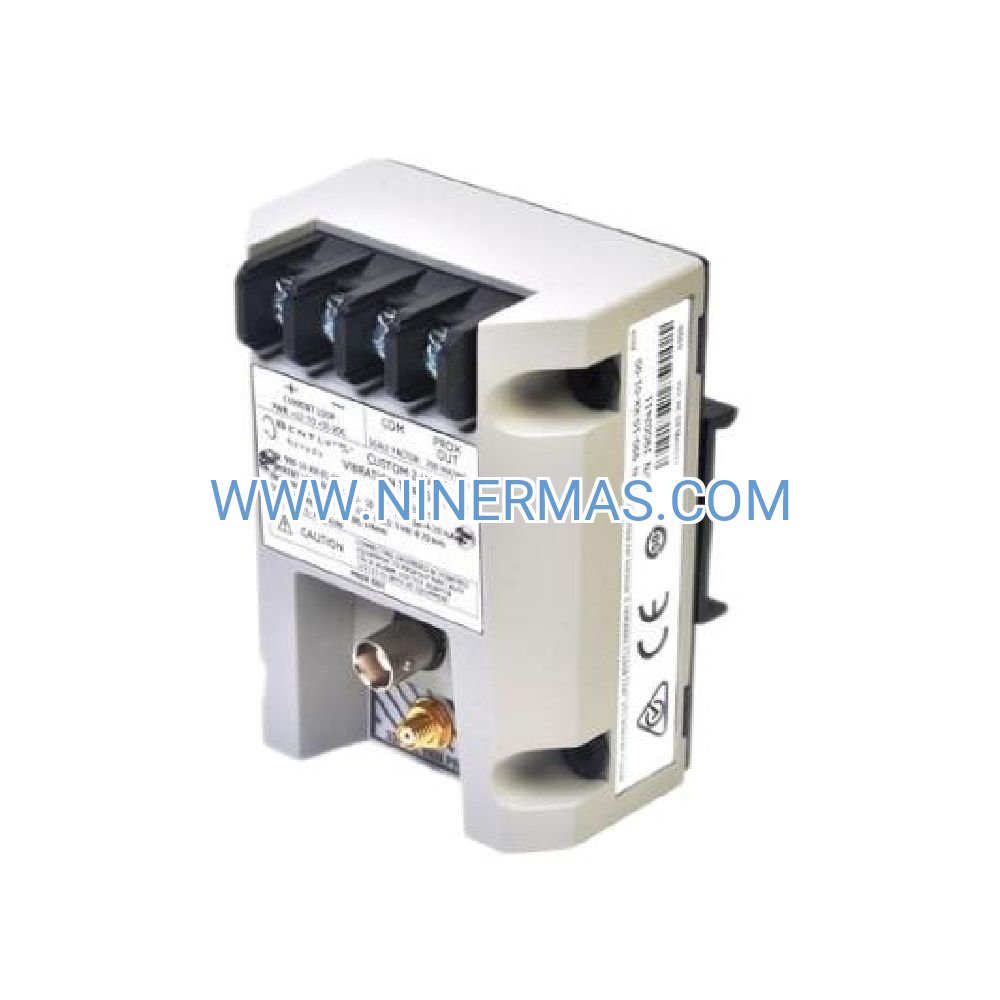
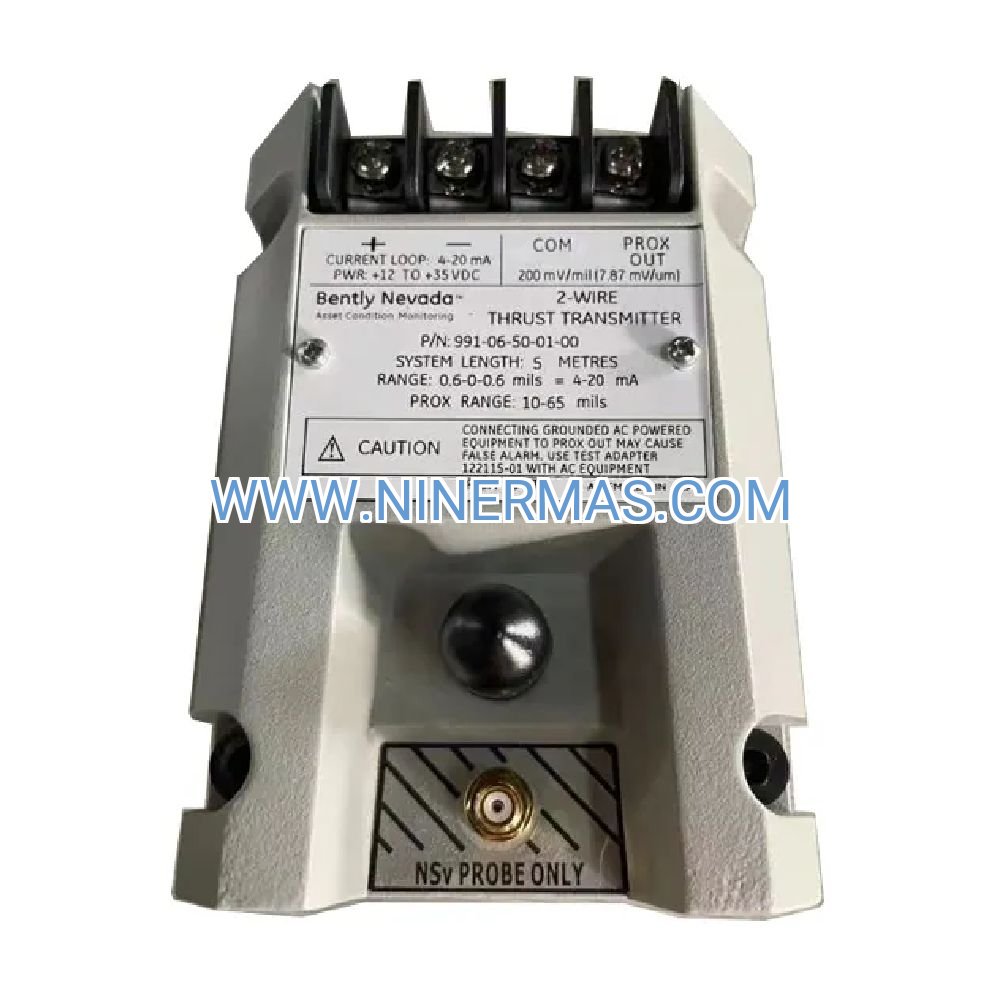
Bently Nevada 3300/20 RTD Temperature Monitor – Industrial-Grade Bearing & Process Protection System
The Bently Nevada 3300/20 RTD Temperature Monitor is a precision industrial control instrument designed for continuous temperature monitoring in critical rotating machinery, bearing assemblies, and process control systems. Through advanced RTD (Resistance Temperature Detector) sensing technology and programmable dual-alarm logic, it delivers real-time temperature measurement, early fault detection, and automated protection shutdown—ensuring equipment reliability and minimizing unplanned downtime.
Ideal for power generation plants, petrochemical facilities, steel mills, paper manufacturing, and heavy industrial applications where bearing overheating, process temperature deviation, or thermal runaway poses significant operational and safety risks. This monitor addresses challenges such as delayed fault response, inaccurate manual readings, lack of remote visibility, and insufficient alarm escalation in mission-critical environments.
Engineered with standardized configuration and field-customizable parameters, the 3300/20 offers flexible input compatibility (Pt100/Pt1000), industry-standard 4-20mA output for seamless DCS/PLC integration, dual independent alarm setpoints, and robust EMI/RFI immunity. Suitable for design engineers, maintenance teams, system integrators, and plant operators seeking reliable, long-term temperature monitoring solutions. Contact our application engineers for configuration assistance, wiring diagrams, and project quotations.
Core Features & Advantages
High-Precision RTD Sensing
Accepts Pt100 or Pt1000 RTD inputs with ±0.5°C accuracy across -200°C to +850°C range, providing reliable temperature data for bearing housings, gearboxes, motors, and process vessels. Minimizes false alarms and enhances diagnostic confidence.
Dual Independent Alarm Outputs
Configurable Alert and Danger alarm thresholds with programmable hysteresis and time delays. Relay outputs enable automated shutdown, warning lights, or SCADA notification—reducing response time and preventing catastrophic failures.
Industry-Standard 4-20mA Output
Proportional analog output compatible with DCS, PLC, and data acquisition systems. Supports remote monitoring, trending analysis, and integration into plant-wide condition monitoring networks.
Rugged Industrial Construction
DIN-rail or panel-mount enclosure with IP20 protection (optional IP54 for harsh environments). Operating temperature -30°C to +65°C, designed for continuous 24/7 operation in demanding industrial settings.
Comprehensive Self-Diagnostics
Built-in sensor open/short detection, loop integrity checks, and power supply monitoring. Front-panel LED indicators provide instant status visibility, simplifying troubleshooting and reducing maintenance overhead.
Flexible Configuration & Calibration
Field-adjustable via DIP switches or digital interface (model-dependent). Supports custom temperature ranges, alarm setpoints, and output scaling—no need to return to factory for reconfiguration.
Typical Application Scenarios
The 3300/20 RTD Temperature Monitor is engineered for high-reliability applications where continuous temperature surveillance is essential:
Rotating Machinery & Bearing Monitoring
Protects turbines, compressors, pumps, motors, and gearboxes from bearing failures caused by lubrication breakdown, misalignment, or overload. Early detection of temperature rise enables predictive maintenance and prevents secondary damage.
Power Generation & Turbine Control
Monitors steam turbine bearings, generator windings, and condenser systems in coal, gas, nuclear, and renewable energy plants. Ensures compliance with safety standards and maximizes asset uptime.
Petrochemical & Refining Processes
Tracks reactor vessel temperatures, distillation column conditions, and pump seal chambers. Prevents thermal runaway, product degradation, and hazardous material release in ATEX/IECEx classified areas.
Steel, Cement & Heavy Manufacturing
Supervises kiln bearings, rolling mill drives, conveyor systems, and hydraulic units. Withstands high vibration, dust, and electromagnetic interference common in metallurgical and mineral processing environments.
HVAC & Building Automation
Monitors chiller compressors, boiler feed pumps, and cooling tower fans in commercial and institutional facilities—optimizing energy efficiency and extending equipment service life.
Technical Parameters & Selection Guide
To facilitate engineering design and procurement, we provide standardized specifications with customization options for project-specific requirements:
Input Specifications:
• RTD Type: Pt100 (α=0.00385) or Pt1000, 2-wire/3-wire/4-wire connection
• Temperature Range: -200°C to +850°C (configurable sub-ranges available)
• Accuracy: ±0.5°C ±0.1% of span (at 25°C ambient)
• Response Time: <5 seconds to 90% of step change
Output & Alarm:
• Analog Output: 4-20mA (isolated, 500Ω max load)
• Alarm Relays: 2× SPDT, 5A @ 250VAC resistive
• Alarm Logic: Programmable setpoints, hysteresis, and time delays
Power & Environmental:
• Power Supply: 24VDC ±10% or 115/230VAC ±10% (specify at order)
• Power Consumption: <5W typical
• Operating Temp: -30°C to +65°C ambient
• Storage Temp: -40°C to +85°C
• Humidity: 5% to 95% RH non-condensing
• Protection Rating: IP20 standard (IP54 optional)
• EMC Compliance: EN 61326, IEC 61000-6-2/6-4
Mechanical:
• Mounting: DIN-rail (35mm) or panel cutout
• Enclosure: Flame-retardant polycarbonate or metal (optional)
• Dimensions: 110mm (H) × 75mm (W) × 120mm (D) typical
• Weight: ~0.4 kg
Selection Recommendations:
When specifying, consider: maximum/minimum process temperature, RTD sensor type and wiring, required alarm setpoints, output signal compatibility with existing control systems, mounting space constraints, and environmental conditions (vibration, EMI, hazardous area classification). For assistance, provide process parameters, P&ID excerpts, and installation environment details—our engineers will recommend optimal configuration and accessories.
Extended Capabilities & Integration
Multi-Channel Expansion: Rack-mount chassis available for monitoring 4–16 temperature points with centralized display and alarm management.
Digital Communication: Optional Modbus RTU/TCP, HART, or Profibus-DP modules for integration into distributed control systems and SCADA networks.
Redundant Power & Failsafe: Dual power input and watchdog timer options ensure continuous operation during utility fluctuations or module faults.
Hazardous Area Certification: ATEX, IECEx, and FM/CSA approvals available for Zone 1/2, Division 1/2 installations in explosive atmospheres.
Custom Calibration & Testing: Factory calibration certificates traceable to NIST/PTB standards; witness testing and FAT documentation available for critical projects.
Delivery, Service & Quality Assurance
Lead Time: Standard configurations ship within 5–7 business days; custom-configured units typically 10–15 days from order confirmation.
Warranty: 24-month limited warranty covering materials and workmanship; extended service contracts available.
Technical Support: Remote commissioning assistance, on-site startup services (region-dependent), and 24/7 technical hotline for troubleshooting.
Documentation Package: Includes detailed user manual, wiring diagrams, dimensional drawings, calibration certificate, and configuration software (if applicable)—ensuring smooth installation and long-term maintainability.
Compliance & Certifications: CE marked, RoHS compliant; optional certifications include UL/cUL, GOST-R, and marine classification society approvals (ABS, DNV, Lloyd's).
Frequently Asked Questions (FAQ)
Q: How do I connect the Bently Nevada 3300/20 RTD Temperature Monitor to my existing control system?
A: The monitor provides a standard 4-20mA output that connects directly to PLC analog input cards, DCS I/O modules, or chart recorders. Wiring requires a 2-wire loop (signal + return); consult the terminal diagram in the user manual. For digital integration, optional Modbus or HART communication modules are available.
Q: What is the maximum number of RTD sensors one monitor can handle?
A: Each 3300/20 unit monitors one RTD sensor. For multi-point monitoring, use rack-mount multi-channel systems (4, 8, or 16 channels) or install multiple standalone units with centralized alarm aggregation via relay logic or SCADA.
Q: What energy savings or efficiency improvements can I expect?
A: While the monitor itself is a protective device (not a direct energy saver), early detection of bearing overheating prevents catastrophic failures, unplanned shutdowns, and secondary equipment damage—reducing repair costs by up to 70% and avoiding production losses. In process control, maintaining optimal temperature ranges improves thermal efficiency and product quality.
Q: What are the installation environment requirements? What is the protection rating?
A: Standard units are IP20 (suitable for control rooms and clean industrial environments). For dusty or wet locations, specify IP54-rated enclosures. Ambient operating range is -30°C to +65°C; avoid direct sunlight, corrosive gases, and high-vibration mounting without isolation. For hazardous areas, use ATEX/IECEx certified models with appropriate installation practices.
Q: Can the monitor support remote data logging and predictive maintenance analytics?
A: Yes. The 4-20mA output integrates with historians (e.g., OSIsoft PI, Wonderware) for trending and analysis. Optional digital communication modules (Modbus, HART) enable direct connection to condition monitoring platforms, cloud-based analytics, and IIoT gateways—supporting predictive maintenance strategies and Industry 4.0 initiatives.
Q: Is field calibration or reconfiguration possible without returning the unit?
A: Yes. Most parameters (alarm setpoints, output scaling, sensor type) are adjustable via front-panel DIP switches or PC-based configuration software (model-dependent). Calibration drift is minimal (<0.1%/year), but field verification using a precision RTD simulator is recommended annually. Detailed procedures are provided in the service manual.
Get Expert Selection Support & Quotation
To receive a tailored configuration recommendation, technical datasheet, and project pricing, please provide the following details: application description (machinery type, process conditions), temperature measurement range, RTD sensor specification (Pt100/Pt1000, wiring), required alarm setpoints, output signal requirements, power supply availability, environmental conditions (ambient temp, vibration, hazardous area classification), and quantity needed. Our application engineers will respond within 24 hours with a comprehensive selection guide and commercial proposal.
© 2026 NINERMAS COMPANY LIMITED. All rights reserved. Original Source: https://ninermas.com Contact: sale@ninermas.com | +0086 187 5021 5667

Contact Info
-
Address:22 / F, South Wo Hang building, 148 Wing Lok Street, Sheung Wan, Western District, Hong Kong
-
Phone:+8618750215667
-
Email:
