Bently Nevada 3300/03-03-00 Proximity Probe | 25mm API 670 Shaft Monitor for Turbomachinery
Description
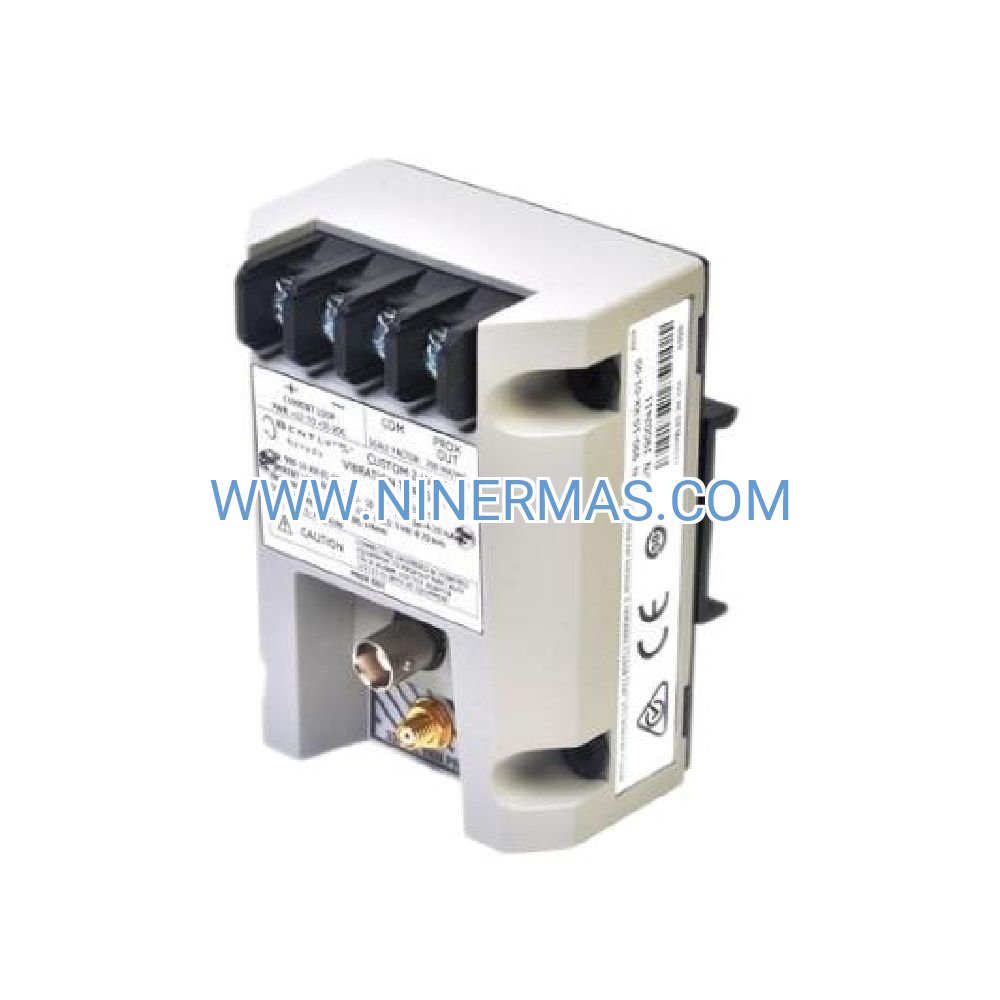
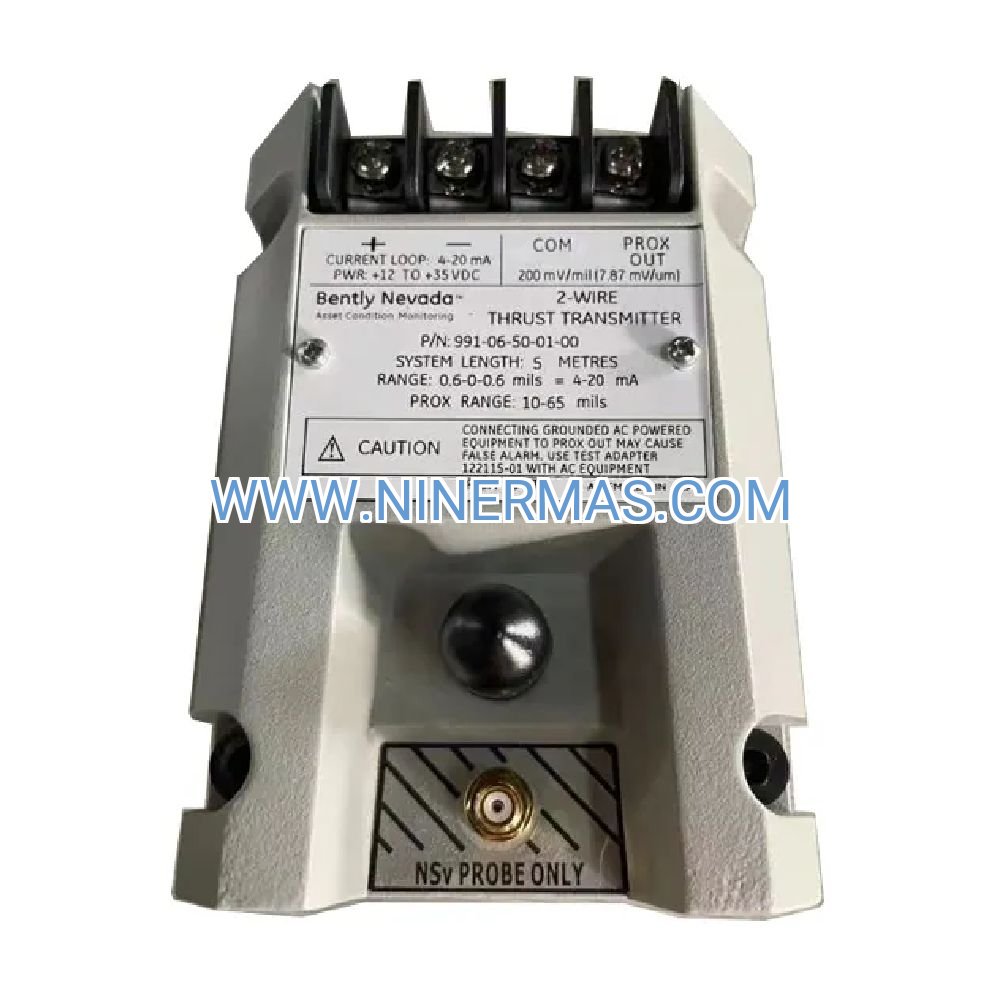
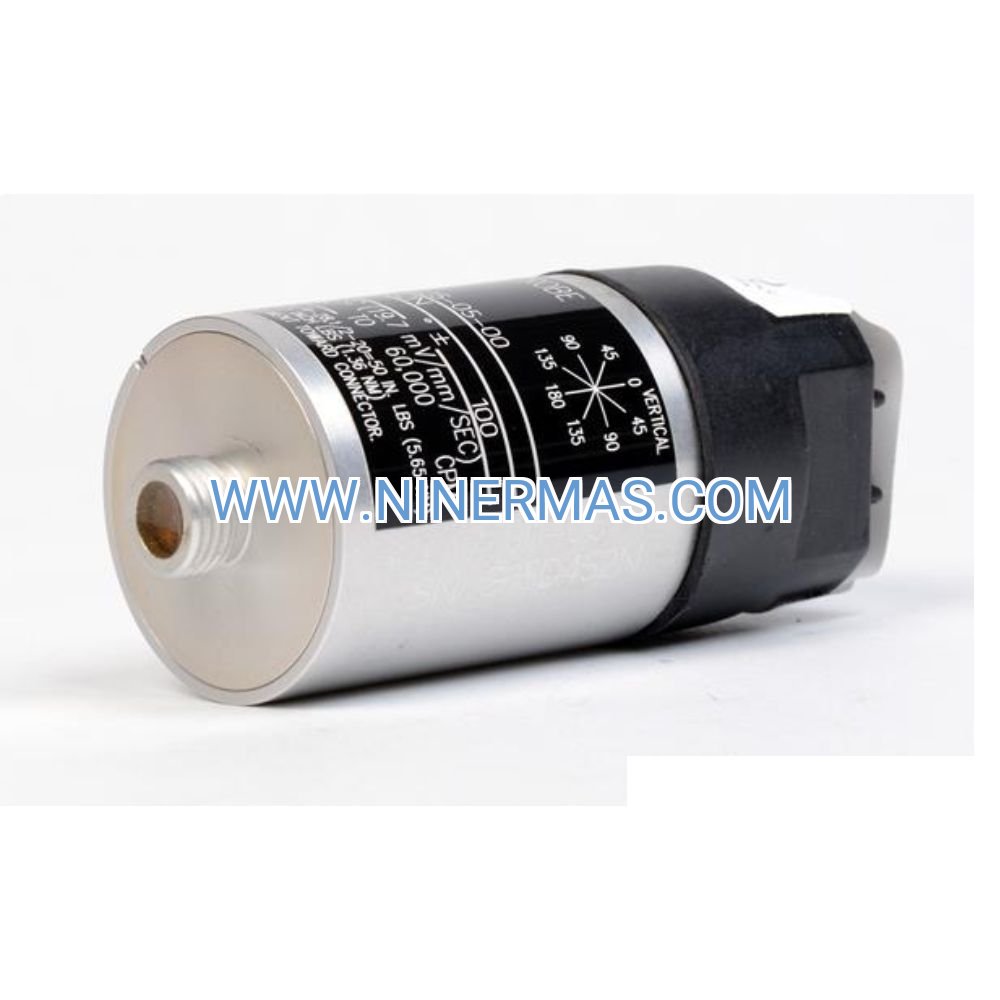
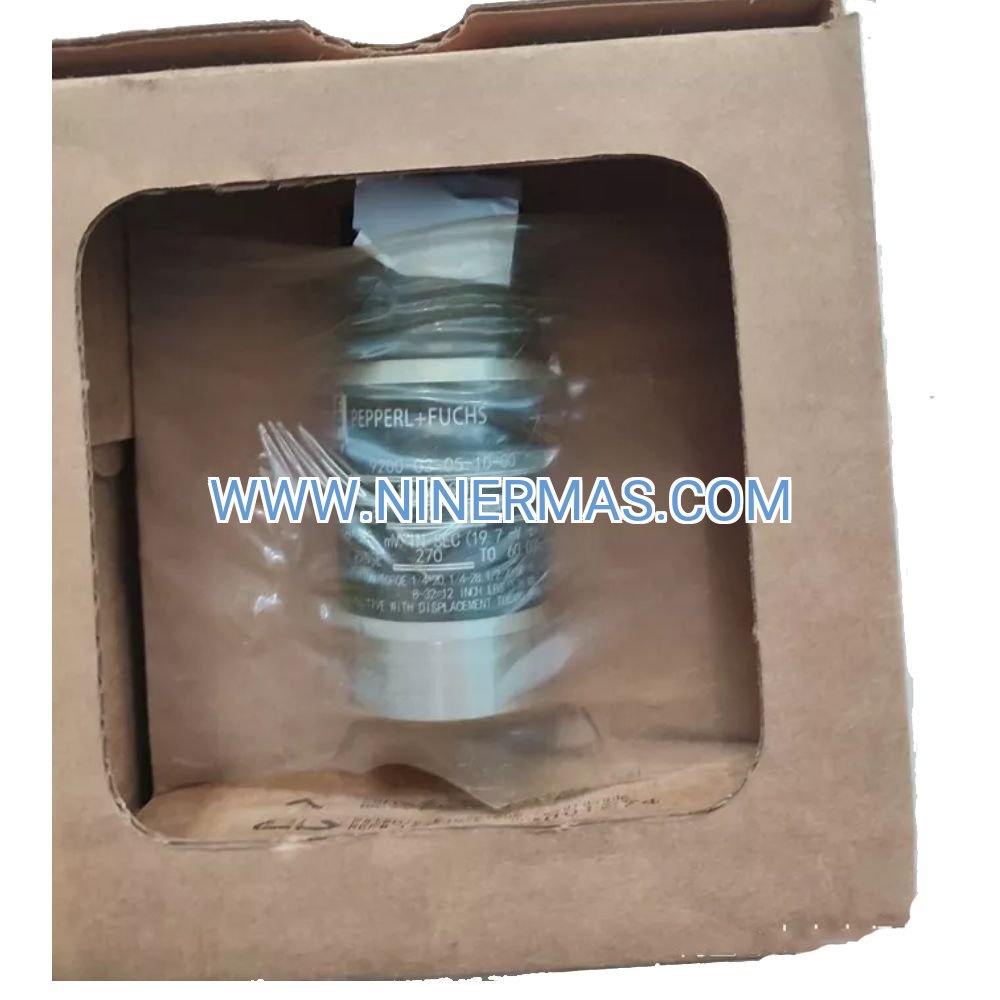
Bently Nevada 3300/03-03-00 Proximity Probe – Industrial-Grade Shaft Monitoring Solution
The Bently Nevada 3300/03-03-00 proximity probe is a high-precision non-contact sensor designed for continuous shaft displacement and vibration monitoring in critical rotating machinery. Utilizing eddy current technology, this 25mm probe delivers reliable real-time data to protect turbines, compressors, generators, and other turbomachinery from catastrophic failures.
Engineered for harsh industrial environments including power generation, oil & gas, petrochemical, and heavy manufacturing facilities, the 3300/03-03-00 addresses common challenges such as bearing wear detection, rotor eccentricity measurement, thrust position monitoring, and early fault diagnosis. Its extended 2.5mm linear measurement range ensures accurate tracking across diverse operating conditions.
With API 670 certification and proven field reliability, this proximity probe is the preferred choice for design engineers, maintenance teams, OEM integrators, and plant operators worldwide. Backed by comprehensive technical documentation and expert application support, the 3300/03-03-00 simplifies installation, commissioning, and long-term asset protection. Contact our engineering team for customized monitoring solutions and technical consultation.
Core Features & Technical Advantages
- Extended Linear Range – 2.5mm linear measurement range provides superior accuracy for large shaft displacement monitoring, reducing false alarms and improving diagnostic confidence in variable-speed applications.
- API 670 Compliance – Fully certified to API 670 machinery protection standards, ensuring compatibility with critical safety instrumented systems (SIS) and meeting stringent industry requirements for turbomachinery monitoring.
- Eddy Current Technology – Non-contact electromagnetic sensing eliminates mechanical wear, delivers microsecond response times, and maintains stable performance across temperature variations from -40°C to +120°C.
- Robust Construction – Stainless steel housing with hermetic sealing provides IP67 protection against moisture, dust, oil mist, and vibration, ensuring reliable operation in the harshest industrial environments.
- Universal Compatibility – Designed for seamless integration with Bently Nevada 3300 XL, 3500, and legacy monitoring systems, as well as third-party DCS/PLC platforms via standard -24 VDC proximitor interfaces.
- Proven Reliability – Field-tested across millions of operating hours in power plants, refineries, and offshore platforms, with MTBF exceeding 200,000 hours under normal operating conditions.
Typical Application Scenarios
The Bently Nevada 3300/03-03-00 proximity probe is engineered for demanding applications requiring continuous shaft position and vibration monitoring, particularly in:
- Steam & Gas Turbines – Monitor radial shaft displacement, differential expansion, and rotor eccentricity in power generation turbines to prevent blade rubs, bearing failures, and unplanned outages.
- Centrifugal & Axial Compressors – Track thrust position, axial displacement, and radial vibration in oil & gas compression trains, ensuring safe operation within API 617 and API 672 limits.
- Large Electric Motors & Generators – Detect rotor bow, thermal growth, and magnetic center shifts in synchronous motors and generators rated above 1 MW, protecting critical assets in utilities and industrial facilities.
- Pumps & Blowers – Measure shaft runout and bearing clearance in high-speed pumps, fans, and blowers used in chemical processing, water treatment, and HVAC systems.
- Gearboxes & Couplings – Monitor shaft alignment, coupling wear, and gear mesh conditions in heavy-duty gearboxes for mining, cement, and steel production equipment.
Technical Specifications & Selection Guide
To ensure optimal performance and compatibility, the 3300/03-03-00 probe is available with the following standard specifications. Custom configurations are available for specialized applications.
| Parameter | Specification |
| Probe Length | 25mm (0.98 inches) |
| Linear Range | 2.5mm (0.098 inches) |
| Frequency Response | 0 to 10 kHz (-3dB) |
| Operating Temperature | -40°C to +120°C (-40°F to +248°F) |
| Housing Material | 300 Series Stainless Steel |
| Thread Size | M18 x 1.0 or 3/4"-16 UNF |
| Cable Connection | Integral 5-meter armored cable with BNC connector |
| Protection Rating | IP67 (dust-tight, temporary immersion) |
| Certification | API 670, CE, ATEX (optional) |
| Compatible Systems | Bently Nevada 3300 XL, 3500, TDXnet, System 1 |
Selection Considerations: When specifying the 3300/03-03-00 probe, please confirm: target shaft material (4140 steel, Inconel, titanium, etc.), operating speed range (RPM), ambient temperature, mounting orientation, required cable length, and proximitor power supply voltage. Our application engineers can recommend optimal probe-to-shaft gap settings and proximitor pairing based on your specific machinery configuration.
Advanced Monitoring Capabilities
- Dual-Channel Redundancy – Deploy in X-Y orthogonal pairs for comprehensive radial vibration analysis and orbit plotting, enabling precise fault diagnosis including unbalance, misalignment, rub, and looseness.
- Keyphasor Integration – Synchronize with Bently Nevada keyphasor probes for phase-referenced vibration analysis, startup/shutdown transient monitoring, and torsional vibration assessment.
- Thrust Position Monitoring – Install axially to measure rotor thrust position and detect bearing wear, thrust reversal, or axial instability in compressors and turbines.
- Differential Expansion Measurement – Pair with case-mounted references to track rotor-to-stator thermal growth, preventing rubs during startup and shutdown cycles.
- Remote Monitoring & Diagnostics – Integrate with SCADA, DCS, or cloud-based condition monitoring platforms via Modbus, OPC-UA, or proprietary protocols for real-time alerts and predictive maintenance analytics.
Delivery, Service & Quality Assurance
Lead Time: Standard 3300/03-03-00 probes ship within 3-5 business days from stock. Custom cable lengths, thread configurations, or ATEX-certified units require 2-3 weeks for manufacturing and testing.
Warranty: All Bently Nevada proximity probes include a comprehensive 12-month warranty covering materials and workmanship. Extended warranty and calibration services are available upon request.
Technical Support: Our certified vibration analysts and instrumentation engineers provide complimentary pre-sales consultation, installation guidance, and commissioning support. Remote troubleshooting and on-site services are available for complex installations.
Documentation Package: Each probe ships with factory calibration certificate, installation drawing, wiring diagram, dimensional specifications, and compatibility matrix. Digital copies of user manuals and application notes are accessible via our technical library.
Quality Certifications: Manufactured under ISO 9001:2015 quality management system. Traceable to NIST standards. RoHS and REACH compliant. Optional material test reports (MTR) and 3.1 certificates available for critical applications.
Frequently Asked Questions (FAQ)
Q: How do I install the Bently Nevada 3300/03-03-00 proximity probe on existing machinery?
A: The probe mounts via M18 x 1.0 or 3/4"-16 UNF threads into a pre-drilled and tapped hole in the bearing housing or casing. Maintain a 1.0mm ± 0.25mm gap between probe tip and shaft surface. Use the supplied lock nut and jam nut to secure position. Verify gap with a feeler gauge or proximitor output voltage (typically -8 VDC at 1mm gap). Consult installation drawing for torque specifications and clearance requirements.
Q: What is the maximum number of probes I can connect to a single monitoring system?
A: A standard Bently Nevada 3500 rack can accommodate up to 20 proximity probe channels (10 X-Y pairs) using dual-channel monitor modules. Larger systems using TDXnet or System 1 can scale to hundreds of probes across multiple machines. Each probe requires a dedicated proximitor signal conditioner.
Q: What energy savings or reliability improvements can I expect from proximity probe monitoring?
A: Continuous vibration monitoring with proximity probes enables condition-based maintenance, reducing unplanned downtime by 30-50% and extending bearing life by 20-40%. Early fault detection prevents catastrophic failures that can cost $500K-$5M in lost production and equipment damage. Optimal performance requires integration with trending software and trained personnel.
Q: What are the environmental and installation requirements for the 3300/03-03-00 probe?
A: The probe operates reliably from -40°C to +120°C with IP67 protection against dust and moisture. Avoid direct steam impingement, corrosive chemical exposure, or sustained vibration above 10g RMS. Minimum bend radius for integral cable is 150mm. For hazardous area installations (Zone 1, Division 1), specify ATEX or IECEx certified variants.
Q: Can I integrate the proximity probe with remote monitoring systems and SCADA platforms?
A: Yes. The probe output connects to Bently Nevada proximitors, which interface with 3500 monitors or 3300 XL systems. These platforms support Modbus TCP/RTU, OPC-UA, 4-20mA, and relay outputs for seamless integration with Siemens, Rockwell, Schneider, or Honeywell DCS/SCADA systems. Cloud connectivity is available via System 1 or third-party IoT gateways.
Q: What shaft materials and surface finishes are compatible with eddy current proximity probes?
A: The 3300/03-03-00 requires electrically conductive, non-ferrous or ferrous shaft materials such as 4140 steel, 17-4 PH stainless, Inconel, or titanium. Surface finish should be 32 microinch Ra or better. Avoid chrome plating, ceramic coatings, or composite shafts. For non-standard materials, contact our engineering team for material compatibility testing and calibration.
Request a Custom Monitoring Solution
To receive a tailored vibration monitoring proposal, technical specification sheet, or pricing quotation, please provide the following details: machinery type and model, shaft diameter and material, operating speed range (min/max RPM), number of measurement points, ambient temperature range, hazardous area classification (if applicable), and preferred monitoring system platform. Our application engineers will respond within 24 hours with a comprehensive selection guide and budget estimate.
© 2026 NINERMAS COMPANY LIMITED. All rights reserved. Original Source: https://ninermas.com
Contact: sale@ninermas.com | +0086 187 5021 5667

Contact Info
-
Address:22 / F, South Wo Hang building, 148 Wing Lok Street, Sheung Wan, Western District, Hong Kong
-
Phone:+8618750215667
-
Email: