Description
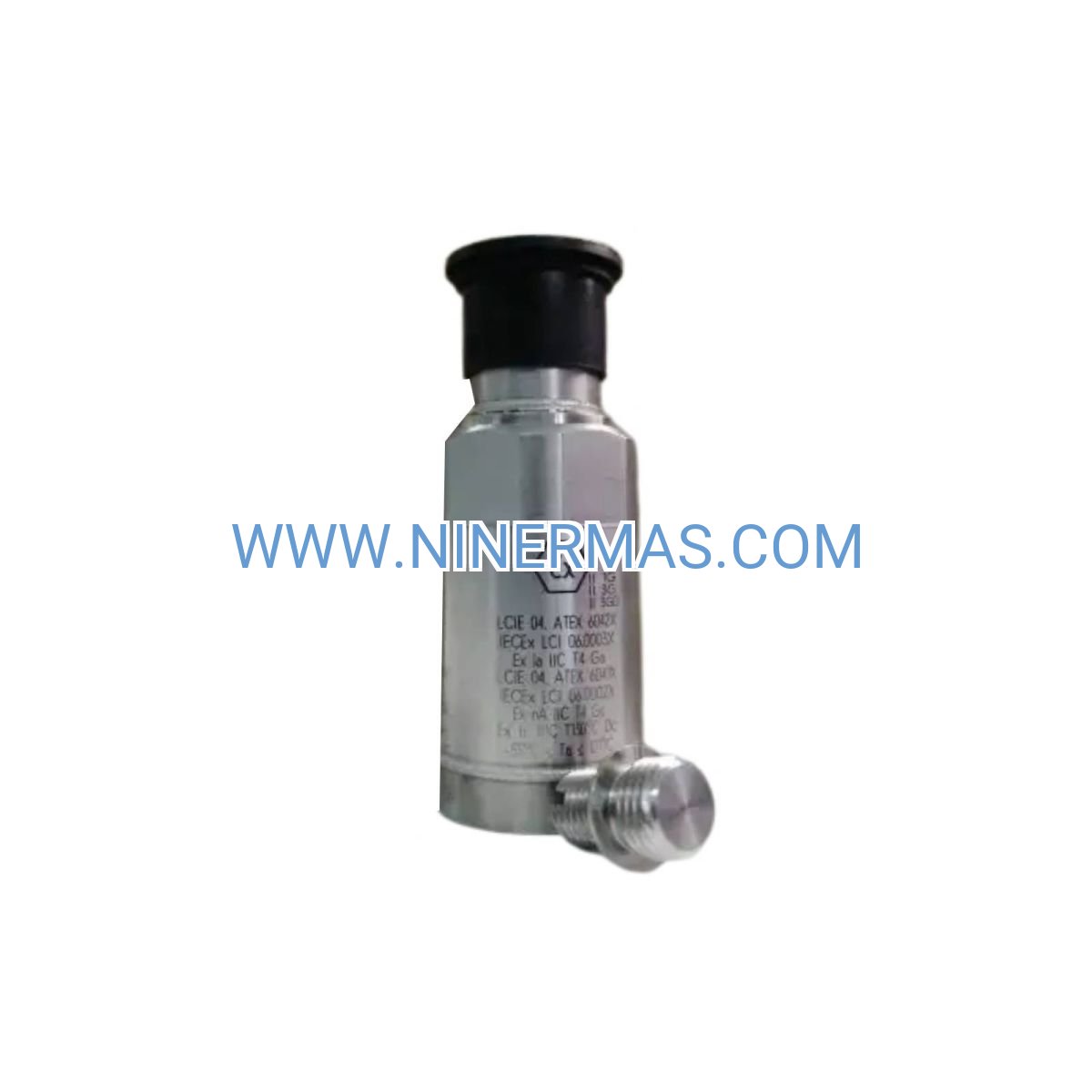
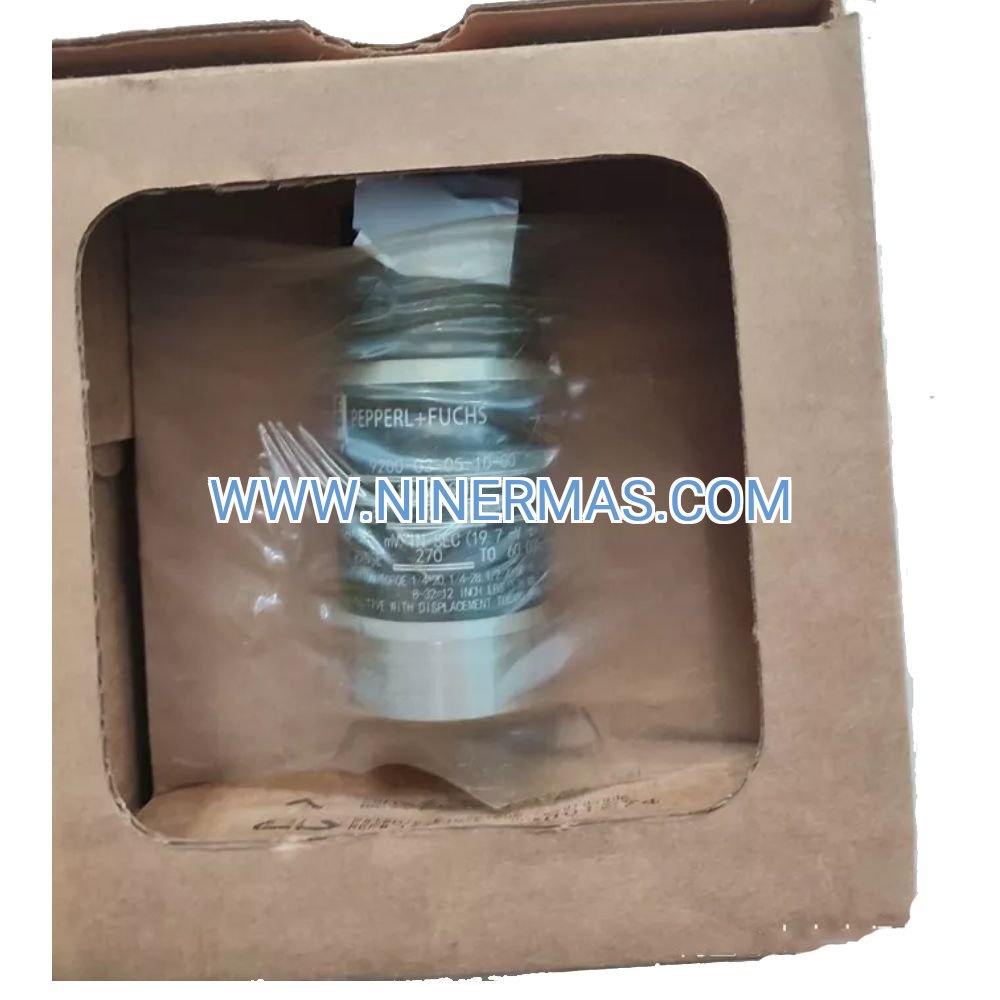
Industrial Accelerometer 200355-12-00-00 (Precision Vibration Monitoring System)
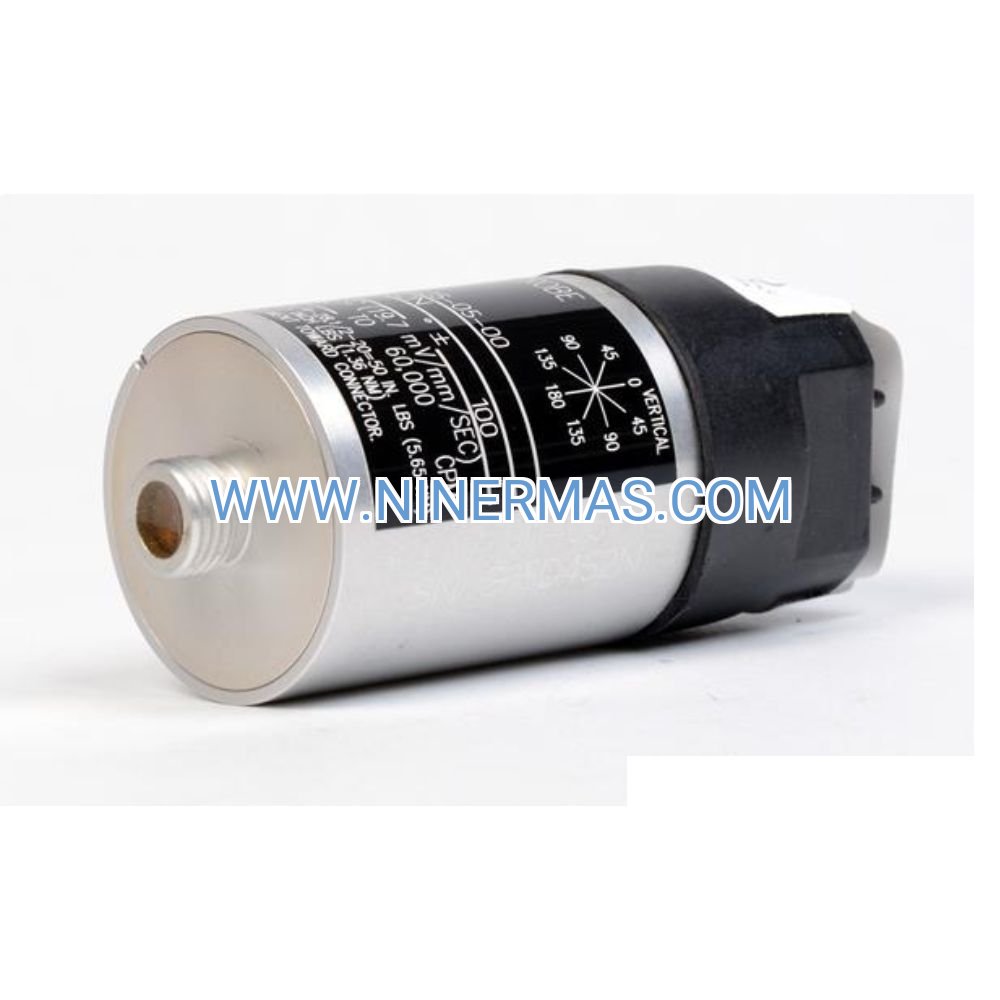
The 200355-12-00-00 Industrial Accelerometer is a professional-grade vibration monitoring sensor designed for critical machinery health surveillance. Utilizing advanced piezoelectric sensing technology with hermetically sealed construction, this device delivers continuous, high-precision vibration data across a wide frequency spectrum (2 Hz to 10 kHz), enabling early fault detection and optimized maintenance scheduling in demanding industrial environments.
Engineered for integration with automated condition monitoring systems, this accelerometer addresses common challenges including unexpected equipment failures, excessive downtime, high maintenance costs, and inadequate early-warning capabilities. It is specifically suited for rotating and reciprocating machinery in power generation, petrochemical processing, heavy manufacturing, and continuous production facilities.
Through standardized mounting configurations and flexible signal conditioning compatibility, the 200355-12-00-00 offers reliable performance, straightforward installation, seamless system integration, and long-term measurement stability. Ideal for design engineers, maintenance teams, system integrators, and plant reliability managers seeking to implement or upgrade predictive maintenance programs. Contact our application engineers for customized selection guidance and technical specifications.
Core Features & Technical Advantages
- Wide-Spectrum Frequency Response
Captures vibration signatures from 2 Hz to 10 kHz (±5% accuracy), covering subsynchronous events, running-speed harmonics, gear mesh frequencies, bearing defect patterns, and high-frequency resonances for comprehensive machinery diagnostics. - Hermetic Environmental Protection
IP67-rated stainless steel housing with integral MIL-spec connector provides complete protection against moisture ingress, dust contamination, oil mist, and chemical exposure, ensuring reliable operation in harsh industrial settings. - Extended Temperature Capability
Operates continuously from -54°C to +121°C (-65°F to +250°F) without performance degradation, suitable for outdoor installations, high-temperature process equipment, and extreme climate conditions. - Optimized Sensitivity & Dynamic Range
100 mV/g nominal sensitivity delivers excellent signal-to-noise ratio for low-amplitude vibration detection while maintaining linearity across the full measurement range, reducing false alarms and missed fault indicators. - Universal System Compatibility
Standard ICP/IEPE constant-current interface (2-20 mA excitation) ensures plug-and-play integration with industry-standard monitoring platforms, data acquisition systems, portable analyzers, and wireless transmitters. - Rugged Case-Mounted Design
Stud-mount configuration with optimized mass-spring characteristics provides superior high-frequency response, mechanical stability, and resistance to installation-induced measurement errors compared to magnetic or adhesive mounting methods.
Typical Application Scenarios
This accelerometer is engineered for environments demanding continuous vibration surveillance, high measurement accuracy, and long-term reliability, particularly in:
- Rotating Machinery Monitoring
Electric motors, centrifugal pumps, turbines, generators, fans, blowers, and high-speed spindles where bearing wear, unbalance, misalignment, and resonance conditions require early detection to prevent catastrophic failures. - Power Generation & Distribution
Steam turbines, gas turbines, hydro generators, cooling tower drives, boiler feed pumps, and auxiliary equipment in utility plants, cogeneration facilities, and independent power producers where unplanned outages carry severe financial penalties. - Process Industry Equipment
Compressors, agitators, mixers, extruders, centrifuges, and conveyor systems in chemical plants, refineries, pharmaceutical manufacturing, and food processing where product quality and production continuity depend on mechanical reliability. - Heavy Manufacturing Operations
Rolling mills, crushers, grinding mills, material handling systems, and production line drives in steel mills, mining operations, cement plants, and paper mills operating under high loads and continuous duty cycles. - Critical Infrastructure Assets
Water treatment pumps, HVAC systems, elevator drives, and building services equipment in hospitals, data centers, airports, and commercial facilities requiring 24/7 operational availability.
Technical Parameters & Selection Guide
To facilitate engineering design and equipment specification, we provide comprehensive technical data for the 200355-12-00-00 accelerometer. Custom configurations are available for specialized applications requiring modified sensitivity, frequency response, or environmental ratings.
| Parameter | Specification |
|---|---|
| Model Designation | 200355-12-00-00 |
| Sensing Technology | Piezoelectric (Shear-Mode Crystal) |
| Frequency Range (±5%) | 2 Hz to 10,000 Hz |
| Sensitivity (Nominal) | 100 mV/g ±10% |
| Measurement Range | ±50 g peak |
| Operating Temperature | -54°C to +121°C (-65°F to +250°F) |
| Excitation Requirement | Constant Current 2-20 mA, 18-30 VDC |
| Electrical Connection | Integral 2-Pin MIL-C-5015 Connector |
| Mounting Method | Stud Mount (1/4-28 UNF Thread) |
| Environmental Rating | IP67 (Hermetically Sealed) |
| Housing Material | Stainless Steel (316L) |
| Weight (Approximate) | 200 grams |
| Resonant Frequency | ≥25 kHz (Mounted) |
Selection Considerations: When specifying vibration sensors, evaluate the following application parameters: maximum vibration amplitude expected, critical frequency range for fault detection, ambient temperature extremes, exposure to moisture or chemicals, mounting surface conditions, cable routing requirements, and monitoring system input specifications. Our application engineering team can review your machinery data sheets and recommend optimal sensor placement, quantity, and orientation. Submit equipment nameplate information, operating conditions, and monitoring objectives for personalized selection assistance.
Advanced Monitoring Capabilities
Beyond basic vibration measurement, the 200355-12-00-00 enables sophisticated diagnostic techniques when integrated with appropriate signal processing and analysis platforms:
- Spectral Analysis (FFT) – Identify specific fault frequencies associated with bearing defects, gear tooth wear, blade pass phenomena, and electrical anomalies through frequency-domain decomposition.
- Envelope Detection – Extract high-frequency impact signatures from rolling element bearings using demodulation techniques for early-stage defect identification before visible in velocity spectra.
- Time-Waveform Capture – Record transient events, startup/shutdown profiles, and impact patterns for root-cause analysis and machinery forensics.
- Trend Monitoring – Track overall vibration levels, specific frequency bands, and statistical parameters (RMS, peak, crest factor) over time to establish baseline behavior and detect gradual degradation.
- Order Tracking – Synchronize vibration data with shaft speed for variable-speed machinery analysis, separating speed-dependent phenomena from fixed-frequency resonances.
Delivery, Service & Quality Assurance
Lead Time: Standard catalog items ship within 3-5 business days from stock. Custom-configured sensors or bulk orders typically require 2-3 weeks for production and quality verification.
Warranty Coverage: Each accelerometer includes a comprehensive 18-month manufacturer warranty covering defects in materials, workmanship, and calibration accuracy. Extended warranty programs available for critical applications.
Technical Support: Our global support network provides pre-sales application consulting, installation guidance, signal conditioning recommendations, troubleshooting assistance, and periodic recalibration services. Remote diagnostic support and on-site commissioning available in select regions.
Documentation Package: Every shipment includes factory calibration certificate (traceable to NIST/ISO standards), dimensional drawings, electrical connection diagrams, mounting torque specifications, and integration guidelines for common monitoring platforms.
Quality Certifications: Manufactured under ISO 9001:2015 quality management system with full material traceability and 100% functional testing prior to shipment.
Frequently Asked Questions (FAQ)
Q: What is the recommended mounting torque for the 200355-12-00-00 accelerometer?
A: Install using 25-30 lb-ft (34-41 N·m) torque on a clean, flat, machined surface. Apply a thin layer of high-temperature coupling grease between sensor base and mounting surface to improve high-frequency transmission and prevent corrosion. Ensure mounting stud is properly secured and surface flatness is within 0.0005 inches.
Q: Can this sensor be used in hazardous area classifications (Class I Div 1/2, ATEX, IECEx)?
A: The standard 200355-12-00-00 model is designed for general industrial use in non-hazardous locations. For installations in explosive atmospheres requiring intrinsically safe (IS) or explosion-proof (XP) certification, consult our hazardous location product specialists for certified variants with appropriate agency approvals (FM, CSA, ATEX, IECEx).
Q: What type of signal conditioning or monitoring system is required?
A: This ICP/IEPE-type accelerometer requires constant-current excitation (typically 2-20 mA at 18-30 VDC) provided by compatible vibration monitors, data collectors, online monitoring systems, or standalone signal conditioners. Ensure your monitoring equipment has ICP/IEPE input capability. Not compatible with charge-mode (high-impedance) inputs without appropriate adapters.
Q: How does the 200355 series compare to the 200350 or 330400 series accelerometers?
A: The 200355 series offers enhanced temperature stability (±10% sensitivity shift vs. ±15% for 200350), extended upper frequency response (10 kHz vs. 7 kHz), and improved hermetic sealing compared to 200350 models. The 330400 series provides higher sensitivity (500 mV/g) for low-vibration applications but with reduced dynamic range. Select based on your specific amplitude levels, frequency content, and environmental conditions.
Q: What cable length can be used without signal degradation?
A: ICP/IEPE sensors can typically drive cable lengths up to 300 meters (1000 feet) using low-noise coaxial cable without significant signal loss. For longer distances, consider in-line signal conditioners, wireless transmitters, or 4-20 mA output converters. Use shielded cable with proper grounding to minimize electrical noise pickup in high-EMI environments.
Q: Is periodic recalibration required, and what is the recommended interval?
A: For critical applications and quality system compliance (ISO 17025, FDA, nuclear), we recommend annual recalibration with NIST-traceable certification. For general industrial monitoring, recalibration every 2-3 years is typically sufficient unless the sensor experiences mechanical shock, thermal excursions beyond rated limits, or shows unexplained measurement drift.
Request Selection Support & Quotation
To receive customized sensor recommendations, technical specifications, and project pricing, please provide the following information to our application engineering team:
- Project name and application overview
- Equipment type and operating parameters (speed, power, duty cycle)
- Expected vibration levels and critical frequency range
- Number of monitoring points and sensor quantity required
- Environmental conditions (temperature, humidity, chemical exposure)
- Monitoring system interface requirements (analog, digital, wireless)
- Installation timeline and delivery location
Our engineers will respond within 24 hours with tailored sensor selection guidance, mounting recommendations, system integration support, and competitive pricing for your specific application requirements.
© 2026 NINERMAS COMPANY LIMITED. All rights reserved.
Original Source: https://ninermas.com
Contact: sale@ninermas.com | +0086 187 5021 5667

Contact Info
-
Address:22 / F, South Wo Hang building, 148 Wing Lok Street, Sheung Wan, Western District, Hong Kong
-
Phone:+8618750215667
-
Email: