Description
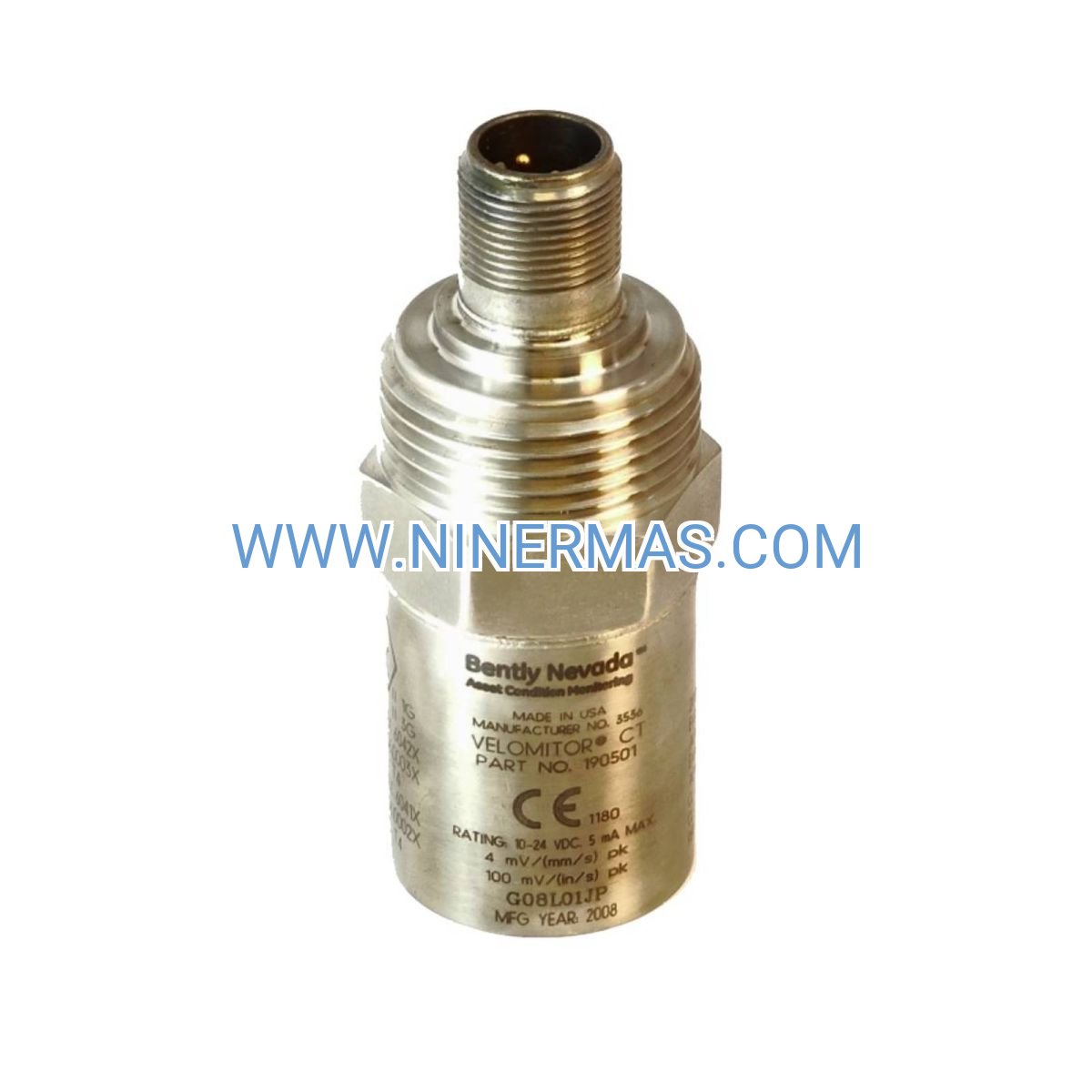
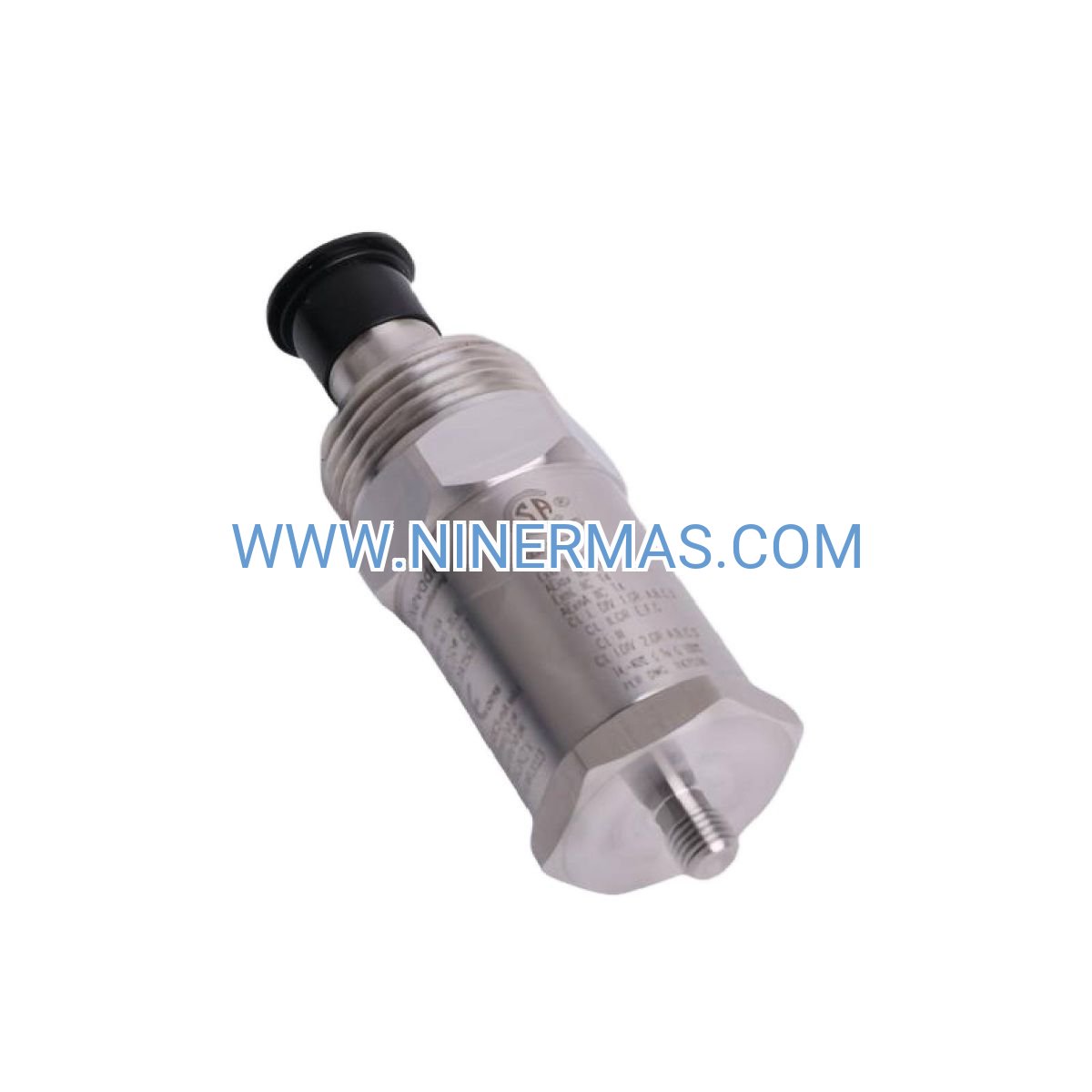
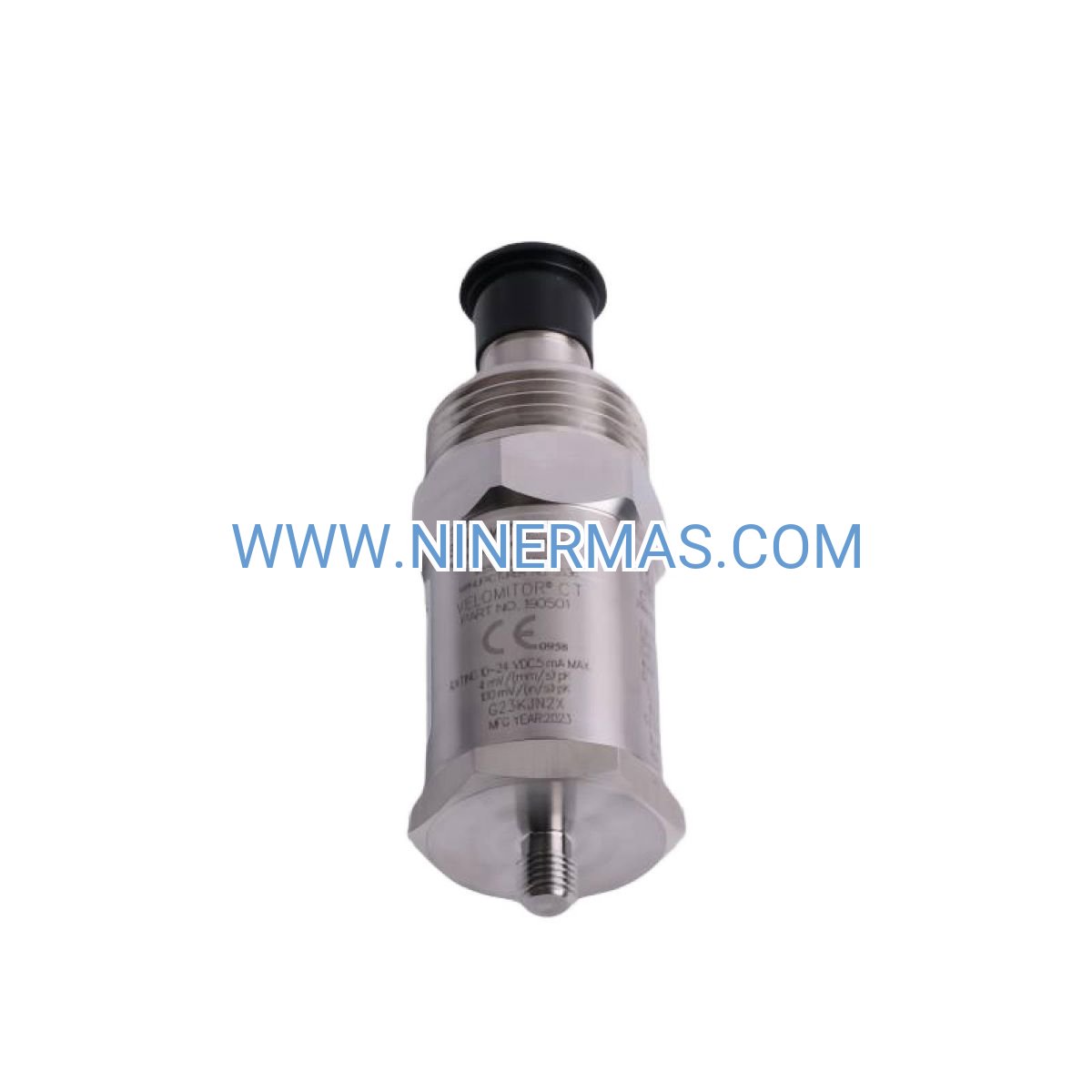
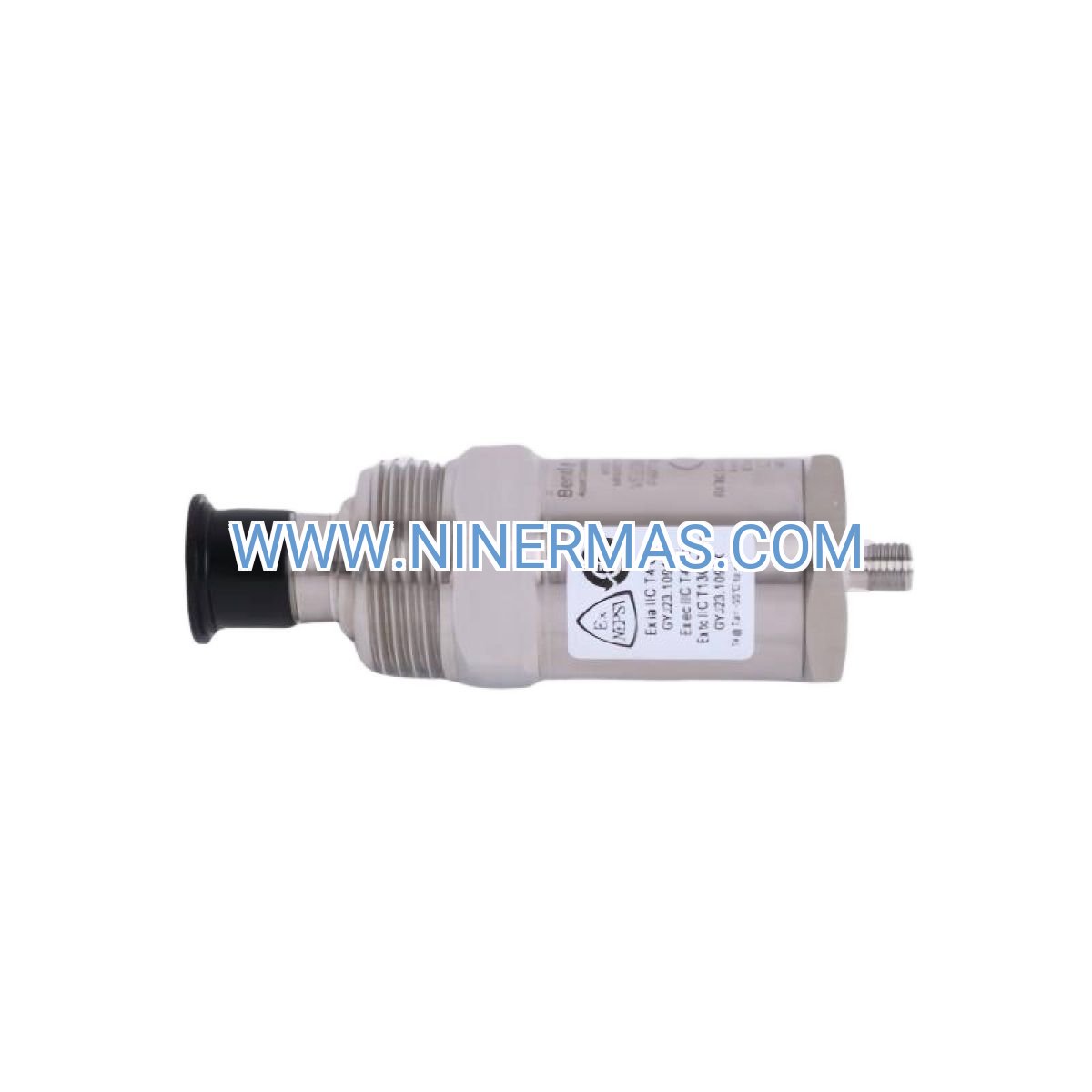
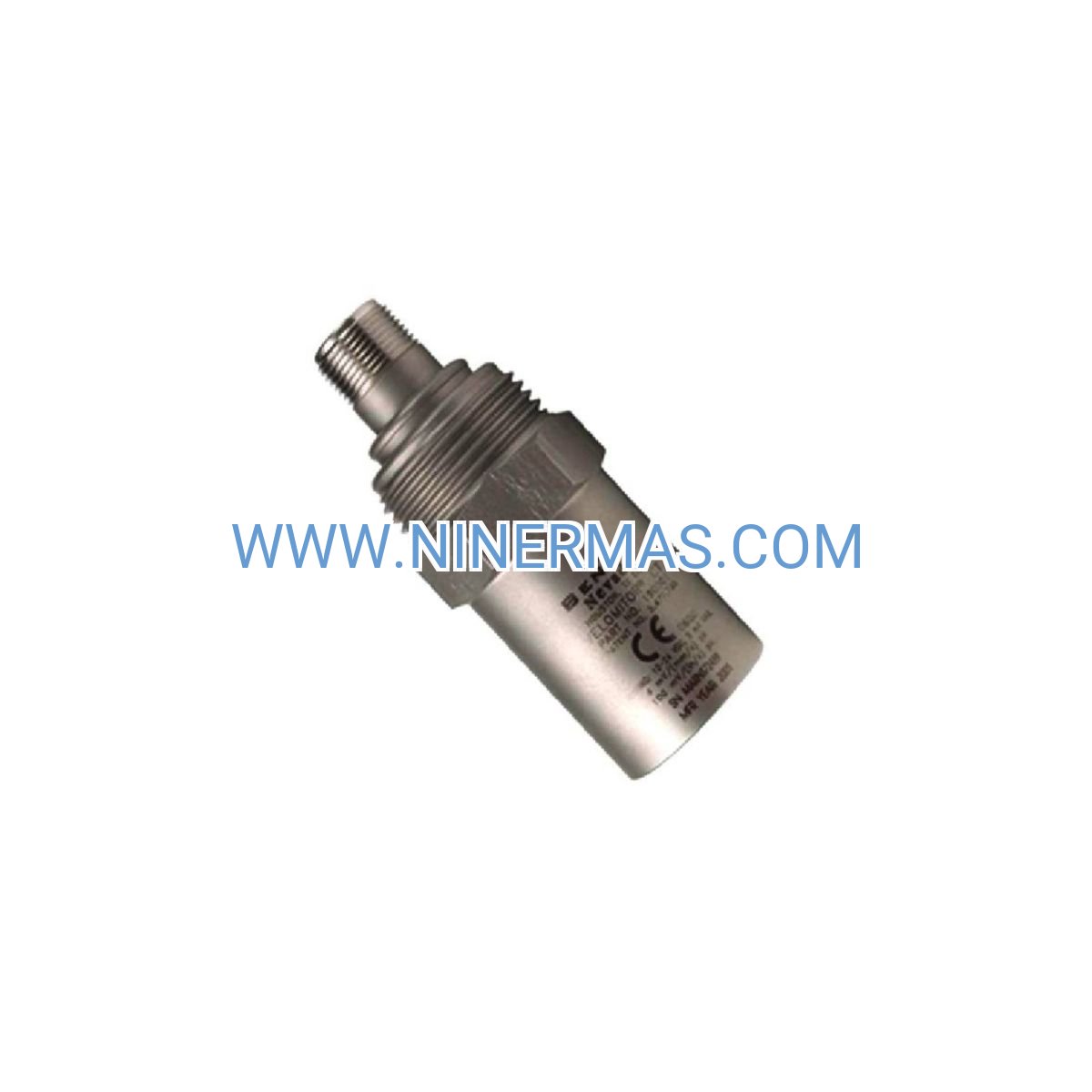
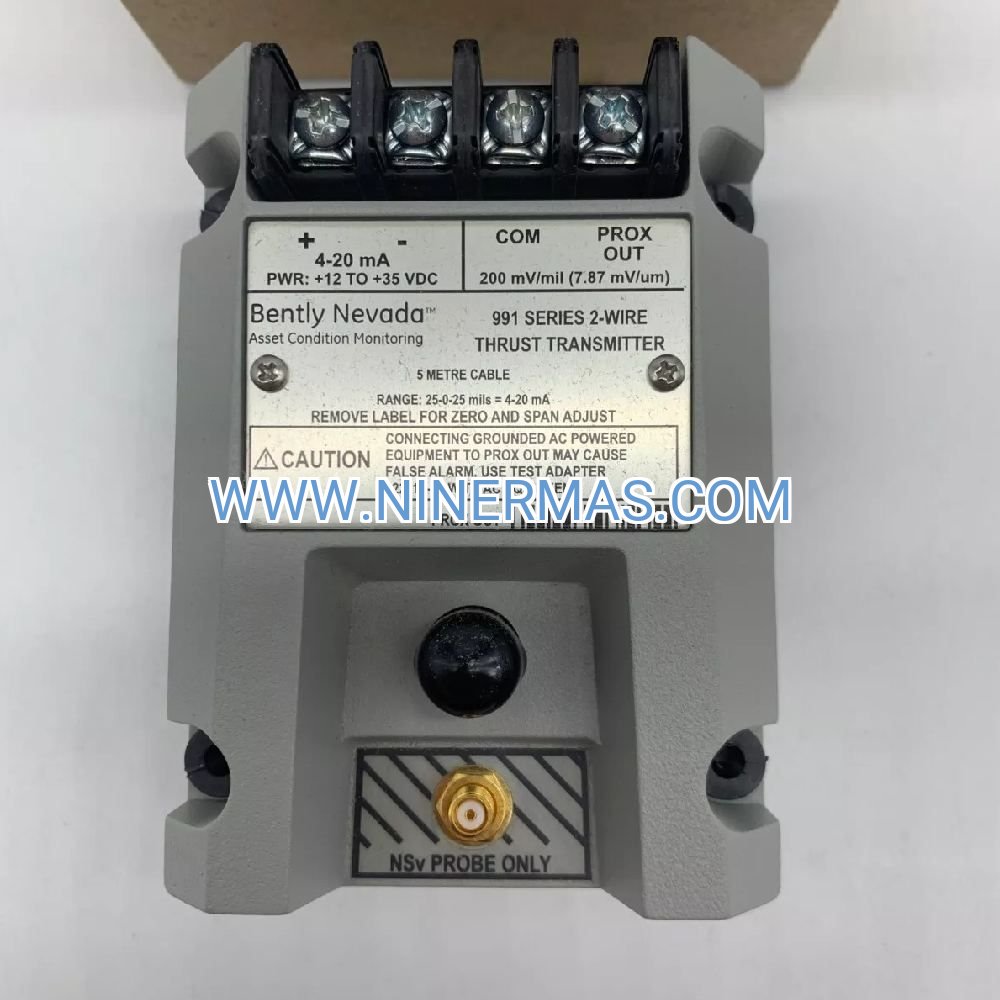
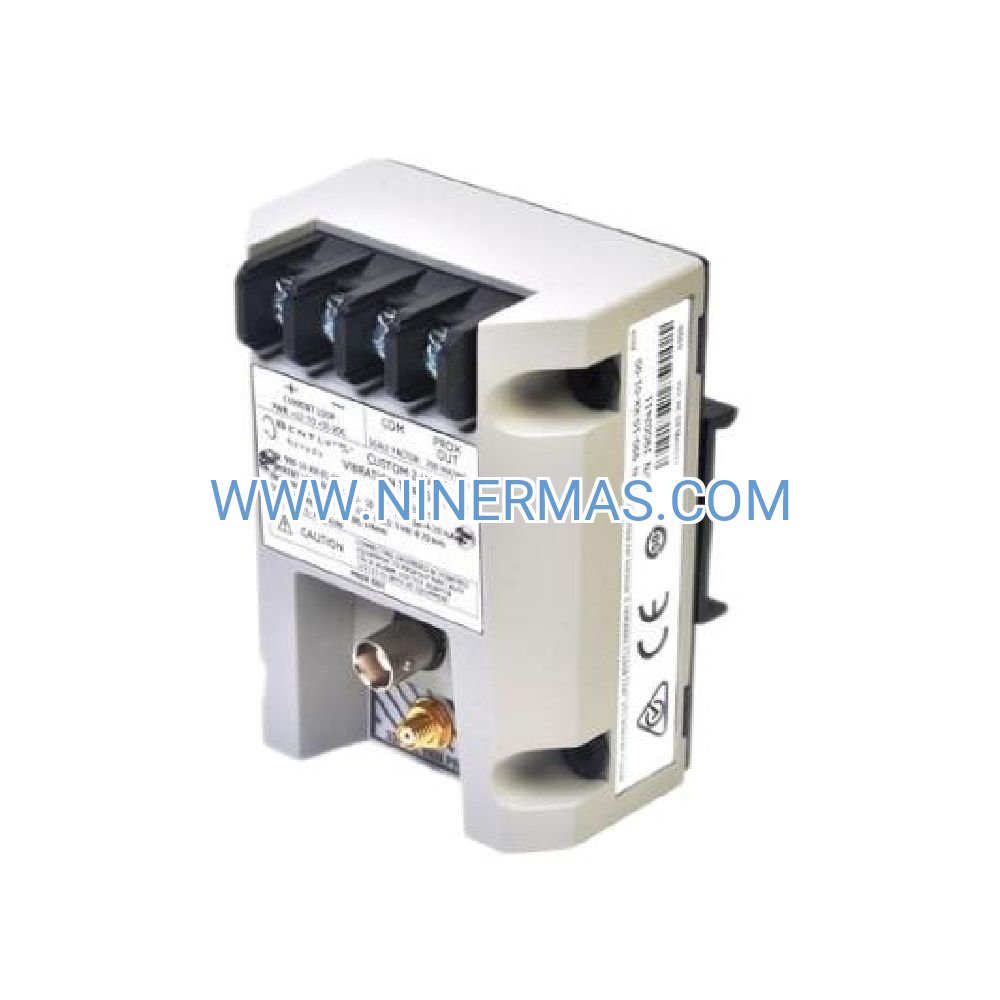
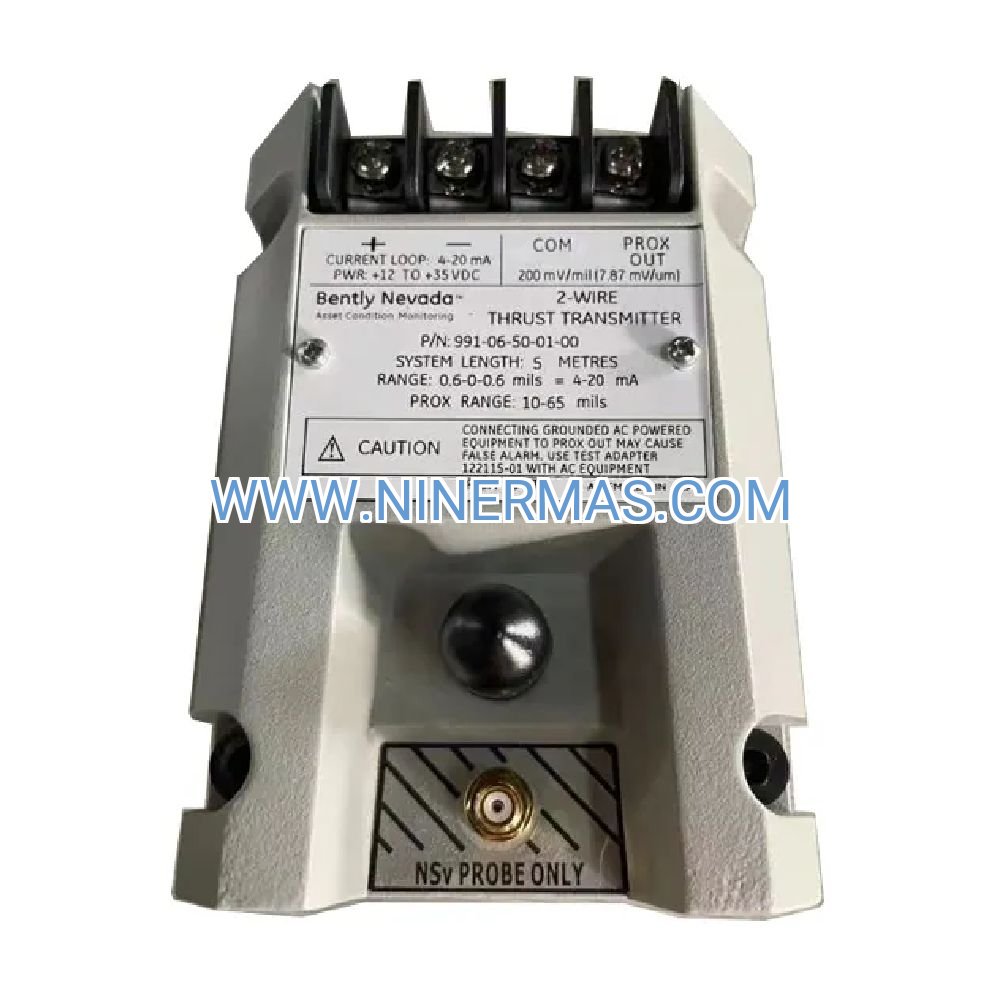
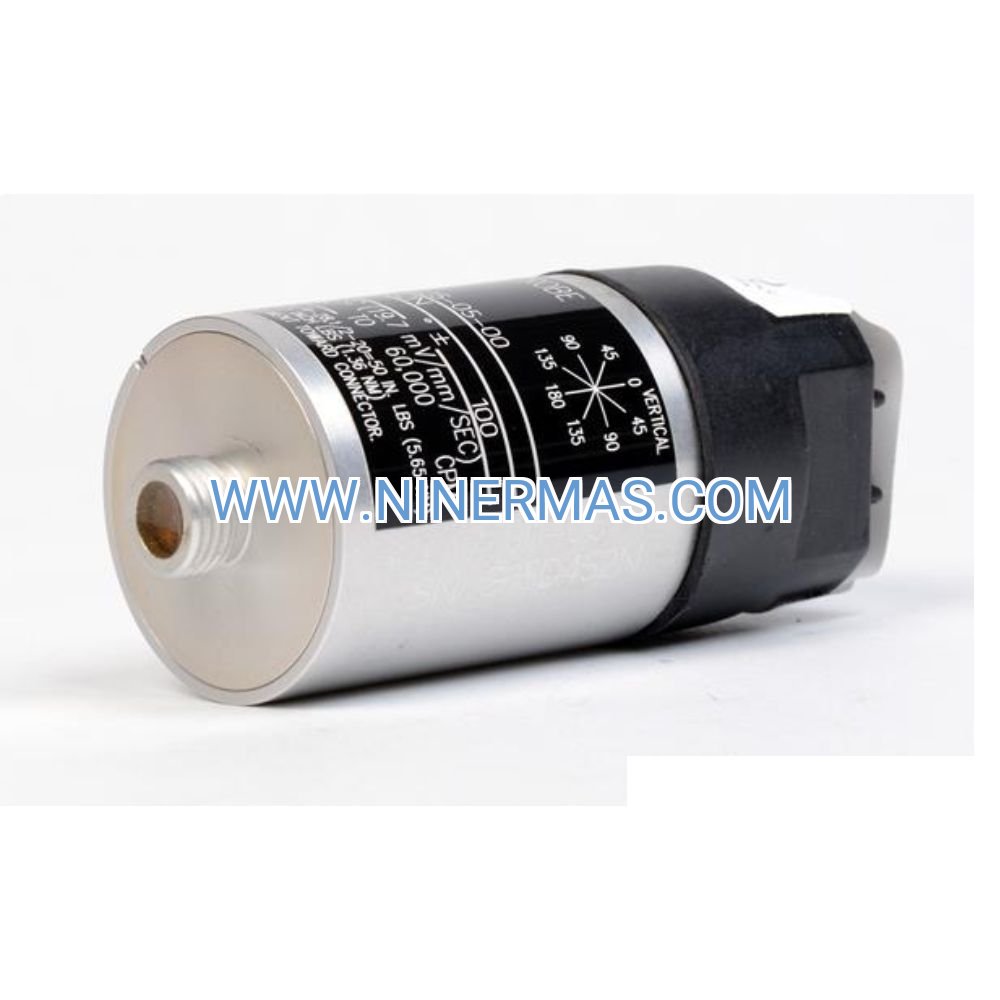
190501-07-00-00 Velomitor CT Transducer (Industrial-Grade Vibration Monitoring)
The Bently Nevada 190501-07-00-00 represents a field-proven solution for velocity-based vibration surveillance across critical rotating assets. Engineered for 24/7 operation in power generation, petrochemical processing, and heavy manufacturing environments, this Velomitor CT transducer transforms mechanical vibration into actionable intelligence—enabling maintenance teams to detect bearing degradation, shaft misalignment, and rotor imbalance weeks before catastrophic failure.
Designed for integration with Bently Nevada 3300/3500 monitoring platforms and third-party SCADA systems, the 190501-07-00-00 delivers consistent velocity output across 10-1000 Hz frequency bands. Its compact 297g housing withstands temperatures from -40°C to +121°C while maintaining ±5% accuracy—critical for offshore platforms, desert refineries, and arctic mining operations where sensor reliability directly impacts production uptime.
Whether you're protecting multi-million-dollar turbines or optimizing compressor train performance, this API 670-compliant transducer provides the measurement foundation for condition-based maintenance strategies that reduce unplanned shutdowns by 35-50% compared to reactive approaches.
Core Features & Benefits
→ Broad-Spectrum Frequency Response (10 Hz - 1 kHz)
Captures low-frequency imbalance signatures and high-frequency bearing defects in a single sensor, eliminating the need for multiple transducer types and simplifying installation logistics.
→ Factory Calibration with ISO 17025 Traceability
Every unit ships with NIST-traceable calibration certificates, ensuring measurement accuracy meets insurance requirements and regulatory audits without field calibration delays.
→ Hermetically Sealed Construction (IP67 Rated)
Stainless steel housing with epoxy-sealed cable entry prevents moisture ingress in washdown environments, coastal installations, and high-humidity process areas where conventional sensors fail within 18 months.
✓ Plug-and-Play Compatibility
Standard 2-wire 4-20mA output interfaces directly with legacy DCS systems, modern PLCs, and wireless vibration gateways—no signal conditioning modules required for 90% of installations.
✓ Extended Temperature Range (-40°C to +121°C)
Maintains calibration accuracy across extreme thermal cycling, from cryogenic pump applications to exhaust fan monitoring on gas turbine enclosures.
✓ Low-Noise Electronics (0.02 in/sec RMS noise floor)
Detects incipient faults at 0.1 in/sec vibration levels—enabling earlier intervention than accelerometer-based systems that mask low-amplitude anomalies in signal processing.
Application Scenarios
Steam Turbine Generator Sets (50-500 MW)
Monitor journal bearing vibration on HP/IP/LP turbine sections and generator drive ends. Early detection of oil whirl, rub events, and blade passing frequencies prevents forced outages costing $500K-$2M per day in lost generation revenue.
Centrifugal Compressor Trains (Oil & Gas)
Track radial vibration on multi-stage compressors handling sour gas, CO₂, and hydrocarbon streams. Velocity trending identifies seal degradation and impeller fouling 3-6 weeks before efficiency losses trigger production curtailment.
Induced Draft Fans (Power Plants & Cement Kilns)
Surveil bearing housings on ID/FD fans operating in abrasive flyash and clinker dust environments. Vibration alerts enable planned bearing replacements during scheduled outages rather than emergency repairs during peak demand.
Reciprocating Compressor Crossheads
Measure frame vibration on natural gas pipeline compressors and refrigeration units. Detects piston ring wear, valve failures, and foundation looseness that cause 60% of unplanned compressor shutdowns.
Pulp & Paper Machine Dryer Sections
Monitor felt roll and dryer drum bearings in high-temperature, high-humidity paper machine environments. Prevents web breaks and production losses averaging $15K per hour in tissue and packaging grades.
Technical Parameters & Selection Guide
| Parameter | Specification | Selection Notes |
|---|---|---|
| Measurement Range | 0.1 - 2.0 in/sec (2.5 - 50 mm/sec) | Covers ISO 10816 alarm zones for most machinery classes |
| Frequency Range | 10 Hz - 1000 Hz (±3 dB) | Suitable for 600-18,000 RPM equipment (1X-10X harmonics) |
| Output Signal | 4-20 mA (2-wire loop powered) | Direct PLC/DCS integration; 24 VDC supply required |
| Mounting Thread | 1/4-28 UNF (standard stud mount) | Use with 330130-040-00-00 extension cables for remote mounting |
| Cable Length | Integral 5m (16.4 ft) armored cable | Field-trimmable; junction box required for extensions >15m |
| Operating Temperature | -40°C to +121°C (-40°F to +250°F) | For >100°C surfaces, use thermal standoff adapters |
| Shock Survival | 500g, 0.5 ms half-sine pulse | Withstands impact wrench installation and machinery trips |
| Compliance | API 670, ISO 20816, IEC 61508 SIL-2 | Meets machinery protection standards for critical services |
Selection Criteria: Choose the 190501-07-00-00 for general-purpose machinery monitoring where velocity output is preferred over acceleration. For high-frequency bearing diagnostics (>5 kHz), consider piezoelectric accelerometers. For ultra-low-speed equipment (<300 RPM), proximity probes provide better resolution.
Extended Functions
IoT Integration Capabilities
Pair with Bently Nevada Orbit 60 wireless gateways or third-party IIoT platforms (Siemens MindSphere, GE Predix) to enable cloud-based vibration analytics, automated alarm routing, and fleet-wide benchmarking across multi-site operations.
Advanced Diagnostics
When connected to 3500/42M monitors with Trendmaster Pro software, the transducer supports spectral analysis, orbit plots, and Bode diagrams for root-cause analysis of complex machinery faults including fluid-induced instability and torsional resonance.
Customization Options
Available with alternative cable lengths (10m, 15m), explosion-proof certifications (ATEX, IECEx), and extended temperature ratings (-55°C to +177°C) for specialized applications. Consult factory for lead times on custom configurations.
Delivery & Service Assurance
Standard Lead Time: 3-5 business days for stock items; 4-6 weeks for factory-custom configurations
Warranty Coverage: 12 months from shipment date, covering defects in materials and workmanship under normal operating conditions
Technical Support: Lifetime access to application engineers for mounting guidance, signal troubleshooting, and system integration assistance
Documentation Package: Includes calibration certificate, dimensional drawings, wiring diagrams, and recommended spare parts list
Frequently Asked Questions
How does this velocity transducer compare to accelerometer-based monitoring for turbine applications?
Velocity sensors like the 190501-07-00-00 provide direct measurement of vibration severity in the 10-1000 Hz range where most turbine faults occur (imbalance, misalignment, bearing wear). Accelerometers excel at high-frequency bearing diagnostics but require integration to convert to velocity—adding cost and complexity. For API 670 compliance on steam turbines, velocity transducers remain the industry standard.
What mounting torque and surface preparation are required for accurate readings?
Apply 20-25 ft-lbs (27-34 Nm) torque to the 1/4-28 mounting stud. Mounting surface must be flat within 0.002" (0.05 mm), free of paint/rust, and perpendicular to the vibration measurement axis. Use a thin layer of thermal grease to ensure mechanical coupling—improper mounting causes 40% of field measurement errors.
Can this sensor operate in hazardous area classifications (Class I Div 2)?
The standard 190501-07-00-00 is suitable for non-hazardous areas. For Class I Div 2 / Zone 2 installations, specify the -CN suffix variant with intrinsically safe barriers. For Zone 1/Div 1 applications, use the explosion-proof 990-05 Velomitor series with ATEX/IECEx certification.
What is the expected service life in continuous operation?
MTBF exceeds 150,000 hours (17 years) in typical industrial environments. Primary failure modes are cable fatigue from excessive vibration (>2.0 in/sec sustained) and moisture ingress from damaged cable jackets. Annual visual inspection and cable continuity checks extend operational life to 20+ years.
Does the transducer require periodic recalibration?
Factory calibration remains stable within ±2% over 5-year intervals under normal conditions. Recalibration is recommended after exposure to shock events >500g, thermal excursions beyond rated limits, or when trending data shows unexplained baseline shifts. Most users recalibrate on a 3-5 year cycle aligned with major turnaround schedules.
How do I integrate this sensor with non-Bently Nevada monitoring systems?
The 4-20 mA output connects to any PLC analog input module (Allen-Bradley 1756-IF16, Siemens SM 331) or DCS card. Scale the input for 0.1-2.0 in/sec range (4 mA = 0.1 in/sec, 20 mA = 2.0 in/sec). For digital systems, use a 250-ohm precision resistor to convert current to 1-10 VDC for ADC inputs.
Take Action Now
Protect your critical assets with proven vibration monitoring technology. Order the Bently Nevada 190501-07-00-00 today and receive factory-direct support, expedited shipping, and volume pricing for multi-unit projects. Contact our applications team for system design assistance, mounting hardware selection, and integration with your existing monitoring infrastructure.
Need help selecting the right transducer configuration? Our engineers provide complimentary site assessments and vibration surveys to optimize sensor placement and monitoring strategies.
© 2026 NINERMAS COMPANY LIMITED. All rights reserved.
Original Source: https://ninermas.com
Contact: sale@ninermas.com | +0086 187 5021 5667
PDF Specification
Download PDF file here:
Click to Download PDF

Contact Info
-
Address:22 / F, South Wo Hang building, 148 Wing Lok Street, Sheung Wan, Western District, Hong Kong
-
Phone:+8618750215667
-
Email: