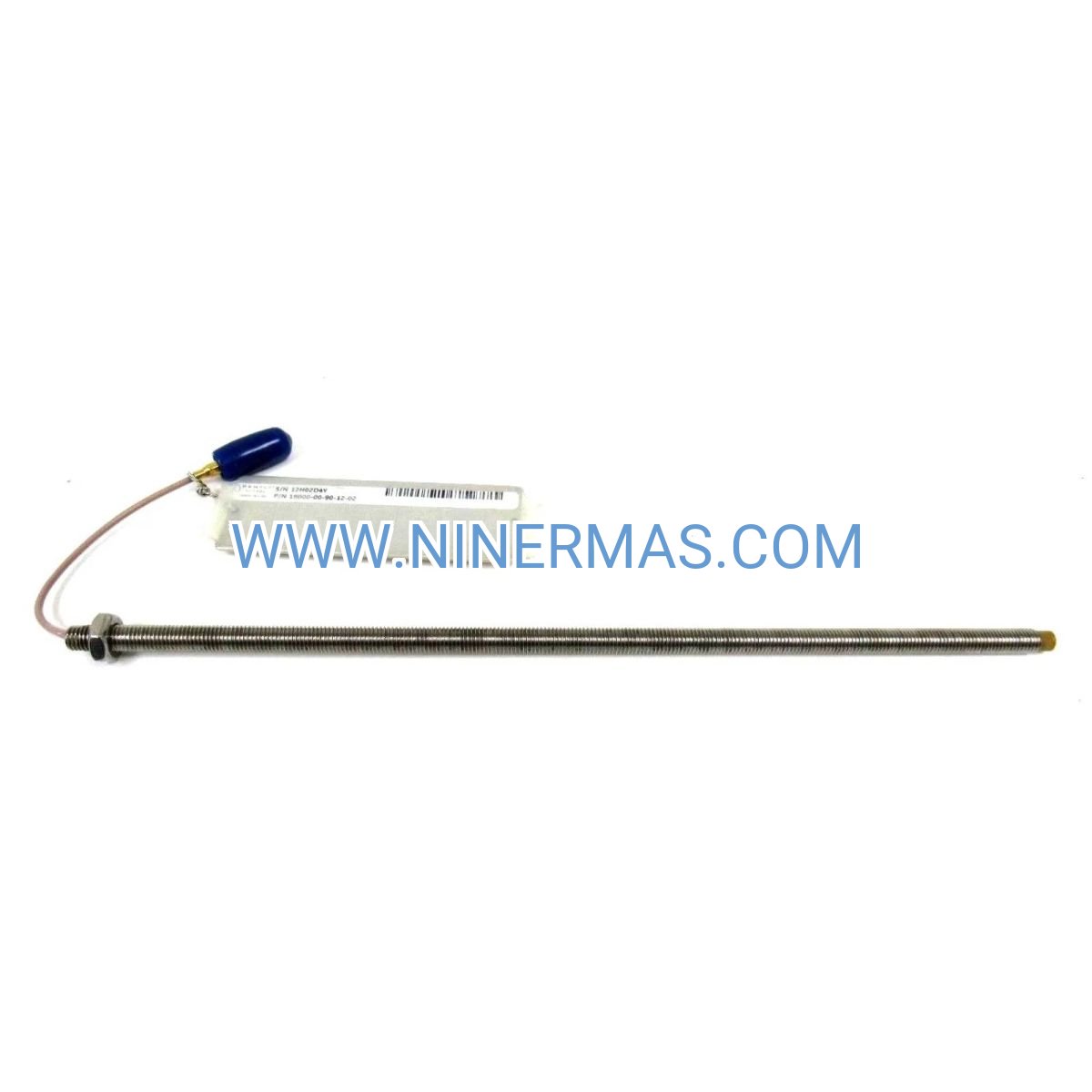
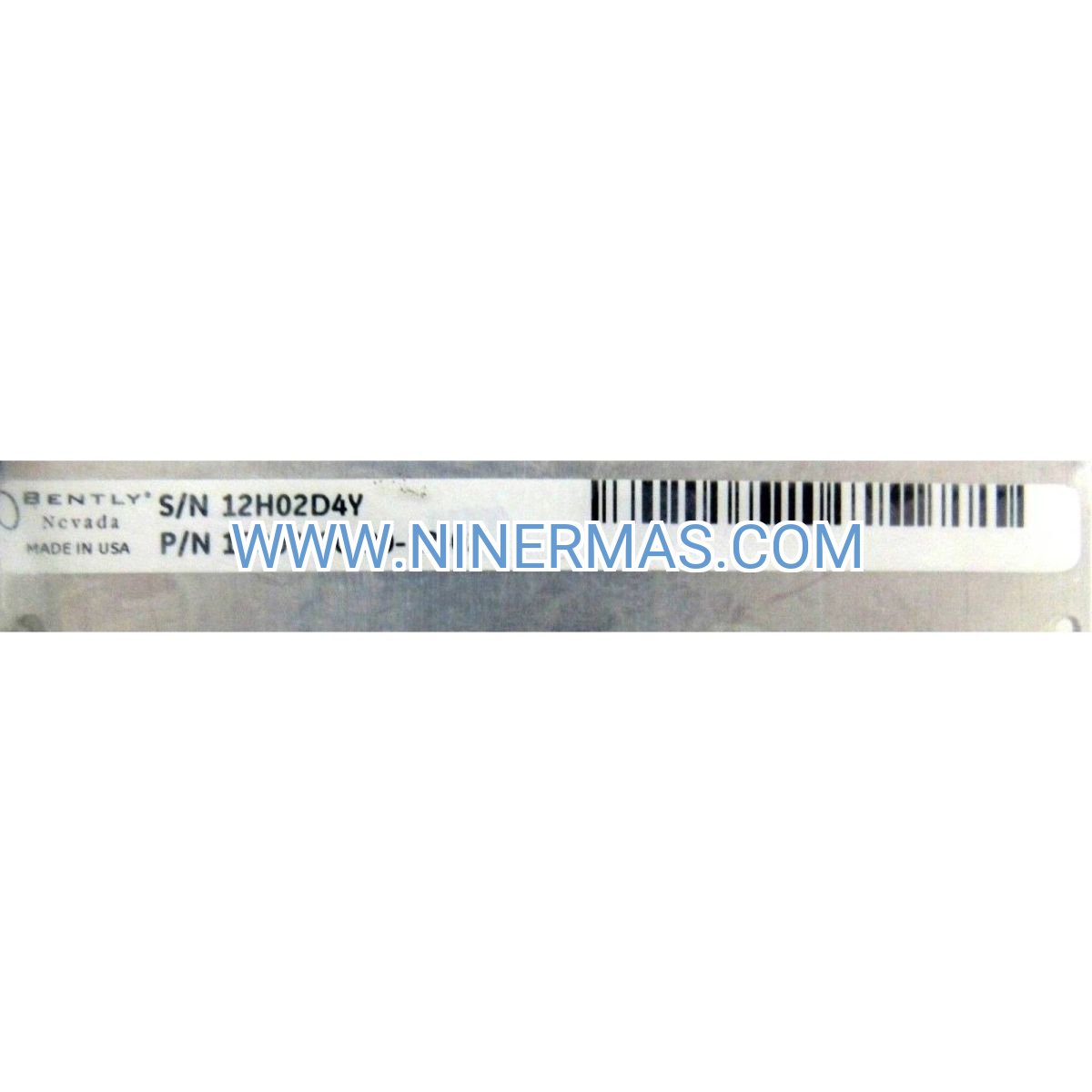
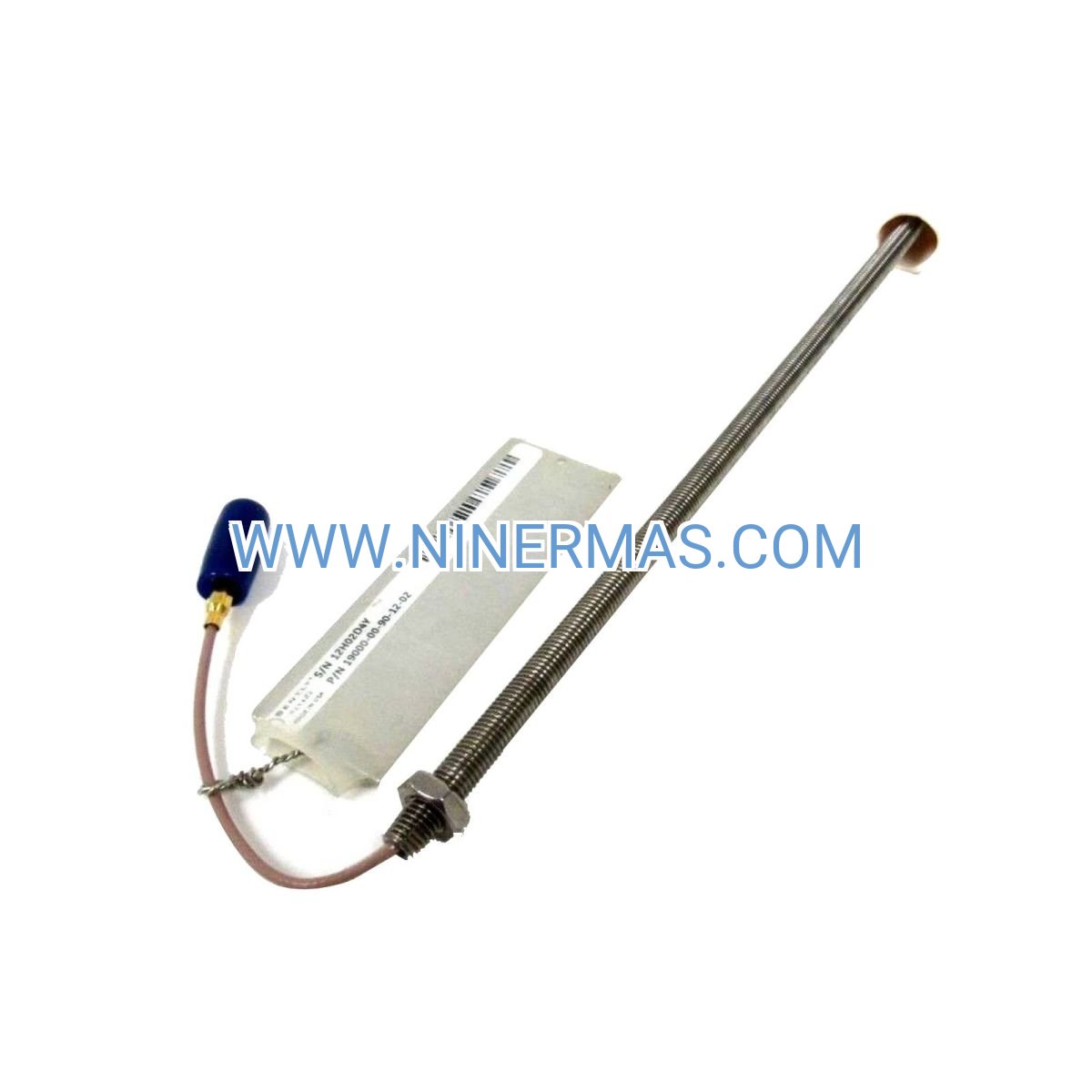
Bently Nevada 19000-00-90-12-02 Vibration Monitor | API 670 4-20mA Output | Industrial Machinery Protection
Description
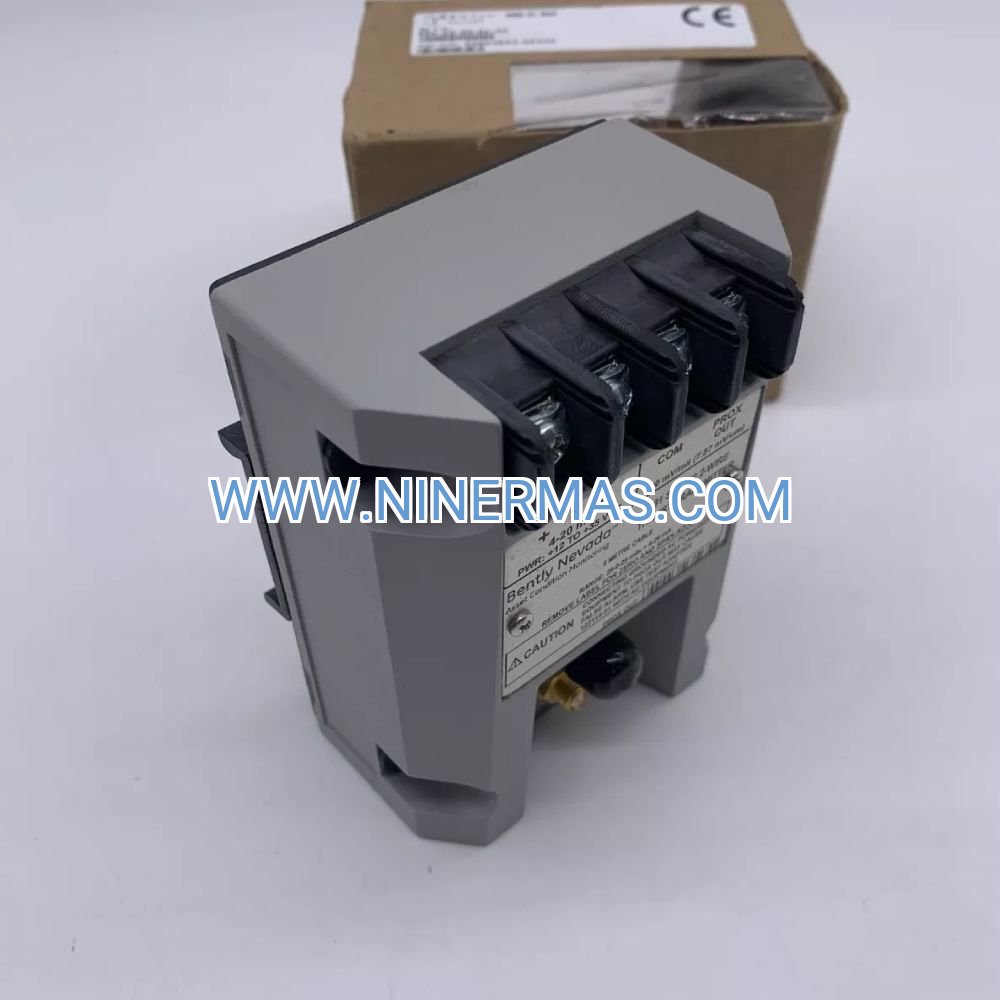
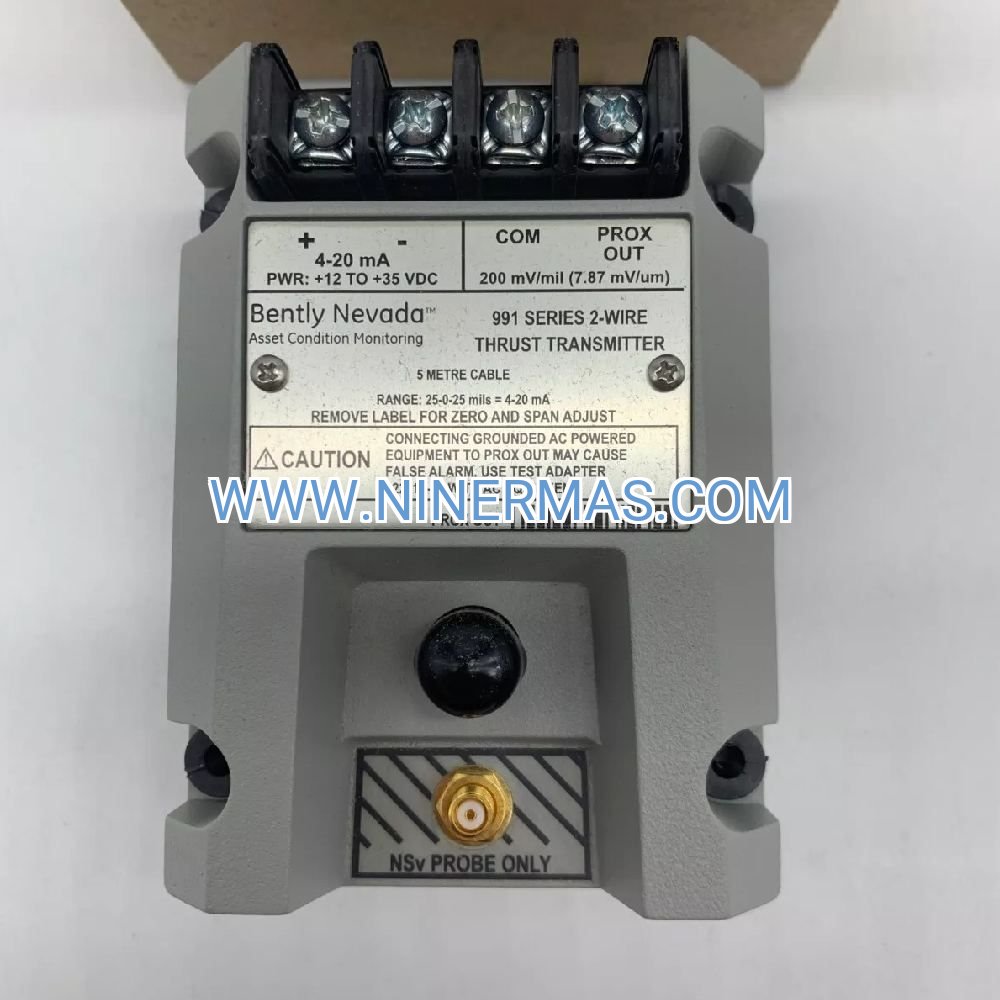
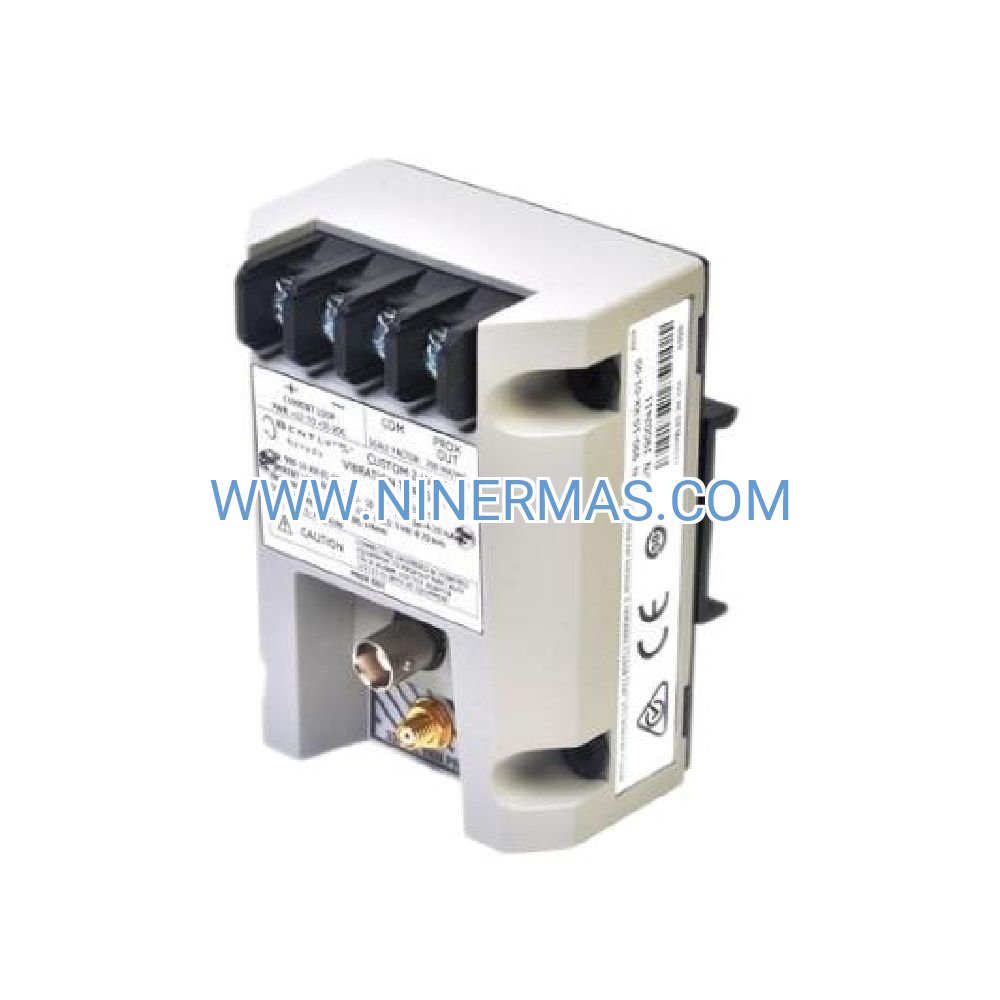
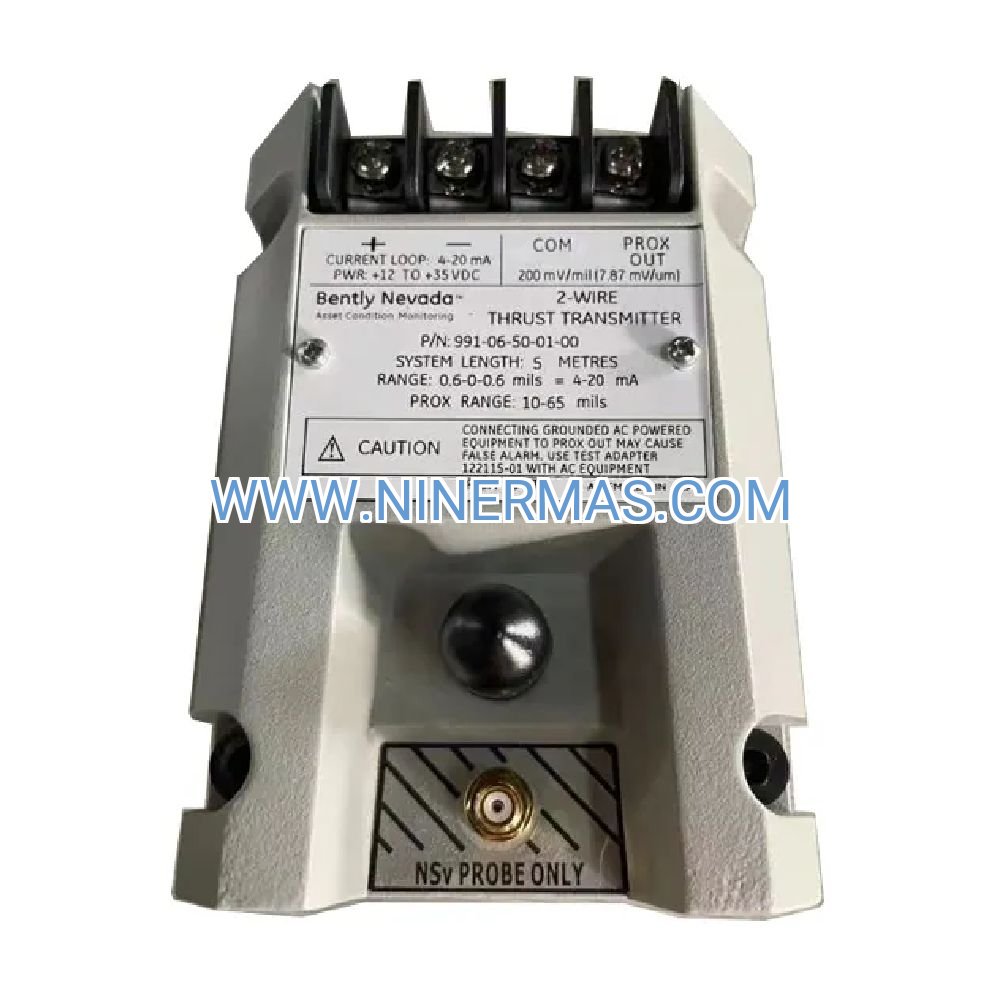
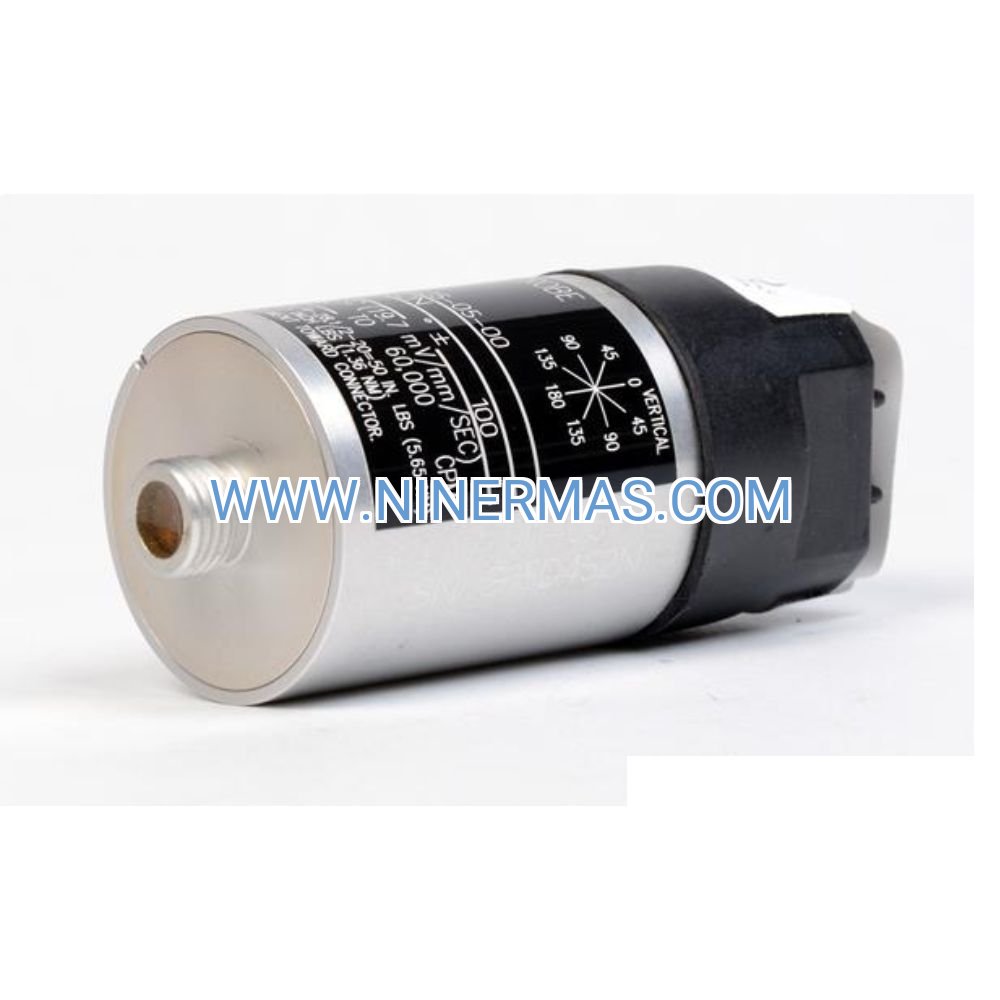
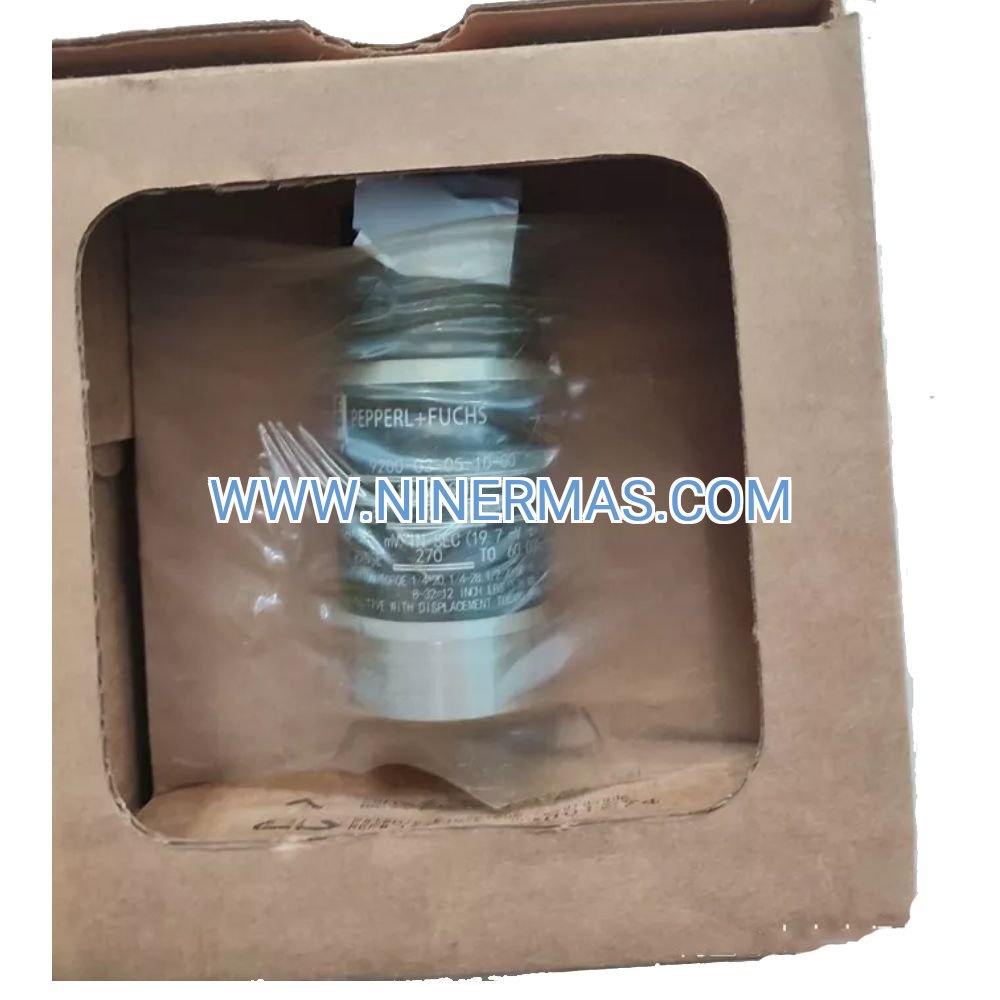
Bently Nevada 19000-00-90-12-02 Vibration Monitor (API 670 Certified Machinery Protection System)
The Bently Nevada 19000-00-90-12-02 vibration monitor is an industrial-grade condition monitoring device designed for critical rotating machinery protection. Through precision vibration sensing and 4-20mA analog output transmission, it enables real-time monitoring of shaft vibration, bearing health, and mechanical imbalance, ensuring continuous operation and preventing catastrophic failures.
Ideal for turbines, compressors, pumps, motors, and gearboxes in power generation, oil & gas, petrochemical, and heavy manufacturing environments, this monitor addresses challenges such as unplanned downtime, bearing failures, rotor imbalance, and delayed fault detection. It provides early warning of mechanical degradation before critical damage occurs.
Featuring API 670 compliance, factory calibration, and field-proven reliability, the 19000-00-90-12-02 is trusted by plant engineers, maintenance teams, instrumentation contractors, and OEM integrators worldwide. Contact our application engineers for configuration guidance, wiring diagrams, and competitive quotations tailored to your machinery protection requirements.
Core Features & Advantages
- API 670 Compliance for Critical Service
Meets American Petroleum Institute standards for vibration monitoring in rotating machinery, ensuring regulatory compliance and insurance eligibility for high-risk installations. - 4-20mA Analog Output for Universal Integration
Standard current loop output interfaces seamlessly with DCS, PLC, SCADA systems, and legacy control panels, enabling centralized monitoring and automated shutdown logic. - Factory-Calibrated Precision Measurement
Pre-configured sensor scaling and signal conditioning eliminate field calibration errors, reducing commissioning time and ensuring measurement accuracy from day one. - Dual-Channel Monitoring Capability
Simultaneous tracking of radial vibration on X-Y axes or multiple bearing positions, providing comprehensive machine health visibility and fault localization. - Robust Industrial Construction
Designed for harsh environments with wide operating temperature range, EMI/RFI immunity, and conformal-coated electronics to withstand dust, moisture, and vibration exposure. - Configurable Alarm Setpoints
User-adjustable Alert and Danger thresholds with relay outputs trigger maintenance actions or emergency shutdowns, protecting assets and personnel safety. - Long-Term Reliability & Serviceability
Proven MTBF in continuous operation, modular design for easy troubleshooting, and global spare parts availability minimize lifecycle costs and maximize uptime.
Typical Application Scenarios
This vibration monitor is engineered for installations demanding high reliability, regulatory compliance, and integration with existing control infrastructure, particularly in:
- Power Generation Plants
Steam turbines, gas turbines, and generator sets require continuous vibration surveillance to prevent blade damage, bearing seizure, and unplanned outages that impact grid stability and revenue. - Oil & Gas Production Facilities
Offshore platforms, refineries, and pipeline compressor stations utilize API 670 monitors to meet safety standards, protect high-value equipment, and ensure 24/7 operational continuity in remote locations. - Petrochemical & Chemical Processing
Centrifugal compressors, process pumps, and agitators handling hazardous fluids depend on early fault detection to avoid leaks, fires, and environmental incidents caused by mechanical failures. - Heavy Industry & Manufacturing
Steel mills, paper machines, cement kilns, and mining conveyors benefit from predictive maintenance strategies enabled by continuous vibration trending and alarm notification. - Water Treatment & Municipal Infrastructure
Large circulation pumps, blowers, and clarifier drives in wastewater plants use vibration monitoring to schedule maintenance during planned shutdowns, avoiding service disruptions.
Technical Parameters & Selection Guide
To facilitate engineering design and procurement, we provide standardized specifications and application-specific configuration options. Custom sensor ranges, output scaling, and enclosure ratings are available for project-specific requirements.
| Parameter | Specification |
|---|---|
| Model Number | 19000-00-90-12-02 |
| Compliance Standard | API 670 5th Edition |
| Input Signal Type | Proximity probe (eddy current sensor), 7.87 V/mm (200 mV/mil) typical |
| Output Signal | 4-20mA analog current loop (isolated) |
| Measurement Range | 0-500 µm pk-pk (0-20 mils pk-pk), field-scalable |
| Frequency Response | 10 Hz to 1 kHz (-3dB), suitable for most rotating machinery |
| Alarm Outputs | 2 relay contacts (Alert & Danger), SPDT, 5A @ 250VAC |
| Power Supply | 24 VDC ±10% (18-30 VDC), <5W consumption |
| Operating Temperature | -30°C to +65°C (-22°F to +149°F) |
| Enclosure Rating | IP65 / NEMA 4X (optional IP66 for offshore) |
| Mounting | DIN rail or panel mount, compact footprint |
| Certifications | CE, UL/cUL, ATEX/IECEx (Zone 2) available |
Selection Recommendations: When specifying this monitor, consider maximum expected vibration amplitude, sensor sensitivity (mV/mil or V/mm), required alarm setpoints, control system input compatibility (current vs. voltage), hazardous area classification, and ambient temperature extremes. For assistance, provide machinery type, operating speed (RPM), bearing configuration, and site environmental conditions. Our engineers will recommend optimal sensor pairing, cable length limits, and barrier requirements for intrinsically safe installations.
Extended Functionality & Integration Options
- Modbus RTU / Profibus DP Communication – Optional digital protocol modules enable remote diagnostics, trend logging, and integration with plant-wide asset management systems.
- Buffered Output for Oscilloscope Analysis – AC-coupled waveform output allows connection of portable analyzers for detailed frequency spectrum and phase analysis during commissioning or troubleshooting.
- Self-Diagnostic & Sensor Health Monitoring – Automatic detection of open circuits, short circuits, and sensor gap faults with dedicated fault relays prevents false alarms and ensures system integrity.
- Explosion-Proof & Intrinsically Safe Variants – ATEX/IECEx certified models with galvanic isolation and energy-limiting barriers for Class I Div 1 / Zone 1 hazardous locations.
Delivery, Service & Quality Assurance
Lead Time: Standard configuration units ship within 3-5 business days from stock. Custom-configured or certified models require 10-15 business days. Expedited processing available for urgent shutdowns or project deadlines.
Warranty: 12-month manufacturer warranty covering defects in materials and workmanship. Extended warranty and calibration service contracts available.
Technical Support: Remote application assistance via email/phone during installation and commissioning. On-site startup support and training can be arranged for large projects (subject to location and terms).
Documentation Package: Each unit includes installation manual, wiring diagrams, dimensional drawings, calibration certificate, and configuration record. CAD files (DWG/STEP) and loop diagrams provided upon request for engineering integration.
Quality Certifications: Manufactured under ISO 9001 quality management system. Test reports and material traceability documentation available for critical service applications.
Frequently Asked Questions (FAQ)
Q: How do I interface the Bently Nevada 19000-00-90-12-02 vibration monitor with my existing PLC or DCS?
A: The monitor provides a standard 4-20mA current loop output that connects directly to analog input modules on most PLCs (Allen-Bradley, Siemens, Schneider) and DCS systems (Honeywell, Emerson, ABB). Ensure your input card is configured for 4-20mA current mode, and observe polarity. Loop power can be supplied by the monitor or externally. Wiring diagrams are included in the manual, and our engineers can assist with scaling configuration.
Q: What is the maximum number of sensors one monitor can handle?
A: The 19000-00-90-12-02 is a dual-channel monitor, accepting two proximity probes for simultaneous X-Y radial vibration measurement or monitoring two separate bearing positions. For machines requiring more measurement points, multiple monitors can be installed and networked.
Q: What level of vibration reduction or energy savings can I expect?
A: The monitor itself does not reduce vibration but enables early detection of mechanical issues (imbalance, misalignment, bearing wear) that, when corrected, can reduce vibration by 40-70% and prevent energy losses from friction and inefficiency. Proactive maintenance based on monitor alerts can cut unplanned downtime by up to 50% and extend equipment life by 20-30%.
Q: What are the environmental and installation requirements? What is the IP rating?
A: Standard enclosure is IP65 (dust-tight, protected against water jets), suitable for indoor industrial environments. Operating temperature range is -30°C to +65°C. For outdoor, offshore, or washdown areas, IP66 or NEMA 4X versions are available. Avoid direct exposure to corrosive chemicals or prolonged submersion. DIN rail or panel mounting options accommodate most control cabinet layouts.
Q: Can the monitor support remote monitoring and data acquisition? Which protocols are supported?
A: The base model provides 4-20mA analog output for real-time trending. Optional communication modules add Modbus RTU (RS-485) or Profibus DP for digital integration with SCADA, historians, and condition monitoring software. This enables remote alarm notification, trend analysis, and integration with predictive maintenance platforms. Contact us to specify communication requirements during ordering.
Q: Is factory calibration included, or do I need to calibrate on-site?
A: All units are factory-calibrated and tested with traceable standards before shipment. A calibration certificate is included. Field calibration is not required for standard applications. If site-specific scaling or verification is needed (e.g., for regulatory audits), we can provide calibration procedures or arrange certified on-site calibration services.
Request Technical Support & Quotation
To receive a detailed selection proposal, competitive pricing, or application engineering assistance, please provide the following project information:
- Project name and application (e.g., turbine vibration monitoring, pump protection)
- Machinery type, operating speed (RPM), and bearing configuration
- Required measurement range and sensor type (proximity probe specifications)
- Number of monitoring points and channels needed
- Control system interface requirements (4-20mA, Modbus, Profibus, etc.)
- Site environmental conditions (temperature, humidity, hazardous area classification)
- Delivery timeline and quantity
Our application engineers will respond within 24 hours with a tailored solution, technical drawings, and budget quotation.
© 2026 NINERMAS COMPANY LIMITED. All rights reserved.
Original Source: https://ninermas.com
Contact: sale@ninermas.com | +0086 187 5021 5667

Contact Info
-
Address:22 / F, South Wo Hang building, 148 Wing Lok Street, Sheung Wan, Western District, Hong Kong
-
Phone:+8618750215667
-
Email: