Description
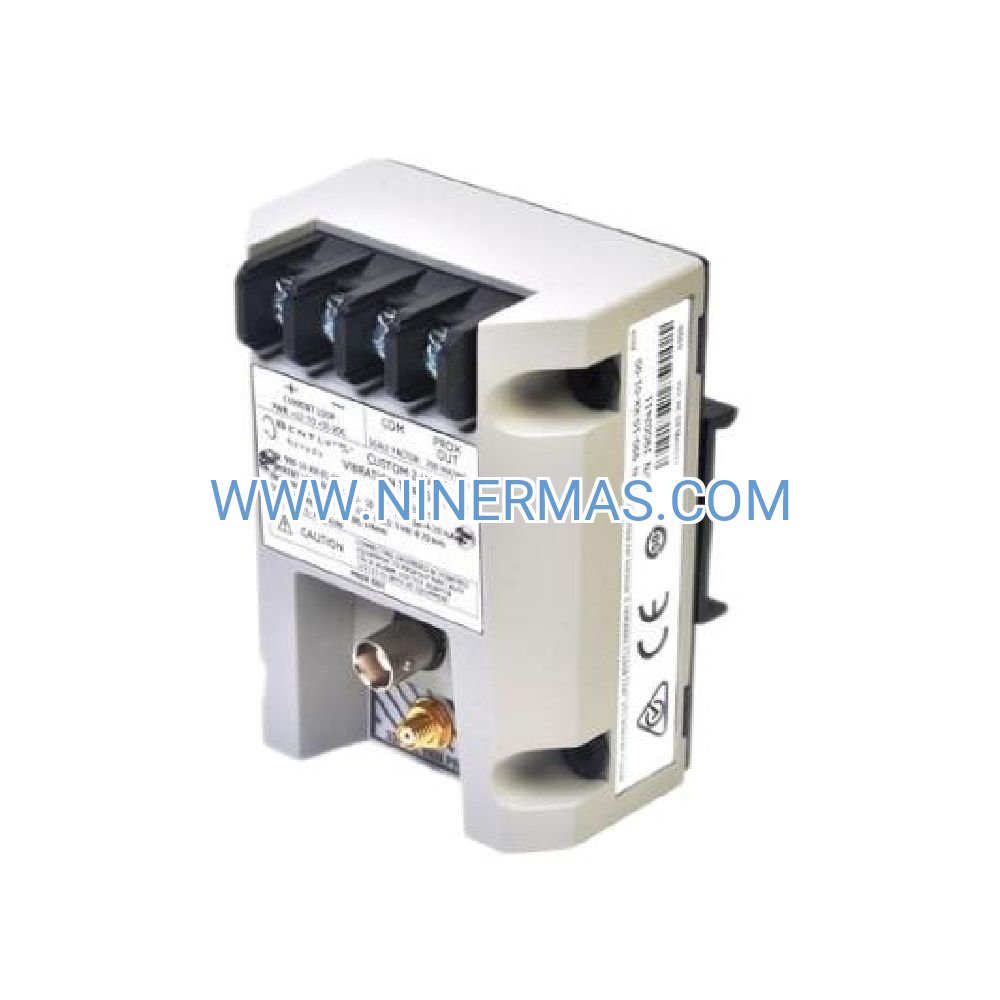
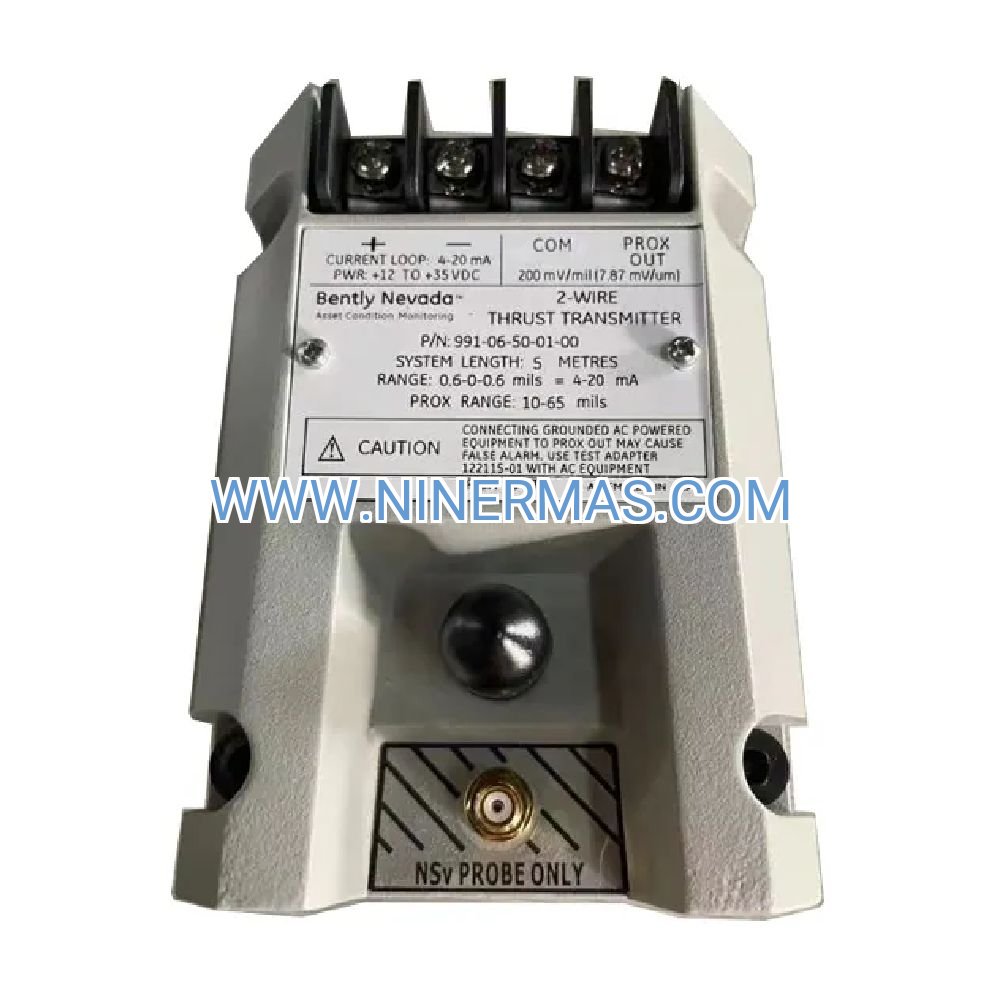
1900/65A Vibration Monitor (Industrial-Grade Machinery Protection System)
The 1900/65A represents a breakthrough in cost-effective machinery protection, delivering enterprise-level vibration monitoring capabilities for critical rotating equipment. Engineered for harsh industrial environments, this general purpose equipment monitor combines real-time diagnostics with proven reliability to prevent catastrophic failures across pumps, compressors, turbines, and motor-driven systems. Designed for operations teams demanding 24/7 uptime, the 1900/65A transforms reactive maintenance into proactive asset management.
Manufacturing facilities, power plants, and process industries face constant pressure to eliminate unplanned downtime while controlling maintenance costs. The 1900/65A addresses this challenge by detecting early-stage mechanical faults—bearing degradation, shaft misalignment, rotor imbalance, and structural looseness—before they escalate into production-stopping failures. With multi-sensor compatibility and configurable alarm thresholds, this monitor adapts to diverse machinery portfolios without requiring specialized programming expertise.
Backed by Bently Nevada's 60+ years of rotating machinery expertise, the 1900/65A delivers industrial-grade performance at a competitive price point. Its plug-and-play architecture enables rapid deployment, while industry-standard communication protocols ensure seamless integration with existing SCADA, DCS, and PLC infrastructure. For reliability engineers seeking to maximize equipment availability and extend asset lifecycles, the 1900/65A provides the diagnostic intelligence needed to make data-driven maintenance decisions.
Core Features & Benefits
→ Multi-Channel Monitoring Architecture
Simultaneous tracking of multiple vibration parameters across different machine components. Eliminates blind spots in asset protection strategies while reducing hardware costs compared to single-channel alternatives.
→ Universal Sensor Compatibility
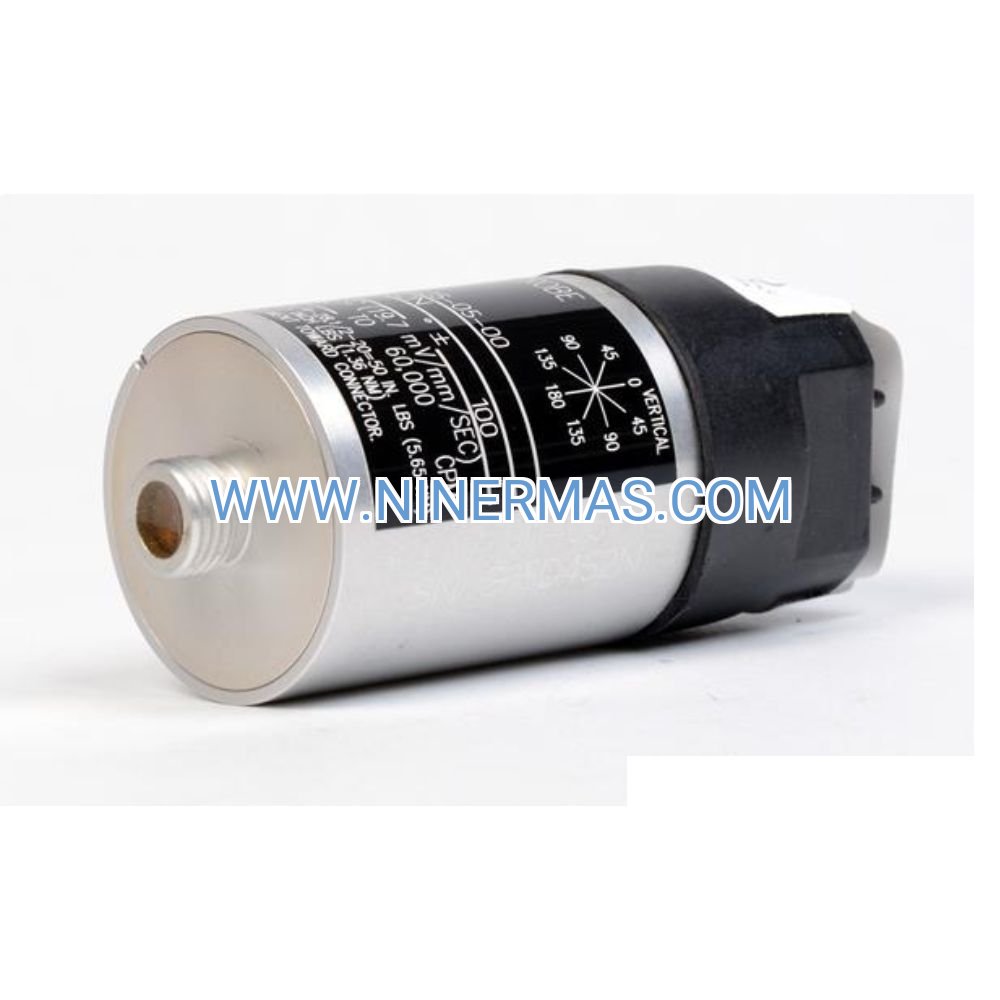
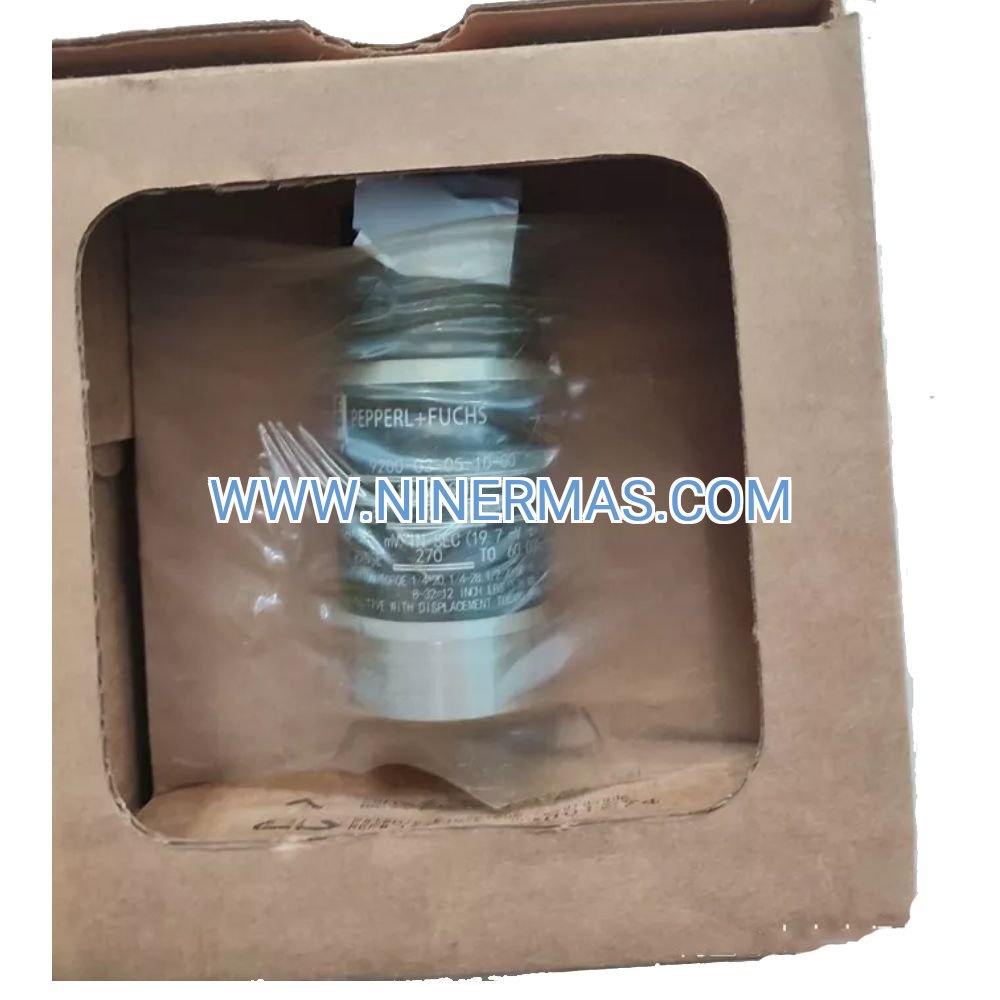
Native support for proximity probes, accelerometers, and velocity transducers without external signal conditioning. Simplifies sensor selection and reduces installation complexity across mixed equipment fleets.
→ Dual-Stage Alarm Configuration
Independent alert and danger setpoints with isolated relay outputs for graduated response protocols. Enables automated shutdown sequences while providing early warning notifications to maintenance teams.
→ Extended Temperature Range Operation
Certified performance from -30°C to +65°C (-22°F to +149°F) for deployment in extreme climates. Maintains measurement accuracy in outdoor installations, desert facilities, and arctic processing plants.
✓ Rapid Fault Identification
Real-time spectral analysis pinpoints specific mechanical defects within minutes of symptom onset. Reduces diagnostic time by 60% compared to manual vibration analysis, accelerating corrective action deployment.
✓ Flexible Power Options
100-240 VAC universal input or 24 VDC operation accommodates global electrical standards and remote site requirements. Eliminates need for voltage conversion equipment in international installations.
Application Scenarios
Petrochemical Refinery Operations
Critical service pumps handling volatile hydrocarbons require continuous protection against seal failures and bearing degradation. The 1900/65A monitors high-pressure transfer pumps, reactor circulation systems, and distillation column equipment, triggering automated isolation before catastrophic ruptures occur. Refineries report 35% reduction in emergency shutdowns after implementation.
Combined Cycle Power Generation
Gas turbine auxiliary systems—lube oil pumps, cooling water circulation, fuel gas compressors—demand uninterrupted operation to maintain grid stability. The monitor detects cavitation, hydraulic instability, and mechanical wear in balance-of-plant equipment, preventing forced outages that cost $500K+ per event in lost generation revenue.
Pulp & Paper Production Lines
Paper machine drives operating at 1,200+ FPM cannot tolerate unexpected stoppages without product quality impacts. The 1900/65A safeguards dryer section bearings, calendar stack drives, and winder motors, identifying lubrication deficiencies and coupling wear before web breaks occur. Mills achieve 98%+ equipment availability on monitored assets.
Municipal Water Treatment Facilities
High-capacity centrifugal pumps (5,000+ GPM) serving urban populations require maximum reliability with minimal maintenance budgets. The monitor tracks main lift pumps, aeration blowers, and sludge handling equipment, extending bearing life by 40% through optimized lubrication intervals based on actual condition data.
Mining Conveyor Systems
Continuous material handling conveyors spanning kilometers depend on hundreds of idler bearings and drive units. The 1900/65A monitors critical transfer points, crusher feed systems, and overland conveyor drives, preventing belt damage from seized rollers and reducing maintenance crew response time by 50%.
Technical Parameters & Selection Guide
| Specification | Value | Application Notes |
|---|---|---|
| Monitoring Channels | Multi-channel configuration | Supports radial, axial, and thrust measurements |
| Input Sensitivity Range | Compatible with mV/g to V/mil sensors | Auto-scaling for diverse transducer types |
| Frequency Response | 2 Hz to 10 kHz typical | Covers subsynchronous to gear mesh frequencies |
| Alarm Relay Ratings | 5A @ 250 VAC / 30 VDC | Direct control of shutdown valves or contactors |
| Communication Protocols | 4-20 mA, Modbus RTU/TCP | Integrates with Allen-Bradley, Siemens, Schneider PLCs |
| Enclosure Rating | IP65 / NEMA 4X optional | Suitable for washdown and corrosive environments |
| Certifications | CE, UL, ATEX/IECEx available | Compliant for hazardous area installations |
Selection Criteria: Choose the 1900/65A for general purpose machinery operating below 10,000 RPM where basic vibration trending and alarm functions meet protection requirements. For high-speed turbomachinery (>10,000 RPM), complex diagnostic needs, or networked monitoring architectures, consider upgrading to the 3500 series platform. Evaluate sensor quantity requirements—the 1900/65A optimizes cost-per-point for 2-4 measurement locations per machine.
Extended Functions
IoT Connectivity Readiness: While the 1900/65A operates as a standalone monitor, its analog and digital outputs integrate with edge computing gateways for cloud-based analytics platforms. Pair with IIoT converters to stream vibration data to AWS, Azure, or on-premise historians for machine learning-based anomaly detection and fleet-wide benchmarking.
Advanced Diagnostic Modes: Optional firmware configurations enable spectral alarm bands for targeting specific fault frequencies—1X running speed for imbalance, 2X for misalignment, bearing defect frequencies for rolling element wear. Consult factory for custom programming to match your machinery's unique vibration signatures.
Customization Options: Available with customer-specific alarm setpoints pre-configured at factory, custom front panel labeling for asset identification, and extended cable assemblies for remote sensor mounting. Bulk orders qualify for application-specific testing and documentation packages.
Delivery & Service Assurance
Lead Times: Standard configurations ship within 3-5 business days from regional distribution centers. Custom-configured units require 2-3 weeks for factory programming and testing. Expedited processing available for critical outage situations with 24-hour turnaround on in-stock models.
Warranty Coverage: 24-month comprehensive warranty covering materials, workmanship, and calibration accuracy. Extended 5-year protection plans available for mission-critical applications. Warranty includes firmware updates and technical support access.
Technical Support: Unlimited phone and email consultation with vibration analysis specialists during installation and commissioning. Remote diagnostic assistance for troubleshooting alarm conditions and optimizing setpoint configurations. On-site startup services available in major industrial regions.
Documentation Package: Each unit includes installation manual, wiring diagrams, sensor compatibility matrix, and quick-start commissioning guide. Downloadable resources include CAD mounting drawings, Modbus register maps, and sample PLC integration code for common platforms.
Frequently Asked Questions
What communication interfaces does the 1900/65A support for integration with our existing control system?
The monitor provides 4-20 mA analog outputs for each monitored channel plus discrete relay contacts for alarm states. Modbus RTU (RS-485) and Modbus TCP (Ethernet) options enable direct polling by SCADA systems, PLCs, and DCS platforms. Protocol converters available for Profibus, DeviceNet, and EtherNet/IP networks.
Can the 1900/65A monitor equipment operating at variable speeds or only constant RPM machines?
Standard configuration optimizes for fixed-speed equipment where alarm thresholds remain constant. For variable frequency drive (VFD) applications with speed ranges exceeding 20%, consider models with tachometer inputs that adjust alarm bands proportionally to operating speed, preventing nuisance trips during startup and load changes.
How much energy efficiency improvement can we expect from implementing vibration monitoring?
Condition-based maintenance enabled by the 1900/65A typically reduces energy consumption by 8-15% on monitored rotating equipment. Early detection of misalignment and imbalance—conditions that increase friction and parasitic loads—allows corrective action before efficiency degradation becomes significant. Customers report average 12% reduction in motor current draw after addressing faults identified by the monitor.
What are the physical installation requirements and mounting constraints?
The monitor accommodates DIN rail mounting in standard control cabinets or direct panel mounting with included brackets. Requires 6 inches clearance above unit for cable access and 2 inches lateral spacing for ventilation. Sensor cable runs up to 300 feet supported without signal degradation using shielded twisted-pair wiring. Operates reliably in environments with 95% humidity non-condensing.
Does the system support remote monitoring and mobile access to vibration data?
Direct remote access requires pairing with a protocol gateway or edge device that bridges the 1900/65A's outputs to network infrastructure. Many customers integrate with existing SCADA systems that provide web-based dashboards and mobile apps. For standalone remote monitoring, third-party cellular RTUs can transmit alarm states and analog values to cloud platforms accessible via smartphone.
What training or expertise is needed to configure alarm setpoints and interpret vibration readings?
Basic commissioning requires understanding of machinery operating speeds and typical vibration levels—information usually available from equipment manufacturers. Initial setpoints can be established using ISO 10816 severity guidelines included in documentation. For optimized performance, we recommend 4-hour application training (available remotely) covering sensor selection, mounting best practices, and alarm threshold optimization based on your specific equipment types.
Take Action Now
Protect your critical assets and eliminate costly unplanned downtime. Contact our machinery protection specialists today for a customized application assessment and pricing proposal. Our team will evaluate your equipment portfolio, recommend optimal sensor configurations, and provide a detailed implementation roadmap. Request your consultation now—most assessments completed within 48 hours.
© 2026 NINERMAS COMPANY LIMITED. All rights reserved.
Original Source: https://ninermas.com
Contact: sale@ninermas.com | +0086 187 5021 5667

Contact Info
-
Address:22 / F, South Wo Hang building, 148 Wing Lok Street, Sheung Wan, Western District, Hong Kong
-
Phone:+8618750215667
-
Email: