Description
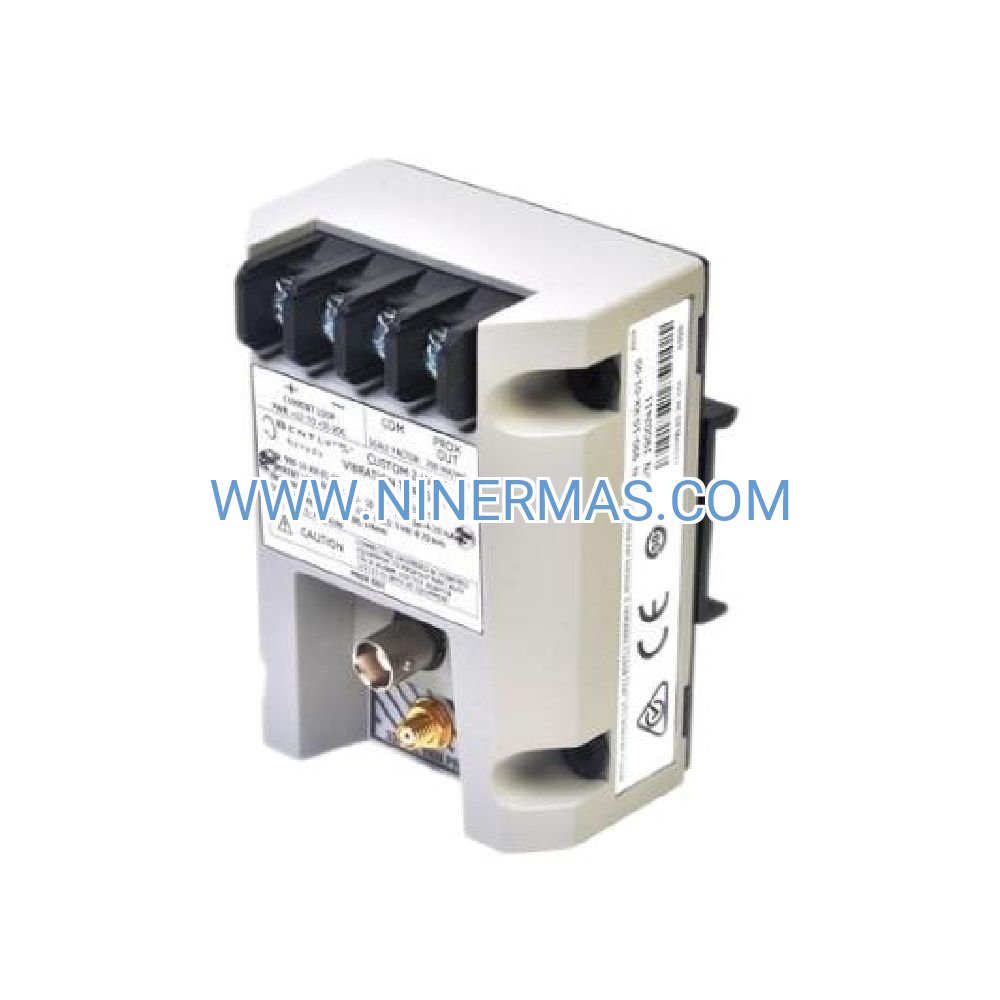
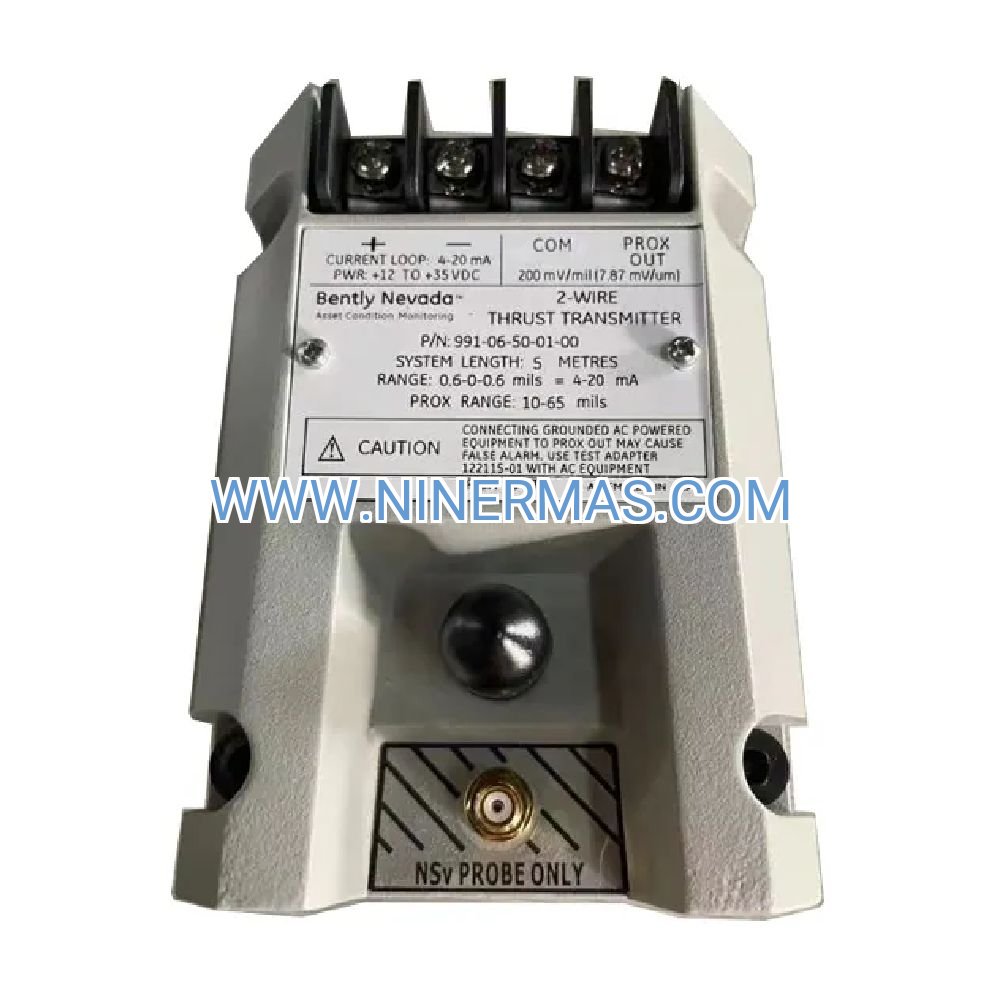
1900/65A General Purpose Equipment Monitor (Industrial-Grade Machinery Surveillance)
The 1900/65A represents a comprehensive machinery health monitoring platform designed for continuous asset protection in mission-critical industrial operations. Engineered to detect early-stage mechanical degradation through multi-parameter surveillance, this monitor combines vibration analysis, thermal monitoring, and speed tracking into a unified diagnostic solution. Built for reliability engineers and maintenance teams managing turbomachinery, rotating equipment, and process-critical assets across power generation, petrochemical refining, and heavy manufacturing environments.
Industrial facilities face mounting pressure to eliminate unplanned downtime while extending asset lifecycles. The 1900/65A addresses this challenge by providing 24/7 equipment health visibility, enabling condition-based maintenance strategies that reduce emergency repairs by up to 45% and extend mean time between failures (MTBF) by 30-60%. Designed for plant engineers, reliability managers, and maintenance supervisors who demand actionable intelligence from their monitoring infrastructure.
Key differentiators include hot-swappable I/O modules for zero-downtime servicing, configurable alarm logic with multi-stage escalation, and native integration with enterprise asset management systems. The monitor's ruggedized IP65 enclosure withstands extreme industrial conditions including high vibration zones, corrosive atmospheres, and temperature extremes from -30°C to +65°C.
Core Capabilities & Business Value
→ Multi-Parameter Surveillance Architecture
Simultaneous monitoring of vibration (acceleration/velocity/displacement), bearing temperature, shaft speed, and process variables through configurable input channels. Eliminates the need for multiple single-function instruments, reducing installation costs by 35-50% compared to discrete monitoring approaches.
✓ Predictive Analytics Engine
Integrated trend analysis algorithms identify gradual degradation patterns weeks before catastrophic failure. Historical data logging enables root cause analysis and supports reliability-centered maintenance (RCM) programs, delivering ROI through avoided production losses.
✓ Industrial Communication Protocols
Native Modbus RTU/TCP connectivity plus 4-20mA analog outputs ensure seamless integration with DCS, SCADA, and plant historians. Real-time data streaming enables centralized monitoring dashboards and automated work order generation when thresholds are breached.
→ Field-Serviceable Modular Design
Hot-swappable input/output modules and front-accessible terminals reduce mean time to repair (MTTR) from hours to minutes. Maintenance teams can replace failed components without system shutdown or recalibration, preserving continuous protection during service events.
✓ Configurable Alarm Management
User-defined alert thresholds with hysteresis control prevent nuisance alarms while ensuring rapid response to genuine fault conditions. Multi-stage escalation (Alert → Danger → Trip) supports graduated response protocols aligned with operational risk tolerance.
→ Harsh Environment Certification
CE, UL, ATEX, and IECEx certifications validate suitability for hazardous area installations including Zone 2/Division 2 classified locations. IP65 ingress protection and conformal-coated electronics ensure reliable operation in high-humidity, dusty, and chemically aggressive environments.
Industrial Application Scenarios
Power Generation Turbomachinery
Continuous monitoring of steam turbines, gas turbines, and generator sets where unplanned outages result in megawatt-hour revenue losses and grid stability penalties. The 1900/65A's sub-100ms alarm response time enables emergency shutdown systems to prevent catastrophic blade failures and bearing seizures.
Petrochemical Process Pumps
Critical service pumps handling corrosive, high-temperature, or toxic fluids require constant surveillance to prevent seal failures and impeller damage. Vibration signature analysis detects cavitation, misalignment, and bearing wear before process contamination or environmental release occurs.
Pulp & Paper Production Lines
High-speed rotating equipment in continuous manufacturing processes—including refiners, dryers, and calenders—demand real-time health monitoring to avoid production line stoppages. Thermal monitoring identifies lubrication failures and overload conditions that precede mechanical breakdown.
Offshore Platform Compression Systems
Remote installations with limited maintenance access benefit from the 1900/65A's remote diagnostics capability and extended MTBF. Ethernet connectivity enables onshore engineering teams to monitor offshore assets and schedule interventions during planned maintenance windows rather than emergency mobilizations.
Mining Conveyor Drive Systems
Gearboxes, motors, and reducers operating in abrasive, high-load conditions experience accelerated wear. Continuous vibration trending identifies gear tooth damage, bearing spalling, and shaft misalignment, enabling proactive component replacement before catastrophic failure halts material transport.
Technical Specifications & Selection Criteria
| Parameter | Specification |
|---|---|
| Model Designation | 1900/65A 01-00-03-00-000 |
| Input Channels | Configurable multi-channel (vibration, temperature, speed) |
| Vibration Inputs | Compatible with proximity probes, accelerometers, velocity sensors |
| Temperature Inputs | RTD (Pt100/Pt1000), thermocouple (J/K/T types) |
| Speed Measurement | Keyphasor/tachometer input for synchronous analysis |
| Display Interface | Backlit LCD with real-time parameter readout |
| Alarm Outputs | Form-C relay contacts (5A @ 250VAC/30VDC) |
| Analog Outputs | 4-20mA isolated, proportional to monitored parameters |
| Digital Communication | Modbus RTU (RS-485), Modbus TCP (Ethernet) |
| Power Requirements | 18-30 VDC or 100-240 VAC, 50/60 Hz |
| Operating Range | -30°C to +65°C ambient temperature |
| Enclosure Protection | IP65 (dust-tight, water jet resistant) |
| Mounting Options | DIN rail, panel mount, wall mount |
| Compliance Standards | CE, UL508, ATEX, IECEx, RoHS |
Selection Guidance: Specify the 1900/65A for general-purpose machinery monitoring applications requiring 2-8 measurement channels. For larger installations with 16+ channels or advanced diagnostics (orbit plots, Bode diagrams), consider the Bently Nevada 3500 rack-based system. Ensure sensor compatibility—this monitor accepts standard Bently Nevada 3300 XL proximity probes, 330500 accelerometers, and RTD temperature sensors. Confirm power supply availability (DC preferred for critical applications with UPS backup).
Advanced Integration & Customization
System 1 Ecosystem Connectivity: Native integration with Bently Nevada System 1 condition monitoring software enables centralized fleet management, automated reporting, and machine learning-based anomaly detection across hundreds of monitored assets.
IoT & Cloud Analytics: Optional gateway modules support MQTT and OPC-UA protocols for cloud-based predictive analytics platforms. Stream vibration data to Azure IoT Hub or AWS IoT Core for AI-driven failure prediction and digital twin modeling.
Custom Alarm Logic: Field-programmable alarm setpoints with Boolean logic (AND/OR conditions) accommodate complex machinery protection schemes. Example: Trigger shutdown only when high vibration AND high temperature occur simultaneously, reducing false trips.
Retrofit Compatibility: Backward-compatible with legacy Bently Nevada 1900/27, 1900/55, and 1900/65 monitors. Existing sensor wiring and mounting infrastructure can be reused, minimizing retrofit costs and installation downtime.
Delivery, Warranty & Technical Support
Lead Time: Standard configuration units ship within 3-5 business days. Custom-configured monitors with specialized I/O modules require 10-15 business days for factory programming and testing.
Warranty Coverage: Comprehensive 12-month manufacturer warranty covering defects in materials and workmanship. Extended warranty programs available for critical service applications requiring 3-5 year coverage.
Technical Assistance: Pre-sales application engineering support for sensor selection, wiring diagrams, and system architecture design. Post-sales commissioning guidance, calibration procedures, and troubleshooting assistance via phone, email, and remote desktop support.
Documentation Package: Each monitor includes installation manual, quick-start guide, Modbus register map, wiring schematics, and calibration certificates. CAD drawings (DXF/STEP formats) and 3D models available for panel design integration.
Frequently Asked Questions
What sensor types are compatible with the 1900/65A monitoring system?
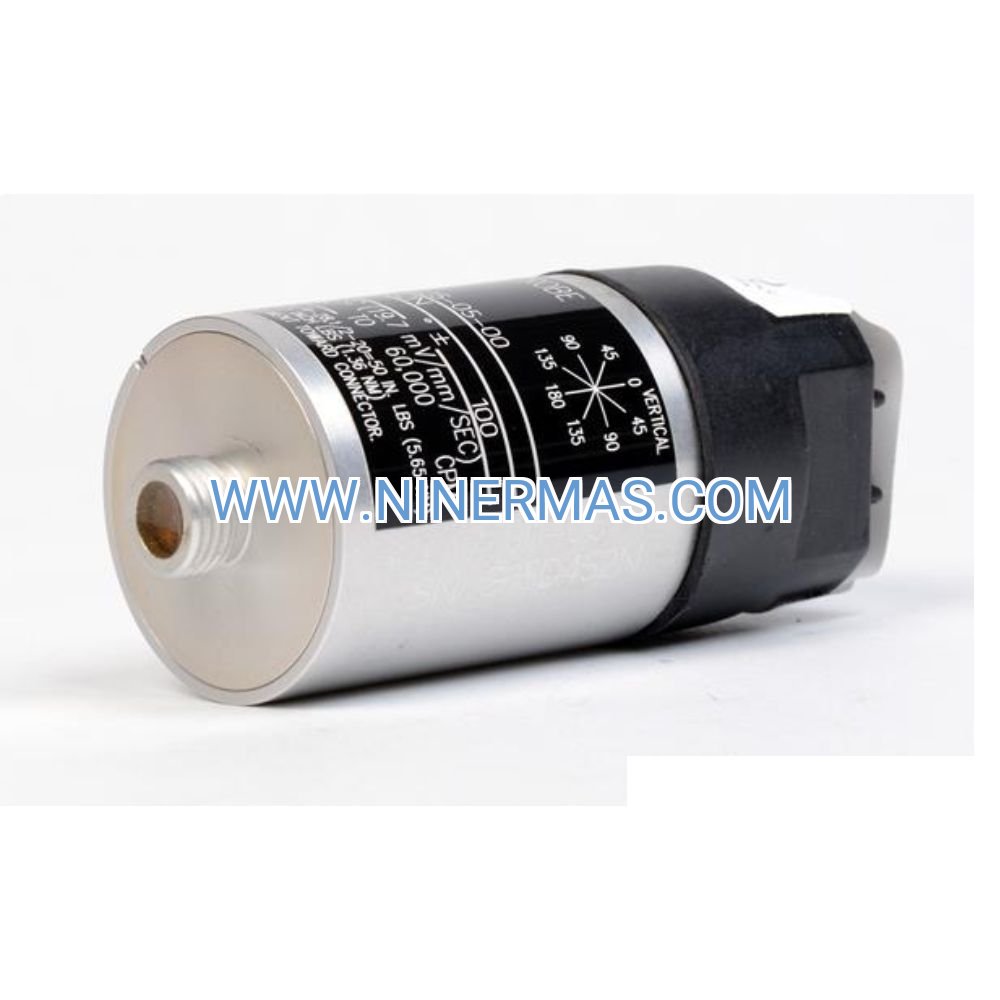
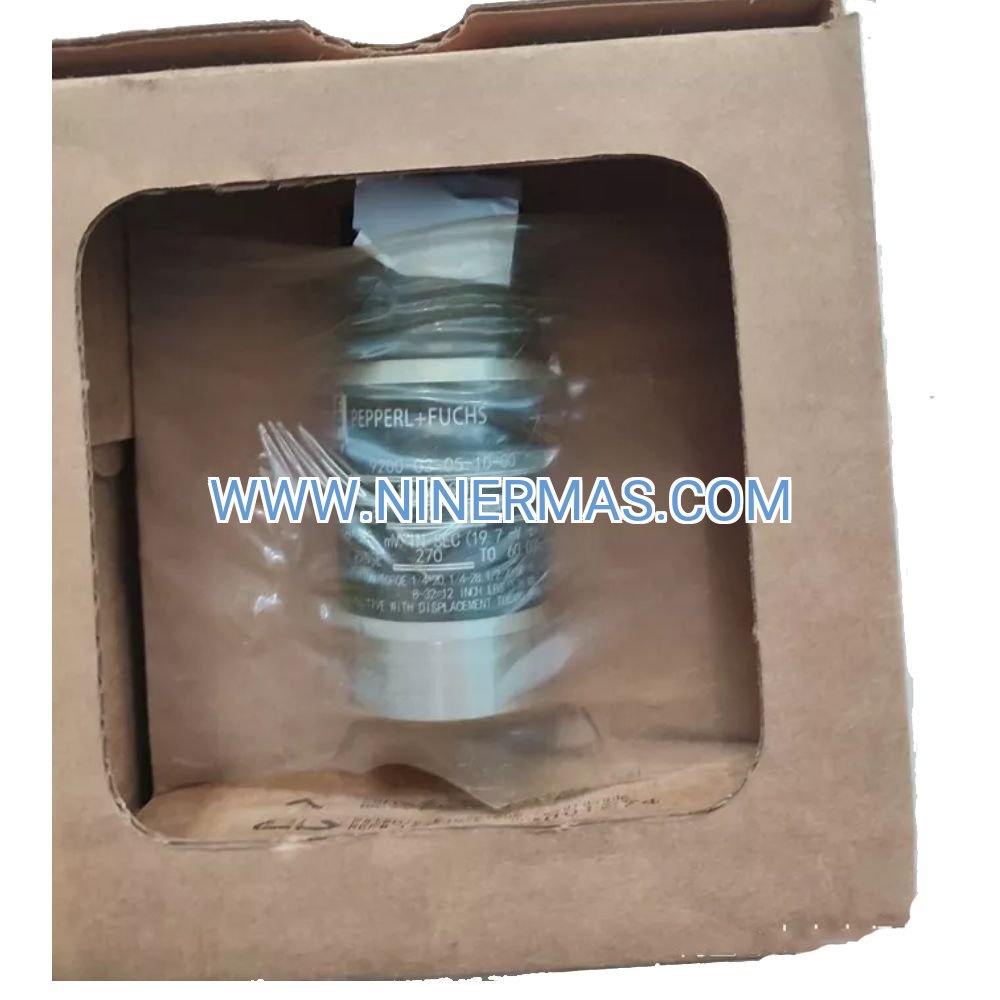
The monitor accepts Bently Nevada 3300 XL and 7200 series proximity probes, 330500/330525 accelerometers, 990 series velocity sensors, and standard industrial RTDs (Pt100/Pt1000). Third-party sensors with 4-20mA or voltage outputs can be interfaced via optional signal conditioning modules.
Can this monitor handle high-speed machinery above 10,000 RPM?
Yes, the 1900/65A supports machinery speeds from 60 RPM to 100,000 RPM when paired with appropriate high-frequency accelerometers. Frequency range extends to 10 kHz for bearing fault detection and gear mesh analysis on high-speed turbomachinery.
How does the 1900/65A reduce energy consumption in monitoring systems?
Consolidating multiple monitoring functions into a single platform eliminates redundant power supplies, signal conditioners, and panel space. Typical installations reduce monitoring system power draw by 40-60 watts compared to discrete instrument approaches, supporting sustainability initiatives.
What are the installation requirements for hazardous area deployment?
For ATEX Zone 2 or NEC Division 2 installations, ensure proper grounding, use intrinsically safe barriers for sensor circuits if required, and follow local electrical codes. The monitor's enclosure is suitable for non-incendive installations; consult factory for Zone 1/Division 1 purged enclosure options.
Does the system support remote configuration and firmware updates?
Yes, via Ethernet connectivity and Bently Nevada configuration software. Remote access enables parameter adjustments, alarm threshold changes, and firmware upgrades without site visits, reducing maintenance travel costs for multi-site operations.
How quickly can replacement units be deployed in emergency situations?
Express shipping options deliver replacement monitors within 24-48 hours to most global locations. Pre-configured "hot spare" units can be maintained on-site for immediate swap-out, with configuration files transferred via USB or network download in under 10 minutes.
Take Action: Protect Your Critical Assets
Eliminate unplanned downtime and extend equipment lifecycles with proven machinery health monitoring technology. Contact our application engineering team for sensor selection guidance, system sizing, and integration planning tailored to your specific rotating equipment portfolio.
Request a technical consultation: Share your machinery specifications, operating conditions, and monitoring objectives to receive a customized solution proposal with ROI analysis and implementation timeline.
© 2026 NINERMAS COMPANY LIMITED. All rights reserved.
Original Source: https://ninermas.com
Contact: sale@ninermas.com | +0086 187 5021 5667
PDF Specification
Download PDF file here:
Click to Download PDF

Contact Info
-
Address:22 / F, South Wo Hang building, 148 Wing Lok Street, Sheung Wan, Western District, Hong Kong
-
Phone:+8618750215667
-
Email: