Description
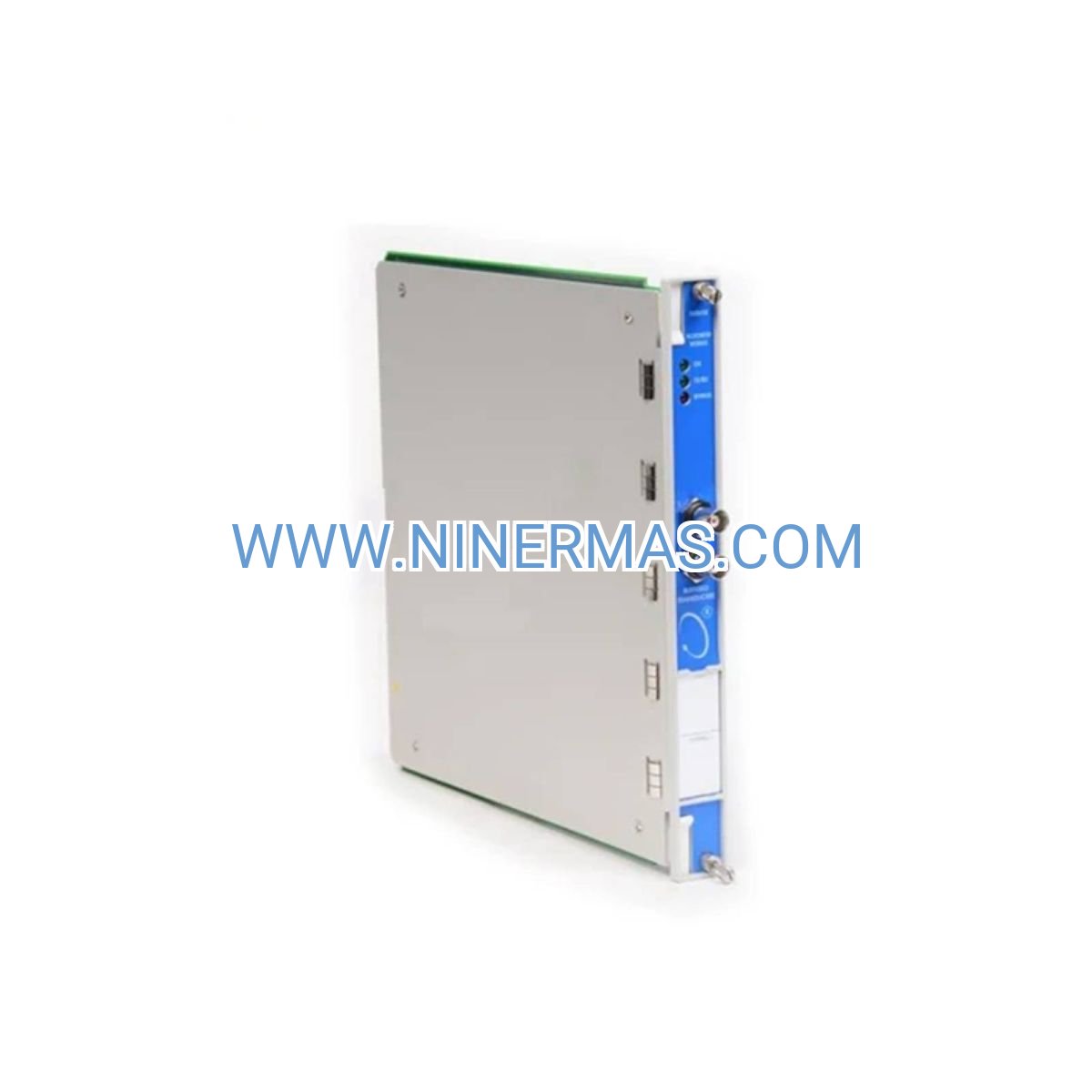
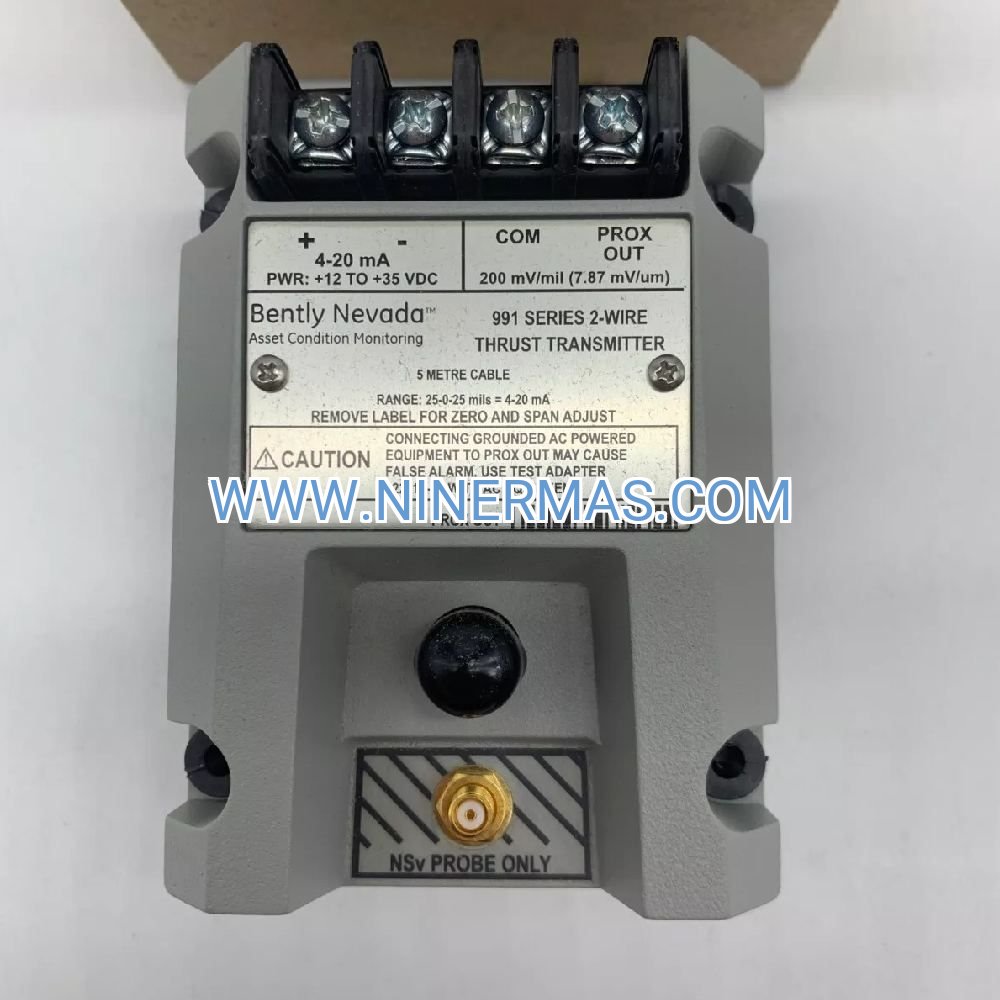
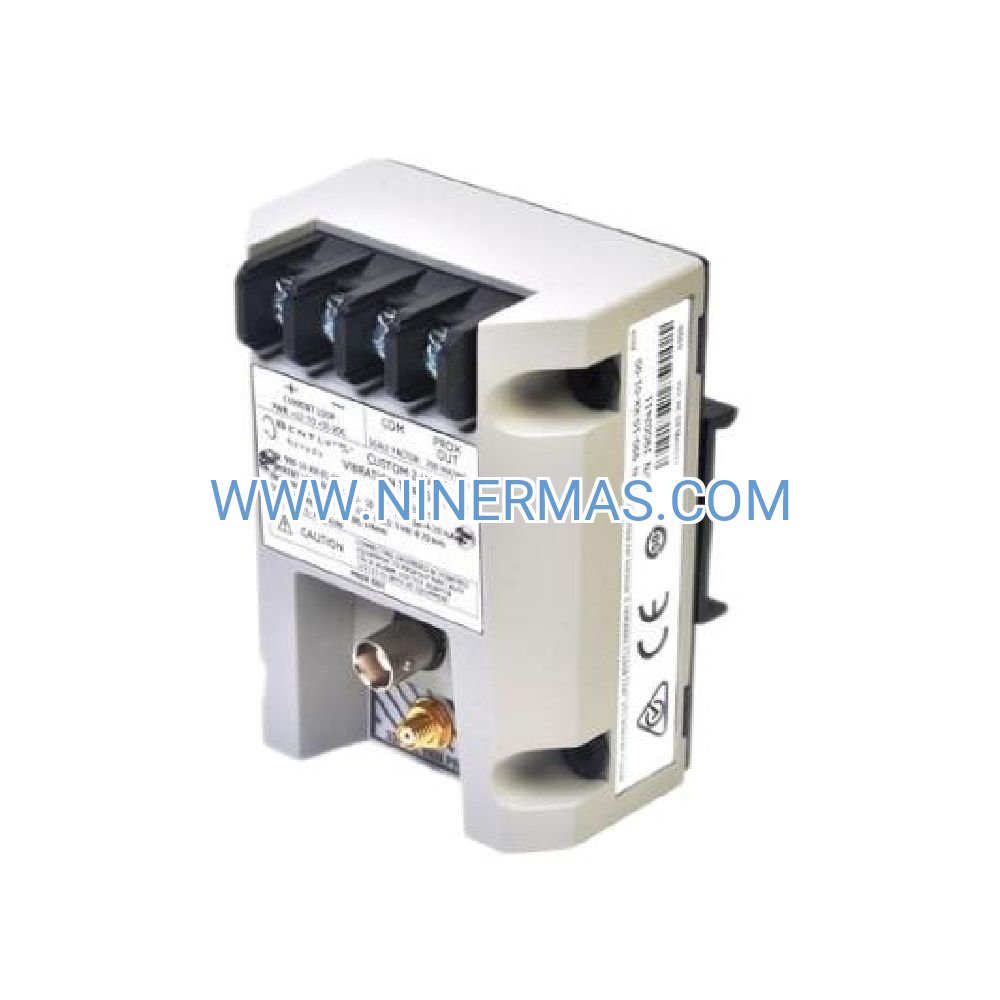
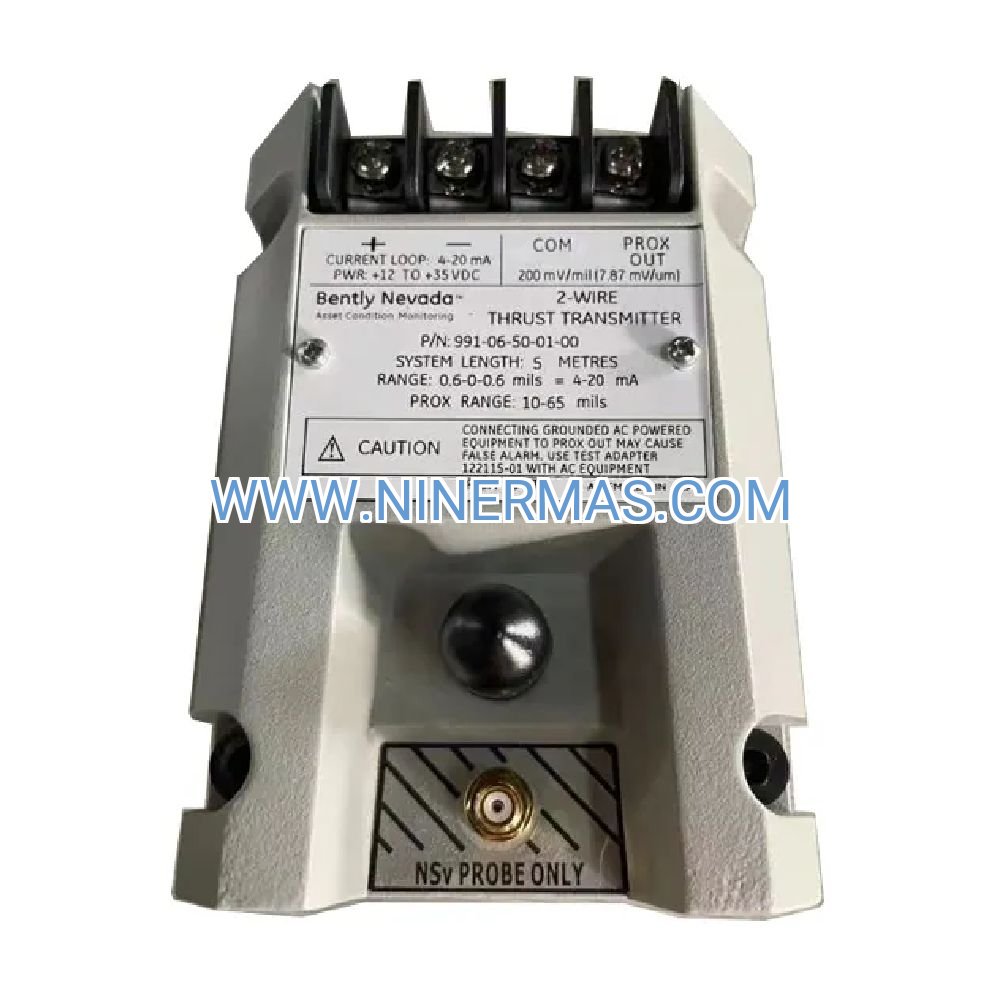
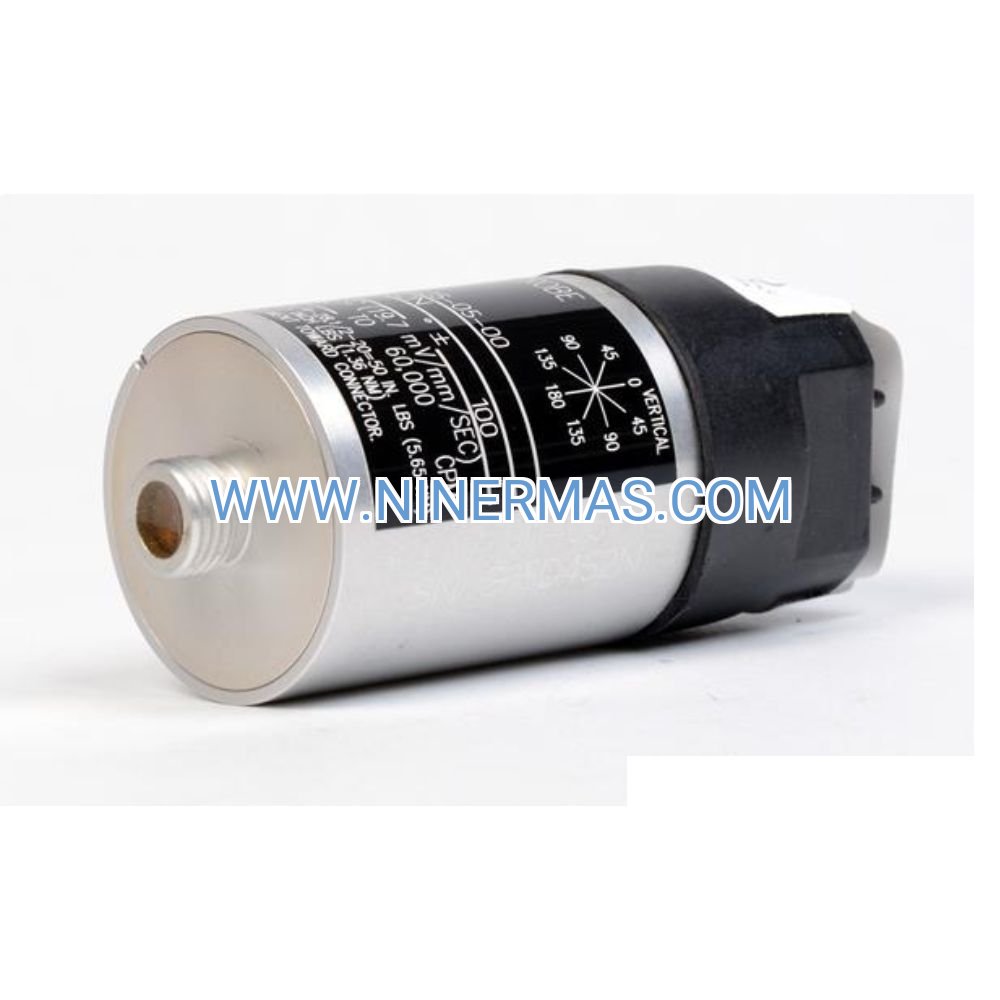
Bently Nevada 177896-01 Processor Module (Industrial-Grade Machinery Dynamics CPU)
The Bently Nevada 177896-01 is a precision-engineered central processing unit designed exclusively for the ADAPT 3701/40 Machinery Dynamics Monitor. Through advanced digital signal processing and real-time vibration analysis algorithms, this industrial CPU module delivers continuous machinery health assessment, enabling predictive maintenance strategies and protecting critical rotating assets from catastrophic failures.
Engineered for power generation facilities, petrochemical plants, and heavy industrial operations, the 177896-01 addresses persistent challenges including unplanned downtime, bearing failures, and rotor imbalance conditions. It processes multi-channel sensor data from proximity probes, accelerometers, and velocity transducers to generate actionable alarm outputs and trend analytics.
Built on proven Bently Nevada architecture with field-tested reliability exceeding 100,000 MTBF hours, this processor module combines standardized form factor with application-specific customization options. Ideal for design engineers, system integrators, EPC contractors, and plant maintenance teams requiring ISO 20816 and API 670 compliant monitoring solutions. Contact our application engineers for system configuration guidance and technical specifications tailored to your machinery protection requirements.
Core Capabilities & Technical Advantages
High-Speed Real-Time Processing
Utilizes dedicated DSP architecture with sub-millisecond sampling rates to capture transient vibration events and shaft dynamics that conventional systems miss, ensuring early fault detection before minor issues escalate into forced outages.
Multi-Channel Simultaneous Acquisition
Processes up to 16 sensor inputs concurrently with independent alarm setpoints and filtering parameters, enabling comprehensive monitoring of complex machinery trains including turbine-generator sets and multi-stage compressor configurations.
Factory-Calibrated Precision
Each module undergoes rigorous calibration against NIST-traceable standards and environmental stress screening, guaranteeing measurement accuracy within ±1% across the entire operating temperature range from -30°C to +65°C.
Hot-Swap Serviceability
Front-accessible module design with automatic configuration retention allows field replacement without system shutdown or recalibration, reducing maintenance windows from hours to minutes and maximizing asset availability.
Comprehensive Self-Diagnostics
Integrated health monitoring continuously validates processor integrity, memory function, and communication pathways, with fault annunciation through LED indicators and relay outputs to minimize troubleshooting time during critical events.
Scalable System Architecture
Modular expansion capability supports growth from standalone 4-channel configurations to networked 64+ channel installations, protecting initial investment while accommodating future monitoring requirements as plant complexity increases.
Industrial Application Scenarios
This processor module serves as the intelligence core for machinery protection systems across demanding operational environments where equipment reliability directly impacts production continuity and safety performance:
Steam & Gas Turbine Generator Sets
Monitors journal bearing vibration, thrust position, differential expansion, and eccentricity on utility-scale turbines from 50 MW to 1000+ MW capacity. Detects rotor rubs, oil whirl instabilities, and blade passing frequencies before thermal damage occurs, supporting condition-based maintenance intervals that extend major overhaul cycles.
Centrifugal & Reciprocating Compressor Stations
Provides continuous surveillance of pipeline compressors operating under variable load conditions, identifying valve failures, piston wear, and aerodynamic instabilities through spectral analysis. Integrates with emergency shutdown systems to prevent catastrophic mechanical failures in unmanned remote facilities.
Critical Process Pumps & Boiler Feed Systems
Tracks cavitation signatures, impeller imbalance, and seal degradation in high-energy pumps serving refineries, chemical plants, and power stations. Early warning capabilities reduce unplanned maintenance costs by 40-60% compared to reactive repair strategies.
Large Industrial Motors & Gearbox Assemblies
Analyzes bearing defect frequencies, gear mesh harmonics, and rotor bar defects in motors exceeding 500 HP and multi-stage reduction gearboxes. Supports reliability-centered maintenance programs with trending data that predicts remaining useful life.
Hazardous Area Rotating Equipment
When installed in certified enclosures, enables vibration monitoring in Class I Division 2 locations including offshore platforms, LNG facilities, and hydrogen production units where conventional monitoring approaches face certification barriers.
Technical Specifications & Selection Parameters
To facilitate engineering design and procurement decisions, the following specifications define the operational envelope and integration requirements for the 177896-01 processor module:
| Parameter | Specification |
|---|---|
| Model Designation | 177896-01 (Standard Configuration) |
| Compatible Platform | ADAPT 3701/40 Machinery Dynamics Monitor Chassis |
| Input Channels | Up to 16 channels (configuration dependent) |
| Sampling Rate | 40 kHz per channel simultaneous |
| Power Supply | 24 VDC nominal (18-30 VDC operating range), 15W typical consumption |
| Operating Temperature | -30°C to +65°C (-22°F to +149°F) |
| Storage Temperature | -40°C to +85°C |
| Humidity Range | 5% to 95% RH non-condensing |
| Communication Interfaces | Modbus RTU/TCP, Ethernet/IP, proprietary Bently Nevada protocol |
| Compliance Standards | ISO 20816, API 670 4th Edition, IEC 61508 SIL-2 capable |
| MTBF Rating | >100,000 hours (MIL-HDBK-217F) |
| Physical Dimensions | Single-width module: 25mm (W) × 220mm (H) × 200mm (D) |
| Weight | 0.2 kg (0.44 lbs) |
| Enclosure Rating | IP20 (when installed in approved chassis) |
Selection Guidance for System Designers
When specifying the 177896-01 processor module, engineering teams should evaluate: (1) total sensor count and signal types across the monitored machinery train, (2) required alarm response time based on equipment rotational speeds and failure progression rates, (3) integration requirements with existing DCS/SCADA infrastructure, (4) environmental conditions including ambient temperature extremes and electromagnetic interference levels, and (5) future expansion needs for additional monitoring points. Our application engineering team provides complimentary system architecture reviews and can recommend optimal configurations based on P&ID documentation, equipment datasheets, and site-specific operating conditions.
Advanced Integration Capabilities
Networked Condition Monitoring Architecture
Supports plant-wide machinery health management through Ethernet-based communication with Bently Nevada System 1 software platforms, enabling centralized data historians, web-based dashboards, and mobile alert notifications for maintenance personnel.
Third-Party System Interoperability
Provides standardized Modbus registers and OPC UA server functionality for seamless integration with Honeywell, Emerson, Siemens, and ABB control systems, eliminating proprietary protocol barriers in multi-vendor installations.
Cybersecurity Hardening Options
Available with firmware configurations supporting IEC 62443 industrial cybersecurity requirements, including role-based access control, encrypted communications, and audit logging for critical infrastructure applications.
Delivery, Commissioning & Technical Support
Lead Time & Availability
Factory-sealed units in standard configuration typically ship within 2-5 business days from regional distribution centers. Custom-configured modules with specialized firmware or extended temperature ratings require 3-4 weeks manufacturing lead time. Expedited processing available for emergency replacement scenarios.
Warranty Coverage
All 177896-01 processor modules include a comprehensive 12-month manufacturer warranty covering defects in materials, workmanship, and factory calibration accuracy. Extended warranty programs available for critical service applications requiring guaranteed replacement inventory.
Installation & Startup Services
Field service engineers provide on-site commissioning support including module installation verification, system configuration validation, sensor calibration checks, and operator training. Remote technical assistance available via secure VPN connections for troubleshooting and software updates.
Documentation Package
Each shipment includes complete technical documentation: installation manual with mechanical drawings, electrical schematics showing terminal assignments, configuration software user guide, and calibration certificates traceable to international standards. CAD files and 3D STEP models available upon request for panel design integration.
Frequently Asked Questions
Q: How does the 177896-01 processor module integrate with legacy ADAPT 3701/40 systems installed in the 1990s?
A: The 177896-01 maintains full backward compatibility with original ADAPT chassis through standardized backplane connectors and communication protocols. Firmware updates enable enhanced diagnostic features while preserving existing alarm logic and setpoint configurations, allowing incremental system upgrades without complete replacement.
Q: What is the maximum cable distance between the processor module and field-mounted vibration sensors?
A: When using Bently Nevada proximity probes with -24 VDC proximitor power supplies, cable runs up to 300 meters (1000 feet) are supported without signal degradation. For accelerometer inputs with 4-20mA current loop outputs, distances extend to 1500 meters. Consult application engineering for installations exceeding these guidelines.
Q: Can this module be configured for SIL-2 safety instrumented system applications?
A: Yes, when deployed in redundant configurations with certified voting logic and following IEC 61508 lifecycle procedures documented in the Safety Manual (P/N 177896-SM), the system achieves SIL-2 capability for machinery protection functions. Third-party TÜV certification available for projects requiring independent validation.
Q: What cybersecurity measures protect the processor module from unauthorized access in networked installations?
A: Standard security features include password-protected configuration access, MAC address filtering, and firmware signature verification. Enhanced security packages add AES-256 encryption for Ethernet communications, RADIUS authentication integration, and syslog event forwarding to SIEM platforms for compliance with NERC CIP and IEC 62443 requirements.
Q: How does the 177896-01 compare to the newer 3701/55 processor architecture?
A: The 177896-01 serves ADAPT 3701/40 platforms optimized for 4-16 channel applications with proven field reliability. The 3701/55 series offers higher channel density (up to 40 channels per chassis), faster processing for advanced orbit analysis, and native Ethernet connectivity. For existing 3701/40 installations, the 177896-01 provides cost-effective performance; new large-scale projects may benefit from 3701/55 scalability.
Q: What training resources are available for maintenance personnel unfamiliar with Bently Nevada systems?
A: Bently Nevada offers comprehensive training programs including 3-day hands-on courses covering ADAPT system operation, troubleshooting procedures, and vibration analysis fundamentals. Online learning modules, video tutorials, and technical bulletins accessible through the customer portal provide ongoing education. Custom on-site training tailored to specific equipment configurations can be arranged.
Request Technical Consultation & Quotation
To receive detailed system configuration recommendations, budget pricing, and delivery timelines customized to your machinery protection requirements, please provide our application engineering team with the following project information:
- Project name and facility location
- Equipment type and manufacturer (turbine, compressor, pump model numbers)
- Total number of monitoring points and sensor types (proximity probes, accelerometers, temperature)
- Rotational speed ranges and critical speed information
- Existing monitoring infrastructure and integration requirements
- Environmental conditions (temperature extremes, hazardous area classification)
- Project timeline and commissioning schedule
Our engineers will respond within one business day with a comprehensive proposal including system architecture diagrams, bill of materials, and application-specific configuration guidance.
© 2026 NINERMAS COMPANY LIMITED. All rights reserved.
Original Source: https://ninermas.com
Contact: sale@ninermas.com | +0086 187 5021 5667

Contact Info
-
Address:22 / F, South Wo Hang building, 148 Wing Lok Street, Sheung Wan, Western District, Hong Kong
-
Phone:+8618750215667
-
Email: