Description
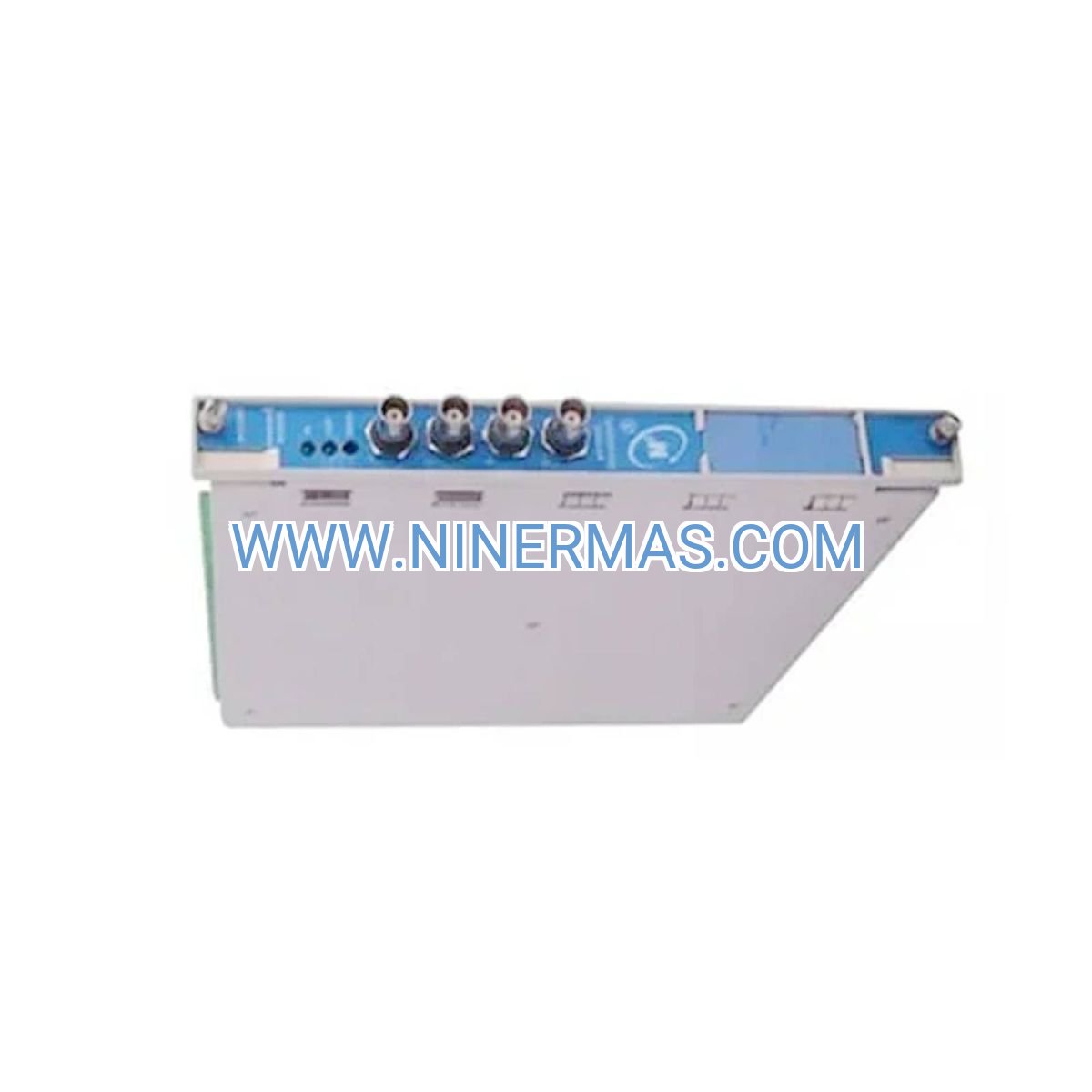
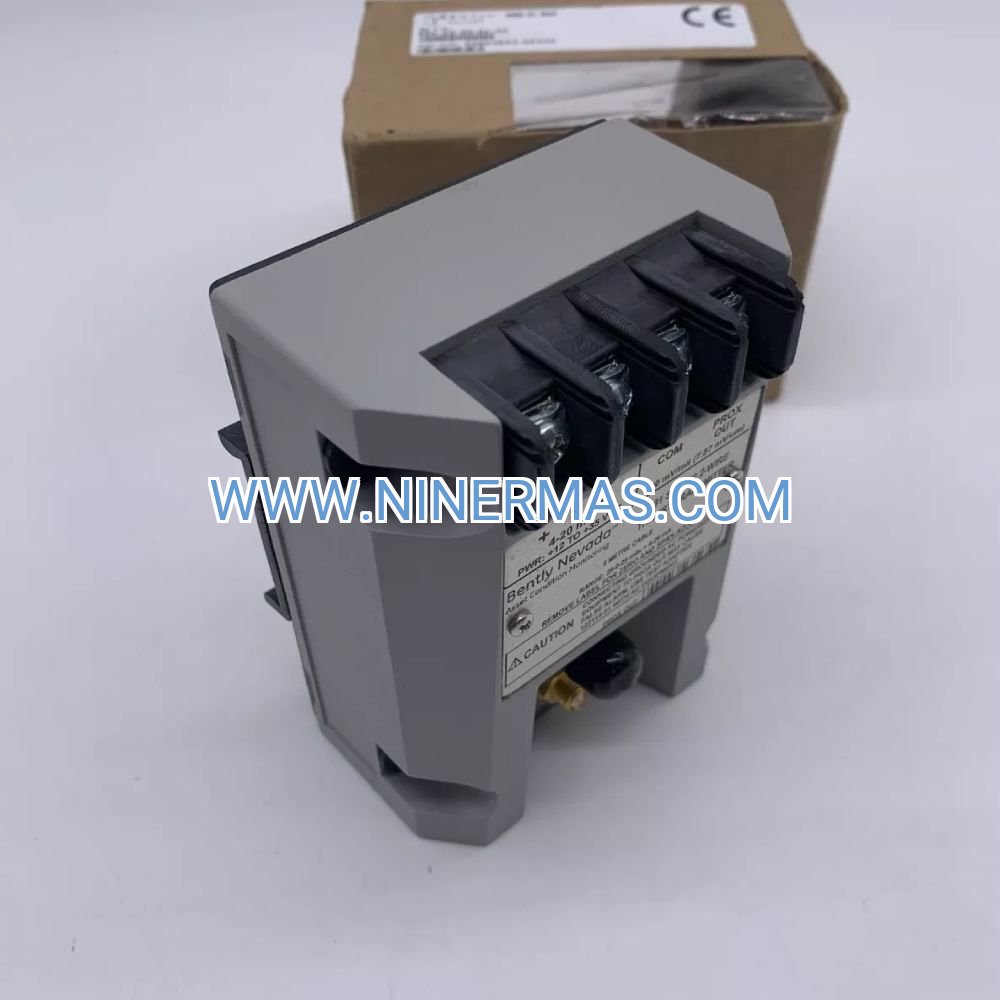
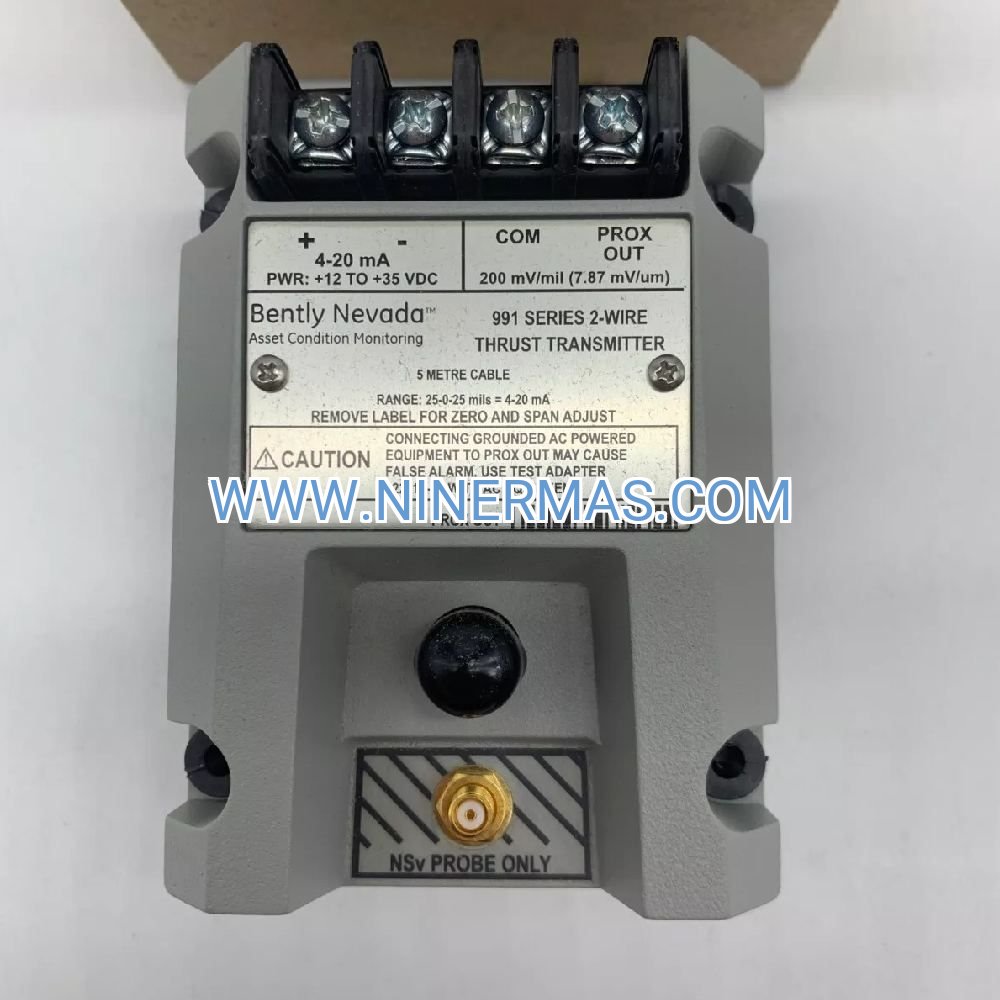
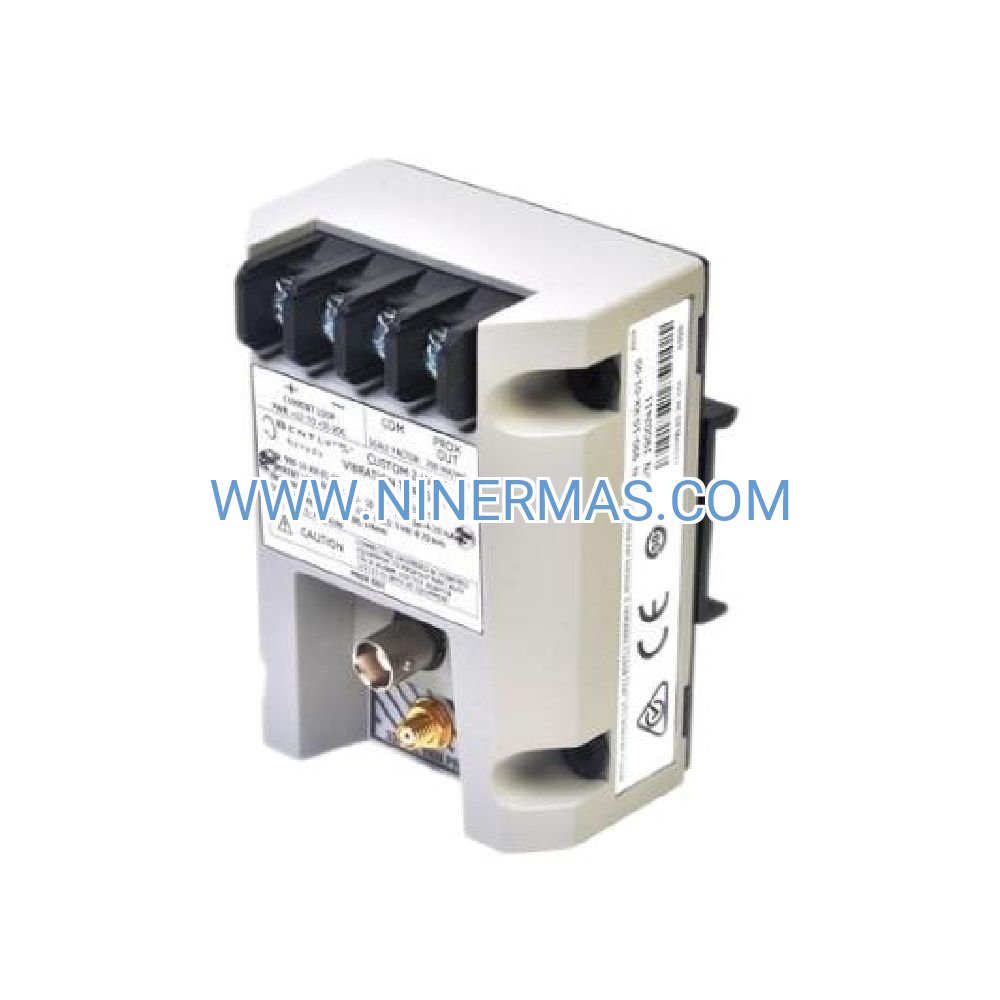
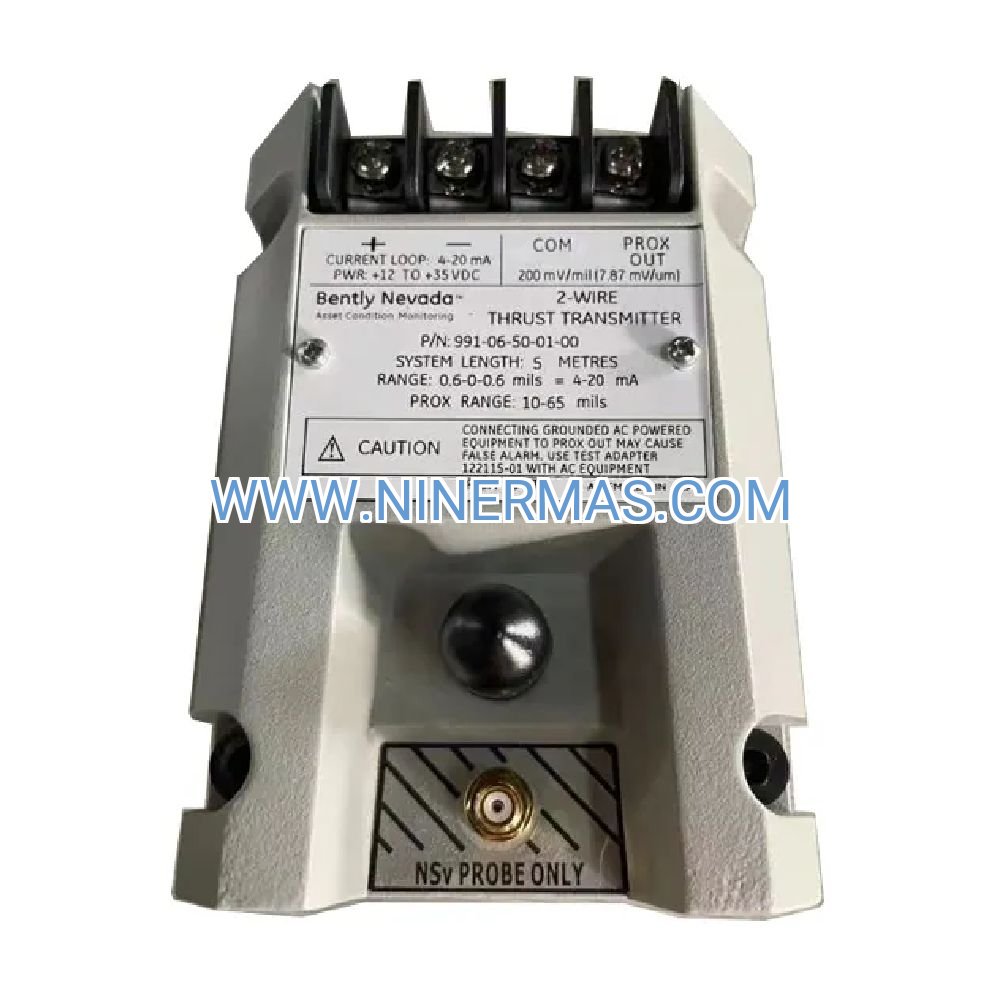
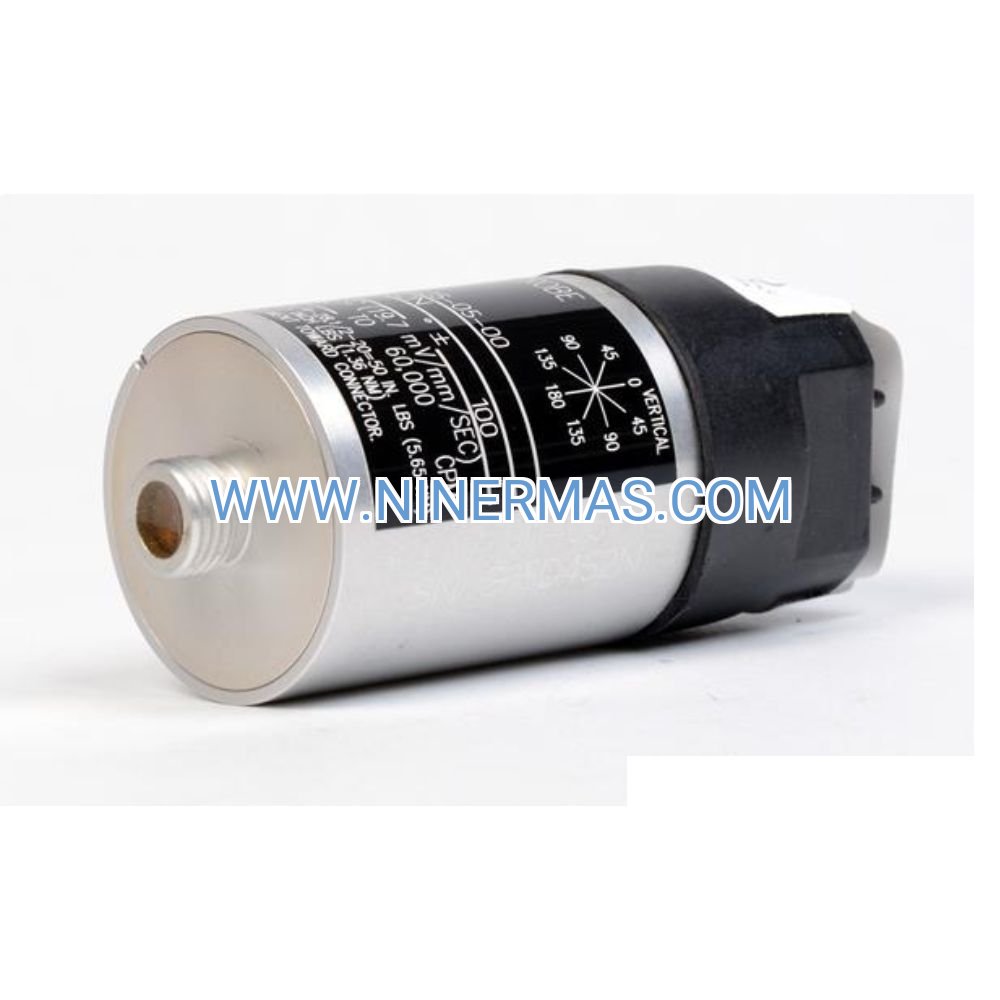
Bently Nevada 1720045 Seismic Velocity Transmitter (Industrial Vibration Monitoring System)
The Bently Nevada 1720045 Seismic Velocity Transmitter is an industrial-grade vibration monitoring device designed for continuous condition assessment of rotating machinery. Through precision seismic velocity measurement and standardized 4-20mA current loop output, it enables real-time vibration analysis, early fault detection, and seamless integration with DCS, PLC, and SCADA control systems.
Suitable for critical applications in power generation plants, petrochemical facilities, oil & gas processing units, steel mills, and manufacturing operations, this transmitter helps solve challenges including unexpected equipment failures, insufficient vibration data visibility, high maintenance costs, and delayed fault alarm response. It provides continuous monitoring for pumps, compressors, turbines, motors, fans, and gearboxes operating in harsh industrial environments.
Leveraging factory-calibrated accuracy, rugged stainless steel construction, and compliance with API 670 and ISO 20816 standards, the 1720045 transmitter delivers reliable performance, simplified installation through loop-powered design, excellent electromagnetic compatibility, and long-term measurement stability. Ideal for design institutes, EPC contractors, system integrators, and end-user maintenance teams. Contact our application engineers for customized selection recommendations and technical quotations.
Core Features & Advantages
Precision Seismic Velocity Measurement
Utilizes high-sensitivity piezoelectric sensing element with integrated signal conditioning circuitry to convert mechanical vibration into proportional 4-20mA output, providing accurate velocity data across 10-1000 Hz frequency range for comprehensive machinery health assessment.
Proven Energy & Maintenance Savings
Enables condition-based maintenance strategies that reduce unplanned downtime by up to 70% compared to reactive maintenance approaches, lowering total cost of ownership through extended equipment life and optimized spare parts inventory management.
Universal System Integration
Standardized 4-20mA current loop output ensures direct compatibility with virtually all industrial control platforms including Honeywell, Siemens, ABB, Emerson, and Rockwell Automation systems, eliminating the need for signal converters or custom interface modules.
Comprehensive Protection Architecture
Incorporates reverse polarity protection, transient voltage suppression, electromagnetic interference shielding, and hermetically sealed electronics to minimize false alarms and ensure reliable operation in electrically noisy industrial environments with temperature extremes from -40°C to +85°C.
Intuitive Installation & Commissioning
Loop-powered design requires only two-wire connection for both power supply and signal transmission, reducing installation time and wiring costs. Factory calibration with traceable certification eliminates field calibration requirements, enabling rapid deployment and system startup.
Typical Application Scenarios
This transmitter is engineered for applications demanding continuous vibration monitoring, predictive maintenance capabilities, and integration with centralized control systems, particularly in:
Power Generation & Cogeneration Plants
Monitors steam turbines, gas turbines, generators, boiler feed pumps, and cooling tower fans to prevent catastrophic failures that could cause extended outages. Detects bearing wear, rotor unbalance, and blade damage before performance degradation occurs.
Petrochemical & Refining Operations
Provides continuous surveillance of process compressors, centrifugal pumps, agitators, and reactor cooling systems in hazardous area classifications. Supports compliance with API machinery protection standards and enables remote monitoring from central control rooms.
Oil & Gas Production Facilities
Protects critical rotating equipment in upstream drilling operations, midstream pipeline compression stations, and downstream processing units. Withstands harsh offshore environments and extreme temperature fluctuations while maintaining measurement accuracy.
Heavy Manufacturing & Process Industries
Ensures operational reliability of production-critical equipment in steel mills, cement plants, pulp & paper facilities, mining operations, and automotive manufacturing lines. Minimizes production losses through early warning of mechanical degradation and optimized maintenance scheduling.
Technical Parameters & Selection Guide
To facilitate engineering design and equipment selection, we provide standardized configuration options with customization available for project-specific requirements:
| Parameter | Specification |
|---|---|
| Model Number | 1720045 |
| Measurement Type | Seismic Velocity (Absolute Vibration) |
| Output Signal | 4-20mA Current Loop (2-wire) |
| Frequency Response | 10-1000 Hz (±3dB) |
| Velocity Range | 0-25 mm/s RMS (typical) |
| Power Supply | 18-30 VDC (Loop Powered) |
| Operating Temperature | -40°C to +85°C |
| Protection Rating | IP67 (Dust-tight & Waterproof) |
| Housing Material | 316 Stainless Steel |
| Mounting Thread | 1/4-28 UNF or M8×1.25 (Optional) |
| Cable Connection | Integral Cable or MS Connector |
| Compliance Standards | API 670, ISO 20816, IEC 61508 |
| Hazardous Area Rating | Available with ATEX, IECEx, CSA Certifications |
Selection Recommendations:
When specifying the transmitter, consider the following parameters: maximum expected vibration levels, operating frequency range of the machinery, ambient temperature extremes, hazardous area classification requirements, mounting surface material and accessibility, cable length and routing constraints, and control system input specifications. For assistance with application-specific selection, please provide equipment type, operating speed (RPM), bearing configuration, installation environment details, and control system interface requirements. Our application engineers will recommend the optimal configuration and provide detailed installation drawings.
Advanced Integration Capabilities
Multi-Channel Monitoring Systems
Multiple transmitters can be deployed on a single machine to monitor radial vibration at multiple bearing locations, axial thrust position, and casing structural resonance simultaneously. Coordinated multi-point monitoring enables advanced diagnostic techniques including orbit analysis, phase relationship assessment, and modal analysis for complex rotating machinery.
Wireless & Remote Monitoring Options
When integrated with wireless transmitter modules or remote I/O systems, the 4-20mA output can be transmitted to cloud-based condition monitoring platforms, enabling centralized fleet management, automated trend analysis, and mobile alert notifications for geographically distributed assets.
Predictive Analytics Integration
Output signals can be interfaced with machine learning algorithms and AI-powered diagnostic software to identify subtle vibration signature changes that precede component failures, enabling truly predictive maintenance strategies that optimize maintenance intervals and spare parts procurement.
Delivery, Service & Quality Assurance
Lead Time & Logistics: Standard catalog items ship from stock within 3-5 business days. Custom configurations with special certifications or cable lengths require 2-3 weeks manufacturing lead time. All shipments include factory calibration certificates traceable to NIST/PTB standards.
Warranty Coverage: Each transmitter is backed by a comprehensive 18-month warranty from shipment date, covering manufacturing defects and workmanship. Extended warranty programs available for critical applications.
Technical Support: Our application engineering team provides pre-sale selection assistance, installation guidance, commissioning support, and troubleshooting consultation. Remote technical support available via phone and email. On-site commissioning and training services available in major industrial regions (subject to location and project scope).
Documentation Package: Complete technical documentation provided with each order includes dimensional drawings, electrical connection diagrams, mounting torque specifications, calibration certificates, operation and maintenance manual, and recommended spare parts list for long-term serviceability.
Frequently Asked Questions (FAQ)
Q: How does a seismic velocity transmitter differ from proximity probes for vibration monitoring?
A: Seismic velocity transmitters measure absolute casing vibration and are ideal for low-to-medium speed equipment (below 3600 RPM), sleeve bearing machines, and structural monitoring. Proximity probes measure relative shaft displacement and are preferred for high-speed turbomachinery and journal bearing applications. The 1720045 is optimal for general-purpose machinery protection and provides easier installation without shaft preparation requirements.
Q: What is the maximum number of transmitters that can be connected to a single monitoring system?
A: The quantity is limited only by the number of available analog input channels on your control system or data acquisition hardware. Typical installations use 2-4 transmitters per machine (horizontal/vertical at each bearing), with large turbine-generator sets utilizing 8-16 channels for comprehensive monitoring coverage.
Q: What level of vibration reduction or energy savings can be expected after installation?
A: The transmitter itself does not reduce vibration but enables early detection of mechanical issues that, when corrected promptly, prevent progressive damage and catastrophic failures. Industry studies show condition-based maintenance programs reduce maintenance costs by 25-30%, extend equipment life by 20-40%, and decrease unplanned downtime by 50-70% compared to time-based or reactive maintenance strategies.
Q: What are the environmental installation requirements and ingress protection rating?
A: The transmitter features IP67 protection rating, making it suitable for outdoor installation, washdown environments, and areas with dust or moisture exposure. Operating temperature range is -40°C to +85°C. For hazardous area installations (explosive atmospheres), specify appropriate certifications such as ATEX Zone 1/2, IECEx, or CSA Class I Division 1/2 during ordering.
Q: Does the transmitter support remote monitoring and data logging capabilities?
A: The 4-20mA output signal can be interfaced with any standard industrial data acquisition system, PLC analog input module, or SCADA system for remote monitoring, trending, and alarm management. For advanced features like FFT analysis, waveform capture, and cloud connectivity, the signal can be integrated with dedicated vibration monitoring systems or IIoT gateway devices supporting Modbus, OPC-UA, or MQTT protocols.
Q: What ongoing maintenance or calibration is required for the transmitter?
A: The transmitter is designed for maintenance-free operation. We recommend annual calibration verification (can be performed in-situ using portable vibration calibrators) and periodic inspection of cable integrity, connector sealing, and mounting torque. Typical service life exceeds 10 years in normal industrial environments with proper installation and protection from mechanical impact.
Request Technical Consultation
To receive detailed application engineering support, customized selection recommendations, or project quotations, please provide the following information: project name and location, equipment type and application (pump, compressor, turbine, etc.), machine operating speed and power rating, number of monitoring points required, ambient temperature range and hazardous area classification, control system brand and analog input specifications, and any special mounting or certification requirements. Our engineering team will respond within 24 hours with tailored recommendations and technical documentation.
© 2026 NINERMAS COMPANY LIMITED. All rights reserved.
Original Source: https://ninermas.com
Contact: sale@ninermas.com | +0086 187 5021 5667

Contact Info
-
Address:22 / F, South Wo Hang building, 148 Wing Lok Street, Sheung Wan, Western District, Hong Kong
-
Phone:+8618750215667
-
Email: