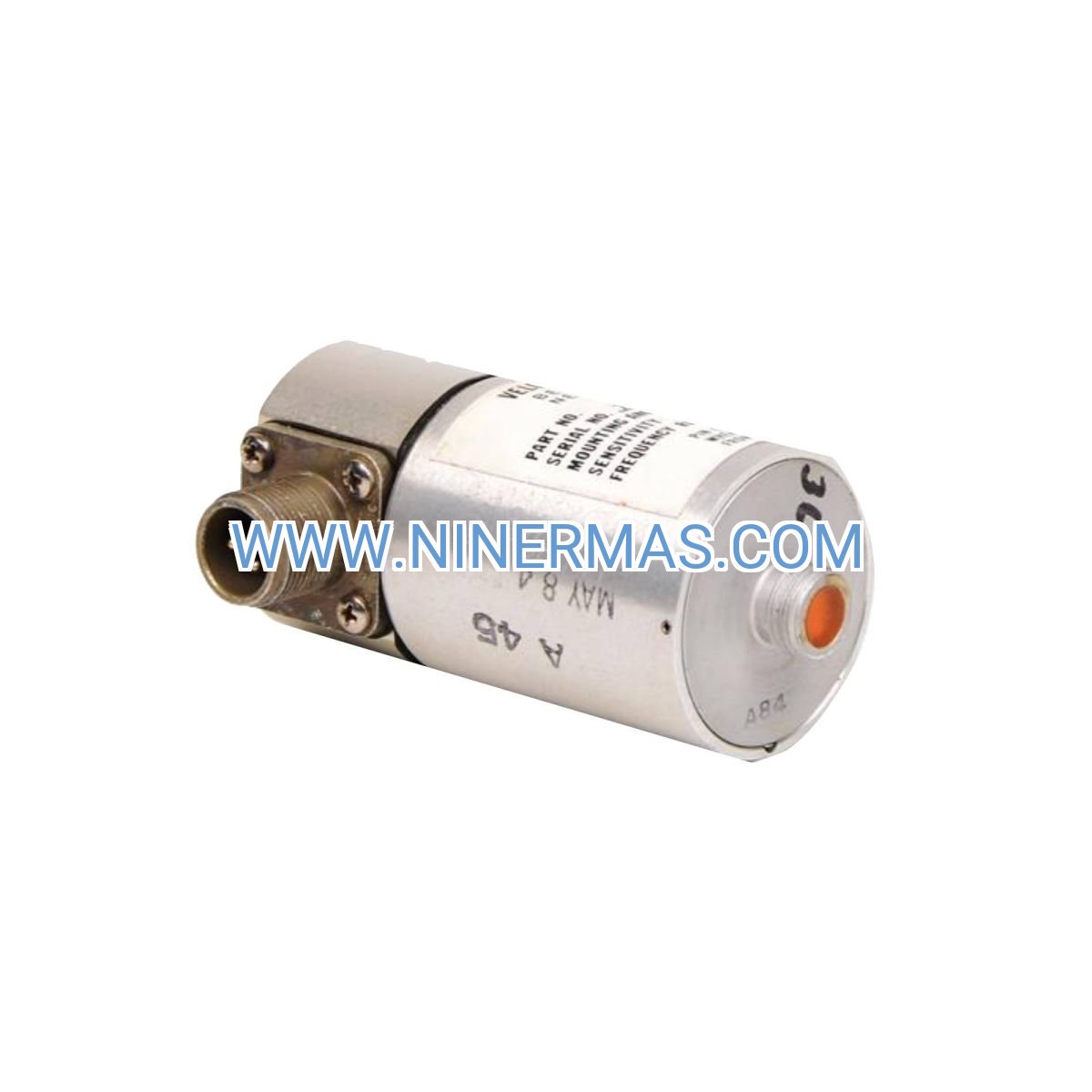
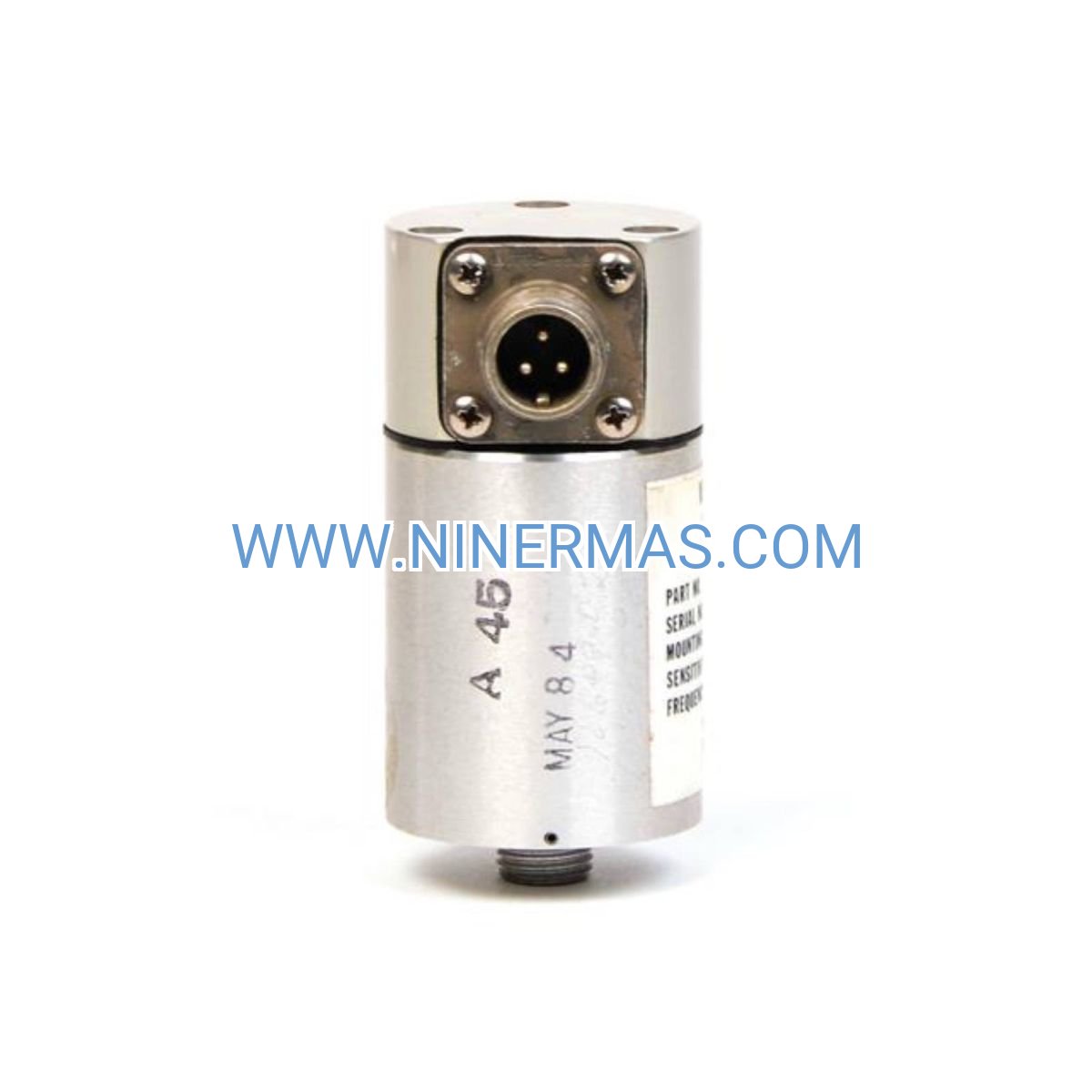
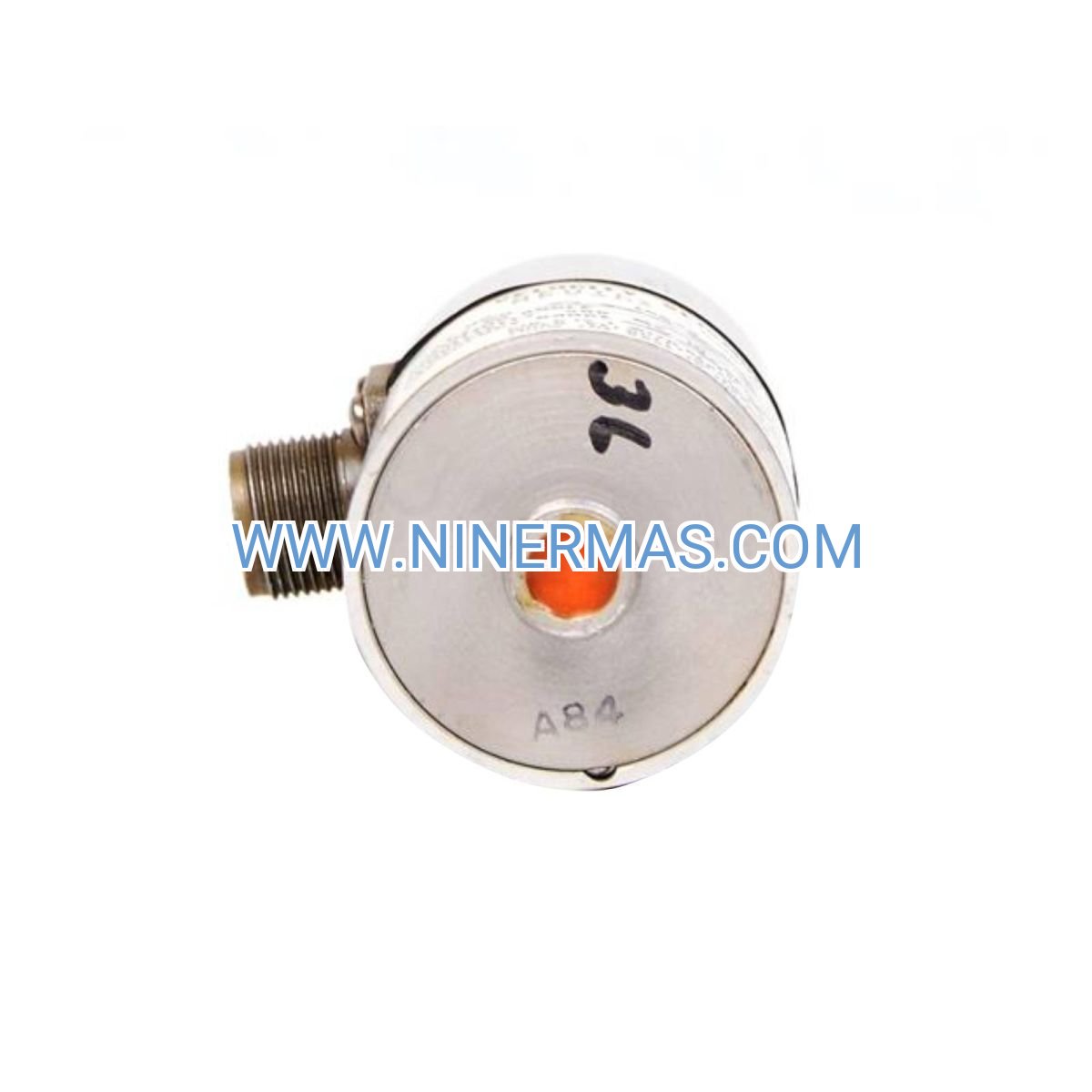
Bently Nevada 16699-11-05-02 Proximity Probe | 11mm Sensor 5m Cable for Turbomachinery
Description
Bently Nevada 16699-11-05-02 Proximity Probe – Industrial-Grade Vibration Monitoring Solution
The Bently Nevada 16699-11-05-02 is a precision-engineered 11mm proximity probe designed for continuous vibration and displacement monitoring in rotating machinery. Utilizing advanced eddy current sensing technology, this probe delivers accurate, real-time shaft position data critical for predictive maintenance and machinery protection in turbomachinery, compressors, pumps, and generators.
Ideal for power generation plants, oil & gas facilities, petrochemical refineries, and heavy industrial applications, this probe helps prevent catastrophic failures by detecting abnormal vibration patterns, bearing wear, and shaft misalignment before they escalate into costly downtime.
Featuring a 5-meter extension cable, factory calibration, and full API 670 compliance, the 16699-11-05-02 is trusted by design engineers, maintenance teams, and OEM integrators worldwide. Whether you're upgrading legacy monitoring systems or specifying components for new installations, this probe offers proven reliability, seamless integration, and comprehensive technical support.
Core Features & Technical Advantages
- High-Precision Eddy Current Sensing
11mm sensing tip provides accurate non-contact measurement of shaft displacement and vibration with minimal drift, ensuring long-term stability in harsh industrial environments. - API 670 Compliant Design
Meets stringent API 670 standards for machinery protection systems, making it suitable for critical rotating equipment in oil & gas, power generation, and process industries. - Wide Frequency Response (DC to 10 kHz)
Captures both slow-roll and high-frequency vibration events, enabling comprehensive condition monitoring across all operating speeds and transient conditions. - Factory-Calibrated & Ready to Install
Each probe is individually calibrated and tested to ensure measurement accuracy out of the box, reducing commissioning time and eliminating field calibration errors. - 5-Meter Extension Cable Included
Pre-terminated 5m cable allows flexible installation in tight spaces and simplifies routing to proximitor housings or monitoring racks without additional splicing. - Rugged Construction for Harsh Environments
Stainless steel housing and industrial-grade cable withstand extreme temperatures, vibration, moisture, and chemical exposure typical in turbomachinery installations. - Seamless System Integration
Compatible with Bently Nevada 3300 XL, 3500 series monitors, and third-party DCS/SCADA platforms via standard -24 VDC proximitor power supplies.
Typical Application Scenarios
The Bently Nevada 16699-11-05-02 proximity probe is engineered for demanding industrial environments where continuous machinery health monitoring is essential:
- Steam & Gas Turbines
Monitor shaft radial vibration, axial position, and differential expansion in power generation turbines to prevent blade rubs, bearing failures, and rotor instability. - Centrifugal & Axial Compressors
Detect surge conditions, bearing wear, and rotor eccentricity in oil & gas compression trains, ensuring safe operation and maximizing uptime in critical process units. - Large Industrial Pumps & Motors
Track shaft displacement and vibration in boiler feed pumps, cooling water pumps, and high-speed motors to identify misalignment, unbalance, and mechanical looseness early. - Generators & Synchronous Motors
Measure rotor position and vibration in hydroelectric, thermal, and wind turbine generators to maintain grid stability and prevent catastrophic rotor-stator contact. - Petrochemical Rotating Equipment
Provide continuous monitoring for refinery compressors, expanders, and turbines operating under high pressure, temperature, and corrosive conditions.
Technical Specifications & Selection Guide
| Parameter | Specification |
|---|---|
| Model Number | 16699-11-05-02 |
| Sensing Tip Diameter | 11 mm (0.433 in) |
| Cable Length | 5 meters (16.4 ft) |
| Frequency Response | DC to 10 kHz (-3 dB) |
| Operating Temperature | -40°C to +120°C (-40°F to +248°F) |
| Housing Material | Stainless Steel (316/316L) |
| Cable Type | Low-noise coaxial, Teflon insulated |
| Compliance | API 670, ISO 7919, ISO 10816 |
| Mounting Thread | M18 x 1.5 or 3/4-16 UNF (specify at order) |
| Recommended Gap Voltage | -7.87 V to -9.02 V (with 3300 XL proximitor) |
| System Compatibility | Bently Nevada 3300 XL, 3500 series, third-party monitors |
Selection Considerations:
When specifying proximity probes, consider shaft material (ferrous vs. non-ferrous), surface finish (Ra < 1.6 µm recommended), installation space constraints, cable routing distance, and environmental conditions. For non-standard cable lengths, custom thread sizes, or high-temperature variants, consult our application engineers for tailored solutions.
System Integration & Compatibility
The 16699-11-05-02 probe integrates seamlessly into comprehensive machinery protection and condition monitoring architectures:
- Proximitor Power Supply: Requires Bently Nevada 3300 XL or 3500 series proximitor to convert probe output to industry-standard -24 VDC buffered signals.
- Monitor Compatibility: Works with 3500/42M, 3500/40M, 3500/32M, and legacy 3300 XL monitors for vibration, position, and speed measurement.
- DCS/SCADA Integration: Buffered outputs connect directly to PLCs, DCS systems, and SCADA platforms via 4-20 mA or voltage interfaces for centralized monitoring.
- Redundancy & Backup: Supports dual-probe configurations (X-Y orthogonal mounting) for critical machinery requiring redundant measurement and fault tolerance.
- Retrofit & Upgrade: Drop-in replacement for legacy 7200 series and 3300 series probes, simplifying system modernization without mechanical modifications.
Delivery, Quality Assurance & Technical Support
Lead Time: Standard models ship within 3-5 business days from stock; custom configurations (non-standard cable length, special threads, or high-temp variants) typically require 10-15 business days.
Warranty & Certification: All probes carry a 24-month manufacturer warranty covering defects in materials and workmanship. Each unit includes factory calibration certificate, material traceability documentation, and API 670 compliance statement.
Installation & Commissioning Support: Comprehensive installation manuals, wiring diagrams, and gap voltage setup guides are provided with each shipment. Remote technical assistance and on-site commissioning services available upon request (region-dependent).
Documentation Package: Includes dimensional drawings, electrical schematics, calibration curves, material certificates, and recommended spare parts list to streamline installation, maintenance, and regulatory compliance.
Frequently Asked Questions (FAQ)
Q: How do I install the Bently Nevada 16699 proximity probe on my turbine?
A: The probe mounts via M18 x 1.5 or 3/4-16 UNF threaded housing into a pre-drilled radial or axial bore. Ensure shaft surface finish is Ra < 1.6 µm, set initial gap to achieve -8.0 V ± 0.5 V output with proximitor, and lock the probe with jam nut. Refer to installation manual for torque specs and gap adjustment procedure.
Q: What is the maximum cable length I can use with this proximity probe?
A: The standard 5m cable is optimized for signal integrity. For longer runs, use extension cables up to 9 meters total system length (probe + extension) with Bently Nevada 3300 XL proximitors. Beyond 9m, signal degradation may occur; consult factory for buffered output solutions.
Q: Can this probe measure vibration on non-ferrous shafts like aluminum or titanium?
A: No, eddy current proximity probes require electrically conductive ferromagnetic targets (steel, iron alloys). For non-ferrous shafts, consider inductive or capacitive displacement sensors, or install a ferrous sleeve on the shaft measurement zone.
Q: Is the 16699-11-05-02 suitable for hazardous area installations (ATEX/IECEx)?
A: The probe itself is passive and intrinsically safe when powered by approved proximitor barriers. For Zone 1/Div 1 installations, pair with certified intrinsically safe proximitors (e.g., 3300 XL NSv with ATEX/IECEx certification) and follow installation per hazardous area wiring practices.
Q: What maintenance is required for proximity probes in continuous operation?
A: Proximity probes are maintenance-free under normal conditions. Periodically inspect cable integrity, verify gap voltage stability, and check for mechanical damage or corrosion. Replace probes if gap voltage drifts beyond ±10% of nominal or if cable insulation is compromised.
Q: How do I verify the probe is working correctly after installation?
A: With machinery at rest, measure proximitor output voltage (should be -8.0 V ± 0.5 V at nominal gap). During slow roll, observe smooth sinusoidal waveform corresponding to shaft runout. Compare readings to baseline calibration data and verify frequency response using dynamic signal analyzer if available.
Request a Quote or Technical Consultation
To receive a detailed selection guide, pricing quotation, or application-specific engineering support, please provide the following information:
- Project name and application (turbine model, compressor type, etc.)
- Shaft diameter, material, and surface finish
- Operating speed range (RPM) and temperature conditions
- Required cable length and mounting configuration
- Existing monitoring system (Bently Nevada series, third-party DCS, etc.)
- Quantity required and delivery timeline
Our application engineers will provide one-on-one technical consultation, system integration recommendations, and competitive pricing within 24 hours.
© 2026 NINERMAS COMPANY LIMITED. All rights reserved.
Original Source: https://ninermas.com
Contact: sale@ninermas.com | +0086 187 5021 5667

Contact Info
-
Address:22 / F, South Wo Hang building, 148 Wing Lok Street, Sheung Wan, Western District, Hong Kong
-
Phone:+8618750215667
-
Email: