Description
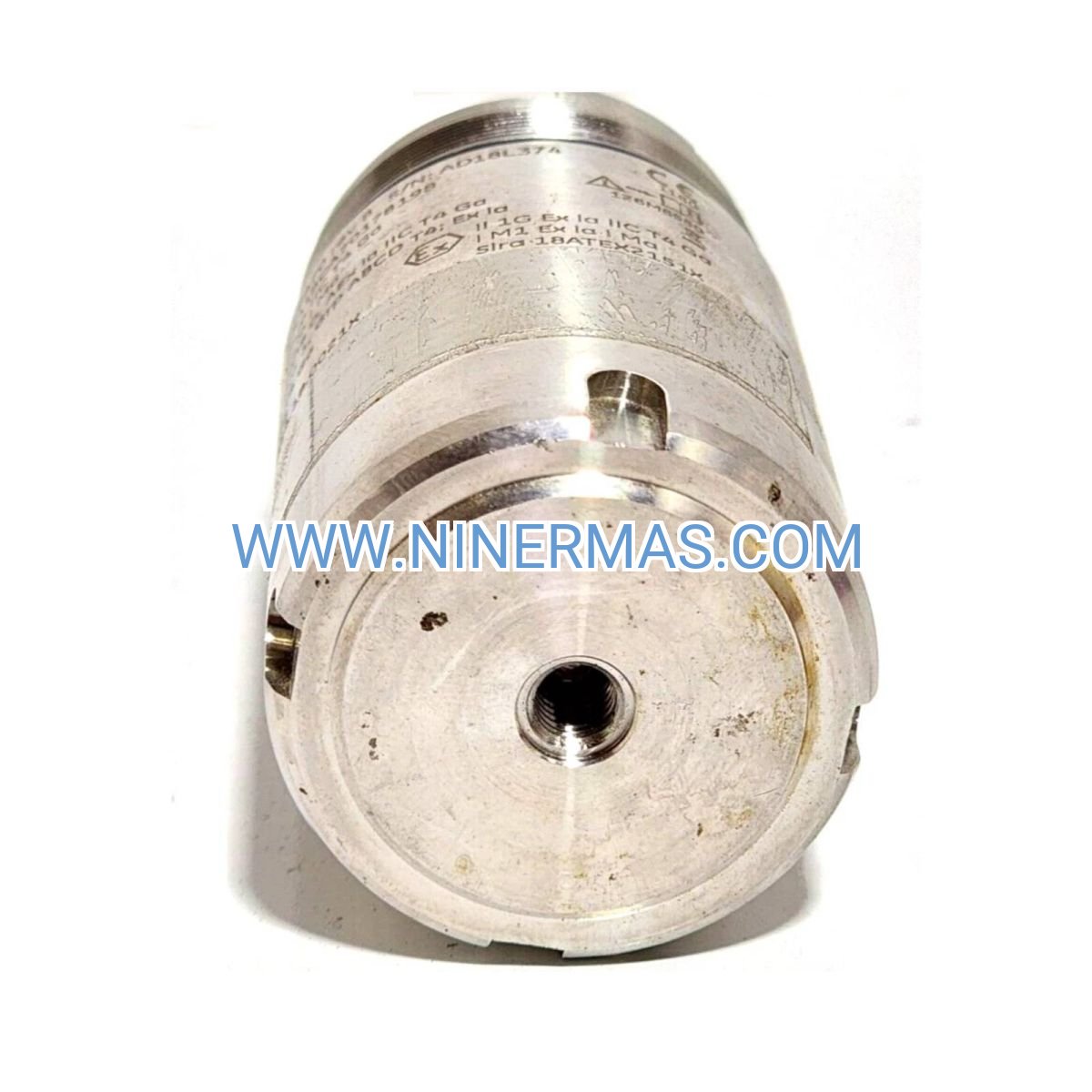
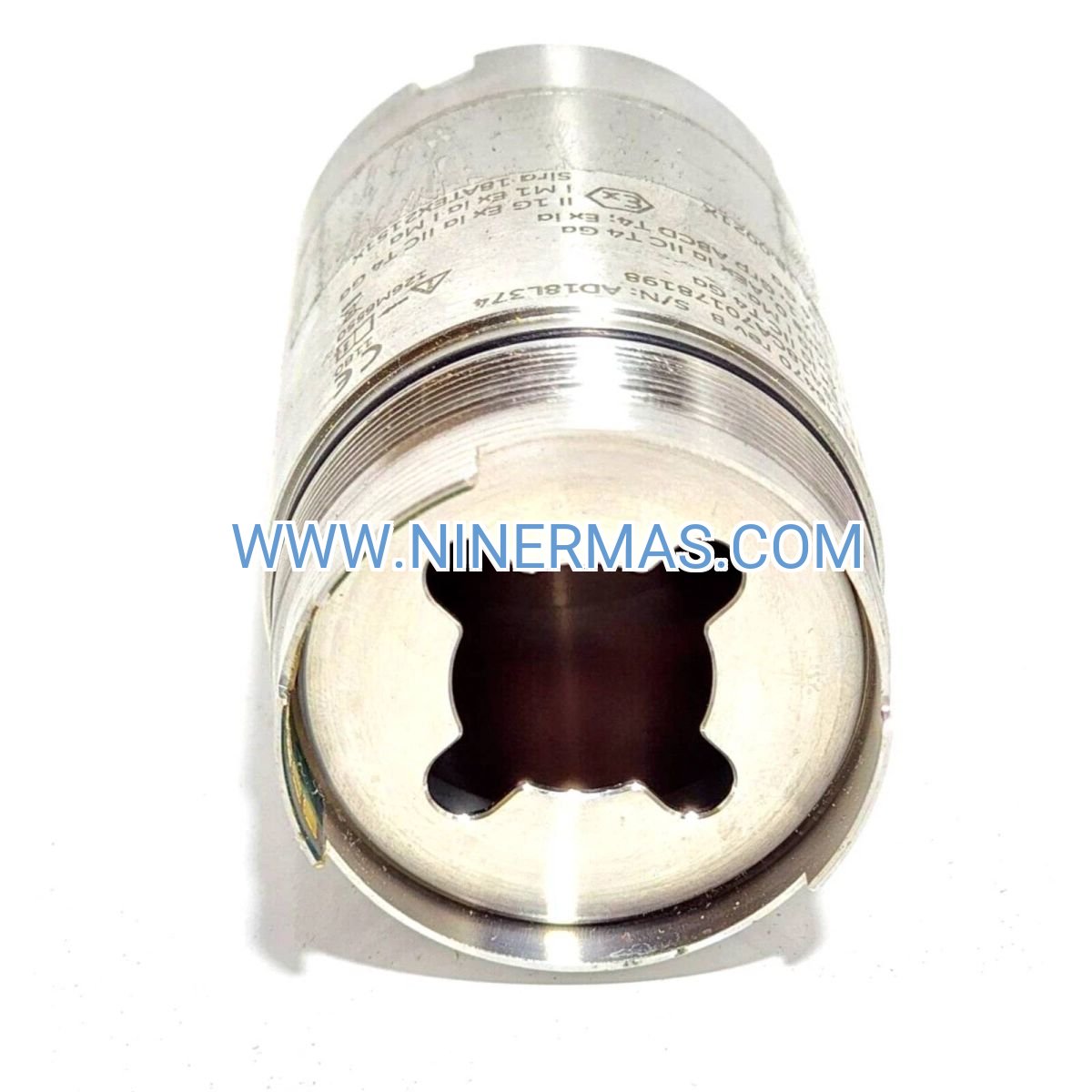
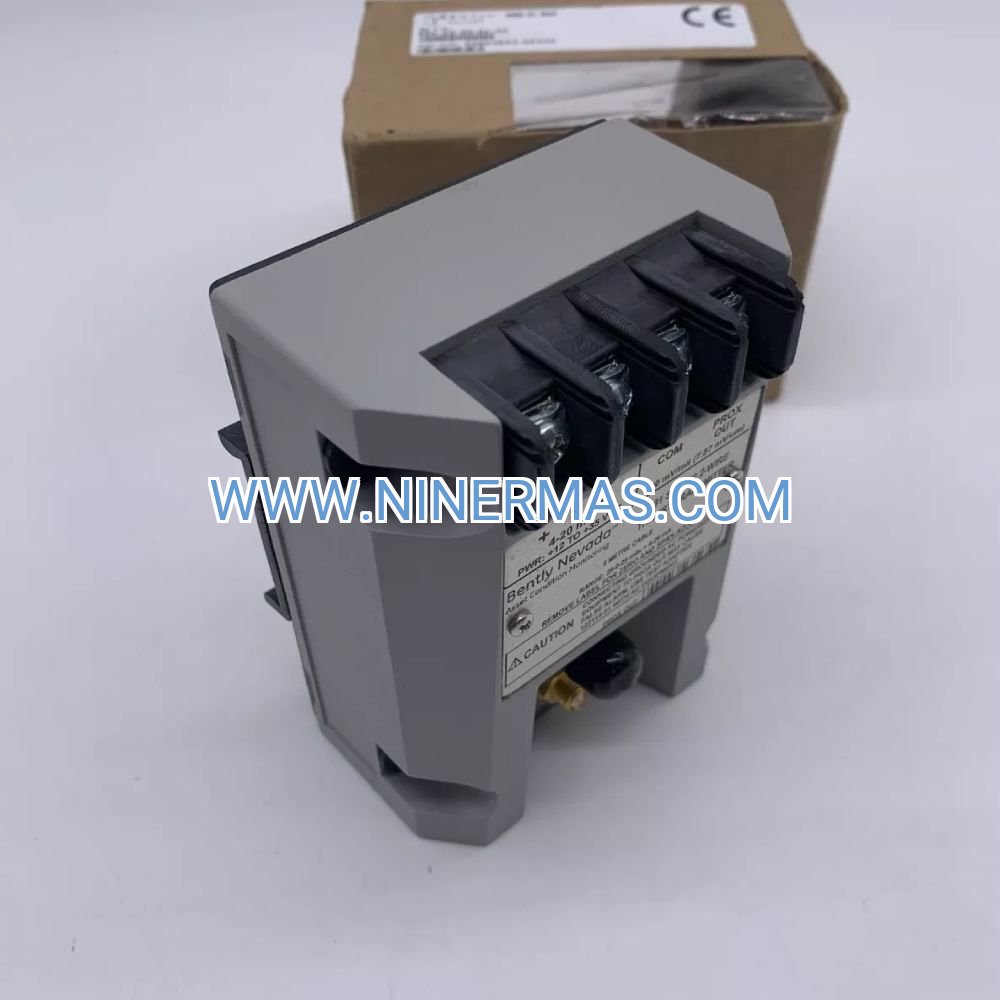
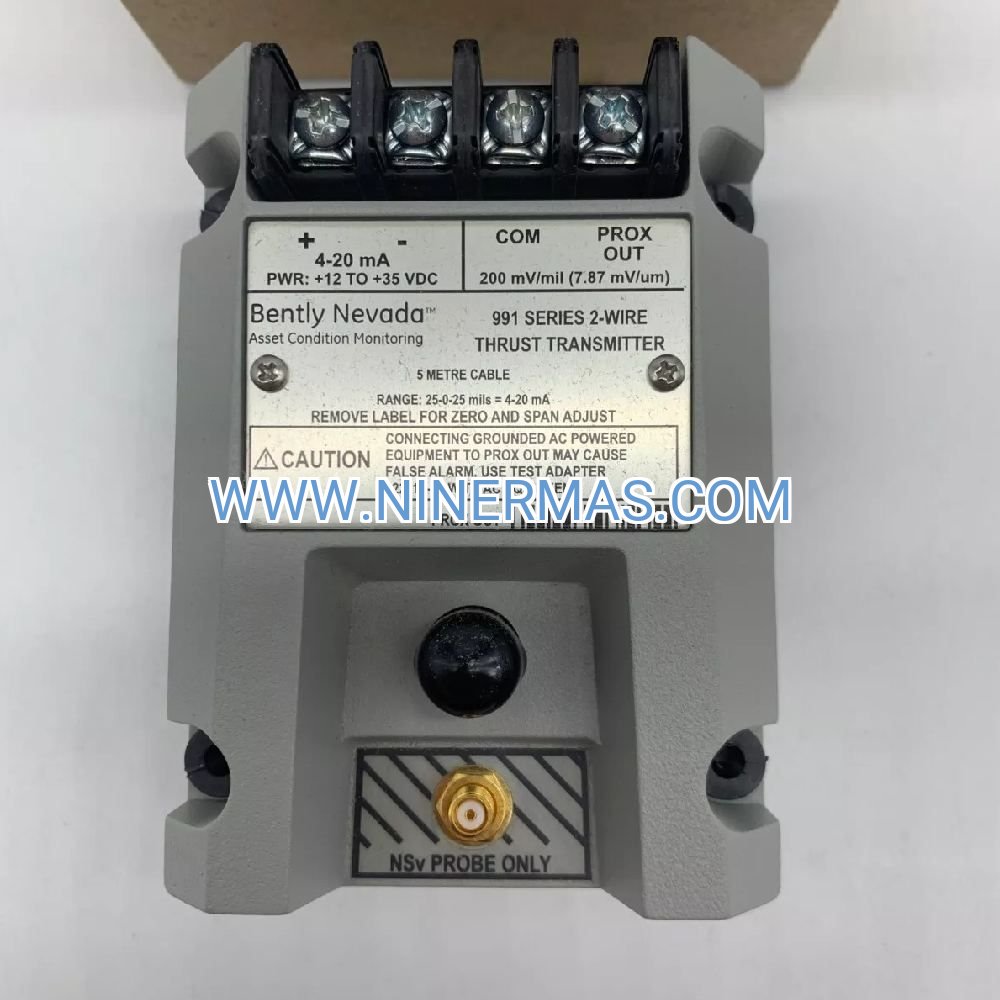
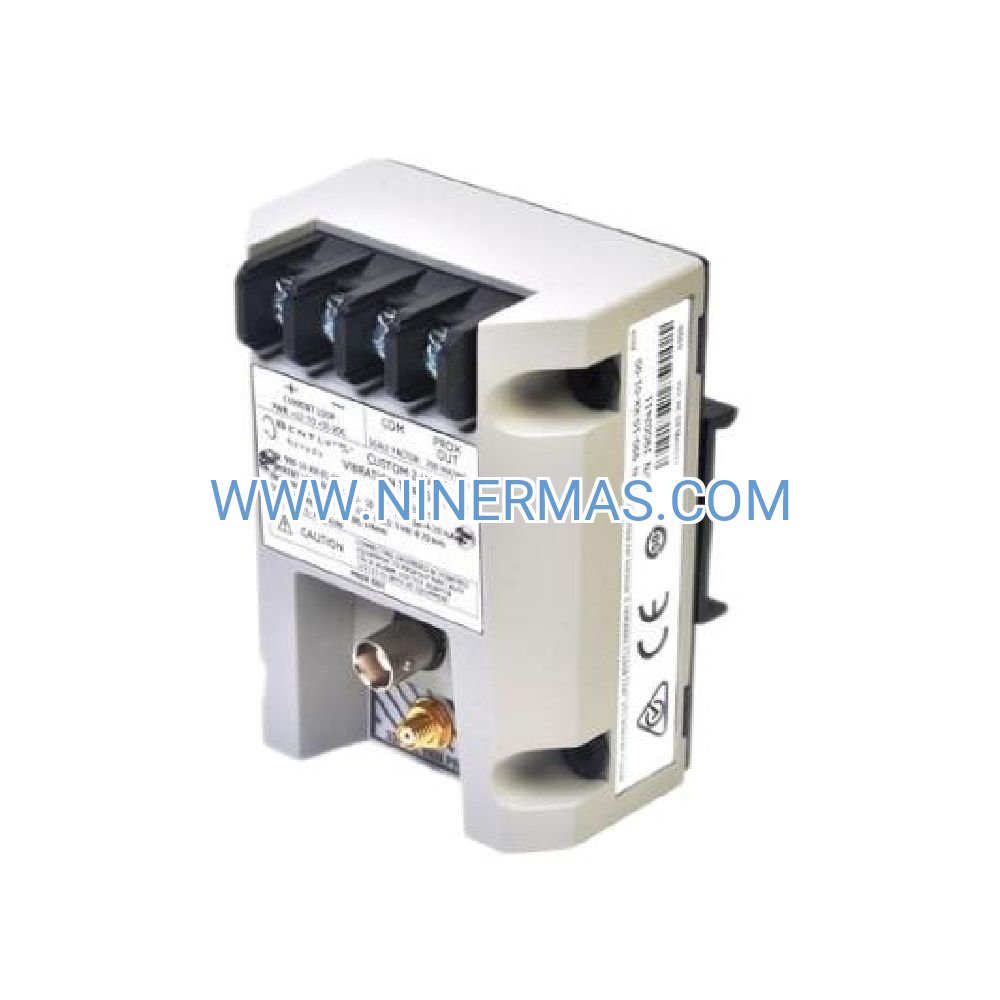
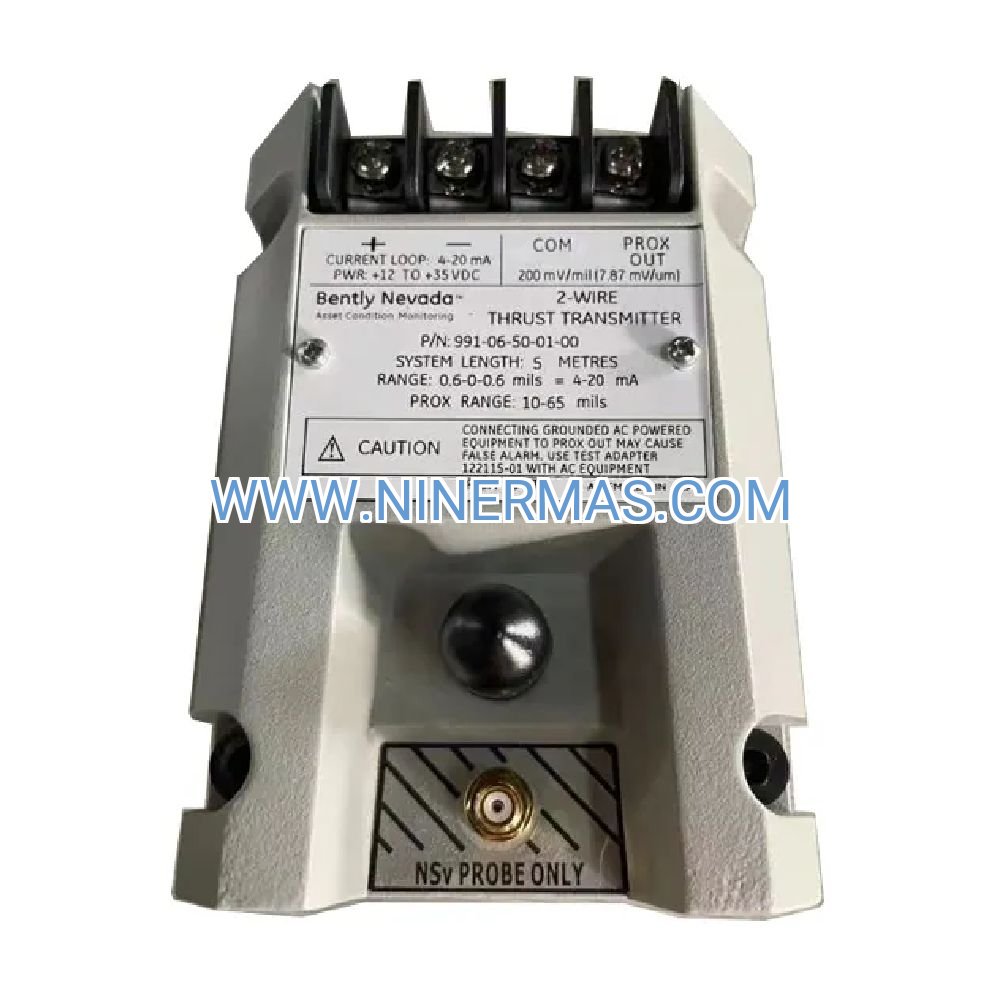
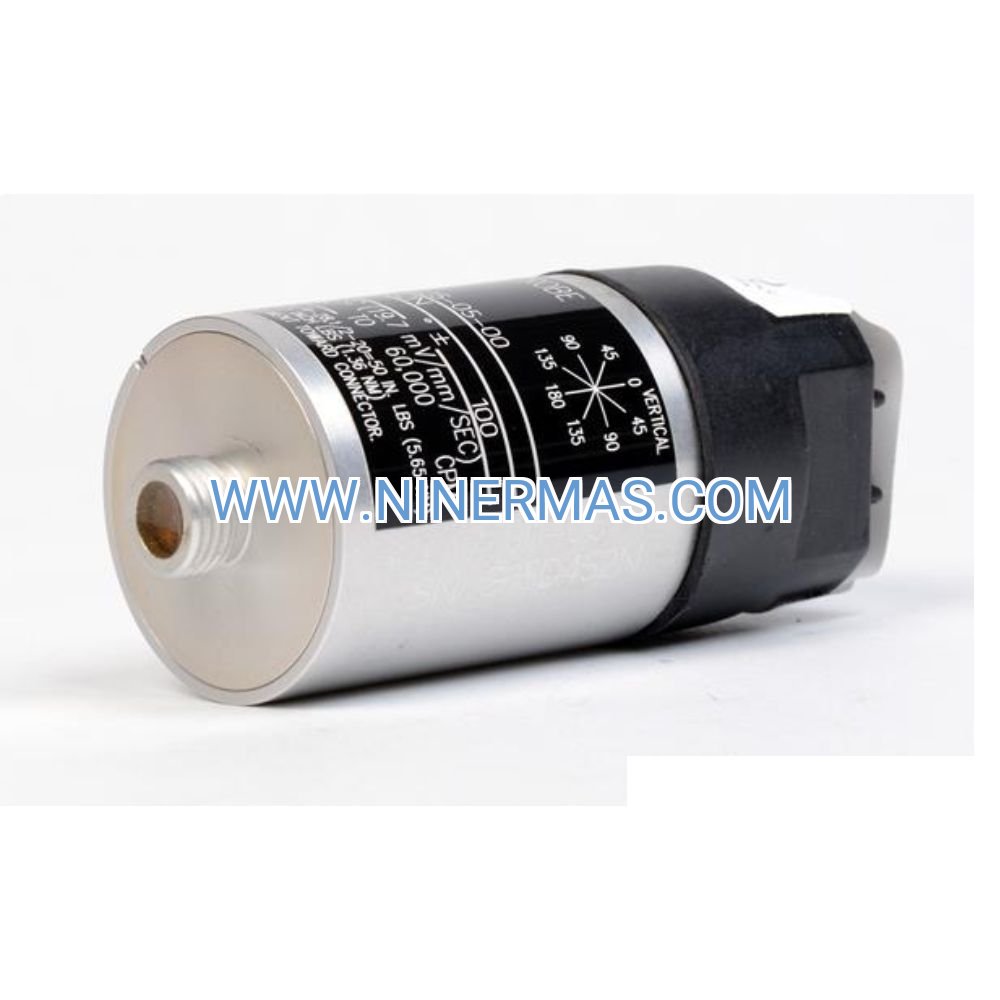
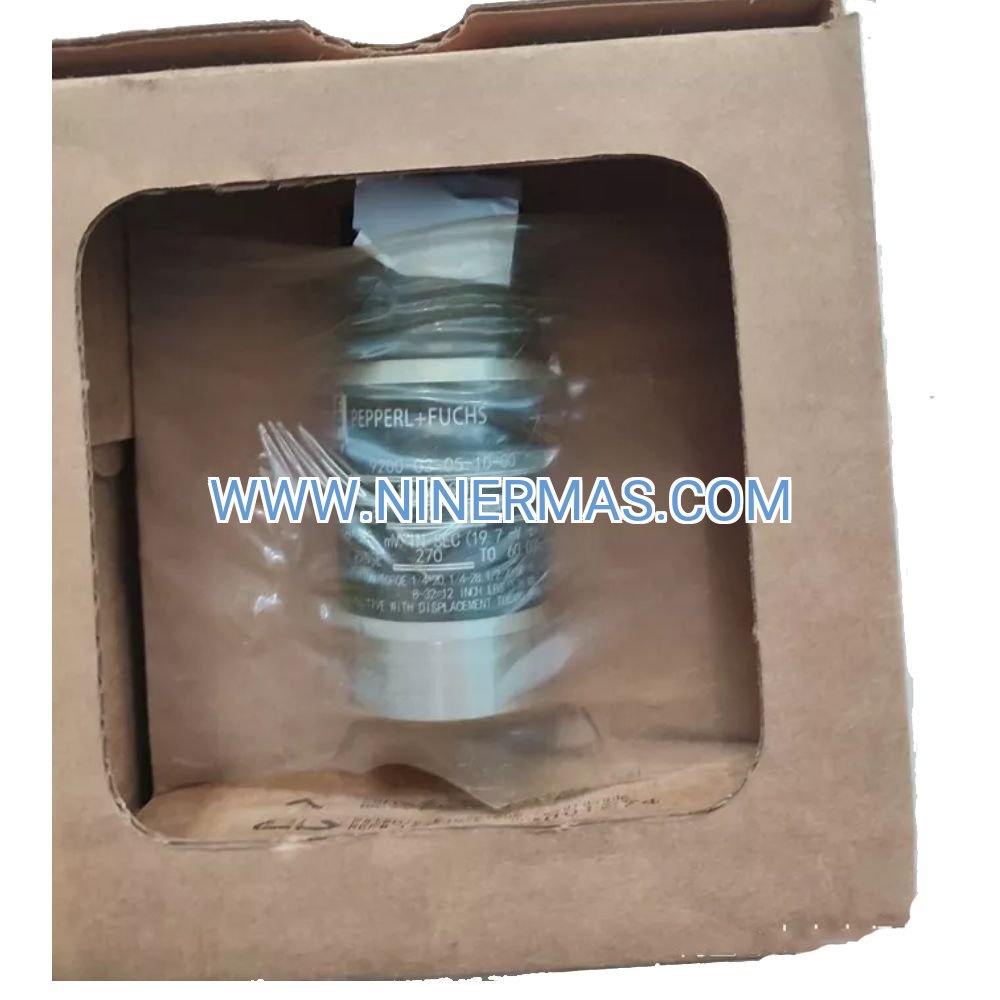
Bently Nevada 134M0389-01 8mm Proximitor Sensor (Industrial Vibration Monitoring Solution)
The Bently Nevada 134M0389-01 is an industrial-grade 8mm Proximitor Sensor engineered for precision vibration monitoring and shaft displacement measurement on critical rotating equipment. Through non-contact eddy current technology and factory-calibrated signal conditioning, this sensor delivers real-time detection of shaft position, radial vibration, and axial displacement with micron-level accuracy. Part of the proven 3300 XL monitoring platform, it ensures continuous machinery health surveillance in the most demanding industrial environments.
Designed for turbomachinery protection systems in power generation, oil & gas processing, and heavy industrial facilities, the 134M0389-01 addresses critical challenges including undetected bearing degradation, rotor imbalance, shaft misalignment, and thermal growth. It serves design engineers, maintenance teams, reliability engineers, and OEM integrators who require API 670-compliant monitoring solutions with proven field reliability and seamless system integration.
Leveraging standardized 8mm probe construction with customizable cable configurations, this Proximitor Sensor offers rapid installation, superior electromagnetic immunity, wide frequency response (0-10 kHz), and comprehensive environmental protection (-40°C to +105°C). Ideal for turbine manufacturers, process plant operators, condition monitoring specialists, and machinery protection system integrators seeking to minimize unplanned downtime and extend asset lifespan. Contact our application engineers for configuration guidance, system integration support, and technical specifications tailored to your monitoring requirements.
Core Features & Technical Advantages
- Precision Eddy Current Measurement
Utilizes non-contact electromagnetic sensing technology with factory-calibrated linearity across the full measurement range, providing accurate shaft displacement detection from 0 to 80 mils (2 mm) with typical sensitivity of 200 mV/mil, eliminating mechanical wear and ensuring long-term measurement stability. - Wide Frequency Response for Dynamic Monitoring
Captures vibration events from static displacement to 10 kHz (-3 dB bandwidth), enabling detection of both low-frequency rotor imbalance and high-frequency bearing defects, gear mesh issues, and blade pass phenomena in a single sensor installation. - Extreme Environment Durability
Operates reliably across -40°C to +105°C temperature range with hermetically sealed construction, providing continuous monitoring capability in steam turbine casings, compressor housings, and outdoor installations subject to temperature cycling and moisture exposure. - API 670 & ISO 20816 Compliance
Meets international machinery protection standards for vibration monitoring systems, ensuring regulatory conformity for critical equipment installations in refineries, power plants, and petrochemical facilities requiring certified safety instrumented systems. - Plug-and-Play System Integration
Direct compatibility with 3300 XL proximitor modules, extension cables (1-9 meters), and legacy 3500 series monitoring platforms, reducing commissioning time and enabling cost-effective system upgrades without complete infrastructure replacement. - Factory Calibration with Traceability
Each sensor ships with NIST-traceable calibration certification documenting sensitivity, linearity, and frequency response characteristics, providing quality assurance for critical applications and simplifying regulatory compliance documentation.
Typical Application Scenarios
This Proximitor Sensor is engineered for installations demanding continuous vibration surveillance, precise shaft position tracking, and early fault detection capabilities, particularly in:
- Steam & Gas Turbine Monitoring
Provides radial vibration and thrust position measurement on high-speed turbine rotors (3,000-15,000 RPM), detecting bearing wear, rotor bow, and thermal expansion before catastrophic failure occurs in power generation and mechanical drive applications. - Centrifugal Compressor Protection
Monitors shaft displacement and casing vibration on multi-stage compressors in natural gas processing, air separation, and refrigeration systems, enabling automated shutdown on excessive vibration or thrust bearing failure to prevent secondary damage. - Large Motor & Generator Surveillance
Tracks rotor eccentricity and bearing clearance changes in electric motors above 500 HP and synchronous generators, supporting predictive maintenance programs and reducing unplanned outages in critical production facilities. - Pump & Blower Condition Monitoring
Detects cavitation, impeller imbalance, and coupling misalignment in high-energy pumps and industrial blowers, extending mean time between failures and optimizing maintenance intervals through trend analysis of vibration signatures. - Machinery Protection System Integration
Serves as primary sensing element in automated shutdown systems for rotating equipment exceeding API 670 alarm thresholds, protecting assets valued at millions of dollars through rapid fault detection and emergency trip activation.
Technical Specifications & Selection Guide
To ensure optimal performance and system compatibility, the 134M0389-01 Proximitor Sensor is specified with the following core parameters. Custom configurations are available for specialized applications requiring extended temperature ranges, hazardous area certifications, or unique mounting geometries.
| Parameter | Specification | Notes |
|---|---|---|
| Model Number | 134M0389-01 | Factory designation |
| Probe Diameter | 8 mm (0.315 in) | Standard industrial size |
| Frequency Response | 0 to 10 kHz (-3 dB) | Covers most machinery faults |
| Sensitivity | 200 mV/mil (typical) | With standard extension cable |
| Linear Range | 10 to 90 mils (0.25-2.3 mm) | Optimal measurement zone |
| Operating Temperature | -40°C to +105°C | Continuous duty rating |
| Output Signal | -2 to -18 Vdc | Negative voltage output |
| Cable Compatibility | 1 to 9 meter extensions | Affects system sensitivity |
| Target Material | Ferrous metals (steel, iron) | Non-ferrous requires calibration |
| Mounting Thread | 5/8-18 UNF-2A | Standard probe housing |
| Protection Rating | IP65 (with proper installation) | Dust and water resistant |
| Compliance Standards | API 670, ISO 20816 | Machinery protection certified |
Selection Guidance: When specifying the 134M0389-01 for your application, consider the following critical factors: maximum shaft speed and vibration amplitude, installation gap requirements (typically 40-80 mils for optimal linearity), ambient temperature at probe location, required cable length from sensor to proximitor module, target shaft material and surface finish (120 RMS or better recommended), and compatibility with existing monitoring infrastructure. For applications involving non-standard shaft materials, high-temperature environments above 105°C, or hazardous area classifications, consult our application engineering team with detailed operating parameters including shaft diameter, surface speed, expected vibration levels, and environmental conditions. We provide comprehensive selection assistance, system integration drawings, and configuration validation to ensure first-time-right installations.
Advanced Integration Capabilities
Beyond standard vibration monitoring, the 134M0389-01 supports enhanced functionality when integrated with modern condition monitoring platforms:
- Multi-Channel Synchronization: Coordinate with additional sensors for phase analysis, orbit plotting, and modal vibration characterization
- Remote Monitoring Integration: Compatible with SCADA systems, DCS platforms, and cloud-based analytics via Modbus, 4-20mA, and digital protocols
- Predictive Maintenance Analytics: Trend data feeds machine learning algorithms for remaining useful life estimation and failure mode prediction
- Automated Alarm Management: Configurable alert thresholds with hysteresis, time delays, and multi-level escalation for operations and maintenance teams
Delivery, Service & Quality Assurance
Standard catalog items ship within 3-5 business days from our regional distribution centers. Custom-configured sensors with specialized cable lengths, mounting adapters, or extended temperature ratings require 10-15 business days for factory assembly and calibration verification. Each sensor includes a 12-month manufacturer warranty covering material defects and workmanship failures under normal operating conditions.
Comprehensive technical support includes remote installation guidance, system commissioning assistance, and troubleshooting consultation via phone and email. On-site calibration verification, system integration services, and training programs are available on a project basis for multi-sensor installations. Every shipment includes complete documentation package: calibration certificate with traceability data, installation drawings with recommended gap settings, electrical connection diagrams, and operation manual with troubleshooting procedures.
Our quality management system maintains ISO 9001 certification with rigorous incoming inspection, in-process testing, and final verification protocols. All sensors undergo 100% functional testing including frequency response validation, sensitivity verification, and temperature cycling before shipment, ensuring field-ready performance and minimizing commissioning delays.
Frequently Asked Questions (FAQ)
Q: How does the Bently Nevada 134M0389-01 Proximitor Sensor integrate with existing 3300 XL monitoring systems?
A: The sensor connects directly to 3300 XL proximitor modules via standard extension cables (part numbers 330130-xxx-xx series). Simply thread the probe into your existing 8mm mounting housing, connect the extension cable to the proximitor module, and verify the installation gap falls within 40-80 mils using a feeler gauge or gap measurement tool. The system auto-detects sensor presence and applies factory calibration parameters stored in the proximitor module.
Q: What is the maximum number of sensors that can be monitored on a single turbine or compressor?
A: Typical installations use 2-4 sensors per bearing (X-Y radial pairs plus optional axial thrust position), with 4-8 bearings on large turbomachinery, totaling 8-32 channels per machine. The 3300 XL rack system supports up to 16 proximitor modules, while 3500 series frames accommodate 20+ channels. For larger installations, multiple racks can be networked via communication modules.
Q: What energy savings or efficiency improvements can be expected from vibration monitoring?
A: While the sensor itself doesn't directly reduce energy consumption, early detection of mechanical faults prevents efficiency degradation. For example, detecting bearing wear before it causes rotor misalignment can maintain compressor efficiency within 2-3% of design values, versus 10-15% losses from undetected degradation. Avoiding catastrophic failures eliminates emergency shutdowns that cost $50,000-$500,000 per incident in lost production and repair expenses.
Q: What are the installation environment requirements and protection class for this Proximitor Sensor?
A: The sensor operates reliably in -40°C to +105°C ambient temperatures with IP65 protection when properly installed with thread sealant and cable glands. Avoid direct steam impingement, submersion, or corrosive chemical exposure. For hazardous area installations (Class I Div 2, ATEX Zone 2), specify intrinsically safe proximitor modules and barrier assemblies. Vibration at the mounting point should not exceed 10g RMS to prevent mechanical damage.
Q: Does the sensor support remote monitoring, data acquisition, and wireless connectivity?
A: The 134M0389-01 outputs analog voltage signals that connect to proximitor modules, which then interface with monitoring systems via 4-20mA loops, Modbus RTU/TCP, or proprietary protocols (TDI for 3500 series). For wireless connectivity, integrate the proximitor output with wireless I/O modules or edge gateways supporting MQTT, OPC-UA, or cloud platforms. Direct wireless sensors are not recommended for critical machinery protection due to latency and reliability concerns, but are suitable for advisory monitoring applications.
Q: What is the typical service life and when should the Proximitor Sensor be replaced?
A: Under normal operating conditions with proper installation, these sensors provide 15-20 years of maintenance-free service. The probe has no moving parts or wear mechanisms. Replacement is typically driven by cable damage from maintenance activities, corrosion in harsh environments, or system upgrades rather than sensor failure. Periodic verification (every 3-5 years) using calibrated gap standards confirms continued accuracy. Replace immediately if physical damage, insulation breakdown, or calibration drift beyond ±10% is detected.
Request Technical Support & Custom Configuration
For detailed application engineering assistance, system integration planning, or custom sensor configurations, please provide the following information to our technical team: project name and industry sector, equipment type and operating speed range, number of monitoring points required, shaft material and diameter, ambient temperature and environmental conditions, existing monitoring infrastructure (if upgrading), required cable lengths and routing constraints, and compliance requirements (API 670, SIL rating, hazardous area classification). Our engineers will respond within 24 hours with tailored recommendations, system architecture drawings, and budget pricing for turnkey monitoring solutions.
© 2026 NINERMAS COMPANY LIMITED. All rights reserved.
Original Source: https://ninermas.com
Contact: sale@ninermas.com | +0086 187 5021 5667

Contact Info
-
Address:22 / F, South Wo Hang building, 148 Wing Lok Street, Sheung Wan, Western District, Hong Kong
-
Phone:+8618750215667
-
Email: