Description
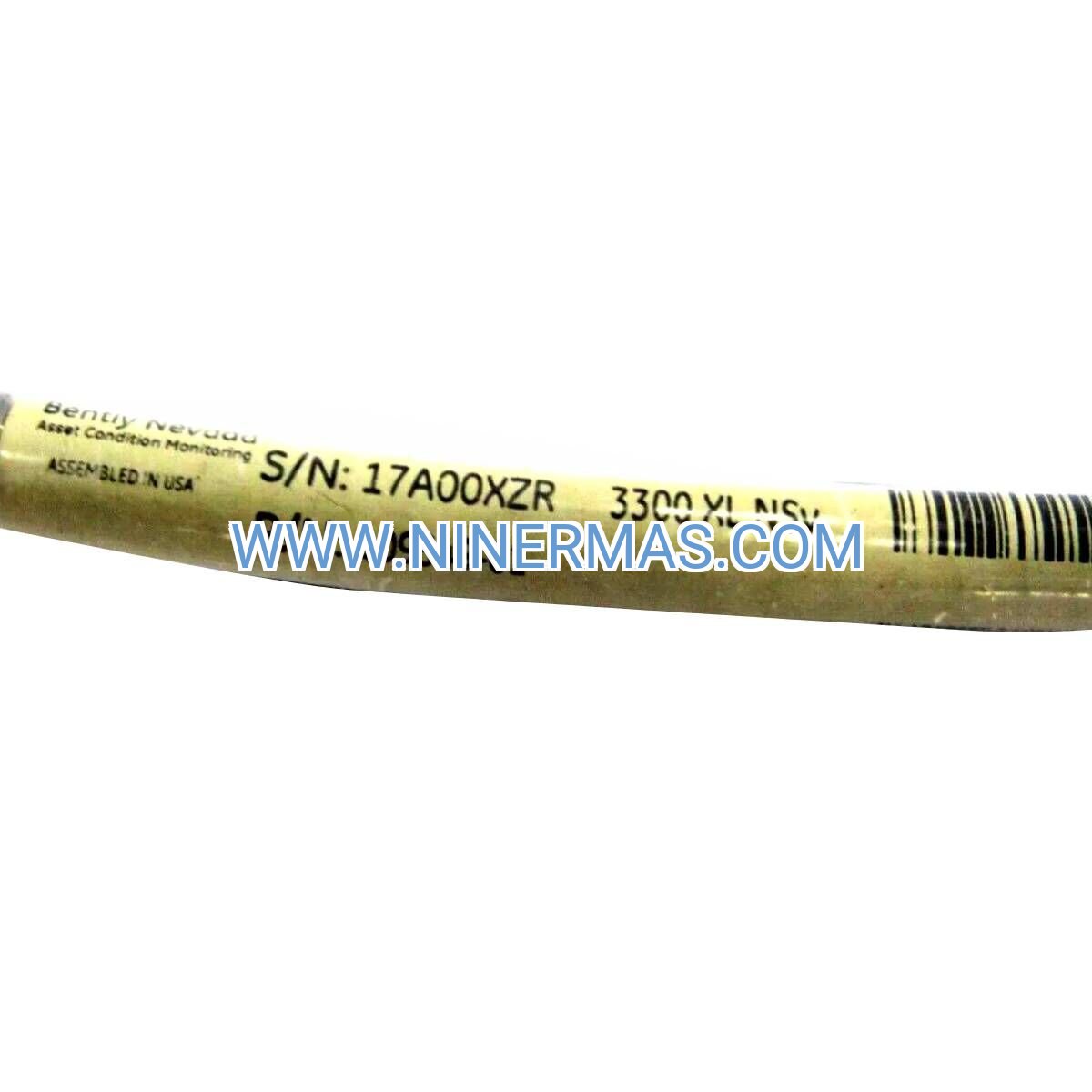
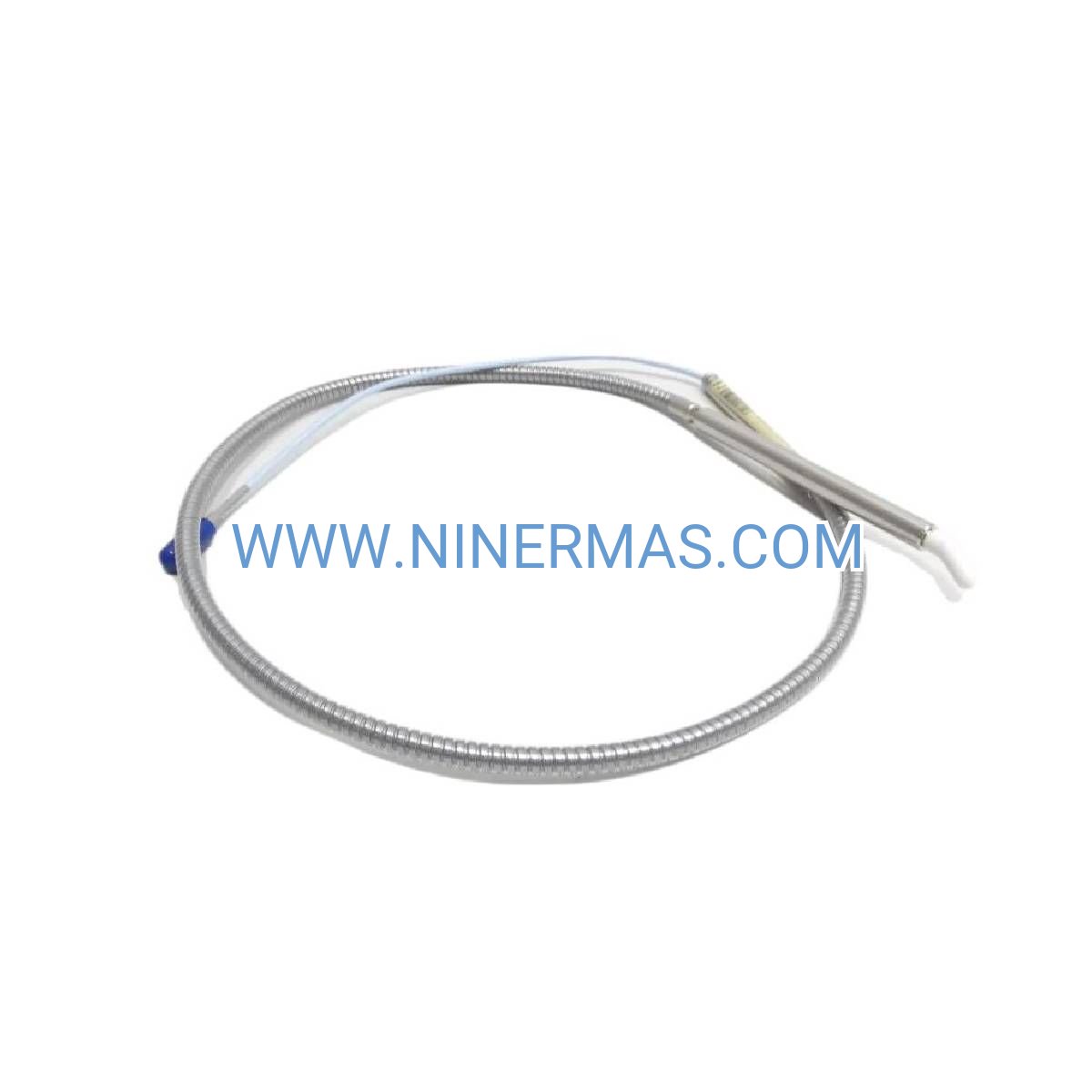
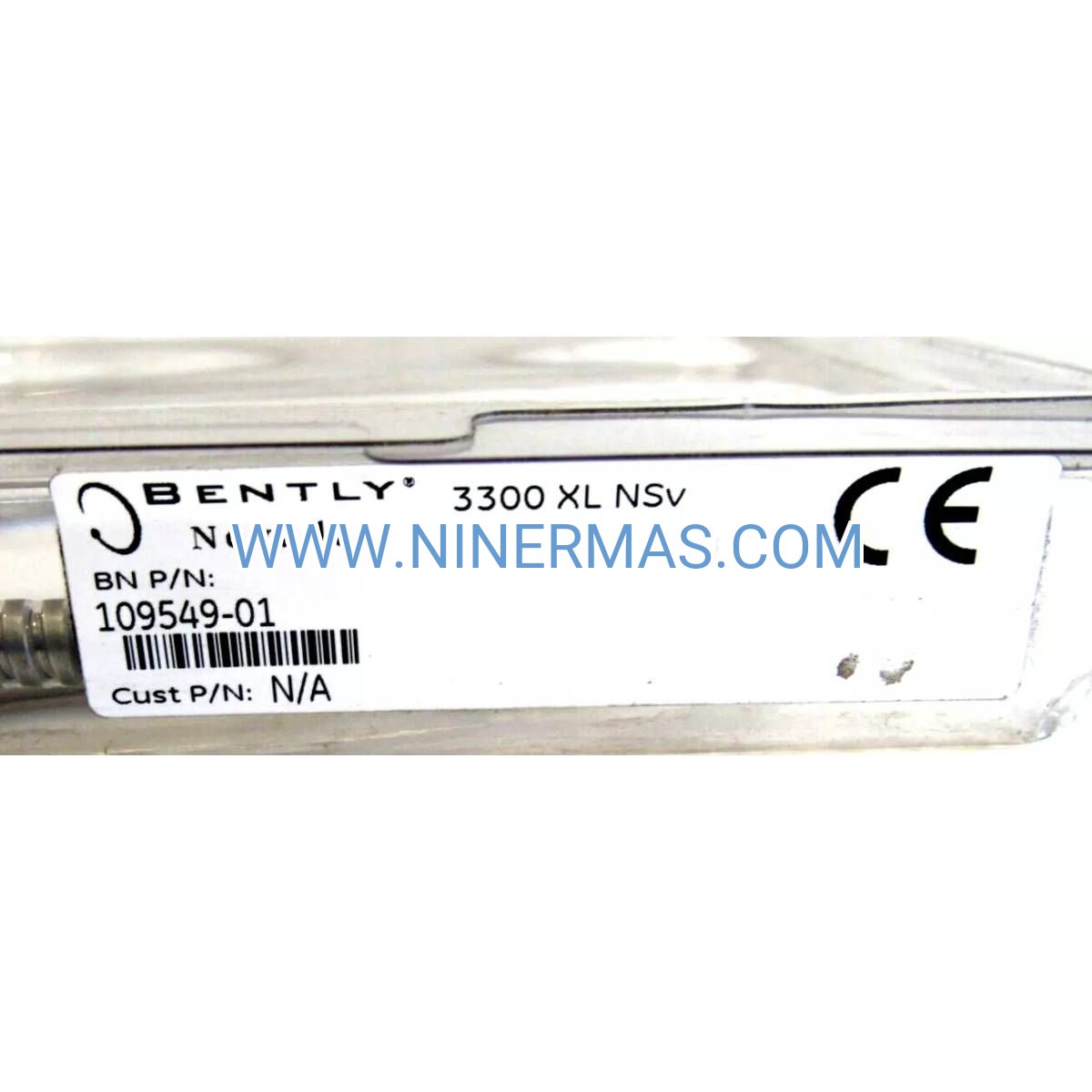
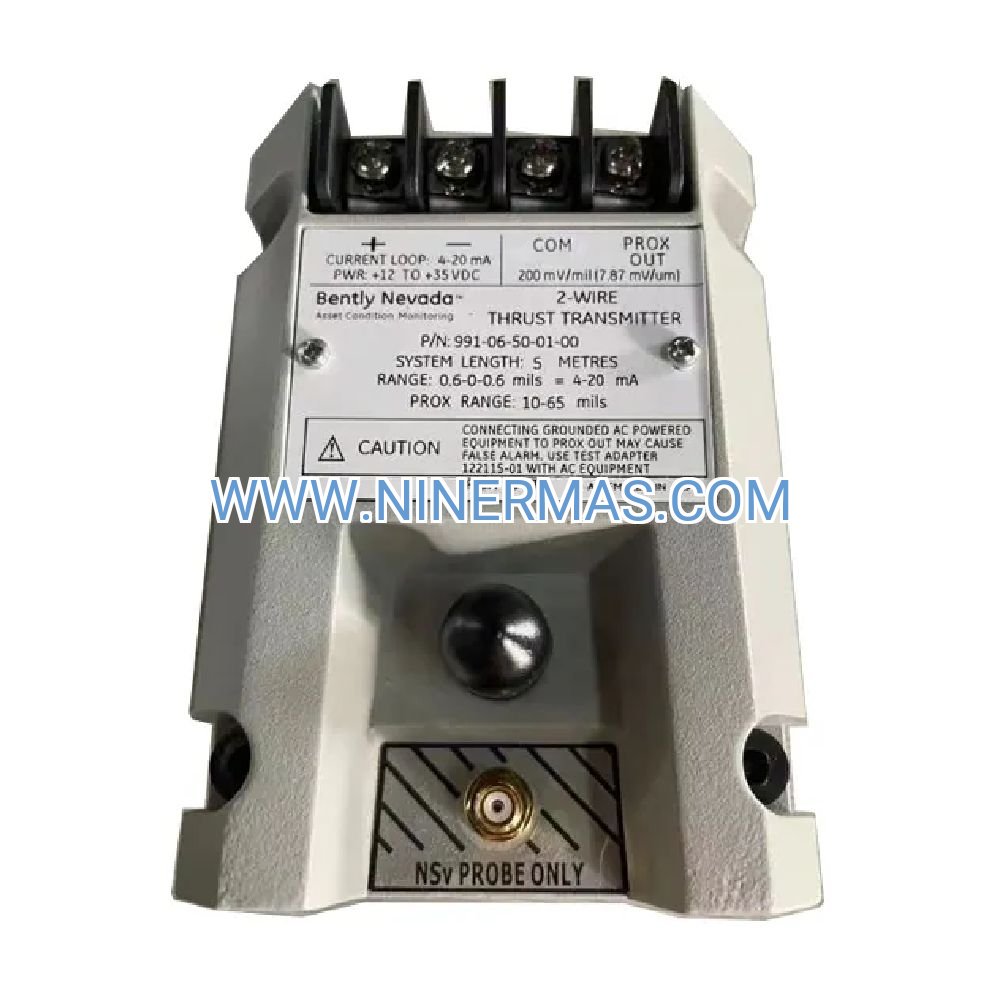
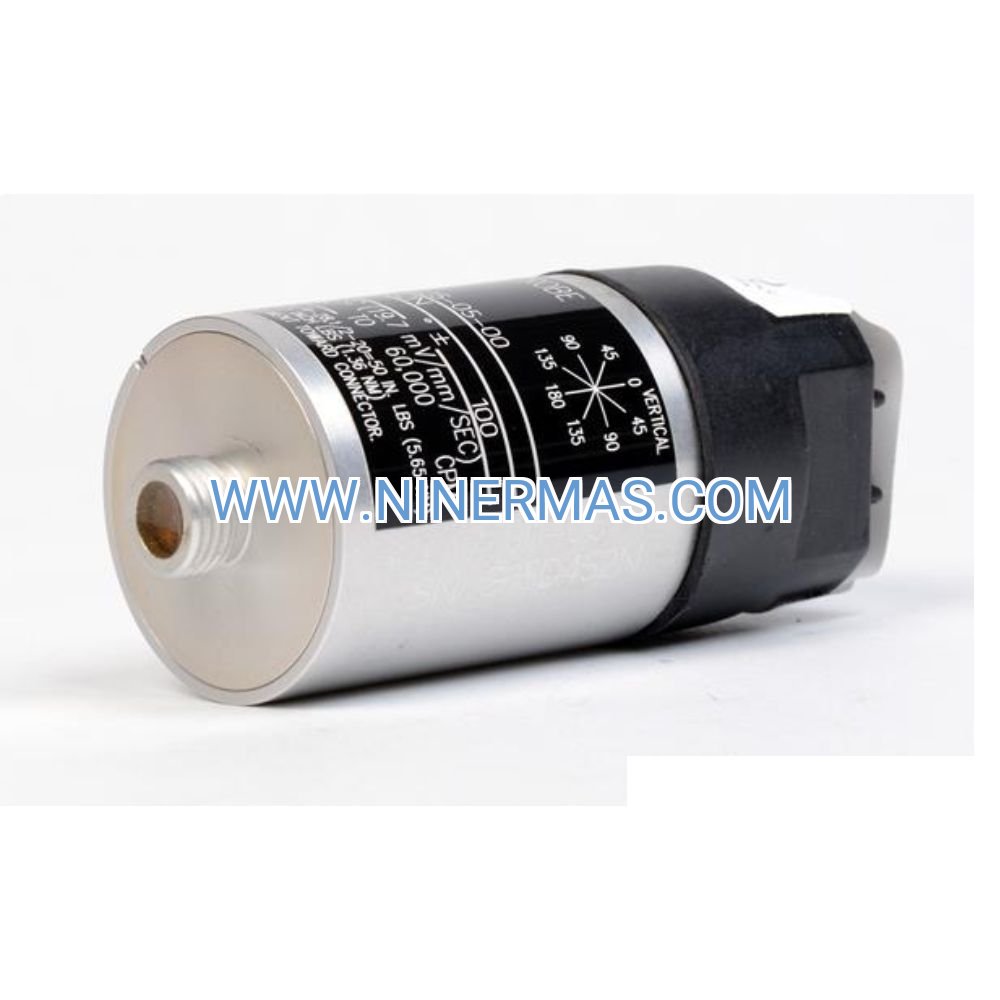
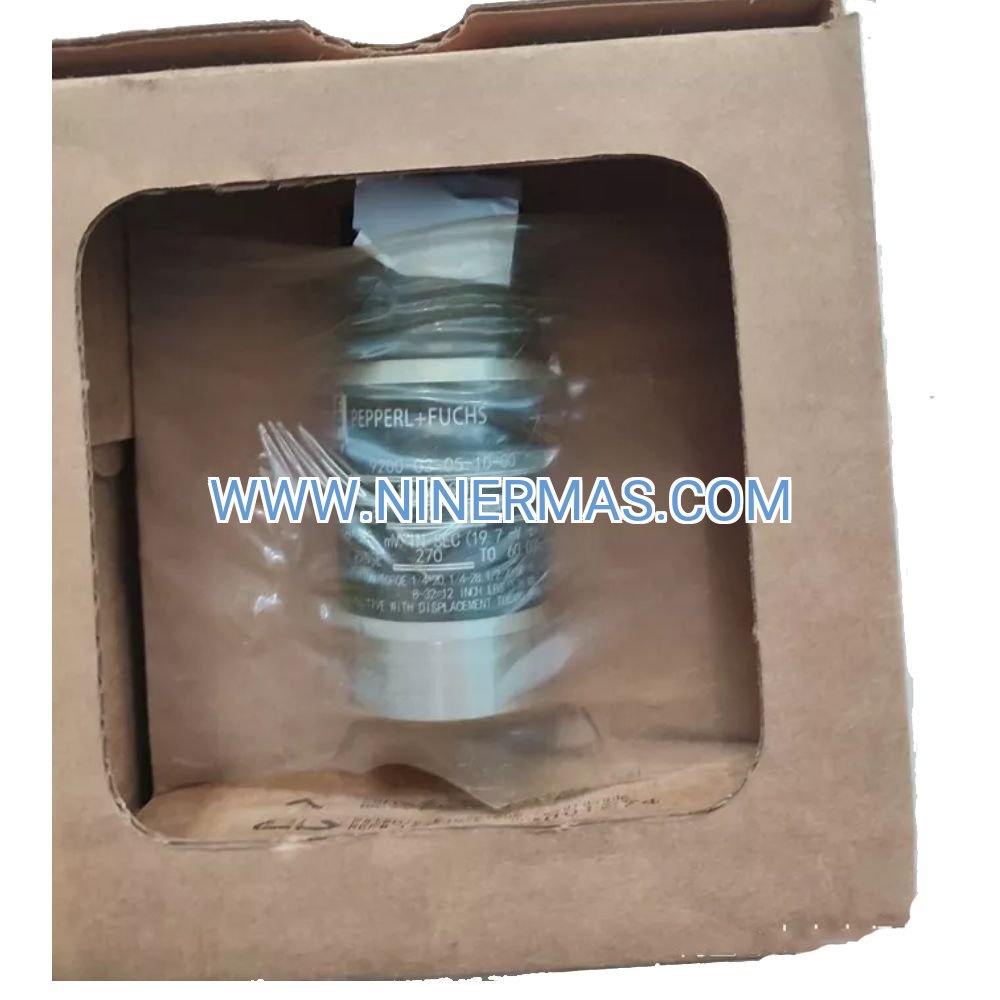
109549-01 Photoelectric Probe (Industrial-Grade Optical Vibration Sensor)
The 109549-01 represents Bently Nevada's advanced photoelectric sensing technology within the 3300 XL NSv platform, specifically designed for non-contact vibration and axial displacement measurement in rotating machinery. This optical probe eliminates electromagnetic interference concerns while delivering micron-level accuracy across extreme temperature ranges from -40°C to +85°C. Engineered for power generation, petrochemical processing, and heavy manufacturing sectors, it serves as the frontline defense against catastrophic equipment failures in turbines, compressors, and high-speed rotating assets valued at millions of dollars.
Unlike traditional eddy current sensors, the 109549-01 utilizes photoelectric principles to monitor shaft dynamics without physical contact or magnetic field dependency. This makes it ideal for applications involving non-metallic targets, high-temperature environments, or installations requiring immunity to electrical noise. Plant engineers and reliability managers choose this probe when conventional proximity sensors fail to meet stringent API 670 machinery protection standards or when optical precision is non-negotiable for critical asset monitoring.
Key differentiators include extended operational lifespan (no wear parts), superior signal integrity in contaminated atmospheres, and plug-and-play compatibility with existing 3300 XL monitoring infrastructure. The probe's robust construction withstands vibration levels up to 10g RMS while maintaining ±1% linearity across its full measurement range, ensuring your predictive maintenance program receives reliable data for trend analysis and early fault detection.
Core Features & Technical Advantages
✓ Optical Precision Technology
Photoelectric sensing eliminates magnetic field interference and target material constraints, delivering consistent performance on reflective surfaces, non-ferrous metals, and composite materials where eddy current probes fail.
✓ Extended Temperature Capability
Operates reliably from -40°C to +85°C without calibration drift, making it suitable for steam turbine casings, cryogenic compressors, and desert climate installations where thermal stability is critical.
✓ API 670 Compliance
Meets or exceeds American Petroleum Institute standards for machinery protection systems, ensuring your installation passes third-party audits and insurance inspections without modification.
✓ Contamination Resistance
Sealed optical assembly resists oil mist, dust, and moisture ingress up to IP67 rating, reducing false alarms and maintenance interventions in paper mills, cement plants, and offshore platforms.
✓ Zero Wear Design
Non-contact operation eliminates mechanical degradation, providing 20+ year service life compared to 5-7 years for contact-type sensors, significantly lowering total cost of ownership.
✓ Seamless System Integration
Direct compatibility with 3300 XL proximitor modules and rack-mounted monitors enables rapid retrofits without rewiring or software updates, minimizing installation downtime to under 2 hours per measurement point.
Industrial Application Scenarios
→ Steam Turbine Thrust Monitoring
Power plants deploy the 109549-01 to track axial shaft position in 50-500 MW turbines, detecting bearing wear and thrust collar degradation before catastrophic failure. The probe's high-temperature rating handles 150°C casing temperatures while maintaining ±25 micron accuracy, preventing unplanned outages costing $500K+ per day.
→ Centrifugal Compressor Protection
Petrochemical facilities use this sensor for radial vibration measurement on multi-stage compressors handling corrosive gases. Its immunity to electromagnetic interference from VFD drives and motor starters ensures clean signals even in electrically noisy environments, reducing nuisance trips by 85%.
→ Hydroelectric Generator Monitoring
Dam operators install 109549-01 probes on vertical shaft generators where water spray and humidity destroy conventional sensors within months. The IP67-rated optical assembly survives 100% humidity conditions while providing real-time eccentricity data for predictive balancing programs.
→ Paper Machine Dryer Sections
Pulp and paper mills leverage photoelectric sensing on high-speed dryer rolls operating at 1,200-1,800 RPM in steam-saturated atmospheres. The probe's contamination resistance maintains measurement accuracy despite paper dust and condensate, extending roll bearing life by 40% through early fault detection.
→ Gas Turbine Rotor Dynamics
Aeroderivative turbine packages in LNG facilities require non-magnetic sensors due to proximity to electrical generators. The 109549-01's optical technology eliminates eddy current limitations while tracking rotor orbits at 15,000 RPM, enabling condition-based maintenance that reduces inspection costs by $120K annually.
Technical Parameters & Selection Guide
| Parameter | Specification | Application Note |
|---|---|---|
| Model Number | 109549-01 | Factory calibrated, ready to install |
| Sensing Method | Photoelectric (Optical) | Non-contact, no target material restrictions |
| Measurement Range | 0-500 mils (0-12.7 mm) | Adjustable via proximitor module settings |
| Linearity | ±1% of full scale | Maintains accuracy across entire range |
| Operating Temperature | -40°C to +85°C | No derating required within range |
| Vibration Tolerance | 10g RMS, 20g peak | Suitable for high-vibration mounting locations |
| Ingress Protection | IP67 (sealed connector) | Submersion resistant for washdown areas |
| Output Compatibility | 3300 XL proximitor modules | Requires 3300/05, 3300/16, or equivalent |
| Cable Length | Standard 5m, extendable to 9m | Custom lengths available on request |
| Mounting Thread | M18 x 1.5 or 3/4"-16 UNF | Adapter sleeves included for both standards |
Selection Criteria: Choose the 109549-01 when your application involves non-ferrous targets (aluminum, titanium, composites), extreme temperatures beyond -30°C or above +75°C, or environments with strong electromagnetic fields (>100 V/m). For standard steel shaft monitoring below 75°C, consider eddy current alternatives for cost optimization. Consult factory application engineers for gap voltage calibration in custom installations.
Extended Functionality & System Integration
IoT Connectivity Options: When paired with 3500 rack-based monitors, the 109549-01 enables remote diagnostics via Ethernet/IP or Modbus TCP protocols. Plant operators access real-time vibration spectra, trend data, and alarm logs through web browsers or SCADA integration, eliminating manual data collection rounds and enabling centralized condition monitoring across multi-site facilities.
Advanced Analytics Compatibility: The probe's high-frequency response (DC to 10 kHz) captures transient events and harmonic content required for advanced diagnostics like orbit analysis, Bode plots, and modal testing. Export raw waveform data to third-party software (MATLAB, LabVIEW) for research applications or root cause failure analysis.
Redundant Measurement Configurations: Install dual 109549-01 probes at 90° orientation for XY orbit plotting, or deploy in voted triplicate for SIL 2/3 safety instrumented systems per IEC 61508. The probe's consistent output characteristics simplify redundancy logic without complex signal conditioning.
Customization Services: Factory modifications available include extended cable lengths up to 30 meters, high-temperature cable jackets rated to 200°C, explosion-proof housings for Zone 1 hazardous areas, and special coatings for chemical resistance in chlorine or ammonia environments. Minimum order quantities apply for custom variants.
Delivery Timeline & Service Guarantee
Standard Delivery: In-stock units ship within 24-48 hours via DHL/FedEx Express, with typical transit times of 3-5 business days to North America, 5-7 days to Europe, and 7-10 days to Asia-Pacific regions. Expedited same-day shipping available for critical outage situations at additional cost.
Custom Configuration Lead Time: Factory-modified probes (special cable lengths, coatings, certifications) require 4-6 weeks production time plus shipping. Rush orders accommodated on case-by-case basis with premium pricing.
Warranty Coverage: 24-month manufacturer's warranty covers defects in materials and workmanship under normal operating conditions. Warranty extends to 36 months when registered within 30 days of purchase and installed per published guidelines.
Technical Support: Lifetime access to application engineering team via email (response within 4 hours) and phone support during business hours (8 AM - 6 PM CST). On-site commissioning assistance available in major industrial regions at daily rates plus expenses.
Documentation Package: Each probe ships with calibration certificate traceable to NIST standards, installation manual with dimensional drawings, wiring diagrams for common proximitor modules, and quick-start guide in English. Additional languages (Spanish, German, Mandarin) available on request.
Frequently Asked Questions
Q: How does the 109549-01 photoelectric probe interface with existing 3300 XL proximitor modules?
A: The probe connects directly to standard 3300 XL proximitor modules (3300/05, 3300/16, etc.) using the same wiring scheme as eddy current probes. The proximitor provides -24 VDC excitation and conditions the optical sensor's output into industry-standard -2 to -18 VDC gap voltage. No special adapters or signal converters required—simply swap the probe and adjust the proximitor's scale factor per the calibration chart included with each unit.
Q: What target surface preparation is required for optimal photoelectric probe performance?
A: Unlike eddy current sensors that demand specific conductivity and surface finish, the 109549-01 requires only a clean, reflective surface. Acceptable targets include polished stainless steel (Ra < 1.6 μm), anodized aluminum, chrome-plated shafts, or even retro-reflective tape applied to composite materials. Avoid heavily oxidized or matte-black surfaces that absorb light. A simple acetone wipe removes oil films that could scatter the optical beam.
Q: Can this probe achieve energy savings compared to traditional vibration monitoring methods?
A: Indirectly, yes. By enabling predictive maintenance, the 109549-01 prevents energy-wasting conditions like rotor imbalance (which increases bearing friction by 15-25%), misalignment (raising motor current draw by 10%), and seal rubs (causing parasitic drag). One paper mill documented 8% energy reduction on a dryer section after implementing photoelectric monitoring that detected and corrected a chronic imbalance issue previously masked by electrical noise.
Q: What are the installation clearance requirements for mounting the photoelectric probe?
A: Minimum radial clearance of 75 mm (3 inches) from probe centerline to adjacent structures is recommended for wrench access during installation. Axial clearance of 150 mm (6 inches) allows cable bend radius compliance per NEC standards. The probe body measures 18 mm diameter × 95 mm length (excluding connector), fitting most machinery casing bosses designed for standard proximity probes. Consult drawing 109549-01-DIM for detailed dimensional tolerances.
Q: Does the 109549-01 support remote condition monitoring and predictive analytics platforms?
A: When integrated with 3500 series rack monitors or 1900/65A general purpose equipment monitors, the probe's data streams to cloud-based analytics platforms via OPC-UA, MQTT, or REST APIs. This enables machine learning algorithms to detect anomalies, predict remaining useful life, and trigger work orders automatically. Several major oil refineries use this configuration to monitor 500+ measurement points from a central reliability center, reducing site visits by 60%.
Q: How does photoelectric sensing perform in high-vibration environments compared to eddy current technology?
A: The 109549-01's solid-state optical components tolerate vibration levels up to 10g RMS without signal degradation, matching or exceeding eddy current probe specifications. The key advantage appears in electrically noisy environments—VFD drives, welding equipment, and large motors generate electromagnetic fields that induce noise in eddy current coils, while photoelectric sensors remain completely immune. Field tests in steel mills show 90% reduction in false alarms when switching from eddy current to photoelectric probes near induction furnaces.
Take the Next Step in Machinery Protection
Upgrade your vibration monitoring system with proven photoelectric technology trusted by Fortune 500 manufacturers worldwide. Our application engineers are ready to review your specific machinery configuration, recommend optimal probe placement, and provide detailed ROI calculations based on your current maintenance costs.
Request a technical consultation: Email your machinery specifications and monitoring objectives to sale@ninermas.com or call +0086 187 5021 5667 to speak with a Bently Nevada specialist. Quantity discounts available for multi-point installations.
© 2026 NINERMAS COMPANY LIMITED. All rights reserved.
Original Source: https://ninermas.com
Contact: sale@ninermas.com | +0086 187 5021 5667

Contact Info
-
Address:22 / F, South Wo Hang building, 148 Wing Lok Street, Sheung Wan, Western District, Hong Kong
-
Phone:+8618750215667
-
Email: