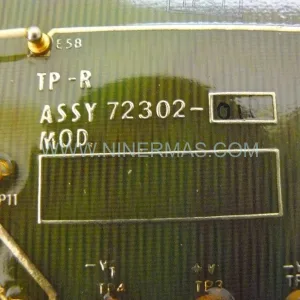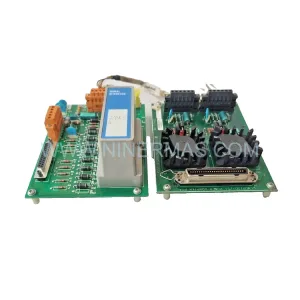
Original Industrial Spare Part
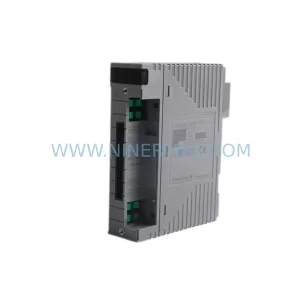
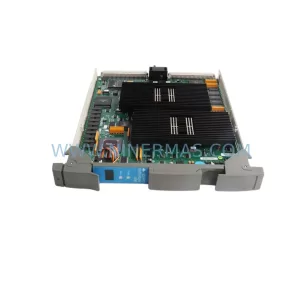
Yokogawa SDV521-S33 Retrofit-Compatible Digital Valve Positioner
Verify the part, confirm the platform family, and move straight into quotation with the right commercial details.
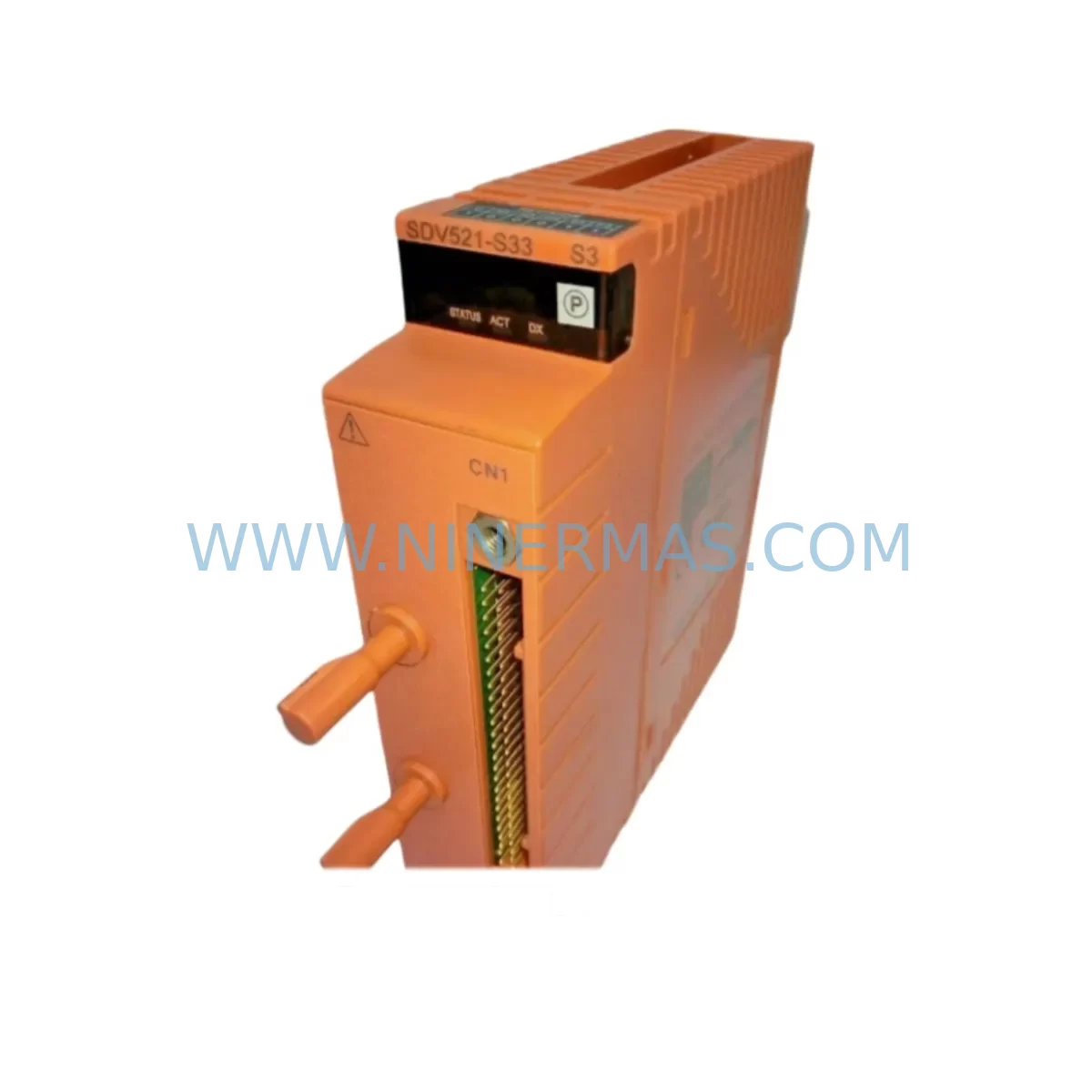
RFQ Ready
- SKUSDV521-S33
- CategoryDCS Distributed Control Systems
- BrandYokogawa
- SupportAvailability, lead time, condition, and shipping coordination
How Buyers Usually Use This Page
- Confirm the exact part number and platform family before sending the quote request.
- Use direct email when quantity, condition, and destination are already defined internally.
- Switch to the broader brand or category archive when you need alternates nearby.
Series Navigation
Move through the most common platform families behind this part.
Product RFQ
Send this part directly for quotation.
Include quantity, required condition, destination country, and target delivery timing. Current reference: Yokogawa SDV521-S33 Retrofit-Compatible Digital Valve Positioner with SKU SDV521-S33.
Yokogawa SDV521-S33 Retrofit-Compatible Digital Valve Positioner: Seamless Legacy System Upgrade
The Yokogawa SDV521-S33 is a ruggedized digital valve positioner module engineered for demanding process environments where precision valve control and long-term reliability are non-negotiable. Designed as a retrofit-compatible replacement for aging Yokogawa CENTUM and STARDOM control architectures, the SDV521-S33 enables facilities to extend the operational life of existing valve control infrastructure without committing to a full DCS overhaul. Whether you are managing a refinery, chemical plant, power generation facility, or offshore platform, this module delivers the signal fidelity and environmental resilience required for continuous process control in harsh conditions.
The SDV521-S33 supports HART communication protocol, making it directly compatible with existing field device management tools and asset management systems already deployed in your plant. Its ruggedized housing is rated for high-vibration, high-humidity, and wide-temperature-range installations — conditions commonly encountered in legacy control cabinets that were not originally designed with modern environmental standards in mind. For facilities operating aging Yokogawa CENTUM CS 3000 or CENTUM VP systems, the SDV521-S33 provides a validated upgrade path that preserves existing wiring, terminal assignments, and loop configurations wherever possible.
When planning a valve positioner replacement or upgrade, engineers must carefully verify several critical parameters before installation. Power supply compatibility is the first checkpoint: confirm that the existing 24 VDC loop supply is within the SDV521-S33 operating range and that the field junction box can sustain the module’s current draw without affecting adjacent I/O channels. Terminal wiring must be cross-referenced against the original SDV521 series wiring diagram, paying particular attention to the signal input polarity, feedback potentiometer connections, and any local/remote selector switch wiring that may differ between hardware revisions.
Backplane interface and module addressing are equally important. In CENTUM VP field control stations, the SDV521-S33 occupies a defined slot address that must be correctly configured in the engineering tool before the module is recognized by the controller. If the replacement is being performed within a Node Unit or Remote Node, the node address and I/O module type registration must be updated in the system database prior to download. Failure to update the module type registration will result in a hardware mismatch alarm and prevent the positioner from entering normal control mode.
Program compatibility should be assessed at the function block level. The SDV521-S33 interfaces with standard PID and valve control function blocks within the CENTUM VP engineering environment. If the original installation used a legacy SDV521 variant with a different hardware revision, verify that the function block parameters — including travel time, tight shutoff threshold, and split-range configuration — are correctly migrated to the replacement unit. In most cases, the existing control logic can be retained without modification, but a full function block parameter backup should be taken before any hardware swap.
HMI screen updates are often overlooked during positioner replacements. If the plant HMI displays valve position feedback, travel deviation alarms, or positioner diagnostic data sourced from the SDV521-S33, confirm that the tag names and data item addresses remain consistent after the module swap. Any change in module slot address or node configuration may require a corresponding update to the HMI graphic bindings to maintain accurate operator visibility.
Upgrade Compatibility Table
| Parameter | SDV521-S33 Specification | Retrofit Notes |
|---|---|---|
| Communication Protocol | HART (Highway Addressable Remote Transducer) | Compatible with existing HART-enabled field device management systems |
| Power Supply | 24 VDC loop-powered | Verify existing loop supply capacity before installation |
| Signal Input | 4–20 mA analog input | Confirm polarity and shielding continuity at field junction box |
| Mounting / Installation | Direct valve actuator mount, ruggedized housing | Confirm actuator yoke dimensions and bracket compatibility |
| Environmental Rating | IP66, wide temperature range | Suitable for outdoor, high-vibration, and high-humidity installations |
| Compatible DCS Platform | Yokogawa CENTUM VP, CENTUM CS 3000, STARDOM | Update module type registration in engineering tool after replacement |
| Function Block Compatibility | PID, valve control function blocks | Back up existing function block parameters before hardware swap |
| HMI Integration | Tag-based data binding | Verify HMI graphic tag assignments after module slot address change |
| Commissioning Tool | Yokogawa FieldMate, HART communicator | Required for initial calibration and travel adjustment after installation |
| Warranty | 12-Month Warranty | Covered from date of shipment; includes pre-shipment functional testing |
Retrofit Planning for Existing Automation Systems
A successful SDV521-S33 retrofit begins well before the physical module swap. The first step is a comprehensive audit of the existing valve control loop, starting from the DCS field control station and tracing through the marshalling cabinet, field junction box, and actuator assembly. In a typical CENTUM VP installation, the valve positioner signal originates from an analog output channel on an AAI141 or AAI143 I/O module, passes through the marshalling panel, and terminates at the SDV521-S33 field terminals. Any corrosion, loose terminations, or cable insulation degradation identified during this audit should be addressed before the new positioner is installed.
The marshalling cabinet layout deserves particular attention in aging plants. Legacy installations may use older terminal blocks that are no longer compatible with modern ferrule-crimped conductors. In such cases, replacing the terminal blocks with DIN-rail-mounted Phoenix Contact or Weidmuller equivalents during the same maintenance window can significantly reduce future troubleshooting time. Similarly, if the existing cable pairs are unshielded, consider upgrading to shielded twisted-pair cable to reduce HART signal interference, especially in cabinets that also house variable frequency drives or high-current motor starters.
For plants running CENTUM CS 3000 alongside newer CENTUM VP nodes, the SDV521-S33 retrofit may also involve updating the communication link between the field control station and the engineering workstation. The Vnet/IP communication module installed in the field control station must be confirmed as compatible with the engineering tool version being used for the download. In some cases, a firmware update to the Vnet/IP module or the field control station CPU — such as the FCU (Field Control Unit) — may be required before the new positioner configuration can be successfully downloaded.
I/O expansion is another common requirement during positioner retrofits. If the existing field control station has exhausted its available analog output channels, adding an AAI543 or AAI841 analog I/O module to the node provides the additional channel capacity needed to support the SDV521-S33 without reconfiguring existing loops. The node unit’s power supply module — typically an ESB401 or ESB501 — should also be checked to confirm it can support the additional load introduced by the new I/O module and positioner combination.
Signal isolators are frequently required when the SDV521-S33 is installed in a zone where intrinsic safety barriers or galvanic isolators are mandated by the area classification. Yokogawa-compatible HART-transparent isolators, such as those from the MTL or P+F product families, can be inserted into the signal loop without disrupting HART communication, provided the total loop resistance remains within the positioner’s specified range. Confirm the isolator’s HART pass-through specification before installation.
Finally, programming cable and laptop access to the field are essential for the final commissioning phase. The Yokogawa FieldMate device management software, connected via a HART modem or USB-to-HART adapter, is used to perform the initial auto-calibration, set the travel limits, configure the tight shutoff function, and verify the positioner’s diagnostic data against the as-found baseline. A HART 375 or 475 field communicator can serve as an alternative if laptop access is not available at the valve location.
Downtime Control During System Migration
Minimizing process downtime during an SDV521-S33 replacement requires a structured pre-outage preparation plan. The most effective approach is to complete all engineering tool configuration changes — including module type registration updates, function block parameter verification, and HMI tag confirmation — during normal operation, before the physical swap takes place. This ensures that the download to the field control station can be executed immediately after the new positioner is installed, without requiring additional engineering time during the maintenance window.
Where process conditions permit, consider placing the affected control loop in manual mode and holding the valve at a fixed position before beginning the physical replacement. This preserves the process state and prevents uncontrolled valve movement during the wiring changeover. If the valve is in a critical service — such as a reactor feed, compressor anti-surge, or boiler feedwater application — coordinate with the operations team to confirm that the process can be safely held in manual for the duration of the replacement, and establish a clear abort procedure in case the installation encounters unexpected complications.
After the SDV521-S33 is physically installed and wired, perform a loop check before downloading the new configuration. Apply a 4 mA signal from the field control station and confirm that the positioner drives the valve to the fully closed position; then apply 20 mA and confirm full open. This two-point check validates the wiring integrity and confirms that the positioner’s mechanical linkage is correctly adjusted before the control loop is returned to automatic mode. Document the as-left valve position and positioner diagnostic data as the baseline for future predictive maintenance reference.
For multi-valve upgrade projects involving several SDV521-S33 units across the same control system, a phased replacement schedule — replacing one valve per maintenance window — is strongly recommended over a simultaneous multi-valve swap. This approach limits the scope of each outage, reduces the risk of compounding issues, and allows the maintenance team to refine the replacement procedure based on lessons learned from the first installation before proceeding to subsequent valves.
Retrofit Support FAQ
Q1: Is the SDV521-S33 a direct drop-in replacement for the original SDV521 series positioners?
In most CENTUM VP and CENTUM CS 3000 installations, the SDV521-S33 is functionally compatible with the original SDV521 series. However, hardware revision differences between generations may require minor adjustments to the actuator feedback linkage and a re-run of the auto-calibration routine using Yokogawa FieldMate. Always compare the original and replacement unit’s terminal wiring diagrams before installation to confirm pin-for-pin compatibility.
Q2: What commissioning steps are required after installing the SDV521-S33?
After physical installation and wiring, connect a HART communicator or laptop running Yokogawa FieldMate to the positioner. Perform the auto-calibration sequence to set the fully closed and fully open travel limits. Verify the tight shutoff threshold, configure any split-range parameters if applicable, and confirm that the positioner’s HART device address matches the address expected by the field device management system. Finally, perform a full stroke test and document the as-left diagnostic data.
Q3: Does the SDV521-S33 ship with pre-shipment functional testing, and what does the 12-month warranty cover?
Yes. Every SDV521-S33 unit supplied by NINERMAS undergoes pre-shipment functional testing to verify signal response, HART communication integrity, and mechanical operation before dispatch. The 12-month warranty covers manufacturing defects and functional failures under normal operating conditions, commencing from the date of shipment. Warranty claims are supported by our technical team at sale@ninermas.com.
Q4: What is the typical lead time and stock availability for the SDV521-S33?
NINERMAS maintains inventory of the SDV521-S33 to support urgent maintenance and unplanned outage requirements. Standard lead time for in-stock units is 3–7 business days for international shipments. For projects requiring multiple units or long-term spare parts program arrangements, contact our team to discuss scheduled delivery and reserved stock options tailored to your maintenance calendar.
| Product Series | CENTUM VP |
|---|---|
| Country of Origin | JP |
Catalog Continuation
More Yokogawa modules in the catalog.
Use the brand lane to compare nearby part numbers, platform-adjacent modules, and other inquiry-ready listings before sending your final RFQ.
Catalog Continuation
Alternative parts within DCS Distributed Control Systems.
Stay inside the same system family when you need substitutes, adjacent modules, or a broader shortlist for procurement review.
SKU: PM632 3BSE005831R1
ABB PM632 3BSE005831R1 Retrofit-Compatible Processor for Legacy Systems
SKU: High Performance Communication Controller
Honeywell 51401635-150 Service-Ready Spare for C300