Original Industrial Spare Part
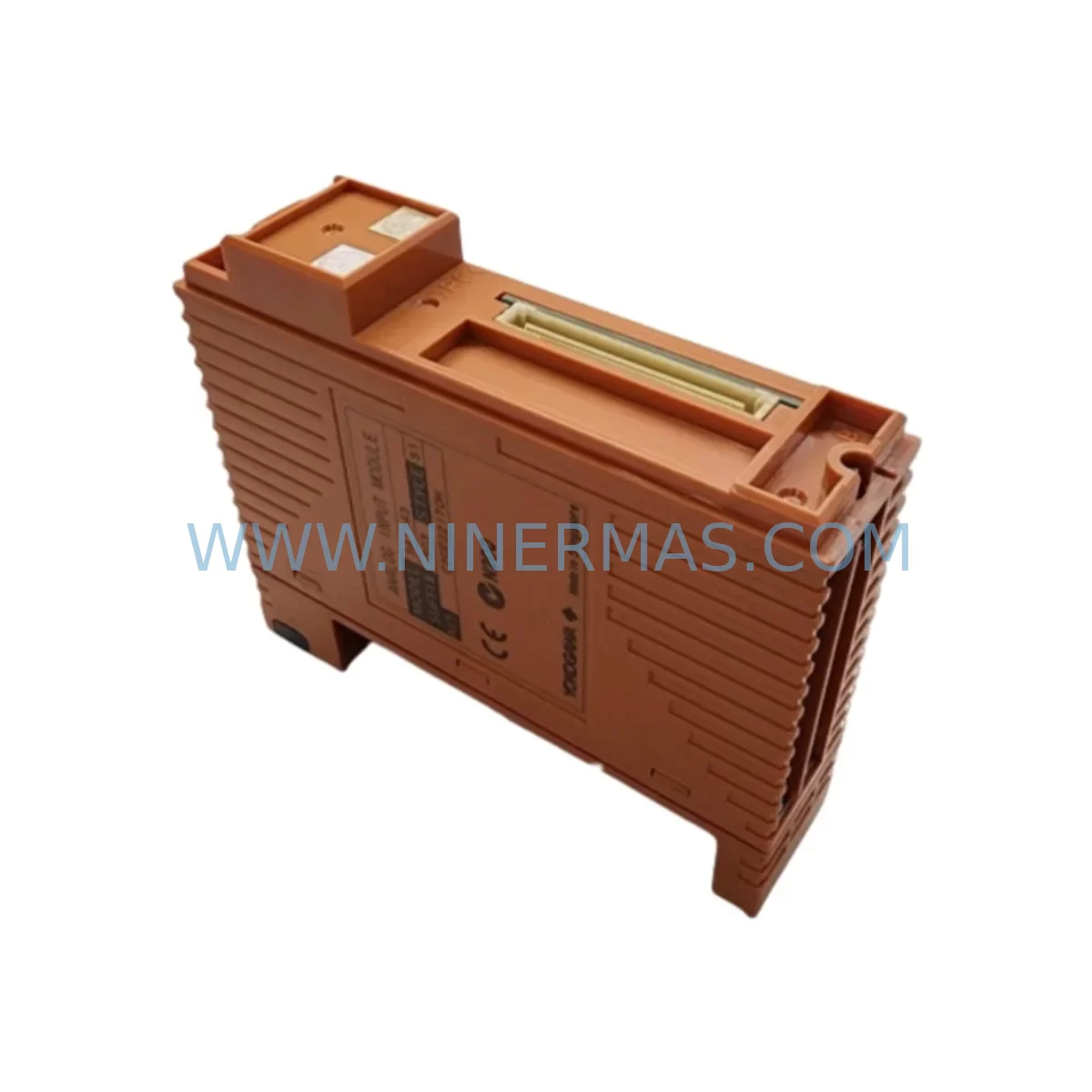
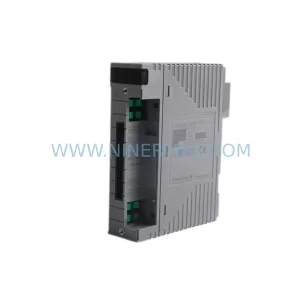
YOKOGAWA SAI143-HE3 Retrofit-Compatible Analog Input Module
Verify the part, confirm the platform family, and move straight into quotation with the right commercial details.
RFQ Ready
- SKUSAI143-HE3
- CategoryDCS Distributed Control Systems
- BrandYokogawa
- SupportAvailability, lead time, condition, and shipping coordination
How Buyers Usually Use This Page
- Confirm the exact part number and platform family before sending the quote request.
- Use direct email when quantity, condition, and destination are already defined internally.
- Switch to the broader brand or category archive when you need alternates nearby.
Series Navigation
Move through the most common platform families behind this part.
Product RFQ
Send this part directly for quotation.
Include quantity, required condition, destination country, and target delivery timing. Current reference: YOKOGAWA SAI143-HE3 Retrofit-Compatible Analog Input Module with SKU SAI143-HE3.
YOKOGAWA SAI143-HE3 Retrofit-Compatible Analog Input Module for Legacy Systems
The YOKOGAWA SAI143-HE3 is a ruggedized analog input module designed for demanding industrial environments and is widely deployed across YOKOGAWA STARDOM FCN/FCJ distributed control architectures. As legacy automation systems age and original spare parts reach end-of-life, the SAI143-HE3 has become a critical component in retrofit projects, production line upgrades, and control cabinet modernization programs across oil & gas, chemical processing, power generation, and water treatment industries.
NINERMAS maintains verified inventory of the SAI143-HE3 with full pre-shipment functional testing and a 12-month warranty, ensuring your retrofit project proceeds without supply chain delays or quality risk.
Upgrade Compatibility Table
| Parameter | Details |
|---|---|
| SKU / Part Number | SAI143-HE3 |
| Brand / Manufacturer | YOKOGAWA Electric Corporation |
| Series / Platform | STARDOM FCN / FCJ |
| Module Type | Analog Input Module (AI) |
| Channel Configuration | Multi-channel analog input, 4–20 mA / 1–5 V signal range |
| Backplane Interface | STARDOM FCN/FCJ standard backplane slot |
| Communication Compatibility | FOUNDATION Fieldbus / Modbus / OPC-compatible via FCN controller |
| Installation Requirement | DIN-rail or rack-mount within FCN/FCJ chassis; confirm slot addressing |
| Replacement Recommendation | Direct drop-in for legacy SAI143 series variants in same rack |
| Commissioning Focus | Channel scaling, tag mapping, loop calibration, HMI signal verification |
| Warranty | 12 Months — NINERMAS Quality Guarantee |
Retrofit Planning for Existing Automation Systems
When integrating the SAI143-HE3 into an existing STARDOM-based control system, a structured retrofit plan is essential to protect production continuity and minimize risk. The first step is a physical audit of the FCN/FCJ chassis to confirm available backplane slots, power budget, and rack addressing. The SAI143-HE3 draws its power from the FCN backplane power supply module — engineers should verify that the installed power supply, such as the YOKOGAWA PWR143 or equivalent FCN power unit, has sufficient headroom to support the additional analog input load without triggering overcurrent protection.
Terminal wiring is a frequent source of commissioning delays. The SAI143-HE3 uses a standard YOKOGAWA terminal block layout compatible with the FCN I/O wiring convention. Before disconnecting field wiring from the legacy module, document all loop assignments, signal polarities, and shield grounding points. Where signal isolation is required between field instruments and the control system, inline signal isolators or barriers — commonly used in ATEX or IECEx hazardous area installations — should be verified for compatibility with the SAI143-HE3 input impedance specifications.
Module address configuration is performed through the STARDOM Resource Configurator software. When replacing a failed or obsolete analog input module, the replacement SAI143-HE3 must be assigned the same slot address and I/O tag mapping as the original unit to avoid requiring changes to the FCN controller application program. If the original program was developed in IEC 61131-3 function block or ladder logic, the tag references should map directly without modification, provided the slot address is preserved.
For systems that include YOKOGAWA FAST/TOOLS SCADA or Exaquantum historian integration, HMI screen tag bindings should be verified after module replacement. Analog input channels that feed process trend displays, alarm setpoints, or regulatory control loops — such as PID function blocks within the FCN controller — must be re-calibrated at the field instrument level to confirm loop accuracy post-installation. A signal generator or loop calibrator connected at the field terminal can confirm that the SAI143-HE3 is reading correctly before returning the loop to automatic control.
In multi-rack FCN installations, the SAI143-HE3 may coexist with other I/O modules including digital input modules such as the SDV143 series, digital output modules, and communication interface modules that handle Modbus RTU or FOUNDATION Fieldbus segment connections. Ensuring that the FCN node’s communication link to the supervisory controller or DCS gateway remains uninterrupted during the module swap is critical — hot-swap capability should be confirmed against the specific FCN firmware version installed on site.
Where the retrofit scope extends beyond a single module replacement to a broader control cabinet upgrade, engineers often simultaneously address aging FCN/FCJ backplane assemblies, replace deteriorated field terminal blocks, and update the FCN firmware to the latest supported release. Programming cables and configuration laptops with the correct STARDOM Resource Configurator version must be available on site to complete the commissioning sequence efficiently.
Downtime Control During System Migration
Minimizing unplanned downtime during an SAI143-HE3 replacement requires preparation before the maintenance window begins. The original FCN application program should be backed up from the controller memory to a secure offline location using the STARDOM Resource Configurator prior to any hardware change. This backup preserves all function block configurations, PID tuning parameters, alarm limits, and I/O tag assignments, providing a recovery baseline if commissioning issues arise.
Where process conditions allow, analog input loops fed by the SAI143-HE3 should be placed in manual control mode at the regulatory level before the module is removed. This prevents automatic control actions from responding to invalid input signals during the swap interval. For critical loops where manual mode is not operationally acceptable, a temporary signal substitute — such as a fixed 4–20 mA source connected at the terminal block — can maintain a stable process variable reading in the controller while the physical module is exchanged.
The physical module replacement itself is typically completed within minutes once the terminal block is disconnected and the backplane latch is released. After re-seating the SAI143-HE3 and reconnecting field wiring, the FCN controller will perform an automatic module recognition sequence. Engineers should monitor the FCN diagnostic display or the Resource Configurator online view to confirm that the module is recognized at the correct slot address and that all channels report valid signal status before returning loops to automatic control.
Post-installation, a structured loop check across all SAI143-HE3 channels — verifying live process variable readings against independent field measurements — confirms system integrity before the maintenance window is closed. Documenting the as-found and as-left calibration records supports regulatory compliance requirements in industries such as pharmaceuticals, nuclear, and pipeline operations.
Retrofit Support FAQ
Q: Is the SAI143-HE3 a direct replacement for other SAI143 series variants?
A: The SAI143-HE3 is designed for the YOKOGAWA STARDOM FCN/FCJ platform and is compatible with the standard SAI143 series slot and backplane interface. Minor variant differences (such as input range or channel count) should be confirmed against the original module nameplate before ordering. NINERMAS technical support can assist with cross-reference verification.
Q: What commissioning steps are required after installing the SAI143-HE3?
A: After physical installation, confirm slot address recognition in the STARDOM Resource Configurator, verify channel tag mapping against the original I/O list, perform loop calibration using a field signal source, and validate HMI display readings before returning affected control loops to automatic mode.
Q: Does NINERMAS provide pre-shipment testing for the SAI143-HE3?
A: Yes. Every SAI143-HE3 unit shipped by NINERMAS undergoes functional verification testing prior to dispatch. A test report is available upon request. All units are covered by a 12-month warranty from the date of shipment.
Q: What is the typical lead time and stock availability?
A: NINERMAS maintains ready stock of the SAI143-HE3 to support urgent retrofit and breakdown replacement requirements. Standard orders are processed within 1–3 business days. Contact our team at sale@ninermas.com or +0086 187 5021 5667 for real-time availability confirmation.
| Product Series | STARDOM |
|---|---|
| Country of Origin | JP |
Catalog Continuation
More Yokogawa modules in the catalog.
Use the brand lane to compare nearby part numbers, platform-adjacent modules, and other inquiry-ready listings before sending your final RFQ.
Catalog Continuation
Alternative parts within DCS Distributed Control Systems.
Stay inside the same system family when you need substitutes, adjacent modules, or a broader shortlist for procurement review.
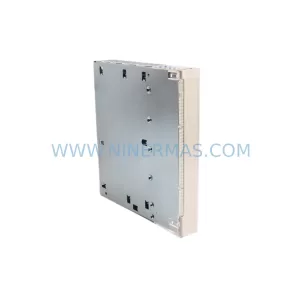
SKU: PM632 3BSE005831R1
ABB PM632 3BSE005831R1 Retrofit-Compatible Processor for Legacy Systems
SKU: High Performance Communication Controller
Honeywell 51401635-150 Service-Ready Spare for C300