Original Industrial Spare Part
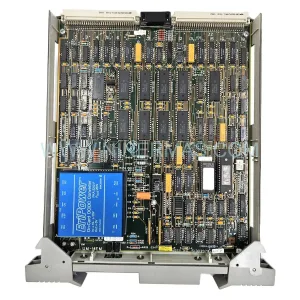
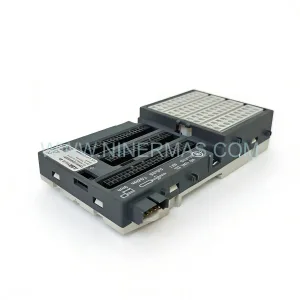
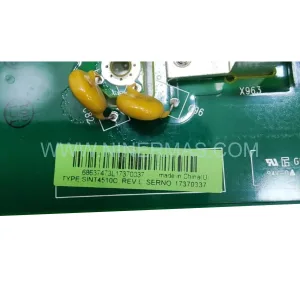
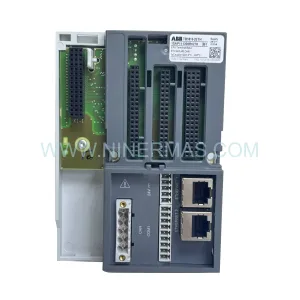
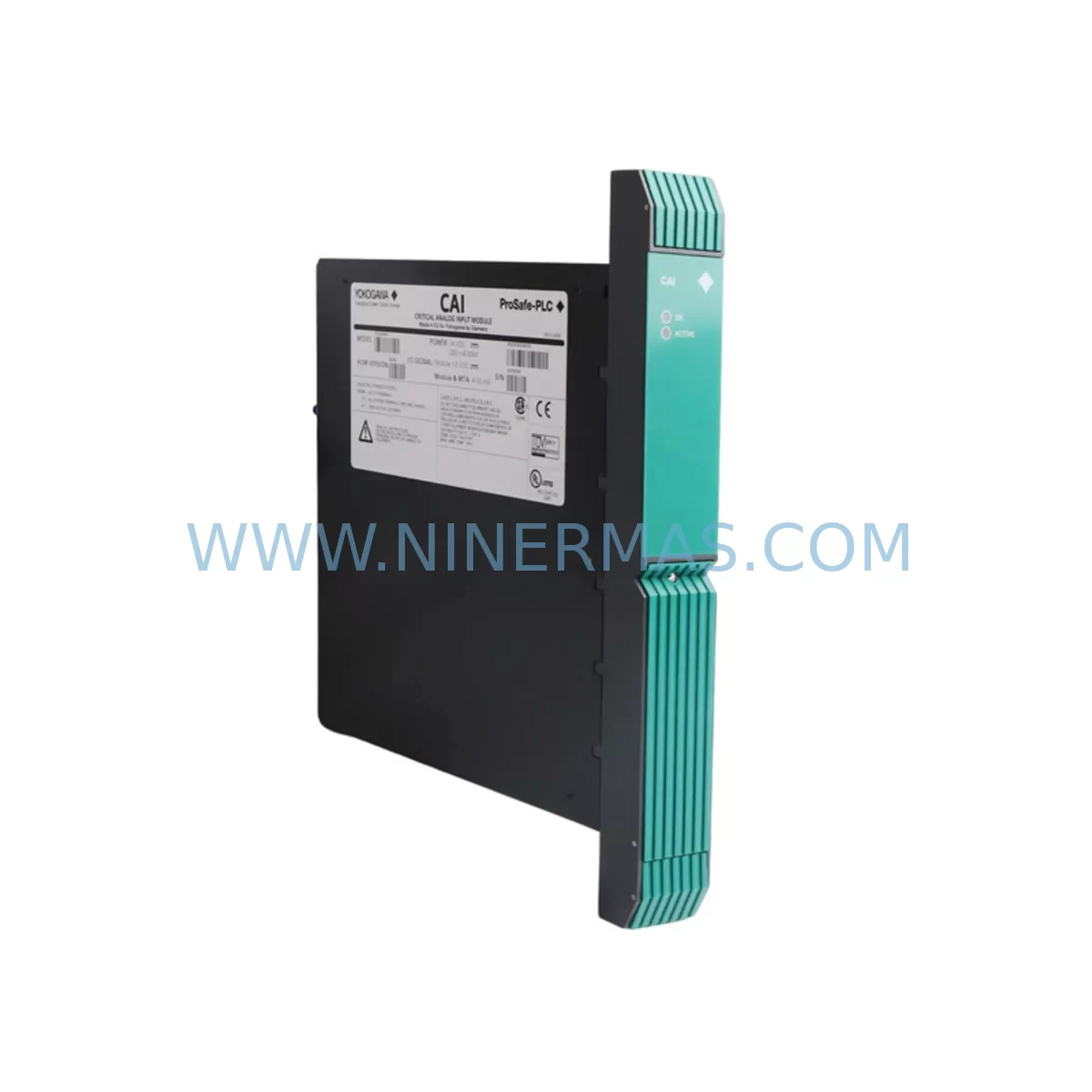
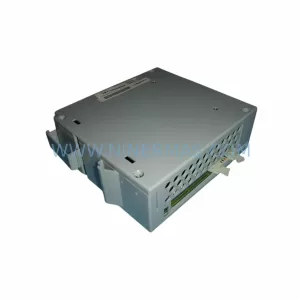
YOKOGAWA PSCAIAAN Retrofit-Compatible Analog Input Module
Verify the part, confirm the platform family, and move straight into quotation with the right commercial details.
RFQ Ready
- SKUPSCAIAAN
- CategoryDCS Distributed Control Systems
- BrandYokogawa
- SupportAvailability, lead time, condition, and shipping coordination
How Buyers Usually Use This Page
- Confirm the exact part number and platform family before sending the quote request.
- Use direct email when quantity, condition, and destination are already defined internally.
- Switch to the broader brand or category archive when you need alternates nearby.
Series Navigation
Move through the most common platform families behind this part.
Product RFQ
Send this part directly for quotation.
Include quantity, required condition, destination country, and target delivery timing. Current reference: YOKOGAWA PSCAIAAN Retrofit-Compatible Analog Input Module with SKU PSCAIAAN.
YOKOGAWA PSCAIAAN Retrofit-Compatible Analog Input Module: Legacy System Compatibility & Smooth Upgrade
The YOKOGAWA PSCAIAAN is a high-reliability analog input module designed for the ProSafe-RS Safety Instrumented System (SIS) platform. As legacy DCS and SIS installations age beyond their intended service life, the PSCAIAAN has become a critical retrofit component for engineers tasked with modernizing existing control architectures without full system replacement. Whether you are extending the operational life of a ProSafe-RS rack, replacing a failed I/O module in a running plant, or migrating from an older CENTUM CS 3000 safety layer to a current ProSafe-RS R4 environment, the PSCAIAAN provides a verified, drop-in compatible solution backed by a 12-month warranty and pre-shipment functional testing.
In retrofit and upgrade projects, the PSCAIAAN is typically installed alongside companion modules such as the PSCADO (analog output module), PSCDIO (digital I/O module), and PSCNET (communication interface module) within the same ProSafe-RS safety controller chassis. Engineers should confirm that the target rack — commonly the PSCU (ProSafe-RS Controller Unit) or an expansion chassis — has sufficient available slots and that the backplane bus supports the module’s signal addressing requirements. The PSCAIAAN occupies a standard module slot and communicates over the internal safety bus, so no additional wiring adapters are required when replacing a like-for-like module in the same chassis position.
Before installation, verify the field wiring terminal assignments against the existing loop drawings. The PSCAIAAN supports standard 4–20 mA analog input signals with HART pass-through capability on select channel configurations. If the legacy module being replaced was an earlier-generation YOKOGAWA AI module without HART support, confirm with your control system engineer whether HART-enabled field devices are present on those loops, as this may affect channel configuration in the ProSafe-RS engineering tool (ProSafe-RS Engineering Environment, PREE). Power supply capacity in the cabinet should also be reviewed — the PSCAIAAN draws from the rack’s 24 VDC bus, and adding or replacing multiple I/O modules simultaneously may require a review of the PSUP (power supply unit) loading margin.
Upgrade Compatibility Table
| Parameter | Detail |
|---|---|
| SKU / Part Number | PSCAIAAN |
| Brand / Manufacturer | YOKOGAWA Electric Corporation |
| Series / Platform | ProSafe-RS Safety Instrumented System |
| Module Type | Analog Input Module (AI) |
| Signal Type | 4–20 mA (HART pass-through capable) |
| Installation Interface | ProSafe-RS standard backplane slot (PSCU chassis / expansion rack) |
| Communication Compatibility | ProSafe-RS internal safety bus; compatible with CENTUM VP integration via Vnet/IP |
| Replacement Compatibility | Direct replacement for same-slot PSCAIAAN in ProSafe-RS R2 / R3 / R4 environments |
| Power Requirement | 24 VDC via rack bus (confirm PSUP loading before installation) |
| Commissioning Requirement | Module address assignment and channel configuration via PREE engineering software |
| HMI / SCADA Compatibility | CENTUM VP HIS (Human Interface Station); no HMI screen rebuild required for like-for-like replacement |
| Warranty | 12 Months — covers manufacturing defects; pre-shipment functional test included |
| Typical Lead Time | In stock — available for immediate shipment |
Retrofit Planning for Existing Automation Systems
A successful PSCAIAAN retrofit begins well before the module arrives on site. The first step is a thorough review of the existing ProSafe-RS system configuration file, which documents the current module slot assignments, channel tag names, and safety function allocations. This file, maintained in the PREE engineering environment, must be backed up before any hardware change is made. If the system is running a legacy R2 or R3 firmware version, confirm with YOKOGAWA or your system integrator whether the replacement PSCAIAAN hardware revision is fully backward-compatible with the installed controller firmware — in some cases, a firmware patch on the PSCU controller unit may be required before the new module is recognized.
In control cabinets where the ProSafe-RS rack shares enclosure space with CENTUM VP field control stations (FCS) or remote I/O nodes, physical installation space must be confirmed. The PSCAIAAN has a standard ProSafe-RS module form factor, but adjacent modules — such as the PSCDO (digital output module) or PSCDIO — should be checked for any mechanical interference with module extraction handles during the swap procedure. If the cabinet also houses a YOKOGAWA STARDOM FCN/FCJ controller or a third-party safety relay module, ensure that the grounding and shielding scheme for the analog input wiring is maintained to prevent signal noise on the newly installed module’s input channels.
For plants migrating from older YOKOGAWA CENTUM CS 3000 safety I/O to ProSafe-RS, the PSCAIAAN is frequently part of a phased migration plan where legacy CS 3000 analog input cards are retired loop by loop. In this scenario, the field wiring from the existing marshalling cabinet is re-terminated to the PSCAIAAN terminal block, and the corresponding safety function logic is re-validated in the ProSafe-RS safety application. Signal isolators or barriers — such as YOKOGAWA MTL or P+F zener barriers — may need to be retained or replaced depending on the hazardous area classification of the field instruments connected to those loops. Communication links between the ProSafe-RS controller and the CENTUM VP DCS are maintained via the Vnet/IP network, and no changes to the HMI tag database are required if the tag names are preserved during the migration.
Downtime Control During System Migration
Minimizing unplanned downtime is the primary concern in any live-system module replacement. For the PSCAIAAN, the recommended approach is a hot-standby bypass procedure where the safety function associated with the affected analog input channels is temporarily placed in a defined safe state (typically a forced output or bypass mode within the ProSafe-RS safety application) before the module is physically removed. This procedure must be authorized through the plant’s Management of Change (MOC) process and documented in the pre-job safety analysis.
The PSCAIAAN replacement itself — from module extraction to re-insertion and power-up — typically takes less than 15 minutes in a well-prepared environment. However, the total maintenance window must account for the time required to re-enable the safety function, verify channel readings against the field instrument, and confirm that the ProSafe-RS diagnostic display shows no fault codes for the new module. If the system uses a redundant ProSafe-RS controller configuration (dual PSCU), the module swap can often be performed with the redundant controller maintaining safety function coverage, further reducing the risk of process interruption.
After the PSCAIAAN is installed and powered, the PREE engineering tool should be used to perform an online module diagnostic check. Confirm that all configured input channels are reading correctly, that the HART communication (if applicable) is active on the expected channels, and that the safety application’s channel status displays show a healthy state. Any discrepancy between the expected and actual channel readings should be investigated before the bypass is removed and the safety function is returned to automatic mode. A final loop check against the P&ID and the safety requirement specification (SRS) is recommended before closing out the work order.
Retrofit Support FAQ
Q1: Is the PSCAIAAN a direct drop-in replacement for the same module in an older ProSafe-RS R2 system?
In most cases, yes. The PSCAIAAN is designed for backward compatibility across ProSafe-RS R2, R3, and R4 platforms. However, hardware revision differences between production batches may require a firmware update on the PSCU controller unit. We recommend providing your current system firmware version when placing an order so we can confirm compatibility before shipment.
Q2: What pre-shipment testing is performed on the PSCAIAAN before delivery?
Every PSCAIAAN unit shipped by NINERMAS undergoes a functional power-on test and channel continuity verification before dispatch. Units are shipped with a test report. The 12-month warranty covers manufacturing defects and covers return or replacement at no additional cost within the warranty period.
Q3: Do I need to reconfigure my ProSafe-RS safety application after replacing the PSCAIAAN?
For a like-for-like replacement in the same chassis slot, no changes to the safety application logic are required. The module address is determined by the physical slot position in the ProSafe-RS rack. Channel tag assignments and safety function logic remain unchanged. You will need to perform an online module recognition step in PREE and confirm channel status after power-up.
Q4: What is the typical stock availability and lead time for the PSCAIAAN?
The PSCAIAAN is maintained in stock for immediate shipment. For urgent breakdown situations, same-day or next-day dispatch is available upon order confirmation. For larger retrofit projects requiring multiple units, we recommend contacting our sales team to confirm batch availability and arrange consolidated shipment to reduce installation scheduling risk.
| Product Series | ProSafe-RS |
|---|---|
| Country of Origin | JP |
Catalog Continuation
More Yokogawa modules in the catalog.
Use the brand lane to compare nearby part numbers, platform-adjacent modules, and other inquiry-ready listings before sending your final RFQ.
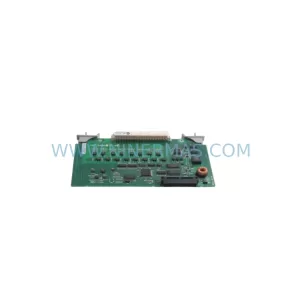
Catalog Continuation
Alternative parts within DCS Distributed Control Systems.
Stay inside the same system family when you need substitutes, adjacent modules, or a broader shortlist for procurement review.
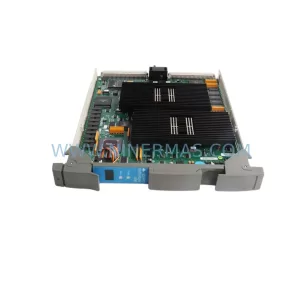
SKU: High Performance Communication Controller
Honeywell 51401635-150 Service-Ready Spare for C300
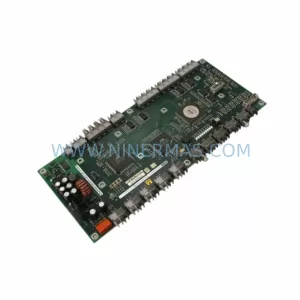
SKU: 6DD2920-0AR2 6DD2920-OAR2
Siemens 6DD2920-0AR2 Service-Ready Spare Part for Industrial Maintenance