Original Industrial Spare Part
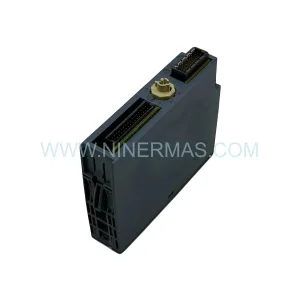
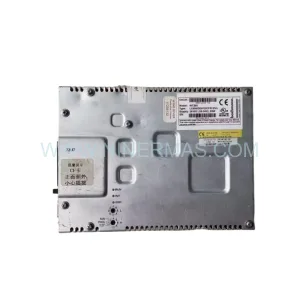
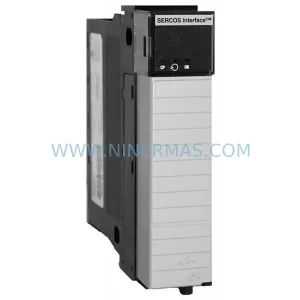
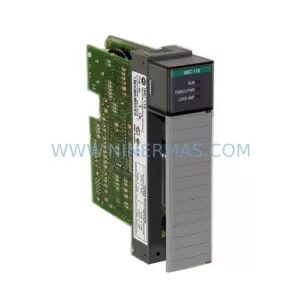
Atlas Copco LZB22A049-11 Retrofit-Compatible PLC Module
Verify the part, confirm the platform family, and move straight into quotation with the right commercial details.
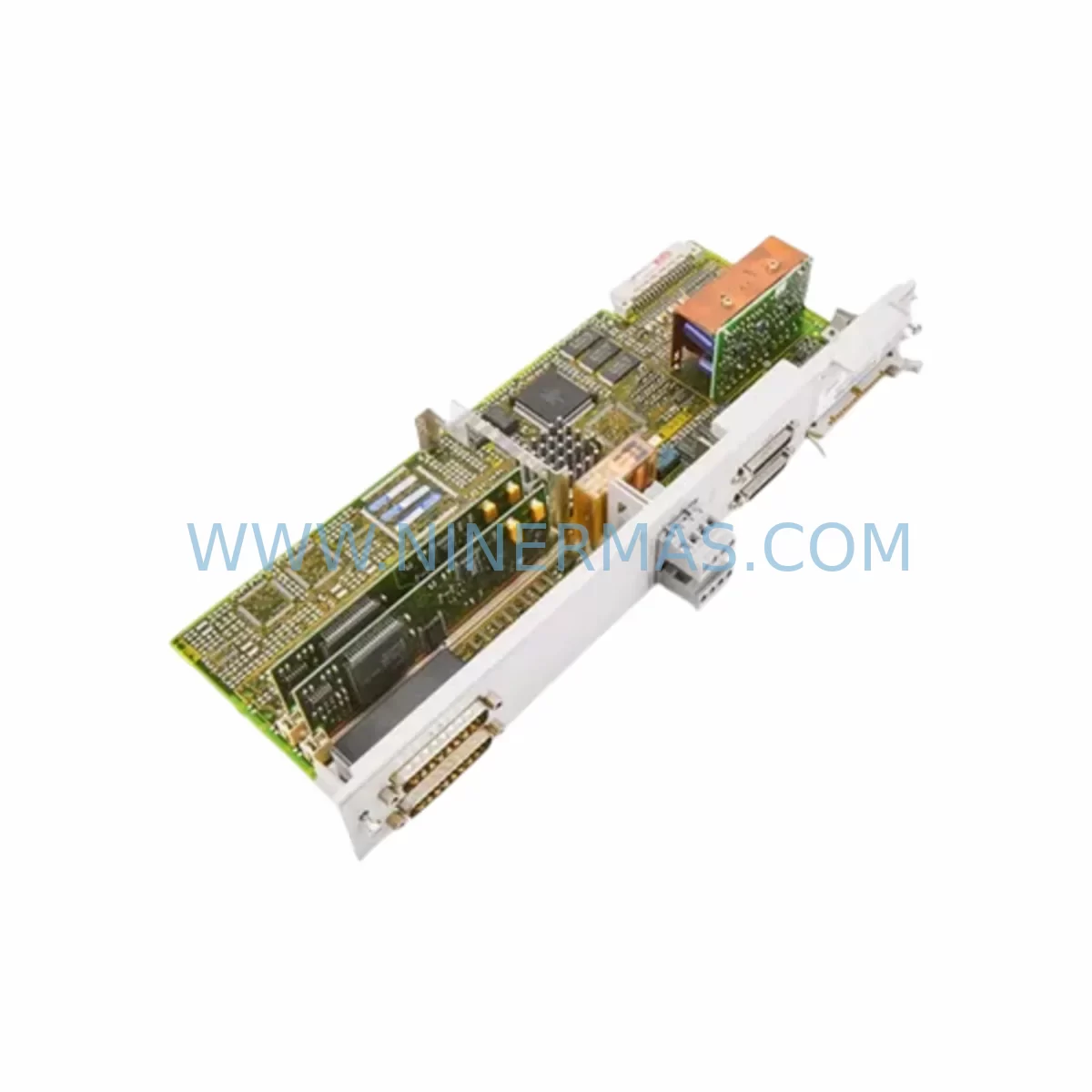
RFQ Ready
- SKULZB22A049-11
- CategoryPLC & Industrial Automation Modules
- BrandAtlas Copco
- SupportAvailability, lead time, condition, and shipping coordination
How Buyers Usually Use This Page
- Confirm the exact part number and platform family before sending the quote request.
- Use direct email when quantity, condition, and destination are already defined internally.
- Switch to the broader brand or category archive when you need alternates nearby.
Series Navigation
Move through the most common platform families behind this part.
Product RFQ
Send this part directly for quotation.
Include quantity, required condition, destination country, and target delivery timing. Current reference: Atlas Copco LZB22A049-11 Retrofit-Compatible PLC Module with SKU LZB22A049-11.
Atlas Copco LZB22A049-11 Retrofit-Compatible PLC Module: Legacy System Compatibility and Smooth Upgrade Path
The Atlas Copco LZB22A049-11 is a ruggedized programmable logic controller module engineered for demanding industrial environments where reliability, signal integrity, and long-term availability are non-negotiable. As legacy Atlas Copco control architectures approach end-of-life, plant engineers and automation maintenance teams increasingly rely on verified retrofit-compatible replacements to extend operational continuity without committing to full system overhauls. The LZB22A049-11 addresses exactly this need — providing a direct-fit solution for aging control cabinets, compressor automation panels, and distributed I/O racks where the original module is discontinued or no longer available through standard supply channels.
When planning a retrofit around the LZB22A049-11, the first step is confirming power supply compatibility. The module’s rated input voltage and current draw must be matched against the existing PSU capacity in the control cabinet. In many legacy installations, the original Atlas Copco power supply module — often a 24 VDC rail-mount unit — may already be operating near its rated load. Before installing the LZB22A049-11, engineers should audit the total current budget across all installed I/O modules, communication cards, and HMI interface units sharing the same backplane or DIN rail segment.
Terminal wiring is another critical checkpoint. The LZB22A049-11 uses a defined terminal block layout that must be cross-referenced against the original wiring diagram. In retrofit scenarios where the original module has been removed or damaged, technicians should verify field wiring polarity, shielding continuity, and cable gauge compatibility before energizing the replacement. Signal isolation between analog input channels and digital output drivers is particularly important in environments with high electromagnetic interference — common in compressor rooms and heavy manufacturing cells where variable frequency drives and motor starters operate in close proximity.
Backplane interface compatibility is a frequent concern during LZB22A049-11 replacements. The module must seat correctly into the existing rack or backplane connector, and the slot address configuration — typically set via DIP switches or firmware parameters — must match the address map expected by the host controller. In systems where the rack also houses communication modules such as PROFIBUS DP adapters, DeviceNet scanners, or Modbus RTU interface cards, the module address must not conflict with existing node assignments. Failure to verify this before power-up can result in bus faults that affect the entire control network.
Program compatibility is equally important. The LZB22A049-11 operates within a defined instruction set and memory architecture. When replacing a failed module in a running system, the existing PLC program — stored in the host controller or a connected programming terminal — must be verified for compatibility with the replacement module’s firmware revision. In some legacy Atlas Copco installations, the control program resides on a dedicated memory card or EEPROM that must be transferred or re-flashed during the swap. Technicians should have the original programming software and cable — such as a compatible RS-232 or USB programming cable — available on-site before beginning the replacement procedure.
HMI screen mapping is another area that requires attention during retrofit. If the LZB22A049-11 interfaces with an operator panel or touchscreen HMI, the data block addresses and variable tags referenced in the HMI project must align with the replacement module’s memory map. In systems where the HMI communicates via a dedicated serial link or Ethernet connection to the PLC, the communication parameters — baud rate, station address, and protocol variant — must be confirmed and, if necessary, reconfigured after module replacement.
Communication link integrity should be verified end-to-end after installation. In networked control architectures, the LZB22A049-11 may participate in a PROFIBUS segment alongside other field devices, or it may serve as a local I/O expansion module connected to a central controller via a proprietary backplane bus. Either way, a network diagnostic scan using the appropriate configuration tool should be performed after the module is seated and powered to confirm that all nodes are communicating correctly and that no bus errors or timeout faults are present.
Installation space is a practical constraint that is sometimes overlooked in retrofit planning. The LZB22A049-11’s physical dimensions — including depth behind the mounting surface and clearance requirements for wiring and ventilation — must be confirmed against the available space in the control cabinet. In older installations where the cabinet layout was optimized for the original module generation, a retrofit-compatible replacement may have slightly different depth or connector placement, requiring minor modifications to cable routing or DIN rail positioning.
Field commissioning of the LZB22A049-11 should follow a structured sequence: power-up verification, diagnostic LED status check, I/O point-by-point testing against the field wiring schedule, communication link confirmation, and a full functional test of the control sequence under simulated or live process conditions. Where possible, commissioning should be performed during a planned maintenance window to minimize unplanned downtime. Having a pre-tested spare module on the shelf — verified against the same firmware revision and configuration parameters — is strongly recommended for critical applications where rapid recovery from future failures is essential.
NINERMAS maintains verified stock of the LZB22A049-11 and related Atlas Copco control system components, sourced through established industrial supply networks. Each unit undergoes pre-shipment functional testing and is covered by a 12-month warranty against manufacturing defects and operational failure. Global shipping is available with lead times confirmed at the time of order.
Upgrade Compatibility Table
| Parameter | Detail |
|---|---|
| SKU / Part Number | LZB22A049-11 |
| Brand | Atlas Copco |
| Module Type | Ruggedized PLC Module |
| Origin | Sweden (SE) |
| Backplane Interface | Proprietary Atlas Copco rack connector; verify slot address before installation |
| Communication Compatibility | Compatible with PROFIBUS DP, Modbus RTU, and proprietary Atlas Copco serial bus configurations (verify firmware revision) |
| Power Supply Requirement | 24 VDC nominal; confirm cabinet PSU current budget before installation |
| Installation Requirement | DIN rail or rack mount; confirm cabinet depth and wiring clearance |
| Replacement Recommendation | Direct retrofit replacement for discontinued LZB22A049-11 installations; verify terminal wiring and slot address |
| Commissioning Focus | I/O point test, bus diagnostic scan, HMI tag verification, program compatibility check |
| Warranty | 12 Months — covers manufacturing defects and operational failure from date of shipment |
Retrofit Planning for Existing Automation Systems
A successful LZB22A049-11 retrofit begins with a complete audit of the existing control architecture. In a typical Atlas Copco compressor or industrial automation installation, the control cabinet may house a combination of digital input modules, analog output modules, relay output cards, and a central CPU or controller module — all mounted on a shared backplane or rack assembly. The LZB22A049-11 occupies a defined slot in this architecture, and its replacement must account for the interdependencies between adjacent modules.
Power distribution within the cabinet is managed by a dedicated power supply module, which feeds the backplane bus and all installed I/O cards. Before removing the LZB22A049-11, the total load on the power supply should be recalculated to confirm that the replacement module does not exceed the available current headroom. In cabinets where additional I/O expansion modules or communication interface cards have been added over time, the original power supply may already be operating close to its rated capacity.
Signal isolation is a recurring requirement in retrofit projects involving the LZB22A049-11. In applications where the module interfaces with thermocouples, pressure transmitters, or other analog field devices, signal isolators or barrier modules may be required to protect the PLC inputs from ground loops or overvoltage conditions. These isolators are typically mounted on a separate DIN rail section within the cabinet and must be wired in series with the field signal cables.
Communication protocol migration is often a parallel workstream in LZB22A049-11 retrofit projects. In older installations where the control network uses a legacy serial protocol — such as RS-485 Modbus or a proprietary Atlas Copco bus — the retrofit may provide an opportunity to introduce a PROFIBUS DP adapter or an Ethernet gateway module, enabling integration with modern SCADA systems or remote monitoring platforms. This protocol migration must be planned carefully to avoid disrupting existing communication links to field devices, motor drives, or remote I/O stations.
HMI interface continuity is maintained by ensuring that the replacement LZB22A049-11 presents the same data block structure and variable addresses to the operator panel. In systems where the HMI project was developed for a specific firmware version of the original module, a firmware compatibility check should be performed before the retrofit to confirm that no screen updates or tag remapping will be required after installation.
Rack and backplane integrity should be inspected during the retrofit. Connector pins on the backplane slot should be checked for corrosion, mechanical damage, or contamination — particularly in installations located in humid or chemically aggressive environments. A damaged backplane connector can cause intermittent communication faults that are difficult to diagnose after the new module is installed.
Downtime Control During System Migration
Minimizing downtime during an LZB22A049-11 replacement requires advance preparation and a disciplined commissioning sequence. The most effective approach is to pre-configure and bench-test the replacement module before the planned maintenance window, using a copy of the existing PLC program and a test rack that replicates the production backplane configuration. This allows the commissioning team to verify firmware compatibility, slot address settings, and I/O channel behavior before the module is installed in the live system.
Protecting the original program logic is a priority. Before removing the failed or end-of-life LZB22A049-11, the current PLC program should be uploaded and saved to a secure backup location — ideally both on the programming laptop and on a removable storage device. In systems where the program is stored on a memory card seated in the CPU module, the card should be removed and stored separately before any work begins on the control cabinet.
Maintaining field control continuity during the swap requires careful sequencing. In process applications where the LZB22A049-11 controls critical outputs — such as compressor load/unload solenoids, cooling fan contactors, or pressure relief valve actuators — the process should be brought to a safe hold state before the module is removed. The control system’s safe state should be documented in the retrofit procedure, and all field operators should be notified before work begins.
After installation, the commissioning sequence should proceed from the least critical I/O points to the most critical, with each point verified against the field wiring schedule before the process is restarted. A bus diagnostic scan should be performed to confirm that all network nodes — including any PROFIBUS slaves, Modbus devices, or remote I/O stations — are communicating correctly with the replacement module. Only after all I/O points and communication links have been verified should the process be returned to automatic control.
Having a pre-tested spare LZB22A049-11 on the shelf — configured and ready for immediate installation — is the single most effective measure for reducing future downtime risk. NINERMAS can supply verified spare units with confirmed stock availability and 12-month warranty coverage, enabling maintenance teams to maintain a local buffer stock for critical control system components.
Retrofit Support FAQ
Q1: Is the LZB22A049-11 a direct drop-in replacement for the original Atlas Copco module?
The LZB22A049-11 is designed as a retrofit-compatible replacement for the original Atlas Copco module of the same part number. Before installation, technicians should verify the slot address configuration, firmware revision compatibility, and terminal wiring layout against the existing system documentation to confirm a direct fit without program modifications.
Q2: What commissioning steps are required after installing the LZB22A049-11?
After seating the module in the backplane, perform a power-up diagnostic check using the module’s status LEDs, run a bus diagnostic scan to confirm network communication, test each I/O channel point-by-point against the field wiring schedule, verify HMI tag mapping, and conduct a full functional test of the control sequence before returning the system to automatic operation.
Q3: How is the LZB22A049-11 tested before shipment?
Each LZB22A049-11 unit supplied by NINERMAS undergoes pre-shipment functional testing to verify I/O channel operation, communication interface integrity, and power supply compatibility. Units are shipped with a test report and are covered by a 12-month warranty from the date of shipment against manufacturing defects and operational failure.
Q4: What is the stock availability and lead time for the LZB22A049-11?
NINERMAS maintains verified inventory of the LZB22A049-11 sourced through established industrial supply networks. Stock availability and lead times are confirmed at the time of order. For urgent requirements, expedited shipping options are available to minimize plant downtime. Contact our team for current stock status and delivery confirmation.
| Product Series | Other series |
|---|
Catalog Continuation
More Atlas Copco modules in the catalog.
Use the brand lane to compare nearby part numbers, platform-adjacent modules, and other inquiry-ready listings before sending your final RFQ.
Catalog Continuation
Alternative parts within PLC & Industrial Automation Modules.
Stay inside the same system family when you need substitutes, adjacent modules, or a broader shortlist for procurement review.
SKU: 14L41-RS0B0-B24R-ST5S00N-R0SU
LENZE 14L41-RS0B0-B24R-ST5S00N-R0SU Retrofit for Legacy Systems
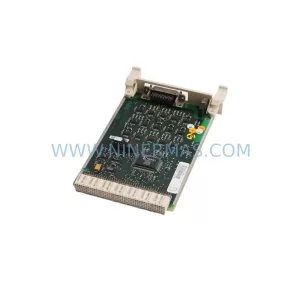
SKU: CI540 3BSE001077R1
ABB CI540 3BSE001077R1 Spare Part for Industrial Maintenance
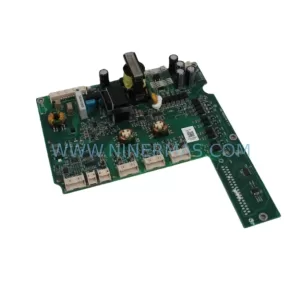
SKU: ZINT-541 3AUA00000658960
ABB ZINT-541 3AUA00000658960 Retrofit-Compatible Inverter Power Module