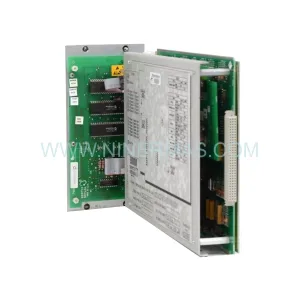
Original Industrial Spare Part
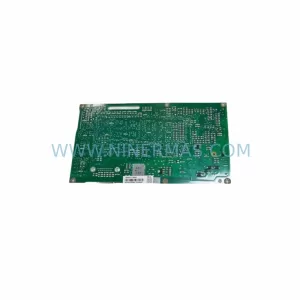
TEL E2B119-12/86MC E281-005036-12 Retrofit Control Board
Verify the part, confirm the platform family, and move straight into quotation with the right commercial details.
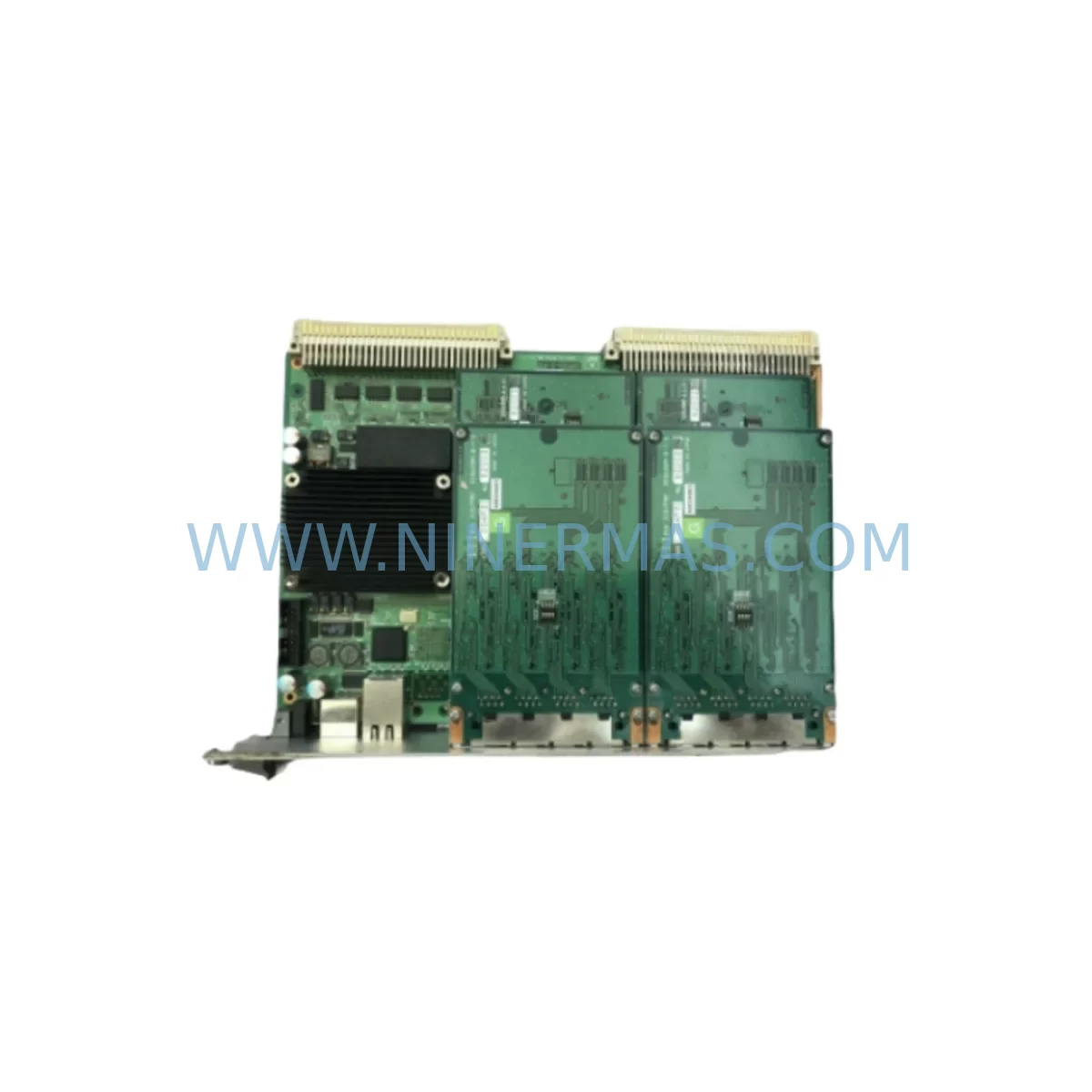
RFQ Ready
- SKUE2B119-12/86MC E281-005036-12
- CategoryPLC & Industrial Automation Modules
- BrandTEL
- SupportAvailability, lead time, condition, and shipping coordination
How Buyers Usually Use This Page
- Confirm the exact part number and platform family before sending the quote request.
- Use direct email when quantity, condition, and destination are already defined internally.
- Switch to the broader brand or category archive when you need alternates nearby.
Series Navigation
Move through the most common platform families behind this part.
Product RFQ
Send this part directly for quotation.
Include quantity, required condition, destination country, and target delivery timing. Current reference: TEL E2B119-12/86MC E281-005036-12 Retrofit Control Board with SKU E2B119-12/86MC E281-005036-12.
TEL E2B119-12/86MC E281-005036-12 Retrofit-Compatible Control Board for Legacy Systems
The TEL E2B119-12/86MC E281-005036-12 is a retrofit-compatible industrial control board designed to serve as a direct replacement for legacy TEL E281-series control platforms used in semiconductor process equipment and precision automation systems. As original TEL equipment ages beyond its supported lifecycle, sourcing verified spare boards becomes critical to maintaining uptime, preserving process continuity, and avoiding costly full-system replacements. This board addresses exactly that need — providing a tested, warranty-backed solution for engineers managing aging TEL tool sets.
Each unit is pre-shipment tested against original TEL electrical specifications, verifying signal integrity, power rail stability, and I/O channel response before dispatch. The board is supplied with a 12-month warranty covering manufacturing defects and functional failures under normal operating conditions, giving procurement and maintenance teams a reliable baseline for lifecycle planning.
Upgrade Compatibility Table
| Parameter | Details |
|---|---|
| Part Number | E2B119-12/86MC E281-005036-12 |
| OEM Brand | TEL (Tokyo Electron Limited) |
| Series | E2B / E281 Control Platform |
| Board Function | Process Control / Signal Management Board |
| Replacement Target | Legacy TEL E281-series control assemblies (discontinued) |
| Interface Compatibility | Original backplane connector pitch and pinout retained |
| Communication Protocol | Compatible with TEL internal bus architecture |
| Power Requirements | Verify ±5V / ±12V / ±24V rail availability at host rack |
| Installation Format | Card-edge / rack-mount per original E281 chassis specification |
| Pre-Shipment Test | Yes — functional and electrical verification performed |
| Warranty | 12 Months from shipment date |
| Origin | Japan |
| Retrofit Recommendation | Confirm slot address, DIP switch settings, and firmware revision before installation |
Retrofit Planning for Existing Automation Systems
When integrating the TEL E2B119-12/86MC E281-005036-12 into an existing TEL tool or legacy automation cabinet, a structured retrofit plan significantly reduces risk and shortens commissioning time. The following workflow reflects best practices for engineers replacing discontinued control boards in live production environments.
Step 1 — Power Capacity Verification: Before removing the original board, confirm that the host rack’s power supply module — often a TEL-branded DC power unit within the E281 chassis — can sustain the load of the replacement board. Measure actual rail voltages under load and compare against the board’s rated input range. Undersized or aging power supplies are a common root cause of premature board failure after retrofit.
Step 2 — Terminal and Backplane Interface Audit: Document all terminal wiring connected to the original board, including I/O signal cables, field wiring terminations, and any ribbon or flex connectors linking to adjacent modules such as the TEL E281 I/O expansion module or analog input conditioning cards. Photograph the original wiring before disconnection. Verify that the backplane slot interface of the replacement board matches the original connector type and pin assignment — particularly for boards sharing a rack with TEL communication interface modules or axis control cards.
Step 3 — Module Address and DIP Switch Configuration: Many TEL E281-series boards use hardware address selection via DIP switches or jumper blocks to define their logical position within the control system. Before installing the replacement board, retrieve the original address configuration from the equipment’s maintenance manual or from the removed board itself. Incorrect addressing will prevent the host controller — typically a TEL main CPU board or VME-based process controller — from recognizing the module, resulting in fault alarms at startup.
Step 4 — Program Logic and HMI Screen Compatibility: The replacement board must be compatible with the existing PLC ladder logic or sequence program stored in the host controller. If the system uses a TEL operator interface panel or third-party HMI display unit, verify that screen tag mappings referencing I/O addresses served by this board remain valid. In systems where the original board handled specific process interlocks — such as chamber pressure signals, gas flow permissives, or temperature loop feedback — confirm that signal scaling and alarm thresholds are preserved after board swap.
Step 5 — Communication Link Verification: If the E2B119-12/86MC board participates in a serial or parallel communication chain — for example, interfacing with a TEL serial communication board, a GPIB interface module, or a fieldbus gateway card — verify that baud rate, parity, and termination settings are correctly replicated on the replacement unit. Communication mismatches are a frequent source of intermittent faults that are difficult to diagnose without a protocol analyzer.
Step 6 — Physical Fit and Installation Space: Confirm that the replacement board’s PCB dimensions, card-edge depth, and front-panel clearance are compatible with the host chassis. In densely populated control cabinets — particularly older TEL diffusion furnace controllers or CVD system racks — adjacent modules such as signal isolator cards, relay output boards, or thermocouple input modules may restrict insertion angle or airflow. Ensure adequate ventilation clearance after installation to prevent thermal-related failures.
Downtime Control During System Migration
Minimizing unplanned downtime is the primary concern for any maintenance team executing a control board replacement on a live production tool. The following practices are recommended to protect process continuity and reduce exposure during the changeover window.
Pre-Swap Preparation: Complete all documentation, address configuration, and wiring photography before scheduling the maintenance window. Have the replacement TEL E2B119-12/86MC E281-005036-12 board on-site and pre-inspected. Prepare a rollback plan — retain the original board in a safe location until the replacement has been validated through at least one full process cycle. If the system uses a TEL recipe management controller or process data logging module, back up all active recipes and historical data before beginning work.
Controlled Shutdown Sequence: Follow the equipment OEM’s recommended shutdown procedure. For TEL process tools, this typically involves completing the current process step, purging process gases, venting chambers to atmosphere, and placing the tool in a safe idle state before de-energizing the control rack. Avoid hard power cuts, which can corrupt non-volatile memory in adjacent CPU modules or parameter storage boards.
Post-Installation Validation: After installing the replacement board, power up the rack in stages if the chassis supports it. Monitor power rail voltages, check for fault indicators on the board and adjacent modules, and confirm that the host controller recognizes the new board at the expected address. Run a dry-cycle or simulation mode before resuming live process operations. Document the board serial number, installation date, and configuration settings for future maintenance reference.
Ongoing Lifecycle Management: For facilities operating multiple TEL tools of the same generation, maintaining a small buffer stock of critical spare boards — including the E2B119-12/86MC E281-005036-12 and related TEL E281-series peripheral boards — significantly reduces mean time to repair (MTTR) for future failures. Coordinate with your procurement team to establish reorder triggers based on equipment age and historical failure rates.
Retrofit Support FAQ
Q1: Is the TEL E2B119-12/86MC E281-005036-12 a direct drop-in replacement for the original board?
In most E281-series installations, yes — the board is designed to match the original connector interface, physical form factor, and electrical specification. However, customers should verify DIP switch address settings, firmware revision compatibility, and any site-specific wiring modifications made to the original installation before completing the swap. Our technical team can assist with pre-installation compatibility checks upon request.
Q2: What pre-shipment testing is performed on each board?
Every unit undergoes functional electrical testing prior to dispatch, including power rail verification, I/O channel continuity checks, and signal response validation. Test records are available upon request. Each board ships with a 12-month warranty covering functional failures under normal operating conditions, effective from the shipment date.
Q3: How do I confirm wiring compatibility before installation?
Refer to the original TEL equipment maintenance manual for terminal block assignments and signal definitions. If documentation is unavailable, our team can provide reference wiring diagrams based on the board’s known application context. We recommend performing a point-to-point continuity check against the original board’s terminal map before energizing the replacement unit.
Q4: What is the typical lead time and stock availability?
This board is maintained in inventory to support urgent replacement requirements. Standard lead time for in-stock units is 3–7 business days for international shipments. For customers requiring expedited dispatch or bulk procurement for multi-tool facilities, please contact our sales team directly to confirm current stock levels and shipping options.
—
| Product Series | Other series |
|---|
Catalog Continuation
More TEL modules in the catalog.
Use the brand lane to compare nearby part numbers, platform-adjacent modules, and other inquiry-ready listings before sending your final RFQ.
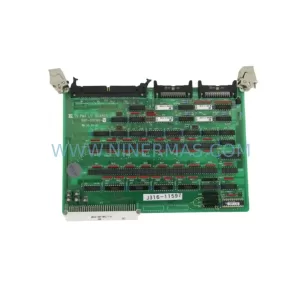
SKU: TS PM4 1B81-010190-12 1B81-010123-15 M PLANAPO 150 / 0.95 210/0
TEL 1B81-010190-12 Service-Ready Spare Part for Maintenance
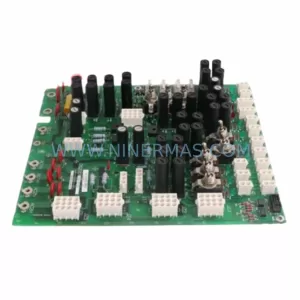
SKU: TEL SC2720 SC2720P3200 board
TEL SC2720P3200 Safety-Reliable Data Module for Control Sites
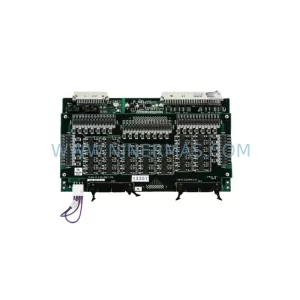
SKU: SRX-4 0190-09475 3880-200114-11 W/ TTLD11-12 F-DO_32 TTLD12-12 F-DO_32RLY
TEL SRX-4 0190-09475 Safety-Reliable Digital Output Controller
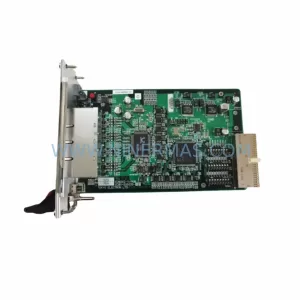
SKU: E2B202-11/HVB E281-000039-13
TEL E2B202-11/HVB E281-000039-13 Safety-Reliable Control Module
Catalog Continuation
Alternative parts within PLC & Industrial Automation Modules.
Stay inside the same system family when you need substitutes, adjacent modules, or a broader shortlist for procurement review.
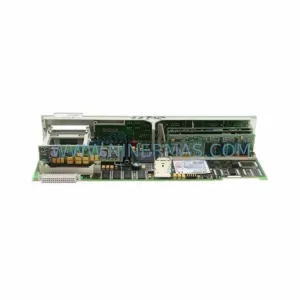
SKU: 6FC5357-0BB12-0AE0
Siemens 6FC5357-0BB12-0AE0 Service-Ready Industrial Spare Part
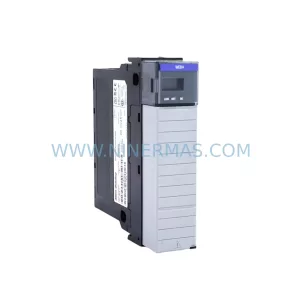
SKU: 3BSE011790R1(PXHK401)
ABB 3BSE011790R1 PXHK401 Retrofit-Ready Communication Module