Original Industrial Spare Part
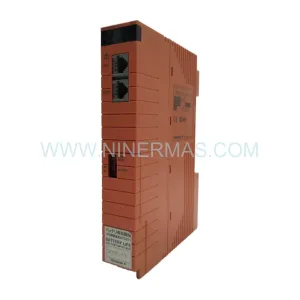
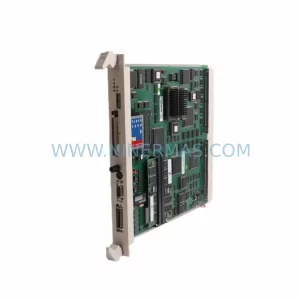
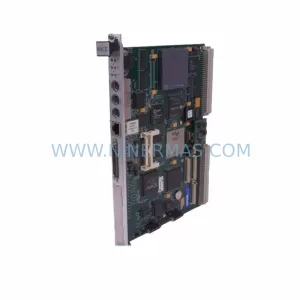
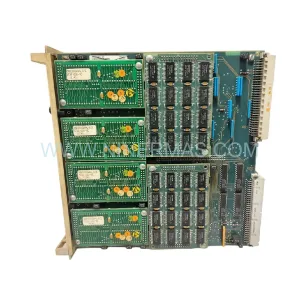
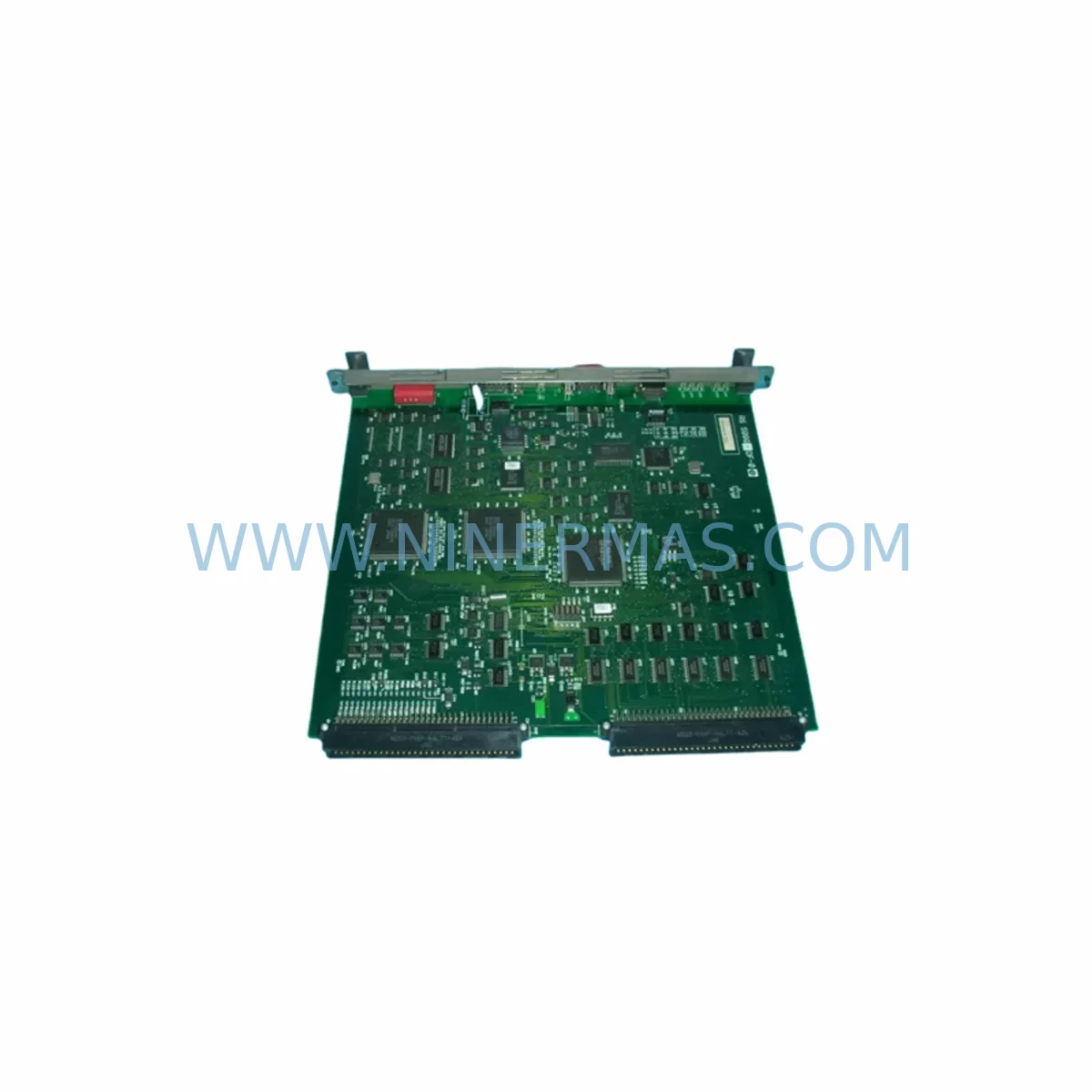
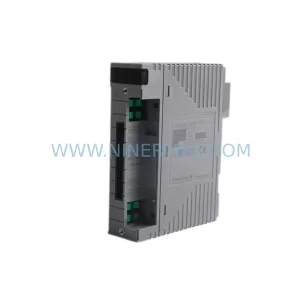
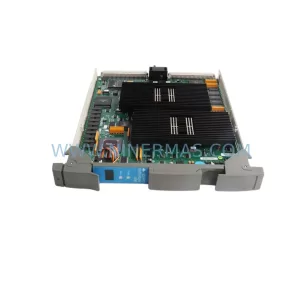
Yokogawa SB311-S1 Retrofit-Compatible Processor for Legacy Systems
Verify the part, confirm the platform family, and move straight into quotation with the right commercial details.
RFQ Ready
- SKUSB311-S1
- CategoryDCS Distributed Control Systems
- BrandYokogawa
- SupportAvailability, lead time, condition, and shipping coordination
How Buyers Usually Use This Page
- Confirm the exact part number and platform family before sending the quote request.
- Use direct email when quantity, condition, and destination are already defined internally.
- Switch to the broader brand or category archive when you need alternates nearby.
Series Navigation
Move through the most common platform families behind this part.
Product RFQ
Send this part directly for quotation.
Include quantity, required condition, destination country, and target delivery timing. Current reference: Yokogawa SB311-S1 Retrofit-Compatible Processor for Legacy Systems with SKU SB311-S1.
Yokogawa SB311-S1 Retrofit-Compatible Processor for Legacy Systems
The Yokogawa SB311-S1 is a ruggedized processor module engineered for the STARDOM FCN/FCJ autonomous controller platform. Designed to operate reliably in harsh industrial environments — including high-vibration, wide-temperature, and electrically noisy field installations — the SB311-S1 serves as a direct retrofit replacement for aging or discontinued processor modules in legacy distributed control and remote automation systems. Whether you are modernizing an oil and gas SCADA network, upgrading a water treatment facility’s control architecture, or restoring a decommissioned production line, the SB311-S1 provides a proven migration path that preserves existing wiring infrastructure, backplane compatibility, and control logic continuity.
For engineers managing end-of-life automation assets, the SB311-S1 addresses one of the most critical pain points in legacy system modernization: sourcing a processor module that integrates without requiring a full rack replacement or PLC reprogramming from scratch. The module slots into the FCN/FCJ chassis and communicates natively with existing I/O modules, power supply units, and communication cards already installed in the control cabinet — dramatically reducing retrofit engineering hours and on-site commissioning risk.
Upgrade Compatibility Table
| Parameter | SB311-S1 Specification | Retrofit Notes |
|---|---|---|
| Platform Compatibility | Yokogawa STARDOM FCN / FCJ | Direct slot-in replacement for FCN-series processor positions |
| Backplane Interface | FCN standard backplane bus | Verify backplane revision; SB301 and SB302 backplanes confirmed compatible |
| Communication Protocols | Ethernet (100BASE-TX), Modbus TCP, OPC-DA | Confirm SCADA host supports OPC-DA or plan OPC-UA gateway bridge |
| Power Supply Requirement | 24 VDC (via backplane) | Verify existing PWR001 or PWR002 power module output capacity before swap |
| I/O Module Compatibility | FCN analog/digital I/O modules | SAI143, SDV144, SAO141 I/O modules retain address mapping after processor swap |
| Installation Footprint | Standard FCN module width (1-slot) | No cabinet modification required; confirm DIN rail clearance |
| Programming Environment | STARDOM Resource Configurator (SRC) | Existing IEC 61131-3 logic can be reloaded without recompilation in most cases |
| HMI Compatibility | Exaopc / FAST/TOOLS / third-party SCADA | Verify tag address mapping in HMI project before go-live |
| Operating Temperature | -20°C to +70°C | Suitable for outdoor cabinets and harsh field enclosures |
| Warranty | 12 Months | Covers manufacturing defects; pre-shipment functional test included |
Retrofit Planning for Existing Automation Systems
A successful SB311-S1 retrofit begins well before the module arrives on site. The first step is a thorough audit of the existing FCN rack assembly. Engineers should document the current slot assignments of all installed modules — including the SAI143 analog input cards, SDV144 digital I/O modules, and any SAO141 analog output modules — and confirm that their terminal wiring and field signal assignments are recorded in the as-built drawings. This documentation becomes the baseline for post-swap verification.
Power budget validation is equally critical. The existing PWR001 or PWR002 power supply module must be confirmed to have sufficient headroom to support the SB311-S1 alongside all co-installed I/O modules. If the power module is also approaching end-of-life, a concurrent replacement with a new PWR002 unit is strongly recommended to avoid a secondary failure shortly after the processor swap.
Communication architecture review is the next priority. Many legacy FCN installations use serial Modbus RTU links to field instruments or older HMI panels. The SB311-S1 supports Ethernet-based Modbus TCP natively, so sites still relying on RS-485 Modbus RTU will need to evaluate whether an NF-series communication module or an external protocol converter is required to bridge the legacy serial devices. For sites running Yokogawa’s FAST/TOOLS or Exaopc SCADA platforms, the OPC-DA server configuration should be backed up before the swap and verified against the new processor’s IP address and node name settings post-commissioning.
Where the control system interfaces with third-party HMI panels — particularly older operator stations running proprietary display software — the HMI tag database should be exported and cross-checked against the FCN tag list. Any tag address offsets introduced by the new processor firmware version must be corrected in the HMI project before the system is returned to automatic control. For sites using Yokogawa’s own operator interface hardware, the existing screen layouts and alarm setpoints are typically preserved without modification.
Physical installation planning should account for the SB311-S1’s module width and connector orientation. The FCN chassis accommodates the module in a single slot, and no additional mounting hardware is required beyond the standard module locking tab. However, engineers should confirm that the DIN rail and cabinet backplane have adequate clearance for the module’s rear connector and that the existing field wiring harnesses can reach the terminal blocks without strain. If the control cabinet also houses a CP461 communication processor or an RP774 remote I/O coupler, their configuration files should be archived as part of the pre-retrofit backup procedure.
Downtime Control During System Migration
Minimizing production downtime during a processor module swap requires a structured pre-outage preparation protocol. At least 48 hours before the planned maintenance window, the site team should perform a full backup of the FCN project using the STARDOM Resource Configurator, capturing all function block diagrams, PID tuning parameters, alarm thresholds, and communication node configurations. This backup should be stored on at least two independent media — typically a USB drive and a network share — and verified by performing a test restore on an offline engineering workstation.
During the outage window, the recommended sequence is: place all control loops in manual mode at the DCS or SCADA level, confirm that all field actuators are in their safe-state positions, then power down the FCN rack in the correct sequence — I/O modules first, then the processor, then the power supply. The SB311-S1 can then be installed in the processor slot, the rack powered up in reverse order, and the project file downloaded to the new module via the Ethernet programming port.
Post-swap commissioning should follow a structured loop check sequence: verify that each analog input channel on the SAI143 modules is reading correctly against field instrument signals, confirm that digital output commands from the SDV144 modules are reaching field devices, and validate that the Modbus TCP communication links to remote I/O stations and SCADA hosts are re-established before transferring any loop back to automatic control. A phased return-to-auto sequence — starting with non-critical utility loops and progressing to primary process control loops — further reduces the risk of a process upset during the transition.
For sites where even a brief control interruption is unacceptable, a parallel-run strategy using a temporary bypass panel can maintain field signal continuity while the processor swap is performed. This approach requires additional engineering preparation but can reduce the effective control gap to under five minutes in well-prepared installations.
Retrofit Support FAQ
Q: Is the SB311-S1 a direct drop-in replacement for the original FCN processor module?
A: In most FCN/FCJ rack configurations, yes. The SB311-S1 uses the same backplane connector and slot form factor as the standard FCN processor position. However, you should verify the backplane revision of your specific chassis, as early-generation FCN racks (pre-2005) may require a firmware compatibility check before the swap. Our technical team can assist with pre-sale compatibility verification at no charge.
Q: What pre-shipment testing is performed on the SB311-S1?
A: Every SB311-S1 unit shipped by NINERMAS undergoes a functional power-on test, communication port verification, and firmware version confirmation before dispatch. A test report is available upon request. The module is covered by a 12-month warranty against manufacturing defects from the date of shipment.
Q: Can the existing IEC 61131-3 program be reloaded to the SB311-S1 without modification?
A: In the majority of cases, yes — provided the program was developed in STARDOM Resource Configurator and the firmware version of the SB311-S1 is compatible with the project file version. If there is a firmware version gap, a project migration step may be required using the SRC migration utility. We recommend confirming the firmware version of your existing processor before ordering to ensure a seamless transfer.
Q: What is the typical lead time and stock availability?
A: The SB311-S1 is maintained in stock for immediate dispatch. Standard lead time for in-stock units is 3–7 business days to most destinations. For urgent requirements, expedited shipping options are available. Contact our sales team at sale@ninermas.com or +0086 187 5021 5667 to confirm current stock levels and delivery timelines before placing your order.
| Product Series | STARDOM |
|---|---|
| Country of Origin | JP |
Catalog Continuation
More Yokogawa modules in the catalog.
Use the brand lane to compare nearby part numbers, platform-adjacent modules, and other inquiry-ready listings before sending your final RFQ.
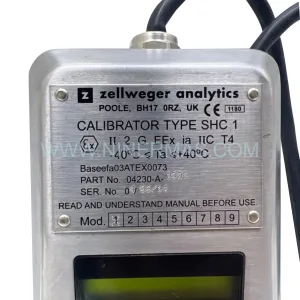
Catalog Continuation
Alternative parts within DCS Distributed Control Systems.
Stay inside the same system family when you need substitutes, adjacent modules, or a broader shortlist for procurement review.
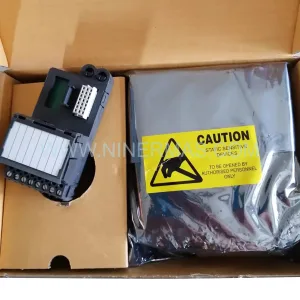
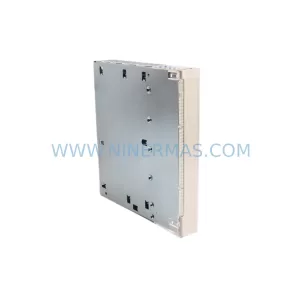
SKU: PM632 3BSE005831R1
ABB PM632 3BSE005831R1 Retrofit-Compatible Processor for Legacy Systems
SKU: High Performance Communication Controller
Honeywell 51401635-150 Service-Ready Spare for C300