Description
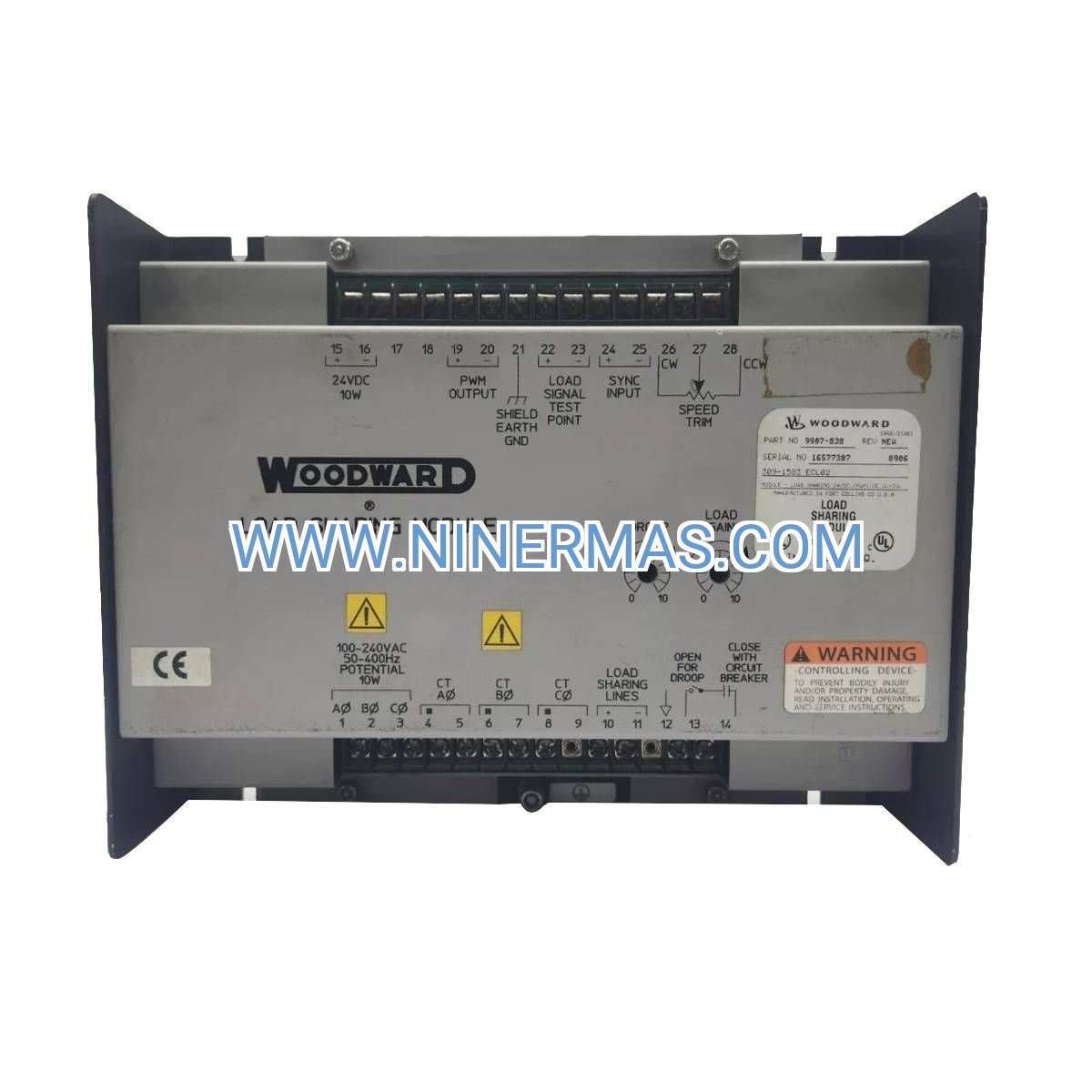
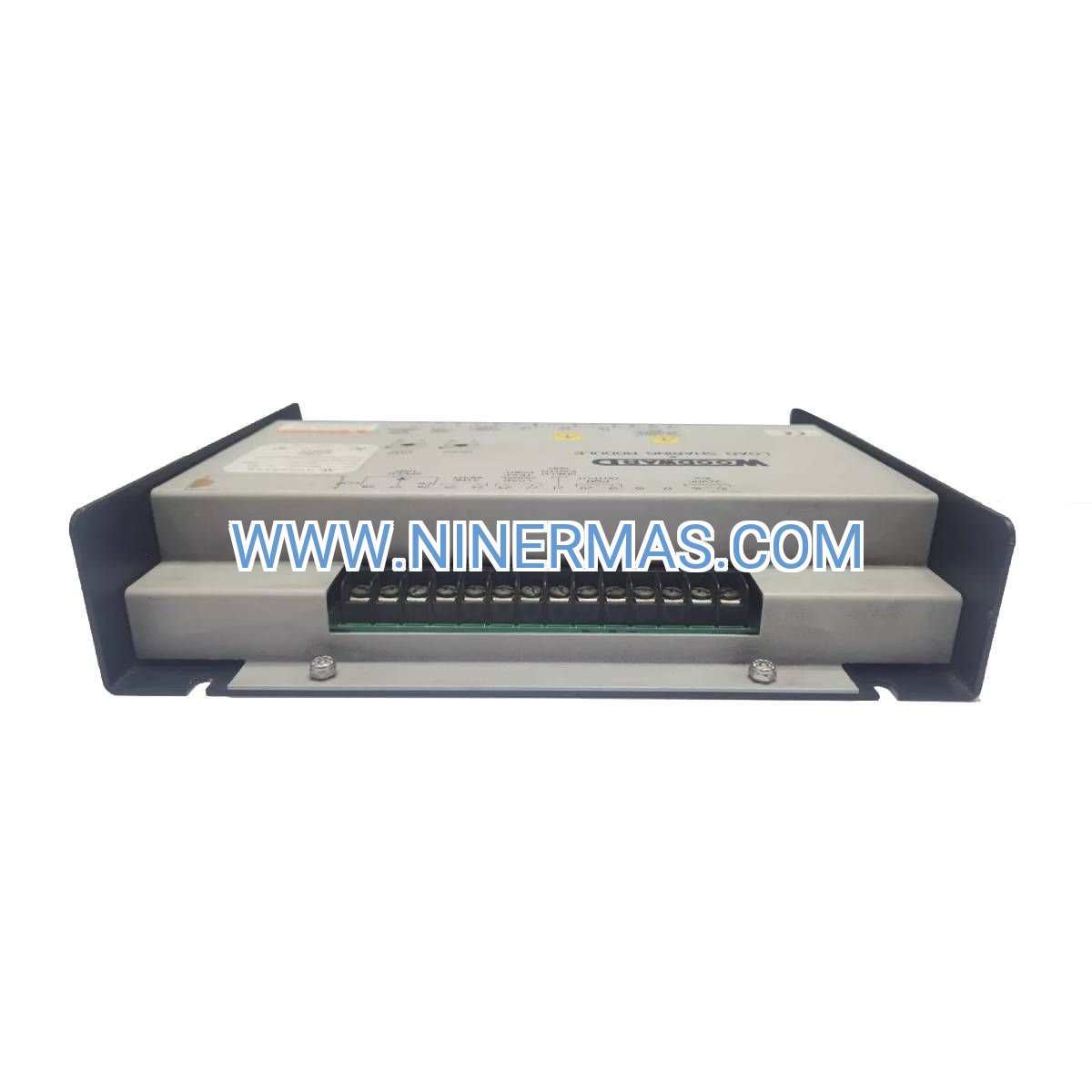
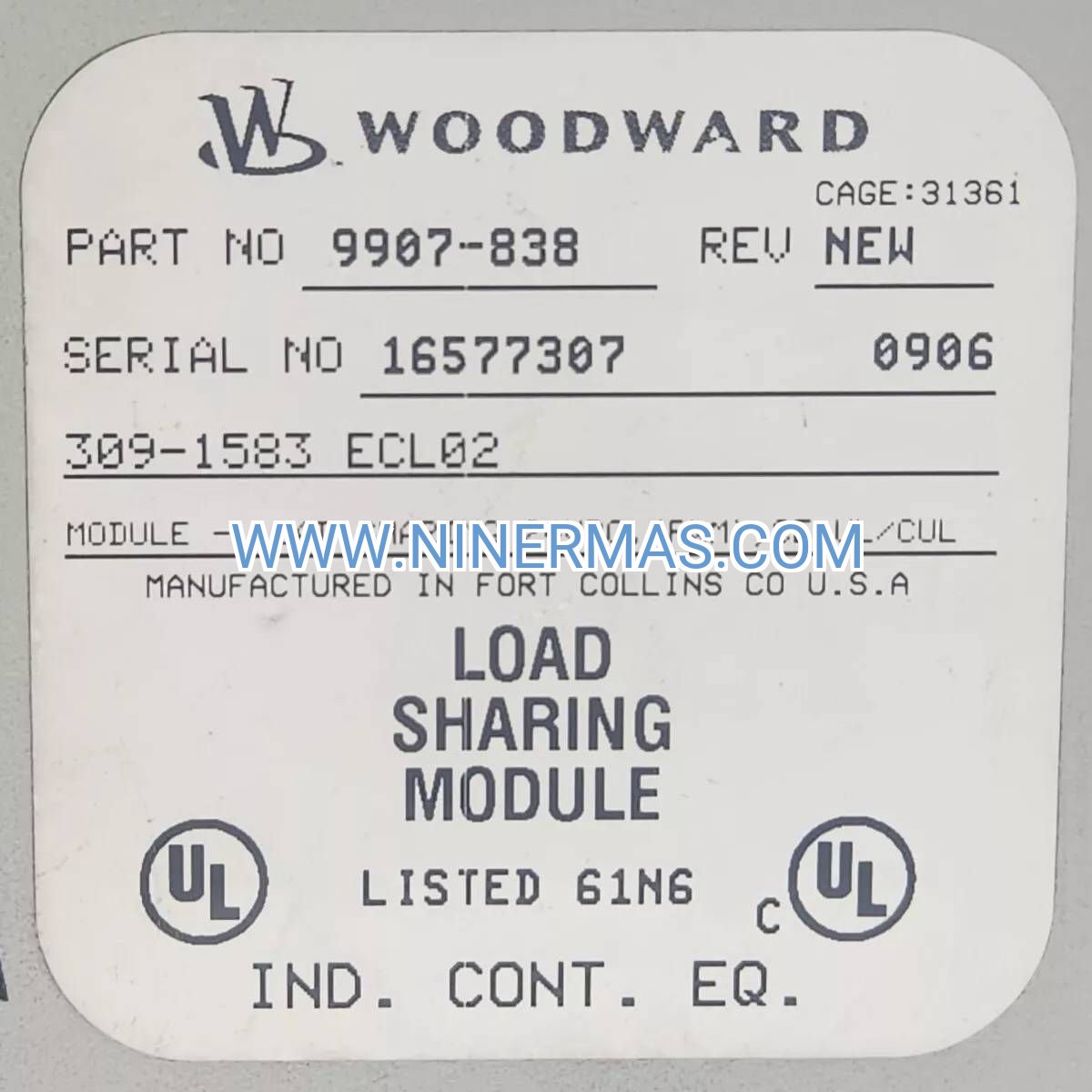
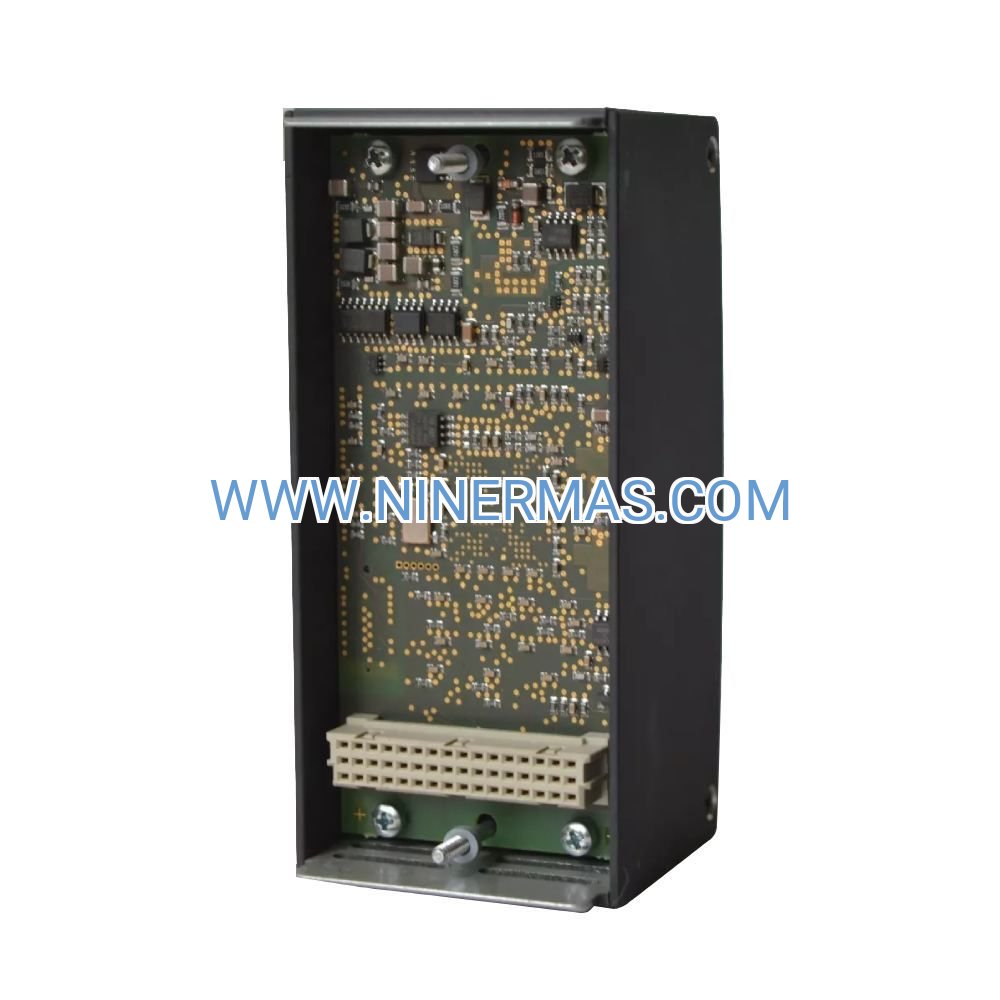
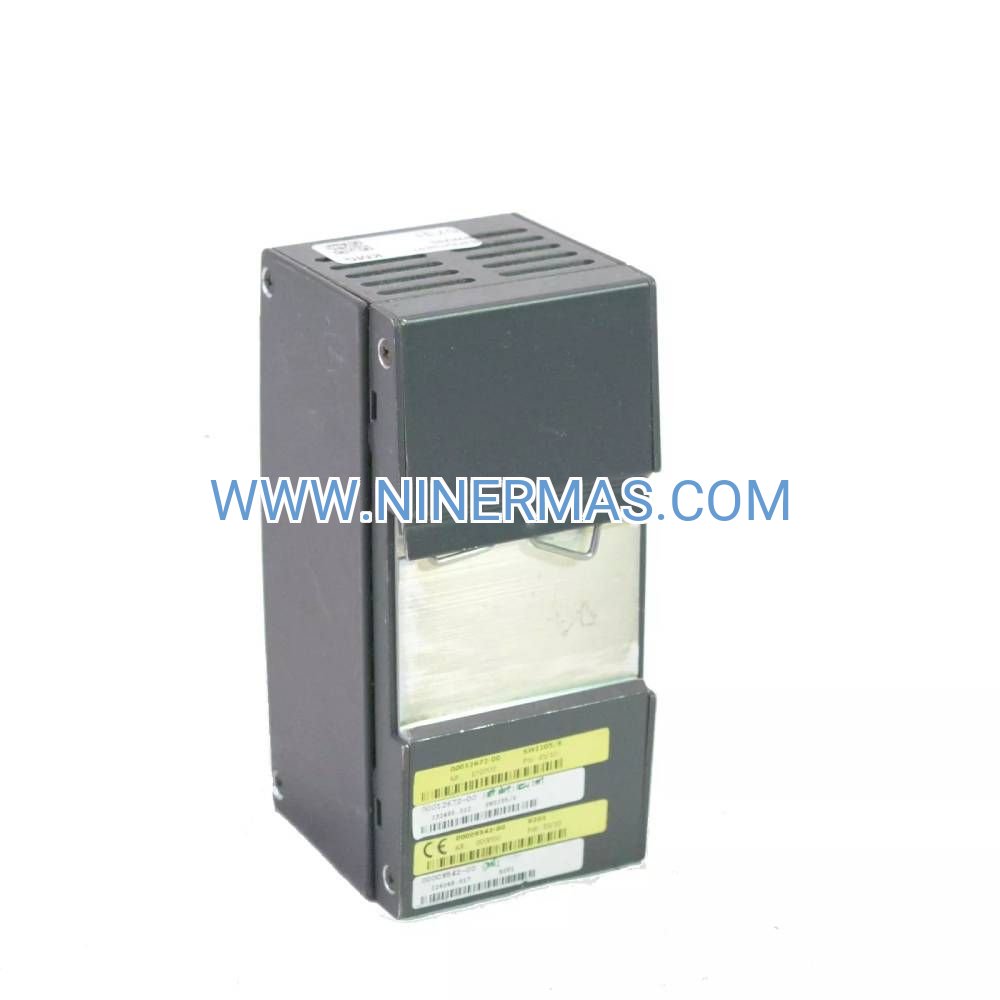
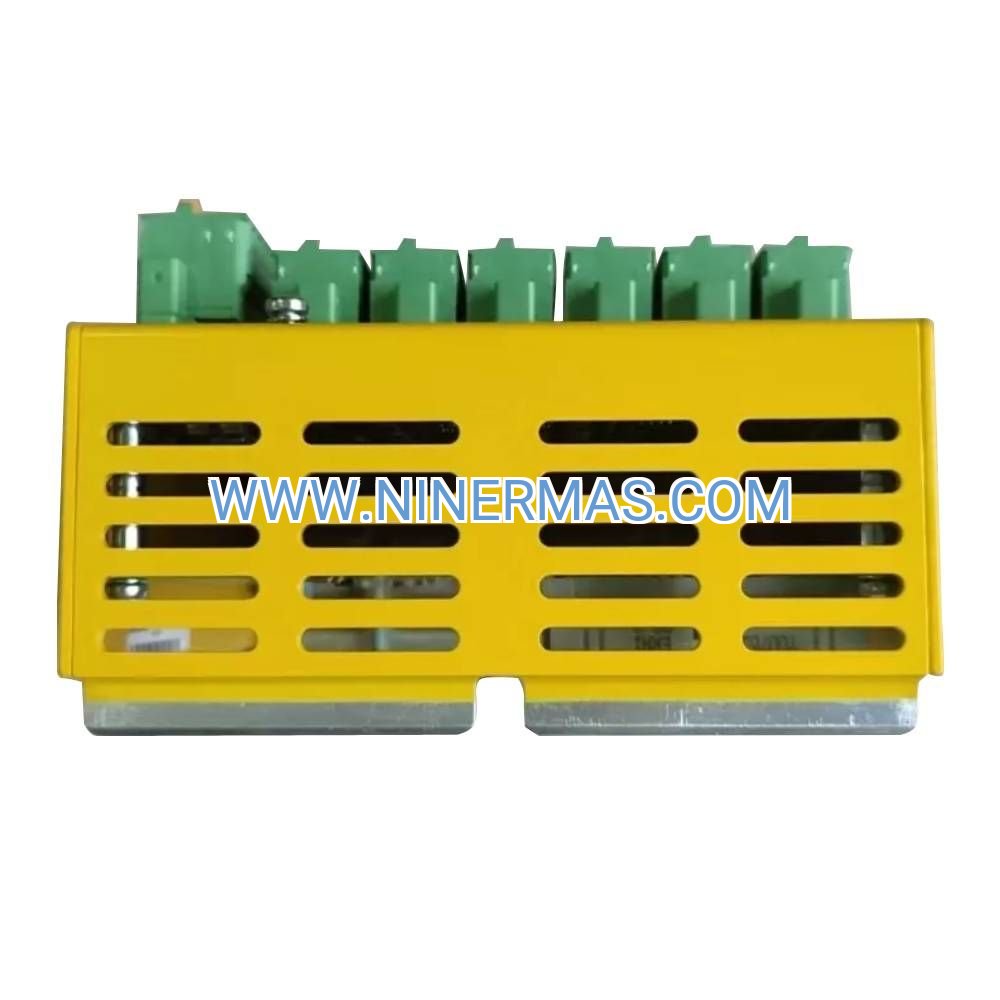
9905-760 DSLC Synchronizer (Industrial-Grade Generator Control)
The Woodward 9905-760 represents a breakthrough in digital synchronization technology for AC generator systems. This industrial-grade DSLC (Digital Synchronizer and Load Control) module automates complex paralleling operations while maintaining ±2% load sharing precision across multi-unit installations. Designed for environments where power continuity is non-negotiable, it delivers real-time voltage matching, phase alignment, and frequency synchronization with military-grade reliability.
Power generation facilities, marine vessels, and mission-critical data centers rely on the 9905-760 to eliminate manual synchronization errors and optimize fuel efficiency. Its adaptive control algorithms continuously monitor system parameters, adjusting generator output to match demand fluctuations while preventing overload conditions. Whether managing utility-scale power plants or emergency backup systems, this module ensures seamless transitions between grid-connected and island mode operations.
With Modbus RTU communication and -40°C to +70°C operating range, the 9905-760 integrates into existing SCADA infrastructures while withstanding harsh industrial environments. The result: reduced downtime, lower operational costs, and predictable power delivery for your most demanding applications.
Key Features & Business Value
→ Precision Synchronization Engine
Achieves ±5 electrical degree accuracy during breaker closure, eliminating mechanical stress on generator components and extending equipment lifespan by up to 30%.
→ Adaptive Load Distribution
Proportional load sharing across generators with different ratings reduces fuel consumption by 12-18% compared to fixed-droop systems, lowering operational expenses.
→ Multi-Protocol Connectivity
Modbus RTU over RS-485 enables integration with Siemens, ABB, and GE control systems, providing centralized monitoring without proprietary hardware lock-in.
→ Wide Voltage Compatibility
100-690 VAC three-phase sensing accommodates low-voltage industrial systems through medium-voltage utility applications, reducing spare parts inventory requirements.
✓ Dead Bus Closing Capability
First-generator energization without synchronization checks accelerates black-start procedures, critical for emergency response scenarios and grid restoration.
✓ Built-In Fault Protection
Reverse power detection, voltage deviation alarms, and frequency monitoring prevent catastrophic failures, reducing unplanned maintenance costs by 40%.
Application Scenarios
Utility-Scale Power Generation
Coordinate 4-12 generator sets in combined-cycle plants, maintaining grid frequency stability during peak demand periods. The module's real-time load balancing prevents single-unit overload while optimizing heat rate across the entire fleet. Operators report 15% improvement in fuel efficiency and 25% reduction in maintenance intervals.
Marine & Offshore Platforms
Manage shipboard power systems where dynamic loads from propulsion motors and drilling equipment create rapid demand fluctuations. The 9905-760's 50ms response time maintains voltage stability during thruster activation, preventing electrical disturbances that could trip critical navigation systems.
Data Center Tier IV Facilities
Orchestrate N+1 generator redundancy during utility outages, ensuring <10ms transfer time to backup power. The module's phase-locked synchronization prevents IT equipment resets, maintaining 99.995% uptime SLAs for colocation providers and cloud service operators.
Industrial Cogeneration Systems
Synchronize combined heat and power (CHP) turbines with utility grids, enabling export power sales during low-demand periods. Automatic frequency matching and voltage regulation comply with IEEE 1547 interconnection standards, streamlining utility approval processes.
Mining & Remote Operations
Control isolated microgrids where renewable sources supplement diesel generators. The module's dead bus closing and automatic synchronization reduce operator workload in unmanned facilities, cutting labor costs by $80K-$120K annually.
Technical Specifications & Selection Guide
| Parameter | Specification | Selection Notes |
|---|---|---|
| Voltage Sensing | 100-690 VAC, 3-phase | Verify generator output voltage falls within range |
| Frequency | 50/60 Hz auto-detect | Supports dual-frequency installations |
| Sync Accuracy | ±5 electrical degrees | Suitable for generators >100 kW |
| Load Sharing | ±2% of rated load | Requires matched governor response |
| Communication | Modbus RTU, RS-485 | Max 32 devices per network segment |
| Power Supply | 18-32 VDC | Isolated DC source recommended |
| Operating Temp | -40°C to +70°C | No derating required within range |
| Enclosure | IP20 panel-mount | Requires NEMA 12 or IP54 cabinet |
Selection Criteria: For systems with >4 generators, verify your existing governor controllers support droop compensation. Applications requiring <3-second synchronization may need upgraded voltage sensing transformers. Consult factory for systems operating above 600 VAC or in hazardous locations requiring ATEX/IECEx certification.
Extended Capabilities
SCADA Integration: Real-time data streaming via Modbus RTU provides visibility into sync status, load distribution, and fault conditions. Compatible with Wonderware, Ignition, and FactoryTalk platforms for centralized monitoring across multi-site installations.
Predictive Maintenance: Event logging captures synchronization attempts, voltage deviations, and load imbalance occurrences. Trend analysis identifies degrading governors or failing voltage regulators before they cause system trips.
Custom Configuration: Field-adjustable parameters include sync window timing, droop settings, and alarm thresholds. Factory can pre-configure units for specific generator models, reducing commissioning time by 60%.
Delivery & Service Assurance
Lead Time: Stock units ship within 3-5 business days. Custom-configured modules require 2-3 weeks for factory programming and testing.
Warranty: 12-month comprehensive coverage includes parts, labor, and return shipping. Extended warranties available for critical infrastructure applications.
Technical Support: Direct access to application engineers for installation guidance, parameter optimization, and troubleshooting. Remote diagnostics via Modbus connection accelerates issue resolution.
Documentation: Each unit includes installation manual, wiring diagrams, Modbus register map, and configuration software. CAD drawings and 3D STEP files available for panel design integration.
Frequently Asked Questions
How does the 9905-760 handle generators with mismatched power ratings?
The module calculates proportional load sharing based on each generator's kW capacity. For example, in a system with 500 kW and 1000 kW units, the larger generator carries twice the load. Droop settings compensate for governor response differences, maintaining ±2% accuracy across the entire load range.
What synchronization speed can I expect in typical installations?
Most systems achieve closed-breaker status within 8-12 seconds from sync initiation. Actual time depends on initial frequency differential and voltage mismatch. Systems with well-tuned governors and voltage regulators consistently synchronize in <10 seconds.
Can this module integrate with renewable energy microgrids?
The 9905-760 is optimized for synchronous generators (diesel, natural gas, steam turbines). For hybrid systems incorporating solar inverters or wind turbines, you'll need additional interface equipment to convert inverter control signals to formats compatible with the DSLC module.
Does the unit support automatic black-start sequences?
Yes, dead bus closing functionality allows the first generator to energize an unpowered bus without synchronization checks. Subsequent generators then synchronize to the running unit, enabling fully automated startup sequences for unmanned facilities.
What communication protocols are supported beyond Modbus RTU?
The standard 9905-760 uses Modbus RTU over RS-485. For Ethernet/IP, Profibus, or DNP3 requirements, consider the 9905-973 variant or add a protocol gateway. Modbus TCP conversion is possible using third-party Ethernet bridges.
How do I size the control power supply for this module?
The 9905-760 draws approximately 8 watts at 24 VDC. A 25-watt isolated DC-DC converter or battery-backed UPS is recommended to maintain control during utility interruptions. Ensure the supply maintains 18-32 VDC under all load conditions.
Get Your Generator System Optimized
Ready to eliminate synchronization errors and reduce fuel costs? Our application engineers will analyze your generator configuration and recommend the optimal DSLC setup for your facility. Contact us today for a technical consultation and pricing tailored to your multi-unit installation.
© 2026 NINERMAS COMPANY LIMITED. All rights reserved.
Original Source: https://ninermas.com
Contact: sale@ninermas.com | +0086 187 5021 5667

Contact Info
-
Address:22 / F, South Wo Hang building, 148 Wing Lok Street, Sheung Wan, Western District, Hong Kong
-
Phone:+8618750215667
-
Email: