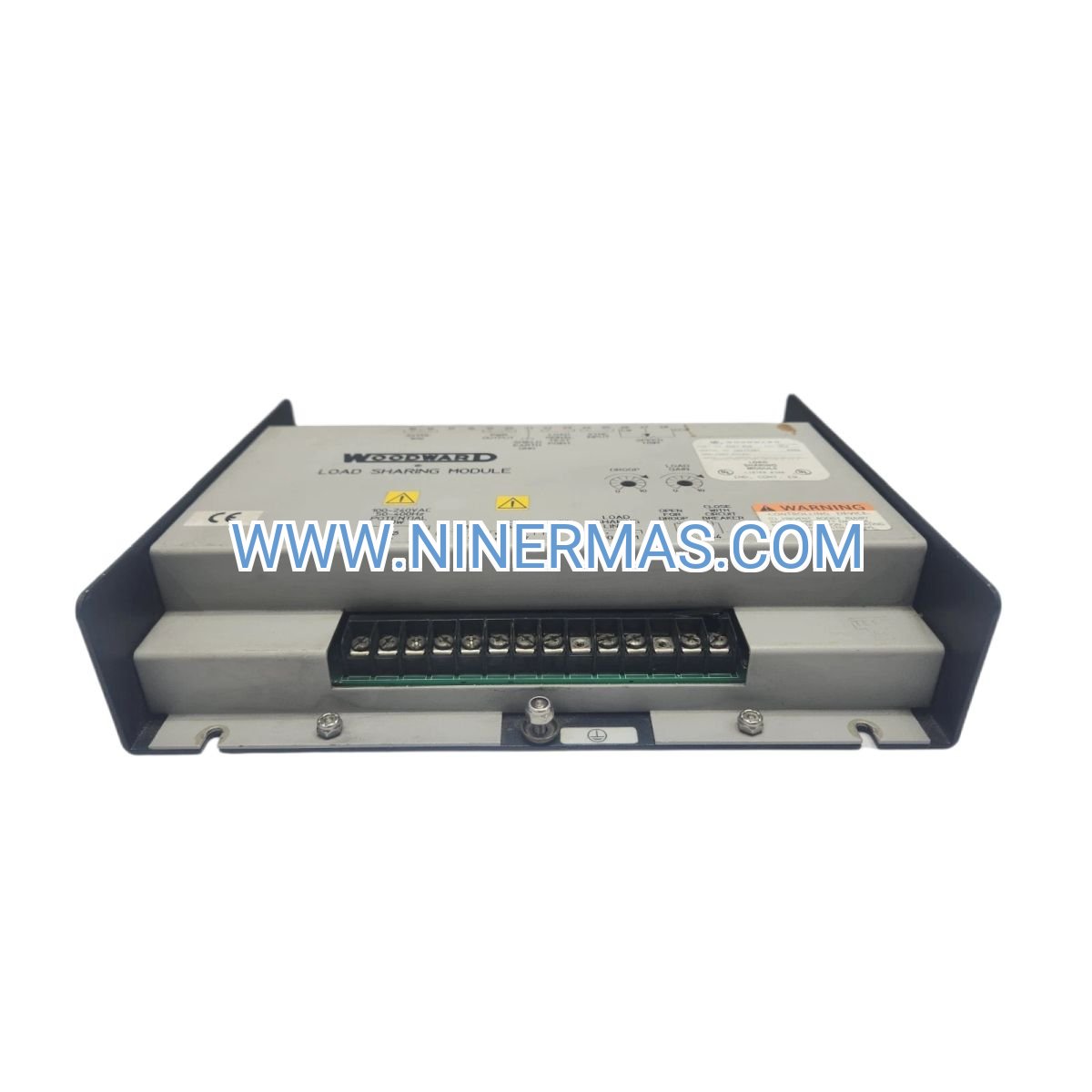
Description
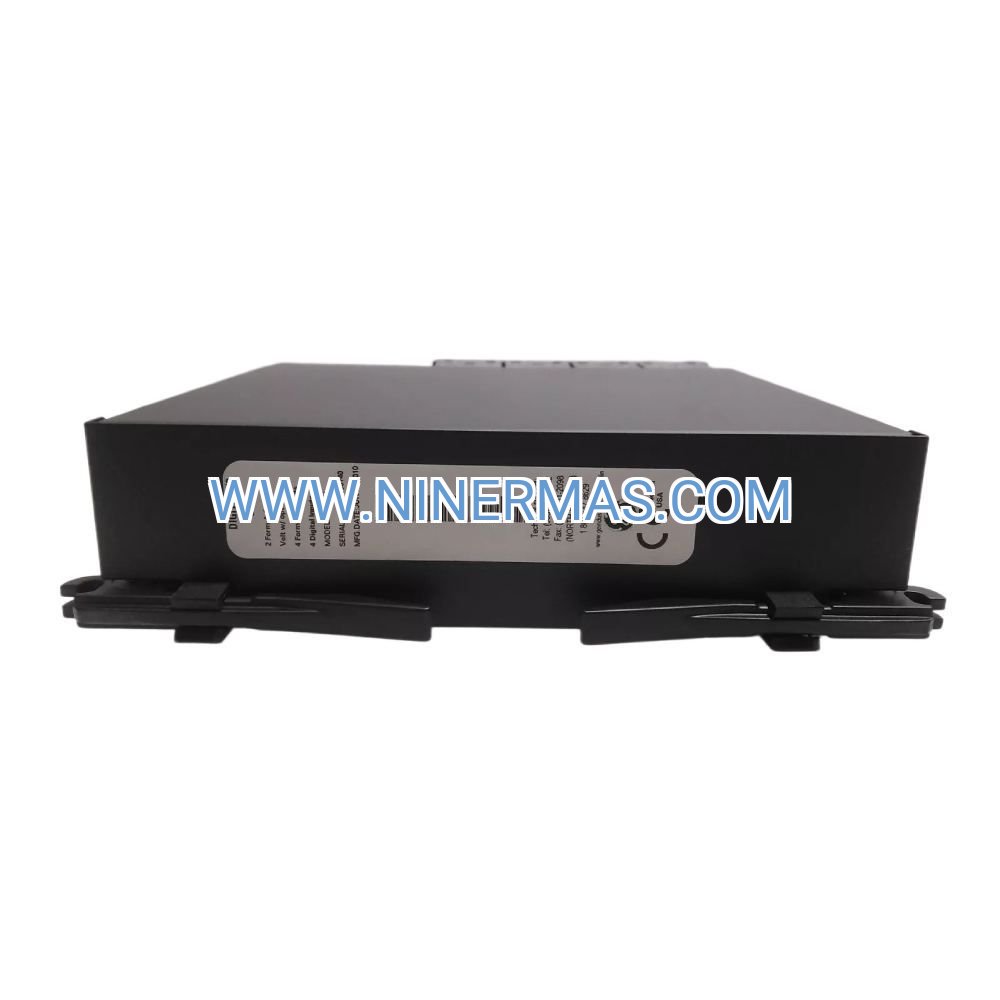
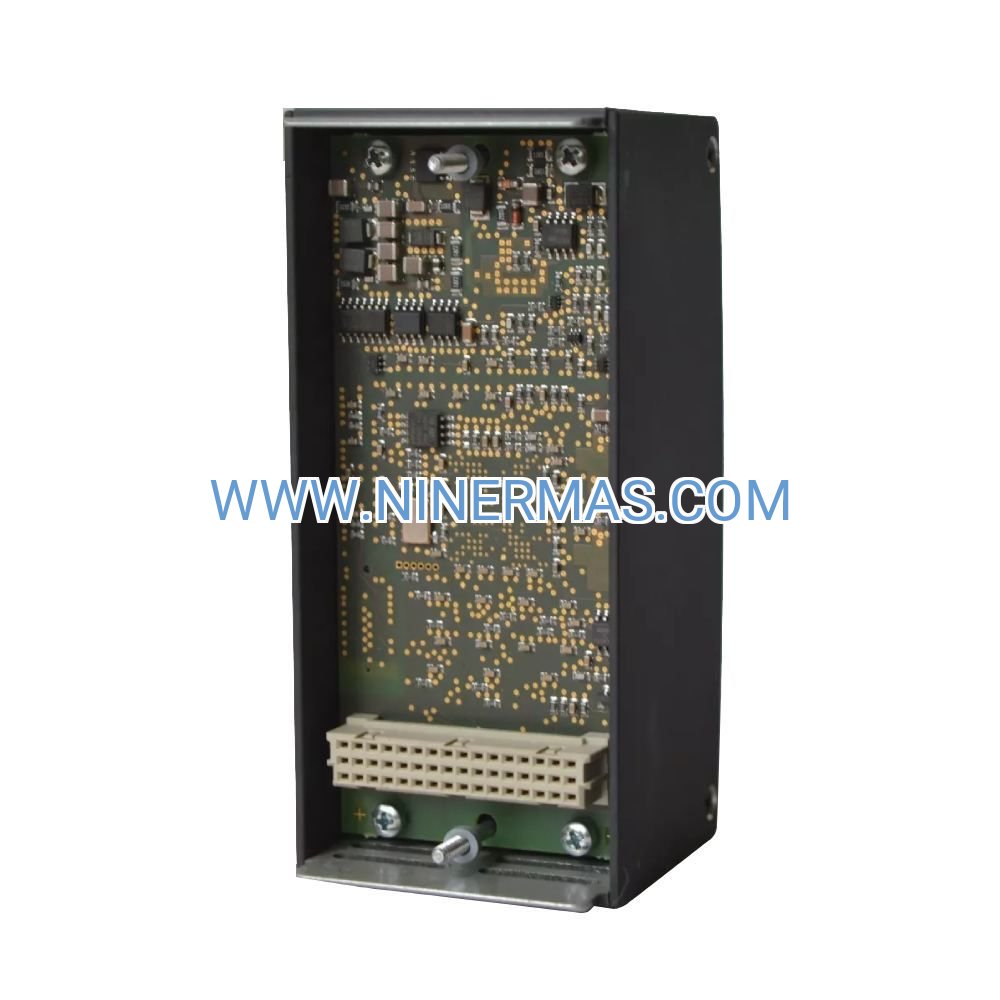
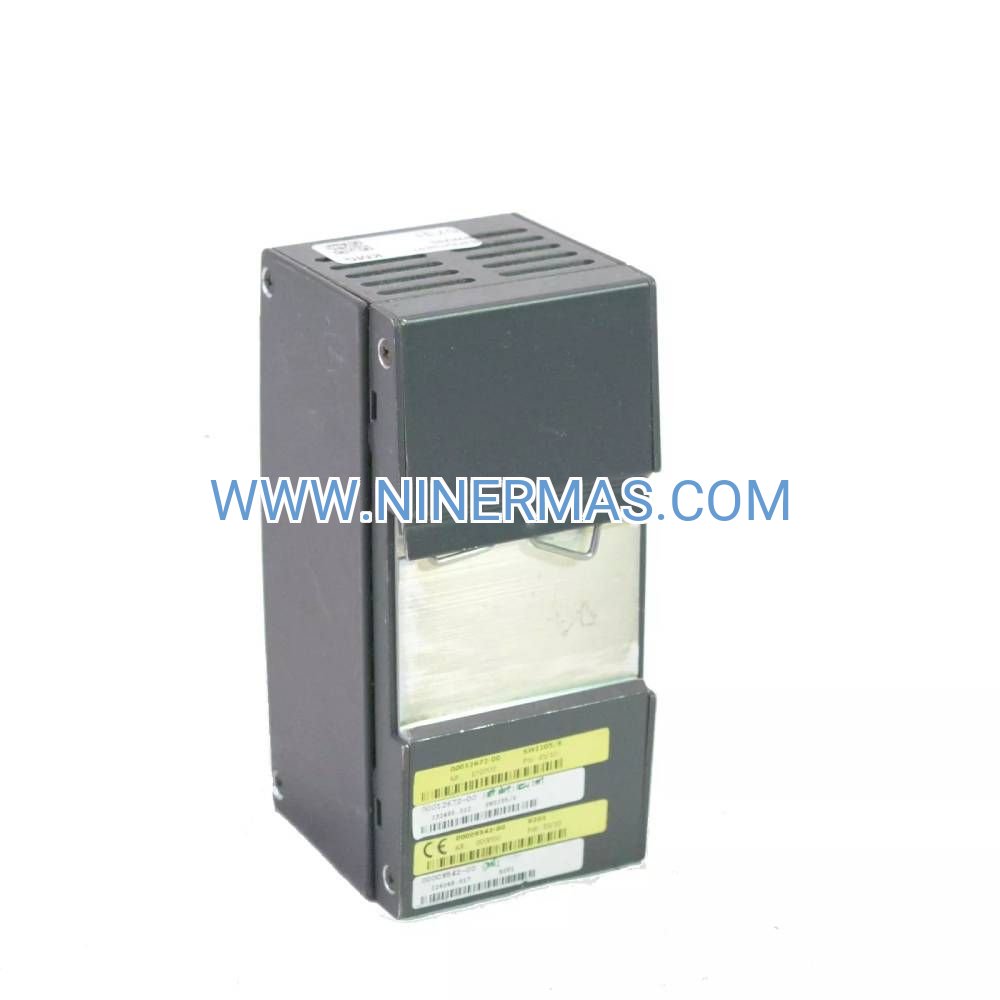
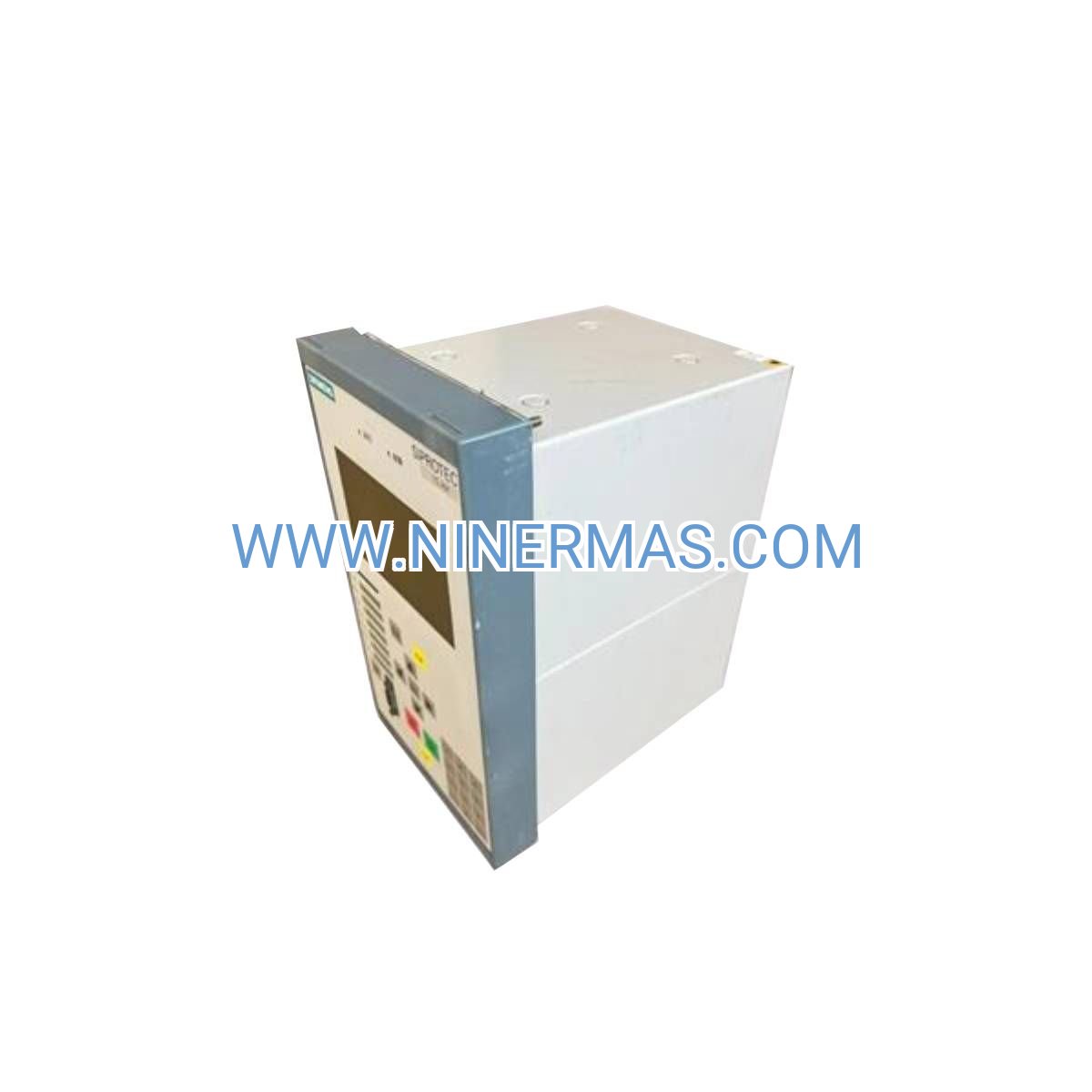
Woodward 9907-652 ProTech 203 (Industrial-Grade TMR Overspeed Detection)
The Woodward 9907-652 ProTech 203 is a triple-modular redundant (TMR) overspeed detection system engineered for mission-critical turbine applications where catastrophic failure prevention is paramount. Utilizing 2-out-of-3 voting logic architecture, this system provides continuous overspeed monitoring for steam turbines, gas turbines, hydro generators, and high-speed compressor trains across power generation, oil & gas, and marine propulsion sectors.
Designed for operators managing critical rotating equipment in harsh industrial environments, the 9907-652 addresses the fundamental challenge of preventing destructive overspeed events while eliminating nuisance trips that compromise operational efficiency. With SIL 3 functional safety certification and sub-10-millisecond response times, this system delivers the reliability demanded by plant managers, safety engineers, and maintenance teams responsible for asset protection and regulatory compliance.
Key advantages include fault-tolerant redundancy that maintains protection during sensor failures, field-proven reliability across 30+ years of global installations, and seamless integration with existing DCS/PLC infrastructure—making the 9907-652 the definitive choice for turbine overspeed protection where downtime costs exceed six figures per hour.
Core Features & Benefits
→ Triple-Modular Redundant Architecture
Three independent processing channels with 2oo3 voting logic eliminate single-point failures while maintaining full protection capability during sensor or channel faults. Automatic fault detection with self-diagnostics ensures continuous safety integrity without manual intervention.
→ SIL 3 Functional Safety Certification
TÜV-certified compliance with IEC 61508 standards provides the highest safety integrity level for turbine protection applications. Documented proof test procedures and failure rate data support regulatory audits and insurance requirements.
→ Sub-10-Millisecond Trip Response
Ultra-fast detection-to-trip initiation protects against rapid acceleration events in load-rejection scenarios. Three independent Form C relay outputs (5A @ 250VAC) enable direct actuation of emergency stop valves and fuel shutoff systems.
✓ Universal Speed Sensor Compatibility
Accepts magnetic pickups, eddy-current proximity probes, and active speed sensors without external signal conditioning. Field-configurable setpoints and hysteresis parameters adapt to diverse turbine specifications from 1,000 to 50,000 RPM operating ranges.
✓ Extended Environmental Operating Range
Rated for -40°C to +70°C ambient temperatures with IP54/NEMA 12 enclosure protection against dust and moisture ingress. Dual power supply options (18-32 VDC or 85-264 VAC) accommodate varied plant electrical infrastructures.
✓ Built-In Test Capabilities
Individual channel testing maintains 2oo2 protection during routine verification procedures, enabling compliance with safety standards without turbine shutdown. Diagnostic LEDs and relay outputs provide real-time system health visibility.
Typical Application Scenarios
Combined-Cycle Power Plants
Steam turbine generators in CCGT facilities require fail-safe overspeed protection during grid disturbances and load rejection events. The 9907-652's redundant architecture prevents catastrophic blade failure while minimizing false trips that reduce plant availability and revenue.
Pipeline Gas Compression Stations
Centrifugal compressor trains driven by industrial gas turbines demand reliable overspeed detection to prevent impeller disintegration and secondary damage. TMR voting logic maintains protection during sensor contamination from process gas exposure.
Refinery Process Units
Critical expander turbines and turbo-compressors in catalytic crackers and hydroprocessing units operate in high-temperature, vibration-intensive environments. The 9907-652's rugged design and extended temperature rating ensure continuous protection in these demanding applications.
Hydroelectric Generation Facilities
Francis and Kaplan turbines face rapid overspeed conditions during load rejection or wicket gate failures. The system's fast response time and compatibility with proximity probes enable precise speed monitoring on large-diameter shafts with limited sensor mounting locations.
Marine Propulsion Systems
Main propulsion gas turbines and auxiliary power units on LNG carriers and naval vessels require compact, shock-resistant overspeed protection. The 9907-652's NEMA 12 enclosure and wide power supply range suit shipboard electrical systems and space constraints.
Technical Parameters & Selection Guide
| Parameter | Specification |
|---|---|
| Model Number | 9907-652 |
| Safety Architecture | Triple Modular Redundant (TMR), 2oo3 voting |
| Safety Integrity Level | SIL 3 per IEC 61508 (TÜV certified) |
| Speed Input Types | Magnetic pickup, proximity probe, active sensor |
| Speed Range | 1,000 - 50,000 RPM (field configurable) |
| Trip Outputs | 3× Form C relays, 5A @ 250VAC/30VDC resistive |
| Response Time | <10 ms (detection to trip initiation) |
| Power Supply | 18-32 VDC or 85-264 VAC, 50/60 Hz |
| Operating Temperature | -40°C to +70°C (-40°F to +158°F) |
| Enclosure Rating | IP54 / NEMA 12 |
| Dimensions (H×W×D) | 220 mm × 180 mm × 95 mm (8.7" × 7.1" × 3.7") |
| Weight | 3.5 kg (7.7 lbs) |
Selection Criteria: Choose the 9907-652 ProTech 203 when your application requires SIL 3 safety integrity, TMR fault tolerance, or compliance with API 670 machinery protection standards. For dual-channel redundancy applications with SIL 2 requirements, consider the ProTech-GII series. For advanced diagnostics and Modbus communication, evaluate the ProTech-SX platform.
Extended Functions
DCS/PLC Integration: Discrete I/O interfaces provide trip status, channel health, and fault annunciation signals to distributed control systems. Optional Modbus RTU communication enables remote setpoint adjustment and diagnostic data retrieval for predictive maintenance programs.
Coordinated Shutdown Logic: Integrates with Woodward 505E, 723PLUS, and MicroNet digital governors for synchronized fuel shutoff and valve closure sequences. Programmable time delays prevent simultaneous trip actions that could damage mechanical components.
Customization Options: Factory configuration services available for non-standard speed ranges, specialized sensor interfaces, and customer-specific relay logic. Consult with application engineers for hazardous area certifications (ATEX, IECEx) and marine classification society approvals (ABS, DNV-GL).
Delivery & Service Assurance
Lead Time: Standard configurations ship within 3-5 business days from regional distribution centers. Custom-configured units require 4-6 weeks for factory programming and testing. Expedited delivery available for emergency replacement scenarios.
Warranty Coverage: 12-month manufacturer warranty against defects in materials and workmanship from date of shipment. Extended warranty programs available for critical applications requiring guaranteed spare parts availability.
Technical Support: 24/7 global support hotline staffed by certified turbine control specialists. Field commissioning assistance, startup supervision, and operator training services available through Woodward's worldwide service network.
Documentation Package: Each system includes installation manual (85195), wiring diagrams, calibration certificates, and SIL certification documentation. CAD drawings and spare parts lists provided in electronic format for maintenance planning.
Frequently Asked Questions
How does TMR architecture improve overspeed protection reliability compared to dual-channel systems?
Triple-modular redundancy allows the 9907-652 to maintain full 2oo2 protection during single-channel failures, whereas dual-channel systems degrade to single-point vulnerability. The 2oo3 voting logic also reduces nuisance trips from transient sensor faults by requiring two channels to agree before initiating shutdown—critical for applications where false trips cost $100K+ per event.
What sensor mounting configuration is required for TMR operation?
Three identical speed sensors must be installed 120° apart on the turbine shaft to ensure independent measurements. All sensors must be the same type (magnetic pickup, proximity probe, or active sensor) with matched electrical characteristics. Consult manual 85195 for specific mounting tolerances and gap requirements for your sensor type.
Can I retrofit the 9907-652 to replace an older ProTech or ProTech-GII system?
Yes, the 9907-652 offers backward compatibility with legacy ProTech systems through similar mounting dimensions and terminal arrangements. However, upgrading from dual-channel to TMR requires adding a third speed sensor. Woodward provides retrofit kits and field service support to minimize downtime during upgrades.
How do I perform proof testing without taking the turbine offline?
The system's built-in test features allow sequential testing of individual channels while maintaining 2oo2 protection from the remaining channels. Test procedures detailed in manual 85195 comply with IEC 61508 requirements for online partial stroke testing. Full functional testing requires turbine shutdown and is typically performed during scheduled maintenance outages.
What is the expected service life and recommended replacement interval?
The 9907-652 has a design life exceeding 20 years under normal operating conditions. However, SIL 3 certification requires proof testing every 12-24 months and component replacement based on calculated failure rates. Relay contacts typically require replacement every 5-7 years depending on actuation frequency. Consult your safety instrumented system (SIS) documentation for site-specific maintenance intervals.
Does the system support remote monitoring and predictive maintenance?
Standard models provide discrete fault outputs for basic alarm integration. For advanced diagnostics including channel deviation trending, sensor health monitoring, and remote setpoint management, specify the optional Modbus RTU communication module. This enables integration with asset performance management (APM) platforms for condition-based maintenance strategies.
Take the Next Step
Protect your critical turbine assets with proven overspeed detection technology trusted by thousands of installations worldwide. Contact our application engineering team for system selection assistance, custom configuration quotes, or technical consultation on your specific turbine protection requirements. Request a detailed proposal including SIL verification calculations, installation drawings, and lifecycle cost analysis.
© 2026 NINERMAS COMPANY LIMITED. All rights reserved.
Original Source: https://ninermas.com
Contact: sale@ninermas.com | +0086 187 5021 5667

Contact Info
-
Address:22 / F, South Wo Hang building, 148 Wing Lok Street, Sheung Wan, Western District, Hong Kong
-
Phone:+8618750215667
-
Email: