Description
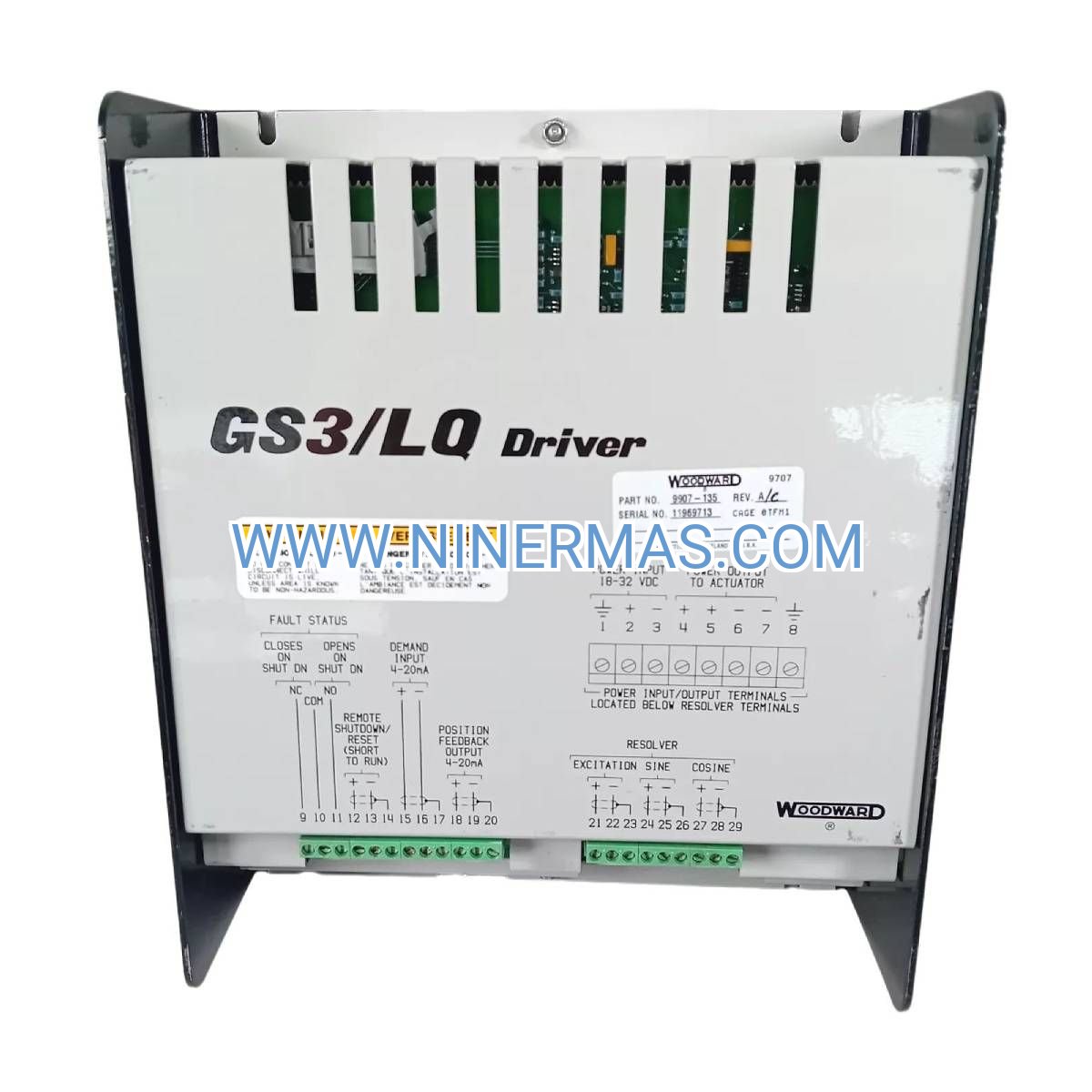
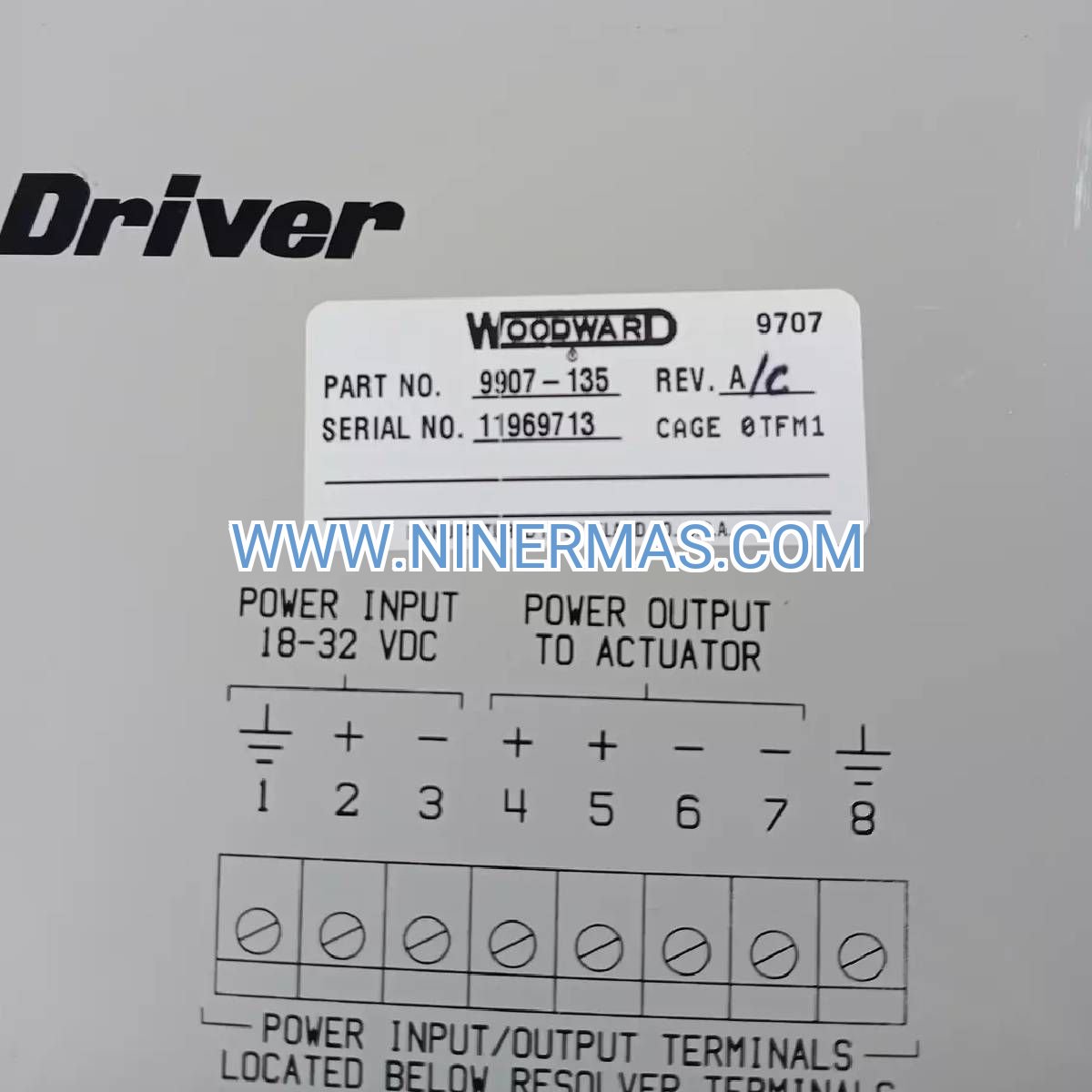
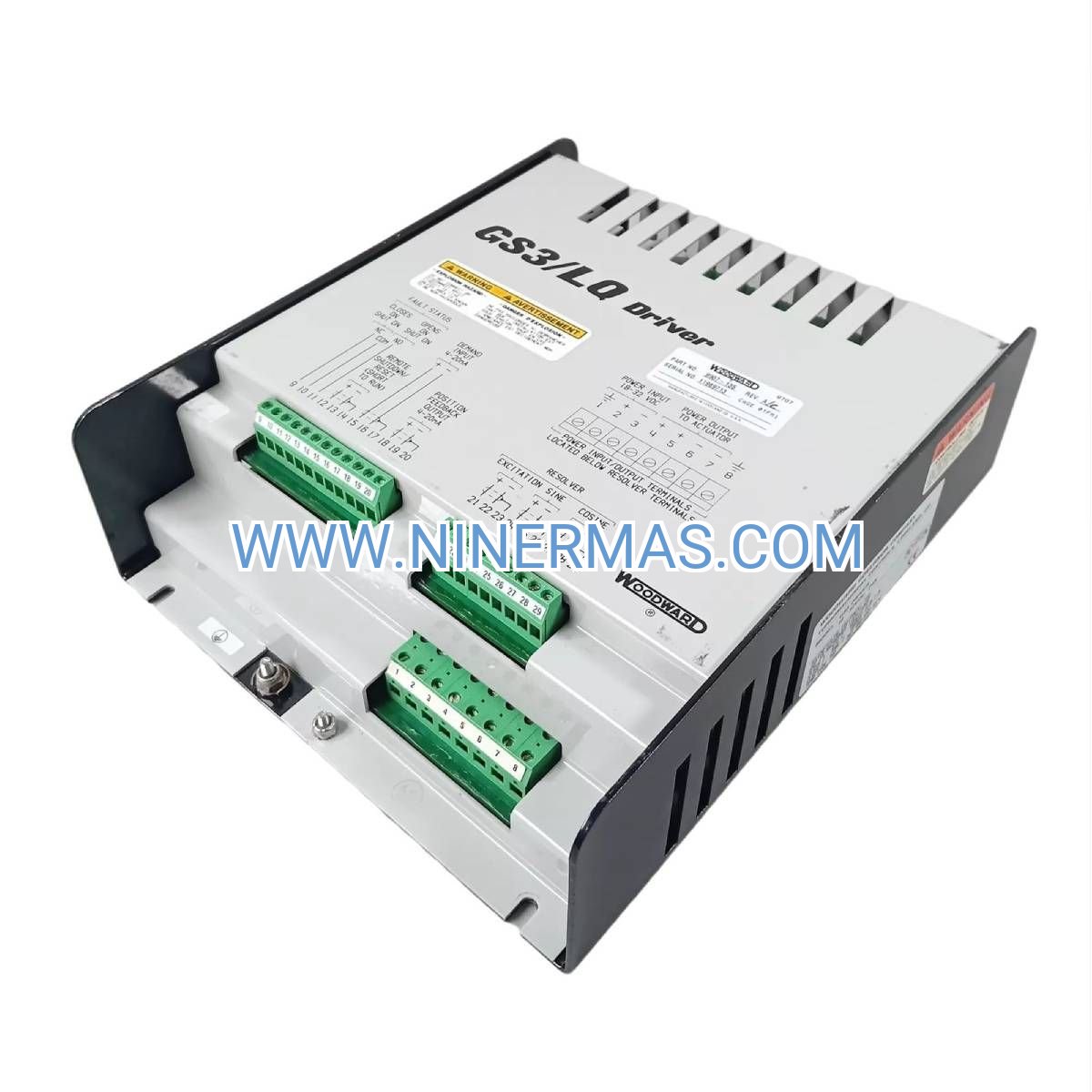
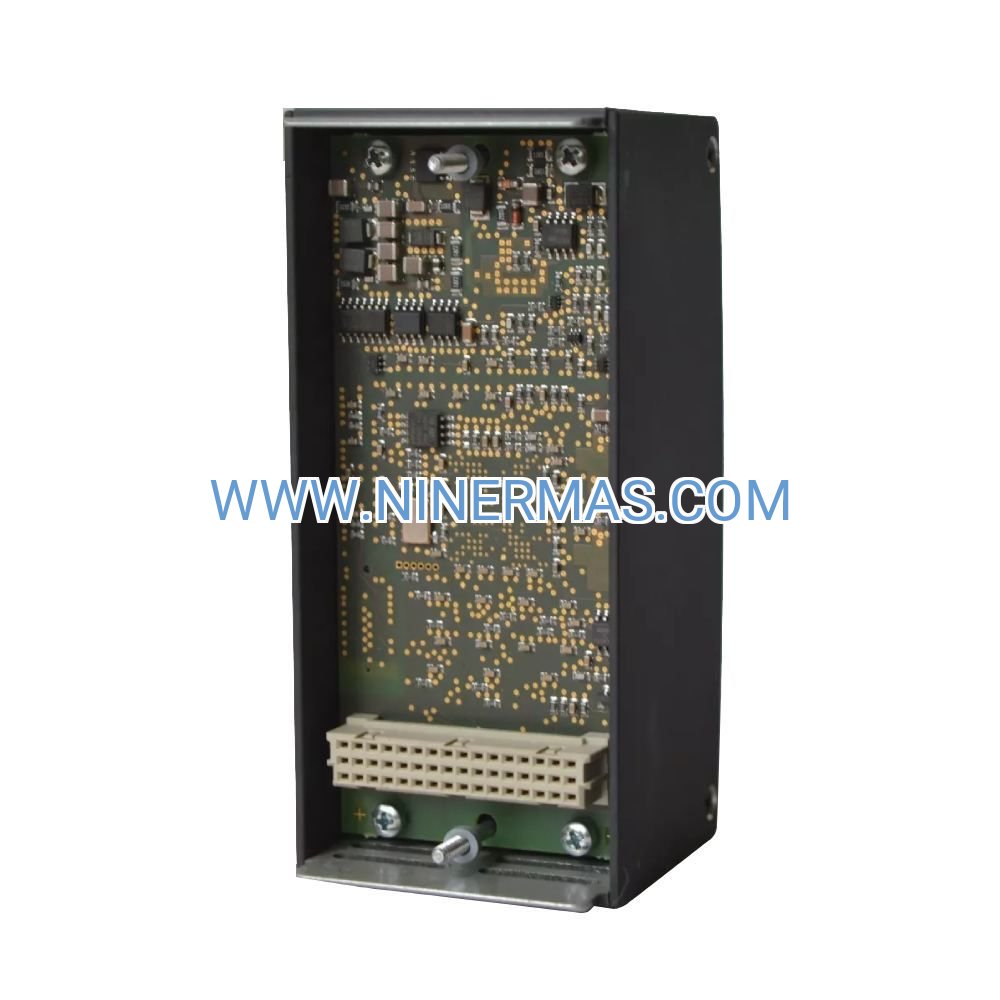
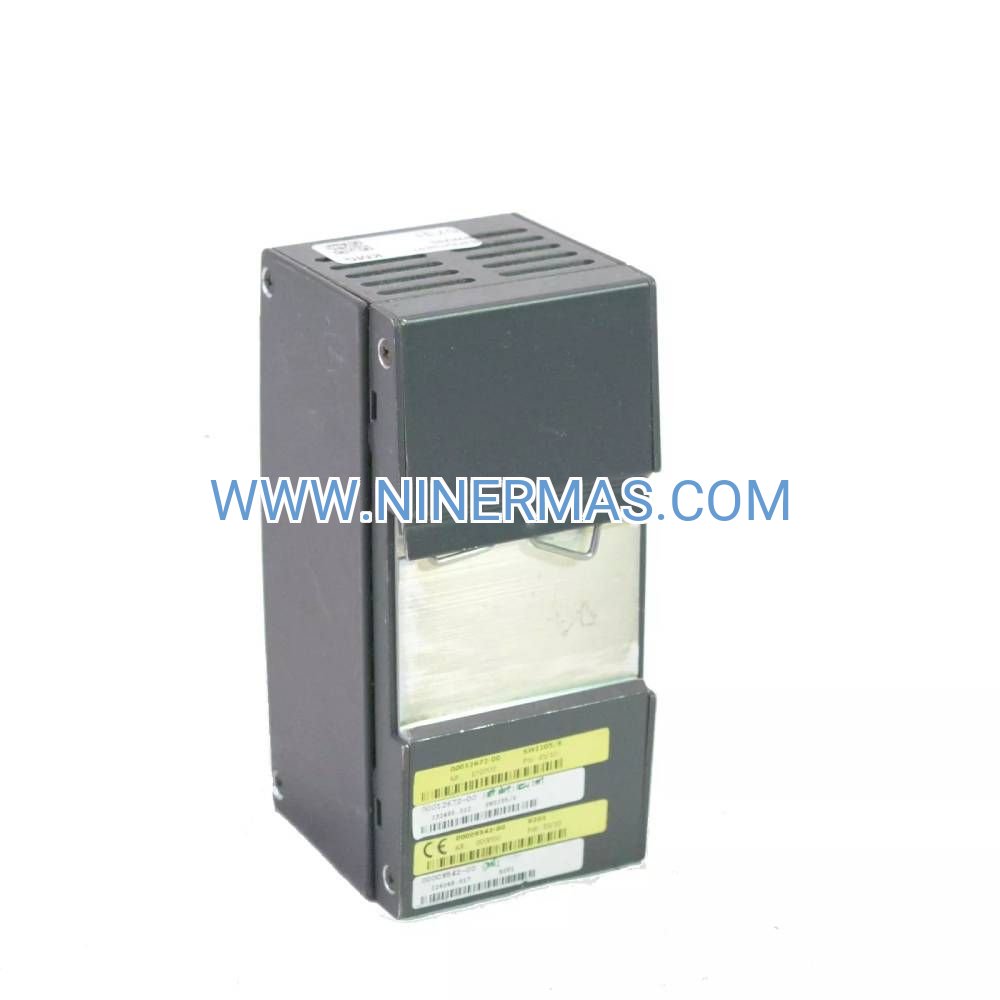
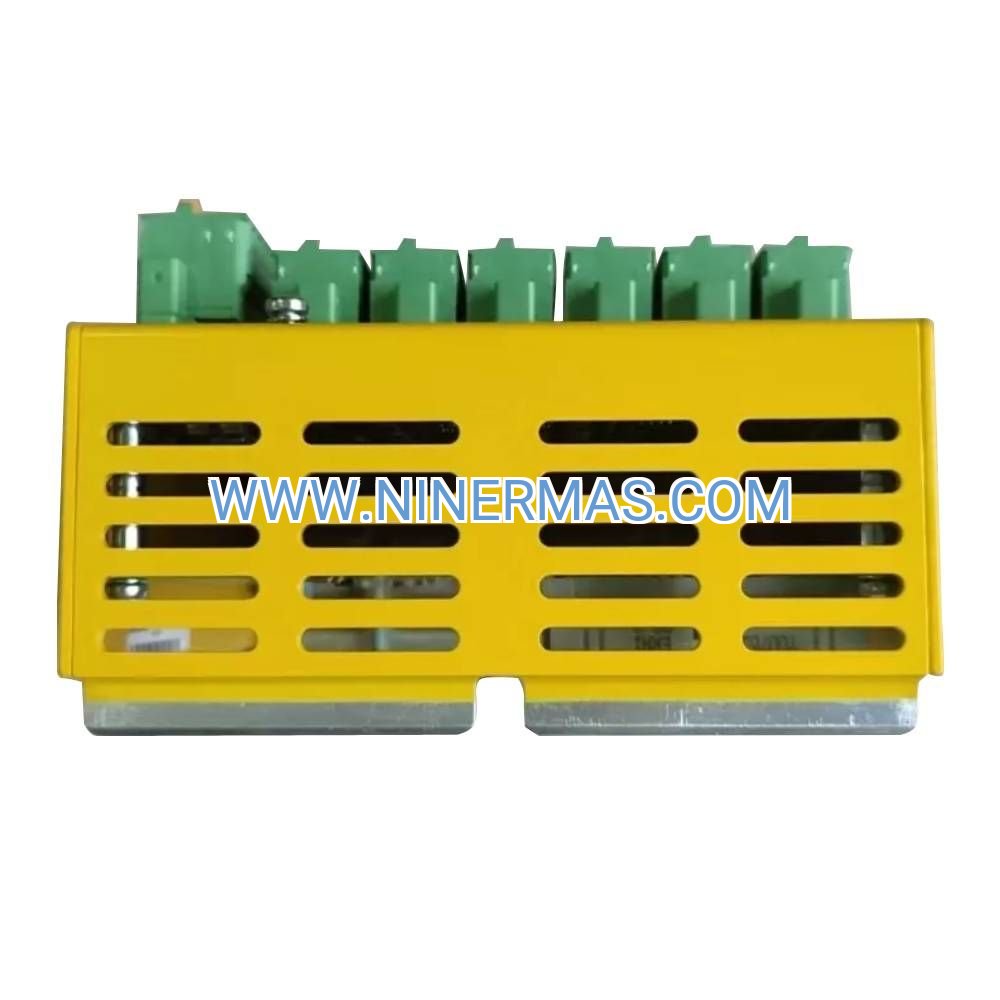
9907-135 Driver Module – Industrial-Grade Dual-Fuel Turbine Controller
The Woodward 9907-135 represents a proven solution for operators managing gas turbine systems that demand flexible fuel sourcing. Engineered to command both gaseous and liquid fuel delivery paths, this driver module enables uninterrupted power generation even when primary fuel availability fluctuates. Whether your facility runs on natural gas during normal operations or requires diesel backup during supply constraints, the 9907-135 orchestrates smooth transitions without compromising combustion stability or emissions performance.
Designed for mission-critical environments—from utility-scale power stations to offshore platforms—this module integrates with legacy Woodward governors and modern distributed control architectures alike. Its field-proven reliability stems from decades of turbine control expertise, delivering the precision fuel metering that keeps rotating equipment operating within safe temperature and speed envelopes.
For plant engineers seeking to maximize uptime while maintaining regulatory compliance, the 9907-135 offers a turnkey interface between your supervisory control layer and the physical fuel valves. Reduce manual intervention during fuel mode changes, minimize emissions excursions, and gain diagnostic visibility into valve health—all through a single, compact control node.
Key Capabilities & Business Impact
→ Automatic Fuel Mode Transition
Eliminate manual valve sequencing during fuel switchovers. The module's embedded logic coordinates valve closure/opening timing to prevent flame-out or over-fueling events, reducing operator workload and human error risk.
→ Closed-Loop Valve Positioning
Continuous feedback from valve actuators ensures commanded fuel flow matches actual delivery. This real-time correction compensates for valve wear, temperature drift, and supply pressure variations—maintaining turbine efficiency across the operating envelope.
→ Integrated Fault Diagnostics
Built-in health monitoring detects valve sticking, wiring faults, and out-of-range signals before they escalate into forced outages. Alarm outputs integrate with plant SCADA systems for proactive maintenance scheduling.
✓ Field-Configurable Parameters
Adapt fuel ramp rates, transfer delays, and safety limits to match your specific turbine model without hardware changes. On-site commissioning teams can fine-tune performance using standard calibration tools.
✓ Redundant Safety Architecture
Dual-channel monitoring circuits provide fail-safe fuel shutoff if control signals are lost or contradictory commands detected. Meets SIL-rated safety requirements for turbine overspeed protection systems.
✓ Harsh Environment Resilience
Conformal-coated electronics and IP54-rated enclosures withstand vibration, temperature extremes, and electromagnetic interference common in turbine halls and outdoor installations.
Industry Applications & Problem-Solving
Combined-Cycle Power Generation
Challenge: Gas turbines in CCGT plants must transition between pipeline gas and distillate oil during fuel supply interruptions or price arbitrage opportunities.
Solution: The 9907-135 executes pre-programmed fuel transfer sequences synchronized with combustion temperature monitoring, preventing thermal shock to hot gas path components while maintaining grid synchronization.
Offshore Oil & Gas Platforms
Challenge: Compression turbines require fuel flexibility as associated gas composition varies or when switching to diesel during well maintenance.
Solution: Compact footprint and marine-grade construction enable installation in space-constrained modules. Automatic fuel switching maintains compression capacity without manual intervention during 24/7 operations.
Industrial Cogeneration Facilities
Challenge: Manufacturing plants with on-site turbines need to optimize fuel costs while ensuring steam/power availability for production processes.
Solution: Real-time fuel mode selection based on commodity pricing or process gas availability. The module's fast response enables economic dispatch strategies without sacrificing thermal output quality.
Peaking Power Stations
Challenge: Rapid-start turbines must achieve full load within minutes, often starting on liquid fuel before transitioning to gas.
Solution: Pre-configured startup profiles coordinate ignition, acceleration, and fuel transfer milestones. Reduces time-to-revenue during high-demand periods.
Emergency Backup Systems
Challenge: Critical infrastructure turbines (hospitals, data centers) require guaranteed fuel availability regardless of utility gas supply status.
Solution: Automatic detection of gas pressure loss triggers immediate switchover to on-site liquid fuel tanks, maintaining continuous power delivery during grid disturbances.
Technical Specifications & Selection Criteria
| Parameter | Specification |
|---|---|
| Model Number | 9907-135 |
| Fuel System Compatibility | GS3 gas valve / LQ6 liquid fuel valve |
| Control Signal Type | 4-20 mA analog input, proportional current output |
| Power Supply | 24 VDC (18-32 VDC operating range) |
| Operating Temperature | -40°C to +85°C ambient |
| Enclosure Rating | IP54 (when properly installed) |
| Certifications | CE, UL, CSA, ATEX Zone 2 |
| Dimensions (H x W x D) | 120 x 180 x 65 mm |
| Weight | 0.9 kg |
| Mounting Options | Panel mount / DIN rail |
Selection Guidance: Verify your existing fuel valve models before ordering. The 9907-135 is optimized for Woodward GS3 and LQ6 valve families; integration with third-party valves may require signal conditioning modules. For turbines exceeding 50 MW, consult factory application engineers to confirm current drive capacity matches your valve actuator specifications.
Advanced Integration Features
Multi-Platform Compatibility
The 9907-135 accepts fuel demand signals from Woodward 505 digital governors, 2301 load sharing controllers, and MicroNet distributed systems. Third-party turbine controls can interface via standard 4-20 mA loops, making this module a universal fuel delivery solution across mixed-vendor fleets.
Hot-Swap Serviceability
Modular construction allows field replacement without de-energizing the entire control cabinet. Technicians can swap modules during planned maintenance windows or emergency repairs, minimizing turbine downtime and revenue loss.
Remote Monitoring Readiness
Analog output signals for valve position and module status integrate with plant historians and condition monitoring systems. Track fuel valve performance trends over time to predict maintenance needs before failures occur.
Delivery Timeline & Support Services
Standard Lead Time: 4-6 weeks for factory-new units; expedited shipping available for critical outages
Warranty Coverage: 12 months from shipment date, covering manufacturing defects and component failures
Technical Assistance: Pre-sales application engineering, installation support, and post-commissioning troubleshooting included
Documentation Package: Installation manual, wiring diagrams, configuration software, and calibration procedures provided with each order
Frequently Asked Questions
How quickly can the 9907-135 switch between fuel types during operation?
Fuel transfer sequences typically complete in 2-5 seconds, depending on turbine thermal inertia and control system tuning. The module's programmable ramp rates prevent combustion instability during transitions.
Can this driver module operate both fuel valves simultaneously?
No—the 9907-135 manages sequential fuel delivery (gas OR liquid at any moment). Simultaneous dual-fuel combustion requires specialized burner designs and is not supported by standard turbine configurations.
What happens if the control signal is lost during operation?
The module's fail-safe logic commands both fuel valves to close, triggering a controlled turbine shutdown. This prevents uncontrolled fuel flow that could lead to overspeed or overtemperature events.
Is the 9907-135 compatible with non-Woodward fuel valves?
While designed for Woodward valve families, the module can drive third-party actuators if they accept proportional current signals. Consult our application team to verify compatibility and determine if signal conditioning is required.
What routine maintenance does the module require?
Inspect electrical terminations annually for corrosion or looseness. Verify calibration every 2-3 years or after major turbine overhauls. The module contains no consumable components requiring periodic replacement.
Can I retrofit the 9907-135 into an existing turbine control system?
Yes—the module's analog I/O interfaces with most legacy control platforms. Retrofits typically require panel space allocation, 24 VDC power distribution, and signal wiring updates. Our engineering team provides integration drawings for common turbine models.
Ready to Optimize Your Turbine Fuel System?
Contact our turbine control specialists to discuss your specific application requirements. We'll help you determine if the 9907-135 matches your fuel valve configuration, control system architecture, and operational objectives. Request a technical datasheet or schedule a consultation to explore how dual-fuel capability can enhance your facility's fuel flexibility and operational resilience.
© 2026 NINERMAS COMPANY LIMITED. All rights reserved.
Original Source: https://ninermas.com
Contact: sale@ninermas.com | +0086 187 5021 5667



Contact Info
-
Address:22 / F, South Wo Hang building, 148 Wing Lok Street, Sheung Wan, Western District, Hong Kong
-
Phone:+8618750215667
-
Email: