Description
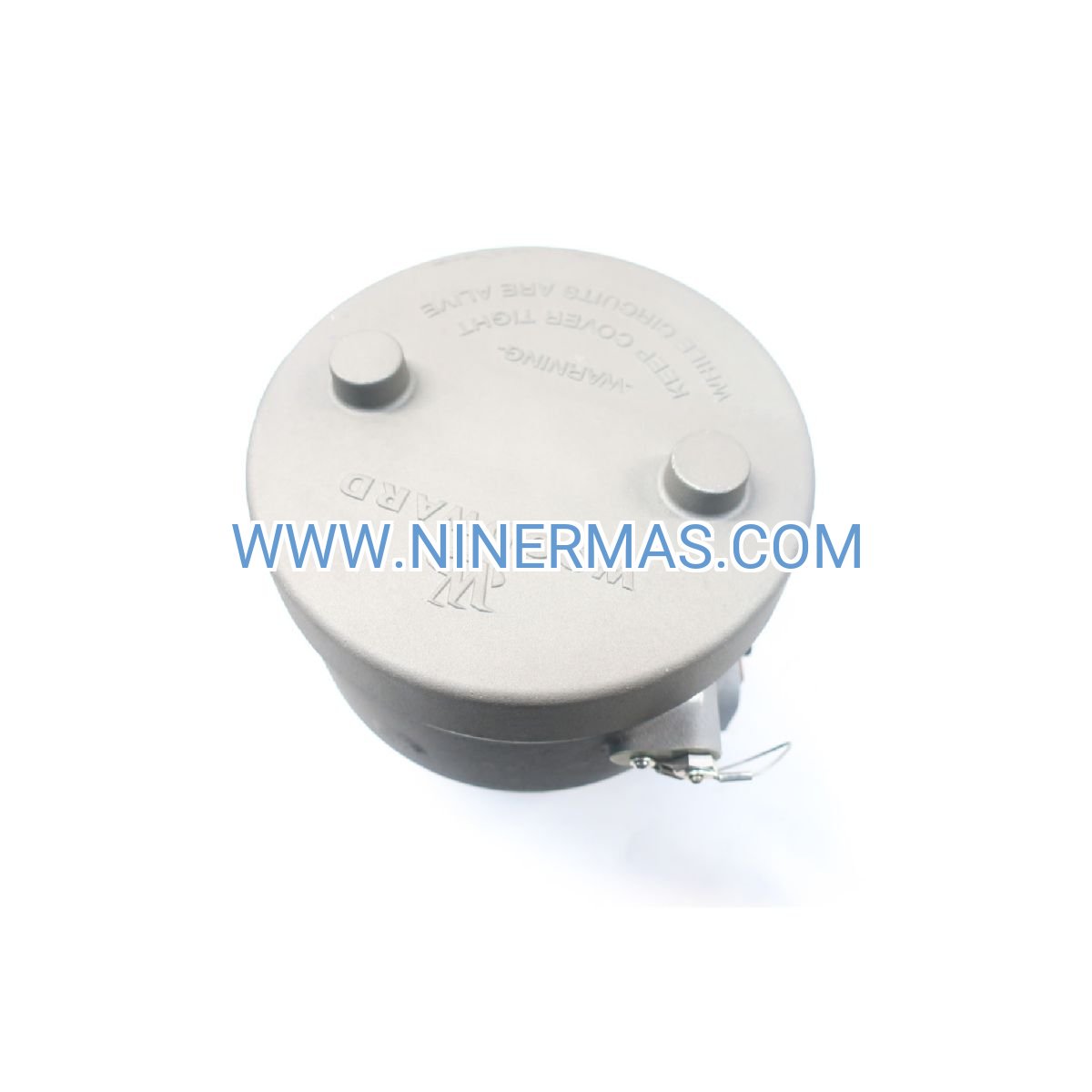
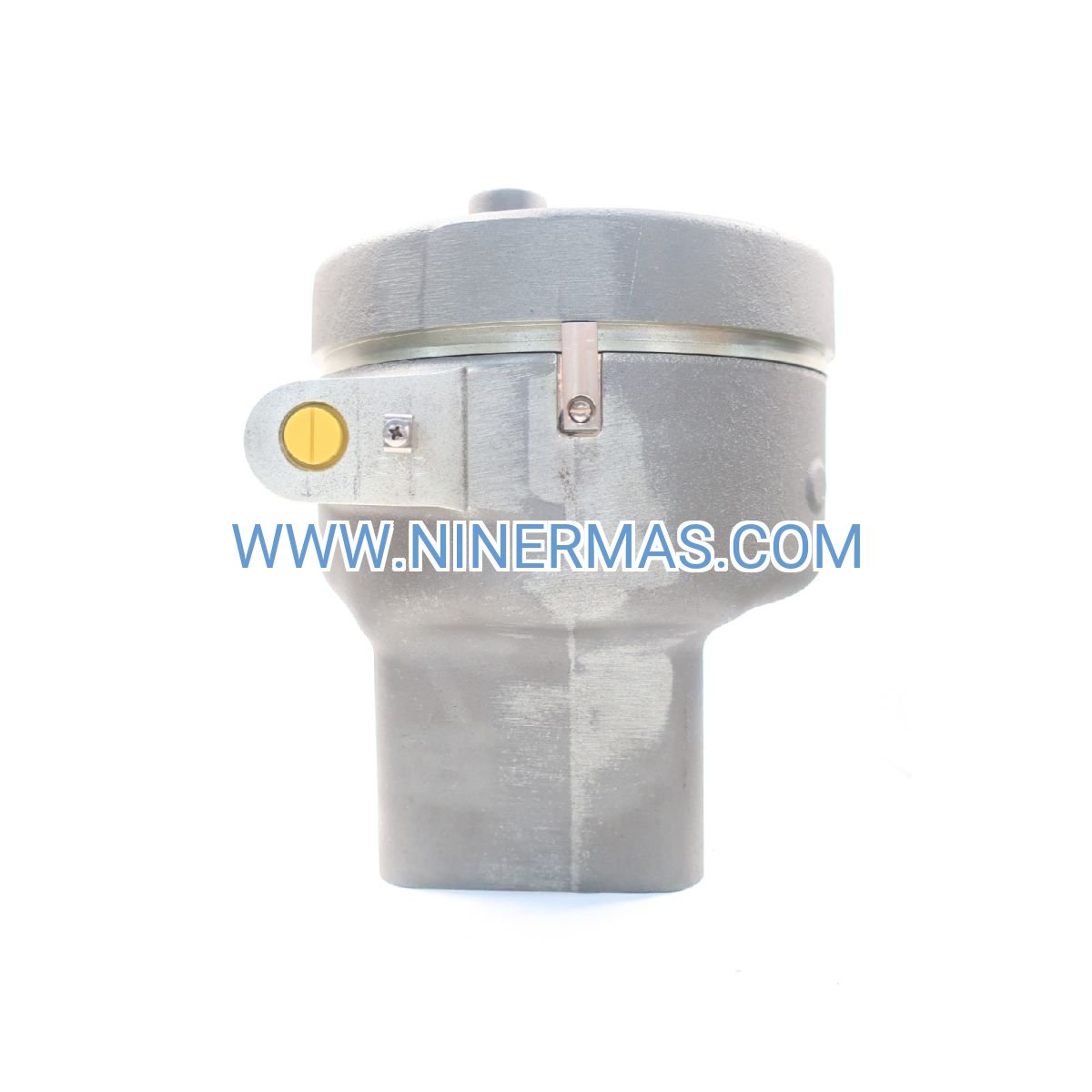
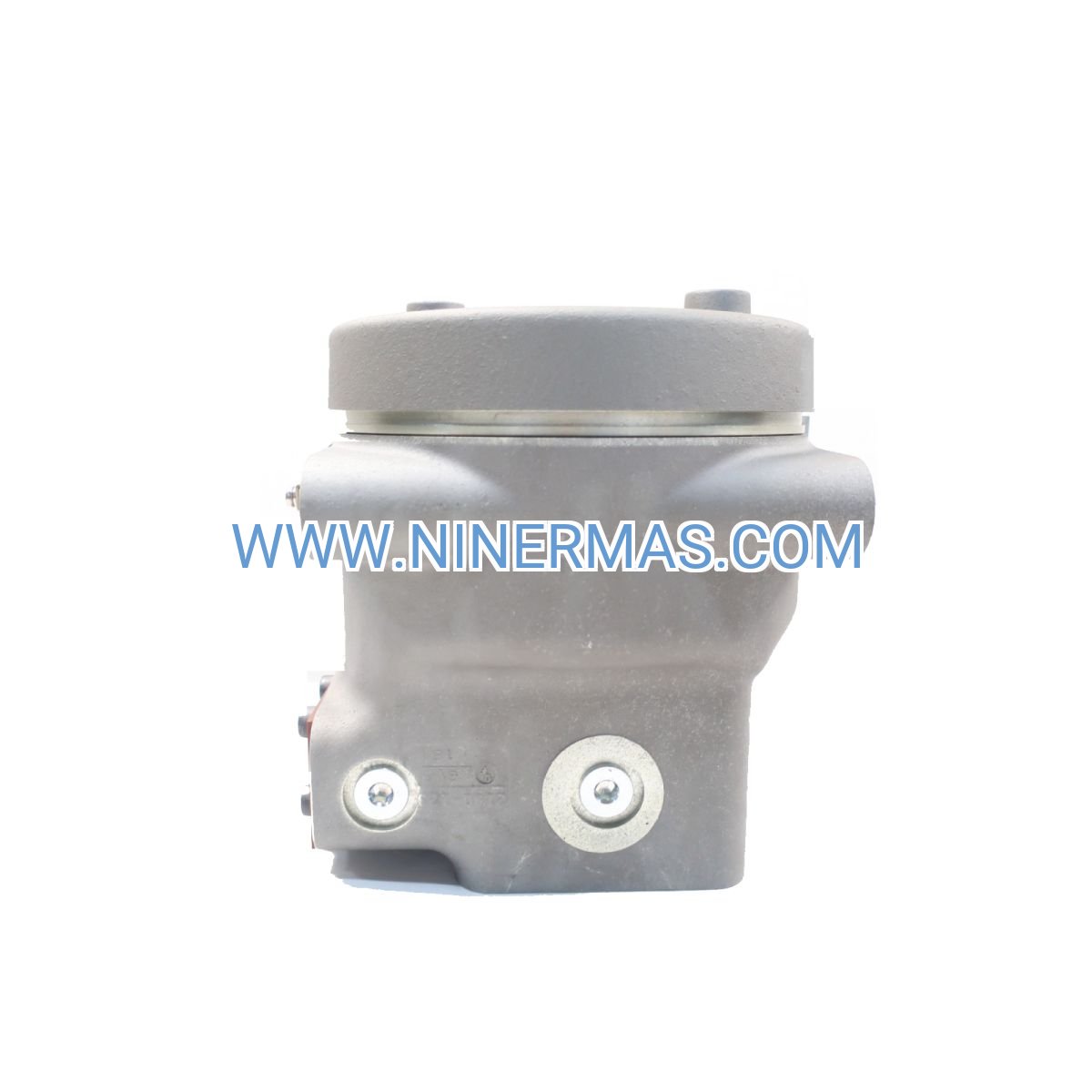
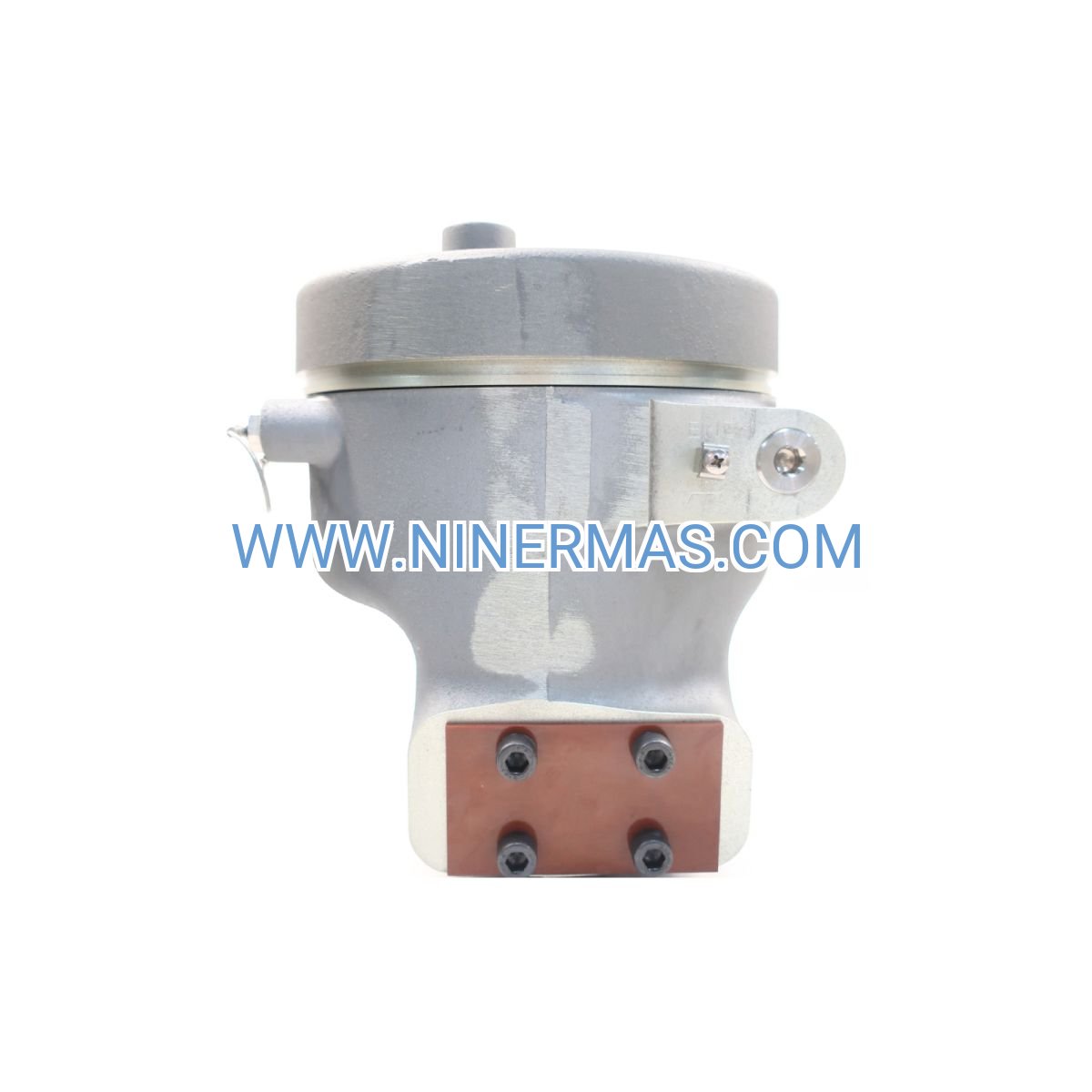
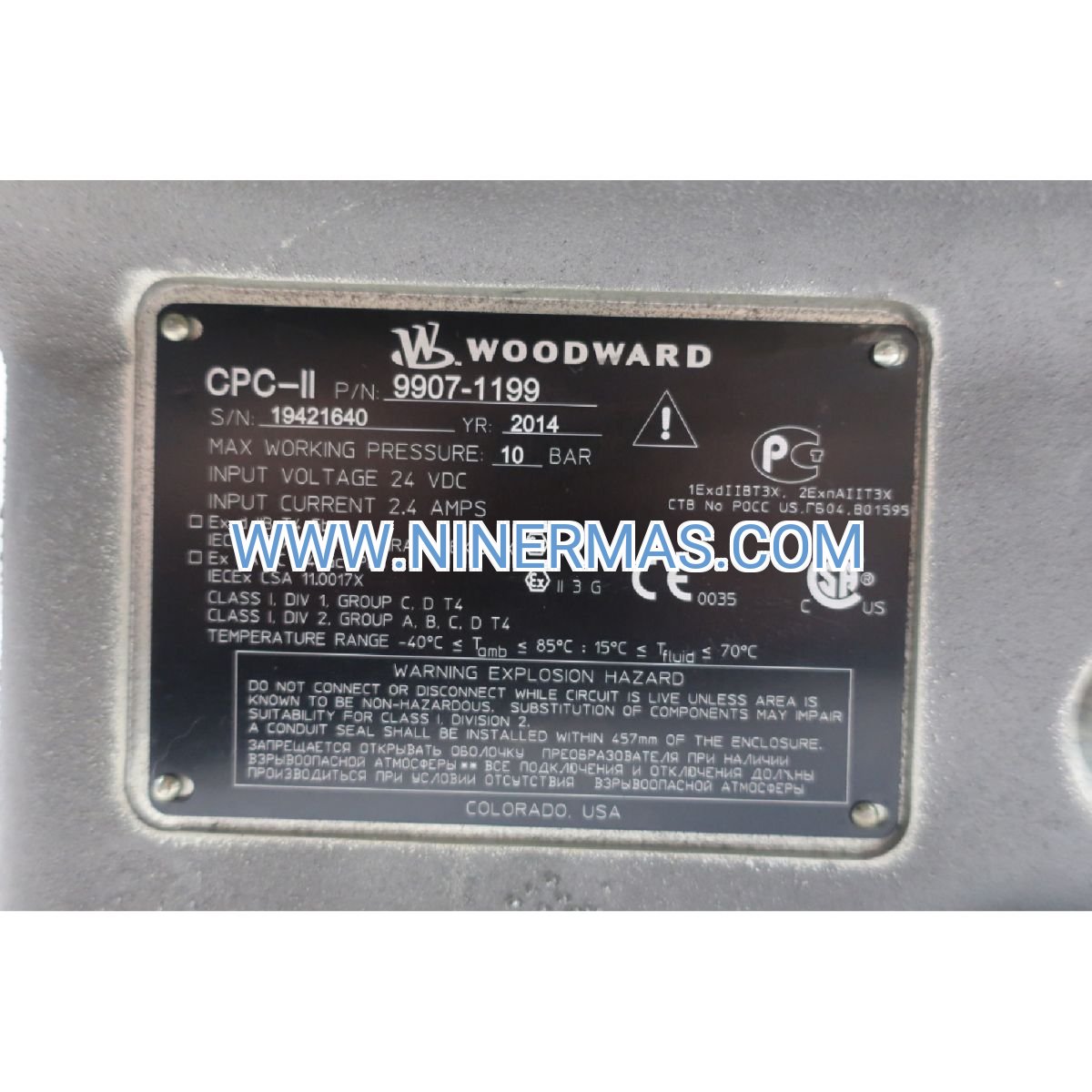
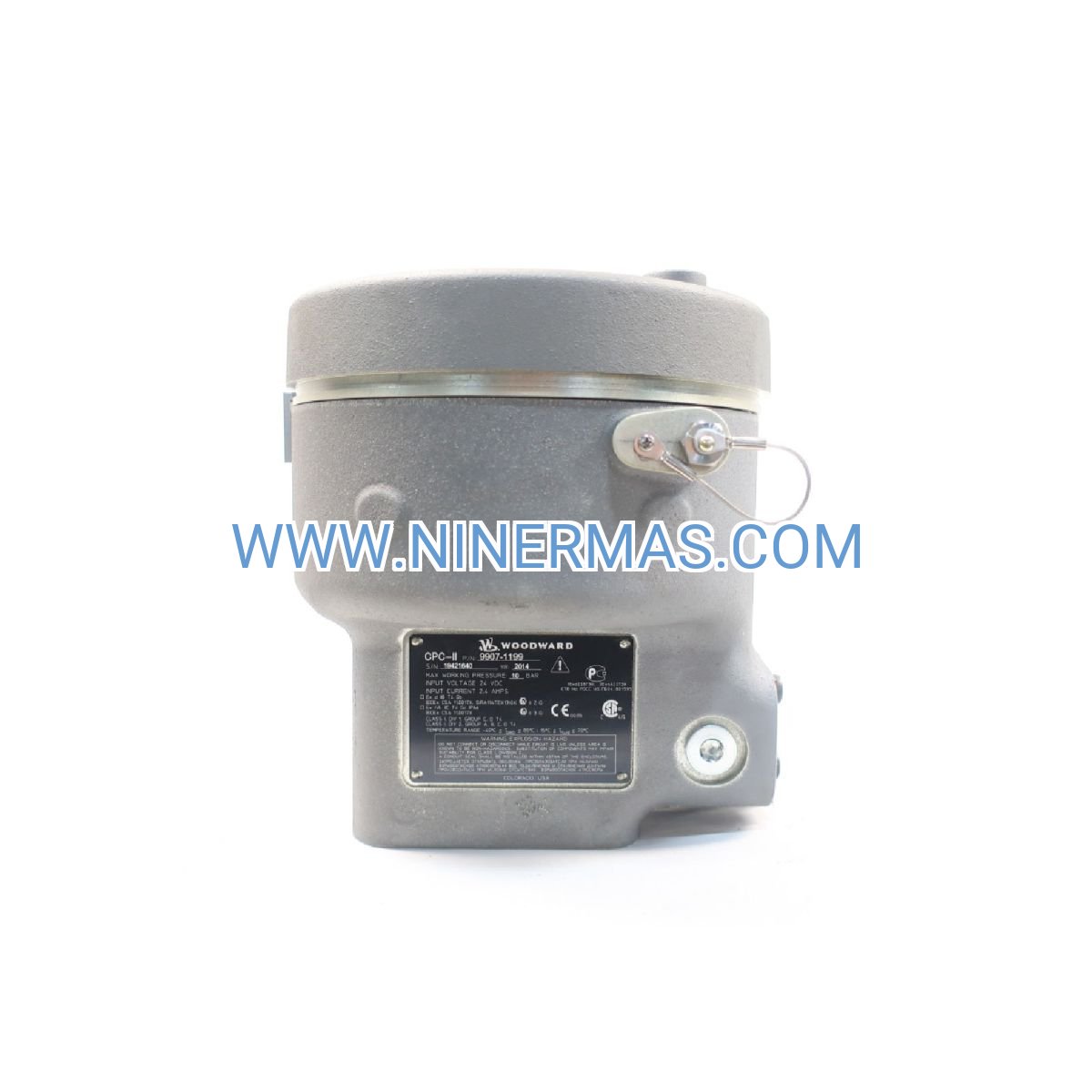
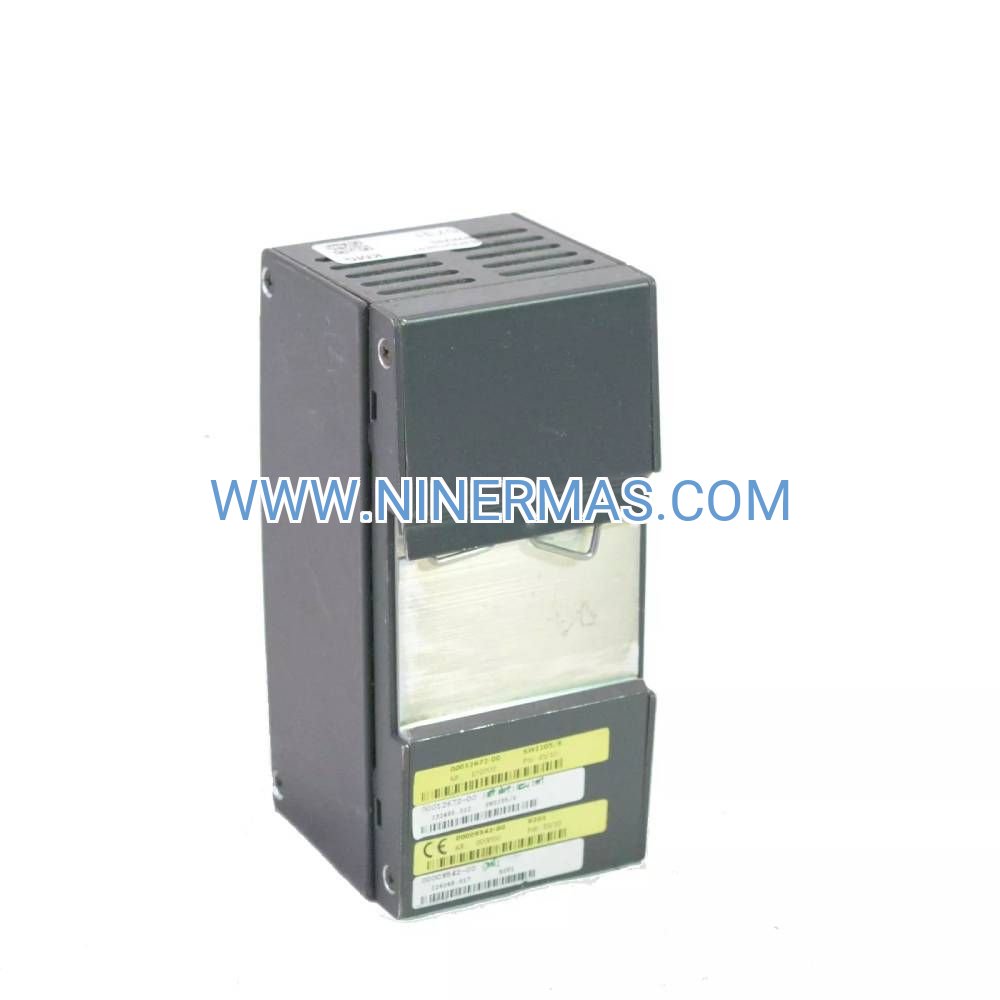
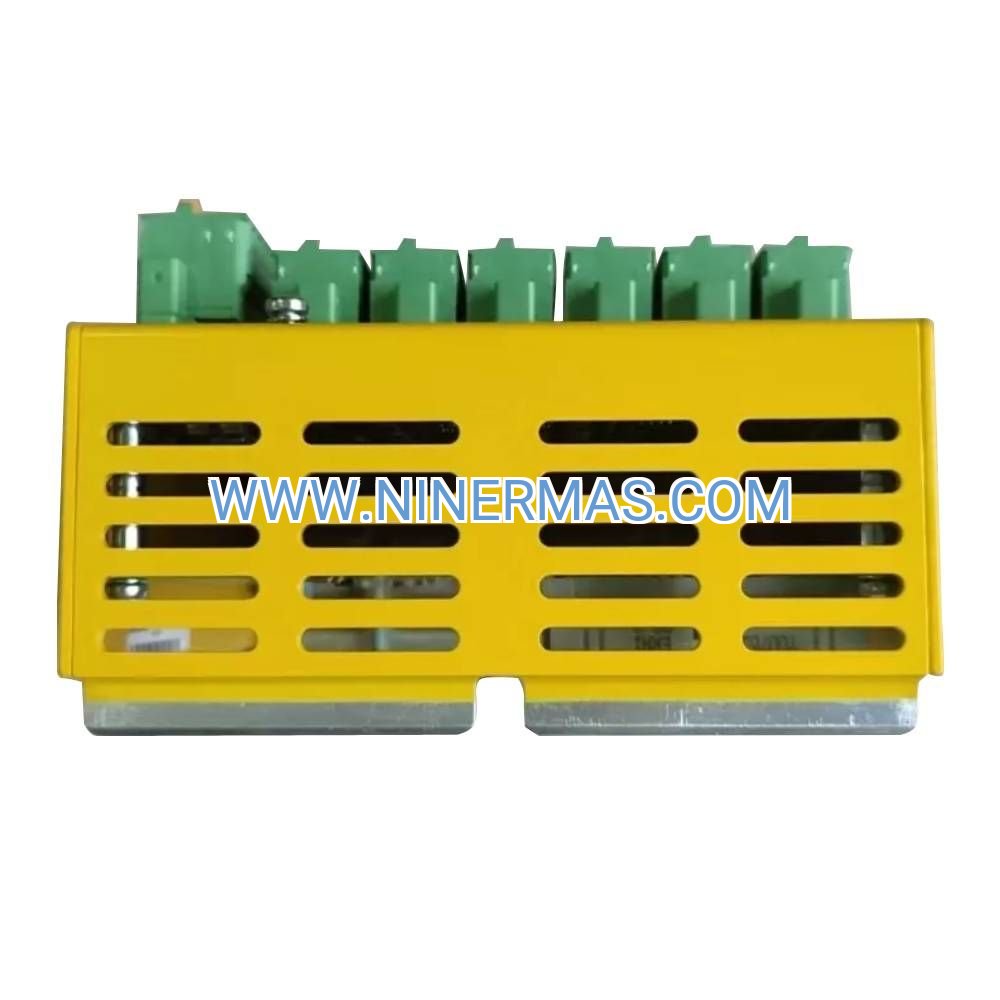
Woodward 9907-1199 CPC-II Electro-Pneumatic Transducer (Industrial-Grade I/P Converter)
The Woodward 9907-1199 CPC-II is a precision electro-pneumatic transducer engineered for critical steam turbine valve positioning applications in power generation and industrial process control environments. This current-to-pressure converter transforms standardized 4-20 mA electrical signals into proportional pneumatic outputs (3-27 psi), delivering the reliability and accuracy demanded by utility-scale turbine operations. Designed for seamless integration with legacy Woodward governors and modern DCS platforms, the 9907-1199 bridges electronic control intelligence with pneumatic actuator power, ensuring responsive valve modulation under all operating conditions.
Industrial facilities worldwide depend on this converter to maintain precise steam admission control, optimize thermal efficiency, and protect turbine assets from overspeed events. Whether retrofitting aging pneumatic systems or commissioning new combined-cycle installations, the CPC-II architecture provides proven performance with minimal maintenance requirements. Its rugged construction withstands harsh plant environments while maintaining calibration stability over extended service intervals, making it the preferred choice for mission-critical turbine control applications.
With sub-100-millisecond response times and ±0.5% accuracy across the full operating range, the 9907-1199 enables tight process control that translates directly to improved plant efficiency and reduced emissions. The fail-safe design ensures controlled turbine shutdown during electrical supply interruption, while the integral pressure regulator compensates for supply air fluctuations—delivering consistent valve positioning regardless of upstream conditions.
Core Features & Technical Advantages
→ Precision Signal Conversion: Converts 4-20 mA DC current loops to 3-27 psi pneumatic output with ±0.5% span accuracy, ensuring valve position corresponds exactly to control system commands for optimal turbine performance.
→ Rapid Dynamic Response: Achieves 90% output in under 100 milliseconds, enabling fast load changes and emergency shutdown sequences critical for grid stability and turbine protection.
→ Wide Environmental Operating Range: Functions reliably from -40°F to +185°F (-40°C to +85°C), accommodating outdoor installations, unheated enclosures, and high-temperature turbine deck environments without performance degradation.
→ Supply Pressure Independence: Integral regulator maintains stable output across 35-150 psi supply variations, eliminating the need for dedicated pressure regulation equipment and simplifying pneumatic system design.
✓ Fail-Safe Operation: Defaults to minimum output pressure upon electrical signal loss, triggering controlled turbine shutdown rather than uncontrolled overspeed—a critical safety feature for unmanned facilities.
✓ Field-Adjustable Calibration: External zero and span potentiometers allow technicians to match output characteristics to specific actuator requirements without disassembly, reducing commissioning time and enabling in-service tuning.
Industrial Application Scenarios
Utility Power Plant Steam Turbine Governors: In coal-fired and nuclear generating stations, the 9907-1199 translates governor output signals into precise steam valve positioning, maintaining generator frequency within ±0.01 Hz during load swings while maximizing thermal cycle efficiency.
Combined Cycle Gas Turbine (CCGT) Steam Sections: Controls heat recovery steam generator (HRSG) bypass valves and steam turbine admission valves in combined-cycle configurations, coordinating gas and steam turbine operation for optimal plant dispatch flexibility and rapid start capability.
Industrial Cogeneration Facilities: Manages steam extraction and admission valves in manufacturing plants with process steam demands, balancing electrical generation against thermal loads while maintaining stable process conditions regardless of production variations.
Turbine Control System Modernization: Replaces obsolete pneumatic positioners in retrofit projects, enabling integration of legacy mechanical-hydraulic governors with modern digital control systems without complete turbine control replacement—preserving capital investment while gaining diagnostic capabilities.
Distributed Control System (DCS) Integration: Serves as the pneumatic interface for Emerson DeltaV, Honeywell Experion, and ABB 800xA platforms controlling turbine auxiliaries, providing the current-loop compatibility required for centralized plant automation architectures.
Technical Parameters & Selection Guide
| Parameter | Specification |
|---|---|
| Input Signal Type | 4-20 mA DC current loop (2-wire or 3-wire) |
| Output Pressure Range | 3-27 psi (0.2-1.86 bar) proportional |
| Supply Air Requirements | 35-150 psi (2.4-10.3 bar), ISO 8573-1 Class 3 quality |
| Accuracy | ±0.5% of span (typical), ±1.0% maximum |
| Repeatability | ±0.25% of span |
| Response Time | <100 ms to 90% output (with 1 ft³ actuator volume) |
| Operating Temperature | -40°F to +185°F (-40°C to +85°C) |
| Electrical Connections | Screw terminals (14-22 AWG wire) |
| Pneumatic Ports | 1/4" NPT female (supply and output) |
| Housing Material | Aluminum alloy with epoxy coating |
| Enclosure Rating | NEMA 4 / IP65 (with cover installed) |
| Mounting Orientation | Any (performance unaffected by orientation) |
| Approximate Weight | 4 kg (8.8 lbs) |
Selection Criteria: Verify that your control system provides a 4-20 mA output with sufficient loop power (minimum 12 VDC at 20 mA). Confirm instrument air supply meets cleanliness standards—contaminated air will reduce service life and calibration stability. For actuators requiring output pressures beyond 27 psi, consider pneumatic amplifier relays. In high-vibration environments (>0.5g continuous), specify vibration-isolated mounting or consult factory engineering for reinforced variants.
Advanced Integration Capabilities
Digital Governor Compatibility: The 9907-1199 interfaces seamlessly with Woodward 505, 505E, and 2301A series digital governors, accepting their standard 4-20 mA valve position command outputs. This compatibility enables phased control system upgrades without pneumatic actuator replacement.
Redundant Control Architectures: Deploy multiple CPC-II units in parallel with selector valves for critical applications requiring N+1 redundancy. The independent operation of each converter ensures continued turbine control even during single-point failures.
Remote Monitoring Integration: While the 9907-1199 itself does not provide feedback signals, pairing it with pneumatic pressure transmitters enables closed-loop valve position verification and diagnostic trending through SCADA systems—identifying calibration drift before it impacts turbine performance.
Hazardous Area Deployment: For installations in Class I Division 2 environments, the converter operates safely when paired with appropriate intrinsic safety barriers on the 4-20 mA loop. Consult Woodward application engineering for barrier selection and wiring practices.
Delivery Timeline & Service Commitment
Standard Lead Time: In-stock units ship within 1-2 business days via express courier. Custom-configured variants (special output ranges, mounting brackets) require 2-3 weeks factory lead time.
Warranty Coverage: All Woodward 9907-1199 converters include a comprehensive 12-month manufacturer warranty against defects in materials and workmanship. Extended warranty programs available for critical service applications.
Technical Support: Access to certified industrial automation specialists for installation guidance, calibration procedures, and troubleshooting assistance. Phone and email support available during business hours, with emergency after-hours contact for critical plant outages.
Documentation Package: Each unit ships with installation manual, calibration procedure, dimensional drawings, and pneumatic/electrical connection diagrams. Replacement parts lists and recommended spare parts guidance included.
Frequently Asked Questions
Q: How does the 9907-1199 CPC-II integrate with existing Woodward turbine governors?
A: The converter accepts standard 4-20 mA output signals from Woodward 2301A, TG-13, 505, and 505E governors, making it ideal for control system modernization projects. Simply wire the governor's valve position command output to the CPC-II input terminals, and connect the pneumatic output to your existing actuator—no governor reprogramming required.
Q: What preventive maintenance schedule should be followed?
A: Inspect instrument air filter elements quarterly and replace when pressure drop exceeds 5 psi. Verify calibration accuracy annually using a precision current source and calibrated pressure gauge. Check electrical terminal tightness and pneumatic fitting integrity during scheduled turbine outages. The solid-state electronics require no routine maintenance beyond these inspections.
Q: Can this converter operate in outdoor or high-humidity environments?
A: Yes, the NEMA 4 / IP65 rated enclosure protects internal components from rain, snow, and condensation when the cover is properly installed. For coastal installations or chemical plant environments with corrosive atmospheres, consider additional protective coatings or stainless steel housing variants.
Q: What is the expected service life in continuous turbine control applications?
A: With proper instrument air filtration (ISO 8573-1 Class 3 or better) and environmental protection, expect 15-20 years of reliable operation. The absence of wearing mechanical components in the electronic section contributes to exceptional longevity. Pneumatic components may require rebuild after 10-12 years in high-cycle applications.
Q: How do I troubleshoot erratic valve positioning or calibration drift?
A: First verify instrument air quality—moisture or particulate contamination is the most common cause of performance issues. Check for air leaks in pneumatic connections and actuator diaphragms. Measure the 4-20 mA input signal with a multimeter to confirm the control system is providing correct commands. If air quality and electrical signals are confirmed good, recalibrate using the external zero and span adjustments per the installation manual.
Q: Is the 9907-1199 suitable for natural gas compressor or pump turbine applications?
A: Absolutely. While originally designed for steam turbine governors, the CPC-II architecture is equally effective in gas turbine fuel valve control, compressor anti-surge valve positioning, and pump turbine wicket gate actuation—any application requiring precise conversion of electronic control signals to pneumatic actuator pressure.
Ready to Optimize Your Turbine Control System?
Contact our industrial automation specialists today for application-specific guidance, technical specifications, and competitive pricing on the Woodward 9907-1199 CPC-II. Our team provides expert support for system design, installation planning, and integration with your existing control architecture. Fast global shipping ensures minimal downtime for retrofit projects and emergency replacements.
© 2026 NINERMAS COMPANY LIMITED. All rights reserved.
Original Source: https://ninermas.com
Contact: sale@ninermas.com | +0086 187 5021 5667

Contact Info
-
Address:22 / F, South Wo Hang building, 148 Wing Lok Street, Sheung Wan, Western District, Hong Kong
-
Phone:+8618750215667
-
Email: