Description
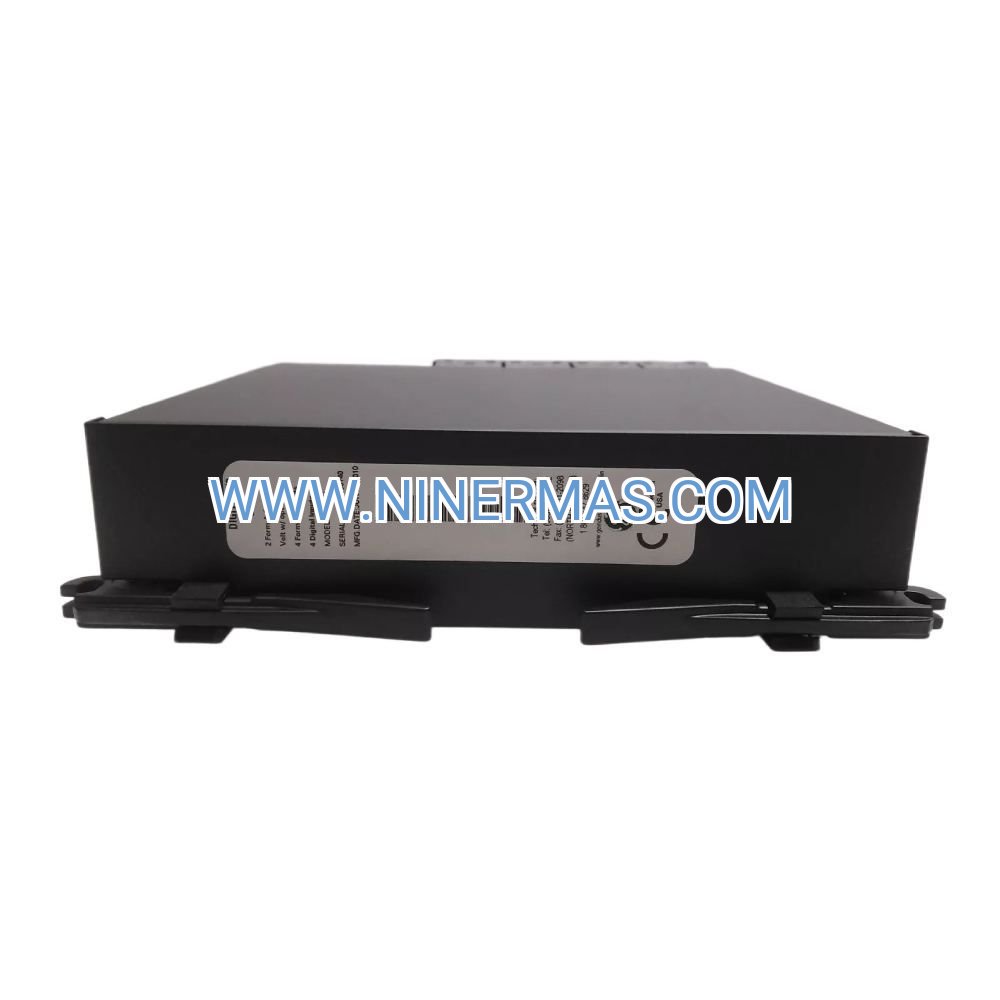
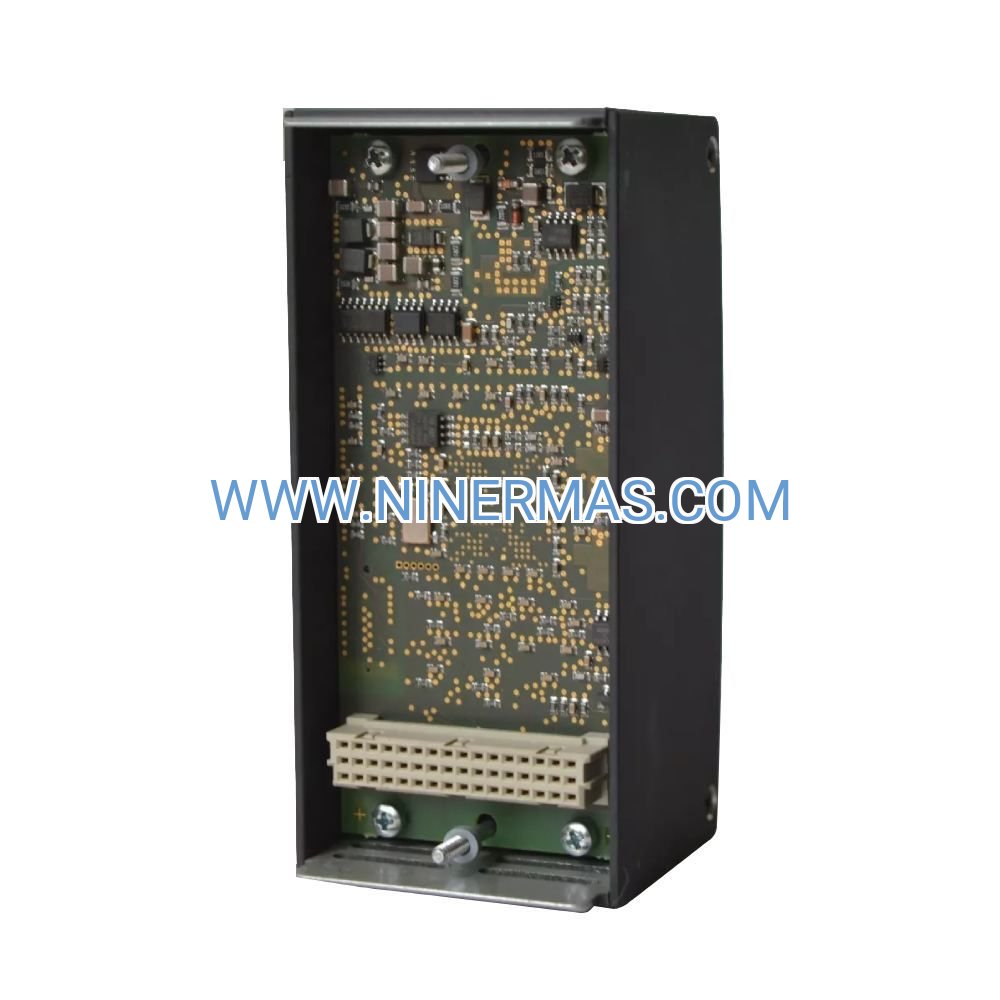
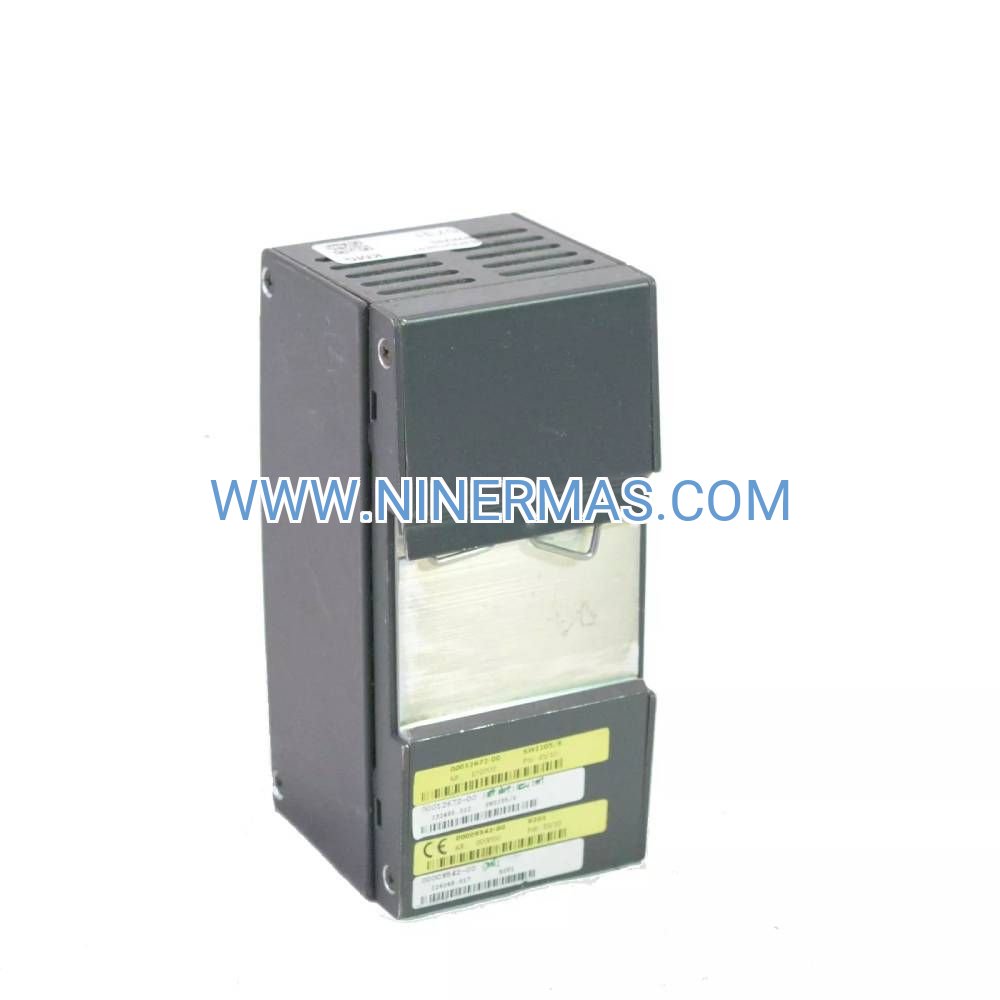
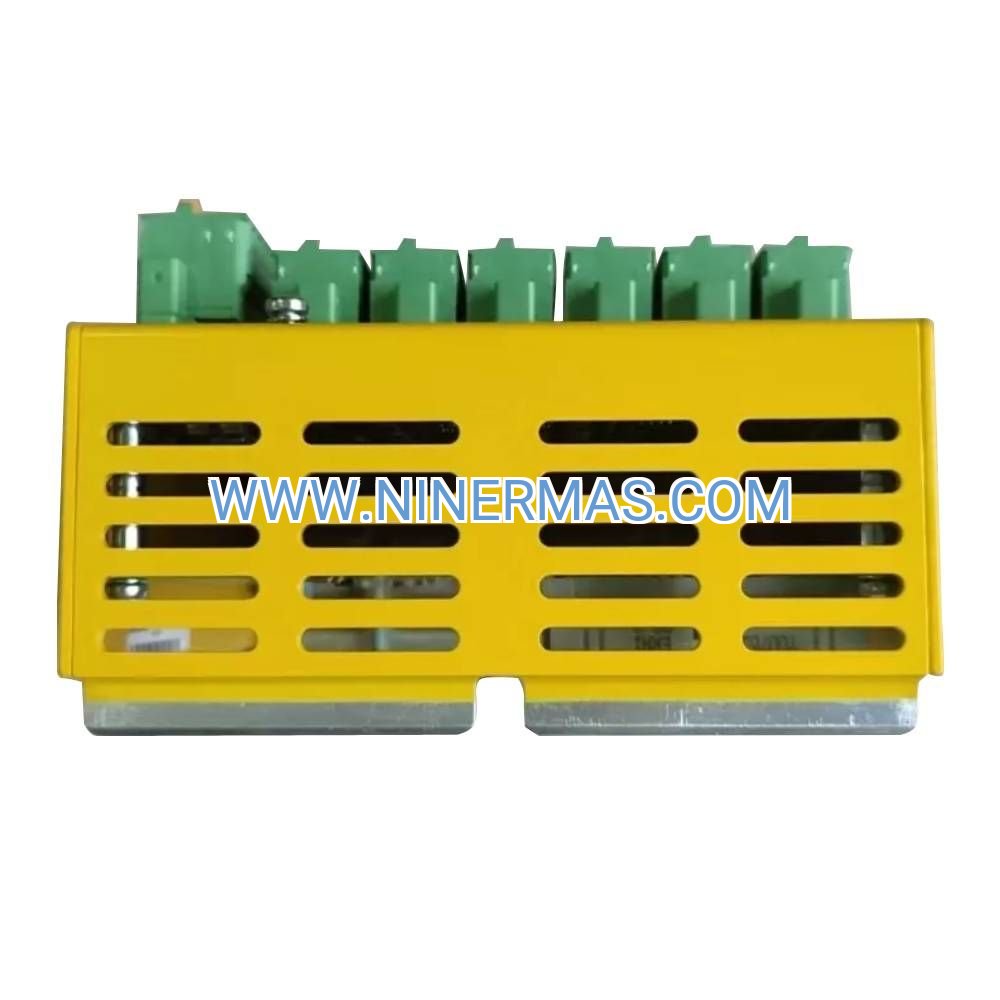
9905-976 DSLC Digital Synchronizer & Load Control (Industrial-Grade Generator Paralleling Solution)
The Woodward 9905-976 DSLC represents a proven digital synchronization and load management platform engineered for demanding multi-generator installations. This industrial control module delivers precise phase-matching, real-time load distribution, and comprehensive protective monitoring across utility-scale power generation, marine propulsion systems, and critical infrastructure applications. Designed for system integrators and facility operators requiring reliable paralleling control, the 9905-976 combines field-proven algorithms with flexible configuration options to optimize generator fleet performance.
Power generation facilities face constant challenges: maintaining grid stability during load transitions, balancing wear across multiple units, and ensuring seamless failover during utility outages. The 9905-976 DSLC addresses these operational demands through intelligent synchronization logic that minimizes mechanical stress during connection sequences while its adaptive load sharing algorithms prevent single-unit overload conditions. Ideal for data centers, industrial cogeneration plants, marine vessels, and microgrid operators who cannot tolerate power disruptions or inefficient fuel consumption.
Key advantages include ±5° synchronization accuracy for smooth paralleling, ±2% load sharing precision to extend equipment lifespan, Modbus RTU connectivity for SCADA integration, and -40°C to +70°C operating range for harsh environments. The module's DIN-rail mounting and 18-32 VDC input simplify retrofit installations while user-programmable parameters accommodate diverse generator specifications without hardware changes.
Core Features & Benefits
→ Advanced Phase-Matching Technology
Propretary synchronization algorithms monitor voltage magnitude, frequency differential, and phase angle in real-time, executing connection commands only when all parameters fall within configurable windows. This precision approach reduces mechanical shock to generator couplings and minimizes electrical transients that can trip protective relays, resulting in 40% fewer failed paralleling attempts compared to electromechanical synchronizers.
✓ Adaptive Load Distribution Control
Continuous monitoring of active (kW) and reactive (kVAR) power enables proportional load sharing across generators with different ratings. Adjustable droop compensation curves prevent hunting oscillations while maintaining ±2% sharing accuracy, translating to balanced runtime hours and reduced maintenance costs across your generator fleet.
✓ Multi-Protocol Communication Interface
Integrated Modbus RTU over RS-485 provides bidirectional data exchange with building management systems, remote monitoring platforms, and SCADA networks. Access real-time operational data, modify setpoints remotely, and log historical performance metrics without requiring proprietary software licenses.
→ Comprehensive Protective Monitoring
Built-in detection algorithms identify reverse power flow, over/under frequency conditions (±0.5 Hz sensitivity), voltage deviations (±10% adjustable), and incorrect phase rotation. Configurable trip delays and alarm outputs enable coordinated protective schemes that isolate faulted equipment while maintaining power to critical loads.
✓ Field-Configurable Operating Parameters
Front-panel interface or PC-based configuration tools allow technicians to adjust synchronization windows (voltage: ±5-15%, frequency: ±0.1-1.0 Hz, phase: ±5-30°), load sharing droop rates (2-10%), and protective setpoints without firmware updates. This flexibility supports diverse applications from 50 kW standby generators to multi-MW utility interconnections.
→ Industrial Environmental Qualification
Conformal-coated circuit boards and extended-temperature components ensure reliable operation in engine rooms, outdoor enclosures, and tropical climates. Vibration resistance meets marine classification society standards while IP20 panel-mount design protects against dust ingress in industrial control cabinets.
Application Scenarios
Mission-Critical Data Center Power
Coordinates 4-8 diesel generator sets in N+1 redundant configurations, maintaining 99.999% uptime for colocation facilities and cloud service providers. Automatic load shedding during single-unit failures prevents cascade shutdowns while balanced load sharing extends oil change intervals by 25% through equalized runtime distribution.
Industrial Cogeneration & Combined Heat Power
Manages parallel operation of gas turbine generators with utility grid connections in chemical plants, refineries, and manufacturing facilities. Seamless transitions between island mode (grid outage) and grid-tied operation maintain process continuity while export power control prevents reverse power penalties from utility providers.
Marine Propulsion & Ship Service Power
Controls paralleling of 2-6 medium-speed diesel generators supplying propulsion drives and hotel loads on cruise ships, ferries, and offshore support vessels. Dynamic load acceptance algorithms handle rapid load changes during thruster operation and heavy machinery startups without frequency excursions beyond ±0.3 Hz.
Renewable Hybrid Microgrids
Synchronizes diesel/gas generators with solar inverters and battery storage systems in remote mining operations, island communities, and telecom sites. Configurable ramp rates prevent generator cycling while maintaining grid stability as renewable output fluctuates throughout the day.
Healthcare & Emergency Services Facilities
Ensures reliable backup power for hospitals, 911 centers, and emergency operations centers through coordinated paralleling of standby generators. Monthly automatic testing sequences verify system readiness while load bank capabilities enable full-load validation without disrupting utility service.
Technical Parameters & Selection Guide
| Parameter | Specification | Notes |
|---|---|---|
| Control Power Input | 18-32 VDC (24V nominal) | Isolated input, 15W max consumption |
| Voltage Sensing Range | 50-600 VAC L-L | Auto-ranging, 50/60 Hz configurable |
| Synchronization Accuracy | ±5 electrical degrees | Adjustable window: ±5° to ±30° |
| Load Sharing Precision | ±2% of rated load | Active & reactive power control |
| Communication Ports | RS-485 Modbus RTU | 9600-115200 baud, RTU protocol |
| Digital Inputs | 8 configurable (24 VDC) | Remote start, emergency stop, etc. |
| Relay Outputs | 6 Form-C (SPDT) | 5A @ 250 VAC resistive |
| Operating Temperature | -40°C to +70°C | Conformal coated for harsh environments |
| Mounting | DIN rail or panel chassis | Standard 35mm DIN rail compatible |
| Dimensions (H×W×D) | 180 × 120 × 65 mm | Compact footprint for retrofit applications |
Selection Criteria: Choose the 9905-976 DSLC for applications requiring 2-8 generator paralleling with Modbus communication. For larger installations (8+ units) or Ethernet connectivity, consider the 9905-968 variant. Systems with legacy analog controls may require the 9907-028 SPM-A synchronizer for compatibility. Verify generator governor and AVR support for external load sharing signals (4-20mA or 0-10VDC) before specifying.
Extended Functions
Remote Monitoring & Diagnostics: Modbus register mapping provides access to 200+ data points including real-time voltage/frequency measurements, load sharing error percentages, synchronization attempt counters, and fault history logs. Third-party HMI systems can display custom dashboards showing generator fleet status, fuel consumption trends, and predictive maintenance alerts based on runtime hours.
Customizable Logic Programming: Advanced users can implement custom control sequences using the module's programmable digital inputs and relay outputs. Examples include automatic load shedding during peak demand periods, sequential generator startup based on load forecasting, and coordinated shutdown sequences that prevent motoring conditions.
Integration with Building Automation: BACnet gateways and OPC servers enable integration with Schneider Electric, Siemens, and Johnson Controls building management systems. Expose generator status to facility-wide dashboards alongside HVAC, lighting, and security systems for unified operational visibility.
Delivery & Service Assurance
Lead Time: Stock units ship within 3-5 business days via express courier. Custom-configured modules with pre-programmed parameters require 10-15 business days for factory setup and testing. International shipments include all necessary export documentation and HS code declarations for customs clearance.
Warranty Coverage: 12-month manufacturer warranty covers defects in materials and workmanship from date of shipment. Warranty includes free firmware updates, technical support via phone/email, and advance replacement service for critical applications (subject to credit approval).
Technical Support: Our application engineers provide pre-sale system design consultation, wiring diagram review, and commissioning assistance. Post-installation support includes remote troubleshooting via Modbus diagnostics, parameter optimization guidance, and on-site service coordination when required.
Documentation Package: Each unit ships with installation manual, quick-start guide, Modbus register map, CAD drawings (DXF/PDF), and sample ladder logic for common PLC integration scenarios. Downloadable resources include configuration software, firmware update utilities, and video tutorials.
Frequently Asked Questions
Q: How does the 9905-976 handle generators with unequal power ratings in load sharing mode?
A: The DSLC supports proportional load sharing through adjustable droop compensation curves. Configure each generator's droop percentage inversely proportional to its rating (e.g., 4% droop for 500 kW unit, 2% droop for 1000 kW unit) to achieve balanced loading. The module continuously adjusts governor raise/lower signals to maintain the configured load distribution ratio.
Q: Can I integrate the synchronizer with existing SCADA systems for remote power plant monitoring?
A: Yes, the RS-485 Modbus RTU interface provides standardized access to all operational parameters. Connect to Modbus-compatible RTUs, PLCs, or protocol converters (Modbus-to-Ethernet gateways) for integration with Wonderware, Ignition, or custom SCADA platforms. Register mapping documentation enables rapid integration without proprietary drivers.
Q: What synchronization speed can I expect when paralleling a generator to an energized bus?
A: Typical synchronization time ranges from 5-30 seconds depending on initial frequency offset and configured synchronization windows. Generators within ±0.2 Hz of bus frequency typically sync in under 10 seconds. The module's slip frequency control gradually adjusts generator speed to minimize synchronization time while preventing overshoot.
Q: Does the unit require specialized software for configuration or can I use the front panel?
A: Basic parameter adjustment (synchronization windows, load sharing droop, protective setpoints) is accessible via front-panel buttons and LCD display. Advanced features (custom I/O mapping, Modbus address assignment, data logging intervals) require the ServiceSuite configuration software (Windows-based, available as free download). USB-to-RS485 adapter needed for PC connection.
Q: How much panel space should I allocate for installation in a control cabinet?
A: The module requires 180mm (H) × 120mm (W) panel cutout with 65mm depth clearance behind the panel. Allow 50mm clearance on all sides for ventilation and wiring access. DIN rail mounting option reduces panel cutout requirements to rail mounting space only. Typical installation consumes 0.15 square meters of panel real estate including terminal blocks and circuit breakers.
Q: What level of energy efficiency improvement can I expect from implementing load sharing control?
A: Balanced load distribution typically improves fleet fuel efficiency by 8-15% compared to uncontrolled paralleling. Benefits result from operating all generators at optimal load points (60-80% rated capacity) rather than running some units at low-efficiency partial loads. Additional savings come from reduced maintenance costs through equalized runtime hours and minimized thermal cycling.
Take the Next Step
Ready to optimize your generator paralleling system? Contact our power systems specialists for application-specific recommendations, system design review, and competitive quotations. We provide complete turnkey solutions including control panels, communication gateways, and commissioning services.
Request a Quote: Email your single-line diagram and generator specifications to sale@ninermas.com
Technical Consultation: Call +0086 187 5021 5667 (8:00-18:00 CST, Monday-Friday)
Documentation Download: Visit https://ninermas.com for datasheets, CAD models, and configuration guides
© 2026 NINERMAS COMPANY LIMITED. All rights reserved.
Original Source: https://ninermas.com
Contact: sale@ninermas.com | +0086 187 5021 5667

Contact Info
-
Address:22 / F, South Wo Hang building, 148 Wing Lok Street, Sheung Wan, Western District, Hong Kong
-
Phone:+8618750215667
-
Email: