Description
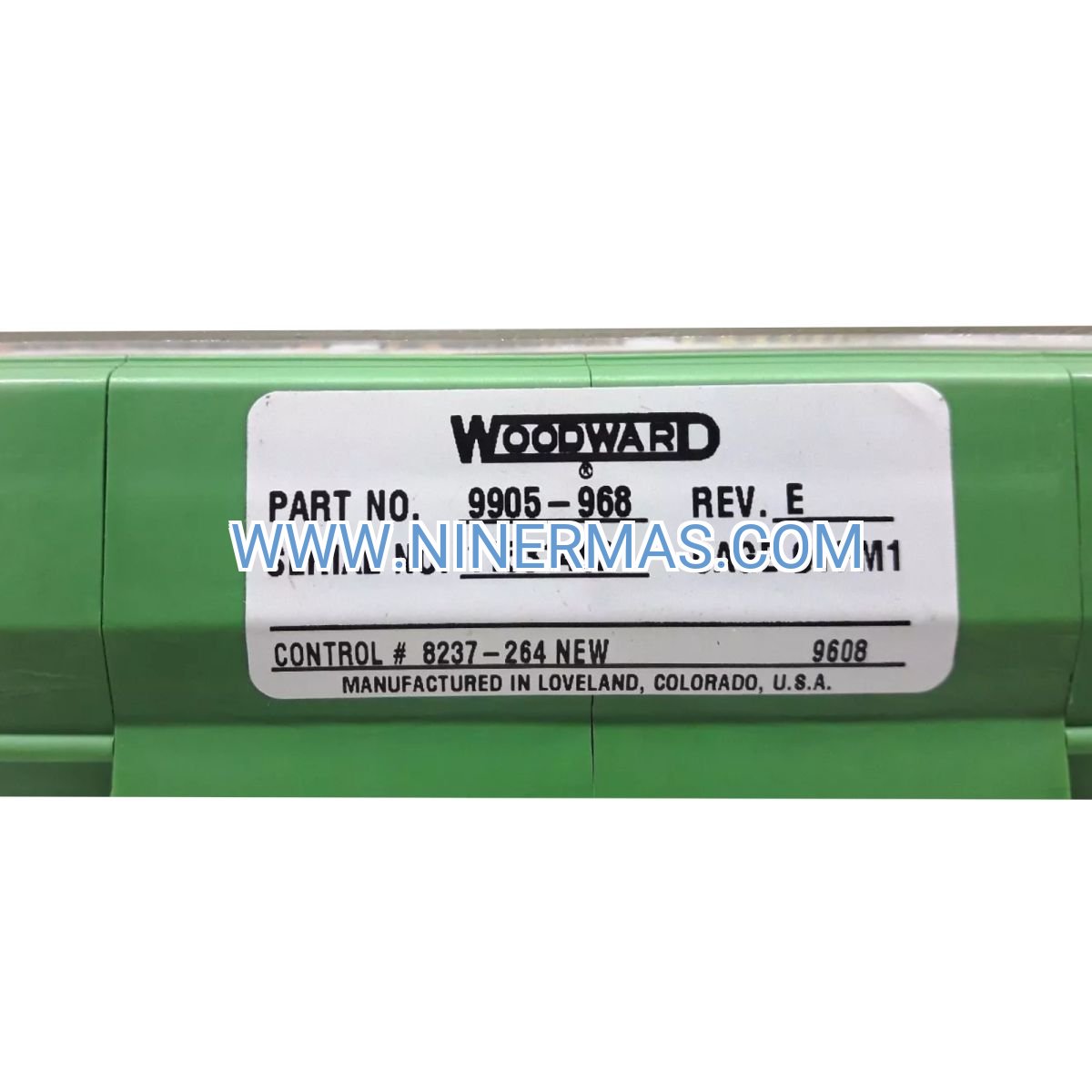
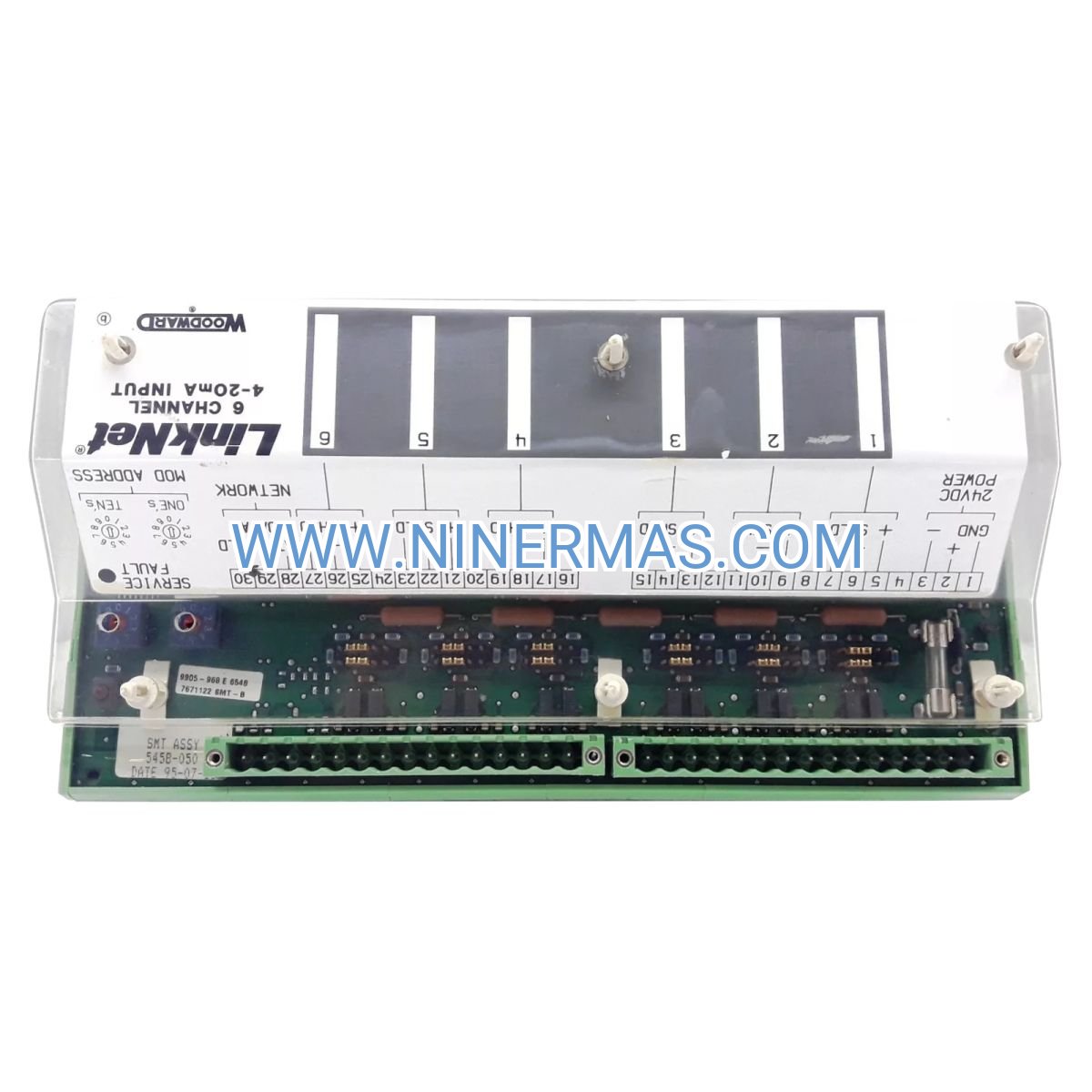
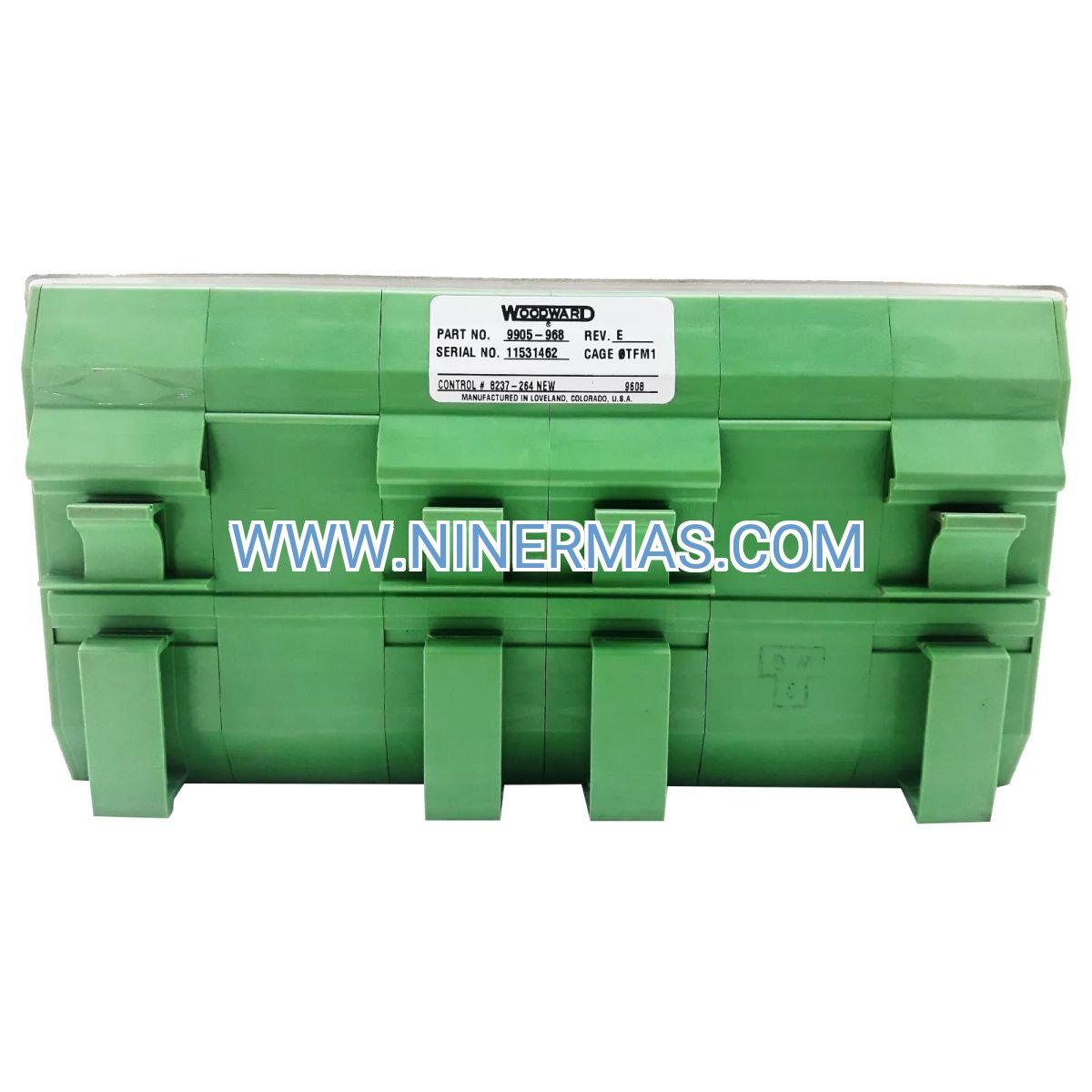
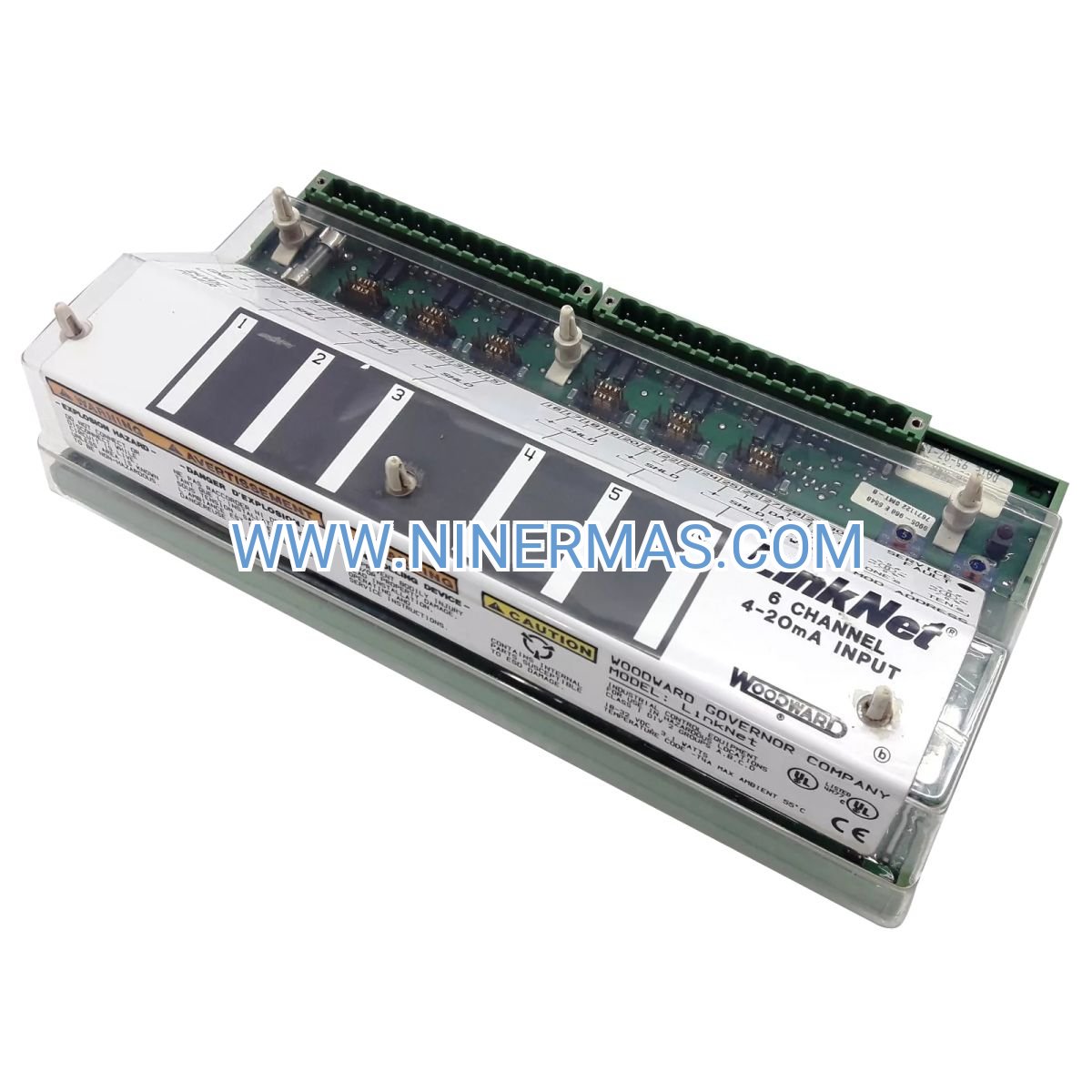
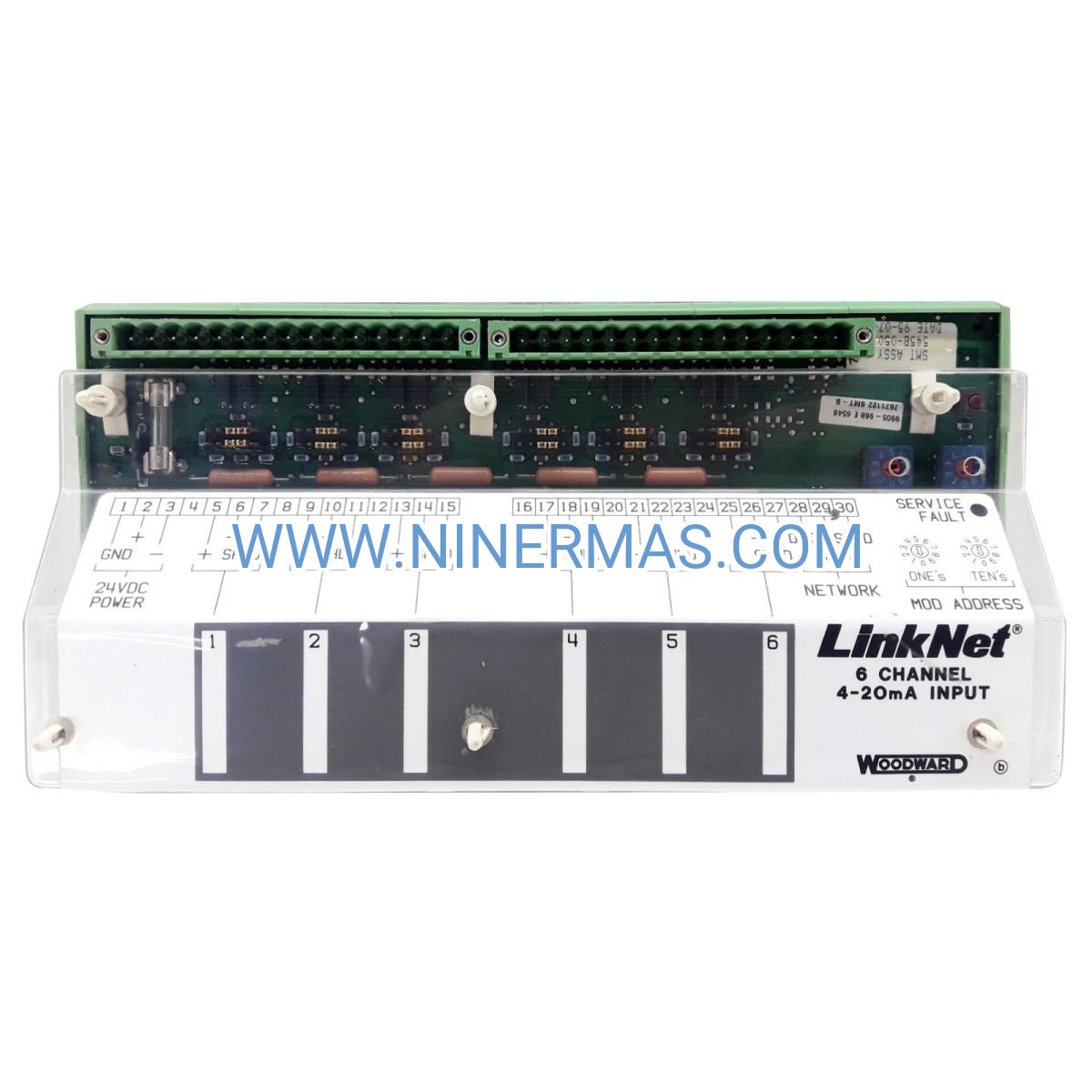
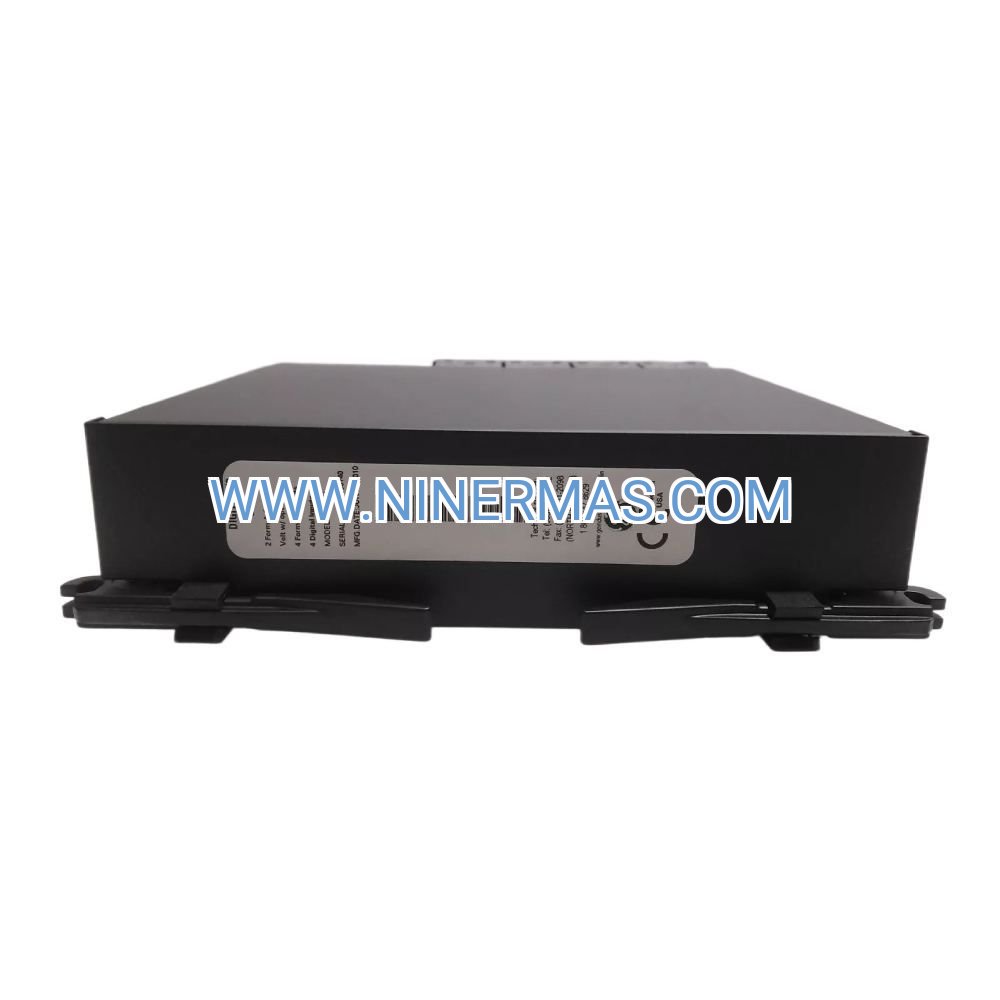
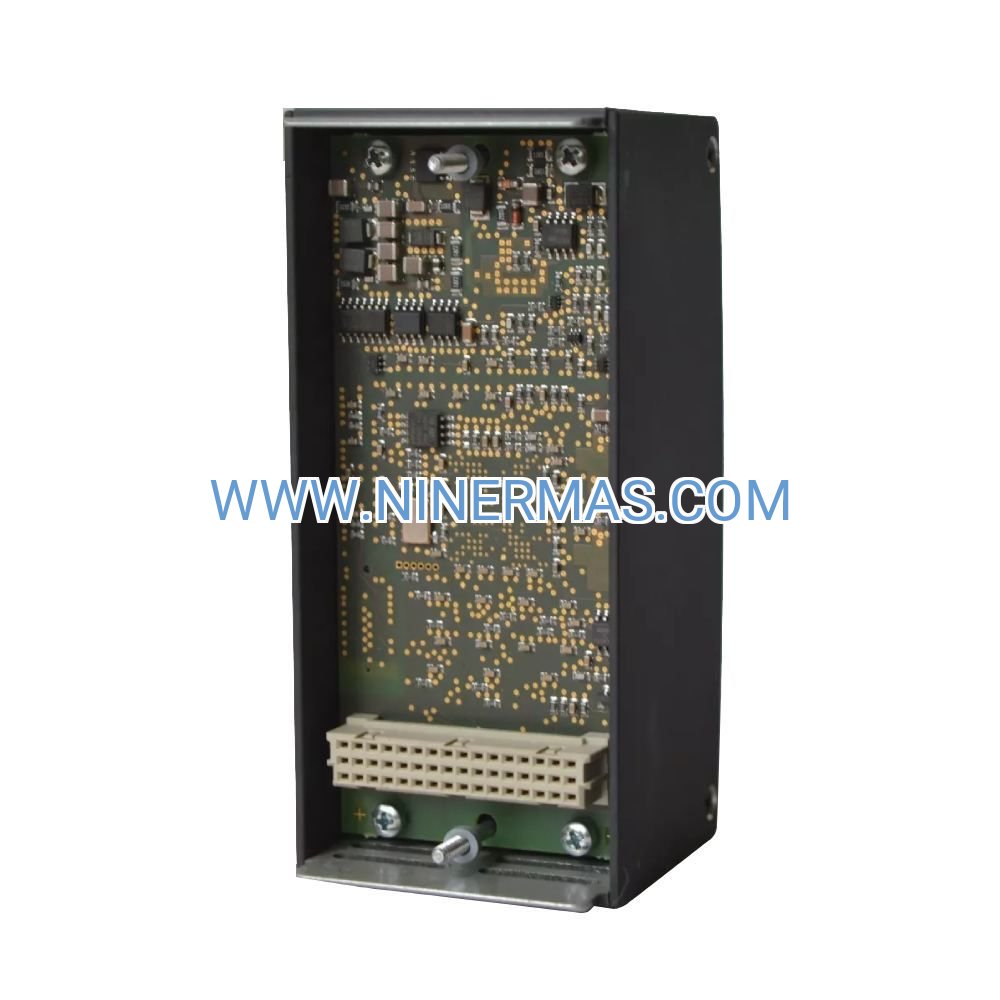
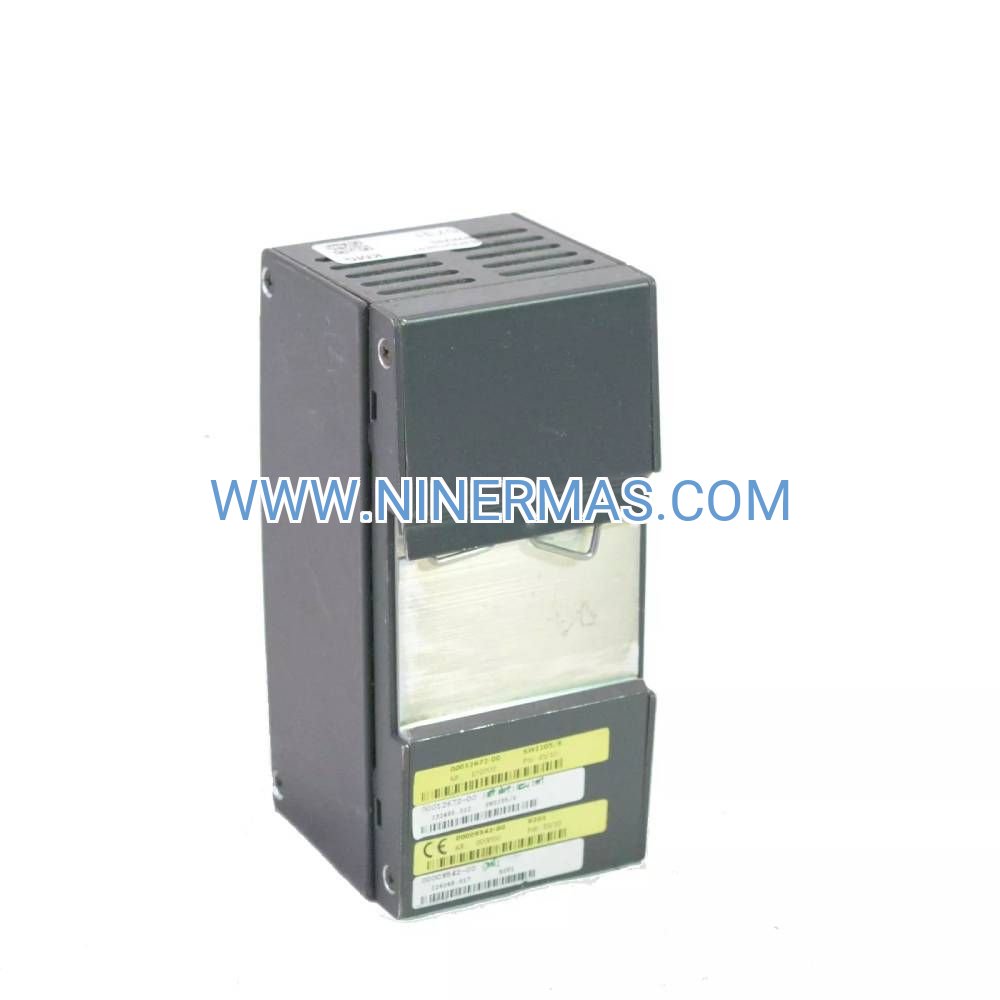
9905-968 DSLC Generator Synchronizer (Industrial-Grade Power Control)
The Woodward 9905-968 DSLC represents a breakthrough in digital synchronization technology for multi-generator power systems. This industrial-grade controller automates the complex process of paralleling generators with utility grids or other gensets, ensuring phase-perfect alignment and balanced load distribution across your entire power infrastructure.
Designed for facilities where power reliability is non-negotiable—from hospitals and data centers to offshore platforms and manufacturing plants—the 9905-968 eliminates manual synchronization risks while optimizing fuel efficiency through intelligent load sharing. Whether you're managing backup power systems, implementing peak shaving strategies, or building resilient microgrids, this module delivers the precision and reliability your operations demand.
With ±2 electrical degree synchronization accuracy and ±1% load sharing precision, the DSLC ensures smooth transitions between power sources, protects expensive generator assets from mechanical stress, and maintains stable voltage and frequency under dynamic load conditions. Ready to transform your power management strategy? Let's explore how this proven solution can enhance your system's performance.
Core Capabilities & Technical Advantages
✓ Precision Synchronization Engine: Automatically matches voltage magnitude, frequency, and phase angle within ±2 electrical degrees before closing breakers, preventing damaging transients and mechanical shock to generator components.
✓ Active & Reactive Load Sharing: Distributes real power (kW) and reactive power (kVAR) proportionally across parallel generators with ±1% accuracy, maximizing fuel efficiency and preventing overload conditions on individual units.
✓ Multi-Layer Protection Suite: Integrated safeguards against reverse power flow, over/under frequency deviations, voltage mismatches, and loss-of-synchronism events—automatically isolating faulty generators to protect the entire power system.
→ Flexible Communication Architecture: RS-485 Modbus RTU interface enables seamless integration with SCADA platforms, building management systems, and industrial PLCs for centralized monitoring and remote control capabilities.
→ Adaptive Breaker Logic: Programmable control sequences with configurable time delays accommodate various breaker types and system architectures, from simple paralleling to complex bus-tie configurations.
→ Real-Time Diagnostics Dashboard: Continuous monitoring of critical parameters—voltage, current, power factor, frequency, and synchronization status—with comprehensive fault logging and alarm outputs for predictive maintenance.
Industry Applications & Problem-Solving Scenarios
Critical Infrastructure & Healthcare: Hospitals, emergency response centers, and telecom facilities rely on the 9905-968 to orchestrate seamless transitions between utility power and backup generators during outages. The module's soft-loading algorithms prevent voltage sags that could disrupt sensitive medical equipment or communication systems, while load sharing ensures no single generator operates beyond its optimal efficiency range.
Marine & Offshore Energy: On ships, drilling platforms, and floating production facilities, the DSLC manages parallel operation of multiple diesel or gas gensets in isolated power systems. By dynamically adjusting load distribution based on fuel consumption curves and operational priorities, operators reduce fuel costs by 15-25% while maintaining redundancy for safety-critical systems.
Industrial Manufacturing & Processing: Production facilities use the 9905-968 for peak demand management, automatically bringing online additional generators during high-consumption periods to avoid utility demand charges. The module's reverse power protection prevents accidental export to the grid, while its fast synchronization capability minimizes production interruptions during power source transitions.
Renewable Hybrid Microgrids: In off-grid or grid-edge applications combining solar arrays, wind turbines, battery storage, and diesel generators, the DSLC acts as the orchestration layer. It synchronizes dispatchable generation with intermittent renewables, manages energy storage charge/discharge cycles, and maintains grid stability through frequency and voltage regulation—enabling 40-60% renewable penetration rates.
District Energy & Cogeneration: Combined heat and power (CHP) plants leverage the module's precise load control to optimize thermal and electrical output simultaneously. By coordinating multiple gensets with varying heat recovery capabilities, operators maximize overall system efficiency while meeting both electrical and thermal demand profiles.
Technical Specifications & Selection Criteria
| Control Voltage | 18-32 VDC (24 VDC nominal) |
| Frequency Compatibility | 50 Hz / 60 Hz (field configurable) |
| Sync Accuracy | ±2 electrical degrees |
| Load Share Precision | ±1% of rated generator capacity |
| Operating Range | -40°C to +70°C ambient |
| Communication Protocol | RS-485 Modbus RTU |
| Enclosure Rating | IP20 (panel-mount configuration) |
| Voltage Sensing | Requires external PT (potential transformers) |
| Current Sensing | Requires external CT (current transformers) |
Selection Guidelines: The 9905-968 is optimized for systems with 2-8 parallel generators ranging from 50 kW to 3 MW per unit. For applications requiring more than 8 gensets or advanced features like droop compensation and isochronous load sharing, consider the 9905-976 model. Smaller single-genset or simple paralleling applications may be adequately served by the 9905-377 variant. Ensure your system includes appropriate PT and CT sensors sized for your generator voltage and current ratings.
Advanced Integration & Customization Options
SCADA & Remote Monitoring: The module's Modbus interface exposes over 100 data points for integration with supervisory control systems. Configure custom alarm thresholds, create automated response sequences, and access historical trend data for energy audits and compliance reporting.
Programmable I/O Expansion: Digital inputs accommodate external signals such as utility failure detection, manual synchronization requests, or emergency shutdown commands. Configurable relay outputs can trigger external devices like fuel pumps, cooling systems, or annunciator panels based on operational states or fault conditions.
Load Management Strategies: Implement base-load, peak-shaving, or load-following control modes through software configuration. The module supports both isochronous (fixed frequency) and droop (load-dependent frequency) control philosophies to match your system architecture and operational objectives.
Delivery Timeline & Service Commitments
Standard Lead Time: 3-5 business days for in-stock units with factory-sealed packaging and full documentation suite.
Custom Configuration: 7-10 business days for units requiring pre-programmed settings, extended I/O modules, or specialized firmware versions.
Warranty Coverage: Comprehensive 12-month manufacturer warranty covering component defects, firmware issues, and hardware failures under normal operating conditions.
Technical Support: Lifetime access to application engineering team for configuration assistance, troubleshooting guidance, and system optimization recommendations. On-site commissioning services available upon request.
Documentation Package: Includes installation manual, wiring diagrams, Modbus register map, configuration software, and quick-start commissioning guide in digital format.
Frequently Asked Questions
How does the 9905-968 handle generators with different power ratings in parallel operation?
The DSLC employs proportional load sharing algorithms that distribute electrical load based on each generator's rated capacity. For example, in a system with a 500 kW and a 1000 kW genset, the module automatically allocates loads in a 1:2 ratio, ensuring neither unit operates outside its optimal efficiency range while maintaining system stability.
What communication capabilities does this synchronizer offer for remote monitoring?
The module features RS-485 Modbus RTU protocol, enabling integration with industrial SCADA systems, building automation platforms, and cloud-based monitoring services. Real-time data including voltage, frequency, power output, and synchronization status can be accessed remotely for operational visibility and predictive maintenance planning.
Can the 9905-968 synchronize with renewable energy sources like solar or wind?
Yes, the DSLC is fully compatible with grid-forming inverters used in solar PV and wind turbine systems. It can synchronize diesel/gas generators with renewable sources in hybrid microgrid configurations, managing transitions between generation sources while maintaining voltage and frequency stability within acceptable limits.
What installation requirements should I plan for when deploying this module?
The 9905-968 requires panel mounting in a climate-controlled environment (IP20 rating), 24 VDC control power, and external voltage/current sensing via PT and CT transformers sized for your generator specifications. Typical installation also includes breaker control wiring, communication cabling for Modbus network, and integration with generator control panels.
Does the synchronizer support automatic startup sequences for backup power systems?
Absolutely. The module can be configured to automatically detect utility power loss, initiate generator startup sequences, perform synchronization checks, and close breakers to transfer load—all without operator intervention. Programmable time delays and safety interlocks ensure controlled transitions that protect both generators and connected loads.
What diagnostic capabilities are built into the 9905-968 for troubleshooting?
The DSLC maintains a comprehensive fault log recording synchronization failures, protection trips, communication errors, and abnormal operating conditions with timestamps. LED indicators provide real-time status feedback, while the Modbus interface allows remote access to diagnostic data for rapid troubleshooting and root cause analysis.
Take the Next Step Toward Reliable Power Management
Ready to eliminate synchronization challenges and optimize your multi-generator system? Our application engineering team is standing by to discuss your specific power requirements, recommend optimal configuration settings, and provide detailed technical specifications tailored to your facility.
Contact us today: Share your system architecture details, generator specifications, and operational objectives to receive a customized implementation plan with pricing, lead times, and commissioning support options.
© 2026 NINERMAS COMPANY LIMITED. All rights reserved.
Original Source: https://ninermas.com
Contact: sale@ninermas.com | +0086 187 5021 5667

Contact Info
-
Address:22 / F, South Wo Hang building, 148 Wing Lok Street, Sheung Wan, Western District, Hong Kong
-
Phone:+8618750215667
-
Email: