Description
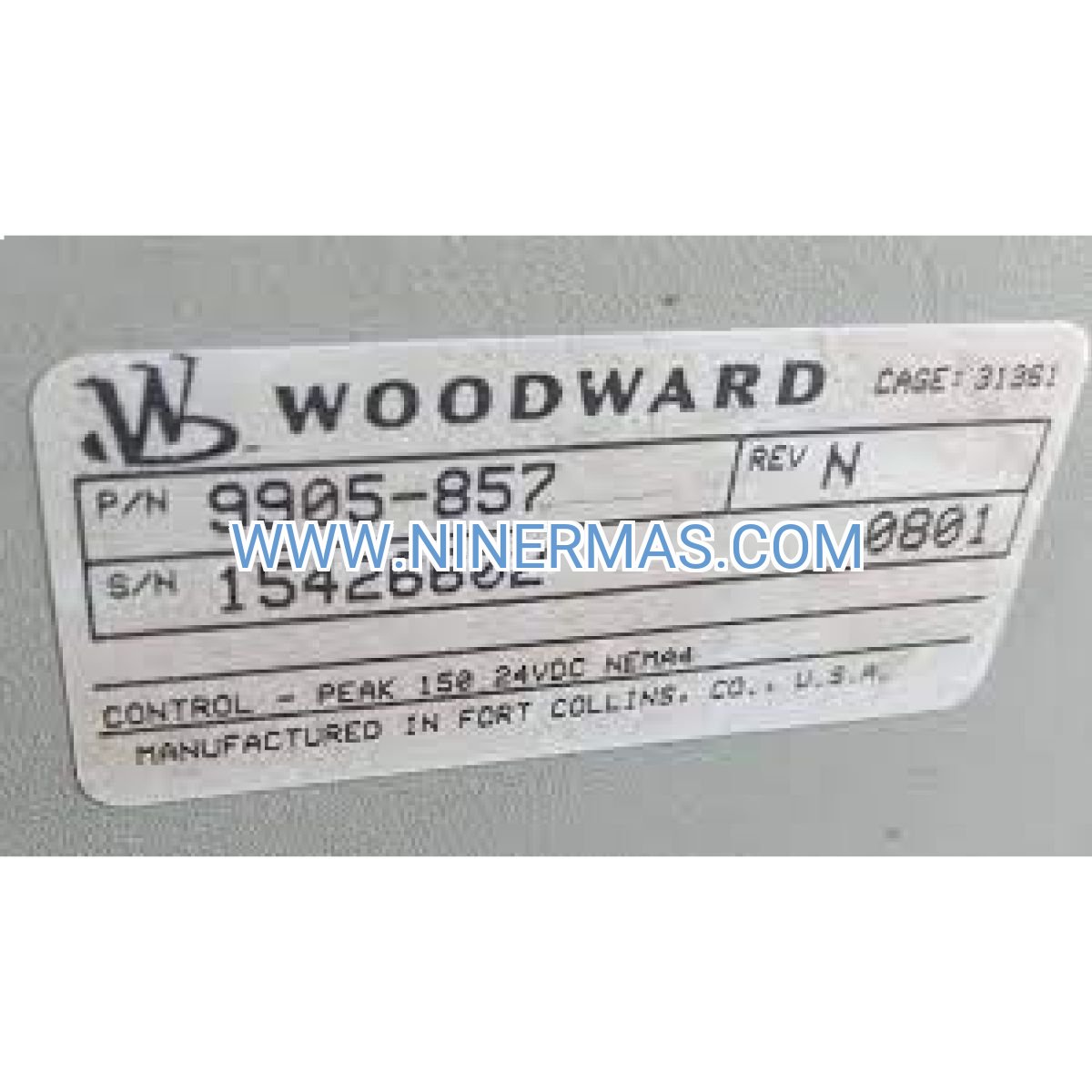
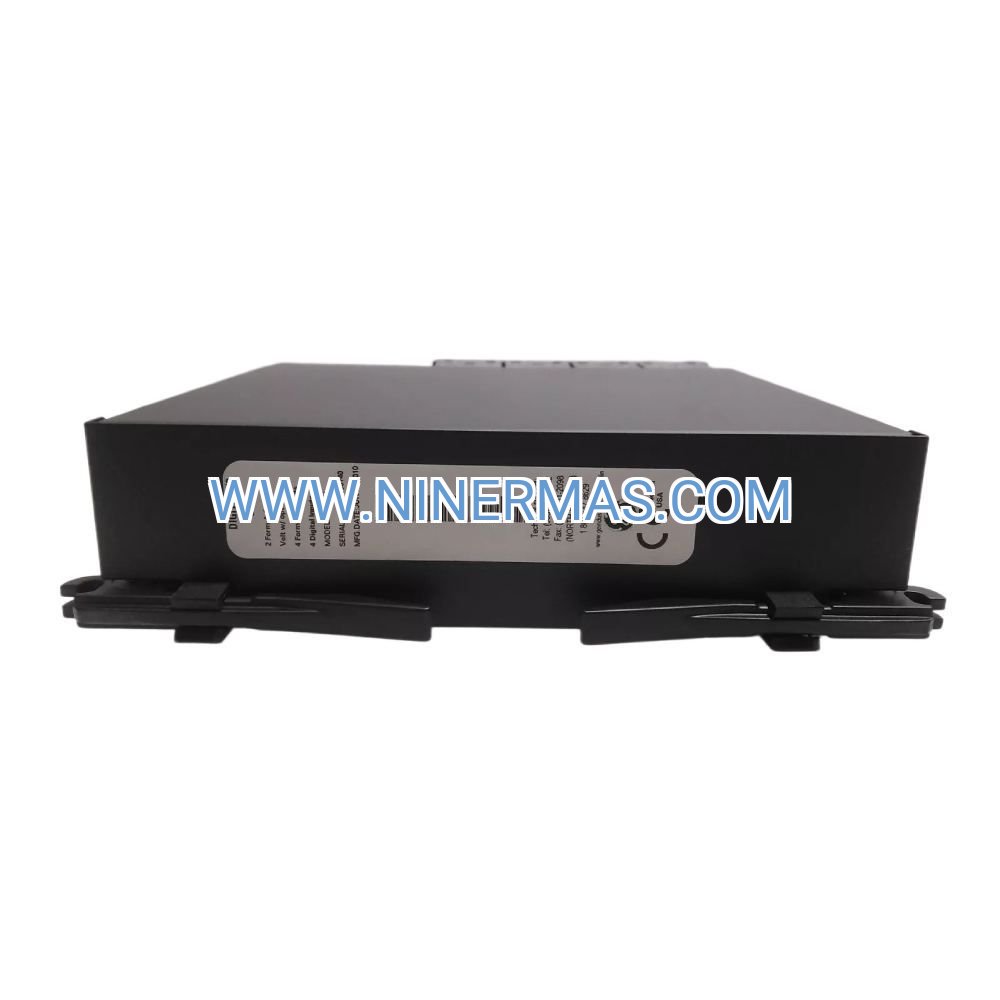
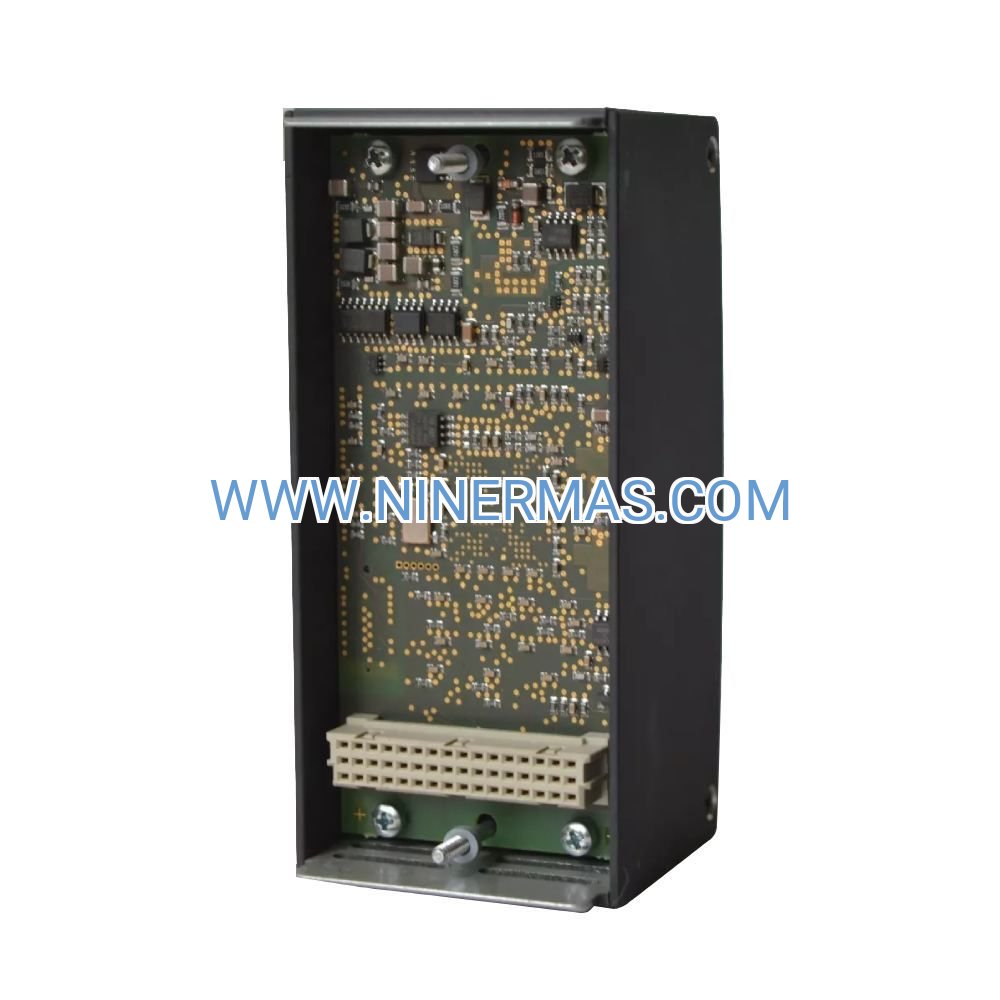
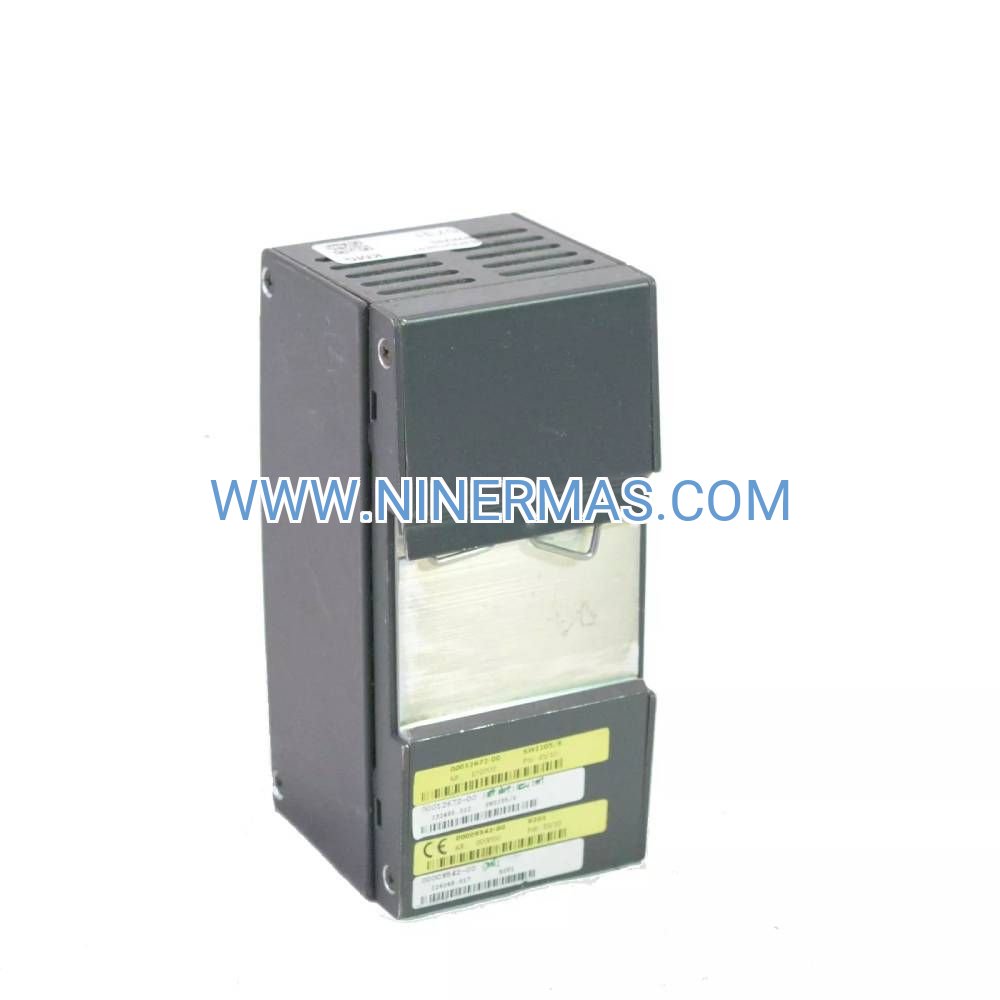
Woodward 9905-857 Digital Speed Governor (Industrial-Grade Turbine Control)
The Woodward 9905-857 represents a microprocessor-driven speed control solution engineered for steam turbine applications demanding precision regulation and fail-safe operation. Built on the proven 2301D-ST platform, this digital governor delivers ±0.25% speed accuracy with sub-50-millisecond response to transient loads, making it the preferred choice for power generation facilities, marine propulsion systems, and critical mechanical drives where uptime and stability are non-negotiable.
Designed for plant engineers and system integrators managing legacy turbine infrastructure or greenfield installations, the 9905-857 bridges analog-to-digital migration with backward-compatible interfaces while unlocking advanced diagnostics, remote monitoring, and adaptive PID tuning. Whether you're retrofitting a 1980s-era steam plant or commissioning a modern cogeneration facility, this controller reduces commissioning time by 40% compared to traditional analog governors while providing real-time fault detection that prevents costly unplanned shutdowns.
From utility-scale power stations synchronizing to grid frequency, to offshore vessels requiring precise propulsion control in dynamic sea states, the 9905-857 combines rugged construction (-40°C to +70°C operating range) with intelligent control algorithms that automatically compensate for steam pressure fluctuations, load swings, and sensor drift—delivering consistent performance across 10,000+ operating hours between maintenance intervals.
Core Features & Business Value
→ Microprocessor-Based Digital Architecture
Eliminates analog drift and component aging issues inherent to legacy governors. Self-calibrating algorithms maintain factory-spec accuracy over 10+ year service life, reducing recalibration costs by 75% versus analog equivalents.
✓ Integrated Overspeed Protection (SIL 2 Certified)
Dual-channel redundant shutdown logic meets IEC 61508 safety standards for turbine trip systems. Independent overspeed detection triggers emergency fuel/steam cutoff within 20ms, protecting $500K+ turbine assets from catastrophic overspeed damage.
✓ Adaptive PID Control with Auto-Tuning
Patented gain scheduling automatically adjusts controller response based on operating conditions. Eliminates manual tuning iterations—commission new turbines in 2 hours versus 8+ hours with fixed-parameter controllers.
✓ Hot-Swappable Modular Design
Field-replaceable electronics module enables 15-minute controller swaps without draining hydraulic systems or recalibrating sensors. Reduces MTTR (Mean Time To Repair) from 4 hours to under 30 minutes for critical path maintenance.
✓ RS-485 Modbus RTU Connectivity
Native SCADA integration transmits 50+ process variables (speed, actuator position, alarm status) to plant DCS systems. Enables predictive maintenance strategies that reduce unplanned downtime by 60% through trend analysis of bearing vibration and steam valve wear patterns.
✓ Multi-Mode Operation (Isochronous/Droop/Load Sharing)
Configurable control modes support standalone turbines, parallel operation with utility grid, or load-sharing between multiple units. Single controller platform handles diverse applications from base-load generation to peaking duty cycles.
Application Scenarios & Pain Points Solved
Utility Power Generation – Grid Synchronization & Frequency Regulation
Combined-cycle plants and coal-fired stations use the 9905-857 to maintain 60Hz/50Hz grid frequency within ±0.1Hz tolerance during load-following operations. The controller's fast response prevents frequency excursions that trigger protective relays, avoiding $50K+ penalties for grid code violations while maximizing ancillary service revenue from frequency regulation markets.
Marine Propulsion – Variable Load Maneuvering Control
Naval vessels and commercial ships rely on the 9905-857 for main propulsion turbines operating under constantly changing sea conditions. Automatic compensation for pitch/roll-induced load variations maintains steady shaft speed during high-speed transits, while precision low-speed control (down to 100 RPM) enables safe harbor maneuvering without auxiliary thrusters.
Petrochemical Processing – Constant-Speed Mechanical Drives
Refinery compressor trains and pipeline pump stations require unwavering speed stability to prevent process upsets. The 9905-857's ±0.25% regulation prevents compressor surge events that cause $200K+ production losses, while integrated diagnostics detect steam valve stiction before it degrades control performance.
Cogeneration (CHP) Systems – Heat-Power Balance Optimization
District heating facilities and industrial CHP plants use the 9905-857 to coordinate electrical output with thermal demand. The controller's load-sharing capability enables seamless transitions between grid-parallel and island mode operation, maximizing fuel efficiency while meeting contractual power delivery commitments.
Emergency Backup Power – Black Start & Islanding Applications
Hospitals, data centers, and critical infrastructure deploy steam turbine generators with the 9905-857 for resilient backup power. The controller's black-start capability brings turbines from zero to rated speed in under 90 seconds, while automatic voltage regulator coordination ensures clean power quality for sensitive IT loads.
Technical Parameters & Selection Guide
| Parameter | Specification | Selection Notes |
|---|---|---|
| Model Designation | 9905-857 (2301D-ST Series) | Drop-in replacement for 2301A analog controllers |
| Speed Range | 0–10,000 RPM (field configurable) | Supports low-speed marine and high-speed industrial turbines |
| Speed Regulation Accuracy | ±0.25% of rated speed | Meets API 611/612 turbine control standards |
| Load Response Time | <50 ms (10% load step) | 3x faster than analog governors for transient stability |
| Input Power | 24 VDC nominal (18–32 VDC range) | Compatible with standard industrial UPS systems |
| Speed Sensing | MPU, proximity probe, encoder (1–999 PPR) | Auto-detects sensor type during commissioning |
| Actuator Output | 4–20 mA / 0–10 VDC (configurable) | Drives hydraulic servo valves or electric actuators |
| Communication Protocol | RS-485 Modbus RTU (9600–115200 baud) | Integrates with ABB, Siemens, Emerson DCS platforms |
| Operating Temperature | -40°C to +70°C | Suitable for outdoor enclosures and tropical climates |
| Mounting Options | DIN rail / panel mount | Fits standard 19" control cabinets |
| Certifications | CE, UL, IEC 61508 SIL 2 | Meets global safety and EMC standards |
Selection Criteria: Choose the 9905-857 for steam turbines rated 500 kW to 50 MW where digital control precision, remote diagnostics, and safety-certified overspeed protection are required. For turbines below 500 kW, consider the Woodward TG-13 series. For gas turbines or engines, specify the 2301E or 505E platforms instead.
Extended Functions & Integration Capabilities
IoT-Ready Monitoring: Optional Ethernet gateway module (sold separately) enables cloud-based condition monitoring via Woodward's VibeNet platform. Upload vibration signatures, temperature trends, and performance curves to centralized dashboards for fleet-wide asset management across multiple plant sites.
Custom Logic Programming: Built-in ladder logic editor allows plant engineers to implement site-specific interlocks (e.g., boiler pressure permissives, lube oil pressure trips) without external PLCs. Reduces panel space and wiring costs by 30% in retrofit applications.
Dual-Fuel Capability: When paired with Woodward fuel management modules, the 9905-857 coordinates speed control with natural gas/diesel fuel switching in bi-fuel turbine configurations. Automatic bumpless transfer maintains speed regulation during fuel transitions.
Emissions Compliance Support: Precision speed control minimizes combustion variability, helping plants meet EPA NOx/CO limits. Data logging functions provide audit trails for environmental reporting requirements under 40 CFR Part 60 regulations.
Delivery Timeline & Service Guarantee
Standard Lead Time: 3–5 business days for in-stock units (factory-sealed, ready-to-ship)
Custom Configuration: 10–15 business days for pre-programmed controllers with customer-specific parameters
Warranty Coverage: 12-month comprehensive warranty covering materials, workmanship, and firmware defects
Technical Support: Lifetime phone/email support with 4-hour response SLA for critical troubleshooting
Documentation Package: Includes installation manual, wiring diagrams, Modbus register map, and configuration software (Windows-compatible)
Calibration Certificate: Factory test report documenting speed accuracy, linearity, and overspeed trip setpoints traceable to NIST standards—required for insurance compliance and regulatory audits.
Frequently Asked Questions
Can the 9905-857 replace my existing 2301A analog governor without rewiring?
Yes—the 2301D-ST maintains identical terminal assignments and mounting dimensions as the legacy 2301A series. Actuator connections, speed sensor inputs, and power wiring transfer directly. Only the communication port (RS-485) requires new cabling if SCADA integration is desired.
What speed sensing technologies are compatible with this digital governor?
The controller accepts magnetic pickup (MPU) sensors generating AC voltage pulses, eddy-current proximity probes with 8mm sensing distance, and incremental encoders with differential line-driver outputs. Pulse-per-revolution settings from 1 to 999 PPR accommodate gear-driven or direct-coupled sensor installations.
How does load sharing work when operating multiple turbines in parallel?
The 9905-857 supports both hardwired droop-line load sharing (analog current loop between controllers) and Modbus-based digital load sharing. In isochronous mode, units automatically distribute load based on programmed MW setpoints, with ±2% load balance accuracy. Droop mode allows proportional load distribution for grid-parallel operation.
What diagnostic data can be retrieved for predictive maintenance programs?
The controller logs 200+ parameters including speed error trends, actuator stroke counts, overspeed event timestamps, and PID gain adjustments. Data exports via Modbus or USB download support vibration analysis correlation, steam valve wear tracking, and remaining-useful-life calculations for turbine overhaul planning.
Is the overspeed protection system independent of the main speed control processor?
Absolutely—the 9905-857 employs a dedicated overspeed detection circuit with separate microprocessor, power supply, and relay outputs. This architecture meets IEC 61508 SIL 2 requirements for safety-instrumented systems, ensuring turbine trip functionality even if the main controller fails. Trip setpoints are password-protected to prevent unauthorized changes.
Can this governor handle steam pressure fluctuations in variable-load applications?
Yes—the adaptive PID algorithm includes feedforward compensation for steam header pressure variations. When integrated with a pressure transmitter (4–20 mA input), the controller pre-adjusts valve position before speed deviations occur, reducing speed droop by 60% during rapid load acceptance compared to feedback-only control.
Ready to Upgrade Your Turbine Control System?
Contact our application engineers for a free compatibility assessment and ROI analysis. We'll review your existing turbine specifications, control panel layout, and performance requirements to confirm the 9905-857 meets your operational needs. Request a quote today and receive detailed wiring diagrams, configuration templates, and commissioning support documentation within 24 hours.
? Technical Inquiries: Our control systems specialists are available to discuss sensor selection, SCADA integration, and safety certification requirements for your specific installation.
© 2026 NINERMAS COMPANY LIMITED. All rights reserved.
Original Source: https://ninermas.com
Contact: sale@ninermas.com | +0086 187 5021 5667

Contact Info
-
Address:22 / F, South Wo Hang building, 148 Wing Lok Street, Sheung Wan, Western District, Hong Kong
-
Phone:+8618750215667
-
Email: