Description
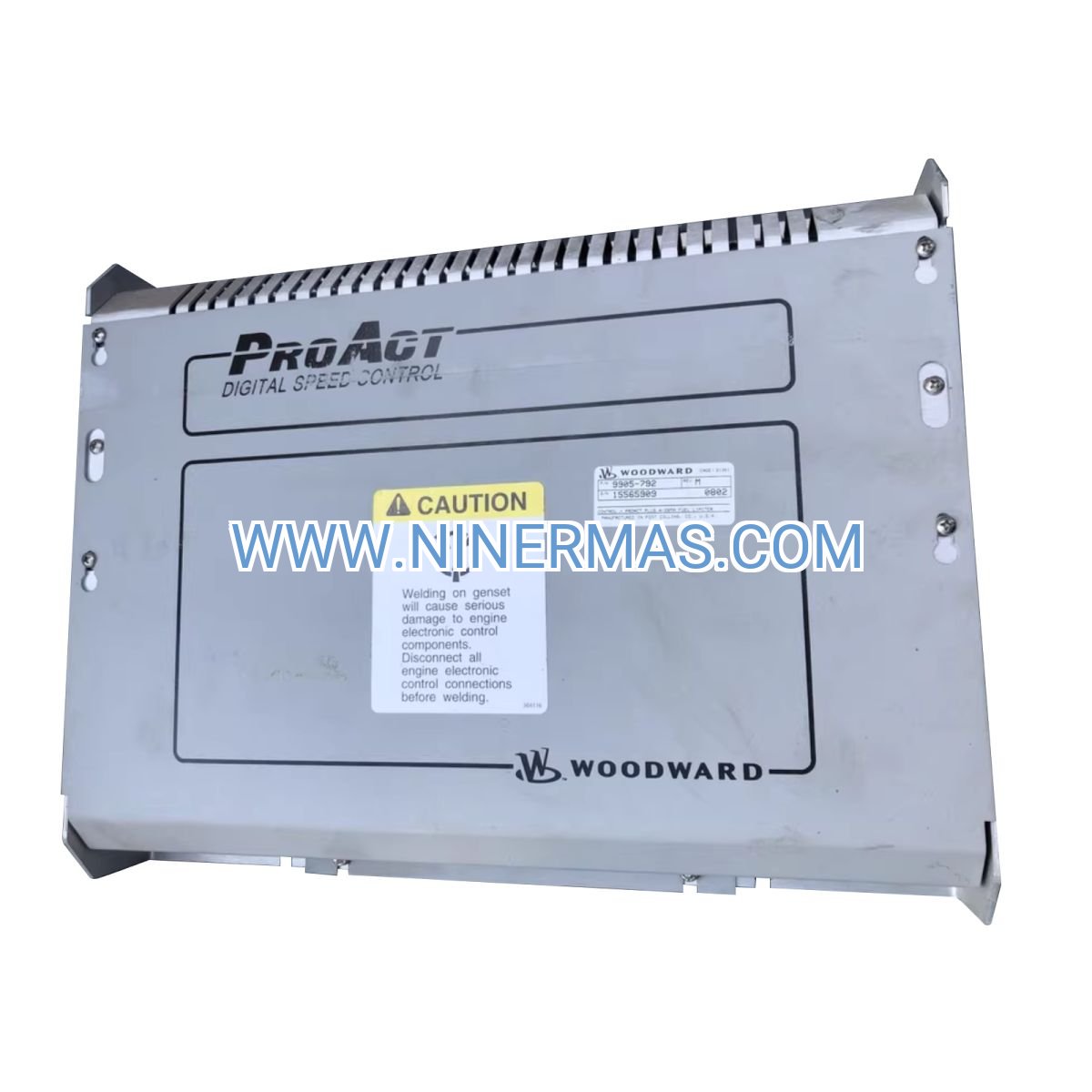
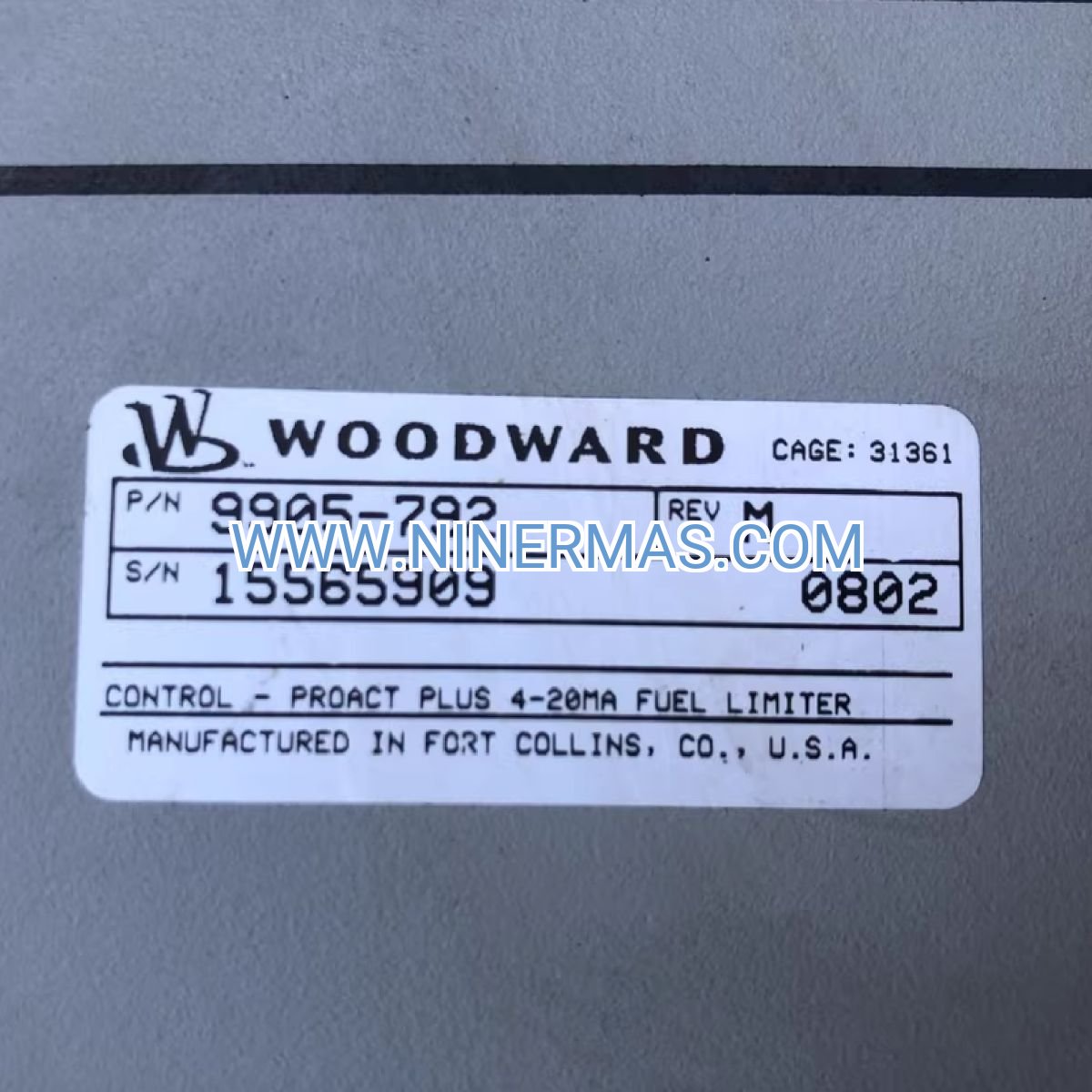
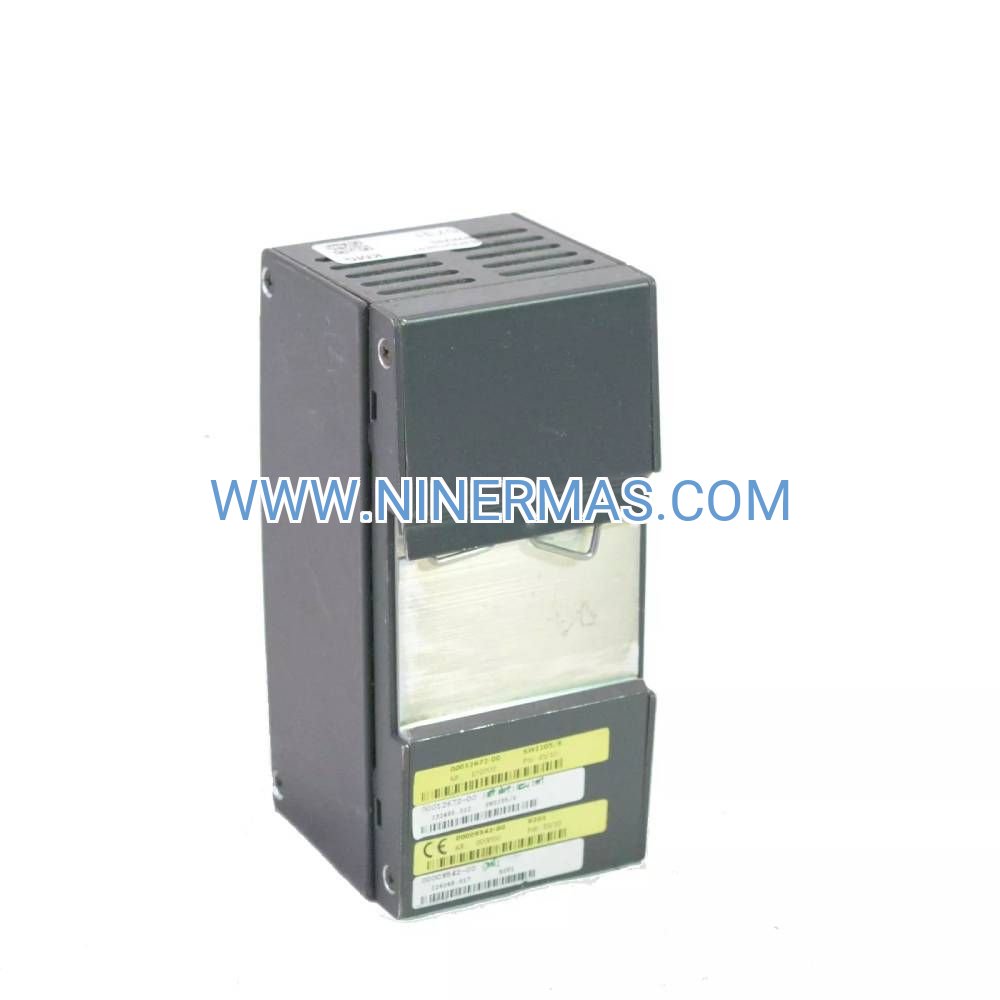
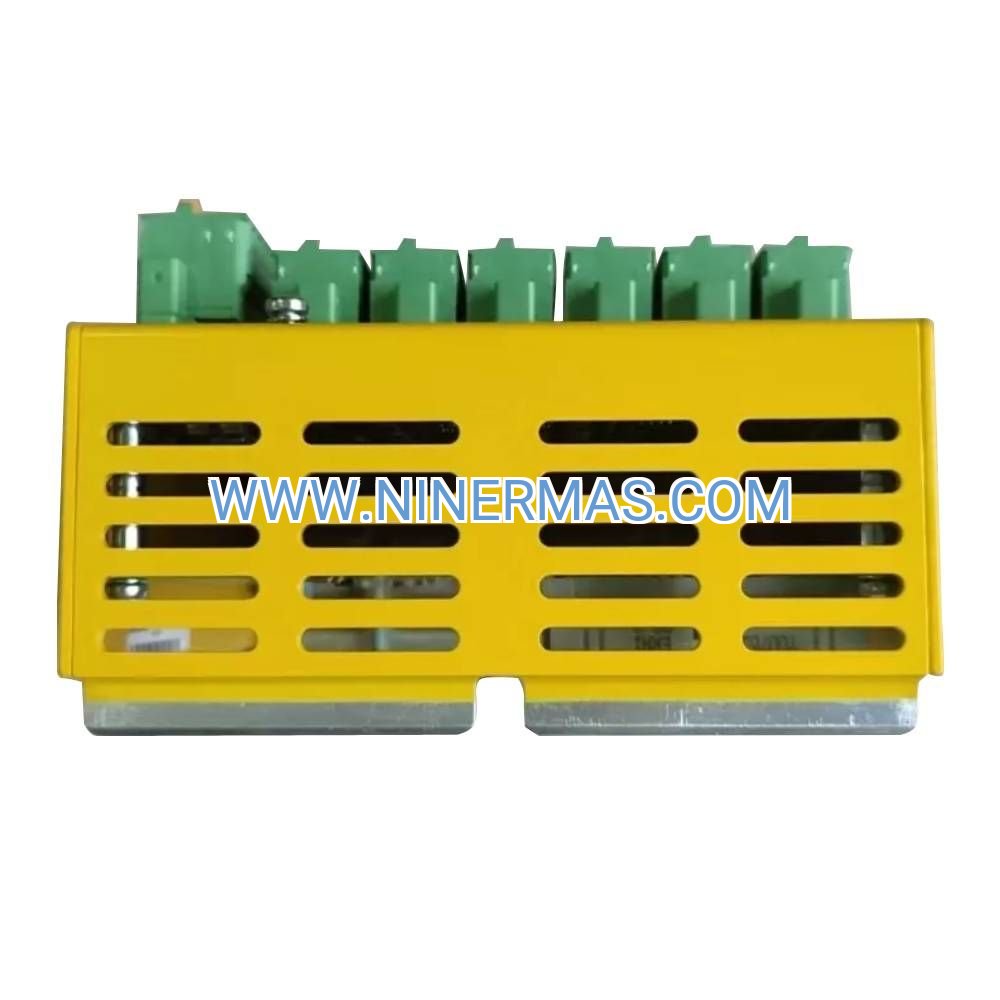
Woodward 9905-792 Digital Turbine Governor (Industrial-Grade Control Platform)
The Woodward 9905-792 represents a field-proven digital control solution engineered for steam turbine speed regulation and load management across power generation, cogeneration, and mechanical drive installations. Leveraging the robust 505 control architecture, this governor delivers adaptive PID algorithms with real-time parameter adjustment, ensuring stable operation during transient load conditions and fuel transitions. Designed for mission-critical environments, the 9905-792 combines precision control with comprehensive diagnostic capabilities to maximize turbine uptime and operational efficiency.
Industrial operators face persistent challenges in maintaining turbine stability during grid frequency fluctuations, load swings, and fuel quality variations. The 9905-792 addresses these pain points through multi-mode control strategies—including droop, isochronous, and base load configurations—while providing seamless integration with existing DCS infrastructure via Modbus RTU, RS-485, and Ethernet/IP protocols. This controller is purpose-built for facilities requiring 24/7 reliability, extended temperature tolerance, and rapid commissioning timelines.
Key differentiators include 10 ms scan cycle performance for critical control loops, redundant overspeed protection with dual speed sensing, and adaptive tuning that automatically optimizes PID parameters based on turbine response characteristics. Whether you're upgrading legacy pneumatic governors or deploying new turbine installations, the 9905-792 delivers proven reliability backed by Woodward's decades of turbomachinery control expertise.
Core Features & Performance Advantages
✓ Adaptive PID Control with Feedforward Compensation
Automatically adjusts control parameters in response to changing turbine dynamics, reducing overshoot during load acceptance and minimizing settling time. This translates to improved grid stability and reduced mechanical stress on turbine components.
✓ Multi-Protocol Industrial Connectivity
Native support for Modbus RTU, RS-485, and Ethernet/IP enables plug-and-play integration with ABB, Siemens, Honeywell, and Emerson DCS platforms. Eliminates costly protocol converters and reduces commissioning complexity by 40-60%.
✓ Extended Environmental Operating Range
Rated for -40°C to +70°C ambient operation without derating, making it suitable for outdoor installations, desert climates, and arctic environments where conventional controllers require climate-controlled enclosures.
✓ Redundant Safety Architecture
Dual-channel speed sensing with automatic failover, independent overspeed trip logic, and watchdog timer protection ensure safe shutdown even during primary controller failures. Meets IEC 61508 SIL-2 requirements for safety-critical applications.
✓ Integrated HMI with Real-Time Trending
Built-in LCD display provides local access to control parameters, alarm history, and performance trends without requiring external programming tools. Reduces troubleshooting time by 50% during commissioning and maintenance activities.
✓ 4-20 mA Analog Outputs with Discrete Relay Logic
Direct interface to Woodward ProAct, 505E, and third-party electro-hydraulic actuators. Discrete outputs support auxiliary equipment control including lube oil pumps, turning gear, and emergency shutdown valves.
Industrial Application Scenarios
→ Utility-Scale Power Generation
Challenge: Maintaining grid frequency stability during rapid load changes and generator synchronization events.
Solution: The 9905-792's isochronous mode provides precise frequency control with ±0.25% regulation, while load sharing algorithms distribute power evenly across multiple turbine-generator sets. Automatic voltage regulator (AVR) coordination prevents reactive power oscillations during grid disturbances.
Value: Reduces grid penalties for frequency deviations, extends turbine component life through smoother load transitions, and enables participation in ancillary services markets.
→ Combined Heat & Power (CHP) Cogeneration
Challenge: Balancing electrical generation with process steam demand while optimizing fuel efficiency across varying thermal loads.
Solution: Dual-mode control allows seamless switching between electrical load following and steam pressure regulation. Feedforward compensation anticipates process steam demand changes, maintaining stable turbine operation during production cycles.
Value: Achieves 75-85% overall thermal efficiency, reduces fuel costs by 20-30% compared to separate heat and power generation, and ensures uninterrupted process steam supply to manufacturing operations.
→ Petrochemical Mechanical Drive Systems
Challenge: Controlling turbine-driven compressors and pumps with variable speed requirements while preventing surge and maintaining process pressure.
Solution: Speed control mode with external setpoint input enables integration with compressor anti-surge controllers and pump performance curves. Acceleration/deceleration rate limiting prevents mechanical shock during startup and shutdown sequences.
Value: Extends compressor seal and bearing life by 30-40%, eliminates process upsets caused by speed instability, and reduces unplanned shutdowns by 60% through predictive diagnostics.
→ Marine Propulsion & Auxiliary Power
Challenge: Maintaining stable propulsion power and shipboard electrical generation during sea state variations and maneuvering operations.
Solution: Droop mode control with adjustable speed regulation enables load sharing between multiple turbine-generator sets. Vibration monitoring integration triggers protective actions before bearing failures occur.
Value: Meets IMO MARPOL emissions compliance through optimized fuel combustion, reduces maintenance intervals by 25%, and ensures continuous propulsion power during critical navigation scenarios.
→ Waste Heat Recovery Systems
Challenge: Extracting maximum electrical output from variable exhaust gas temperatures and flow rates in cement kilns, steel mills, and glass furnaces.
Solution: Adaptive control algorithms compensate for fluctuating steam conditions, while bypass valve coordination prevents turbine overspeed during process upsets. Automatic startup/shutdown sequences eliminate manual intervention.
Value: Recovers 15-25% of waste heat as electrical power, achieves payback periods of 2-4 years, and operates unmanned for 8,000+ hours between maintenance outages.
Technical Parameters & Selection Guide
| Parameter | Specification | Notes |
|---|---|---|
| Model Number | 9905-792 | 505 Platform Generation 3 |
| Control Algorithm | Digital PID + Feedforward | Auto-tuning capability |
| Power Supply | 24 VDC (18-32 VDC range) | Reverse polarity protected |
| Operating Temperature | -40°C to +70°C | No derating required |
| Communication Interfaces | Modbus RTU, RS-485, Ethernet/IP | Simultaneous protocol support |
| Analog Outputs | 4-20 mA (isolated) | 500Ω max load impedance |
| Discrete Outputs | Form C relay contacts | 5A @ 250 VAC resistive |
| Scan Cycle Time | 10 ms (critical loops) | 100 ms for diagnostics |
| Speed Accuracy | ±0.25% regulation | Isochronous mode |
| Display Interface | 128x64 LCD with keypad | Backlit for low-light environments |
| Enclosure Rating | IP54 (NEMA 12 equivalent) | Panel-mount configuration |
| Dimensions (H x W x D) | 220 x 180 x 95 mm | DIN rail mounting optional |
| Weight | 4.0 kg | Shipping weight: 5.5 kg |
| Certifications | CE, UL, CSA, IEC 61508 SIL-2 | ATEX available on request |
Selection Criteria: Choose the 9905-792 for steam turbine applications requiring 500-50,000 kW power output, single or dual-fuel operation, and integration with modern DCS platforms. For gas turbine applications or higher I/O density requirements, consider the 9905-864 or 8200-1340 variants. Consult factory application engineers for turbine-specific tuning parameters and actuator compatibility verification.
Extended Functionality & Integration Options
IoT & Remote Monitoring Integration: The 9905-792 supports OPC UA and MQTT protocols for cloud-based condition monitoring platforms. Stream real-time performance data to Azure IoT Hub, AWS IoT Core, or on-premise historians for predictive maintenance analytics. Remote firmware updates via secure FTP eliminate site visits for software upgrades.
Advanced Control Modes: Beyond standard speed and load control, the system offers extraction pressure control for process steam applications, inlet guide vane coordination for aeroderivative turbines, and automatic synchronizer integration for grid-connected generators. Custom control logic can be implemented using IEC 61131-3 structured text programming.
Cybersecurity Features: Role-based access control with password protection, encrypted Ethernet communication using TLS 1.2, and audit logging of all configuration changes ensure compliance with NERC CIP and IEC 62443 industrial cybersecurity standards.
Customization & OEM Integration: Factory-configured solutions available for turbine OEMs requiring custom I/O mapping, branded HMI screens, and pre-loaded tuning parameters. Bulk pricing and extended warranty programs support multi-unit installations and fleet standardization initiatives.
Delivery Timeline & Service Commitments
Standard Lead Time: 3-5 business days for in-stock units with factory calibration certificates. Express shipping available for critical outage situations with 24-hour dispatch service.
Custom Configuration Lead Time: 10-15 business days for units requiring specific firmware versions, custom I/O configurations, or third-party protocol integration. Engineering support included for application-specific tuning.
Warranty Coverage: Comprehensive 12-month warranty covering manufacturing defects, component failures, and firmware issues. Extended warranty programs available for up to 60 months with annual calibration verification.
Technical Support: Unlimited phone and email support during commissioning phase. On-site startup assistance available through authorized service partners. Access to Woodward's global support network with 24/7 emergency hotline for critical applications.
Documentation Package: Each unit ships with installation manual, wiring diagrams, Modbus register map, configuration software (ToolKit), and sample ladder logic for common PLC integration scenarios. Video tutorials and application notes available through customer portal.
Frequently Asked Questions
Q: What actuator types are compatible with the Woodward 9905-792 digital turbine governor?
A: The controller interfaces directly with Woodward ProAct II, 505E, and EG-3P electro-hydraulic actuators using standard 4-20 mA control signals. Third-party actuators from Moog, Bosch Rexroth, and Parker are also supported. Actuator feedback via LVDT or potentiometer inputs enables closed-loop position control with ±0.5% accuracy.
Q: Can this system manage dual-fuel turbine installations with automatic fuel switching?
A: Yes, the 9905-792 includes dedicated fuel switching logic with configurable transition ramp rates and bumpless transfer algorithms. The controller monitors fuel pressure, temperature, and flow rate to execute seamless transitions between natural gas and distillate oil operation without load disruption. Fuel-specific PID tuning sets ensure optimal control performance on each fuel type.
Q: What diagnostic and troubleshooting capabilities does the governor provide?
A: Built-in diagnostics include 500-event alarm history with timestamp logging, 8-channel trend recording at 100 ms resolution, sensor validation with out-of-range detection, and communication health monitoring for all network interfaces. Diagnostic data is accessible via the front panel LCD, Ethernet web interface, or Modbus registers for SCADA integration. Predictive maintenance alerts trigger based on control loop performance degradation and component aging algorithms.
Q: Is redundant control configuration supported for high-availability applications?
A: The 9905-792 can be deployed in redundant pairs with automatic failover using dedicated synchronization links. The backup controller continuously tracks the primary unit's state and assumes control within 50 ms upon detecting a failure. Redundant configurations are recommended for applications where turbine downtime exceeds $10,000/hour in lost production or grid penalties.
Q: How does the controller integrate with existing DCS and SCADA systems?
A: Native Modbus RTU (RS-485) and Ethernet/IP protocols enable direct connection to ABB 800xA, Siemens PCS 7, Honeywell Experion, Emerson DeltaV, and Rockwell PlantPAx platforms without protocol gateways. OPC UA server functionality supports integration with Wonderware, Ignition, and FactoryTalk SCADA packages. Complete Modbus register maps and EDS files are provided for rapid commissioning.
Q: What are the power consumption and heat dissipation requirements?
A: The controller draws 15W typical (25W maximum) from the 24 VDC supply, generating approximately 20 BTU/hr heat dissipation. Convection cooling is sufficient for ambient temperatures up to +70°C; forced ventilation is not required. Inrush current during power-up is limited to 2A for 100 ms, allowing use of standard 5A power supplies for multi-controller installations.
Request Your Technical Consultation
Ready to upgrade your turbine control system or need application-specific guidance? Our industrial automation specialists are available to discuss your project requirements, provide turbine-controller compatibility verification, and develop customized control strategies for your facility. Contact us today for a detailed technical proposal, ROI analysis, and implementation timeline tailored to your operational constraints.
Get Expert Support: Whether you're replacing legacy pneumatic governors, integrating with new DCS infrastructure, or troubleshooting existing installations, our team delivers proven solutions backed by 15+ years of turbomachinery control experience.
© 2026 NINERMAS COMPANY LIMITED. All rights reserved.
Original Source: https://ninermas.com
Contact: sale@ninermas.com | +0086 187 5021 5667

Contact Info
-
Address:22 / F, South Wo Hang building, 148 Wing Lok Street, Sheung Wan, Western District, Hong Kong
-
Phone:+8618750215667
-
Email: