Description
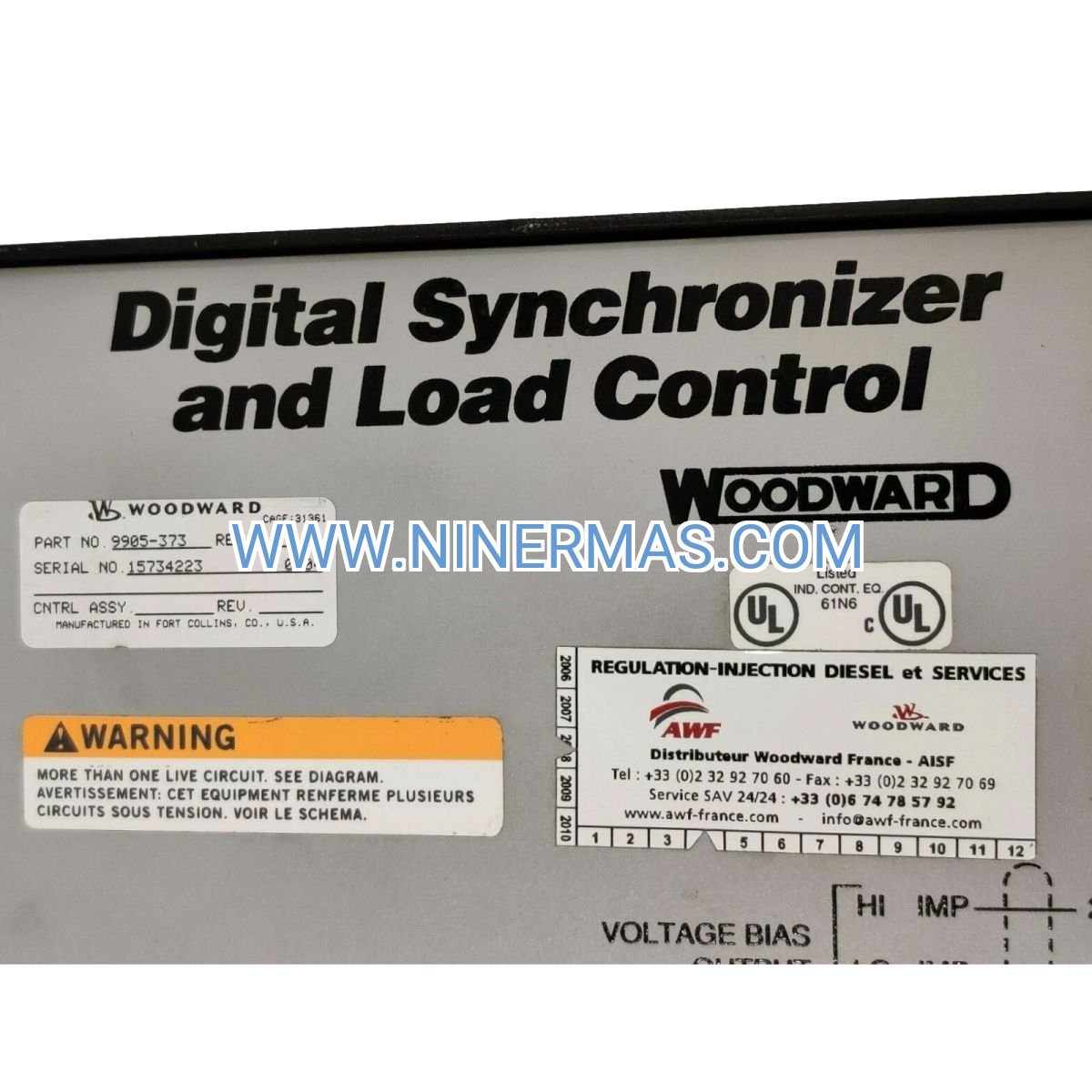
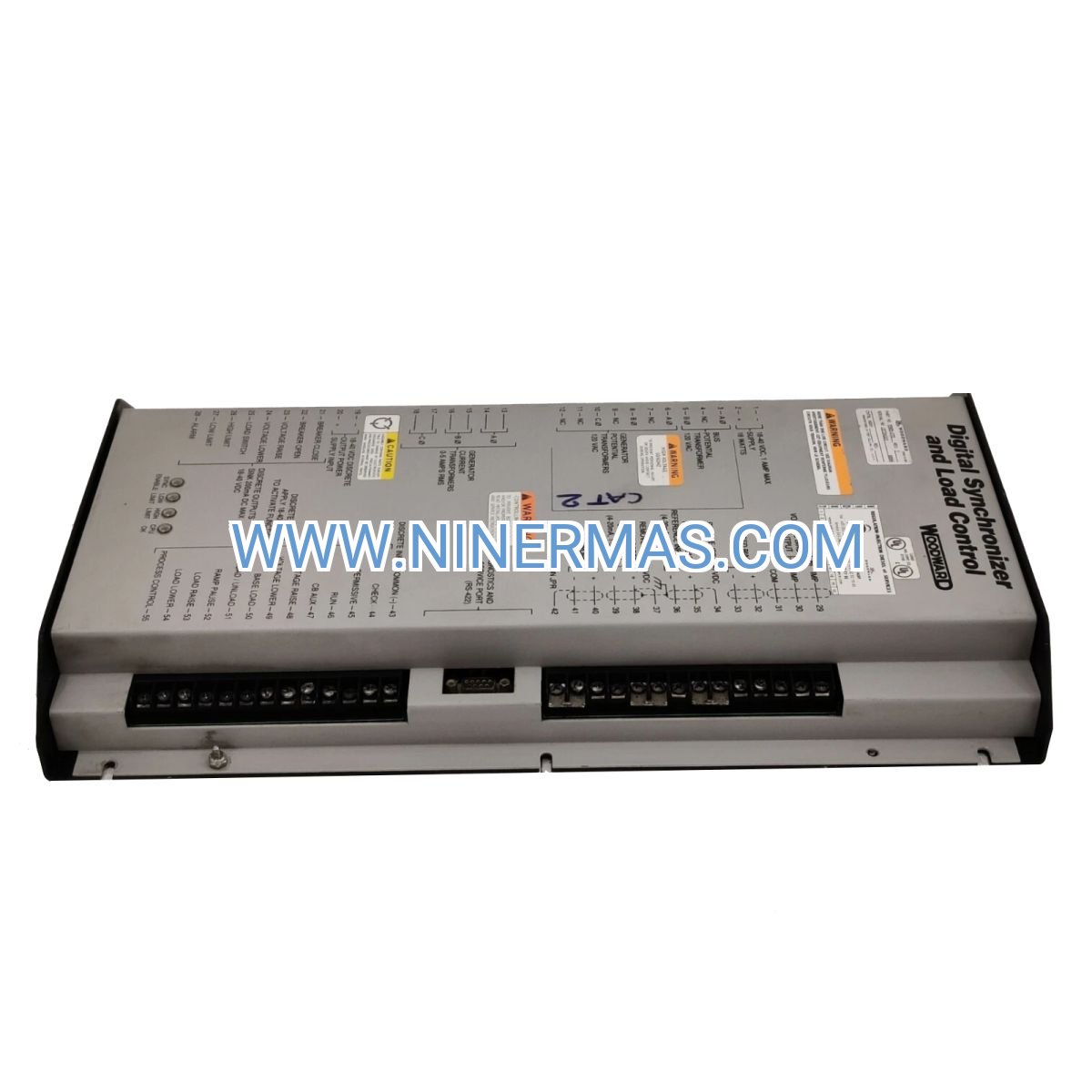
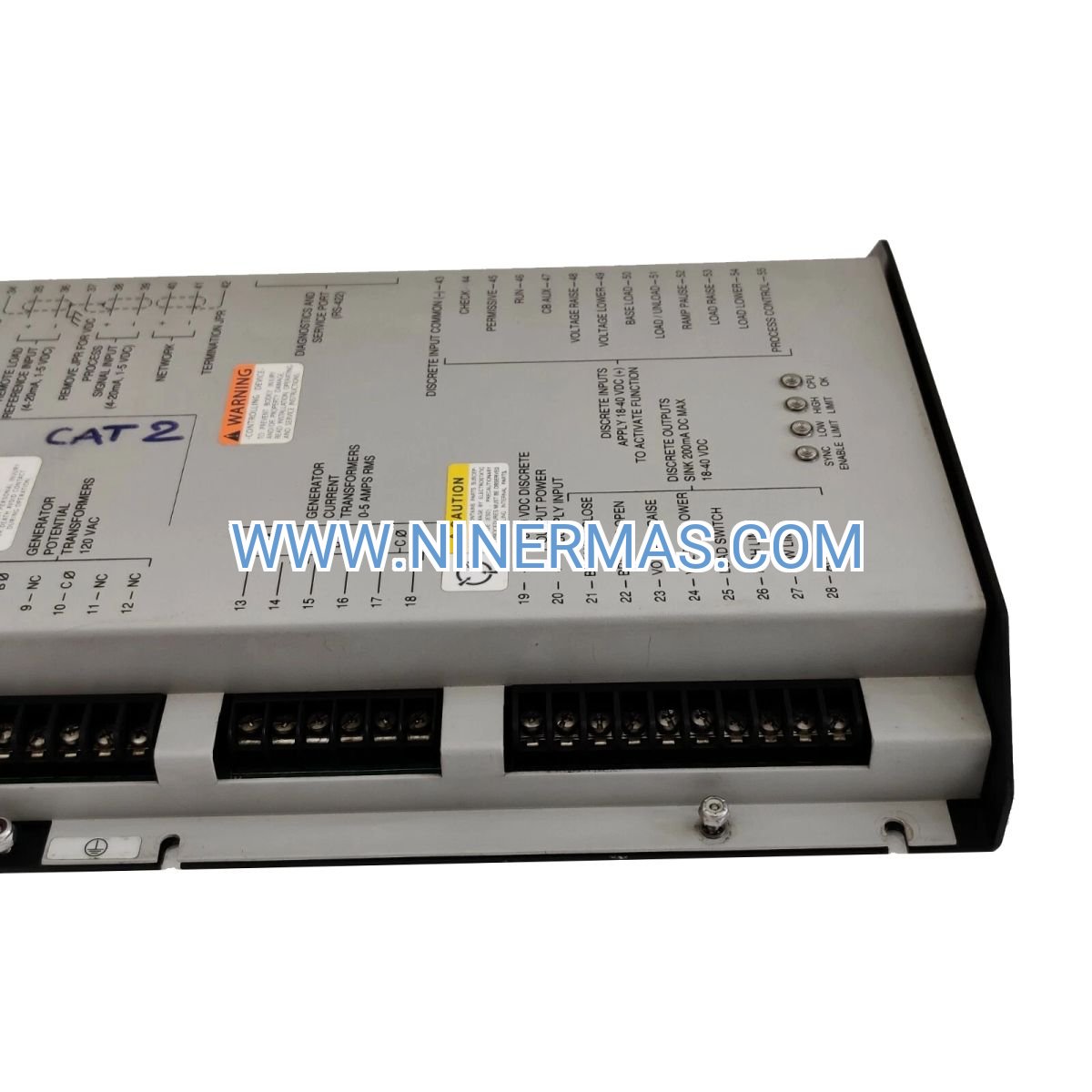
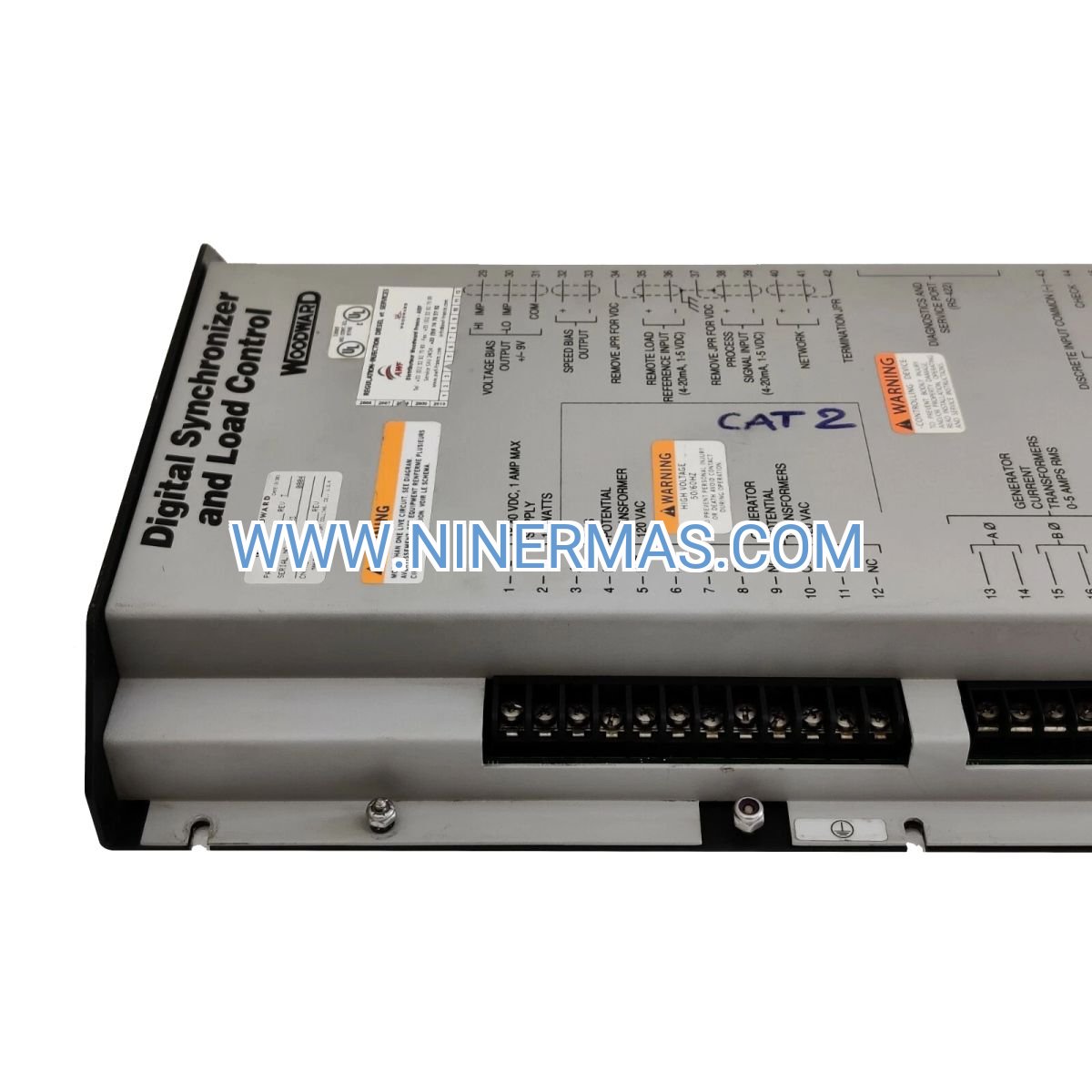
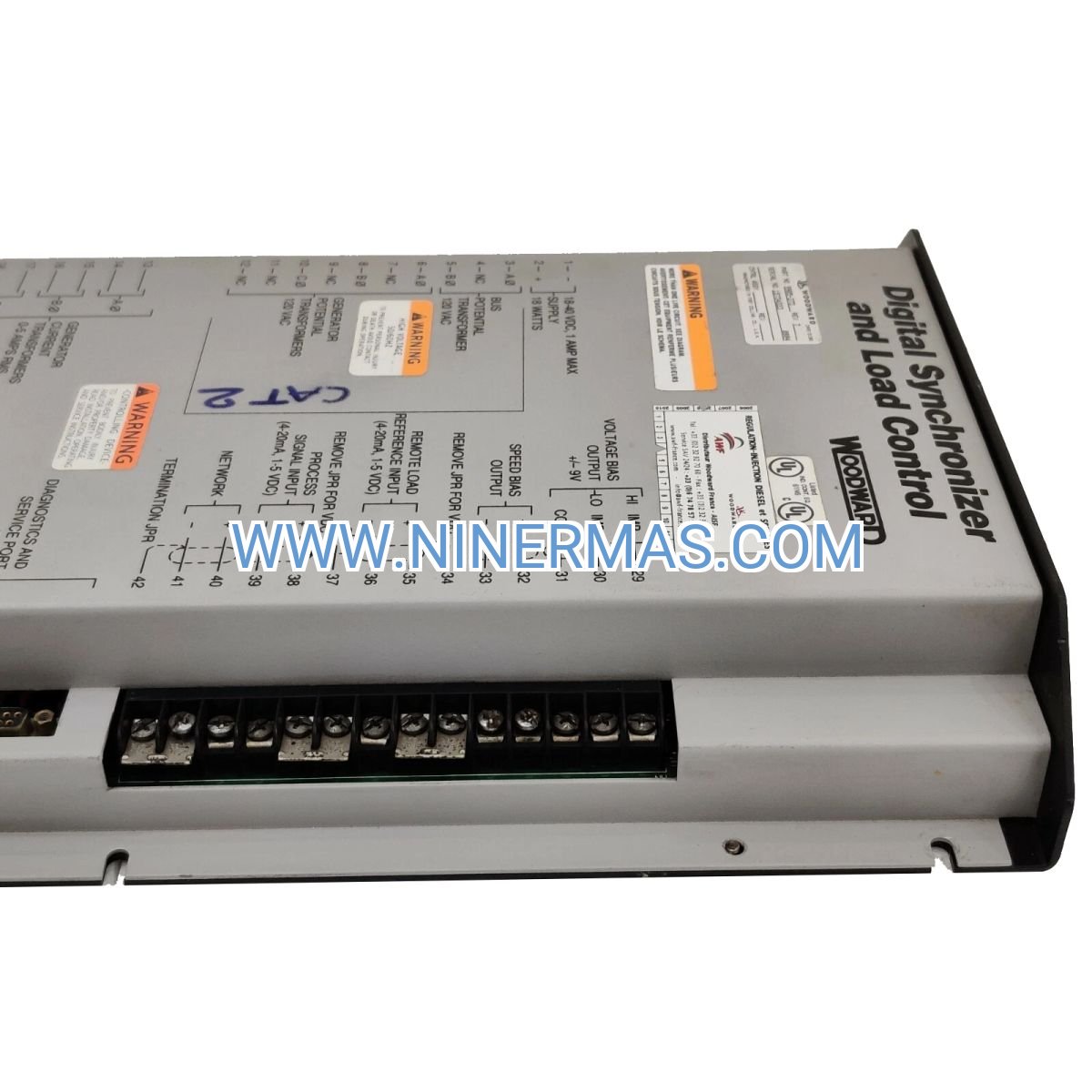
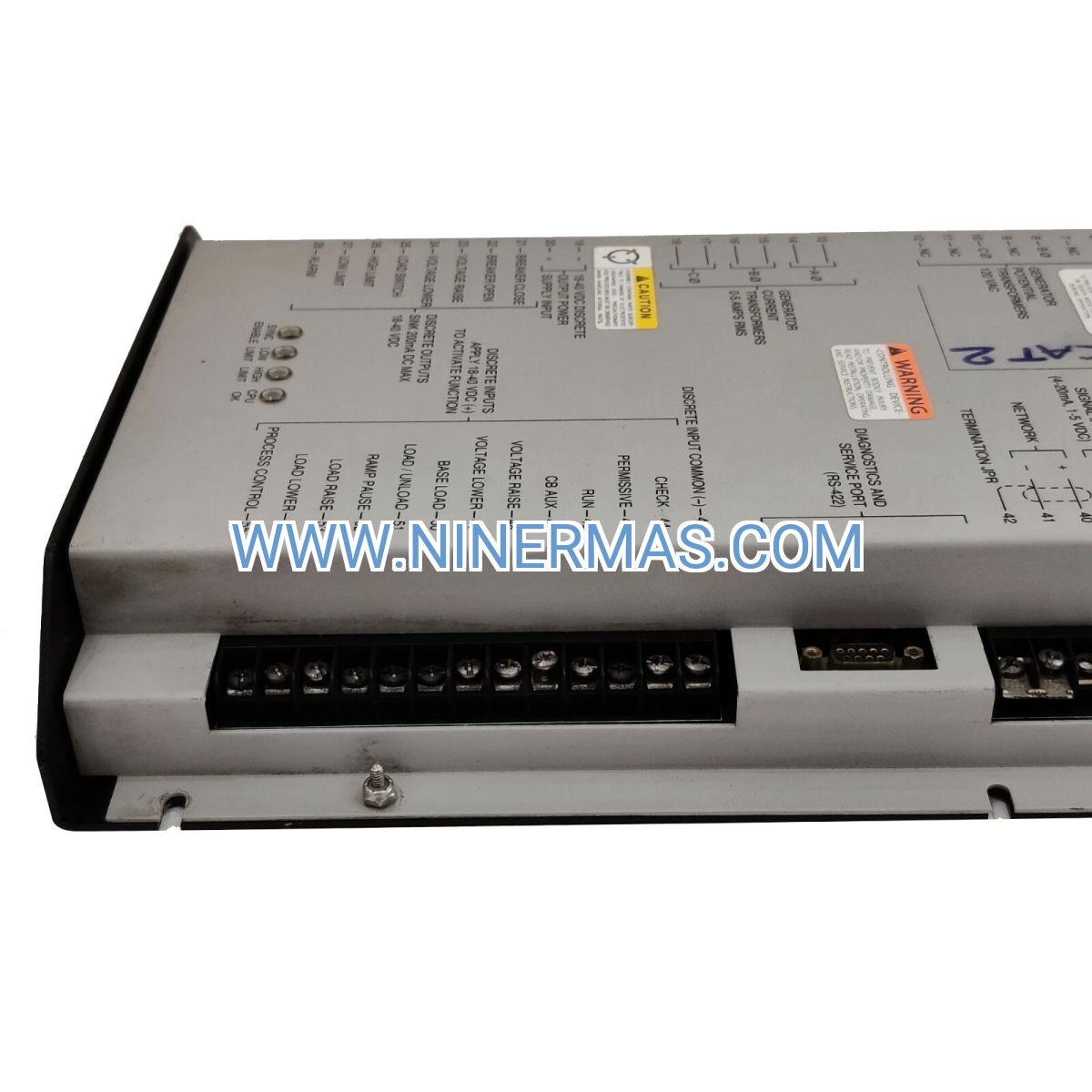
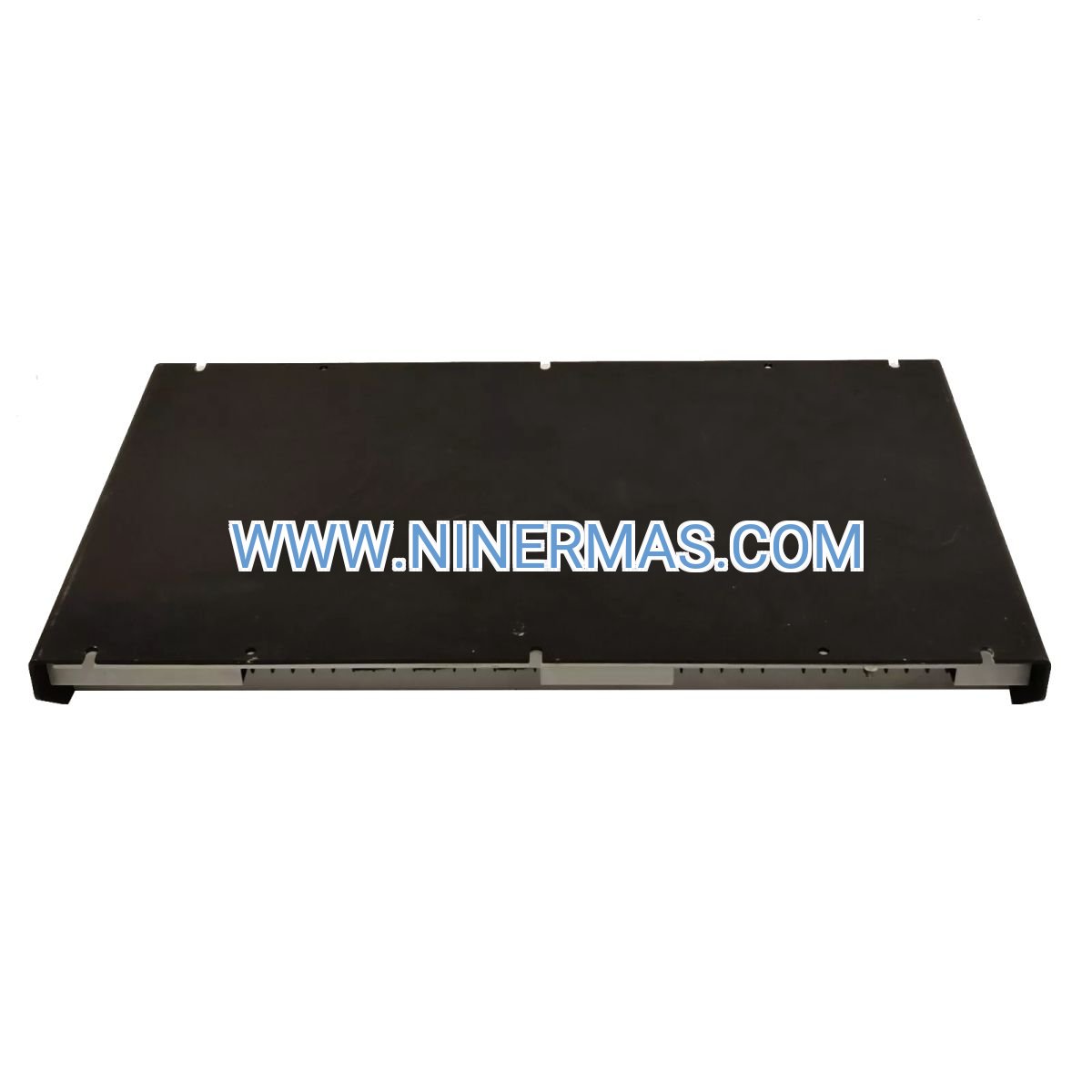
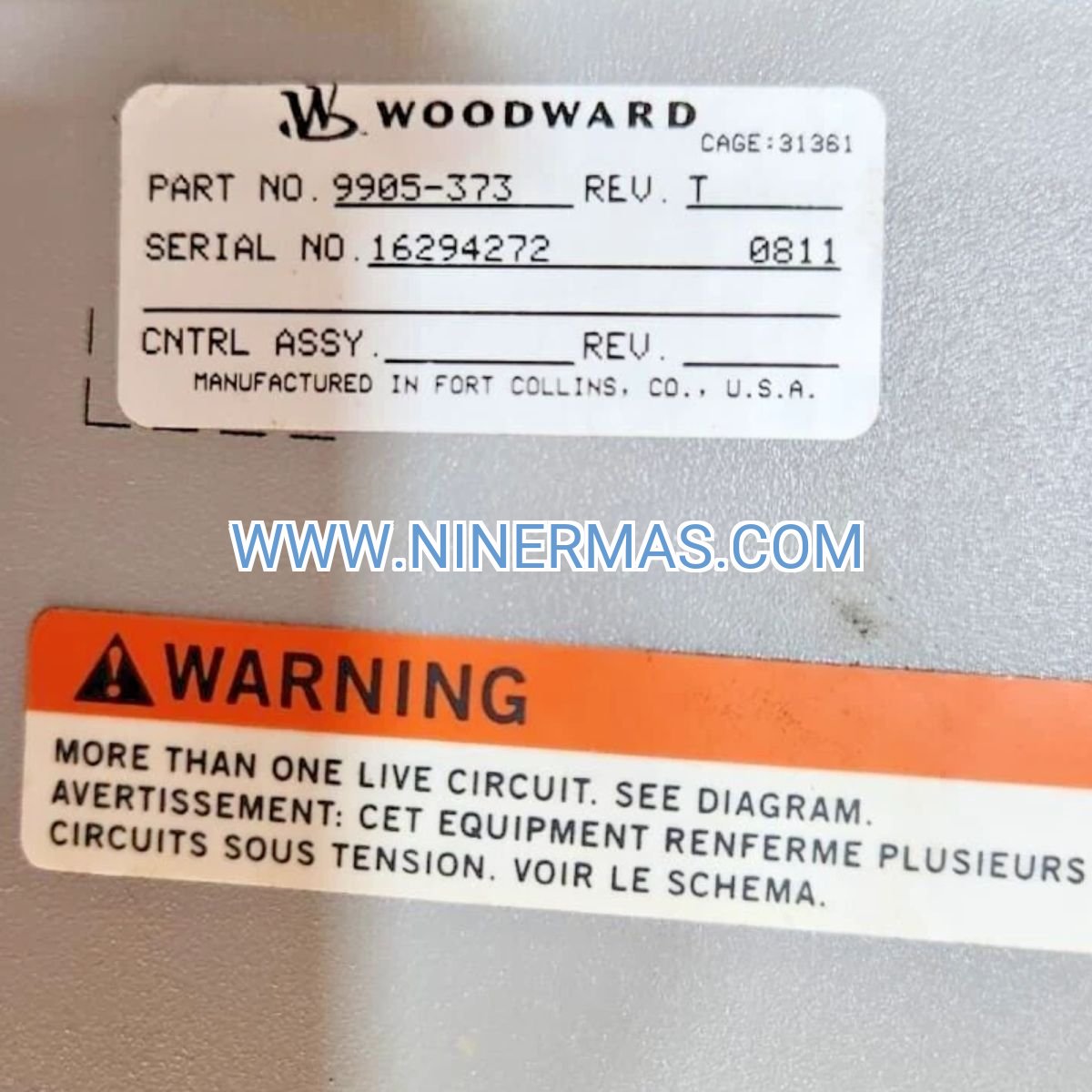
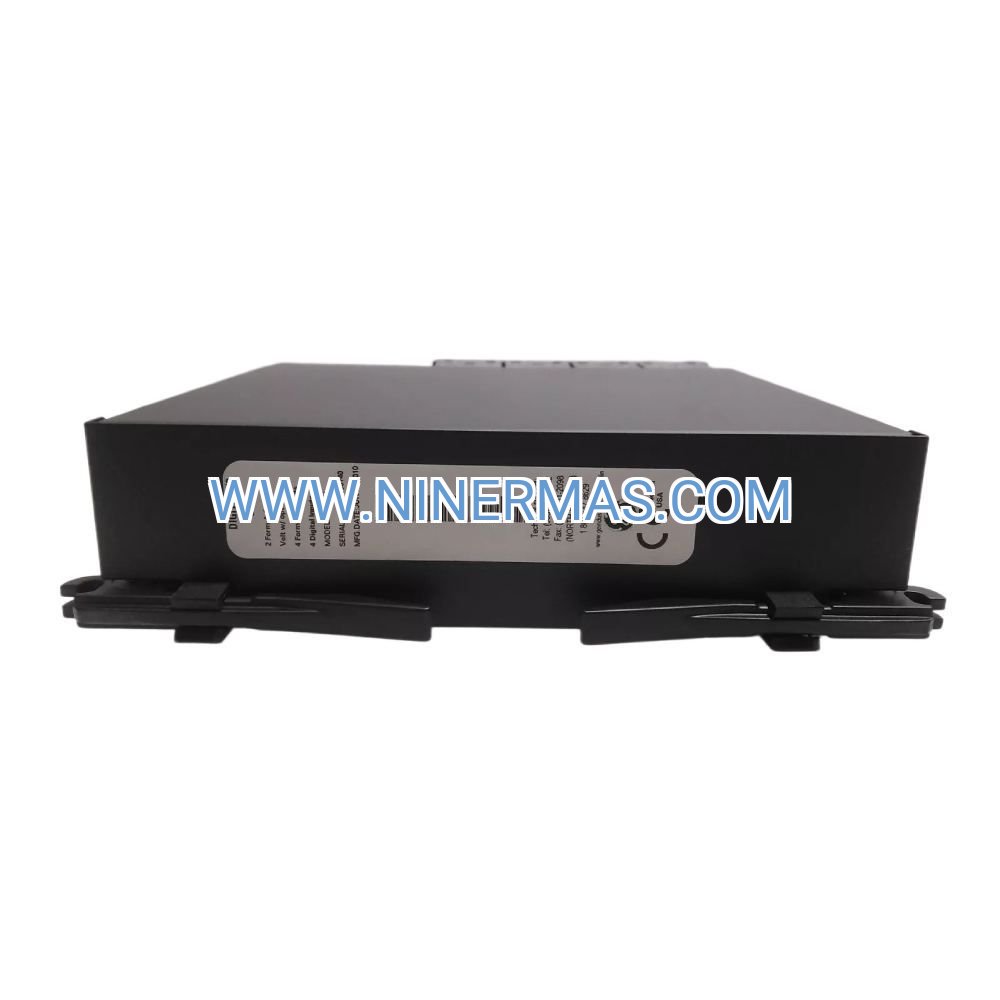
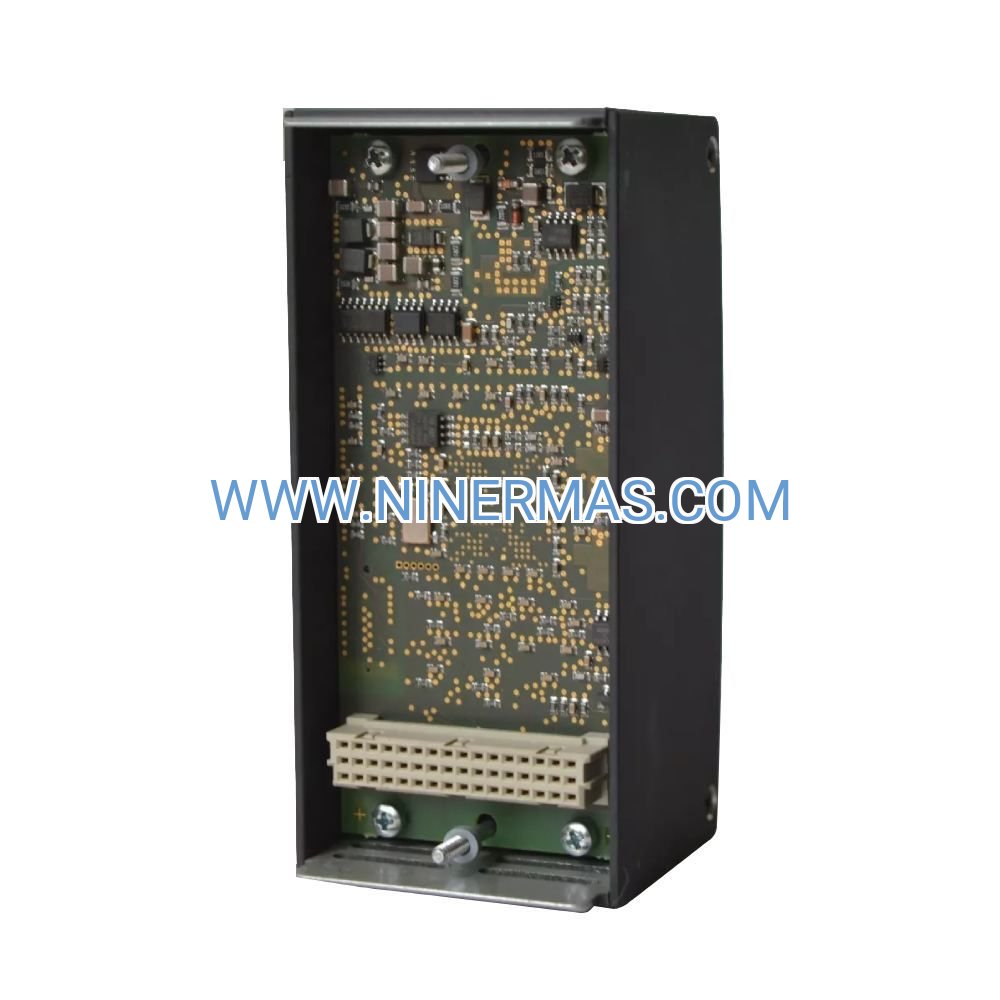
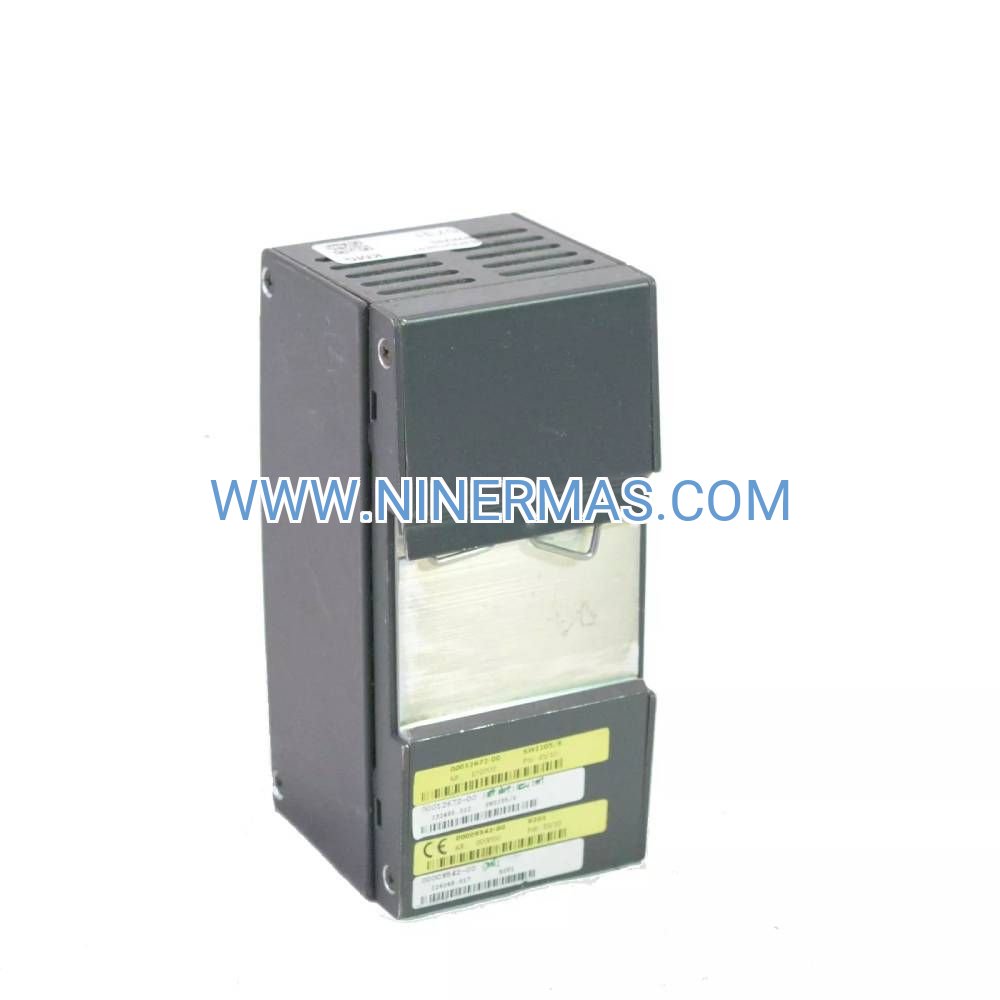
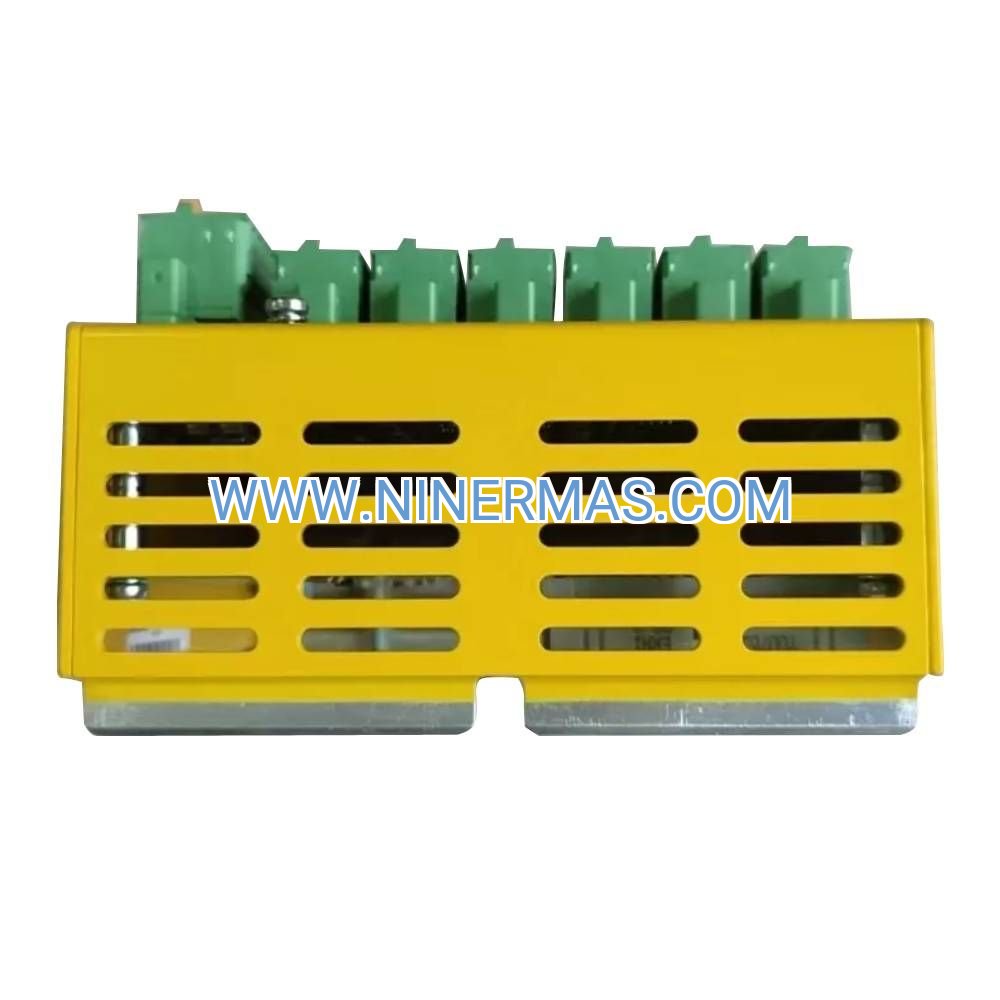
Woodward 9905-373 DSLC (Industrial-Grade Generator Synchronization System)
The Woodward 9905-373 Digital Synchronizer and Load Control represents a proven solution for power generation facilities requiring precise multi-generator coordination and utility grid integration. Built on decades of Woodward engineering expertise, this microprocessor-based controller automates the complex task of matching voltage, frequency, and phase angle between independent AC sources before paralleling—eliminating manual synchronization errors and reducing mechanical wear on breaker contacts.
Designed for industrial, marine, data center, and remote power applications, the 9905-373 addresses the operational challenge of scaling generation capacity while maintaining system stability. Whether you're managing standby gensets during utility outages, optimizing fuel consumption across multiple prime movers, or integrating renewable sources into hybrid microgrids, this synchronizer delivers the real-time control intelligence needed to protect equipment and ensure uninterrupted power delivery.
With adaptive load-sharing algorithms, comprehensive fault diagnostics, and Modbus RTU connectivity, the DSLC module transforms disparate generator sets into a coordinated power network—maximizing uptime, extending equipment lifespan, and providing the operational visibility demanded by modern energy management systems.
Core Capabilities & Technical Advantages
The 9905-373 combines precision measurement, predictive synchronization logic, and proportional load distribution into a single compact package:
- ✓ Precision Phase-Angle Synchronization: Achieves ±5 electrical degree accuracy during breaker closure, minimizing transient currents that accelerate generator bearing wear and stress switchgear components—extending maintenance intervals by up to 40% compared to manual synchronization methods.
- → Adaptive Load Sharing Control: Continuously adjusts governor speed references to maintain ±2% load distribution accuracy across parallel generators, compensating for fuel quality variations, engine aging, and dissimilar droop characteristics—ensuring no single unit operates beyond its thermal limits.
- ✓ Wide Voltage & Frequency Compatibility: Accepts 50-600 VAC sensing inputs across 45-65 Hz operating ranges, supporting both 50 Hz and 60 Hz systems, single-phase or three-phase configurations, and voltage classes from low-voltage industrial to medium-voltage utility interconnections.
- → Extreme Environment Reliability: Operates continuously from -40°C to +70°C ambient temperatures with conformal-coated circuitry, making it suitable for Arctic drilling platforms, desert solar-diesel hybrids, and tropical marine installations where conventional electronics fail.
- ✓ Modbus RTU Integration: Provides RS-485 serial communication for SCADA integration, enabling remote parameter adjustment, real-time performance monitoring, and alarm notification—reducing site visits and allowing centralized management of distributed generation assets.
- → Flexible Power Supply Options: Accepts either 18-32 VDC or 88-132 VAC input power, simplifying installation in systems with diverse auxiliary power architectures and providing redundancy through dual-input capability.
Industry Applications & Problem-Solving Scenarios
The 9905-373 DSLC excels in environments where power reliability directly impacts operational continuity and revenue:
1. Data Center N+1 Redundancy Systems
Challenge: Maintaining 99.999% uptime during utility failures requires seamless transition between grid power and multiple standby generators without load interruption.
Solution: The DSLC synchronizes incoming generators to the live bus within 2-3 seconds, then distributes critical IT loads proportionally across units, preventing single-generator overload during cascading failures.
2. Island Microgrid Operations
Challenge: Remote mining sites, island communities, and military bases operate isolated power systems where frequency stability depends on precise load-generation balance.
Solution: Coordinates diesel gensets with solar inverters and battery storage, automatically adjusting synchronization windows to accommodate renewable source variability while maintaining grid frequency within ±0.5 Hz.
3. Peak Demand Shaving & Utility Arbitrage
Challenge: Commercial facilities face demand charges exceeding $20/kW/month during peak periods, making on-site generation economically attractive.
Solution: Synchronizes natural gas generators to the utility grid during high-tariff hours, exporting excess capacity or reducing imported power—validated installations report 15-25% annual energy cost reductions.
4. Marine Vessel Propulsion & Hotel Loads
Challenge: Cruise ships and offshore support vessels require dynamic load sharing between multiple diesel-electric generators as propulsion demands fluctuate.
Solution: Tracks rapid load changes (up to 50% swings in under 5 seconds) and redistributes generation in real time, preventing engine stalling and maintaining passenger comfort systems during maneuvering operations.
5. Hospital Emergency Power Compliance
Challenge: NFPA 110 and Joint Commission standards mandate <10-second transfer times for life-safety systems during utility outages.
Solution: Pre-synchronizes standby generators to the utility before transfer, enabling closed-transition switching that eliminates the voltage dip associated with open-transition methods—protecting sensitive medical equipment from reset events.
Technical Parameters & Selection Criteria
| Parameter | Specification | Selection Notes |
|---|---|---|
| Model Number | 9905-373 | Standard DSLC configuration |
| Voltage Sensing Range | 50-600 VAC | Verify compatibility with PT/VT ratios |
| Frequency Range | 45-65 Hz | Supports both 50 Hz and 60 Hz systems |
| Sync Accuracy | ±5 electrical degrees | Typical closure within ±2° under stable conditions |
| Load Share Accuracy | ±2% of rated load | Requires properly calibrated droop settings |
| Operating Temperature | -40°C to +70°C | No derating required across full range |
| Control Power | 18-32 VDC or 88-132 VAC | Dual-input models available for redundancy |
| Communication | Modbus RTU (RS-485) | Supports up to 32 devices on single bus |
| Mounting | Panel or DIN rail | Requires 35mm DIN rail for rail mounting |
| Dimensions | 144mm × 144mm × 65mm | Standard 1/4 DIN cutout |
Selection Guidance: When specifying the 9905-373, confirm that your generator governor supports external speed trim inputs (typically 4-20mA or 0-10VDC). For systems with more than 8 generators, consider the 9905-760 variant with expanded I/O capacity. If integrating with legacy relay-based controls, verify compatibility of discrete input/output voltage levels (typically 24 VDC logic).
Extended Functionality & System Integration
IoT & Cloud Connectivity: While the 9905-373 natively supports Modbus RTU, third-party gateways enable MQTT, OPC-UA, or RESTful API integration with cloud-based energy management platforms—allowing predictive maintenance analytics, remote firmware updates, and multi-site performance benchmarking.
Hybrid Renewable Integration: The DSLC's configurable synchronization windows accommodate the voltage and frequency variations inherent in solar inverters and wind turbine generators, enabling diesel-renewable hybrid systems that reduce fuel consumption by 30-60% while maintaining grid stability.
Custom Configuration Services: NINERMAS offers pre-programmed modules tailored to specific applications, including modified droop curves for waste-heat recovery systems, extended voltage ranges for medium-voltage applications, and custom Modbus register maps for proprietary SCADA platforms.
Delivery Timeline & Service Commitments
Standard Lead Time: 3-5 business days for in-stock units; expedited same-day shipping available for critical outage scenarios (additional fees apply).
Custom Configuration: 7-10 business days for factory programming and testing of application-specific parameter sets.
Warranty Coverage: 12-month comprehensive warranty covering manufacturing defects, component failures, and firmware issues—extended warranties available for mission-critical installations.
Technical Support: Lifetime access to application engineers for configuration assistance, troubleshooting support, and system optimization recommendations via email, phone, or remote desktop sessions.
Documentation Package: Each unit ships with installation manual, Modbus register reference, wiring diagrams, and configuration software (Windows-compatible)—digital downloads available immediately upon order confirmation.
Frequently Asked Questions
Q: How many generators can a single 9905-373 synchronize simultaneously?
A: The module controls one generator's synchronization to the bus. For multi-generator systems, deploy one DSLC per genset, with all units communicating via Modbus to coordinate load sharing—systems with up to 32 generators are common in large industrial facilities.
Q: What happens if the synchronizer detects a fault during paralleling?
A: The DSLC aborts breaker closure and activates configurable alarm outputs (dry contacts or Modbus flags). Common fault triggers include excessive voltage difference (>10%), frequency deviation (>0.5 Hz), or phase angle drift (>15°)—protecting equipment from damaging inrush currents.
Q: Can this module retrofit existing generator control panels?
A: Yes, the 9905-373 integrates with most governor systems via analog speed trim signals. Typical retrofits require adding voltage sensing transformers, wiring discrete I/O for breaker control, and configuring Modbus addresses—most installations complete within 4-6 hours per generator.
Q: Does the synchronizer support closed-transition transfer switching?
A: Absolutely. The DSLC's make-before-break logic enables seamless transitions between utility and generator power without load interruption—critical for data centers, hospitals, and process industries where even millisecond outages cause equipment resets or production losses.
Q: What training is required for operators to use this system?
A: Basic operation (starting/stopping generators, monitoring load distribution) requires minimal training—most operators become proficient within 1-2 hours. Advanced configuration (adjusting droop curves, modifying synchronization windows) benefits from Woodward's 2-day certification course, though NINERMAS provides application-specific training documentation with each order.
Q: How does the load sharing function handle generators with different power ratings?
A: The DSLC uses proportional load sharing based on each generator's rated capacity. Configure the "base load" parameter to match each unit's kW rating—a 500 kW and 1000 kW generator will automatically share loads in a 1:2 ratio, preventing overload of the smaller unit while maximizing total system output.
Ready to Optimize Your Power Generation System?
Contact our power systems specialists to discuss your synchronization requirements, receive application-specific configuration recommendations, and obtain a detailed quotation. For urgent replacements or technical consultations, our team is available 24/7 to ensure your critical power infrastructure remains operational.
Request a Quote: sale@ninermas.com
Technical Hotline: +0086 187 5021 5667
Product Documentation: Available upon request
© 2026 NINERMAS COMPANY LIMITED. All rights reserved.
Original Source: https://ninermas.com
Contact: sale@ninermas.com | +0086 187 5021 5667

Contact Info
-
Address:22 / F, South Wo Hang building, 148 Wing Lok Street, Sheung Wan, Western District, Hong Kong
-
Phone:+8618750215667
-
Email: