Description
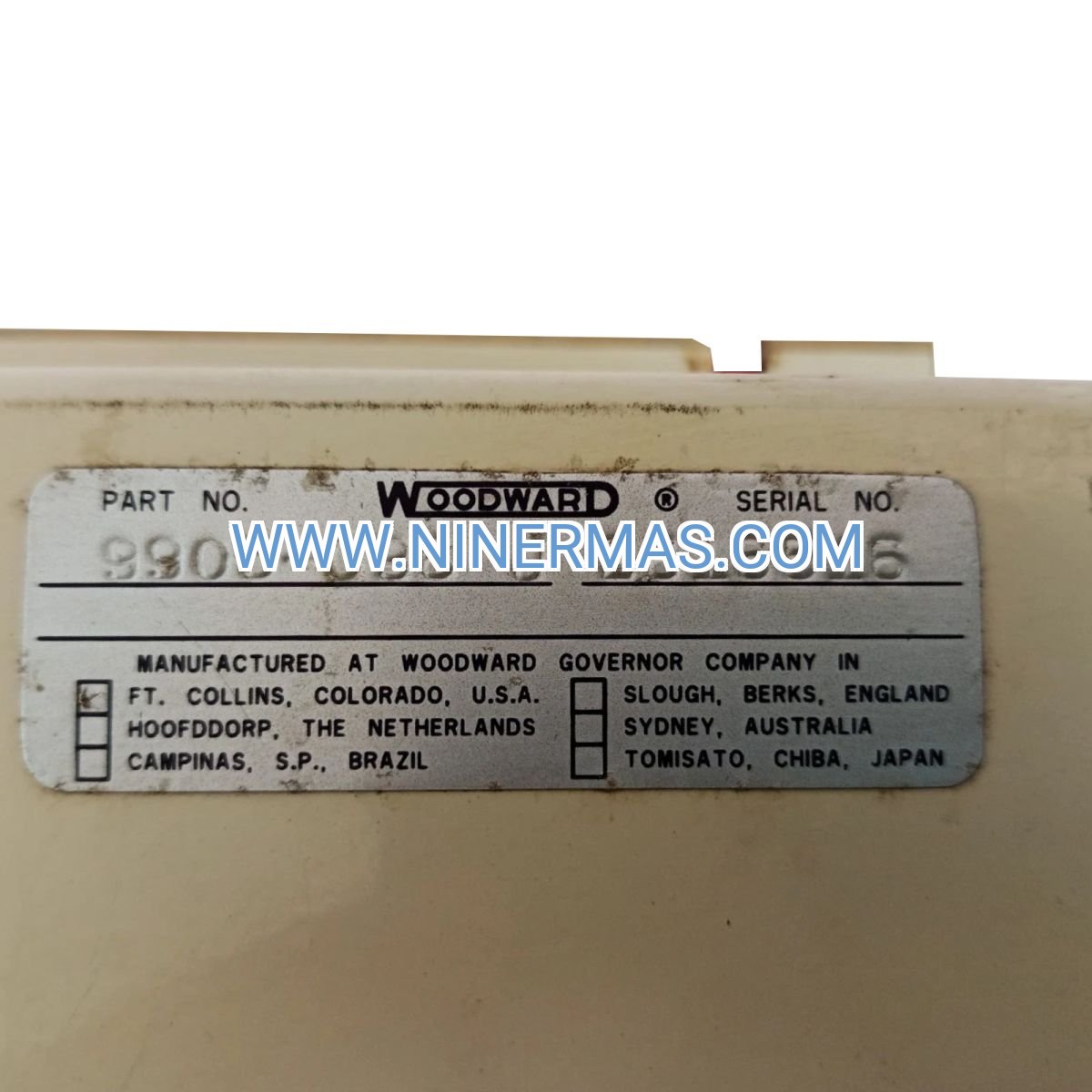
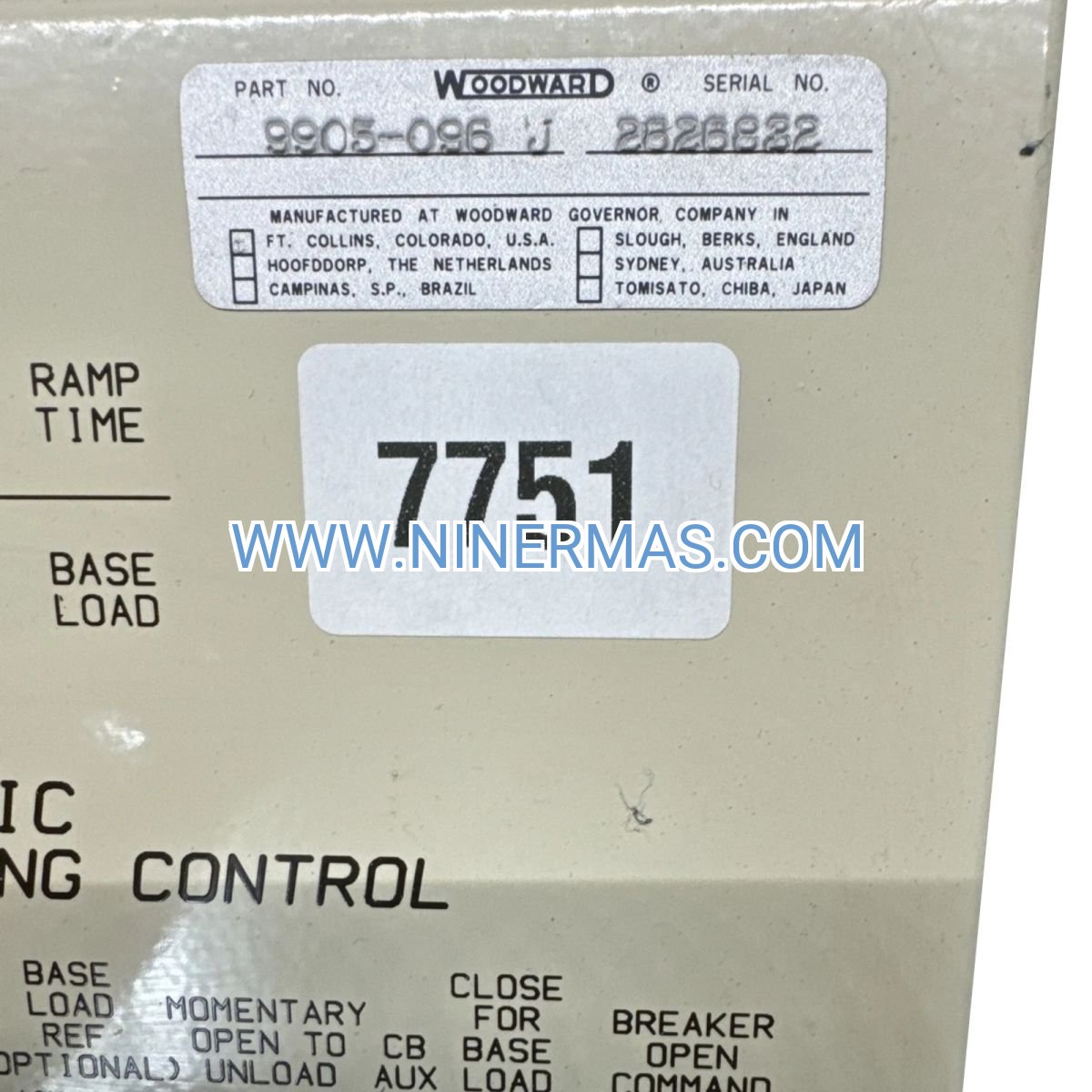
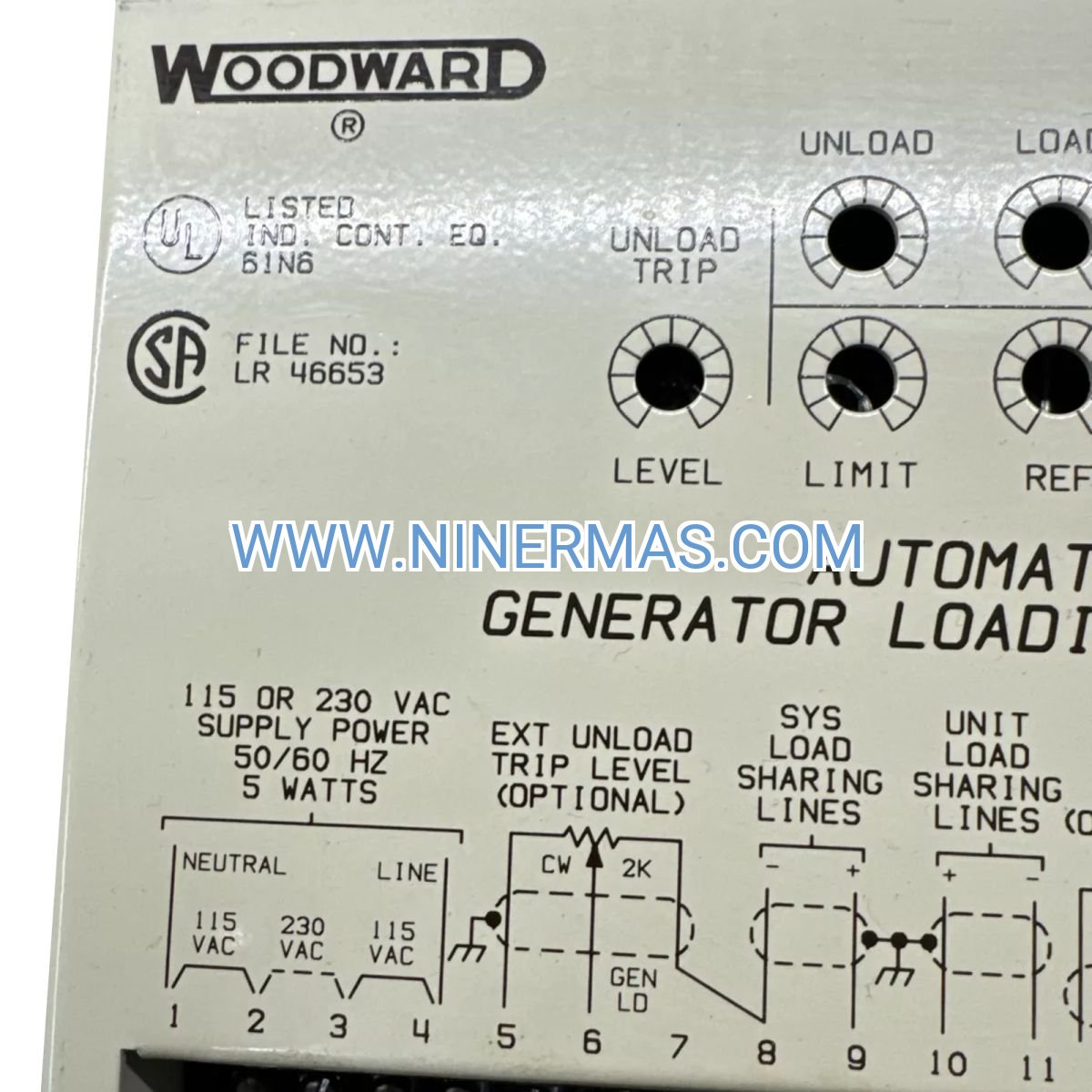
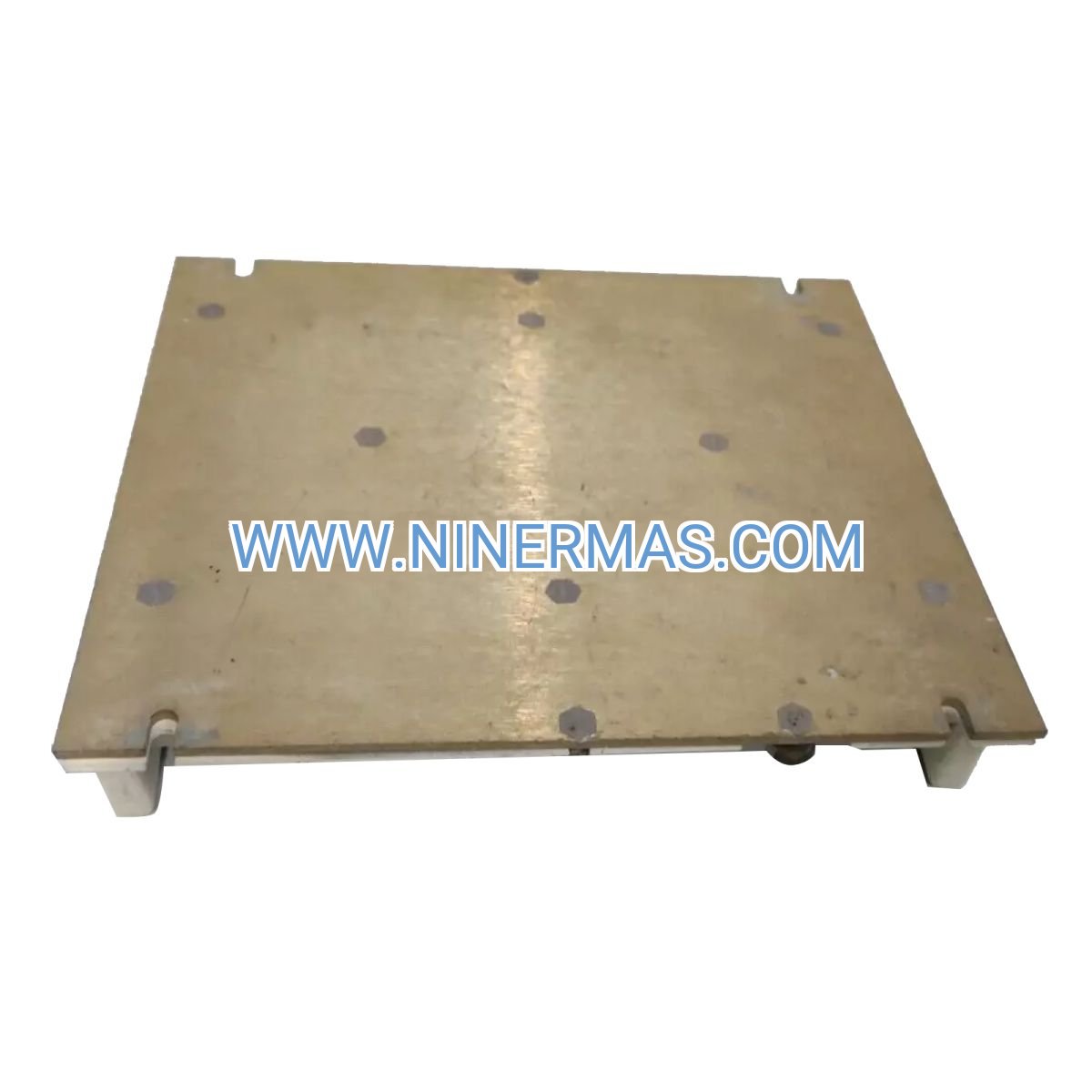
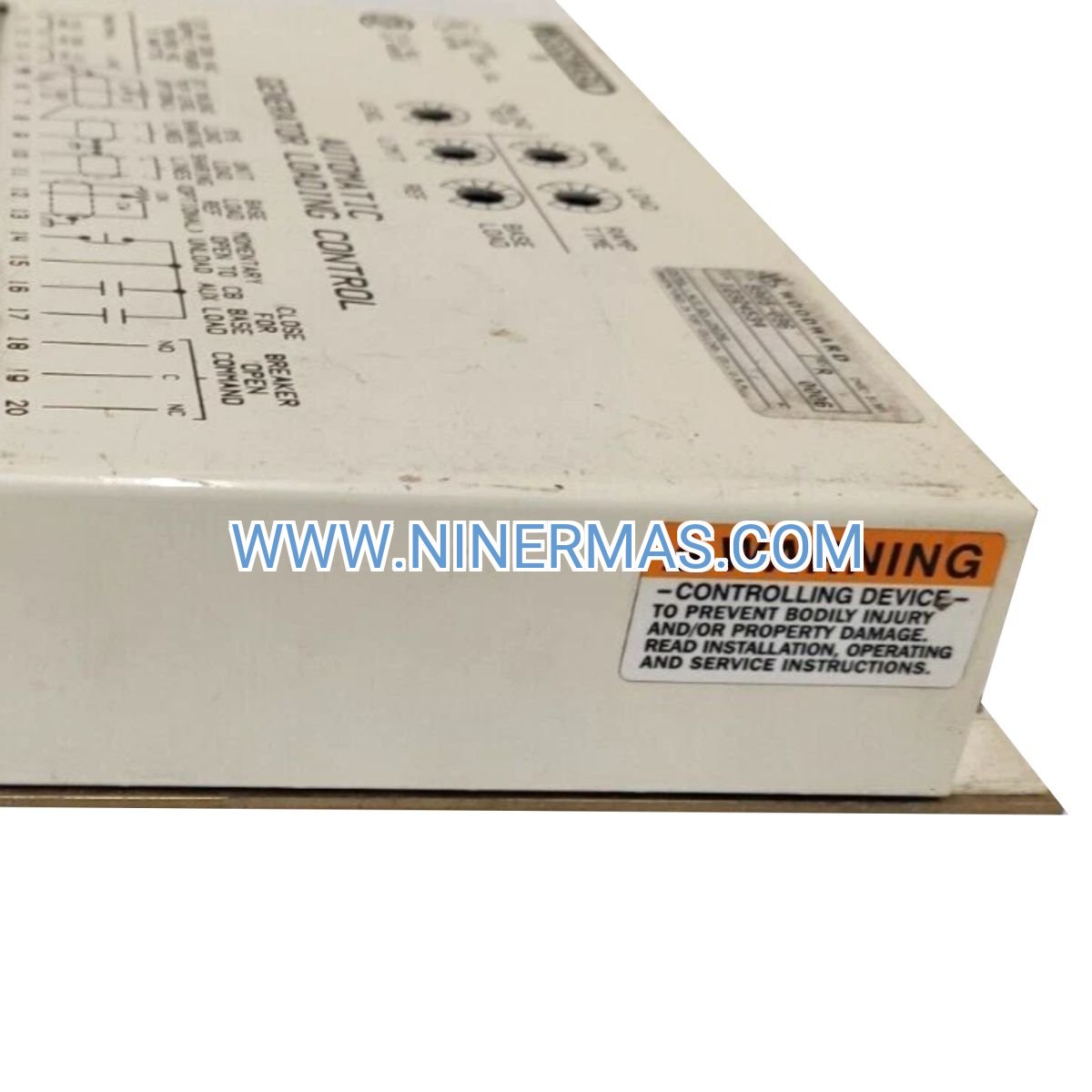
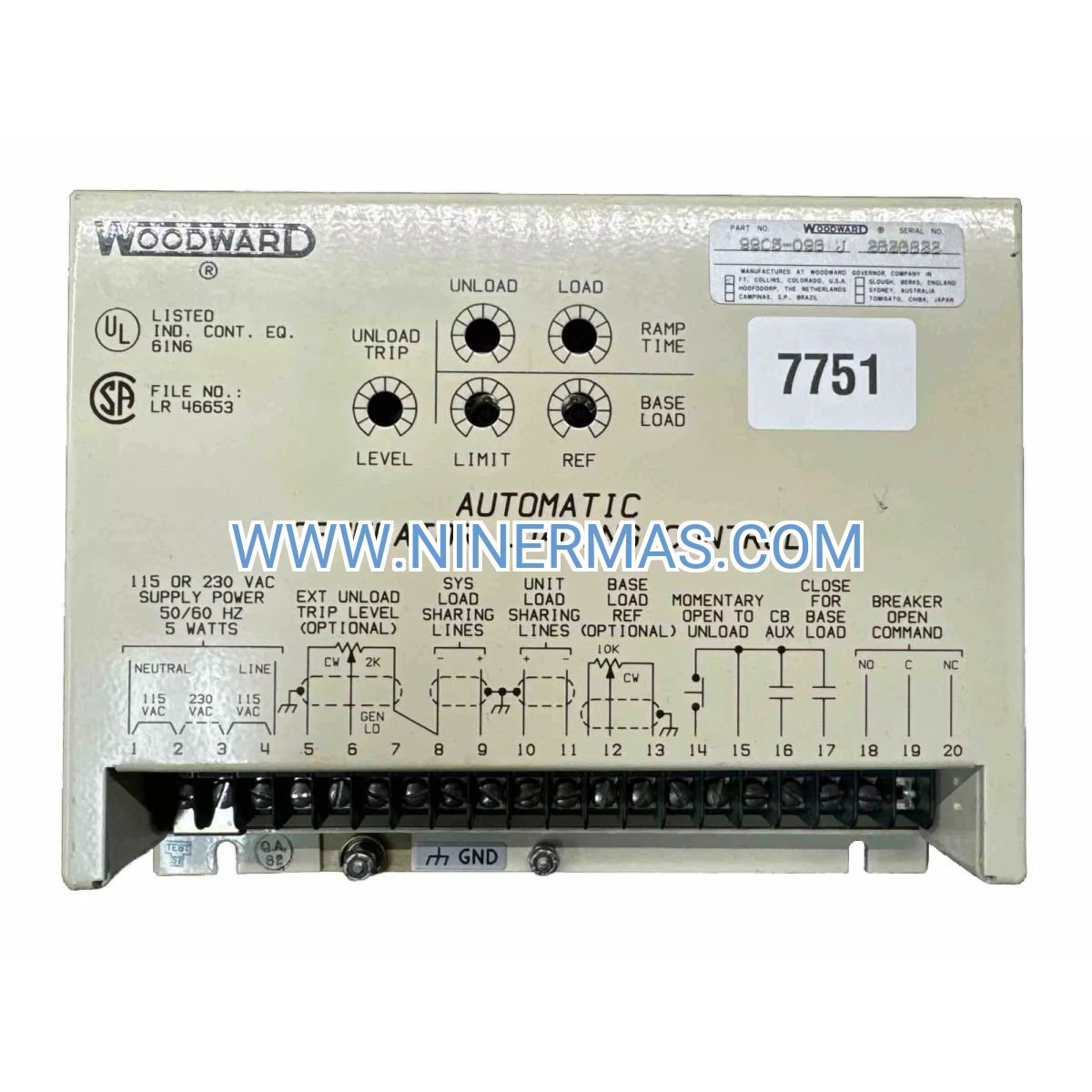
9905-096 AGLC Multi-Generator Load Controller (Industrial-Grade Parallel Operation)
The Woodward 9905-096 AGLC represents a proven solution for autonomous load distribution across 1 to 15 parallel generator sets. Designed for mission-critical power infrastructure, this controller eliminates manual intervention while maximizing fuel economy, extending equipment lifespan, and maintaining grid-quality power stability in industrial, marine, and utility environments.
Engineered for facilities requiring continuous uptime—from offshore drilling platforms to tier-3 data centers—the 9905-096 delivers intelligent genset sequencing, real-time demand forecasting, and fault-tolerant operation. Its modular architecture integrates with legacy Woodward governors and modern SCADA networks, making it ideal for both retrofit upgrades and new installations.
Whether managing peak shaving for manufacturing plants or coordinating emergency backup arrays for hospitals, this AGLC module ensures optimal generator utilization while reducing operational costs through predictive maintenance scheduling and automated runtime balancing.
Core Capabilities & Business Value
✓ Autonomous Load Balancing
Distributes electrical demand proportionally across active gensets based on real-time power factor and kW output, preventing single-unit overload and extending maintenance intervals by 30-40%.
✓ Fuel Consumption Optimization
Dynamic start/stop algorithms match online capacity to actual load requirements, reducing diesel consumption by up to 25% compared to fixed-capacity operation in variable-demand applications.
✓ Predictive Sequencing Logic
Monitors load trends and pre-stages standby units before demand spikes occur, eliminating brownout risks during rapid load transitions in manufacturing or data processing facilities.
✓ Maintenance Rotation Scheduling
Configurable priority matrices ensure equalized runtime distribution across all gensets, preventing premature wear on primary units while maintaining hot-standby readiness for backup generators.
✓ Fault-Tolerant Architecture
Automatic load shedding and unit isolation protocols maintain power continuity during single-genset failures, with configurable alarm escalation for critical fault conditions.
✓ Multi-Protocol Integration
Native Modbus RTU connectivity enables seamless data exchange with building management systems, energy monitoring platforms, and remote operations centers via RS-485 networks.
Industry Applications & Problem Resolution
→ Data Center Backup Arrays
Coordinates 6-12 genset installations for N+1 redundancy configurations, ensuring uninterrupted power during utility outages while minimizing fuel storage requirements through optimized runtime management.
→ Marine Propulsion & Hotel Loads
Balances auxiliary power generation on cruise ships and cargo vessels, automatically adjusting online capacity as propulsion demands fluctuate—reducing fuel costs by 15-20% on long voyages.
→ Industrial Cogeneration Plants
Manages combined heat and power systems where thermal and electrical loads vary independently, maintaining optimal genset loading (60-80% capacity) for maximum efficiency and emissions compliance.
→ Remote Mining Operations
Provides autonomous power management for off-grid sites with 3-8 gensets, eliminating the need for 24/7 operator supervision while maintaining stable voltage/frequency for sensitive processing equipment.
→ Utility Peaking Stations
Enables rapid deployment of distributed generation assets for grid stabilization, with sub-10-second synchronization and load acceptance capabilities during demand response events.
Technical Parameters & Selection Criteria
| Parameter | Specification |
|---|---|
| Model Designation | 9905-096 |
| Genset Capacity Range | 1-15 parallel units |
| Control Strategy | Baseload sharing with droop compensation |
| Power Supply | 18-32 VDC (24V nominal) |
| Communication Interface | Modbus RTU, RS-485 (2-wire/4-wire) |
| Load Accuracy | ±2% of rated kW across all units |
| Environmental Rating | -40°C to +70°C operating range |
| Enclosure Type | Panel-mount, NEMA 4X optional |
| Compliance Certifications | UL 508, CE, DNV-GL marine, ISO 8528 |
Selection Guidelines: Choose the 9905-096 for installations requiring 4+ gensets with mixed capacities (200 kW - 3 MW range). For single or dual-genset applications, consider the Woodward EGCP series. Verify compatibility with existing governor models (2301A, 505E, or equivalent) before procurement.
Advanced Integration Features
SCADA Connectivity: Exposes 150+ Modbus registers for remote monitoring of individual genset performance, fuel consumption trends, and predictive maintenance alerts. Compatible with Wonderware, Ignition, and Siemens WinCC platforms.
Custom Load Profiles: Programmable demand curves accommodate time-of-day tariffs, renewable energy integration (solar/wind hybrid systems), and seasonal load variations through 12-month scheduling matrices.
Retrofit Compatibility: Adapts to existing genset installations via current transformers (CTs) and voltage sensing inputs—no engine control system replacement required for basic load sharing functionality.
Delivery Timeline & Service Assurance
Standard Lead Time: 3-5 business days for in-stock units (North America/Europe)
Custom Configurations: 2-3 weeks for application-specific programming and I/O expansion modules
Warranty Coverage: 12 months from installation date, covering manufacturing defects and component failures
Technical Support: 24/7 phone/email assistance with 4-hour response SLA for critical power applications
Documentation Package: Installation manual, Modbus register map, CAD drawings (DXF/PDF), and sample ladder logic for PLC integration
Frequently Asked Questions
How does the 9905-096 handle gensets with different power ratings?
The controller uses proportional load sharing algorithms that account for each unit's rated capacity. A 500 kW genset and 1000 kW genset will both operate at 70% load simultaneously, rather than equal kW output—preventing smaller units from overloading.
What happens if communication is lost to one genset during operation?
The AGLC defaults to isolated operation mode for the affected unit while continuing coordinated control of remaining gensets. Alarm notifications trigger immediately, and the system can be configured for automatic load reduction or unit shutdown based on site-specific safety protocols.
Can this controller manage renewable energy integration with diesel gensets?
Yes, when paired with appropriate power conversion equipment. The 9905-096 treats solar/wind inverters as negative loads, automatically reducing genset output as renewable generation increases—maintaining total system stability within ±0.5 Hz frequency tolerance.
Is field reprogramming possible without factory return?
Absolutely. Configuration changes are performed via RS-485 connection using Woodward's GAP software (Windows-based). Parameter adjustments, setpoint modifications, and firmware updates can be completed on-site by qualified technicians.
What cybersecurity measures protect the Modbus network?
The unit supports isolated RS-485 segments with configurable slave addresses (1-247). For Ethernet connectivity (optional module), implement VLAN segmentation and firewall rules per IEC 62443 industrial security standards. No default passwords or open ports exist in base configuration.
Does the system require dedicated operator training?
Basic operation is fully automatic post-commissioning. However, we recommend 4-hour orientation sessions for maintenance staff covering alarm interpretation, manual override procedures, and routine diagnostics—training materials included with purchase.
Take the Next Step
Ready to optimize your multi-genset installation? Contact our power systems specialists for application-specific sizing, ROI analysis, and integration planning. We provide complimentary load profile assessments and can arrange factory acceptance testing for critical deployments.
Request a technical consultation: Share your genset specifications, load characteristics, and operational requirements for a customized implementation proposal within 48 hours.
© 2026 NINERMAS COMPANY LIMITED. All rights reserved.
Original Source: https://ninermas.com
Contact: sale@ninermas.com | +0086 187 5021 5667

Contact Info
-
Address:22 / F, South Wo Hang building, 148 Wing Lok Street, Sheung Wan, Western District, Hong Kong
-
Phone:+8618750215667
-
Email: