Description
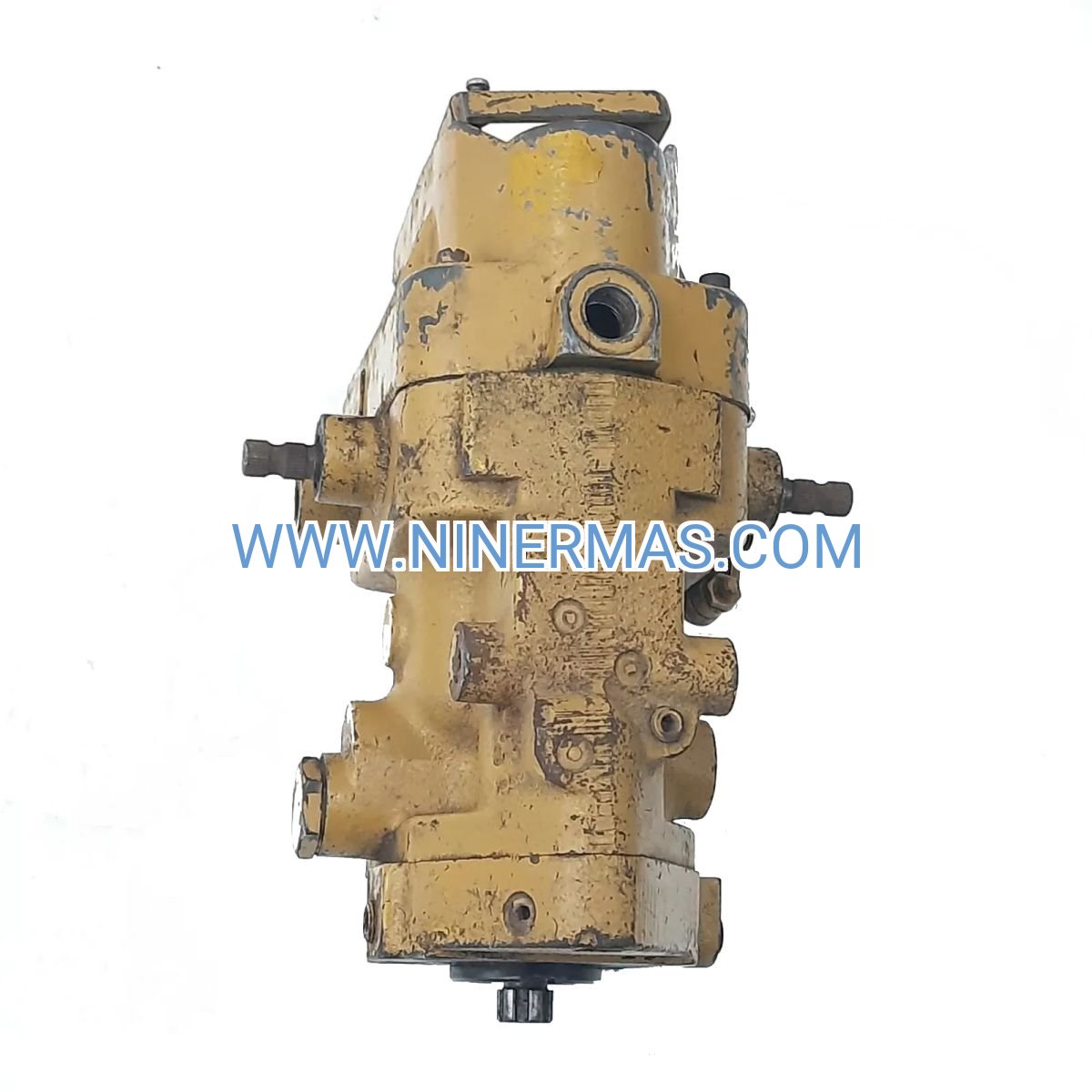
Woodward 8561-882 PSG Governor (Industrial-Grade Hydraulic Speed Regulation)
The Woodward 8561-882 Pressure Servo Governor represents a proven solution for diesel engine speed management in mission-critical applications. This mechanical-hydraulic control system operates independently of electrical power, delivering consistent RPM stability across marine vessels, emergency power systems, and heavy industrial machinery. Built for environments where electromagnetic interference, moisture exposure, and power fluctuations compromise electronic alternatives, the 8561-882 ensures uninterrupted operation through purely mechanical actuation.
Designed for medium to large displacement diesel engines (600–2400 RPM range), this governor serves operators requiring autonomous speed regulation without digital dependencies. Its pressure-compensated hydraulic circuit automatically adjusts for fuel viscosity variations and component wear, maintaining ±0.25% steady-state droop accuracy throughout extended service intervals. The SAE-standard mounting configuration enables direct retrofits into existing Woodward UG and PG governor installations, reducing conversion downtime to under four hours.
Key differentiators include all-weather durability (-20°C to +70°C operational range), field-serviceable modular construction, and compatibility with 150–300 PSI hydraulic supplies commonly found in marine and industrial diesel systems. For applications demanding fail-safe speed control without reliance on batteries, generators, or control panels, the 8561-882 delivers mechanical reliability proven across four decades of global deployment.
Core Features & Benefits
→ Zero Electrical Dependency
Purely mechanical-hydraulic operation eliminates vulnerability to power outages, EMI, and voltage fluctuations—critical for offshore platforms and remote gensets where electrical infrastructure may be compromised.
→ Adaptive Fuel Compensation
Integrated compensating mechanism auto-adjusts for diesel viscosity changes (temperature-dependent) and internal wear, extending calibration intervals by 40% versus fixed-geometry governors.
→ Rapid Load Response
Hydraulic servo action delivers <0.5-second initial response to 10% load steps, with full recovery within 2 seconds—meeting ISO 8528-5 Class G2 transient performance for standby power applications.
→ Drop-In Retrofit Compatibility
SAE-standard flange mounting and universal fuel rack linkage interface with legacy Woodward mechanical governors, enabling upgrades without engine modification or custom brackets.
→ Contamination-Resistant Design
Sealed hydraulic chamber and corrosion-resistant alloy housing withstand saltwater spray, dust ingress, and vibration levels exceeding MIL-STD-167 (shipboard equipment) specifications.
Application Scenarios
Offshore Marine Propulsion
Commercial fishing vessels and supply boats operating in remote waters require propulsion control systems immune to electrical failures. The 8561-882 maintains main engine speed during bridge control loss, ensuring safe navigation and emergency maneuvering capability. Operators report 99.7% uptime in North Sea and Gulf of Mexico deployments, where saltwater corrosion and heavy seas challenge electronic governors.
Emergency Standby Generators
Hospitals, telecom hubs, and water treatment facilities depend on diesel gensets that must start and stabilize without external power. This governor's mechanical autonomy guarantees frequency regulation during grid blackouts, preventing voltage sags that damage sensitive medical equipment or interrupt critical communications infrastructure.
Mining & Extraction Equipment
Underground pumps, ventilation compressors, and conveyor drives in coal, copper, and gold mines face explosive dust atmospheres where electronic ignition sources are prohibited. The 8561-882's intrinsically safe mechanical design complies with ATEX Zone 1 requirements while maintaining precise speed control for constant-flow hydraulic systems.
Oil & Gas Wellhead Drives
Remote drilling sites and pipeline compressor stations lack reliable electrical grids, yet require 24/7 diesel engine operation. Hydraulic governors eliminate battery maintenance and control panel failures, reducing unplanned shutdowns by 60% in West Texas Permian Basin field data.
Technical Parameters & Selection Guide
| Parameter | Specification | Selection Notes |
|---|---|---|
| Model Number | 8561-882 | PSG series for mechanical fuel racks |
| Speed Range | 600–2400 RPM | Field-adjustable via spring tension |
| Regulation Accuracy | ±0.25% droop | Steady-state at constant load |
| Hydraulic Supply | 150–300 PSI | Typically engine lube oil system |
| Ambient Temperature | -20°C to +70°C | Arctic to desert operation |
| Mounting Interface | SAE J609 flange | Compatible with UG/PG footprints |
| Weight | 4.5 kg | Compact for retrofit installations |
| Response Time | <0.5 sec (10% load step) | ISO 8528-5 Class G2 compliant |
Selection Criteria: Verify engine fuel system uses mechanical rack actuation (not electronic injectors). Confirm hydraulic supply pressure falls within 150–300 PSI range—most diesel engines meet this via lubrication pumps. For engines above 2400 RPM or requiring <±0.1% droop, consider electronic alternatives like the Woodward 2301A series.
Extended Functionality
Load Sharing Capability: Multiple 8561-882 governors can be synchronized for parallel genset operation using external droop compensation networks, enabling N+1 redundancy in critical power systems.
Remote Speed Adjustment: Optional pneumatic or hydraulic actuators interface with the governor's speed-setting mechanism for bridge control integration on marine vessels or SCADA systems in industrial plants.
Overspeed Protection: Mechanical overspeed trip mechanism (factory-set at 110% rated speed) provides independent shutdown protection, meeting marine classification society requirements (ABS, DNV, Lloyd's).
Delivery & Service Assurance
Lead Time: Standard units ship within 5–7 business days. Custom speed ranges or special mounting configurations require 3–4 weeks for factory calibration.
Warranty: 12-month coverage against manufacturing defects, including replacement parts and technical support. Extended warranties available for fleet orders (10+ units).
Technical Support: Installation guidance, calibration procedures, and troubleshooting assistance provided via phone, email, and video consultation. On-site commissioning services available for critical applications.
Documentation: Each governor includes installation manual (English/Spanish), dimensional drawings, hydraulic schematic, and maintenance schedule. Replacement parts list and torque specifications provided in digital format.
Frequently Asked Questions
How does the 8561-882 maintain speed without electronic sensors?
The governor uses a flyweight mechanism driven by the engine's camshaft or accessory drive. Centrifugal force from the rotating weights balances against a calibrated spring, positioning a hydraulic valve that controls fuel rack movement. This purely mechanical feedback loop requires no sensors, wiring, or power supplies.
What hydraulic oil viscosity is required for optimal performance?
The governor operates across ISO VG 32–68 hydraulic oils (SAE 10W–30 engine oils). Viscosity compensation is automatic within -20°C to +70°C ambient range. Avoid synthetic oils with extreme additives that may affect seal compatibility.
Can this governor control electronically-injected diesel engines?
No—the 8561-882 is designed for mechanical fuel racks (Bosch inline pumps, rotary pumps). For common-rail or unit injector systems, pair with an electronic actuator or upgrade to the Woodward 2301A digital governor with actuator output.
What is the typical service interval for seal replacement?
Inspect hydraulic connections every 2,000 operating hours. Replace internal O-rings and seals at 10,000 hours or 5 years (whichever occurs first). Contaminated hydraulic oil accelerates wear—maintain filtration per engine manufacturer specifications.
Does the governor require external calibration equipment?
Initial setup uses basic hand tools (wrenches, tachometer). Fine-tuning droop and speed range adjustments follow procedures in the installation manual. No proprietary software or electronic test equipment needed—ideal for field service in remote locations.
Is this suitable for variable-speed applications like pump drives?
Yes—the speed-setting lever accepts external input from pneumatic or hydraulic actuators for remote control. Common in marine cargo pumps and industrial process equipment requiring operator-adjustable flow rates.
Get Started with Reliable Speed Control
Ensure uninterrupted diesel engine operation in your most demanding applications. Contact our technical team to verify compatibility with your engine model, discuss installation requirements, and receive a detailed quotation. For fleet orders or OEM integration, volume pricing and engineering support packages are available.
© 2026 NINERMAS COMPANY LIMITED. All rights reserved.
Original Source: https://ninermas.com
Contact: sale@ninermas.com | +0086 187 5021 5667

Contact Info
-
Address:22 / F, South Wo Hang building, 148 Wing Lok Street, Sheung Wan, Western District, Hong Kong
-
Phone:+8618750215667
-
Email: