Description
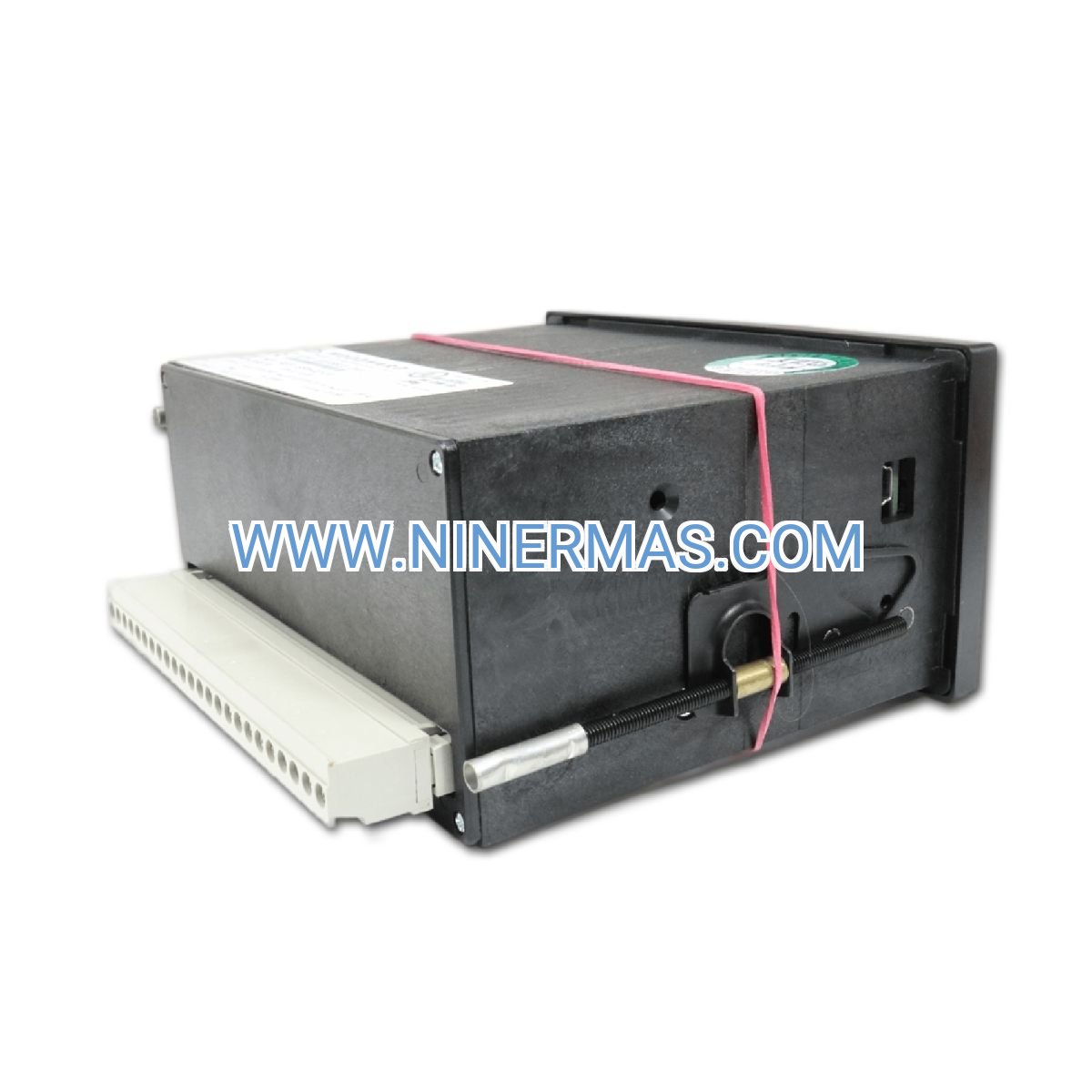
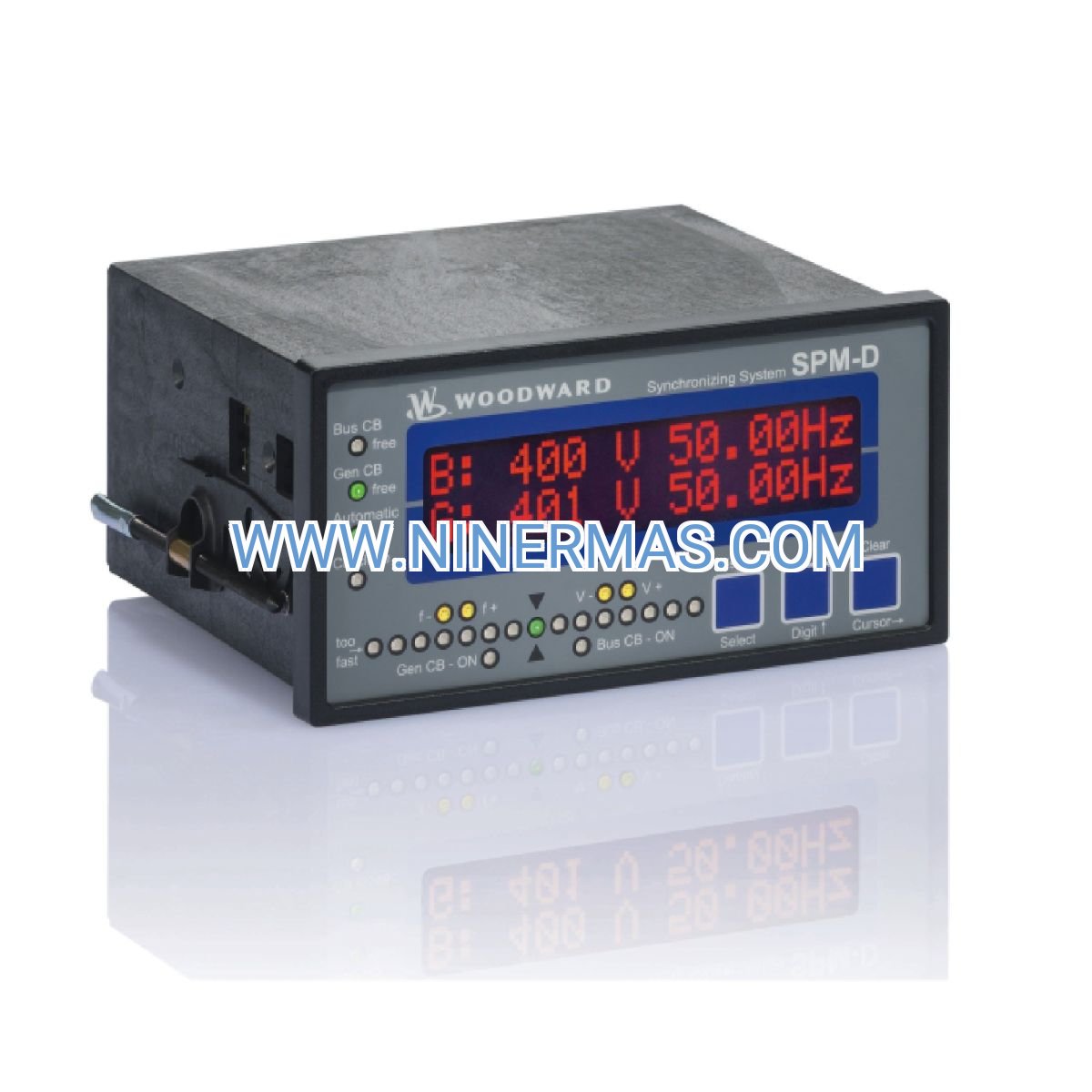
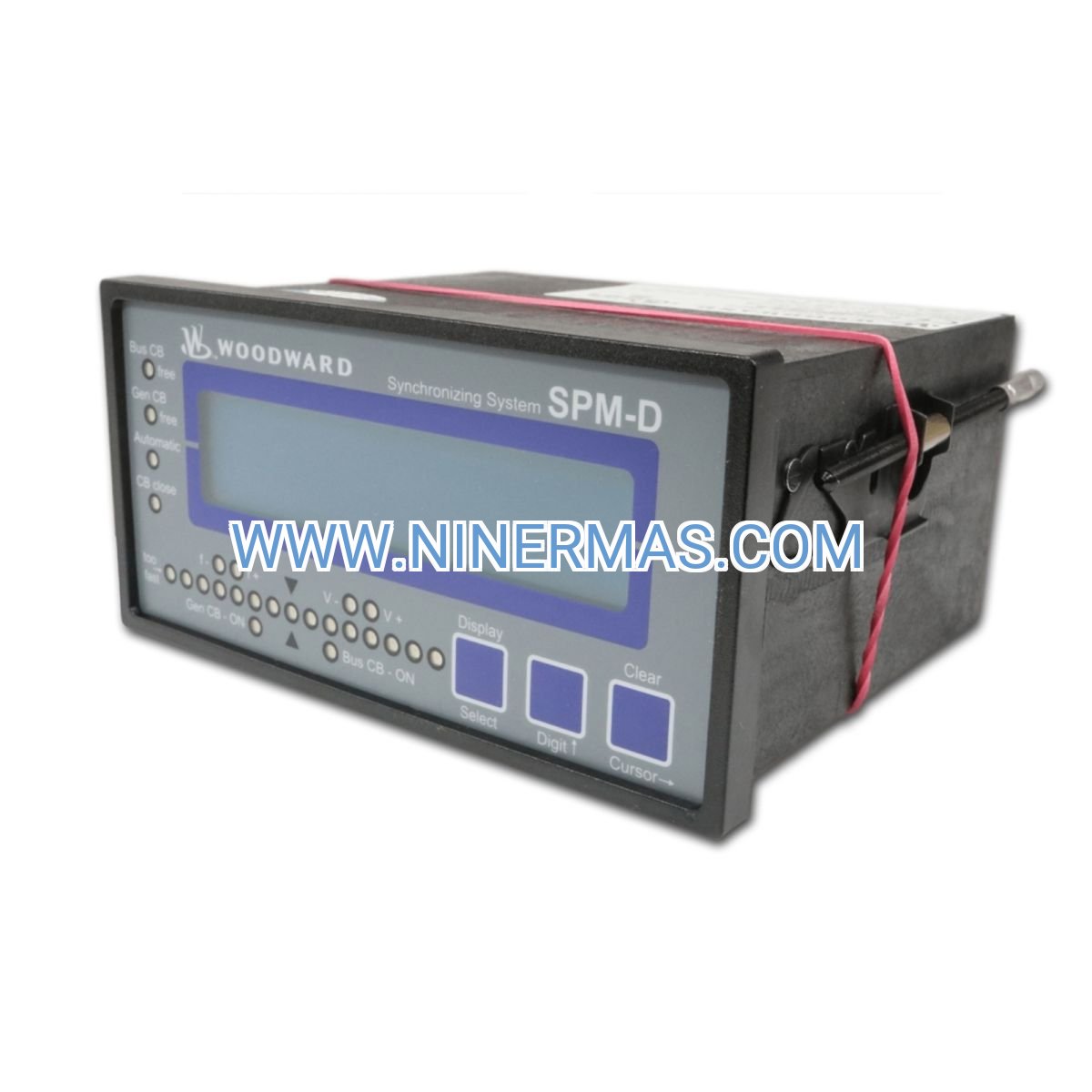
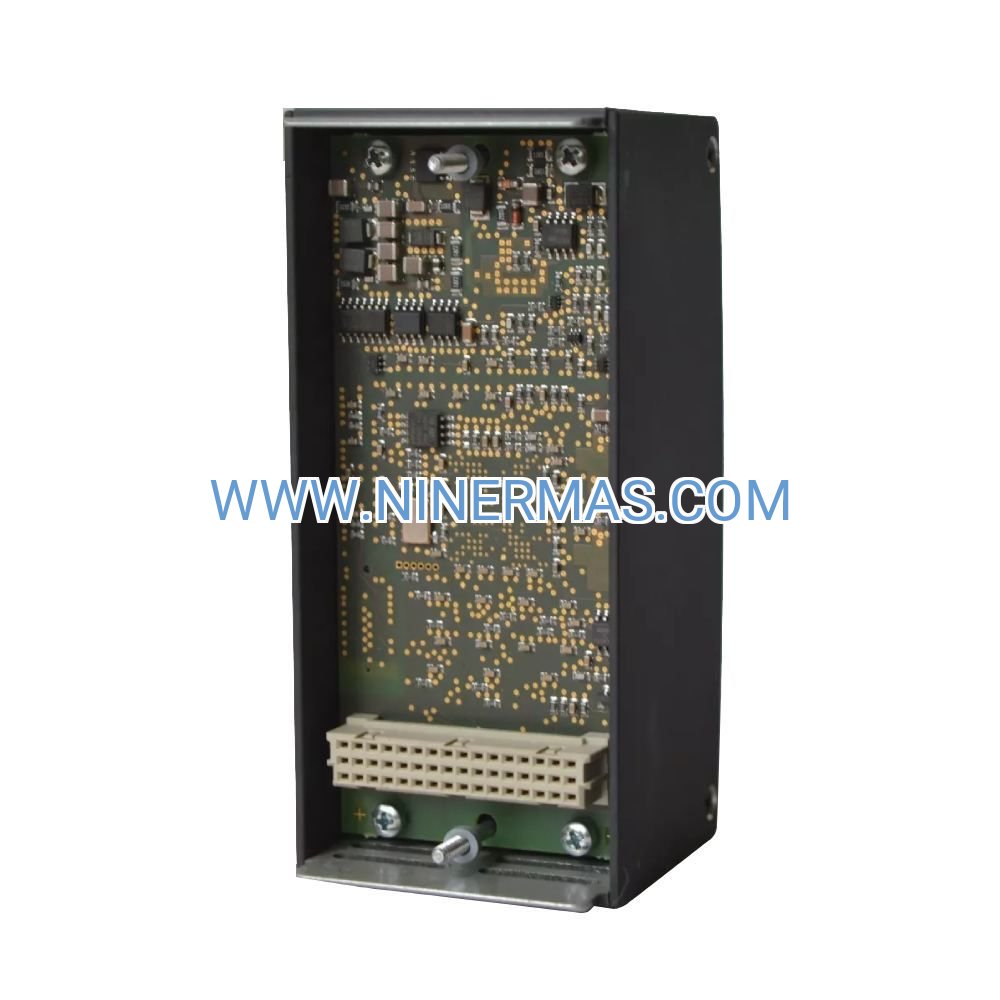
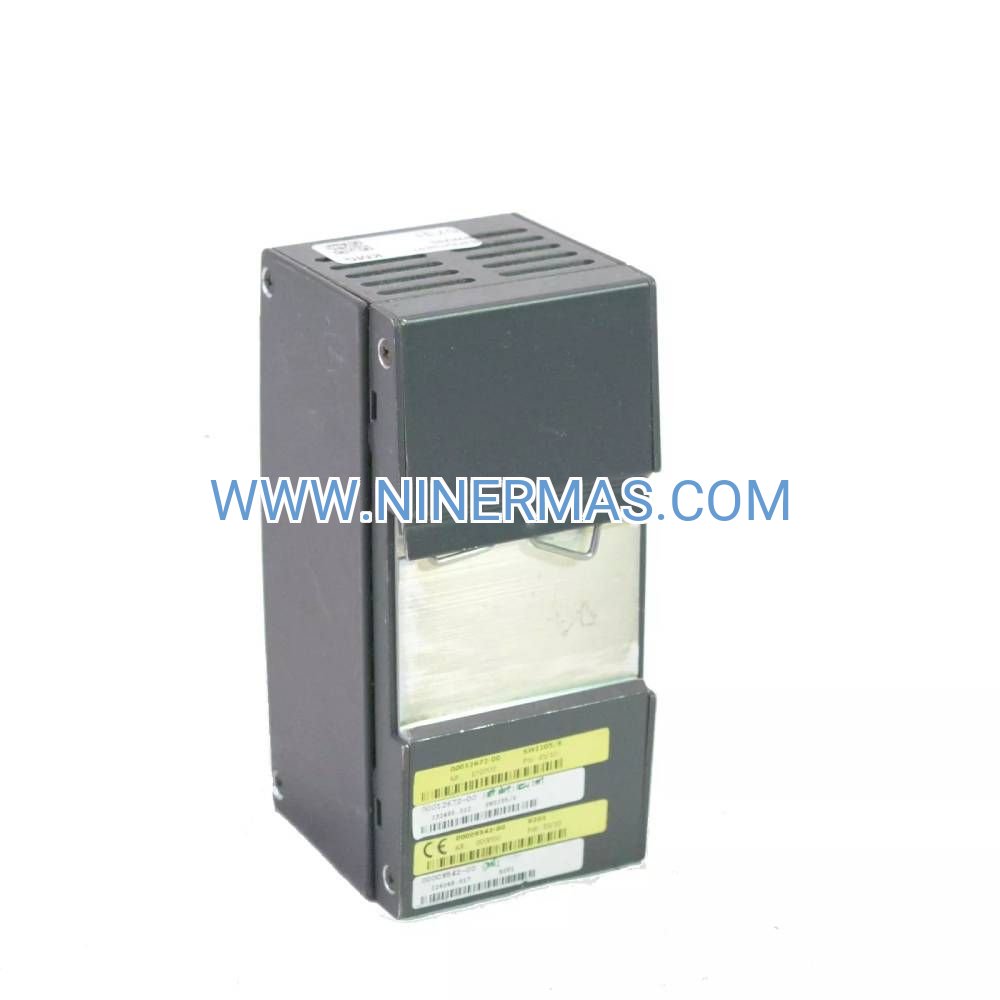
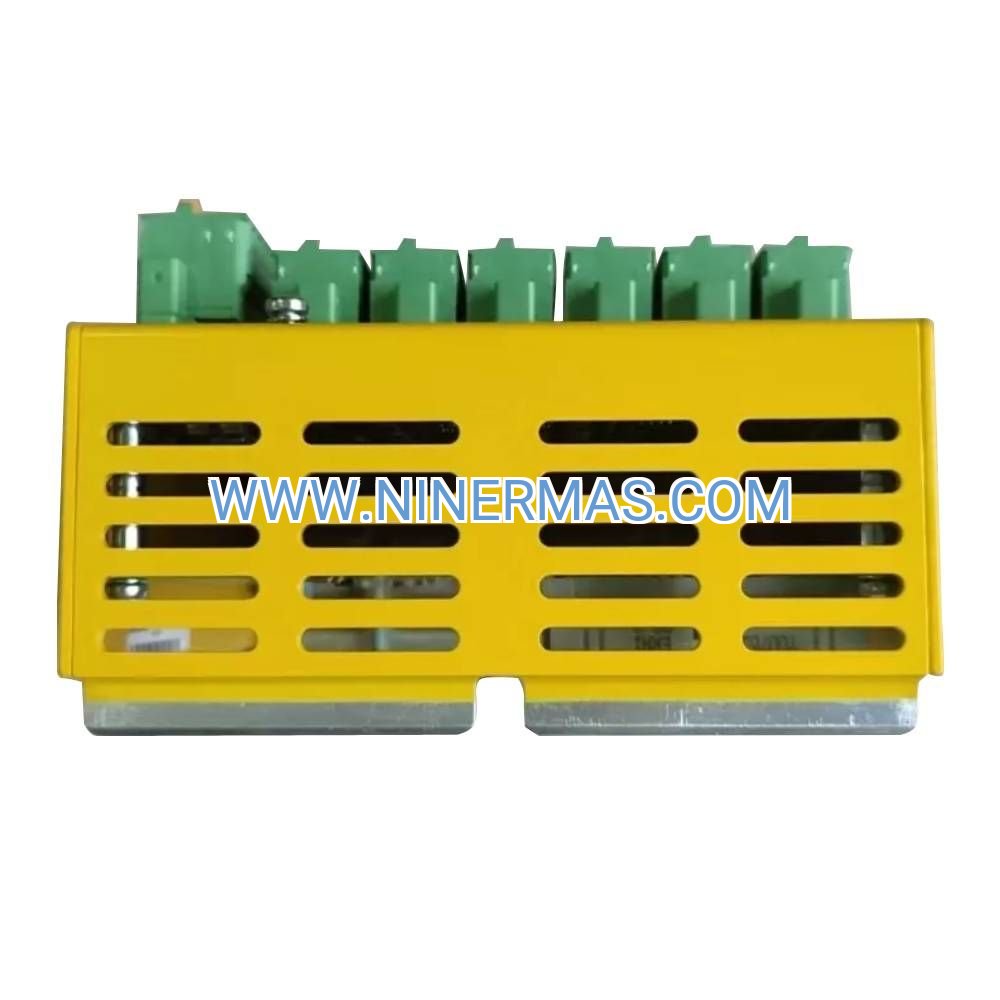
8440-2166 SPM-D2-10 Synchronizer (Industrial-Grade Genset Paralleling Module)
The Woodward 8440-2166 represents a proven solution for automated generator synchronization in mission-critical power systems. Engineered with microprocessor intelligence, this SPM-D2-10 synchronizer delivers precise voltage, frequency, and phase-angle matching for 3-phase AC generators across diesel and gas turbine applications. Whether you're managing standby power infrastructure, prime generation facilities, or multi-genset load-sharing networks, this module ensures safe, transient-free paralleling every time.
Designed for system integrators, facility engineers, and OEM manufacturers, the 8440-2166 addresses the core challenge of generator paralleling: eliminating electrical shock loads during breaker closure. Its adaptive control algorithms continuously monitor incoming and bus conditions, executing synchronization only when parameters fall within safe tolerances. The result is extended equipment lifespan, reduced maintenance costs, and uninterrupted power availability for critical loads.
Compact, rugged, and field-proven across thousands of installations worldwide, the SPM-D2-10 integrates seamlessly into Woodward control ecosystems while maintaining compatibility with third-party governors, AVRs, and SCADA platforms. From data centers to offshore platforms, this synchronizer module delivers the reliability your operations demand.
Core Capabilities & Technical Advantages
✓ Adaptive Synchronization Logic: Microprocessor-driven algorithms automatically adjust sync windows based on real-time system conditions, reducing paralleling time by up to 40% compared to electromechanical alternatives while maintaining safety margins.
✓ Dual-Frequency Operation: Field-configurable for 50 Hz or 60 Hz systems without hardware changes, enabling global deployment flexibility and simplified spare parts inventory management across multi-region facilities.
✓ Out-of-Sync Protection: Built-in interlocks prevent breaker closure when voltage differential exceeds ±10%, frequency slip surpasses ±0.2 Hz, or phase angle error exceeds ±10°, safeguarding generators and switchgear from damaging transients.
✓ Real-Time Diagnostics: Multi-color LED indicators provide instant visibility into sync status, fault conditions, and operational modes, reducing troubleshooting time and enabling rapid fault isolation during commissioning or maintenance.
✓ Extended Environmental Range: Operates reliably from -40°C to +70°C with conformal coating protection against humidity, dust, and vibration—ideal for outdoor enclosures, engine rooms, and harsh industrial environments.
✓ Modular Architecture: Standard DIN-rail mounting and plug-in terminal blocks enable quick installation, hot-swapping for minimal downtime, and straightforward integration into existing control panels without custom fabrication.
Industry Applications & Use Cases
→ Data Center & Colocation Facilities: Ensures seamless paralleling of N+1 redundant gensets during utility outages, maintaining 99.999% uptime SLAs for cloud infrastructure and enterprise IT systems. Eliminates load transfer delays that could trigger UPS battery depletion.
→ Healthcare & Hospital Systems: Coordinates emergency generator paralleling for life-safety systems, surgical suites, and critical care units. Meets NFPA 110 requirements for automatic transfer and synchronization in less than 10 seconds from start signal.
→ Manufacturing & Process Industries: Manages load-sharing between multiple gensets in continuous-duty applications, optimizing fuel efficiency and runtime hours across generator fleets. Prevents production line shutdowns caused by single-point power failures.
→ Marine & Offshore Platforms: Controls shipboard power distribution and offshore rig generator paralleling in high-vibration, salt-spray environments. Supports dynamic positioning systems and drilling operations requiring uninterrupted power availability.
→ Utility-Interactive Systems: Enables grid-parallel operation for distributed generation, cogeneration plants, and peak-shaving installations. Synchronizes on-site generation with utility supply for seamless transitions during demand response events.
Technical Specifications & Selection Criteria
| Parameter | Specification |
|---|---|
| Model Designation | 8440-2166 (SPM-D2-10) |
| Control Technology | Microprocessor-based digital control |
| Generator Type | 3-phase AC synchronous generators |
| Voltage Sensing Range | 100-600 VAC (multi-range input) |
| Frequency Compatibility | 50/60 Hz (field-selectable) |
| Sync Accuracy | ±5° phase angle, ±0.1 Hz frequency |
| Operating Temperature | -40°C to +70°C |
| Storage Temperature | -55°C to +85°C |
| Humidity Tolerance | 5-95% RH non-condensing |
| Vibration Resistance | IEC 60068-2-6 compliant |
| Mounting Method | DIN-rail or panel mount |
| Dimensions (H×W×D) | 120 × 95 × 75 mm |
| Weight | 0.8 kg |
| Protection Rating | IP20 (enclosure-dependent) |
Selection Guidance: Choose the SPM-D2-10 for applications requiring standalone synchronization without integrated load control. For systems needing combined sync and load-sharing functionality, consider the DSLC series. Verify voltage sensing range compatibility with your generator and bus voltage levels. Consult factory for custom frequency ranges outside 50/60 Hz standards.
Advanced Integration & Connectivity
The 8440-2166 synchronizer functions as a critical node within comprehensive genset control architectures. Communication interfaces support Modbus RTU protocol for integration with building management systems, SCADA platforms, and remote monitoring solutions. Discrete I/O connections enable coordination with automatic transfer switches, circuit breakers, and annunciator panels.
When deployed alongside Woodward speed governors (e.g., 505E, 2301A series) and voltage regulators, the SPM-D2-10 enables fully automated paralleling sequences—from start command through load acceptance—without operator intervention. This integrated approach reduces commissioning complexity and ensures consistent performance across multi-vendor control systems.
For retrofit applications, the module's universal voltage sensing inputs and adjustable sync parameters accommodate legacy generators and non-standard configurations. Field-programmable settings allow fine-tuning of sync windows, breaker closure delays, and fault response behavior to match specific site requirements.
Delivery Timeline & Service Commitment
Standard Lead Time: 3-5 business days for in-stock units; 2-3 weeks for factory-direct orders
Warranty Coverage: 12-month manufacturer warranty against defects in materials and workmanship
Technical Support: Pre-sales application engineering, installation guidance, and post-sales troubleshooting included
Documentation Package: Installation manual, wiring diagrams, configuration software, and quick-start guide provided with each unit
Frequently Asked Questions
How does the SPM-D2-10 synchronizer prevent out-of-sync breaker closure?
The module continuously compares incoming generator voltage, frequency, and phase angle against bus conditions. Breaker closure is permitted only when all three parameters fall within programmable tolerance windows (typically ±10V, ±0.2 Hz, ±10°). If conditions drift outside limits, the sync attempt is aborted and an alarm is generated.
Can this synchronizer module operate with non-Woodward governors and AVRs?
Yes, the 8440-2166 is vendor-agnostic and interfaces with any generator control system via standard discrete I/O signals. It monitors voltage and frequency directly from generator and bus PTs, requiring no proprietary communication with other control devices.
What is the typical synchronization cycle time from start to breaker closure?
Under normal conditions with properly tuned governor and AVR, synchronization completes in 10-30 seconds. Actual time depends on initial frequency/voltage offset, governor response characteristics, and programmed sync window tolerances. Systems with large initial offsets may require 45-60 seconds.
Does the module support automatic re-synchronization after a failed attempt?
Yes, the SPM-D2-10 includes configurable retry logic. After a failed sync attempt (e.g., due to excessive frequency drift), the module can automatically initiate up to 3 retry cycles with adjustable delay intervals before generating a lockout fault requiring manual reset.
Is remote monitoring and control capability available for this synchronizer?
The module provides Modbus RTU communication for remote status monitoring and parameter adjustment. When connected to a SCADA system or PLC, operators can view sync status, fault codes, and voltage/frequency measurements in real-time. Remote breaker control requires external relay logic.
What maintenance procedures are recommended for long-term reliability?
The SPM-D2-10 is a solid-state device requiring minimal maintenance. Annual inspection should include: verification of terminal tightness, cleaning of dust accumulation, functional testing of sync sequence, and validation of voltage/frequency sensing accuracy using calibrated test equipment. No internal adjustments or component replacements are typically needed.
Ready to Optimize Your Generator Paralleling System?
Contact our technical team for application-specific guidance, system integration support, or volume pricing. We provide complete genset control solutions—from synchronizers and governors to load-sharing controllers and monitoring systems—backed by decades of power generation expertise.
© 2026 NINERMAS COMPANY LIMITED. All rights reserved.
Original Source: https://ninermas.com
Contact: sale@ninermas.com | +0086 187 5021 5667

Contact Info
-
Address:22 / F, South Wo Hang building, 148 Wing Lok Street, Sheung Wan, Western District, Hong Kong
-
Phone:+8618750215667
-
Email: