Description
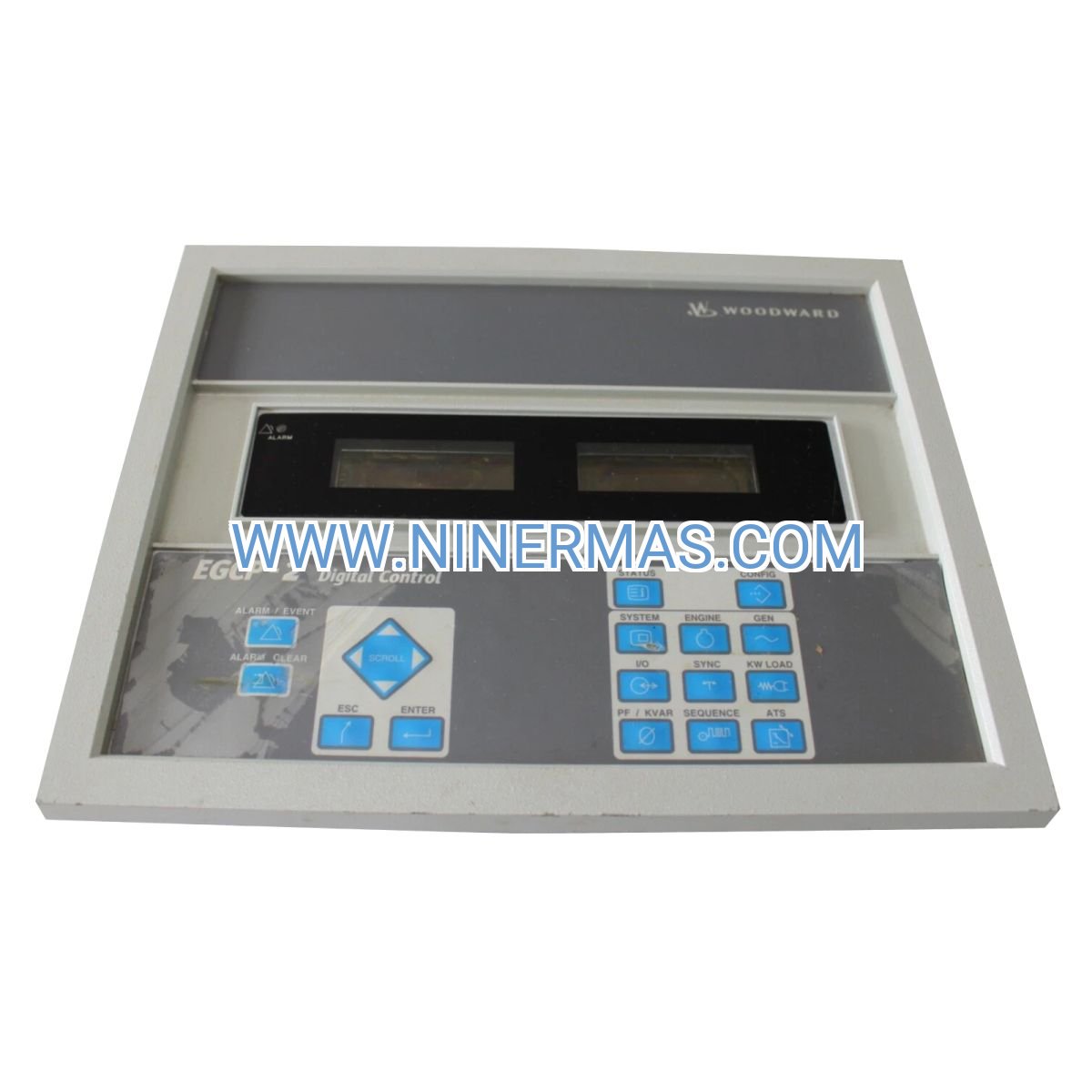
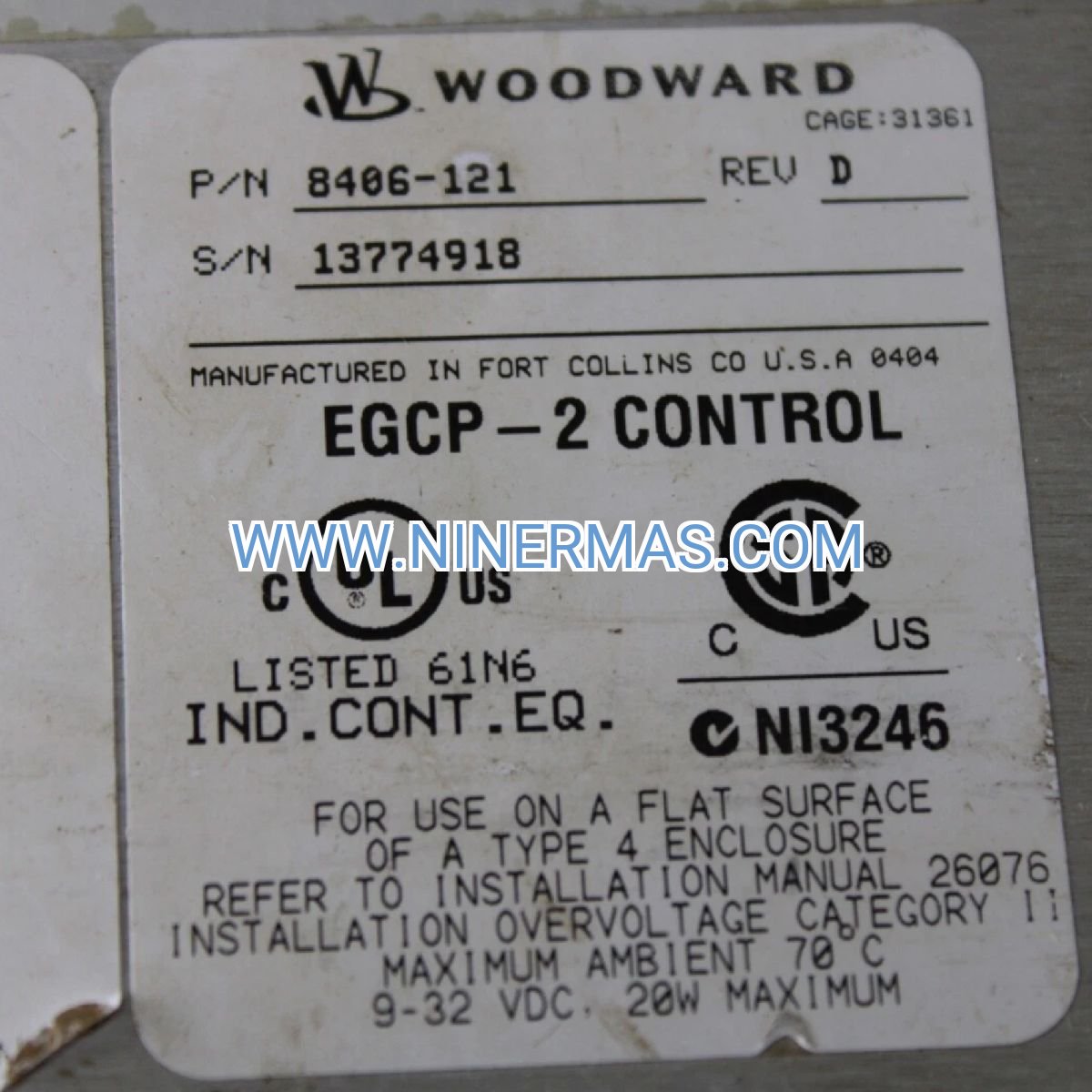
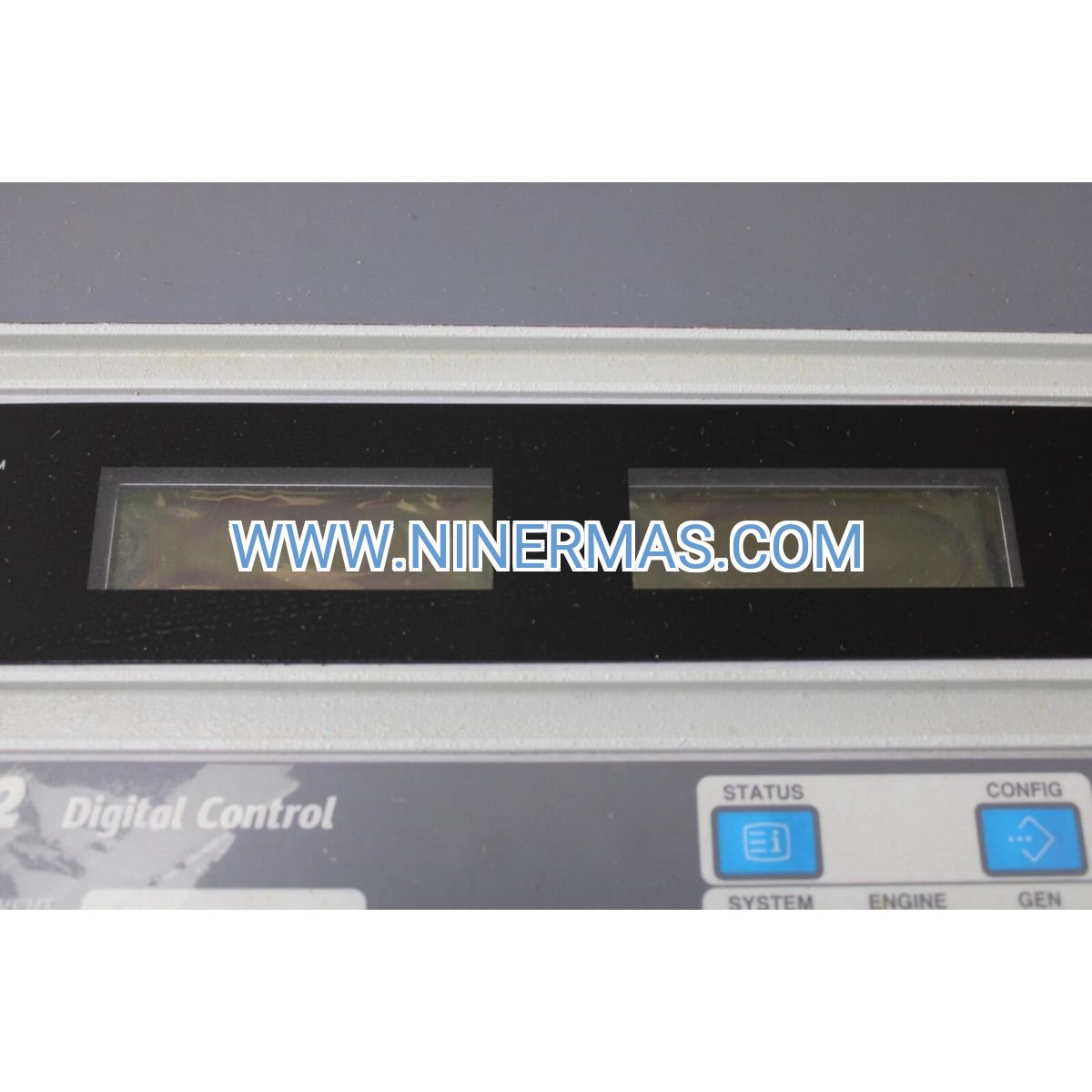
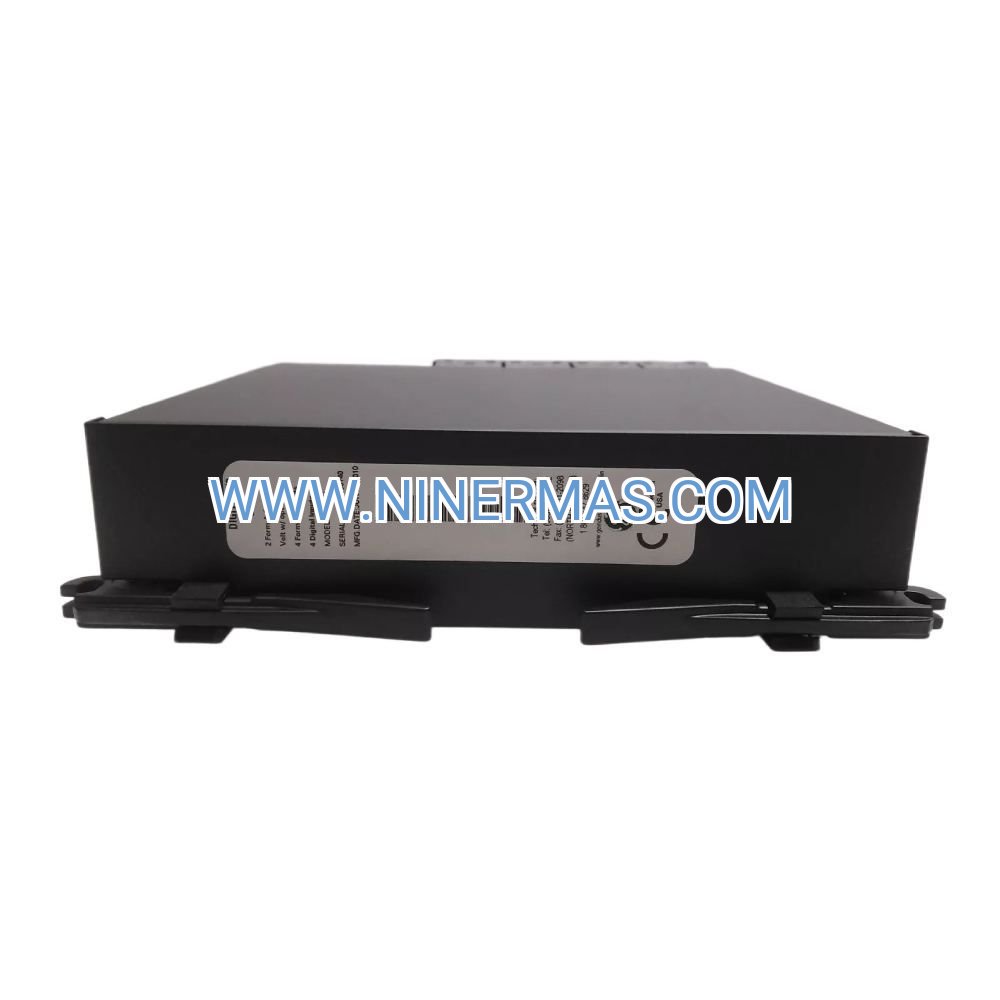
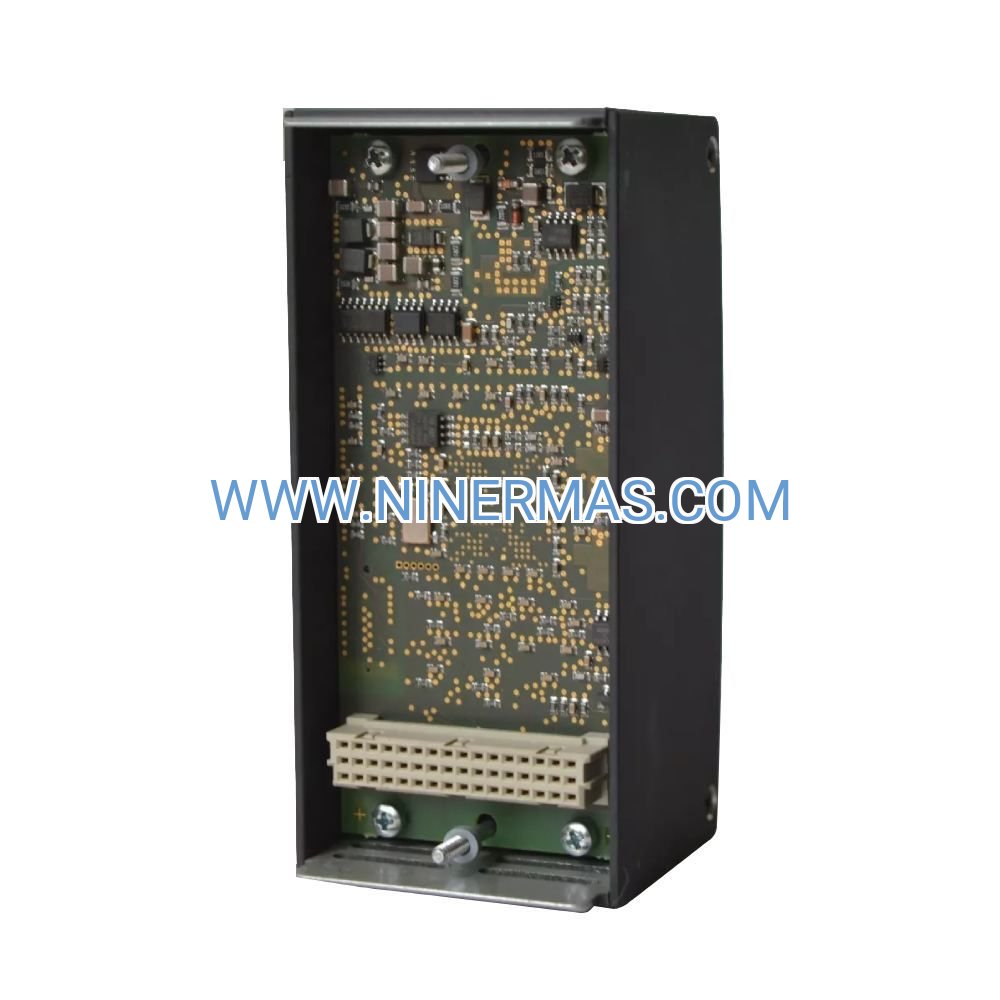
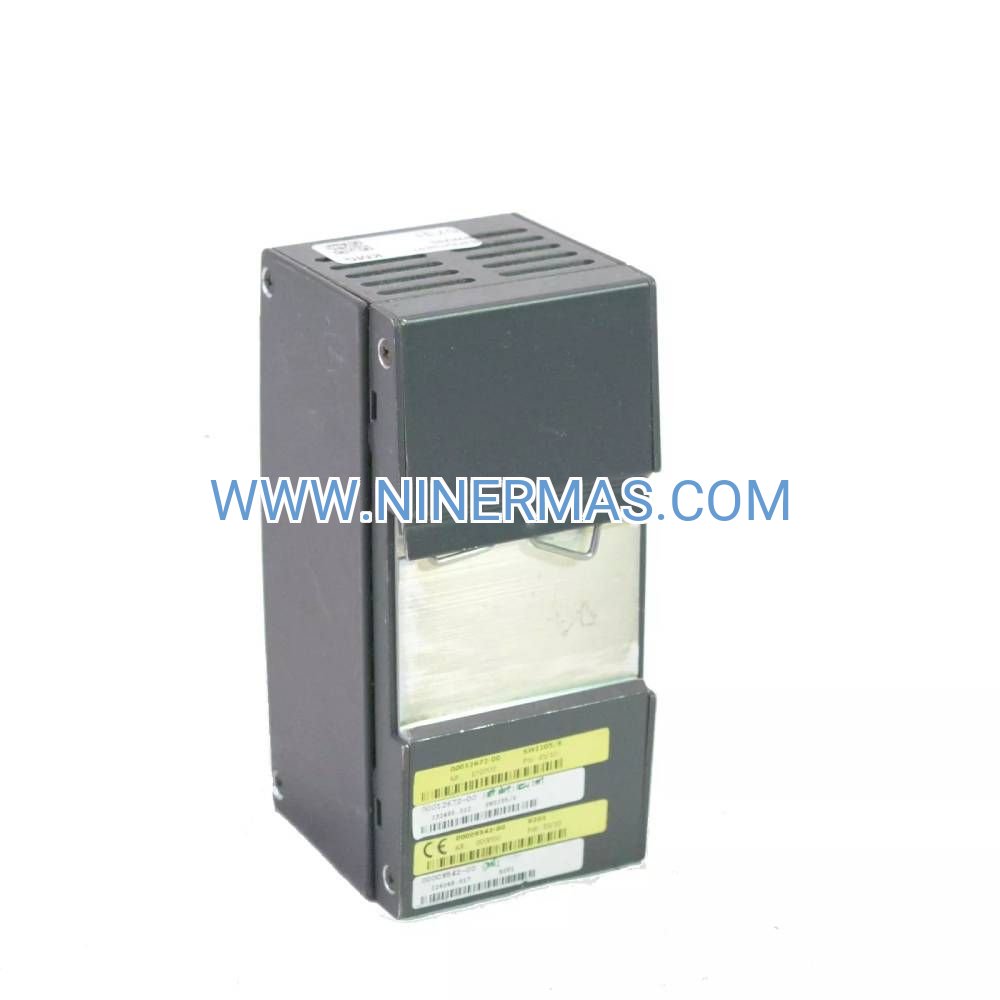
8406-121 Electronic Speed Governor (Industrial-Grade Precision Control)
The Woodward 8406-121 delivers consistent engine speed regulation where operational stability matters most. Built for generator sets, marine propulsion systems, and process-critical machinery, this electronic governor eliminates speed fluctuations that compromise power quality and equipment longevity. Whether you're managing parallel gensets in a data center or controlling auxiliary engines on offshore vessels, the 8406-121 maintains target RPM within ±0.25% accuracy—even during rapid load transitions.
Industrial operators choose this governor to replace aging mechanical systems prone to wear and drift. Its solid-state architecture removes linkage adjustments and spring fatigue from your maintenance schedule, while PID control algorithms respond to load changes in under 100 milliseconds. For facilities requiring uninterrupted power or precise process speeds, the 8406-121 transforms engine performance from variable to predictable.
Designed for harsh environments from Arctic installations to tropical marine applications, this governor operates reliably across -40°C to +70°C temperature extremes. IP54 environmental sealing protects internal electronics from dust ingress and moisture exposure, ensuring consistent performance in engine rooms, outdoor enclosures, and industrial plants where climate control is impractical.
Core Capabilities & Technical Advantages
✓ Precision Speed Regulation: Maintains engine RPM within 0.25% of setpoint through advanced PID algorithms, ensuring stable frequency output for grid-tied generators and consistent process speeds for mechanical drives.
✓ Rapid Load Response: Sub-100ms reaction time to load changes prevents frequency sags during motor starts or sudden demand increases, protecting sensitive electrical equipment from voltage transients.
✓ Configurable Speed Range: Field-adjustable from 300 to 3600 RPM accommodates diverse engine types—from slow-speed marine diesels to high-speed industrial gas engines—without hardware modifications.
✓ Parallel Operation Ready: Integrated droop compensation and load-sharing inputs enable stable multi-engine configurations, distributing kW loads evenly across generator sets without hunting or oscillation.
✓ Maintenance-Free Operation: Solid-state design eliminates mechanical wear components found in traditional governors, reducing service intervals and extending mean time between failures beyond 50,000 operating hours.
✓ Universal Actuator Compatibility: Standard 4-20mA output drives proportional electric actuators from Woodward, GAC, and other manufacturers, simplifying retrofits and spare parts management.
Industry Applications & Problem-Solving
→ Emergency & Standby Power Systems: Hospitals, telecom facilities, and critical infrastructure rely on the 8406-121 to achieve grid-quality frequency regulation during utility outages. The governor's fast response prevents voltage sags when HVAC systems or medical equipment cycles on, while droop settings allow seamless load transfer between utility and generator power.
→ Marine Propulsion & Auxiliary Power: Commercial vessels use this governor to maintain stable shaft speeds for main engines and consistent frequency from ship service generators. Vibration-resistant construction withstands continuous engine operation, while wide temperature tolerance handles engine room heat and cold-weather deck installations.
→ Oil & Gas Production Facilities: Offshore platforms and remote wellhead sites depend on the 8406-121 for prime power generation where grid connections are unavailable. The governor's ability to handle rapid load swings—from compressor starts to drilling equipment engagement—prevents engine stalls and maintains process continuity.
→ Water & Wastewater Treatment: Pumping stations operating on engine-driven systems use this governor to maintain constant pump speeds, ensuring consistent flow rates and pressure levels. Precise speed control optimizes chemical dosing accuracy and prevents hydraulic surges in distribution networks.
→ Manufacturing & Process Industries: Facilities with mechanical drive requirements—such as textile mills, sawmills, and aggregate plants—employ the 8406-121 to regulate prime mover speeds. Stable RPM control improves product quality, reduces material waste, and extends equipment service life.
Technical Parameters & Selection Criteria
| Parameter | Specification |
|---|---|
| Model Designation | 8406-121 |
| Control Method | Electronic PID speed governing |
| Power Supply | 24 VDC nominal (18-32 VDC operating range) |
| Speed Control Range | 300-3600 RPM (field configurable) |
| Regulation Accuracy | ±0.25% steady-state |
| Load Response Time | <100 milliseconds |
| Output Signal | 4-20mA proportional control |
| Operating Temperature | -40°C to +70°C (-40°F to +158°F) |
| Environmental Protection | IP54 (dust/splash resistant) |
| Mounting Options | Panel mount / DIN rail compatible |
| Dimensions (H×W×D) | 152 × 89 × 203 mm (6.0 × 3.5 × 8.0 in) |
| Weight | 4.5 kg (9.9 lbs) |
Selection Guidelines: Choose the 8406-121 when your application requires electronic speed control with better than 1% accuracy, operates in temperature extremes beyond standard control room conditions, or needs to integrate with existing 4-20mA actuator systems. This governor suits diesel, natural gas, and dual-fuel engines from 50 kW to 2000 kW output capacity. For applications requiring remote monitoring or SCADA integration, consider pairing with Woodward's communication modules for Modbus or Ethernet connectivity.
Advanced Integration Features
The 8406-121 supports sophisticated control strategies beyond basic speed regulation. External droop inputs allow proportional load sharing across multiple engine-generator sets without communication wiring between units—each governor automatically adjusts its speed setpoint based on measured load current. This distributed control approach improves system reliability by eliminating single points of failure inherent in centralized load-sharing controllers.
For applications requiring remote speed adjustment, the governor accepts 0-5 VDC or 4-20mA speed reference signals from plant control systems or operator interfaces. This capability enables automated load management strategies, such as reducing genset output during low-demand periods or ramping power production in response to renewable energy fluctuations.
Diagnostic outputs provide real-time status indication through front-panel LEDs and relay contacts. Operators can monitor governor health, detect actuator faults, and identify speed sensor failures without specialized test equipment—reducing troubleshooting time and minimizing unplanned downtime.
Delivery Timeline & Service Commitment
Standard Lead Time: In-stock units ship within 2-3 business days via express courier to most global destinations. Custom-configured governors with specific parameter settings require 5-7 business days for factory programming and testing.
Warranty Coverage: Every 8406-121 governor includes a comprehensive 12-month manufacturer's warranty covering defects in materials and workmanship. Warranty service includes replacement units, technical diagnostics, and application engineering support.
Technical Support: Our control systems specialists provide pre-sale application assistance, installation guidance, and post-commissioning optimization. Support services include parameter configuration recommendations, troubleshooting diagnostics, and integration consulting for complex multi-engine systems.
Documentation Package: Each governor ships with installation manual, wiring diagrams, configuration worksheets, and dimensional drawings. Digital resources include CAD models, spare parts lists, and application notes for common integration scenarios.
Frequently Asked Questions
What engine types are compatible with the 8406-121 electronic governor?
This governor controls diesel, natural gas, propane, and dual-fuel engines across compression-ignition and spark-ignition designs. It interfaces with electronic fuel injection systems, mechanical fuel racks via electric actuators, and gas valve positioners. Compatibility extends from industrial engines (Cummins, Caterpillar, MTU) to marine powerplants (Yanmar, John Deere, Perkins) and generator set packages from major OEMs.
How does the 8406-121 compare to mechanical governor systems in terms of accuracy?
Mechanical governors typically achieve 2-5% speed regulation due to friction, spring hysteresis, and linkage wear. The 8406-121's electronic control delivers ±0.25% accuracy—a 10-20× improvement that translates to tighter frequency control for electrical generation and more consistent process speeds for mechanical drives. This precision reduces wear on driven equipment and improves power quality for sensitive loads.
Can multiple governors operate together for load sharing between parallel generators?
Yes, the 8406-121 includes built-in droop compensation for stable load distribution across 2-8 paralleled gensets. Each governor adjusts its speed setpoint proportionally to measured load, automatically balancing kW output without communication wiring. For applications requiring precise kW/kVAR control or complex load management, the governor integrates with external load-sharing controllers via analog or digital interfaces.
What is the typical installation and commissioning time for this governor?
Mechanical installation requires 2-4 hours for mounting, wiring power/signal connections, and actuator linkage. Initial commissioning involves setting speed range, adjusting gain/stability parameters, and calibrating droop settings—typically completed in 1-2 hours by technicians familiar with engine control systems. Total installation time averages 4-6 hours for straightforward replacements, longer for complex multi-engine configurations.
Does the governor support remote monitoring or integration with SCADA systems?
The base 8406-121 provides analog outputs (4-20mA) for speed indication and alarm relay contacts for fault signaling—sufficient for basic remote monitoring. For full SCADA integration with Modbus RTU, Modbus TCP, or Ethernet/IP protocols, pair the governor with Woodward's communication gateway modules. These accessories enable real-time parameter monitoring, remote setpoint adjustment, and alarm logging through plant control systems.
What maintenance does the 8406-121 require during its service life?
The solid-state design requires no periodic maintenance beyond visual inspection and connection tightness checks during routine engine service intervals. Unlike mechanical governors with springs, linkages, and oil dampers requiring adjustment or replacement, the 8406-121 operates maintenance-free for its entire service life. Recommended inspection intervals align with engine overhaul schedules—typically 8,000-12,000 operating hours for industrial applications.
Take the Next Step Toward Reliable Speed Control
Upgrade your engine control system with proven Woodward technology trusted by power generation facilities, marine operators, and industrial plants worldwide. Our technical team is ready to assist with application-specific questions, configuration recommendations, and integration planning.
Contact our control systems specialists today: Share your engine specifications, operating environment, and performance requirements to receive tailored governor selection guidance and delivery timelines.
© 2026 NINERMAS COMPANY LIMITED. All rights reserved.
Original Source: https://ninermas.com
Contact: sale@ninermas.com | +0086 187 5021 5667

Contact Info
-
Address:22 / F, South Wo Hang building, 148 Wing Lok Street, Sheung Wan, Western District, Hong Kong
-
Phone:+8618750215667
-
Email: