Description
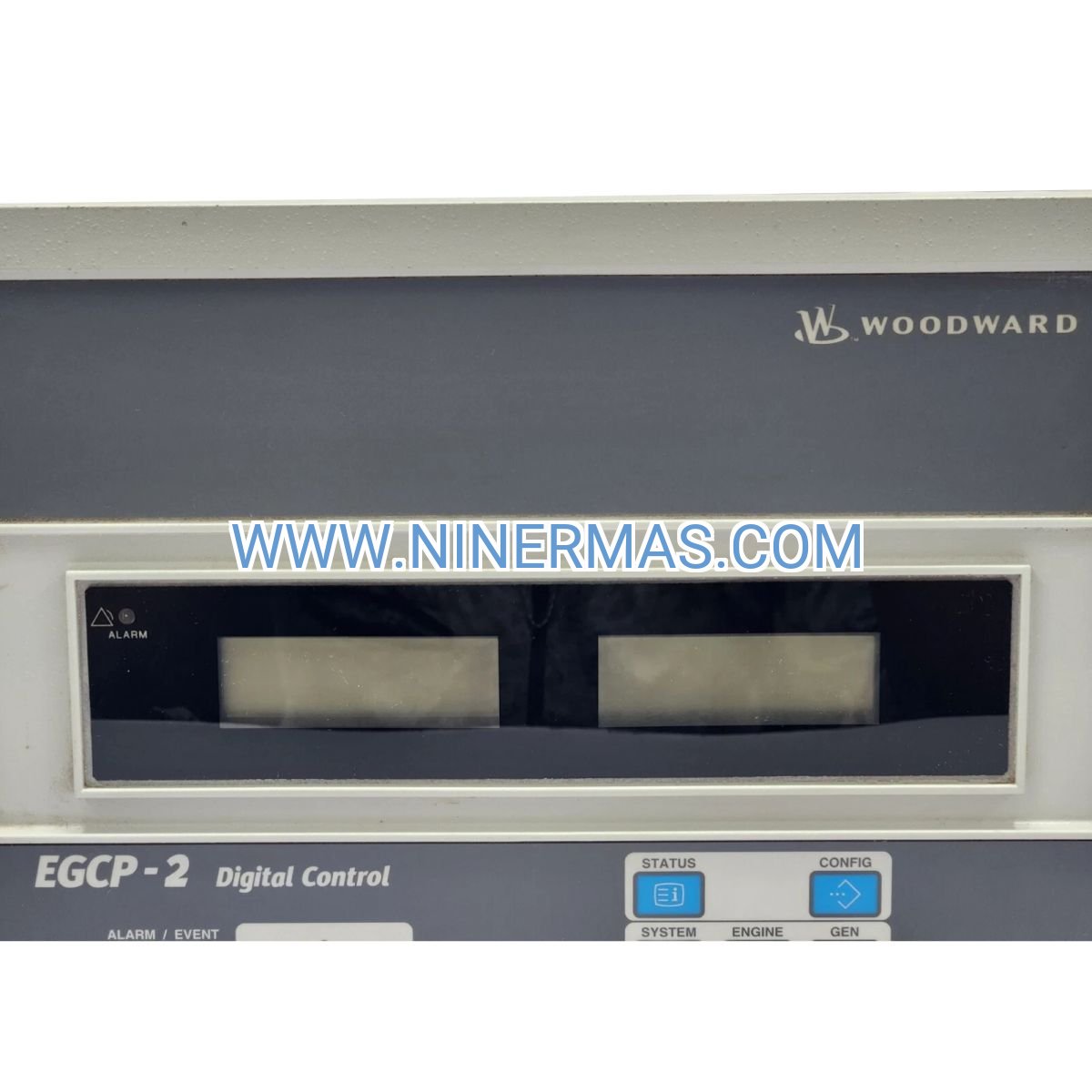
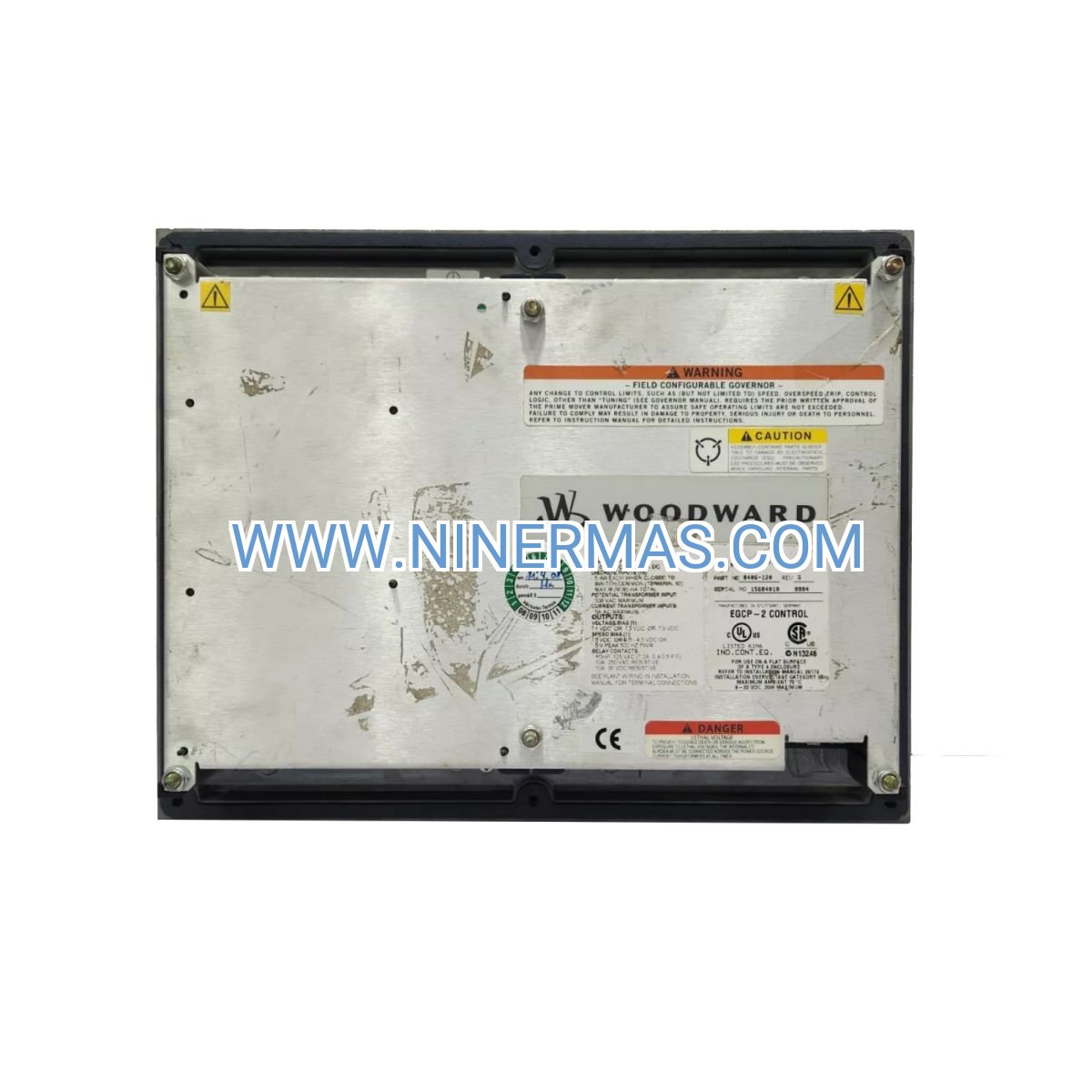
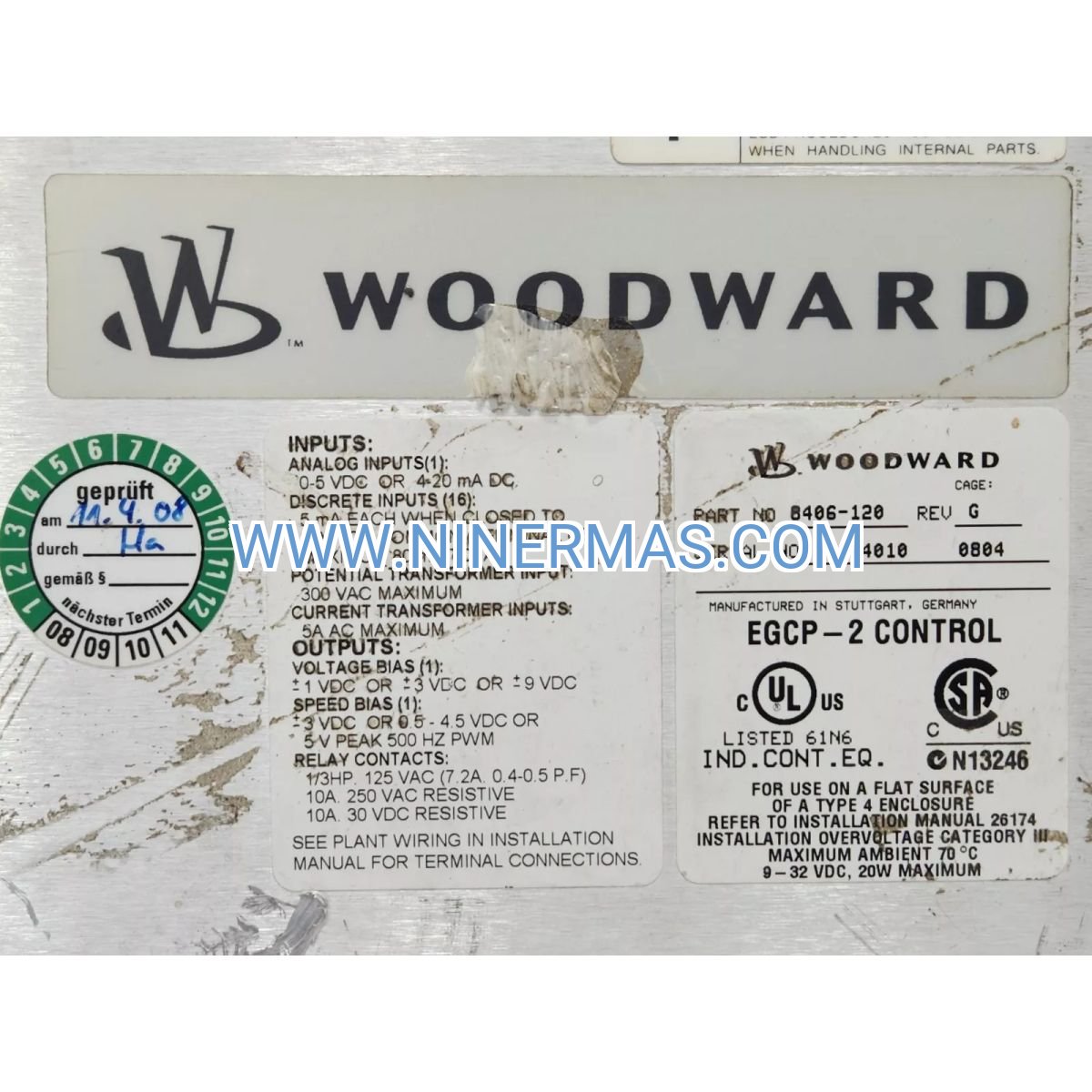
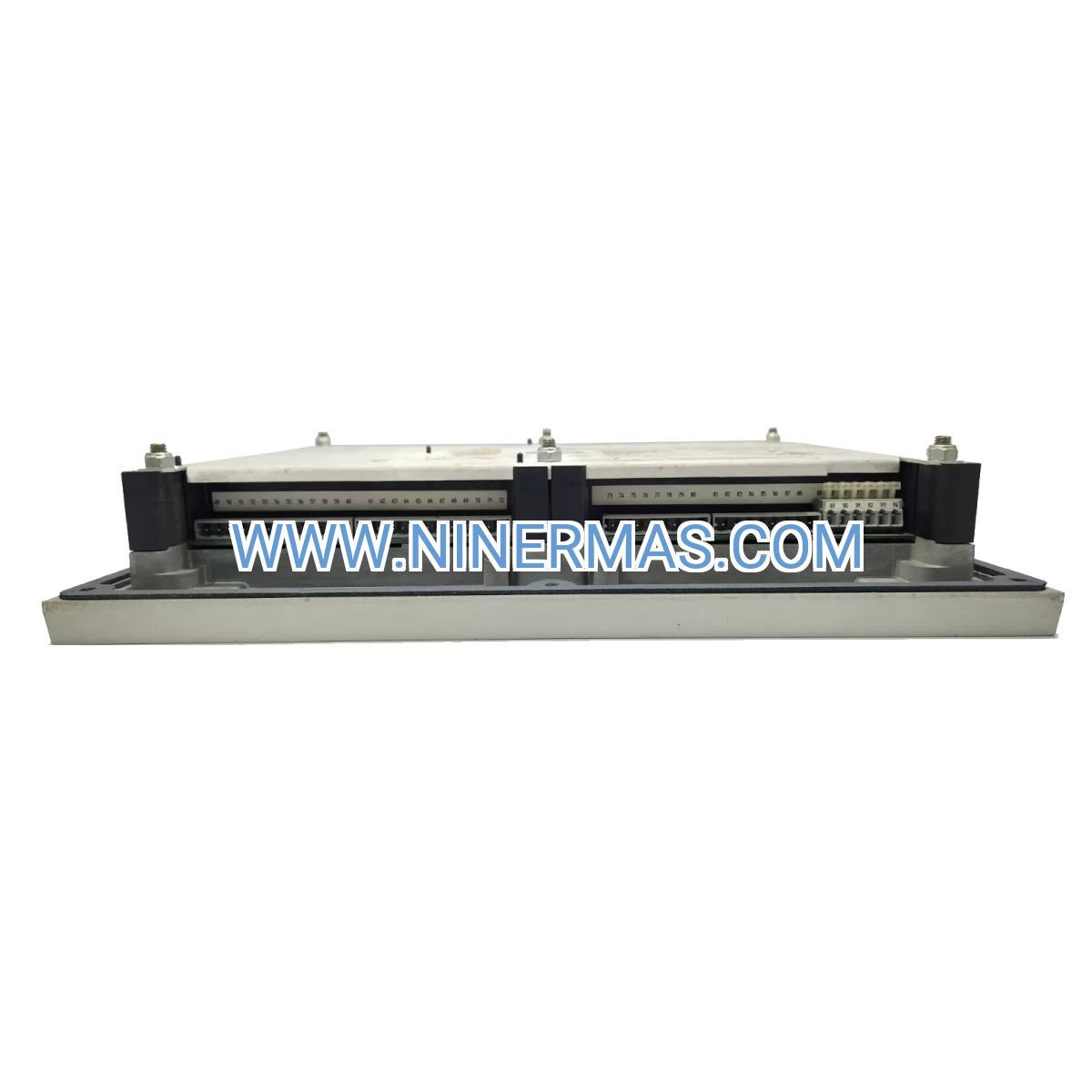
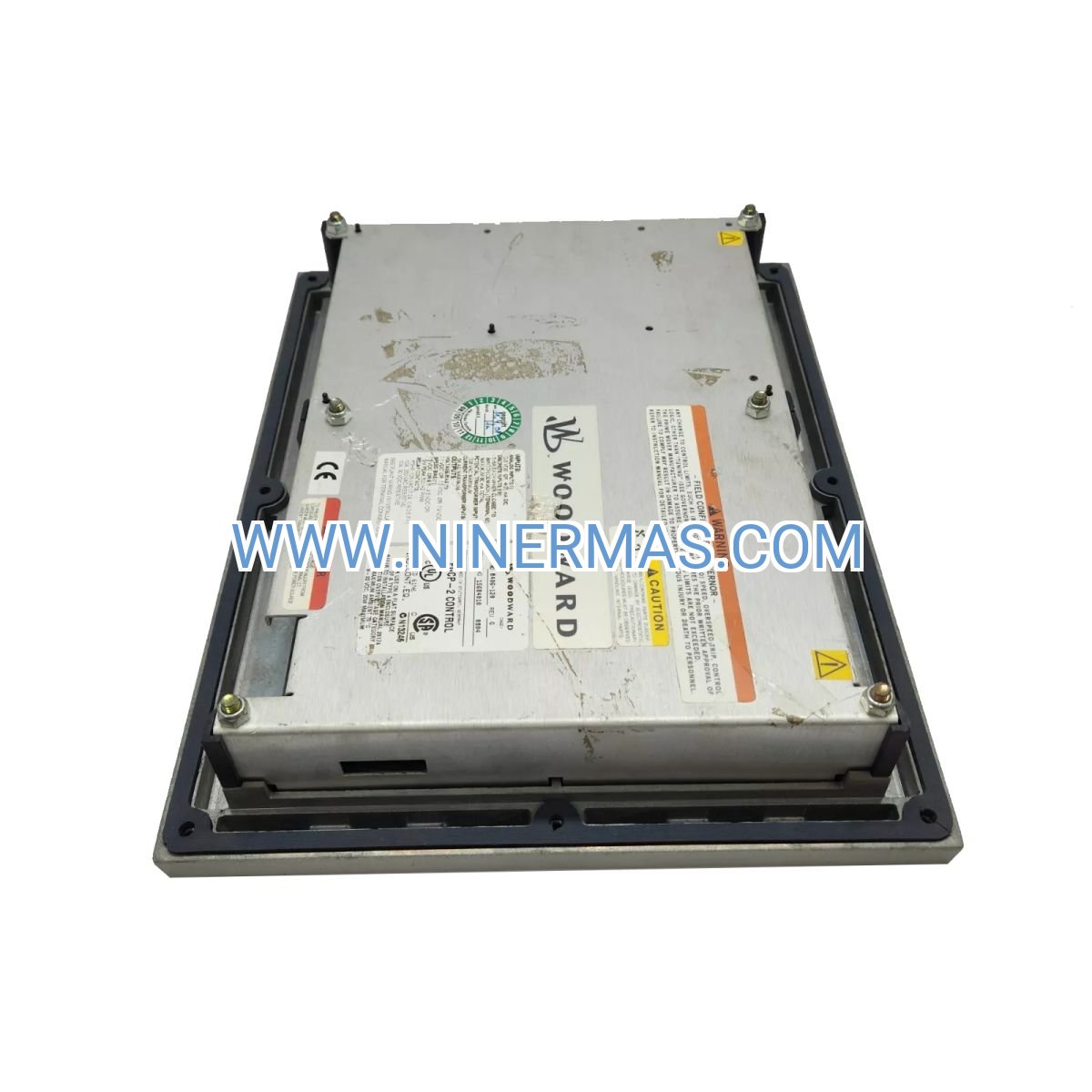
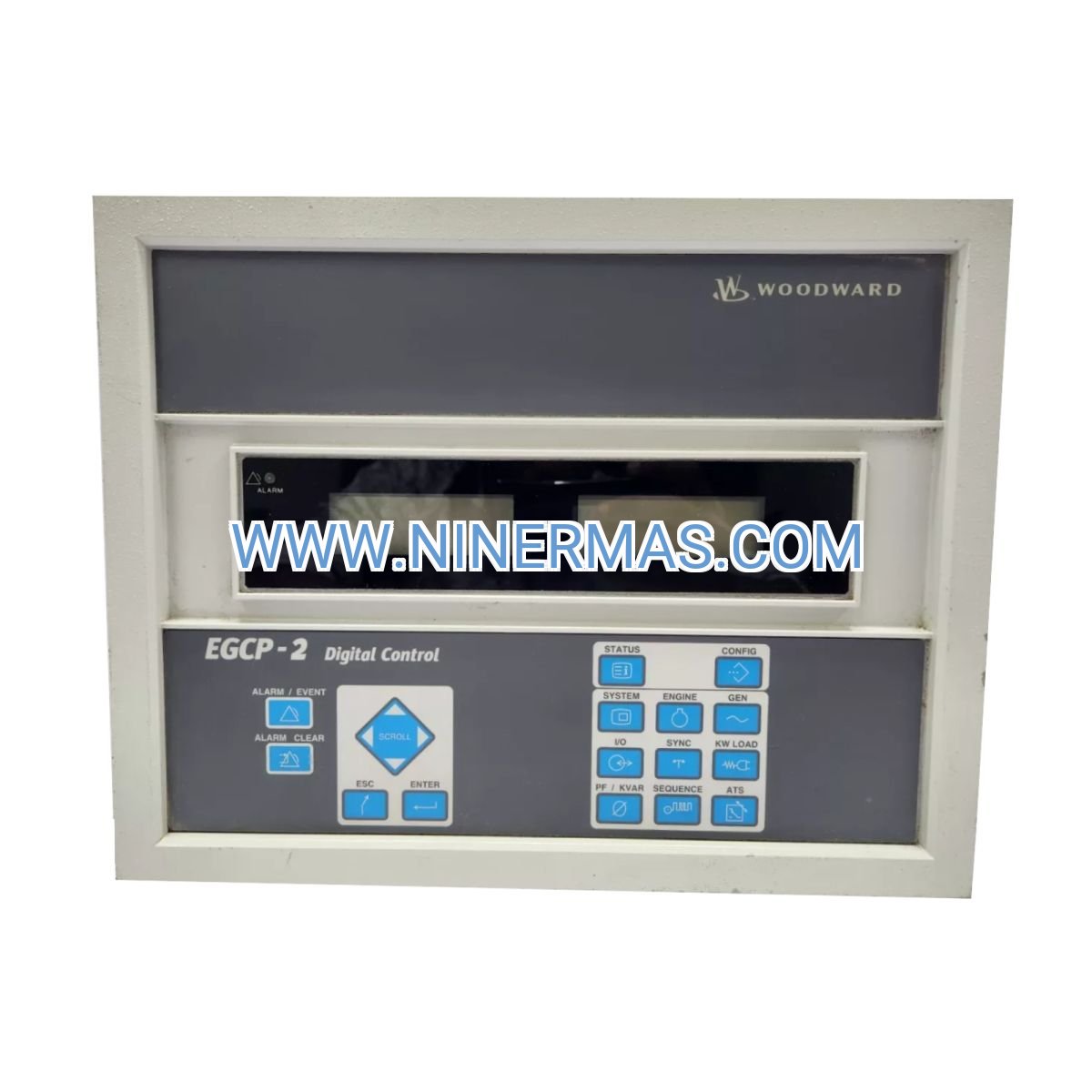
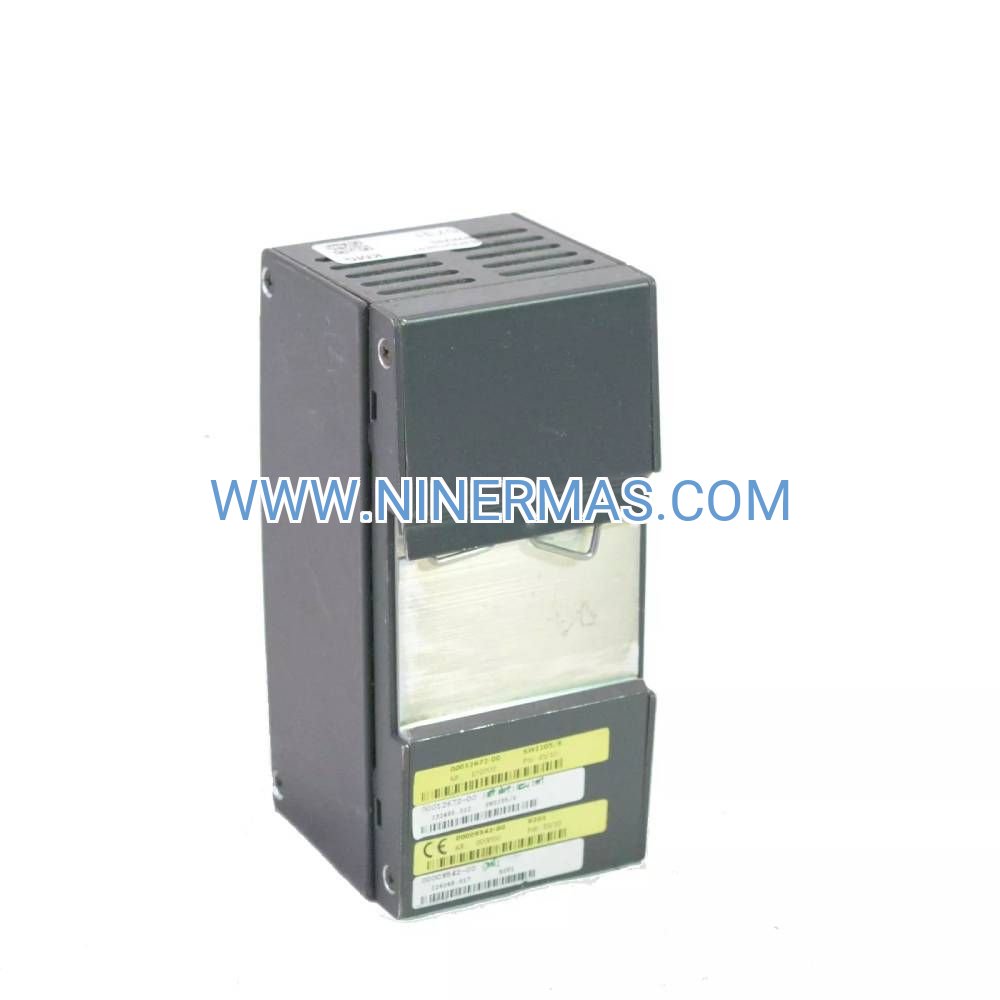
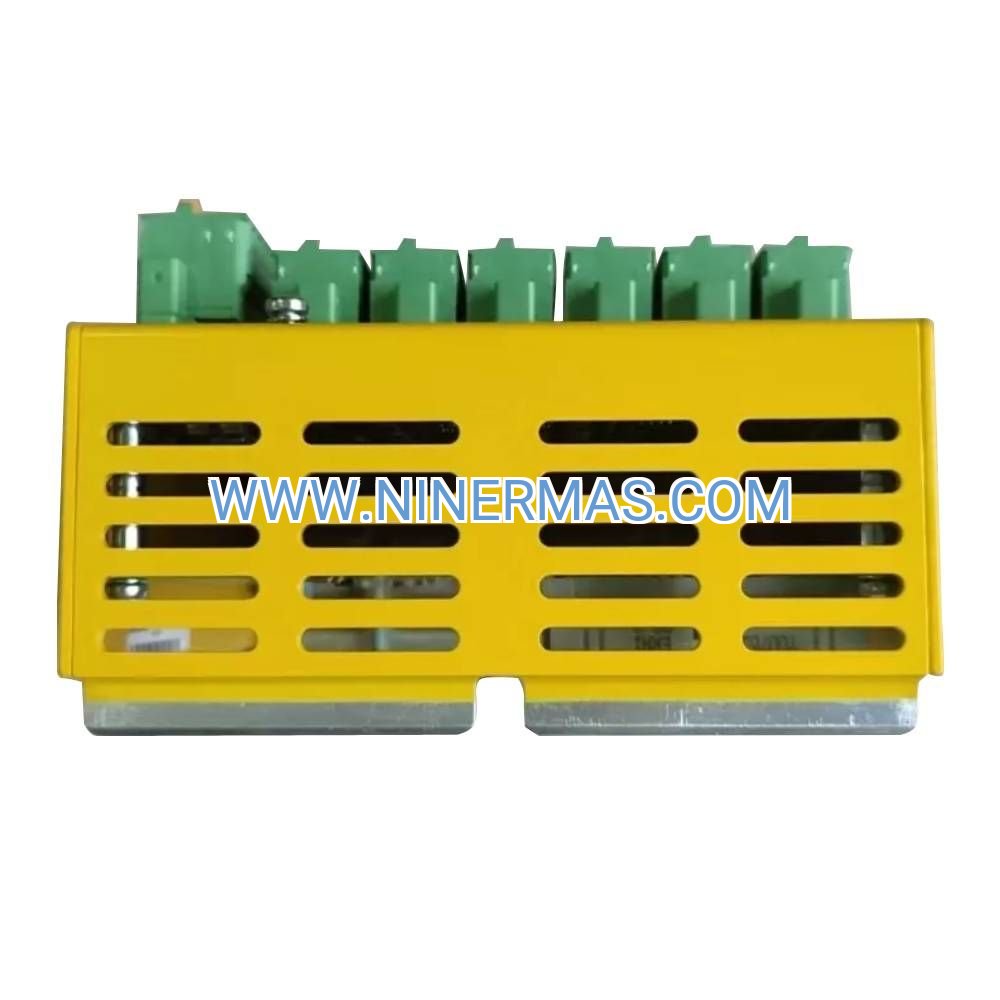
8406-120 Electronic Speed Governor (Industrial-Grade Engine Control)
The 8406-120 represents Woodward's field-proven approach to engine speed regulation, combining microprocessor intelligence with rugged industrial construction. This electronic governor maintains precise RPM control across diesel and natural gas prime movers, serving critical applications where speed stability directly impacts power quality, process continuity, and equipment longevity.
Designed for environments where mechanical governors fall short—high-vibration platforms, extreme temperatures, or applications requiring remote adjustment—the 8406-120 delivers consistent performance through advanced PID algorithms and real-time load compensation. Target users include power generation contractors, marine system integrators, and industrial plant engineers managing pump drives, compressor sets, or emergency backup systems.
Key advantages include tool-free field calibration, built-in actuator diagnostics, and compatibility with industry-standard magnetic pickups and proportional actuators. The system's dual control modes (isochronous for single-engine operation, droop for load-sharing) eliminate the need for multiple governor models across your equipment fleet.
Core Capabilities & Business Value
→ Dual-Mode Speed Regulation
Switch between isochronous (0% droop) for grid-tied generators and adjustable droop (0-10%) for paralleled gensets. This flexibility reduces inventory requirements and simplifies spare parts management across mixed engine populations.
✓ Self-Diagnostic Actuator Monitoring
Continuous output current analysis detects open circuits, coil shorts, and mechanical binding before failures occur. Front-panel LEDs provide instant fault identification, reducing troubleshooting time by 60% compared to analog governors.
✓ Wide Operating Envelope
-40°C to +70°C temperature range with IP54 protection enables installation in unheated enclosures, offshore platforms, and desert climates without derating. Eliminates costly climate control requirements for remote sites.
✓ Universal Actuator Interface
0-200 mA PWM output drives Woodward EG-series, PSG, and third-party actuators without external signal conditioning. Coil resistance tolerance (20-200Ω) accommodates legacy equipment during retrofits.
✓ Remote Speed Control Integration
Accepts 0-5 VDC or 4-20 mA analog inputs for SCADA integration, enabling centralized control of distributed generation assets. Supports both local potentiometer and networked setpoint sources simultaneously.
✓ Field-Configurable Speed Range
500-3000 RPM adjustment via internal DIP switches eliminates the need for model-specific governors. Single SKU serves applications from slow-speed marine diesels to high-speed industrial gas engines.
Application Scenarios
Standby Power Systems
Data centers and hospitals require <5-second load acceptance during utility failures. The 8406-120's fast transient response and ±0.25% steady-state accuracy maintain UPS battery charge while preventing generator overload during block load steps.
Offshore Platform Utilities
Salt fog, vibration, and temperature cycling destroy mechanical governors within 18 months. Solid-state construction and conformal-coated electronics extend service intervals to 5+ years, reducing offshore maintenance costs by $12,000+ annually per unit.
Cogeneration Load-Sharing
Industrial facilities with 3-6 paralleled gensets need proportional load distribution without communication wiring. Droop mode configuration enables plug-and-play load sharing with <2% load imbalance across identical engine sets.
Irrigation Pump Drives
Agricultural pumping stations operate unattended for weeks. The governor's auto-start compatibility and stable idle control (±5 RPM) prevent stalling during low-load conditions while maintaining full-load speed regulation for consistent water pressure.
Emergency Fire Pump Compliance
NFPA-20 requires ±5% speed regulation under varying loads. The 8406-120's isochronous mode maintains rated speed within ±0.25%, providing 10× margin over code requirements while simplifying annual certification testing.
Technical Parameters & Selection Guide
| Parameter | Specification | Selection Notes |
|---|---|---|
| Control Accuracy | ±0.25% (isochronous) ±0.5% (droop mode) | Exceeds ISO 8528-5 Class G2 requirements |
| Speed Sensing | Magnetic pickup, 50-20,000 Hz | Compatible with standard MPU sensors (200-500 mV output) |
| Power Supply | 18-32 VDC nominal 12-36 VDC operating | Direct connection to 24V engine battery systems |
| Actuator Output | PWM, 0-200 mA max | Verify actuator coil resistance 20-200Ω |
| Environmental | -40°C to +70°C IP54 / NEMA 12 | Suitable for outdoor enclosures without heating |
| Mounting | DIN-rail or panel 178×127×89 mm | Requires 200 mm clearance for wiring access |
Selection Criteria: Choose the 8406-120 when your application requires electronic speed control with field-adjustable parameters, diagnostic capabilities, or operation beyond -20°C to +50°C limits of mechanical governors. For applications requiring CAN bus communication or multi-engine synchronization, consider Woodward's 2301-series controllers.
Extended Functions
Analog Speed Reference Input: 0-5 VDC or 4-20 mA input accepts setpoints from PLCs, SCADA systems, or remote potentiometers. Input impedance >10kΩ prevents loading of 4-20 mA loops.
Adjustable Gain & Stability: Internal trim pots allow PID tuning for engines with non-standard turbocharger lag, fuel system response, or governor actuator characteristics. Field optimization eliminates hunting without factory recalibration.
Start/Stop Control Integration: Auxiliary relay outputs (optional via external interface module) enable automatic start sequencing, cooldown timers, and fault shutdown integration with engine protection systems.
Delivery & Service Assurance
Lead Time: Stock units ship within 2-3 business days via express courier. Custom-configured units (special speed ranges or actuator outputs) require 10-15 business days for factory programming and testing.
Warranty Coverage: 12-month warranty covers manufacturing defects, component failures, and calibration drift under normal operating conditions. Extended 36-month coverage available for critical infrastructure applications.
Technical Support: Application engineering assistance includes actuator selection, wiring diagrams, and PID tuning guidance. Phone/email support available 8 AM - 6 PM EST, Monday-Friday. Emergency support for power generation failures available 24/7.
Documentation Package: Each unit includes installation manual (English/Spanish), wiring diagrams, calibration procedures, and troubleshooting flowcharts. CAD drawings (DXF/PDF) and 3D STEP models available for panel design integration.
Frequently Asked Questions
What's the difference between isochronous and droop control modes?
Isochronous mode maintains constant speed (±0.25%) regardless of load, ideal for single generators or grid-tied applications. Droop mode intentionally reduces speed 3-5% from no-load to full-load, enabling multiple engines to share load proportionally without communication wiring.
Can I retrofit the 8406-120 to replace a mechanical Woodward governor?
Yes, the 8406-120 interfaces with existing Woodward actuators (EG-A, EG-3P, PSG series) and standard magnetic pickups. Typical retrofit time is 2-4 hours including wiring, calibration, and load testing. Mechanical linkage removal may require actuator repositioning.
How do I verify the governor is compatible with my engine's speed range?
The 8406-120 covers 500-3000 RPM via internal DIP switch configuration. For engines operating outside this range (e.g., 3600 RPM gensets), verify your magnetic pickup generates 50-20,000 Hz at operating speed. Most 60-tooth flywheel pickups produce 3600 Hz at 3600 RPM, well within range.
What causes hunting or speed oscillation, and how is it corrected?
Hunting typically results from excessive gain, insufficient damping, or actuator mechanical binding. Adjust the stability trim pot clockwise in 1/4-turn increments while monitoring speed under 50% load. If hunting persists, inspect actuator linkage for friction and verify fuel system response time is <500 ms.
Does the 8406-120 require external power conditioning or surge protection?
The governor includes internal transient protection for automotive electrical environments. For installations with welding equipment, VFD drives, or lightning-prone areas, add external TVS diodes (1.5KE36CA or equivalent) across power supply terminals for additional protection.
Can multiple 8406-120 governors share load without communication wiring?
Yes, when configured in droop mode with identical droop settings (typically 4%), governors automatically distribute load proportionally. Ensure all engines have similar power ratings (within 20%) and use the same fuel type for balanced load sharing. Load imbalance <5% is typical for well-matched systems.
Get Expert Application Support
Our technical team provides free pre-sale consultation for governor selection, actuator compatibility verification, and system integration planning. Contact us with your engine specifications, operating environment, and control requirements for a detailed application review within 24 hours.
© 2026 NINERMAS COMPANY LIMITED. All rights reserved.
Original Source: https://ninermas.com
Contact: sale@ninermas.com | +0086 187 5021 5667

Contact Info
-
Address:22 / F, South Wo Hang building, 148 Wing Lok Street, Sheung Wan, Western District, Hong Kong
-
Phone:+8618750215667
-
Email: